Description
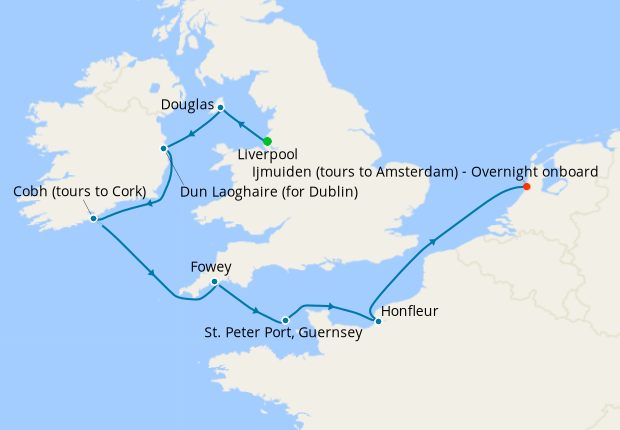
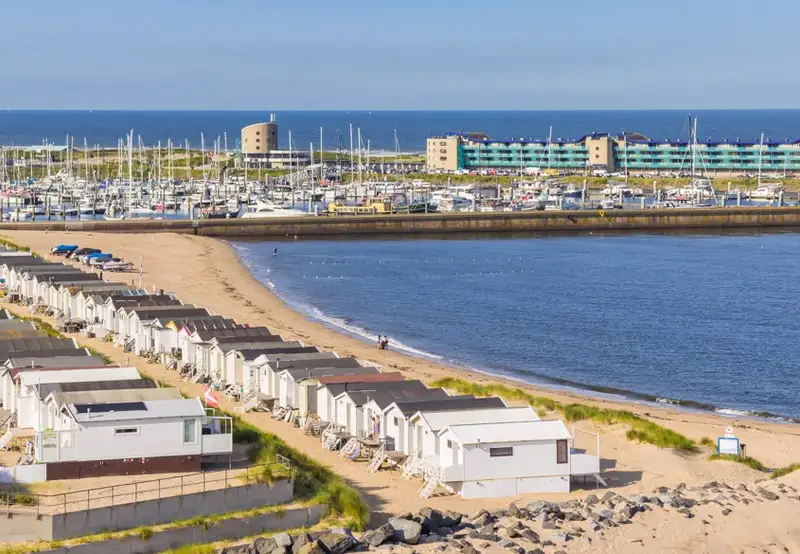
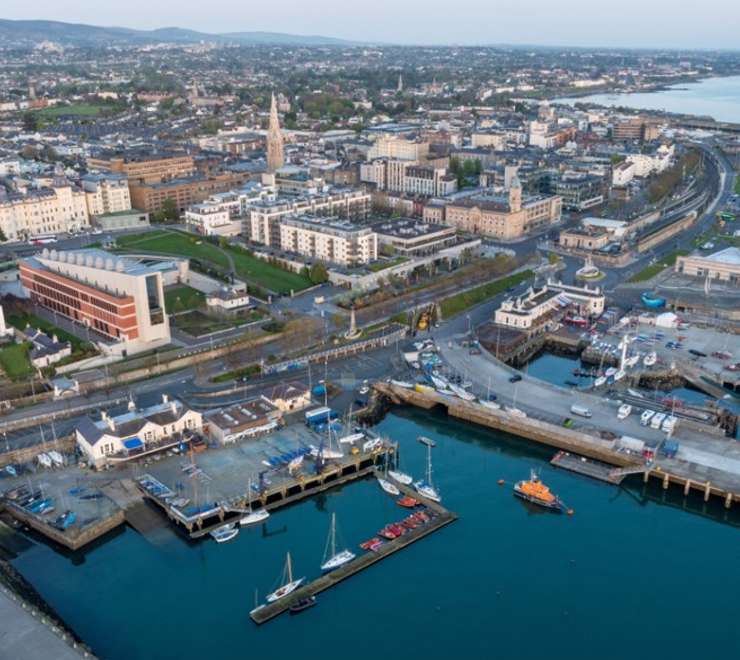
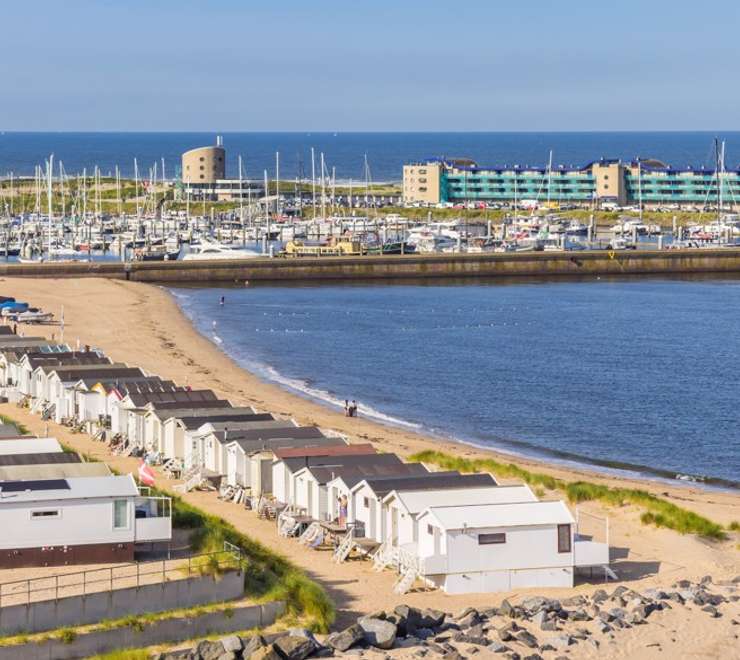
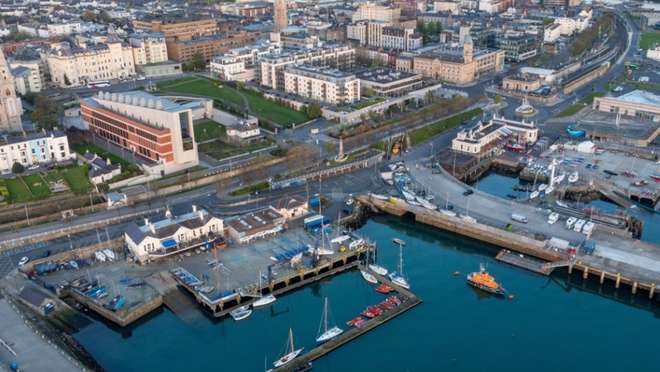
Home to stunning seaside, vibrant local markets, and unique museums, Dun Laoghaire is an inviting coastal town in County Dublin and a great place to visit if you’re looking for the chance to enjoy some watersports. However, it’s also the best port of call for trips into Dublin – the capital of Ireland and a truly fantastic place to visit during a sailing around the British Isles. With historic hotspots like Dublin Castle and The Custom House here alongside the National Museum of Ireland and Dublinia, history buffs will find plenty to enjoy during a day visit. However, home to the famous Guinness Storehouse and iconic Temple Bar district, culture vultures and those looking for a more lively experience will find Dublin an unforgettable destination.
Read more
Read less
Things to do
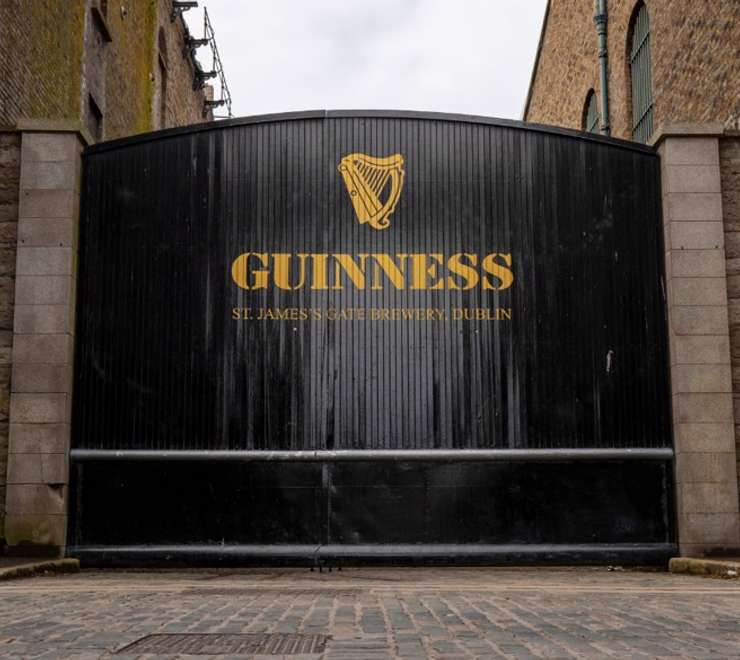
Guinness Storehouse
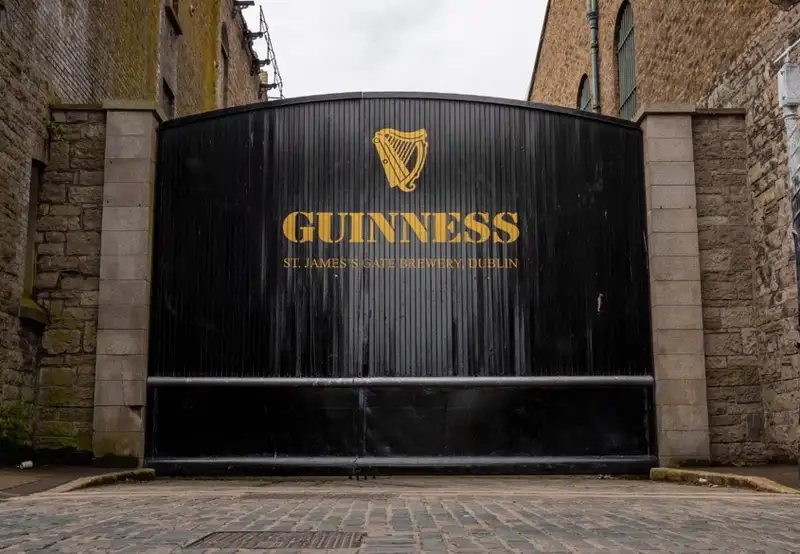
Once the fermentation plant for the Guinness Brewery, and the first multi-storey steel-framed building to be built in Ireland, the Guinness Storehouse is an immersive attraction dedicated to Ireland’s most iconic export. Here, you’ll have the chance to explore the history of Guinness, how the ruby-red stout is brewed, and admire the city of Dublin from a panoramic bar on the top floor – with a freshly-poured pint to savour. A fun experience where you’ll learn a lot more than you think, this isn’t one to miss while in Dublin.
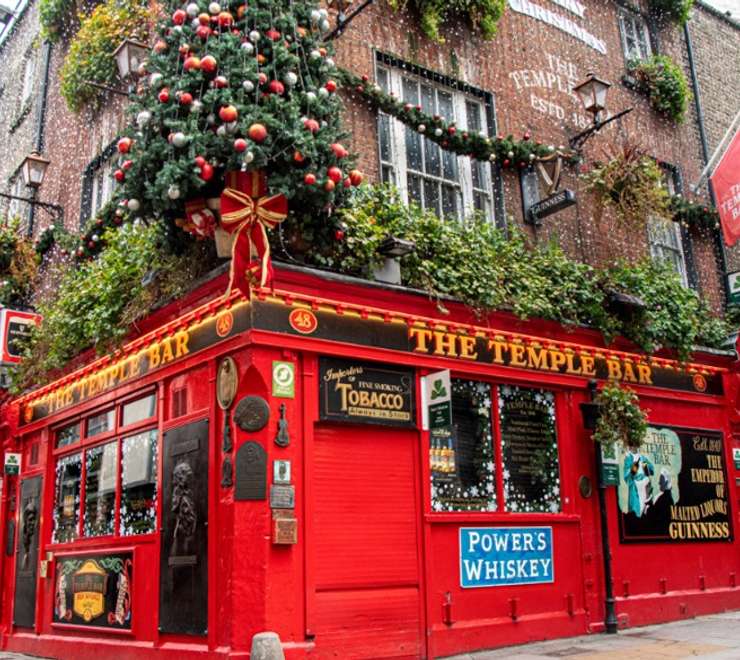
Temple Bar
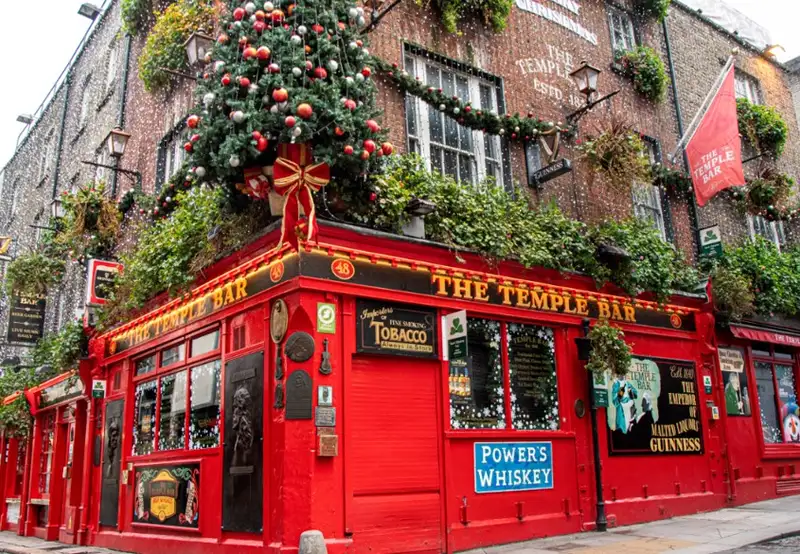
A vibrant riverside neighbourhood in Dublin city centre, which is home to a variety of busy pubs and restaurants, Temple Bar is the beating heart of Dublin’s nightlife and celebrated for supporting underground artists for several decades. Home to incredible live music, delicious drinks, and some of the best craic in Ireland, this is a great way to have a good time while in Dublin.
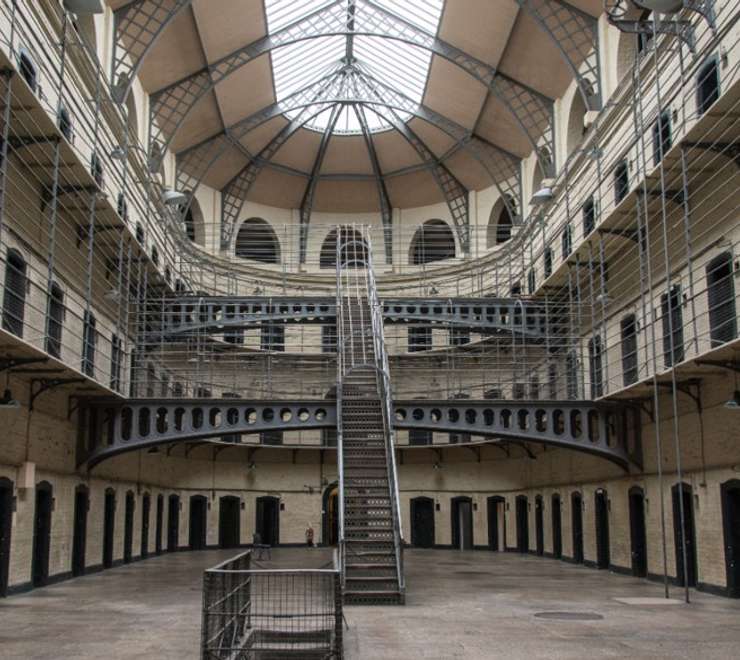
Kilmainham Gaol
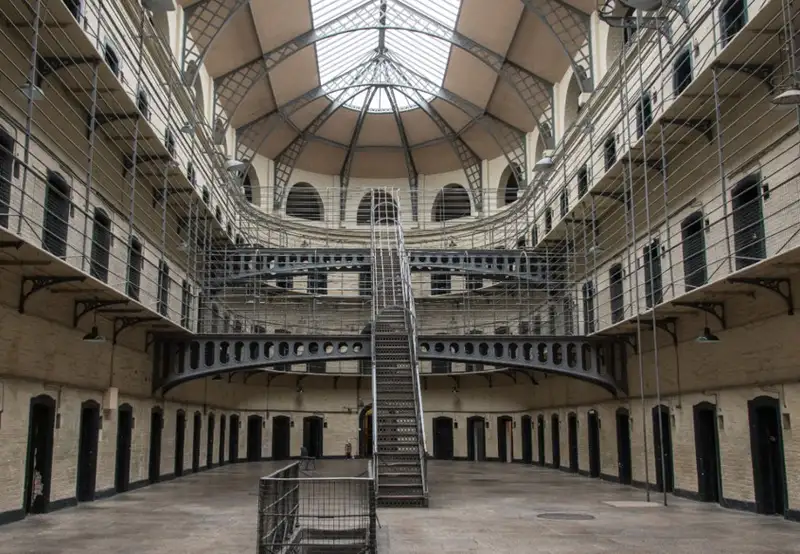
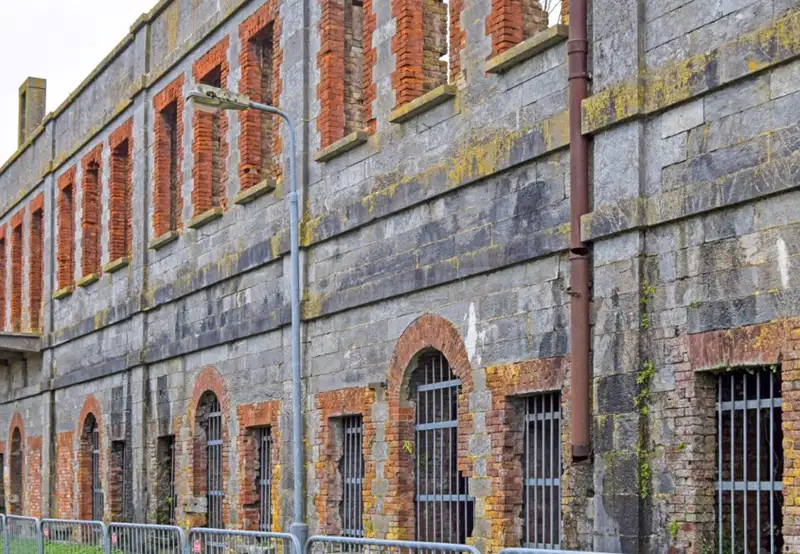
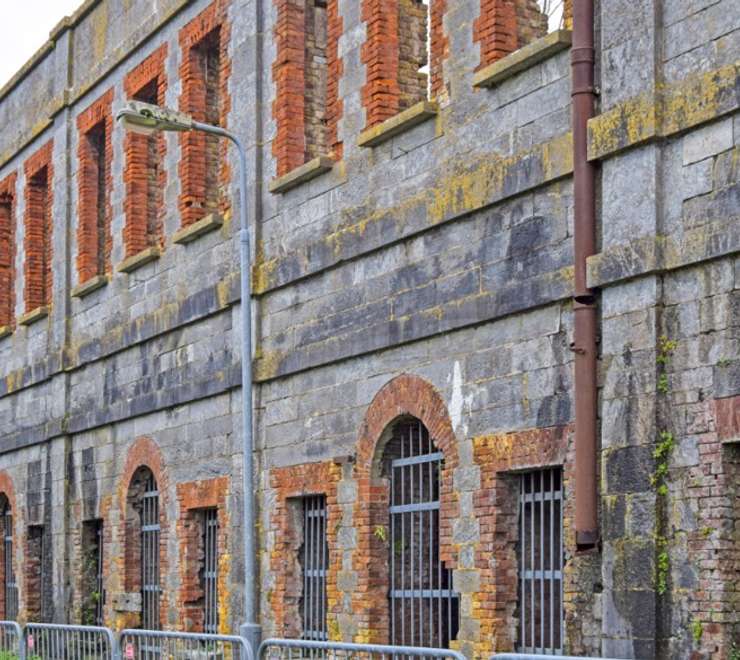
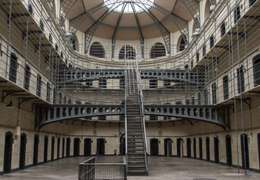
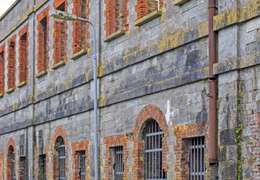
A former prison in the heart of Dublin, Kilmainham Gaol is a unique museum with an important history. Many of the most famous Irish revolutionaries were held, and then executed here, throughout the 18th and 19th centuries, with it being the site of numerous important strikes and social movements throughout its history. Interestingly, there was also no segregation of prisoners; men, women, and even children, were incarcerated up to five in each cell, with the youngest prisoner reportedly just seven years old.


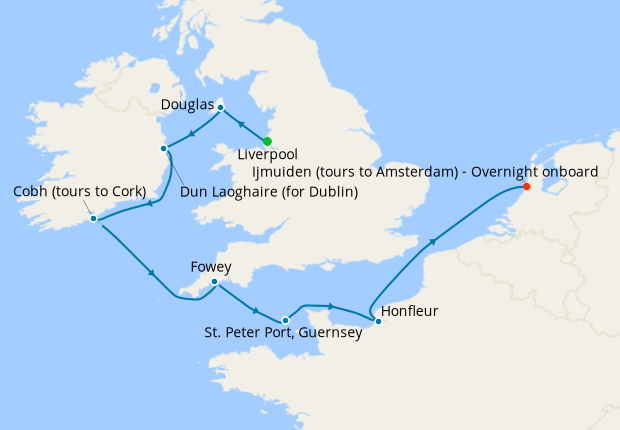


 26 July 2026 · 8 nights
 2 Adults

























 Wi-Fi
Wi-Fi
 Drinks
 Tips
Tips
 Specialty Dining
 Entertainment
 Accommodation
 Port Fees & Taxes