Description
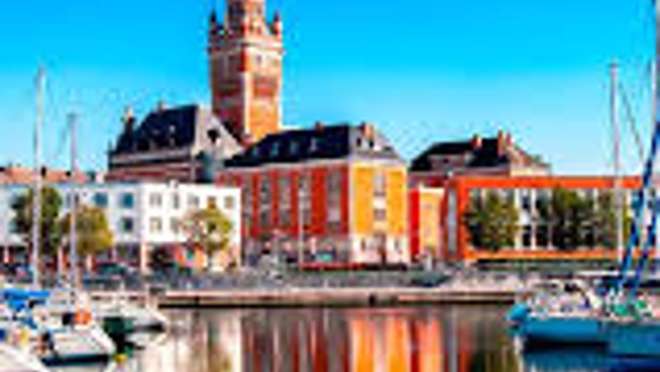
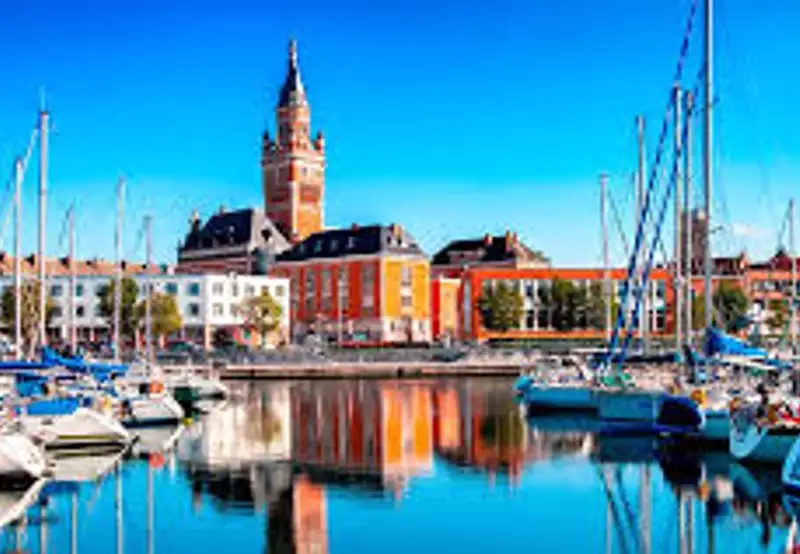
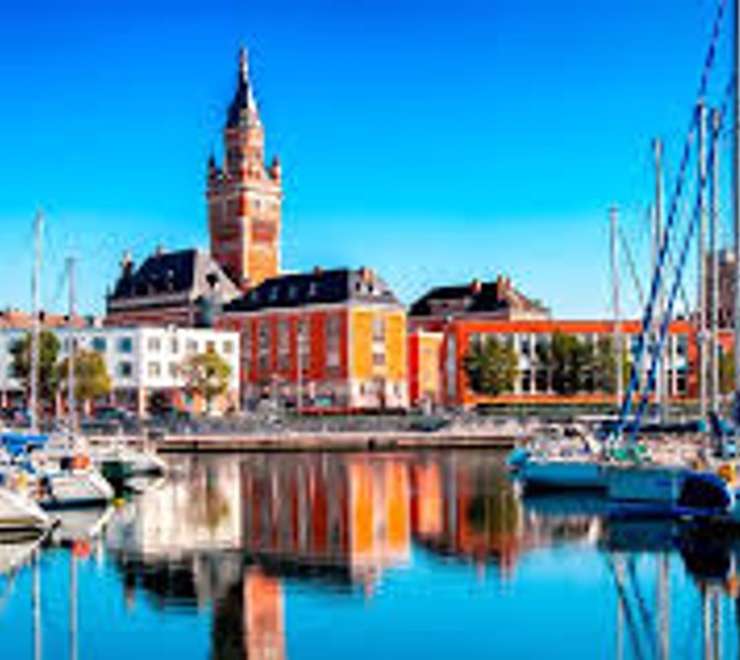
Visiting Dunkirk is a powerful journey through some of the most pivotal moments of 20th-century history, centered on the incredible legacy of Operation Dynamo. A visit typically begins at the Dunkerque 1940 Museum, housed within the historic walls of Bastion 32, where maps and artifacts bring the harrowing 1940 evacuation to life. From there, a walk along the vast, windswept sands of Malo-les-Bains offers a somber moment of reflection, as the remains of shipwrecks are still occasionally visible at low tide. Beyond its wartime heritage, the city reveals a resilient charm, featuring a vibrant seafront lined with colourful 19th-century villas, bustling seafood brasseries, and the soaring Belfry of Saint-Eloi, which offers panoramic views of the reconstructed port and the North Sea.
Read more
Read less
Things to do
Museum Dunkerque 1940 Operation Dynamo
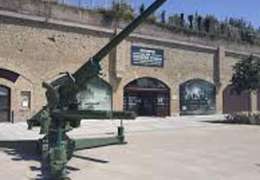
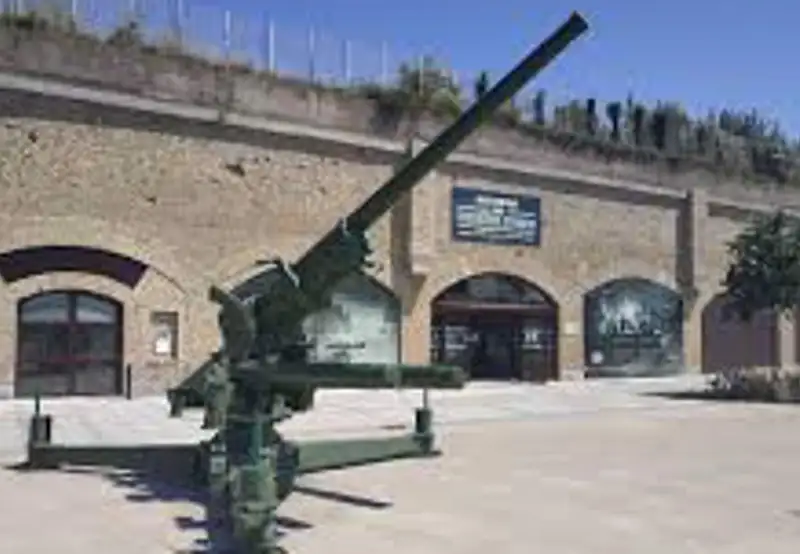
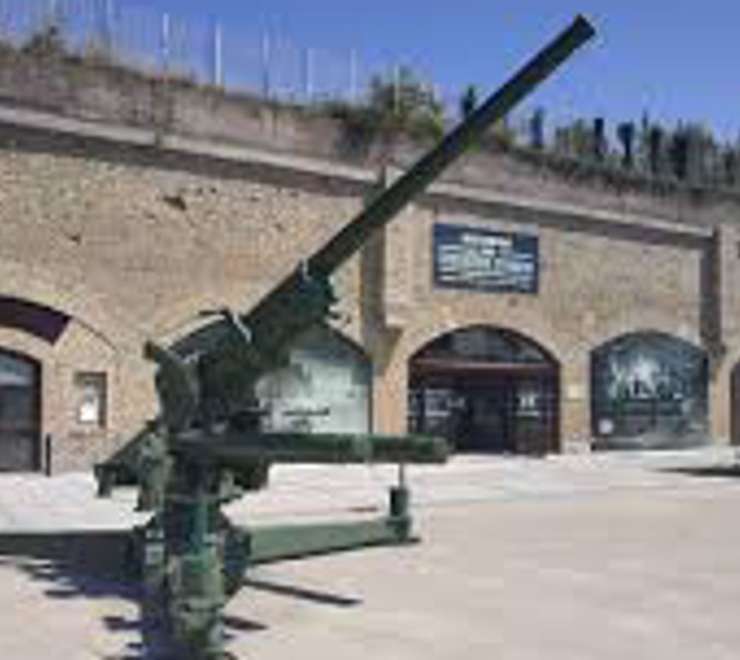
A visit to the Musée Dunkerque 1940, housed within the historic fortifications of Bastion 32, is a deeply immersive journey into the heart of the "Miracle of Dunkirk." This site served as the nerve centre for the Allied command during the evacuation, and its thick stone walls still seem to echo with the tension of those nine days in May and June 1940. Inside, the museum brings Operation Dynamo to life through an extensive collection of original equipment, from massive anti-aircraft guns and military vehicles to personal letters and dog tags found on the surrounding dunes. A poignant 12-minute documentary provides essential context, explaining how 338,000 soldiers were rescued by a fleet of destroyers and the legendary "little ships." Walking through the cool, dimly lit tunnels of the bastion, you gain a visceral sense of the scale of the operation and the sheer resilience of those trapped on the beaches, making it an essential starting point for understanding Dunkirk’s place in history.
Beach of Malo-les-Bains
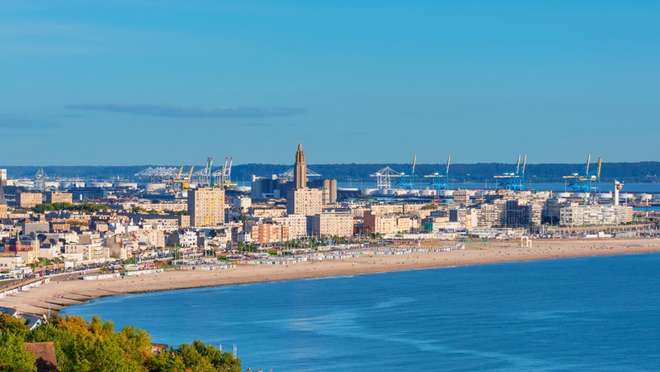
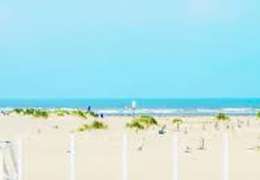
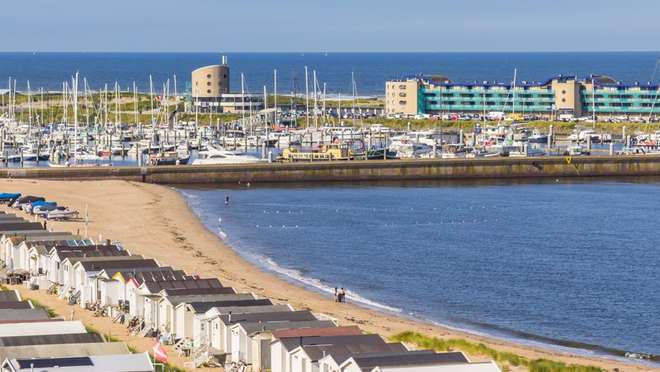
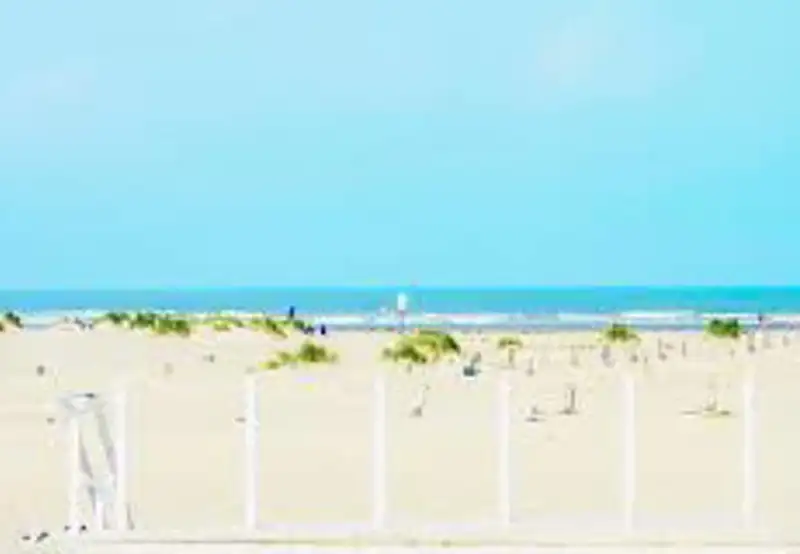
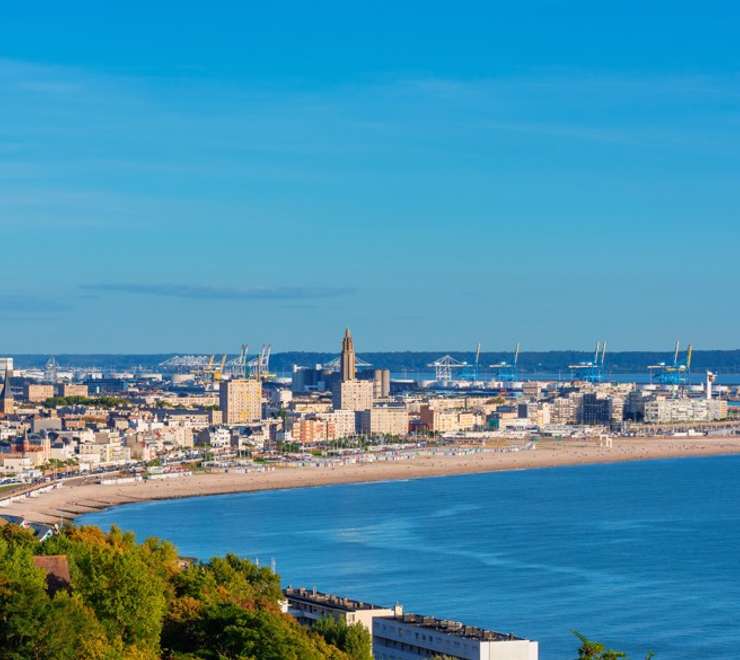
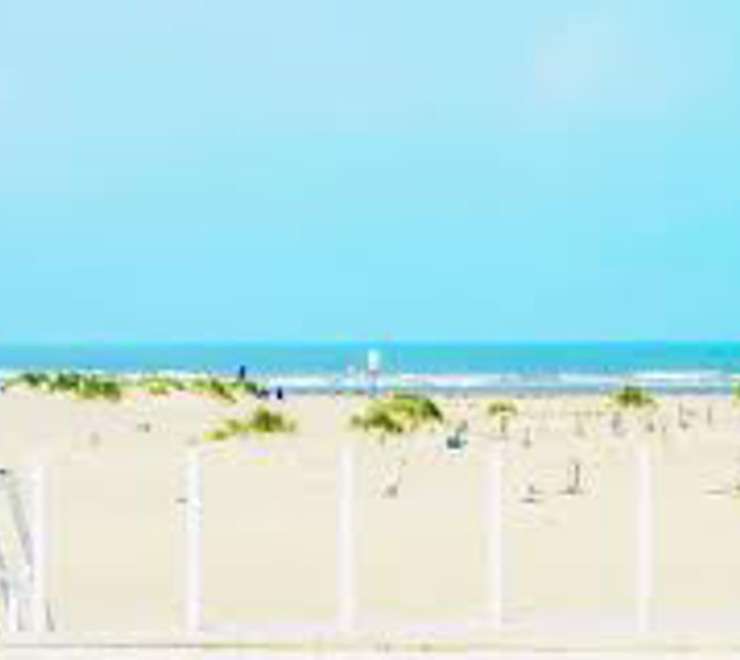
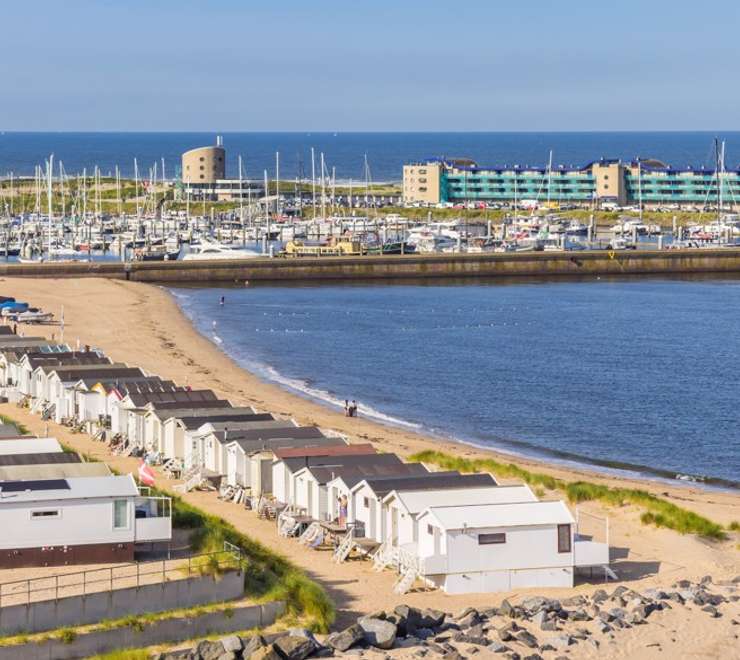
The Beach of Malo-les-Bains is a striking mix of wartime history and vibrant seaside life. Its vast sands are famous for Operation Dynamo, where shipwrecks like the Crested Eagle still appear at low tide, yet the promenade today is lively and bright. Bordered by colourful Belle Époque villas and bustling seafood brasseries, it offers a soulful atmosphere where you can enjoy a classic French "moules-frites" while reflecting on the coast's heroic past.
Lieu d’Art et Action Contemporaine de Dunkerque
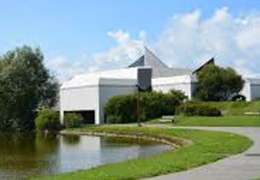
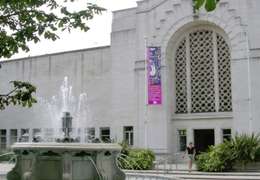
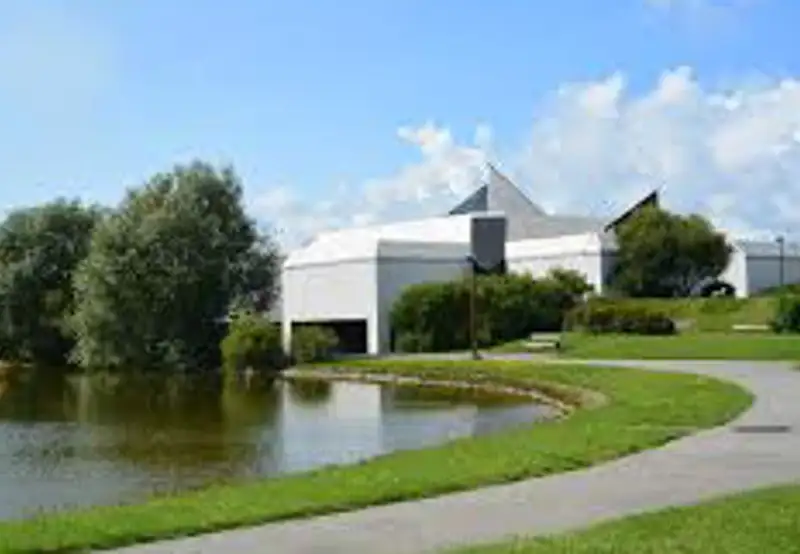
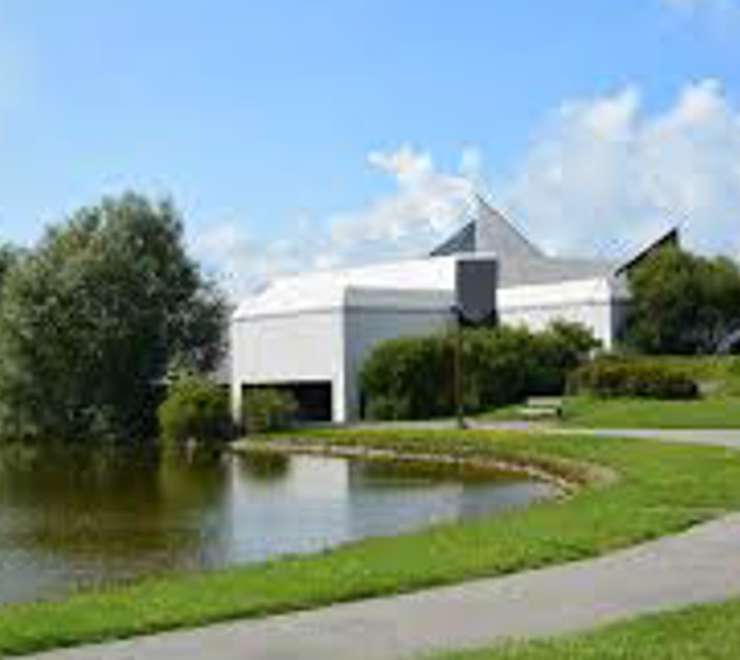
Lieu d’Art et Action Contemporaine (LAAC) is a refreshing contrast to Dunkirk’s somber wartime history, offering a bright and playful immersion into the art of the 1950s to the 1980s. Housed in a striking white-ceramic building that gleams against the North Sea sky, the museum is surrounded by a lush sculpture garden where you can wander among vibrant works by artists like Niki de Saint Phalle and Arman. Inside, the light-filled galleries showcase an impressive collection of Pop Art and New Realism, featuring graphic, colorful pieces that feel both energetic and thought-provoking. The museum is particularly famous for its "Graphic Arts Cabinet," a unique space where visitors can pull out drawers to discover thousands of drawings and prints at their own pace. Whether you are admiring the bold installations or simply relaxing by the water-filled basins of the surrounding park, the LAAC provides a serene, creative sanctuary in the heart of the city's port district.


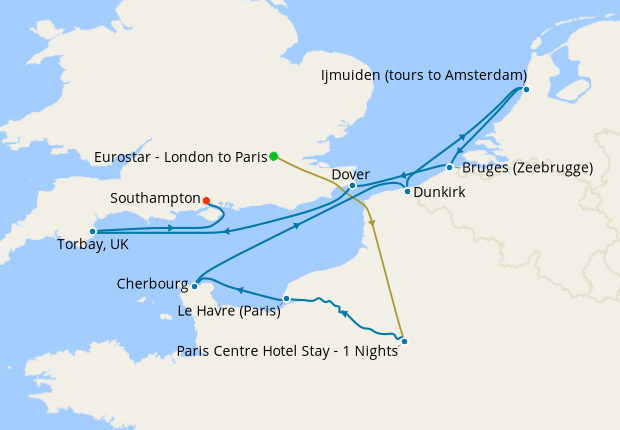


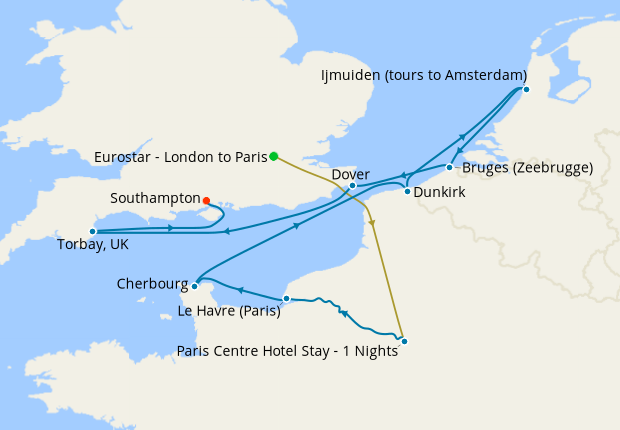
 23 May 2026 · 8 nights
 2 Adults













































































 Itinerary


