Description
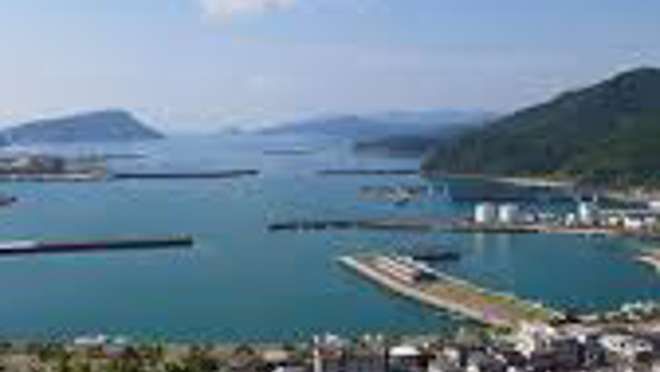
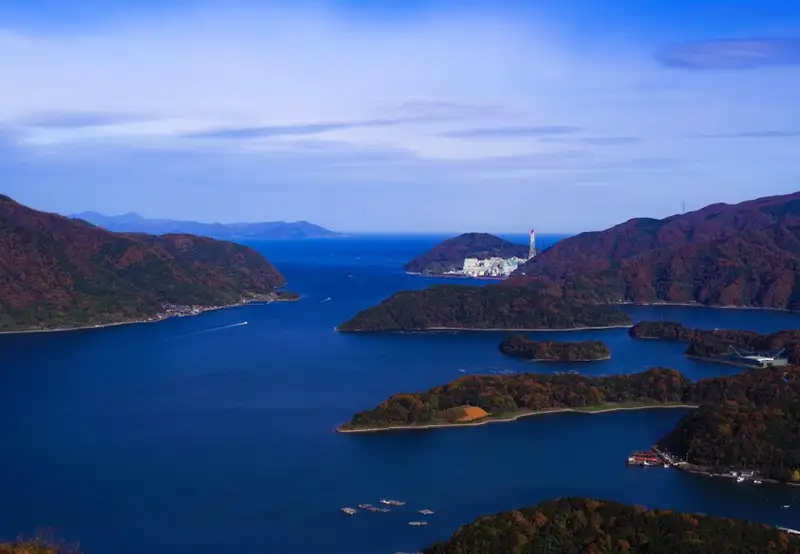
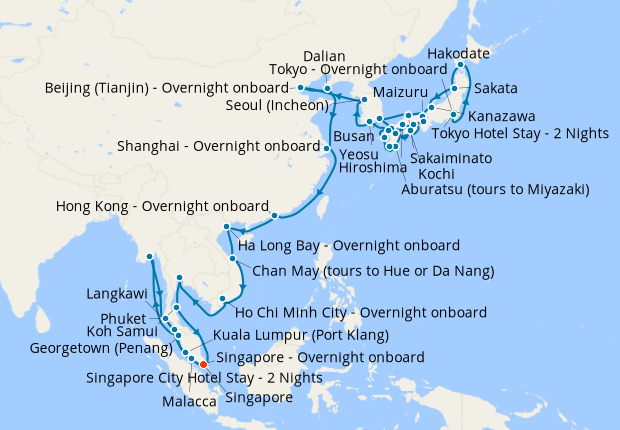
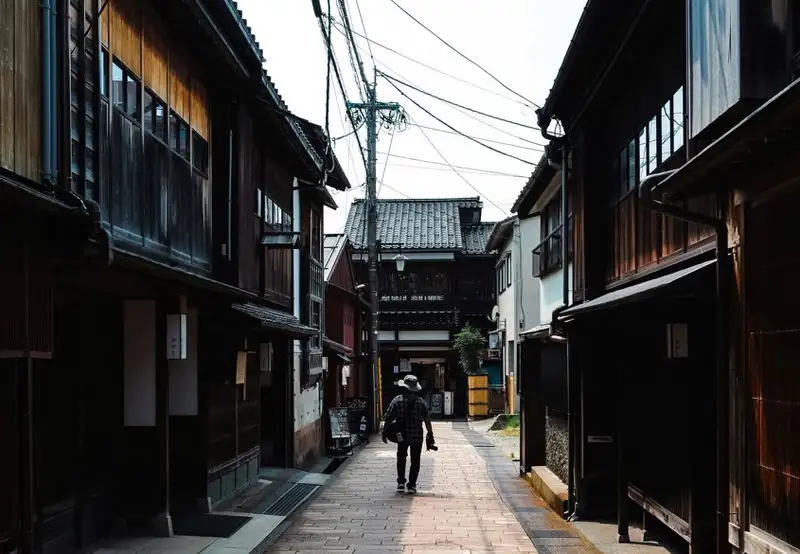
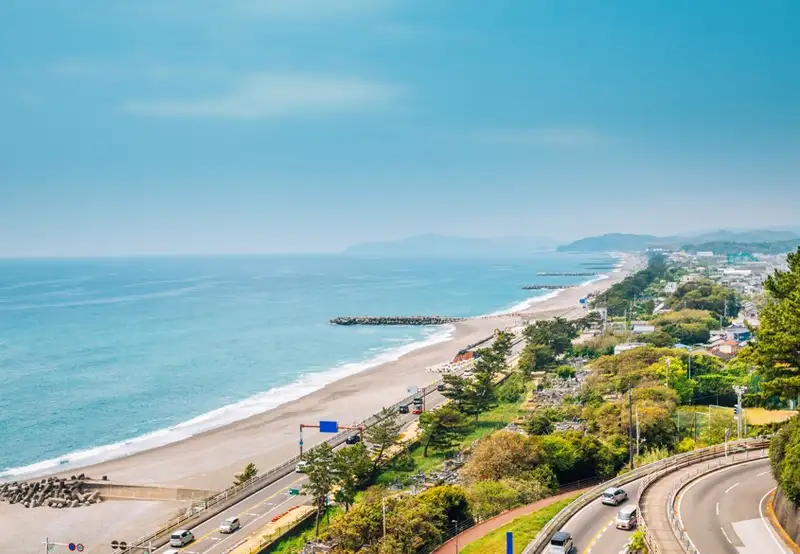
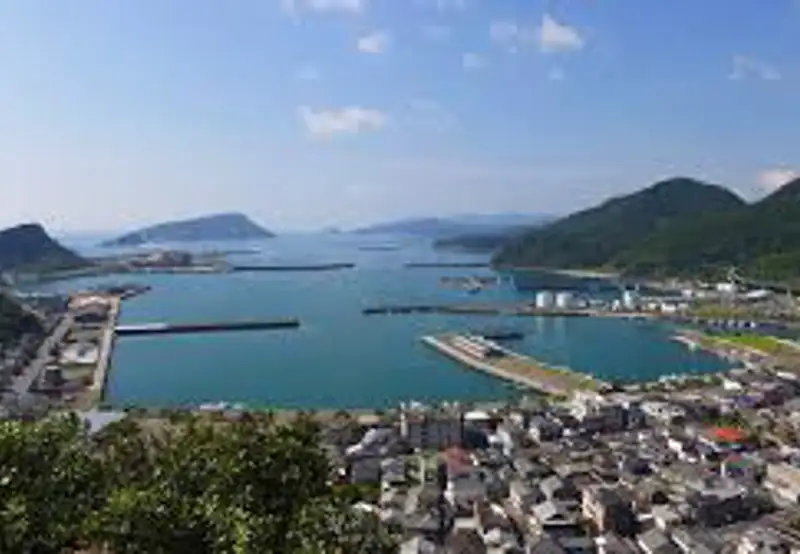
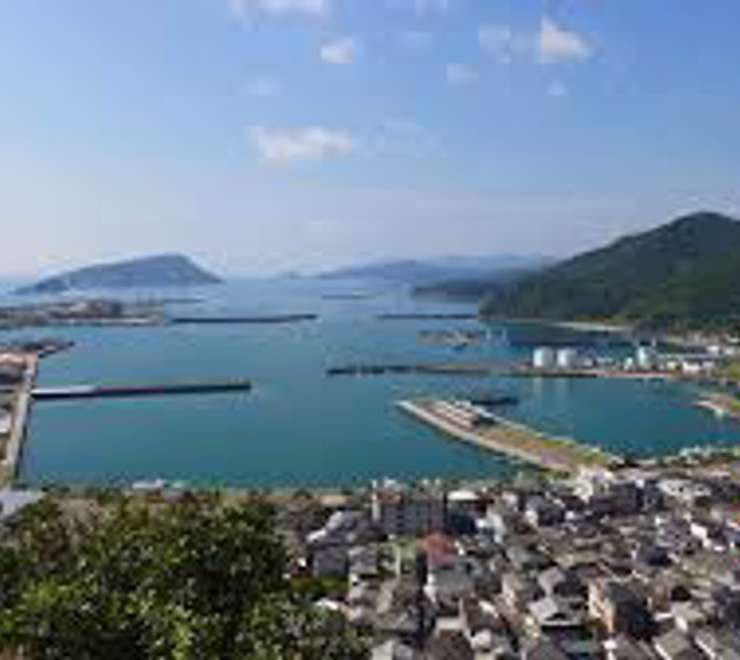
Aburatsu is a historic port town in Nichinan, Miyazaki Prefecture, that flourished during the early 20th century as a major hub for the charcoal and lumber trade. The town is famous for the Horikawa Canal, a scenic waterway lined with stone walls and red-brick warehouses that reflect its prosperous Meiji era past. Today, it serves as a popular gateway for large cruise ships, offering visitors a charming mix of retro architecture and local culture. Sports fans also know it well as the spring training base for the Hiroshima Toyo Carp baseball team, with the "Carp Road" painted in vibrant red leading from the station to the stadium.
Read more
Read less
Things to do
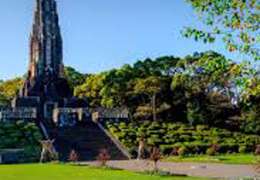
Miyazaki Heiwadai Park
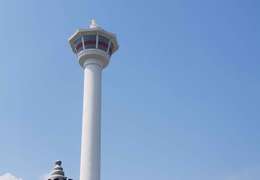
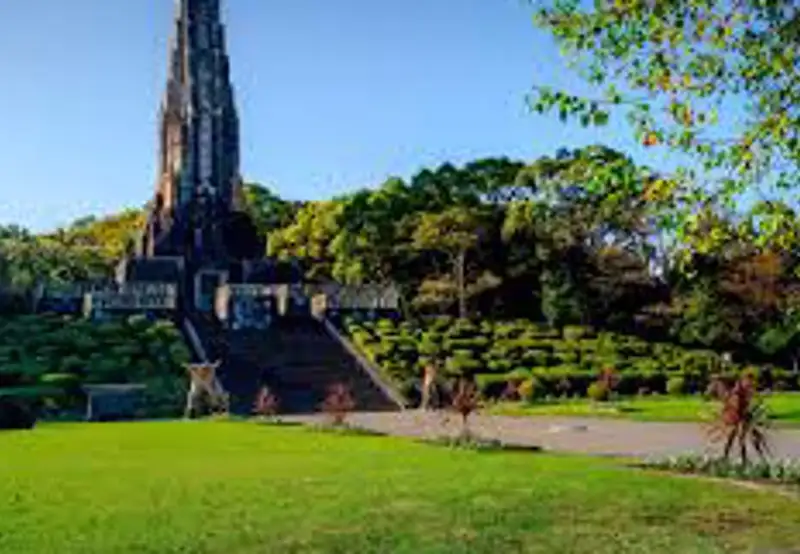
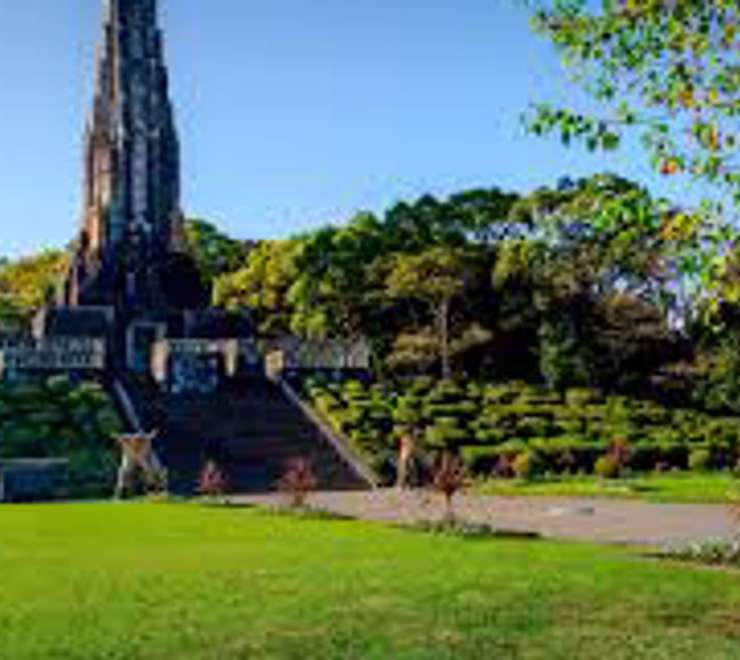
A visit to Heiwadai Park (Peace Tower Park) in Miyazaki offers a blend of grand architecture and intriguing ancient history. The park's most dominant feature is the Peace Tower, a massive 37-metre stone structure built in 1940 using stones sent from all over Asia. Just behind the tower lies the eerie yet fascinating Haniwa Garden, where over 400 clay replica burial statues depicting warriors, dancers, and animals are scattered throughout a lush forest setting. The park is also known for its unique "echo point" in front of the tower, where a sharp clap produces a strangely amplified sound, making it a popular spot for both quiet reflection and curious exploration.
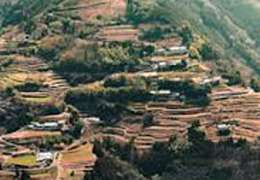
Obi Castle Town
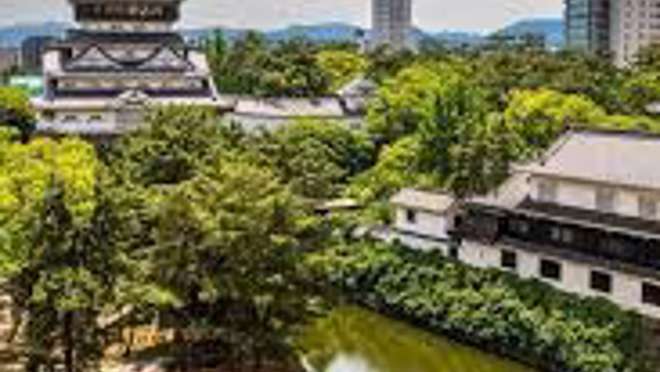
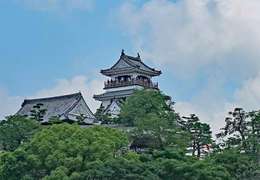
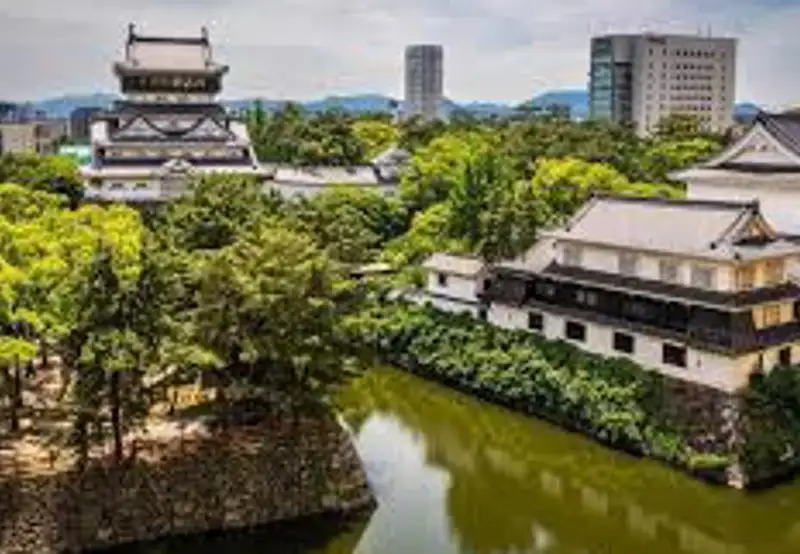
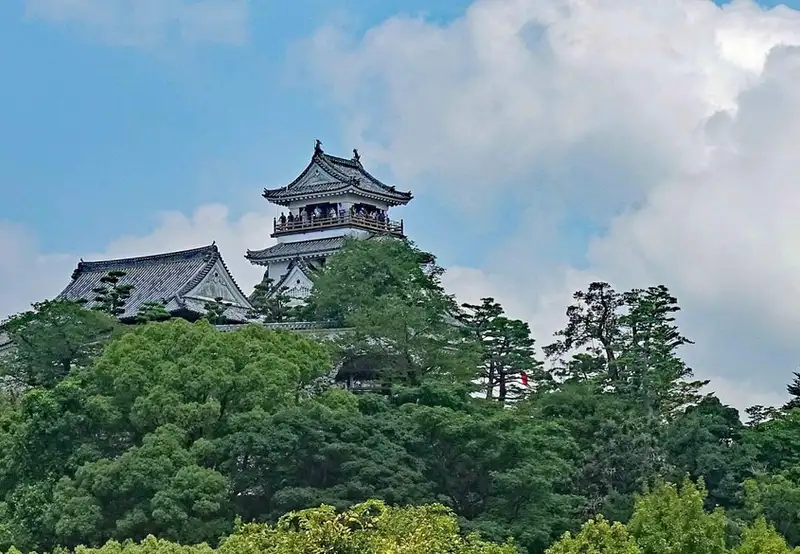
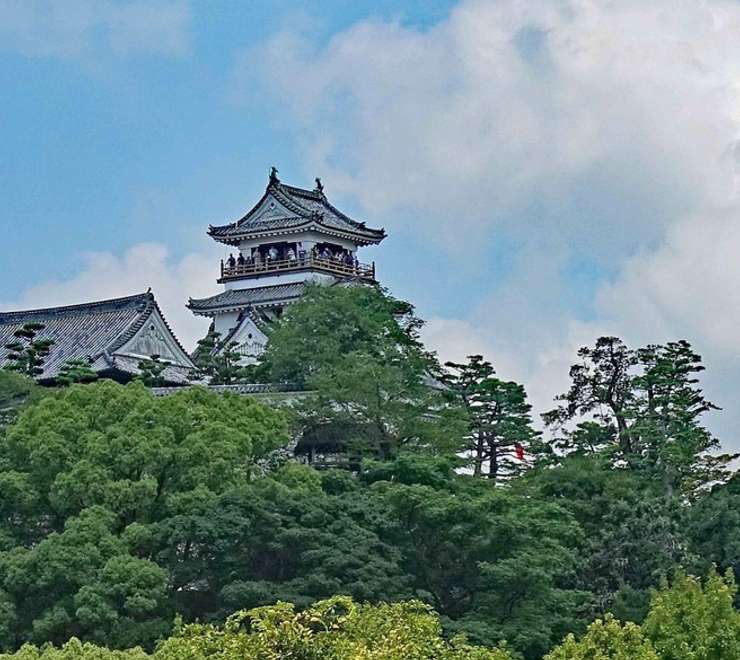
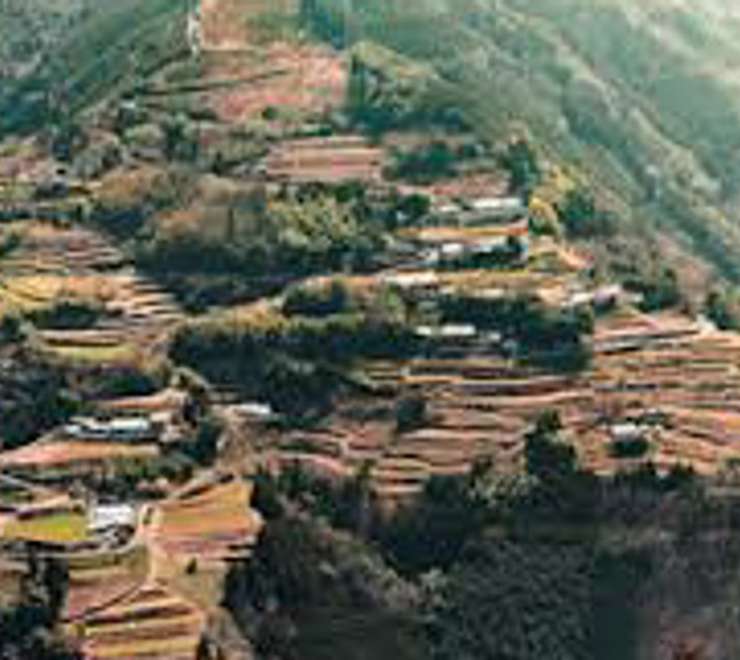
A visit to Obi Castle Town, often called the "Little Kyoto of Kyushu," feels like stepping back into the Edo period. As you wander through the historic district, you’re surrounded by moss covered stone walls, traditional samurai residences, and the grand Obi Castle gate, reconstructed using the region's famous Obi cedar. The town is unique for its peaceful atmosphere, where clear water runnels filled with colourful koi carp flow alongside the quiet streets. To complete the experience, many visitors use an "eat-around" map to sample local delicacies like Obi-ten (sweet fried fish cakes) and thick, custard-like Obi-厚焼き (atsuyaki) tamago while exploring the town's elegant gardens and museums.
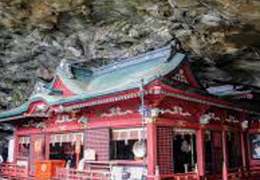
Udo-jingu Shrine
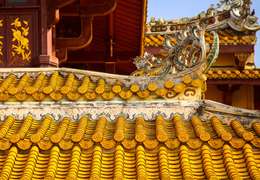
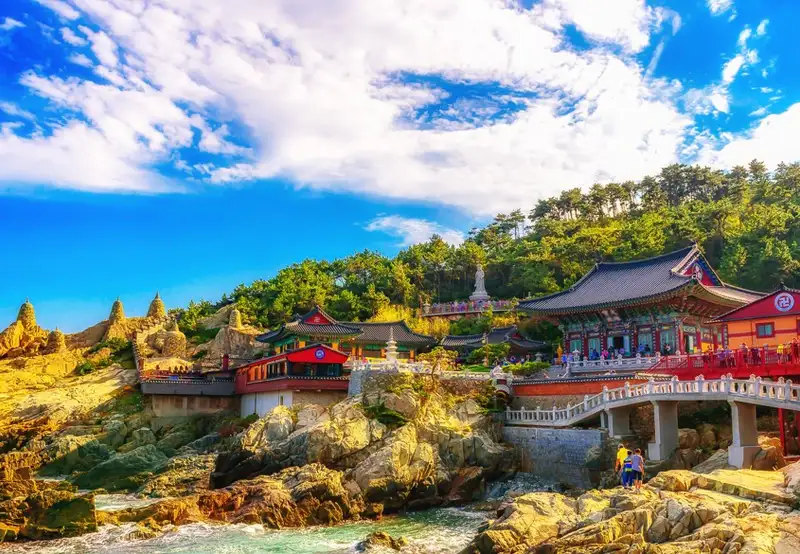
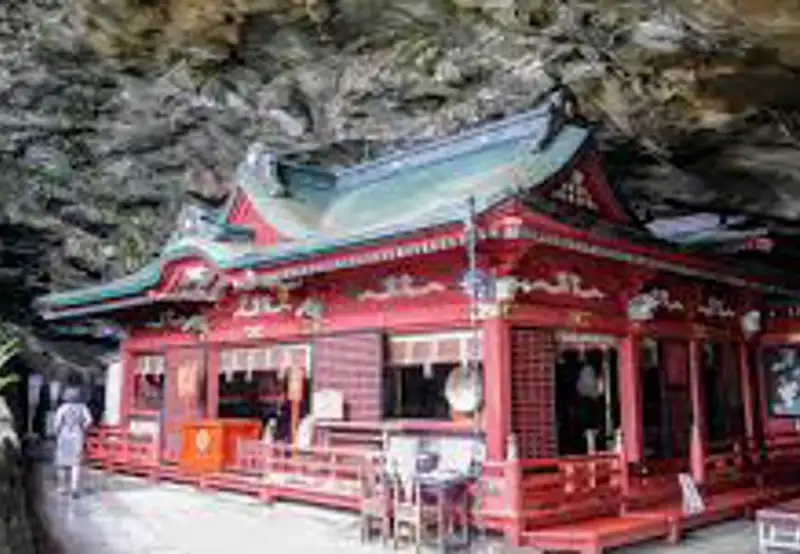
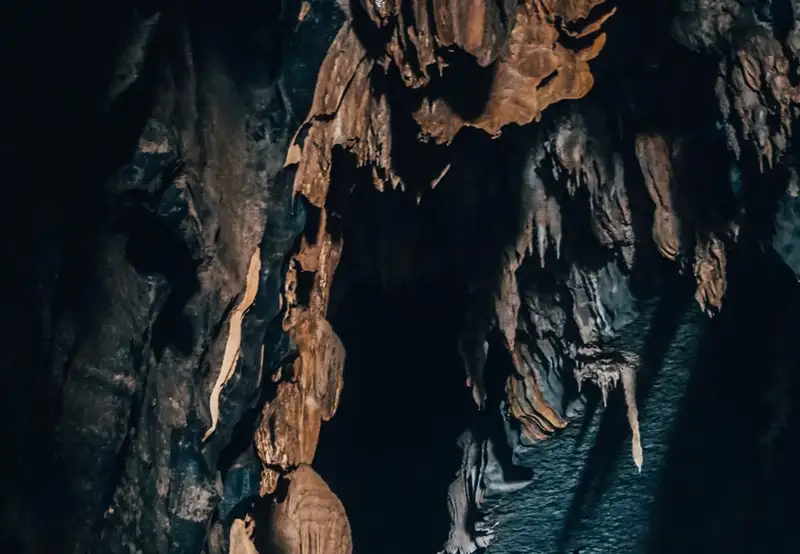
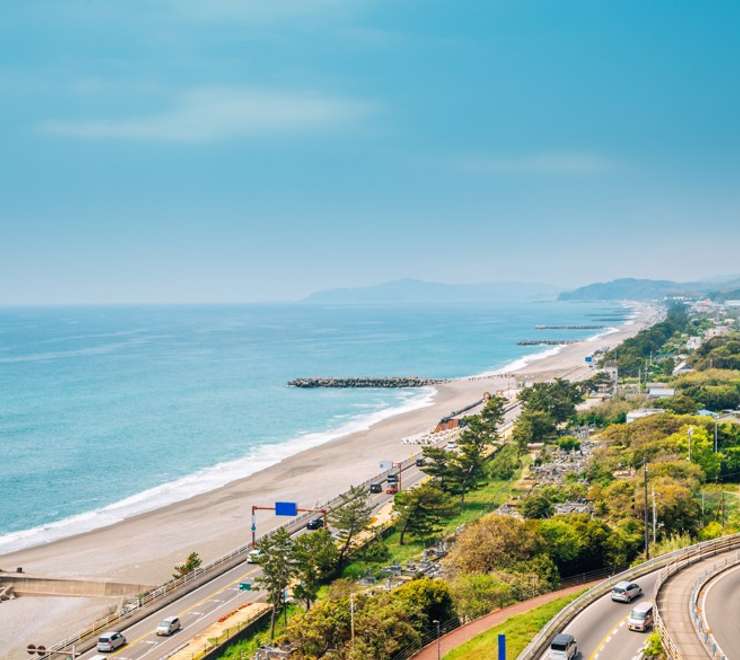
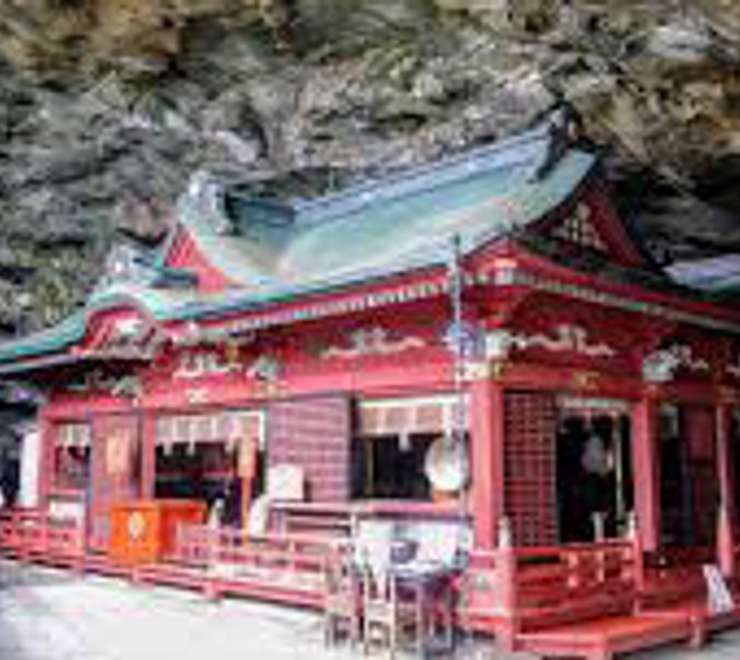
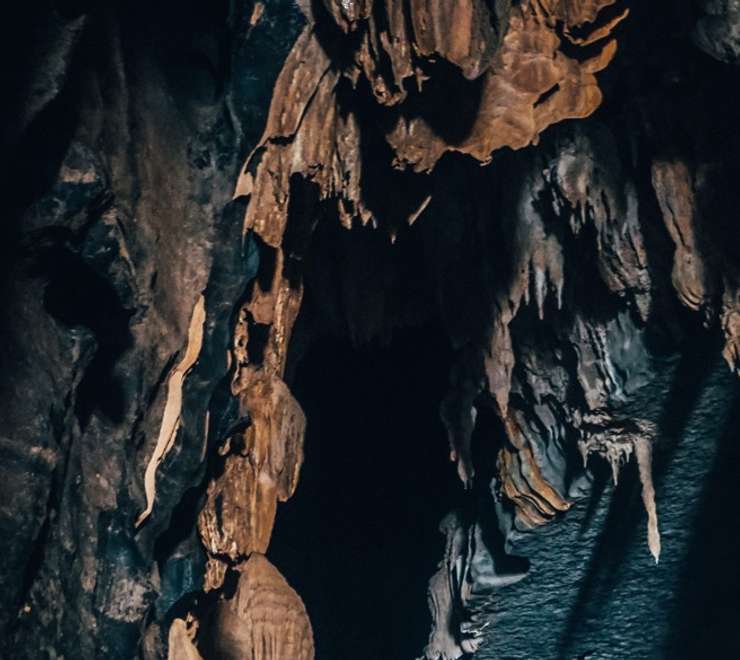
A visit to Udo-jingu Shrine is a visually stunning experience, as it is one of the few Shinto shrines in Japan built inside a massive cave on a sheer cliffside. To reach it, you follow a dramatic path down bright vermilion-painted stairs that contrast sharply with the jagged rocks and the crashing blue waves of the Pacific below. Once inside the cool, cavernous space, you can pay your respects at the main sanctum, which is dedicated to the father of Japan’s first emperor. Before leaving, it is a tradition to buy "undama" (lucky ceramic pebbles) and attempt to toss them into a water-filled depression on the back of a turtle-shaped rock below the cliff; landing one inside is said to make your wishes come true.










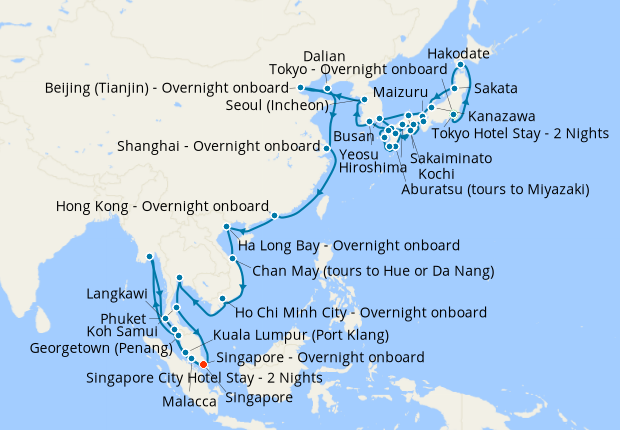


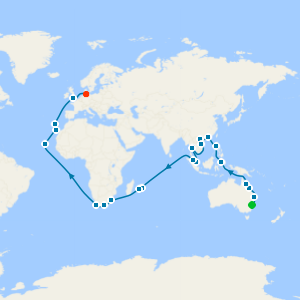
 31 August 2028 · 68 nights
 London Airports
  2 Adults
Change
2 Adults
Change




































 Transfers to Airport

 Flights
 Hotel
Hotel
 Wi-Fi
Wi-Fi
 Drinks
 Tips
Tips
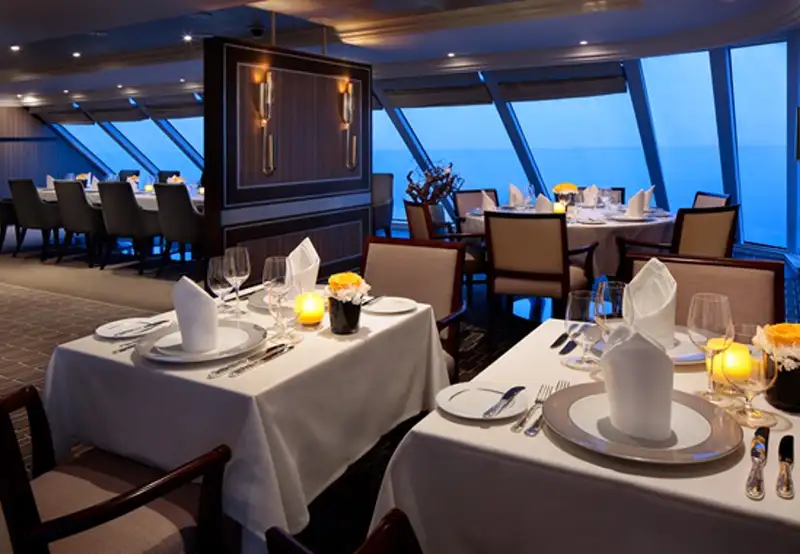
 Complimentary Specialty Dining Experience
 Dedicated Butler and Concierge Service
 Thalassotherapy Pool Access
 Entertainment
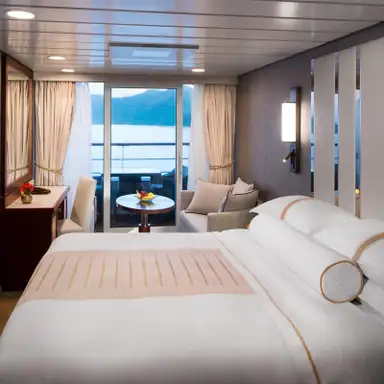
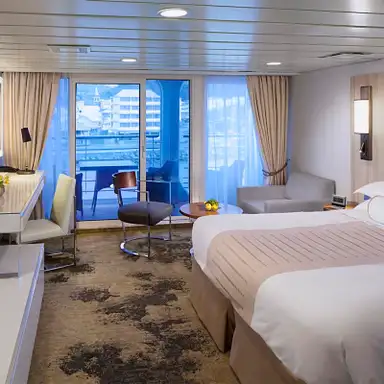
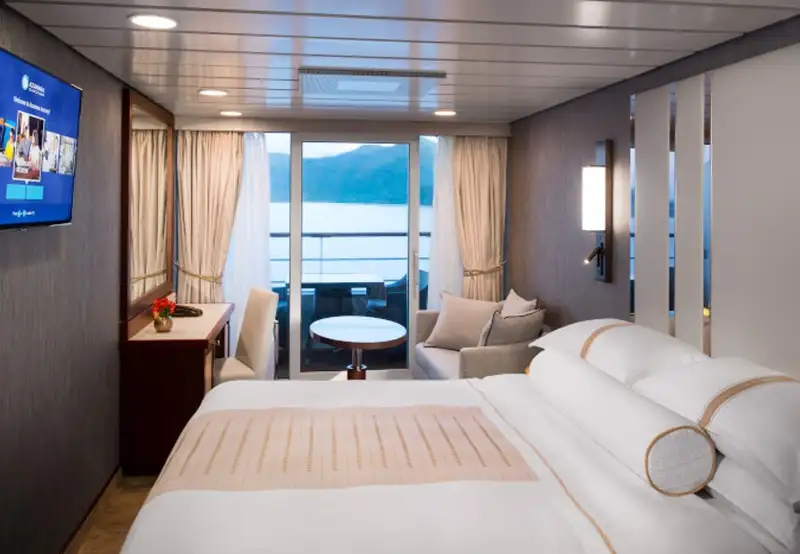
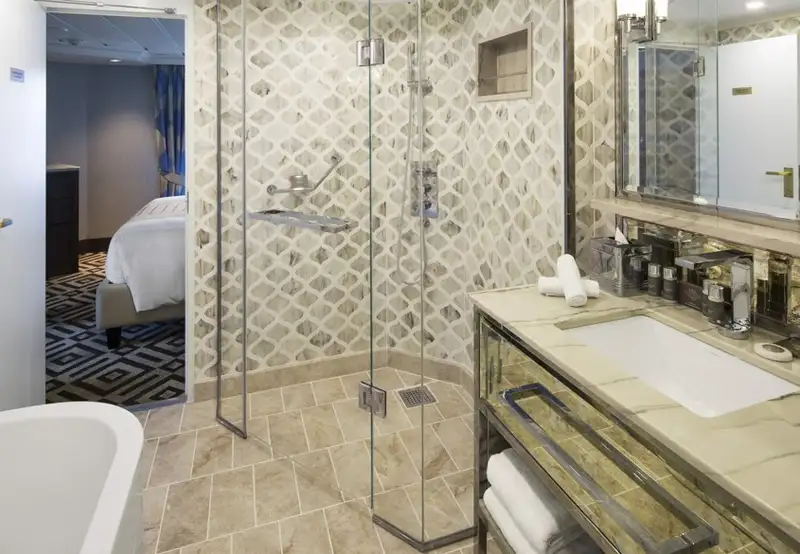
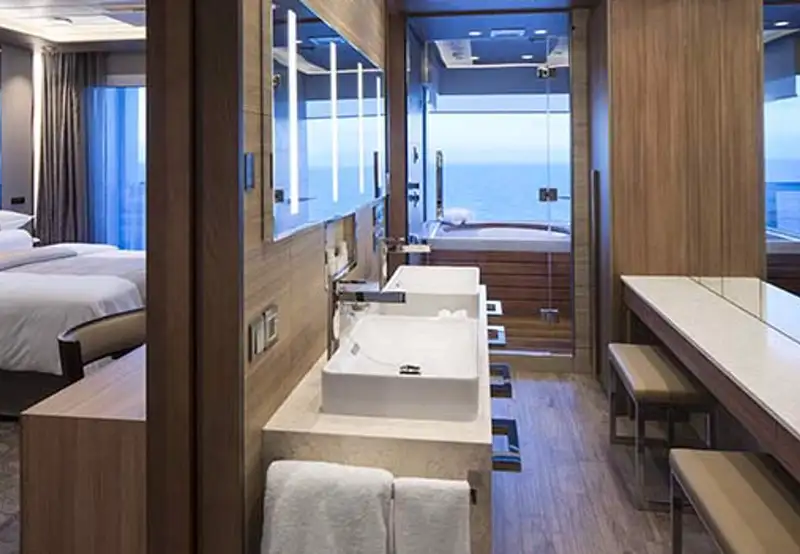
 Accommodation
 Laundry
 Port Fees & Taxes

























































































































 Crew
Crew
 Entertainment


