Description
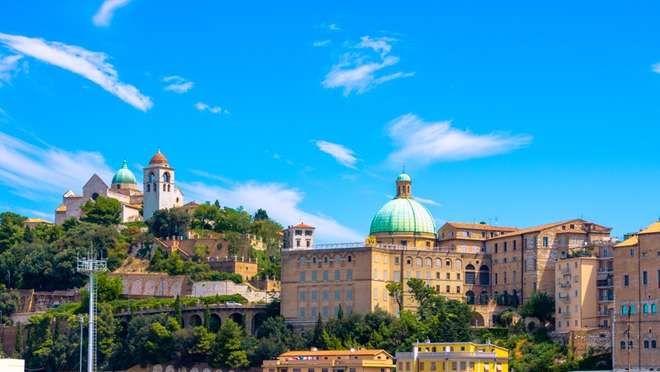
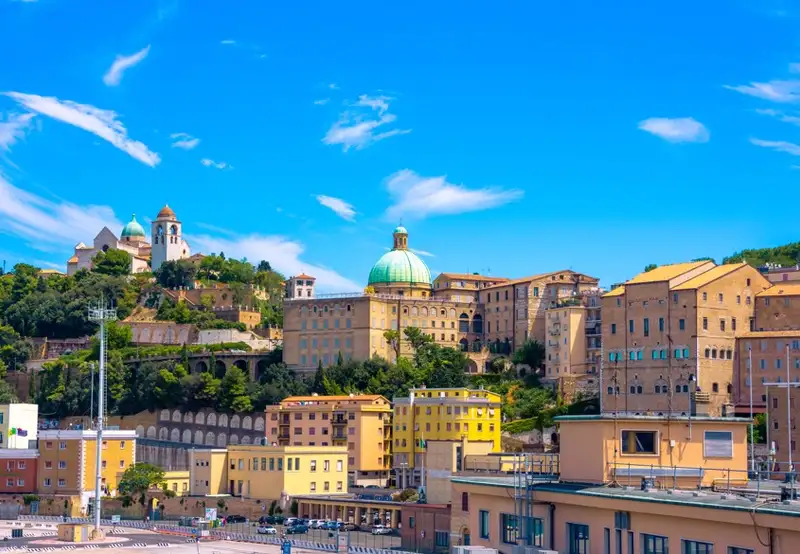
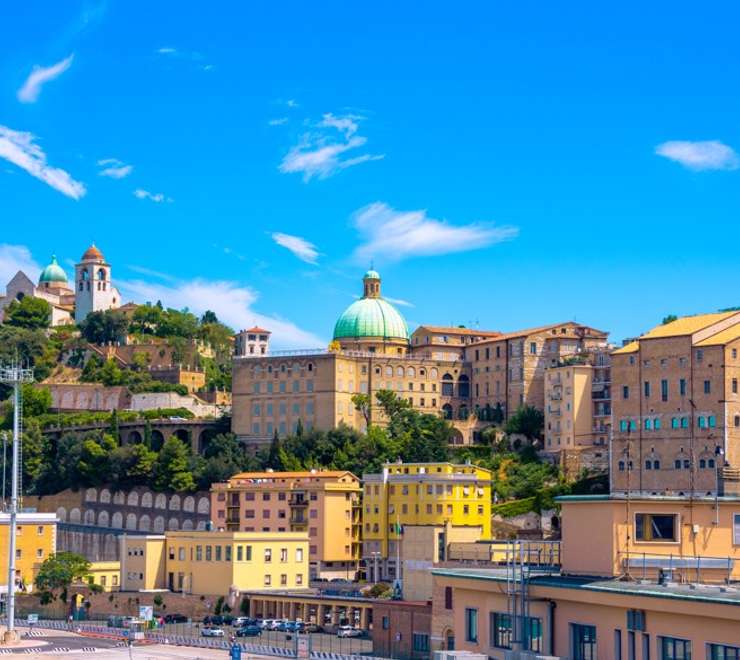
Located about midway down the east coast of Italy, Ancona has played an important role in the country’s history. It was home to Emperor Trajan – the successful military leader who led Roman soldiers in expansion – who paid to renovate the town port, leading to prosperity. You can see an ancient arch that was constructed in his honour. The Mole Vanvitelliana is another interesting place to behold; a manmade pentagonal island which has been used to house everything from leprosy sufferers to war weapons. See churches, the war memorial, and the archaeological museum to learn more about Italy’s history.
Read more
Read less
Things to do
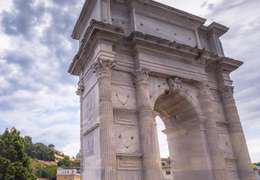
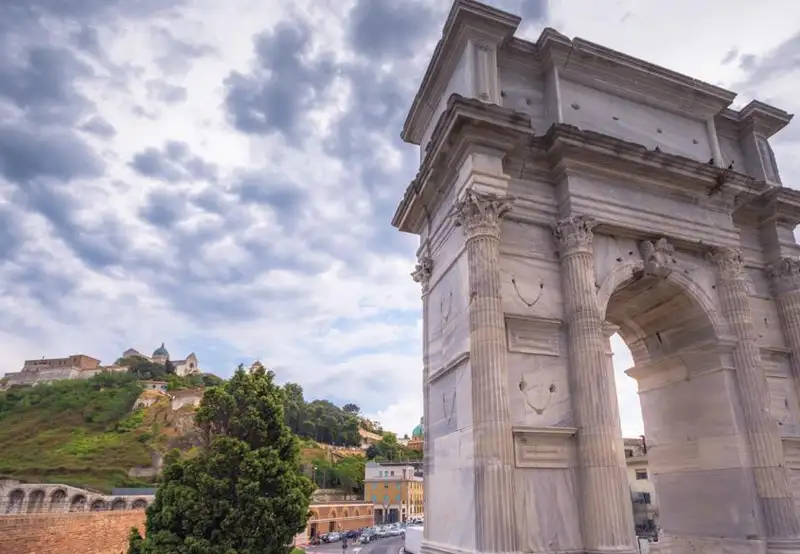
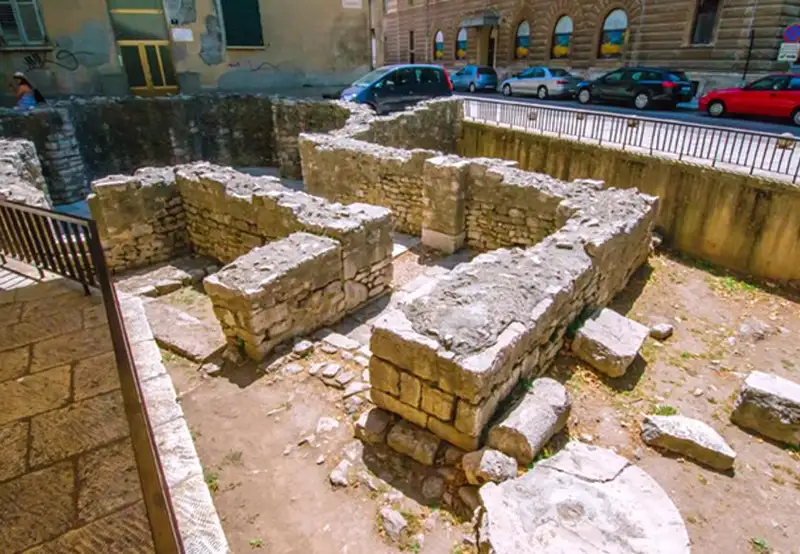
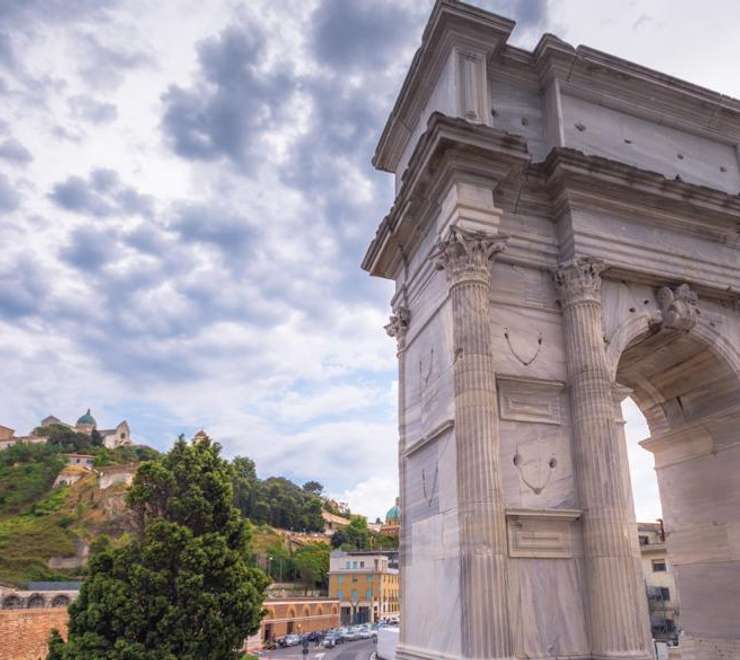
Trajan Arch
This majestic arch way is thought to have been raised in about the year 115 AD, in celebration of Emperor Trajan. Trajan had provided the town of Ancona with protection by enhancing its fortifications, and enabled it to prosper further by expanding the port - both of which projects were largely paid for out of the emperor’s own pocket. It was from this site that Trajan also led men to defeat the Dacians in the earlier years of the 2nd century.
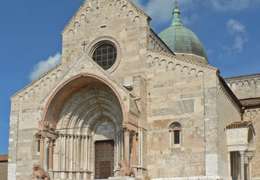
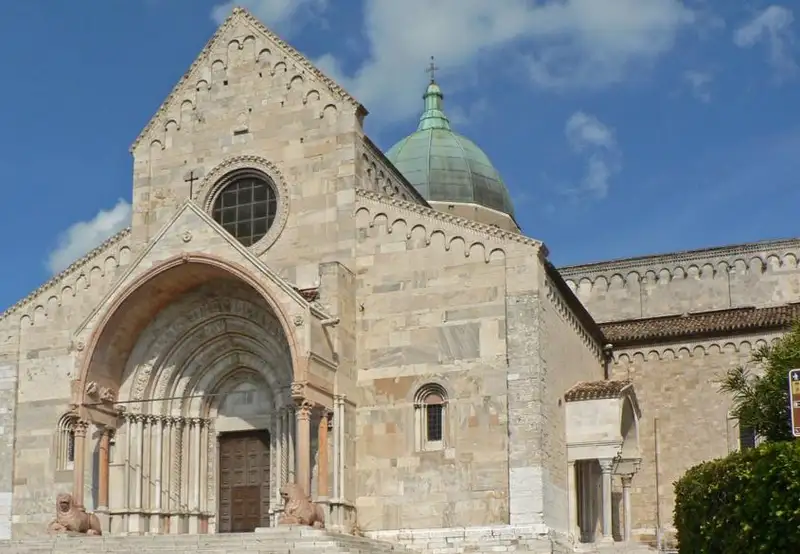
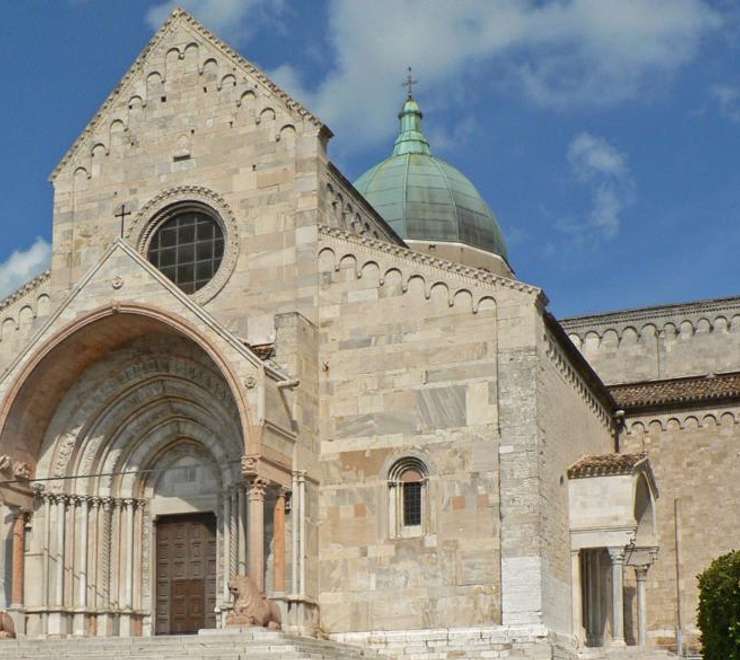
Ancona Cathedral
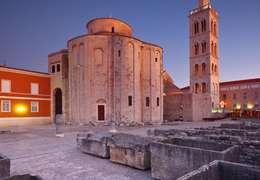
Standing proudly atop the high point of Ancona, the San Ciriaco cathedral is a commanding structure that dominates the landscape. It is known that the first place of worship to have existed here dates back to the 3rd century BC, and in the 6th century AD another church was built – some of which has lasted to this day, such as a mosaic floor. In the early part of the 11th century the relics of St Cyriacus and St Marecellinus were brought to rest here.
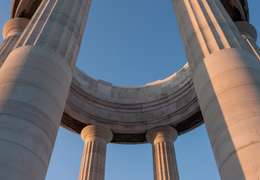
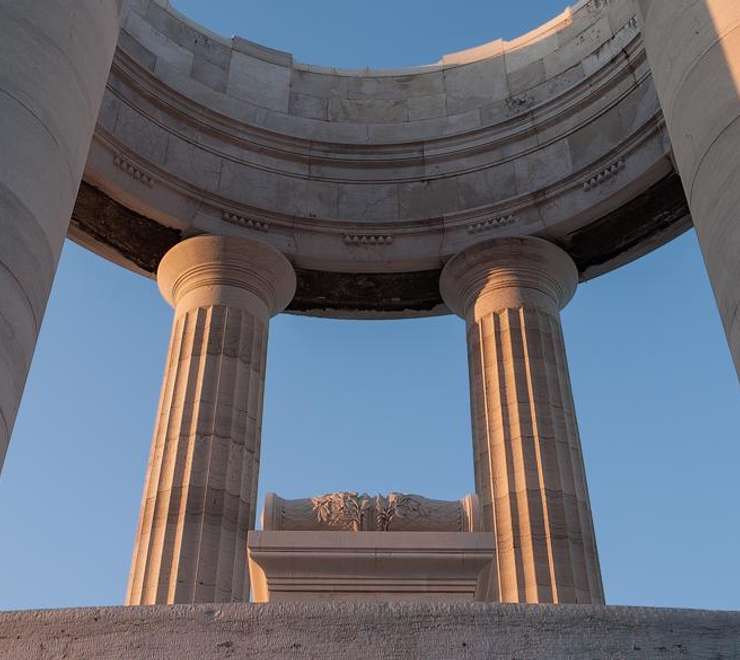
Passetto Monument and War Memorial
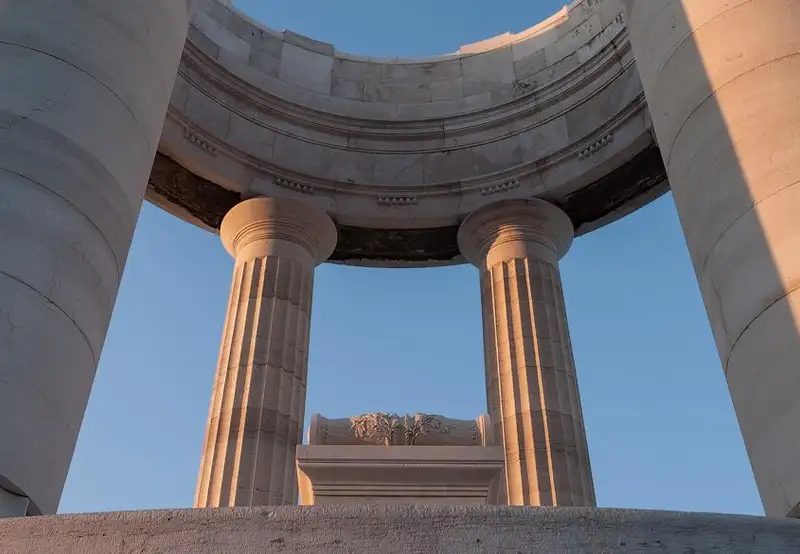
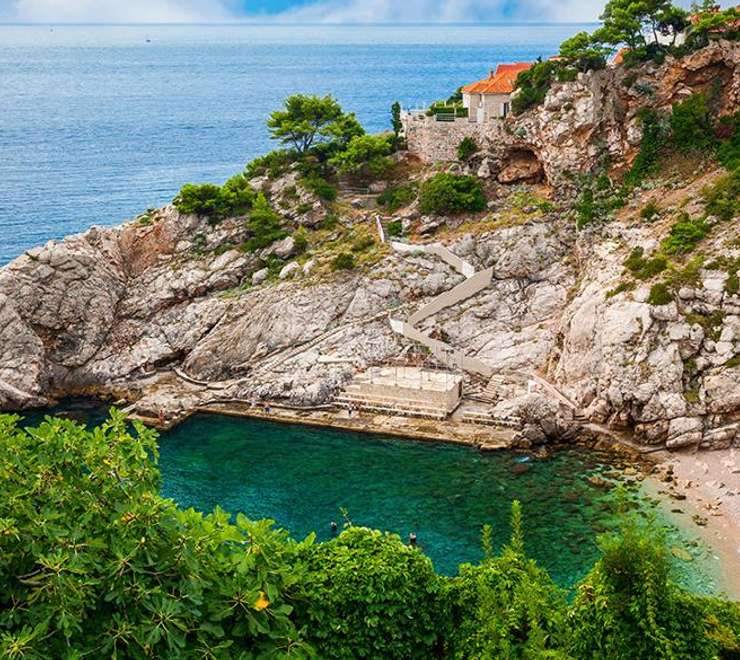
Located above the popular Passetto beach stands the Ancona War Memorial, which commemorates those who lost their lives in World War I. Designed in the 1920s by local architect Guido Cirilli, the structure was inaugurated in 1930. It’s made of Istrian stone, and displays symbols of war such as swords and helmets.
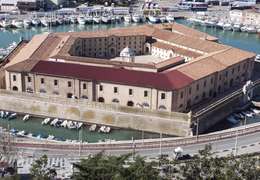
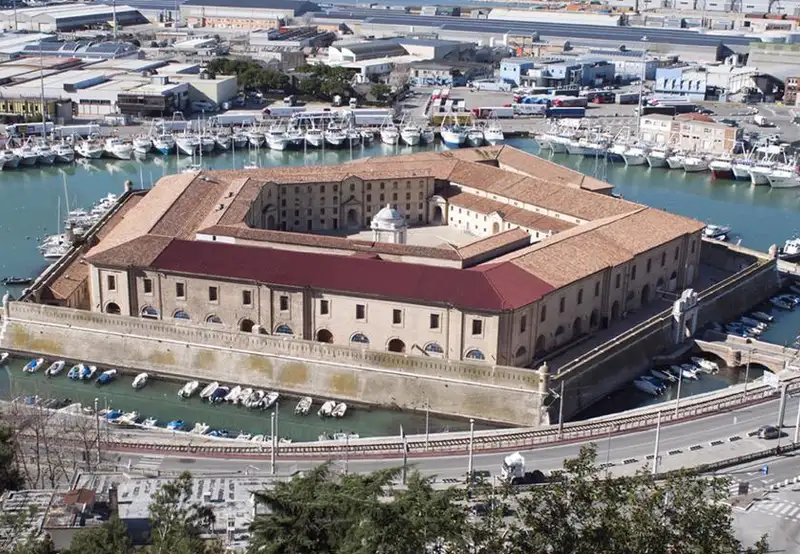
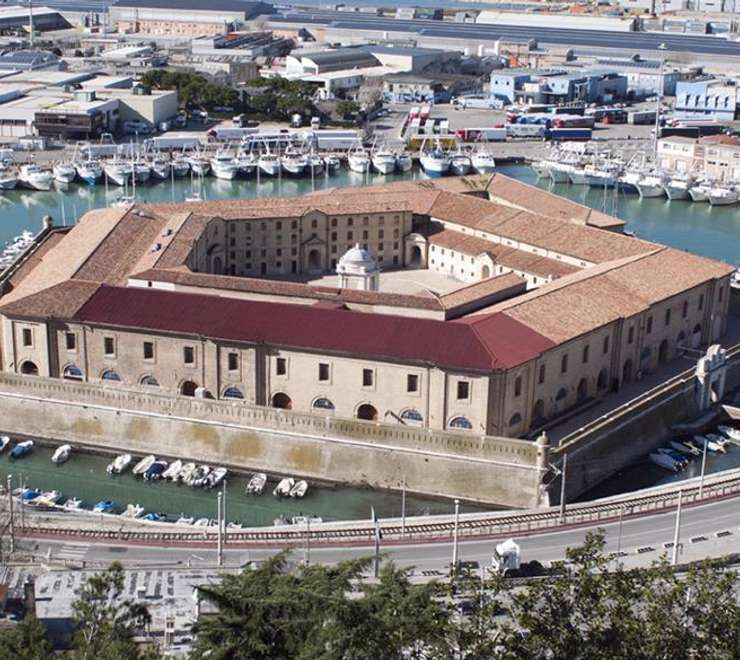
Mole Vanvitelliana
Also known as the Lazzaretto of Ancona, this pentagonal building was built in the 18th century on a manmade island. It was originally used as a storage facility for military goods and as a place to stay for anyone who may have contracted leprosy; in both cases a quarantine of sorts. It has also been used as a refuge for injured soldiers during wartimes. Today it is used to host public events, and as a museum showcasing a range of exhibits.
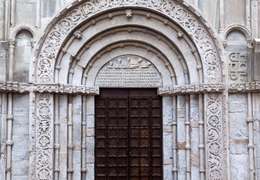
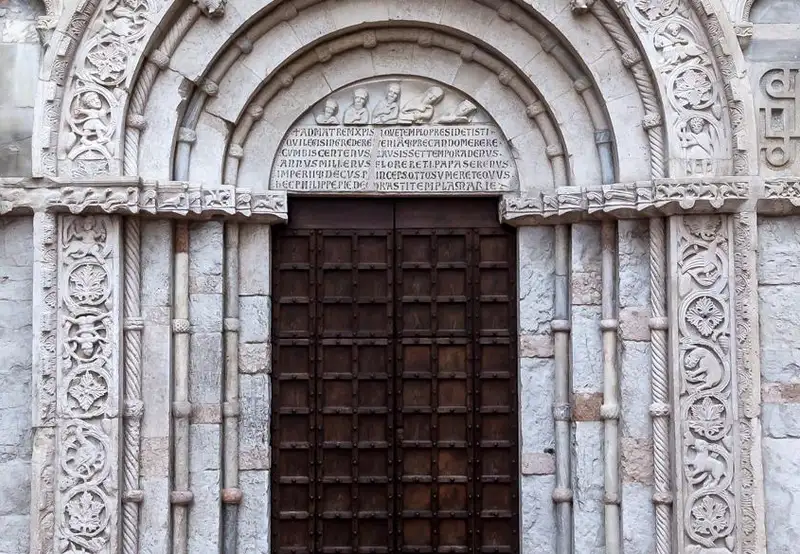
Santa Maria della Piazza
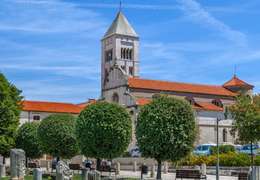
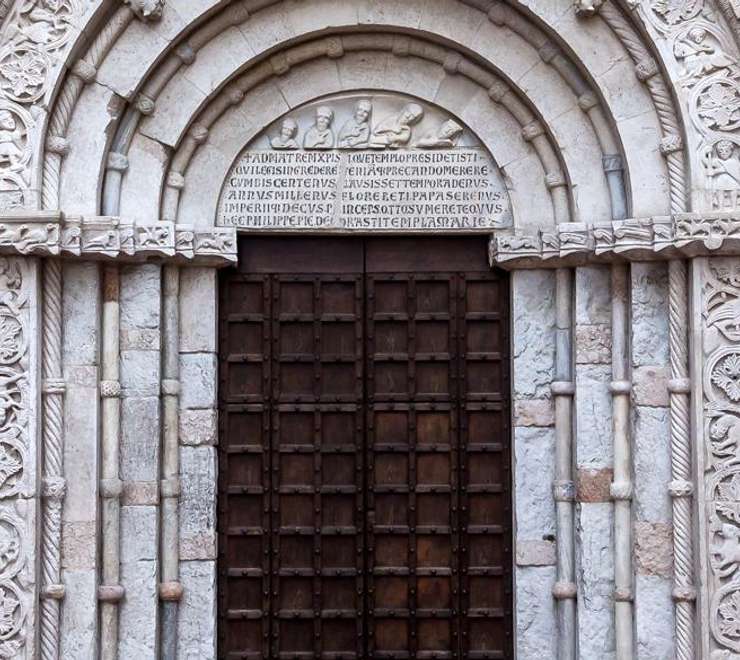
This Romanesque-style church was constructed over the 11th and 12th centuries, in the same spot as two previous churches which date back to the 6th and 7th centuries. Remains of these older buildings can still be seen beneath protective glass inside the church. Traces of the walls surrounding Ancona in ancient Greek times have also been found here.
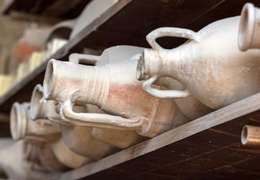
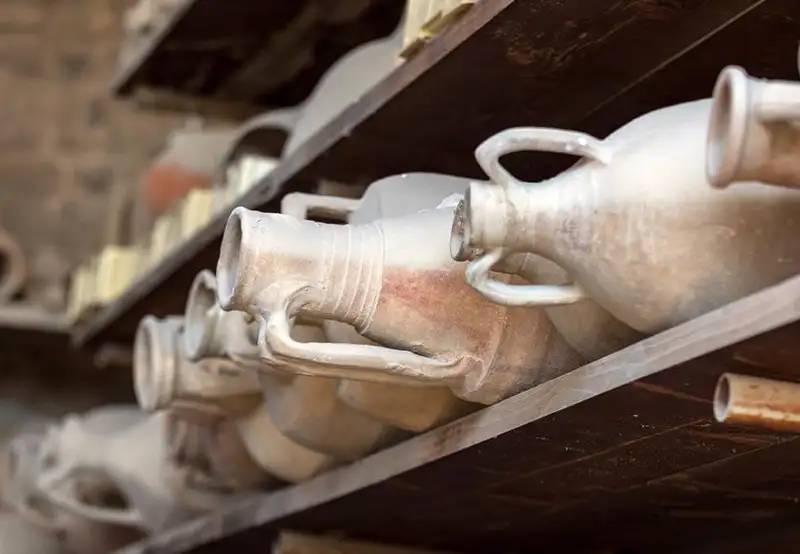
National Archeological Museum
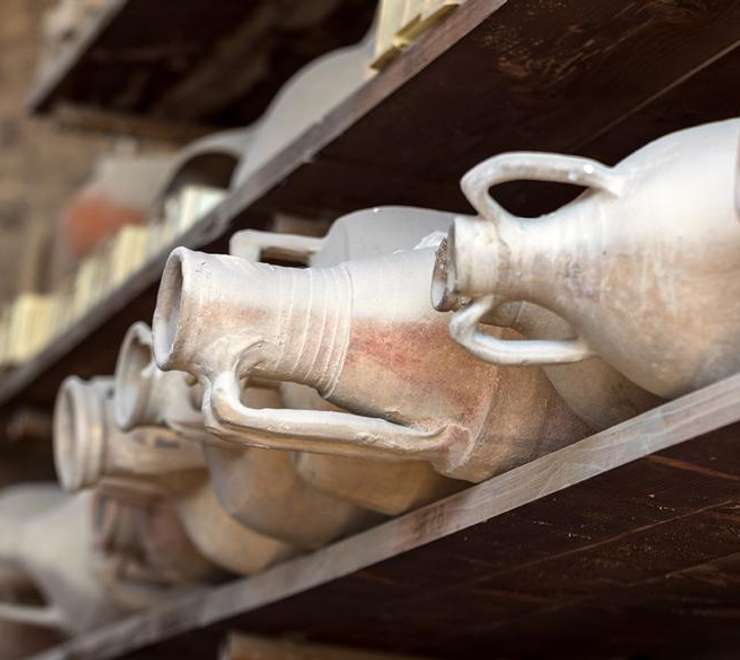
Plans for this museum first came about in the year 1860, and it became so notable that it was made the ‘National Museum of Ancona’ in 1906, and in 1927 was inaugurated by King Victor Emmanuel III. Today it houses some remarkable historic relics, including the Venus of Frasassi – a small carving which dates back more than 20,000 years, – and Paleolithic objects which are thought to be around 300,000 years old.


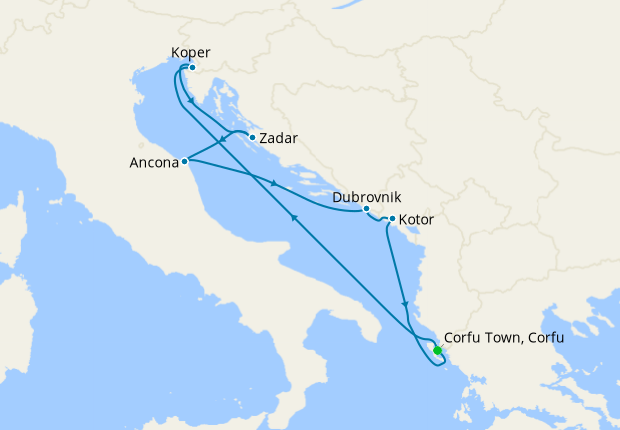


 7 May 2027 · 7 nights
 Bournemouth
  2 Adults
Change
2 Adults
Change











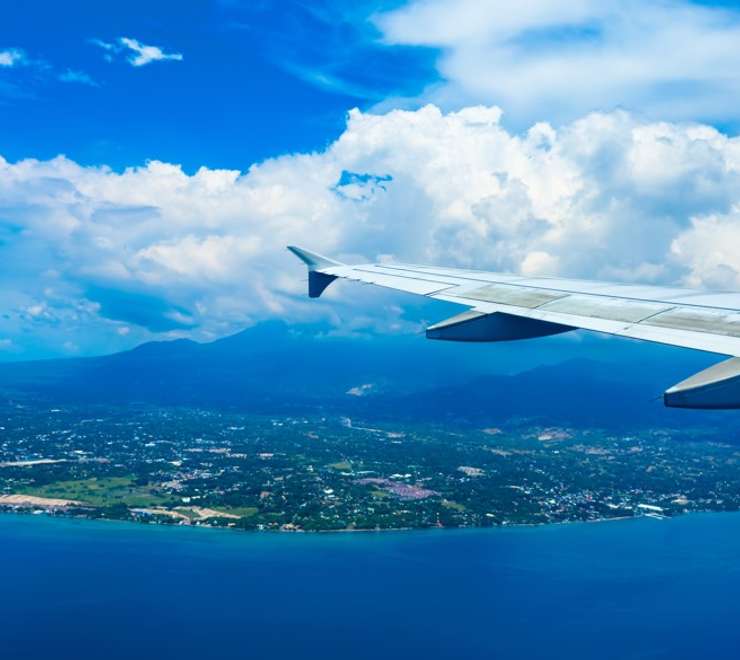
 Flights
 Drinks
 Tips
Tips
 Entertainment
 Meals
Meals
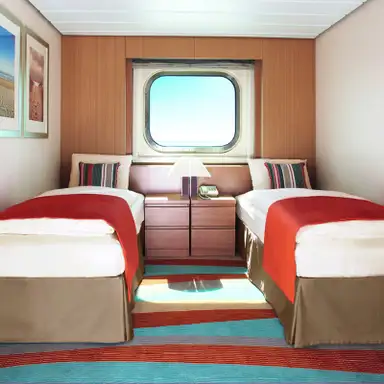
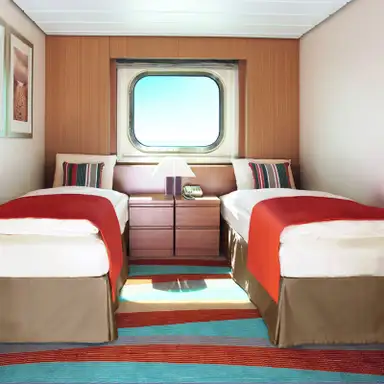
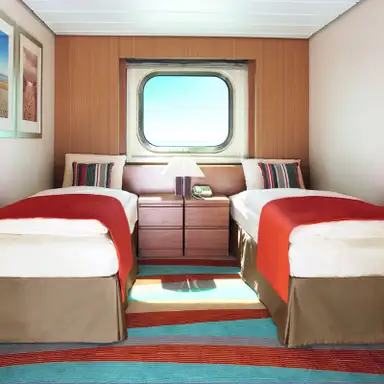
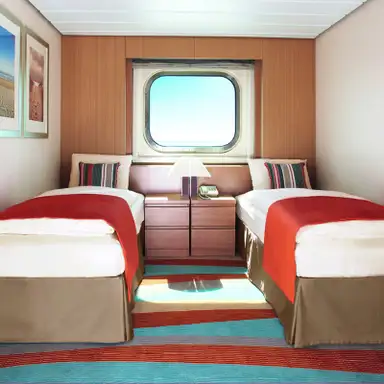
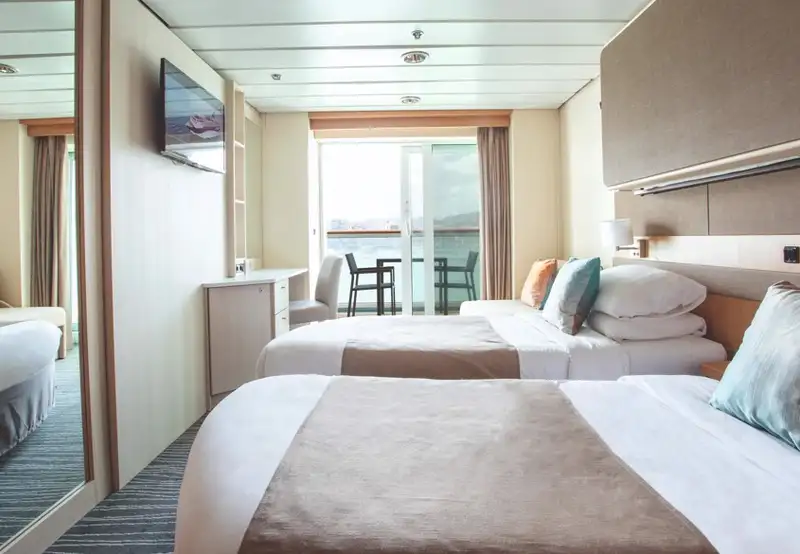
 Accommodation
 Port Fees & Taxes










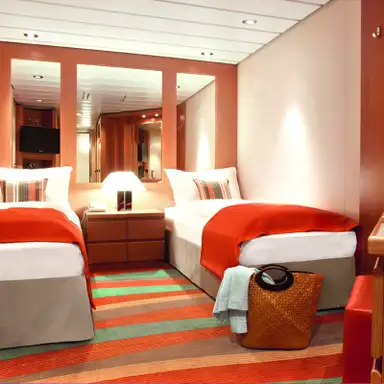
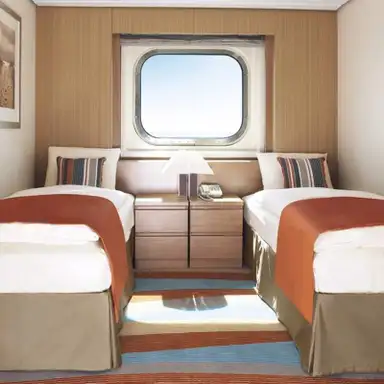
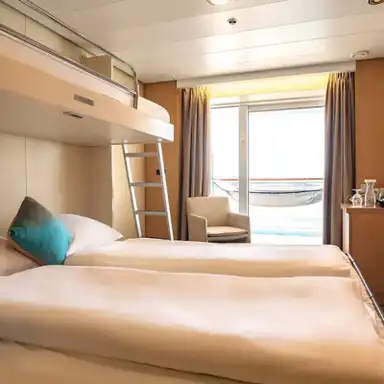
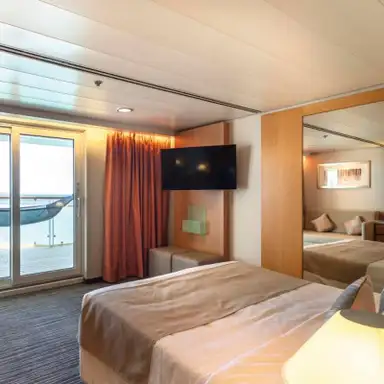



























 Value
Value


