







Dopamine travel is the latest travel trend of seeking out places and experiences that intentionally trigger joy, with colourful destinations taking over our travel itineraries.
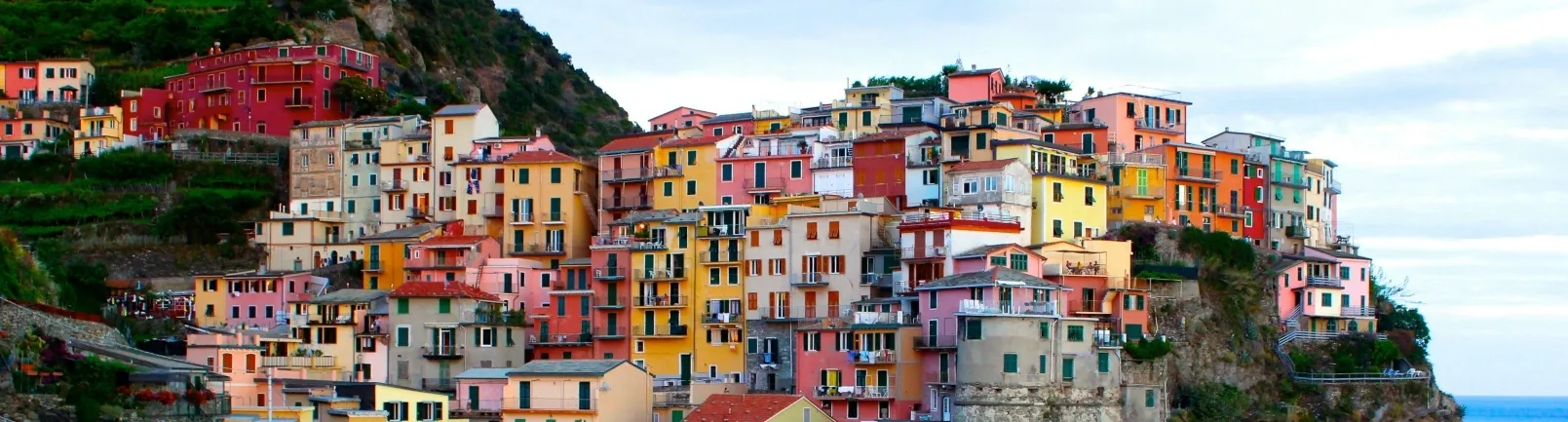
As travellers increasingly prioritise mental wellness and mood-boosting experiences, vibrant spots like the rainbow houses of Cinque Terre, Italy, and the blue alleyways of Chefchaouen, Morocco, are becoming top-tier destinations for psychological rejuvenation.

With that said, we have revealed 10 destinations around the world bursting with colour that should be added to your bucket list, along with some travel tips for visiting.
Contents:
- Izamal, Mexico
- Chefchaouen, Morocco
- Roussillon, France
- Jaipur, India
- Cinque Terre, Italy
- Nyhavn, Denmark
- Havana, Cuba
- Sintra, Lisbon
- Sighișoara, Romania
- Gamcheon Culture Village, South Korea
1.Izamal, Mexico
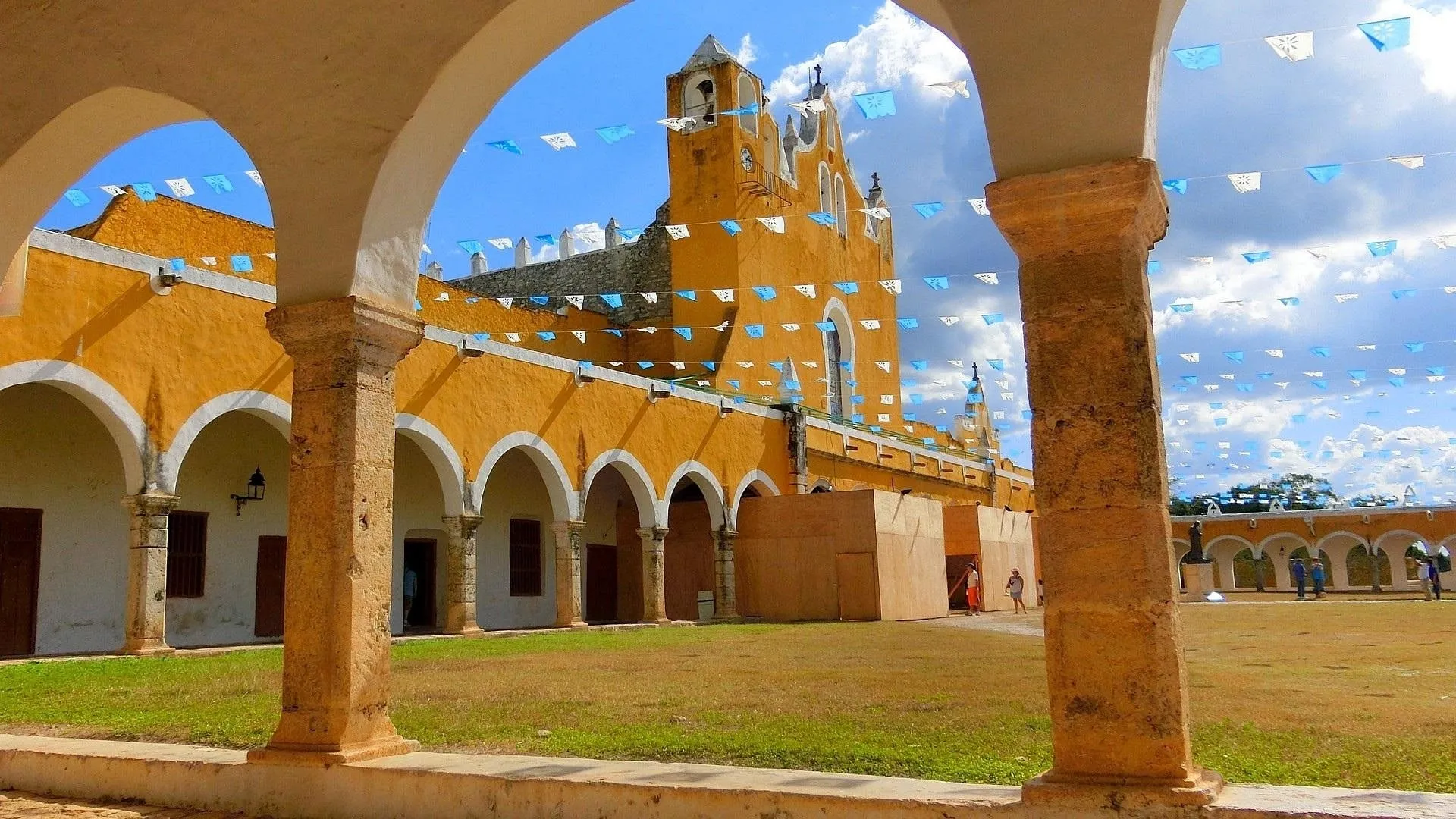
Izamal, Mexico, is famously known as the Yellow City because nearly all its historic buildings, homes, and churches are painted a striking ochre yellow. While parts of the town have been yellow since the 1960s, the look was officially expanded in 1993 to honour the visit of Pope John Paul II.
Local tradition ties the hue to Kinich Kakmó, the ancient Mayan sun god. Izamal was a major religious centre dedicated to this deity, and yellow symbolises the sun's power. Today, local communities maintain the uniform yellow aesthetic, cementing Izamal’s status as one of Mexico's designated Pueblos Mágicos (Magical Towns).
Top travel tip: If you can, climb the Kinich Kakmó Pyramid, dedicated to the Maya sun god. Unlike many major archaeological sites in Mexico, you can still climb to the top for a panoramic view over the town and the surrounding jungle.
2. Chefchaouen, Morocco
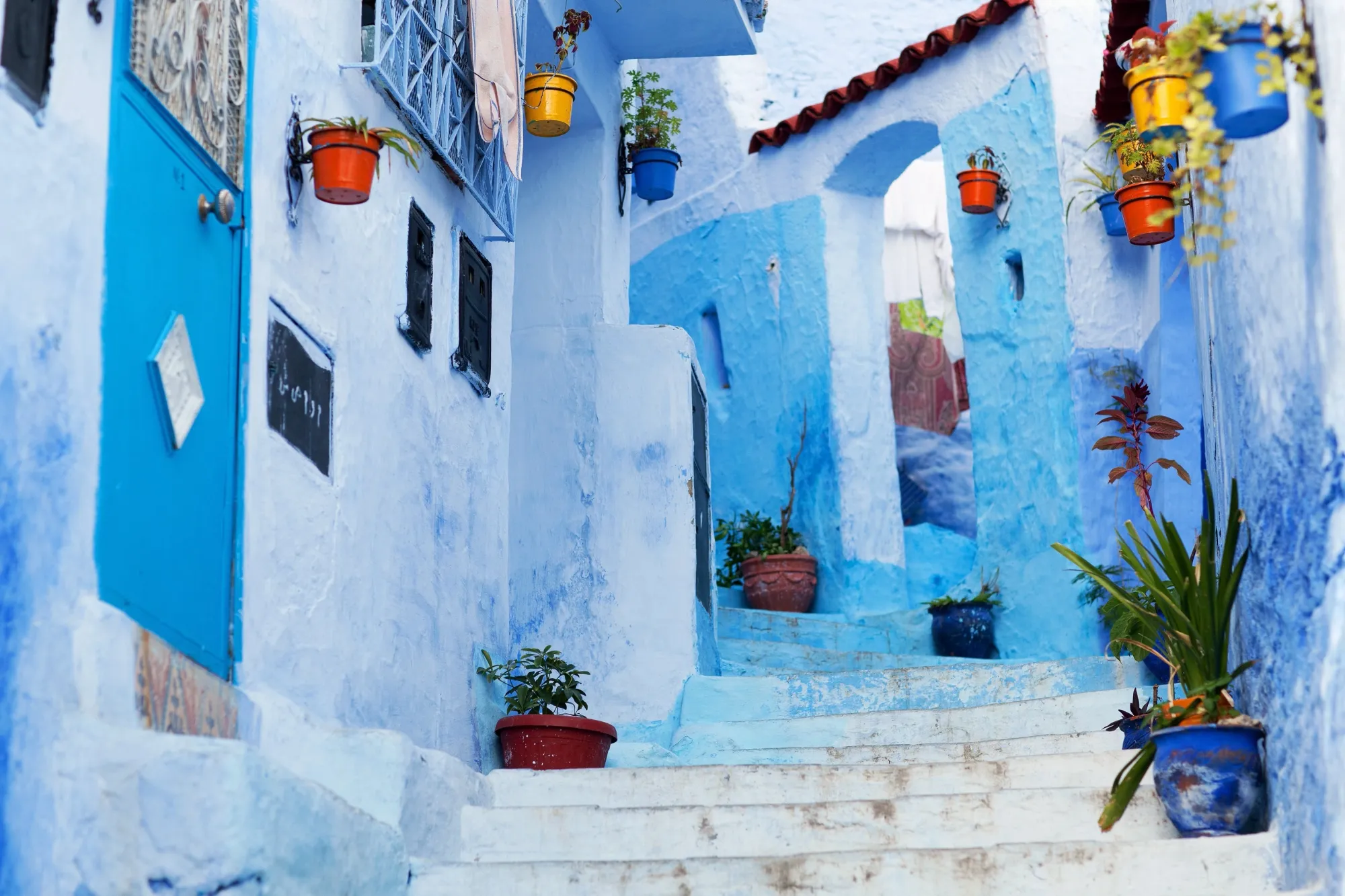
Chefchaouen is a mountain city located in northwest Morocco, tucked into the Rif Mountains near Tangier and Tétouan. It is called the Blue City because the walls, doors, stairs, and narrow alleys of its old medina are painted in vibrant, varied shades of blue and white.
The city is famously blue as a symbol of religion and to remind people of the sky, heaven, and God. Some residents also say the light blue pigment helps keep houses cool in the summer heat.
Top travel tip: The popular blue staircases can get packed with tour groups during the day. Explore between 7 and 9 am for quiet streets and soft light, perfect for photos.
3. Roussillon, France
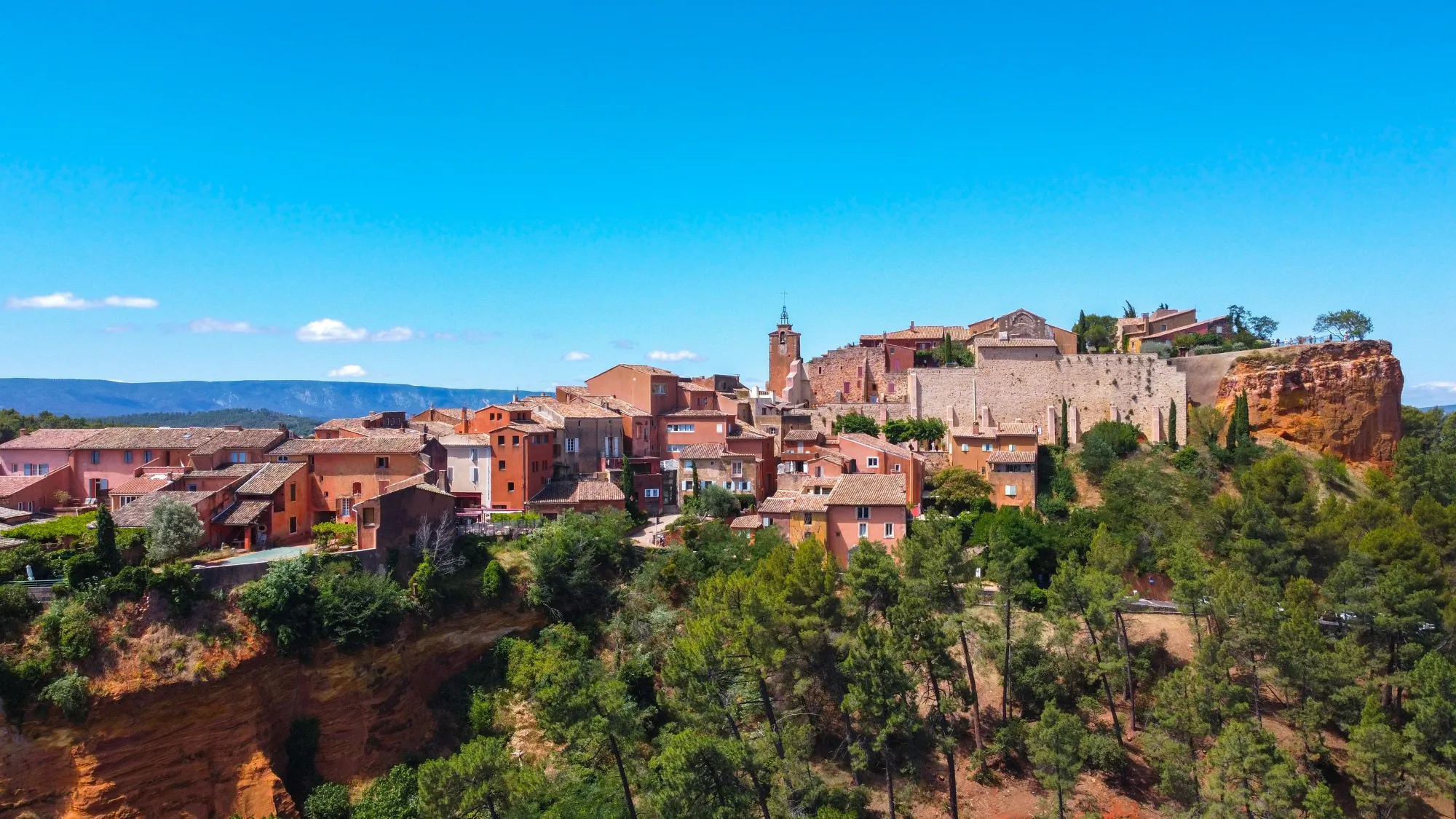
Roussillon is a stunning village in the Luberon region of Provence, France, famous for its vibrant orange cliffs and brightly painted houses.
The village sits atop the world's largest known ochre deposit, meaning the ground in Roussillion displays vivid shades of yellow, orange, and deep red. Buildings are painted and washed with warm pigments that match the natural aesthetic.
Top travel tip: For the best photos, visit in the late evening when the light is softer. The midday sun can flatten the orange and red tones, so aim for the Golden Hour.
4. Jaipur, India
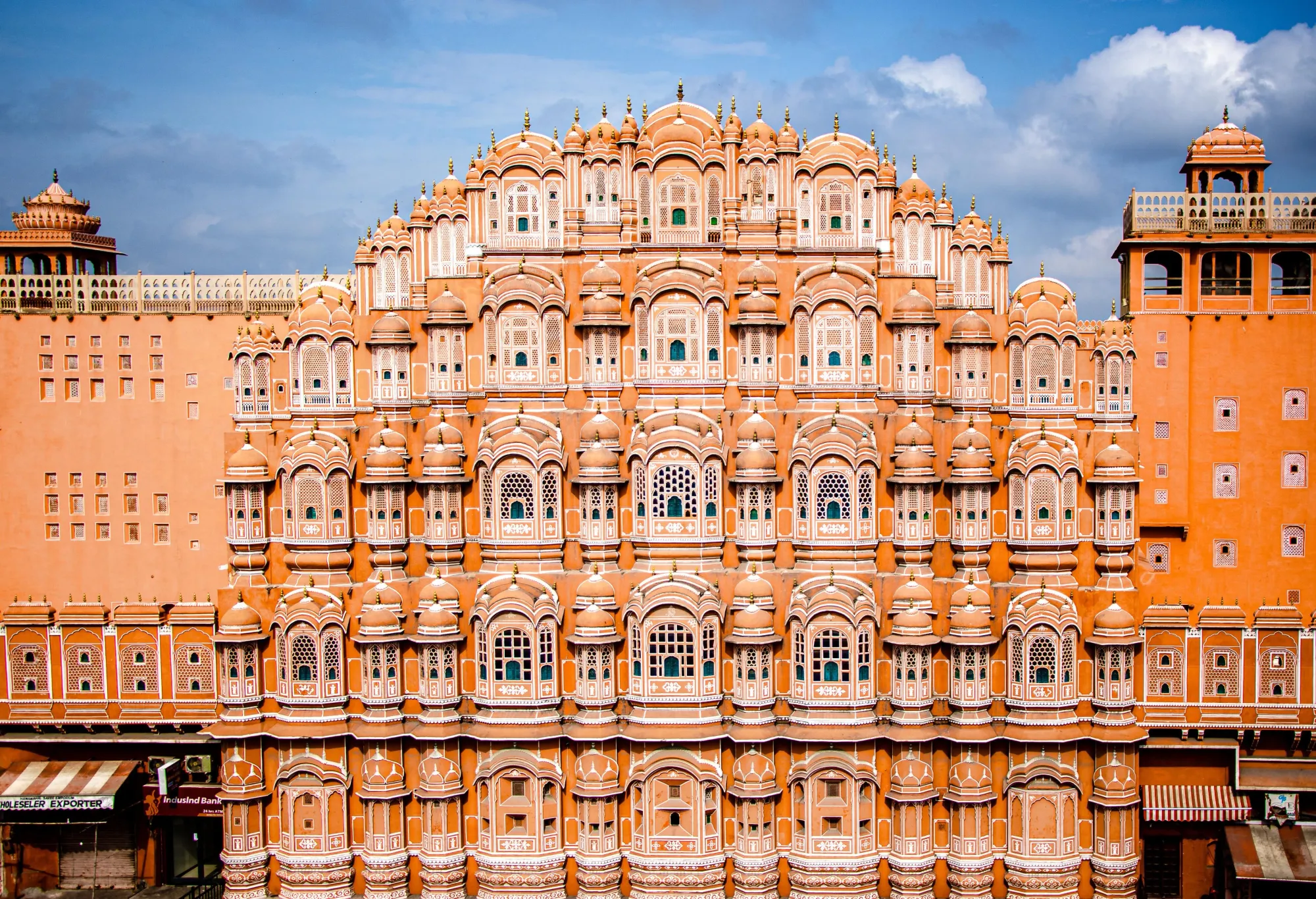
Jaipur is the capital of the northwestern Indian state of Rajasthan. It is known as the Pink City because Maharaja Sawai Ram Singh had the historic old city painted terracotta pink in 1876 to welcome Britain's Prince of Wales (future King Edward VII).
Pink was traditionally considered a colour of welcome and hospitality in Rajput culture. A local law made it illegal to paint buildings in the historic centre any colour other than this terracotta pink, a rule that is still enforced today.
Top travel tip: If you plan on sightseeing for a couple of days, buy the Jaipur Composite Ticket. It covers entry to Amber Fort, Albert Hall Museum, Hawa Mahal, Jantar Mantar, and Nahargarh Fort, saving both money and time.
5. Cinque Terre, Italy
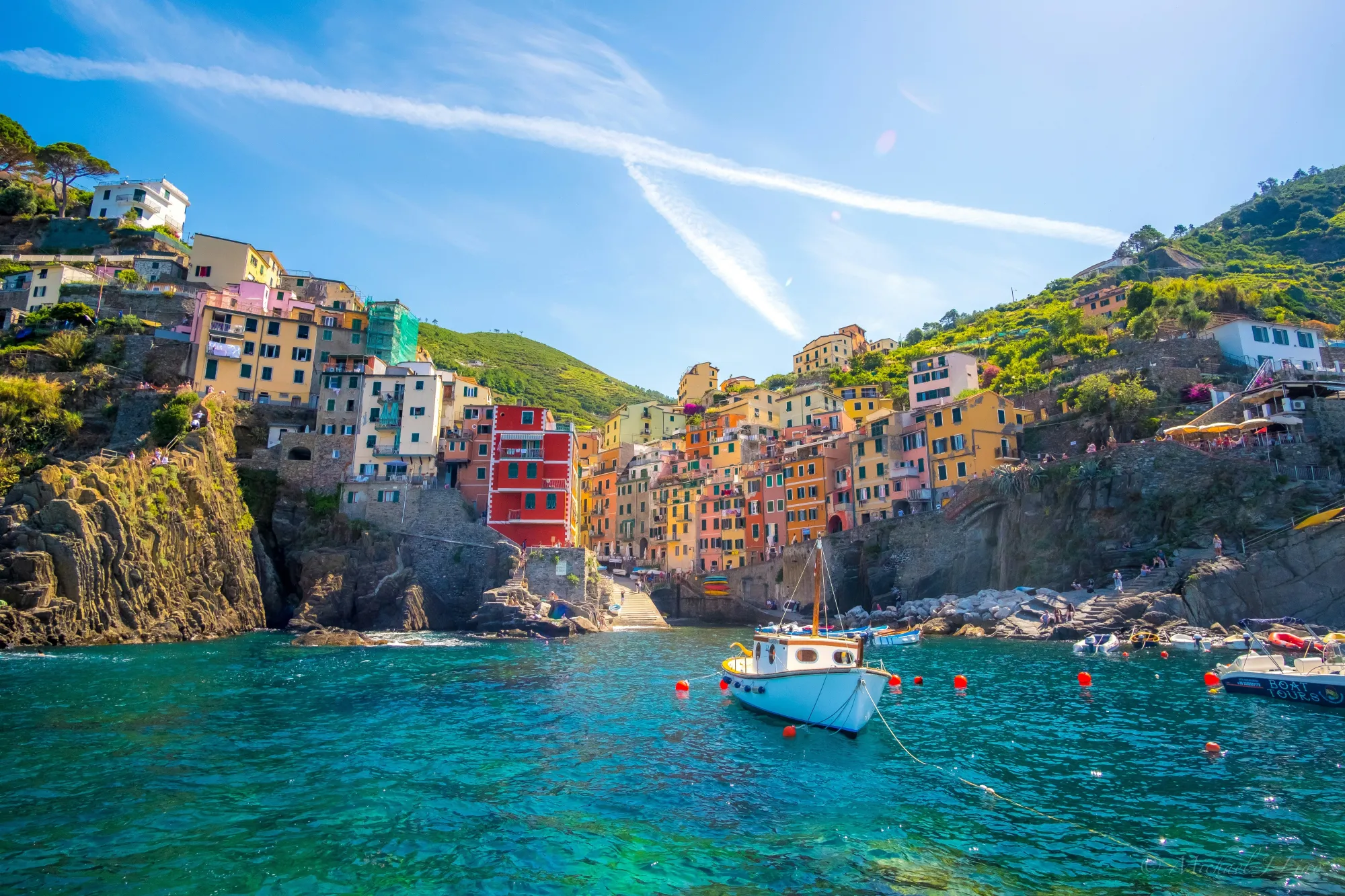
Cinque Terre sits on the rugged northwest coast of the Italian Riviera in the Liguria region, just west of La Spezia. It features five historic fishing villages - Monterosso al Mare, Vernazza, Corniglia, Manarola, and Riomaggiore, clinging to steep sea cliffs.
The villages are bright and colourful because local fishermen traditionally painted their homes in distinct pastel shades. This vibrant palette allowed them to easily spot and recognise their own houses from the open waters of the Mediterranean as they returned from a day of fishing. These homes became a point of pride, and local laws now protect the bright palettes.
Top travel tip: See the villages from the water and take the regional ferry. Viewing the pastel houses stacked on dramatic sea cliffs from the water gives you the most iconic perspective of the coastline.
6. Nyhavn, Denmark
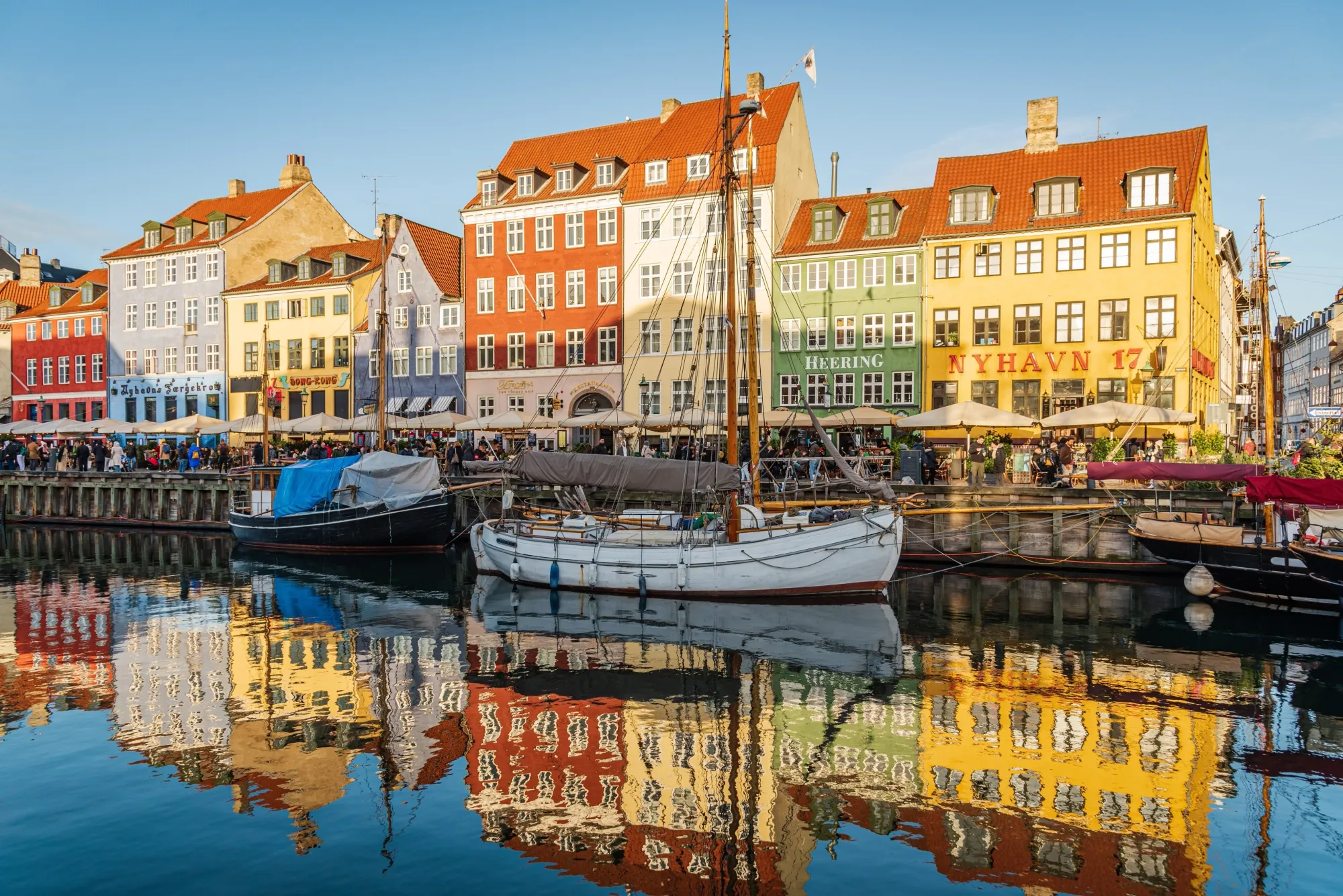
Nyhavn sits right in the heart of Copenhagen, stretching from the large square of Kongens Nytorv to the inner harbour. Built in the 17th century as a commercial port, its townhouses were painted in bright, distinct colours so that returning sailors could easily spot their taverns and lodgings.
The Danish fairy-tale writer Hans Christian Andersen lived in three different houses in Nyhavn during his lifetime, where he wrote classics like The Tinderbox and The Princess and the Pea. Today, the historic facades are carefully maintained to keep the area's iconic, storybook charm.
Top travel tip: For photos, house numbers 1 through 71 line the northern side of the canal, known as the sunny side, where you'll find the most famous brightly painted buildings and outdoor terraces.
7. Havana, Cuba
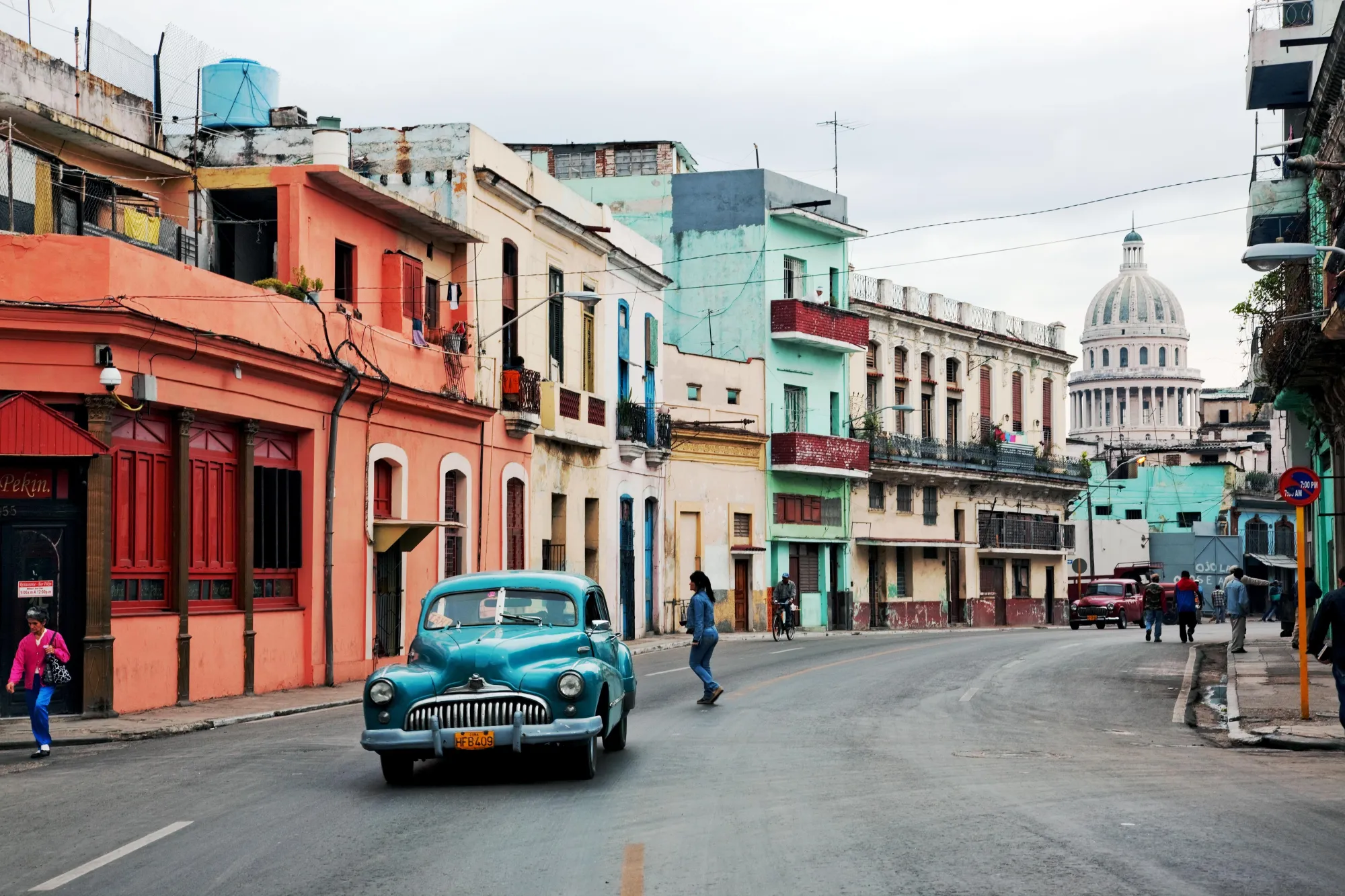
Havana is the capital city of Cuba, located on the country's northern coast. The city is famous for its colour, with Spanish and European influences shaping the traditional use of pastel and bright colour palettes that match the bright Caribbean environment.
Today, colour is a point of personal pride and cultural expression in Havana. It is deeply tied to the city’s identity, extended further by the brightly painted 1950s American vintage cars that line the streets.
Top travel tip: Wander along Calle Obispo, Calle Mercaderes, and Calle Luz. These areas feature restored Spanish-colonial buildings painted in rich golds, corals, turquoise, and mint green.
8. Sintra, Lisbon
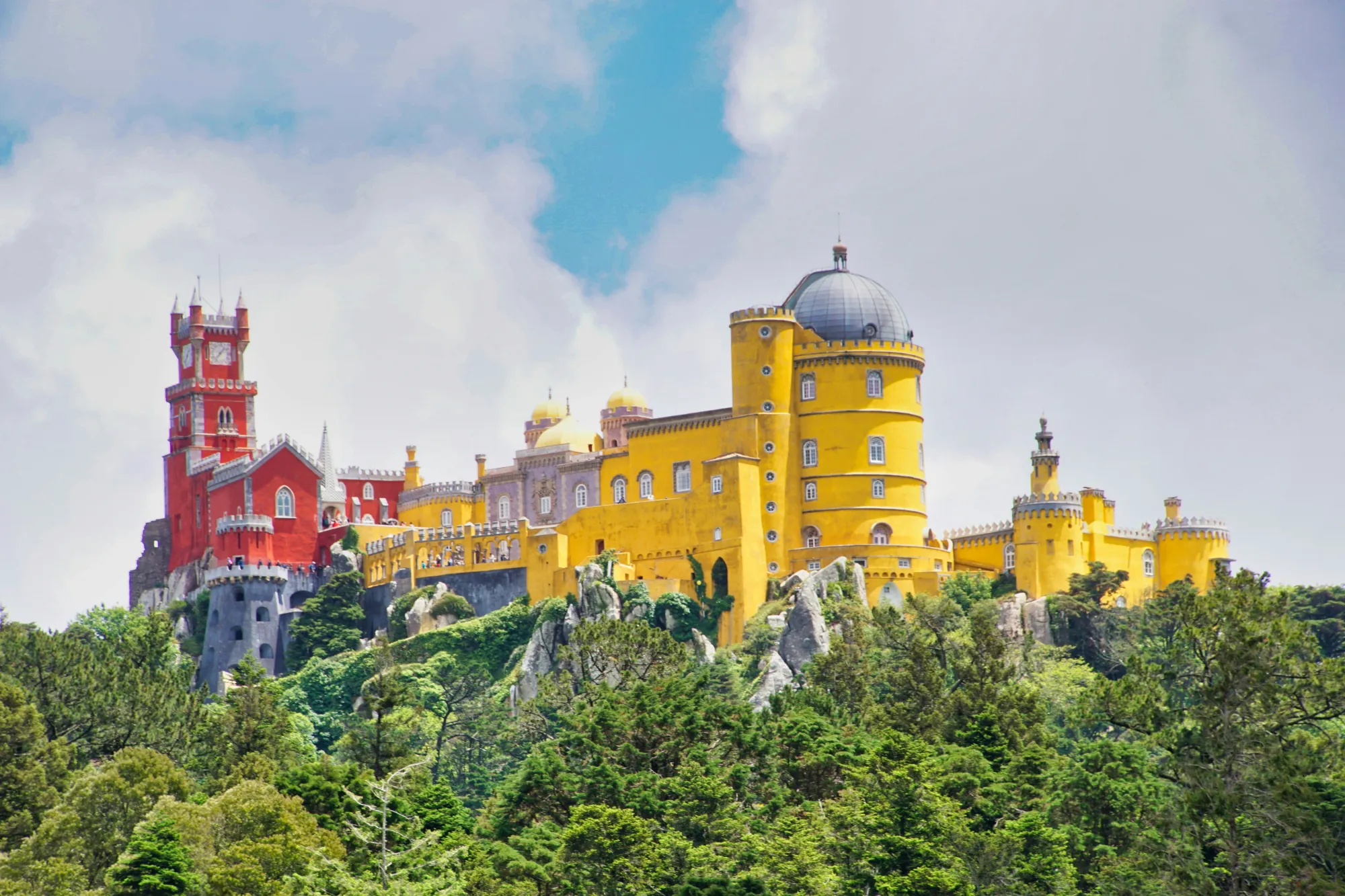
Sintra is a town located 17 miles northwest of Lisbon. It sits in the foothills of the Sintra Mountains, an easy 40-minute train ride from central Lisbon’s Rossio Station.
In the 19th century, King Ferdinand II transformed a ruined monastery into the vivid yellow-and-red National Palace of Pena, setting a dramatic trend of bold, expressive palettes that later inspired neighbouring villas and town buildings. Perched high on a hilltop, it has a bright colour palette that makes it look like a real-life fantasy castle.
Top travel tip: Book tickets for Pena Palace well in advance. The palace relies on strictly timed entry slots, so planning and punctuality are key.
9. Sighișoara, Romania
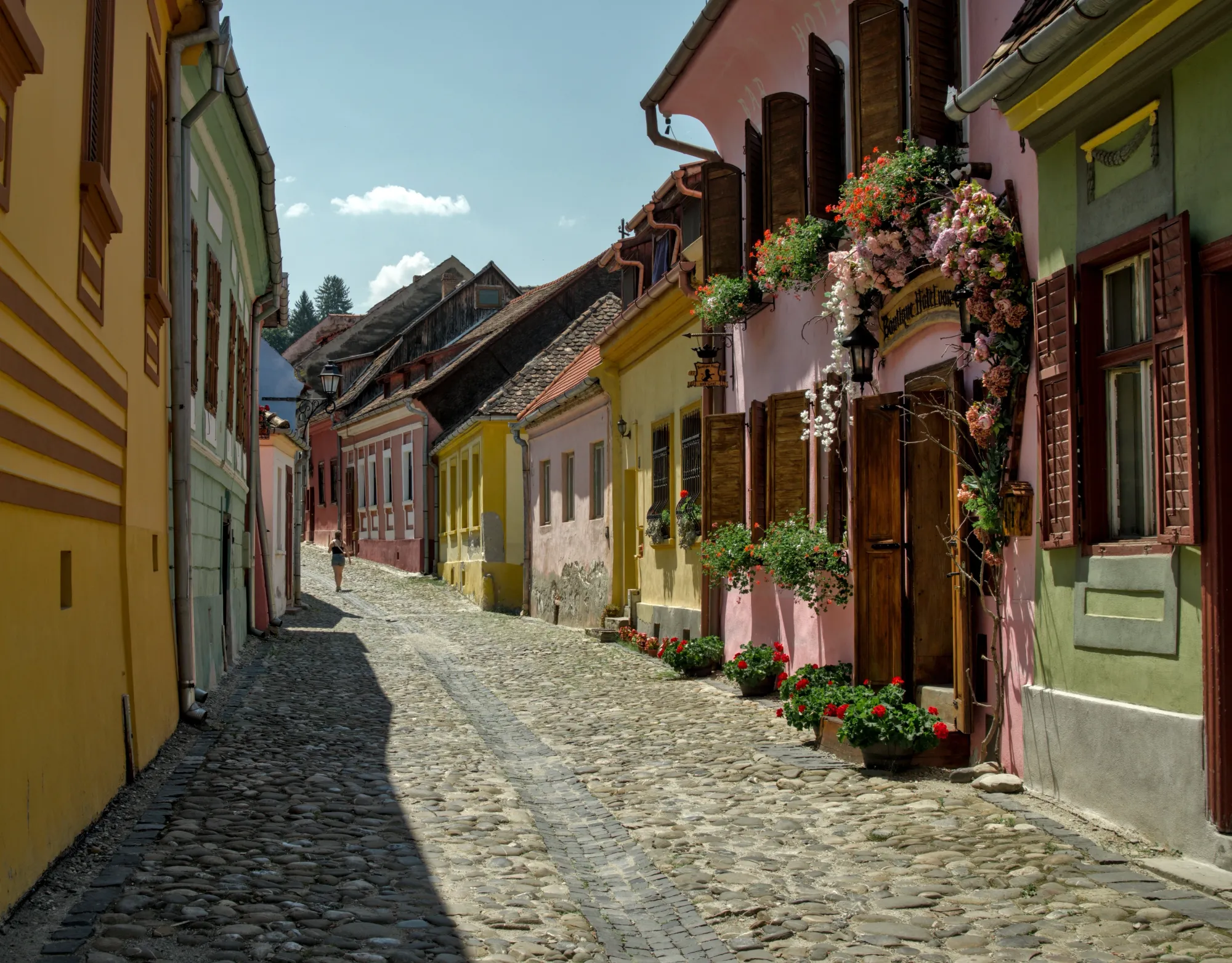
Sighișoara is a stunning medieval walled citadel located in the heart of the Transylvania region in central Romania. It is famously colourful because its historic burgher houses are painted in vibrant pastel and tropical shades of pink, yellow, orange, and blue, brightening the cobblestone streets.
Today, Sighișoara remains remarkably colourful because it is strictly protected as a UNESCO World Heritage site, which legally mandates the preservation and periodic restoration of its historic 12th-century Saxon architecture.
Top travel tip: Sighișoara gets crowded with day-trippers in the summer months. Visit during May, June, September or October for pleasant, cool weather and far fewer crowds.
10. Gamcheon Culture Village, South Korea
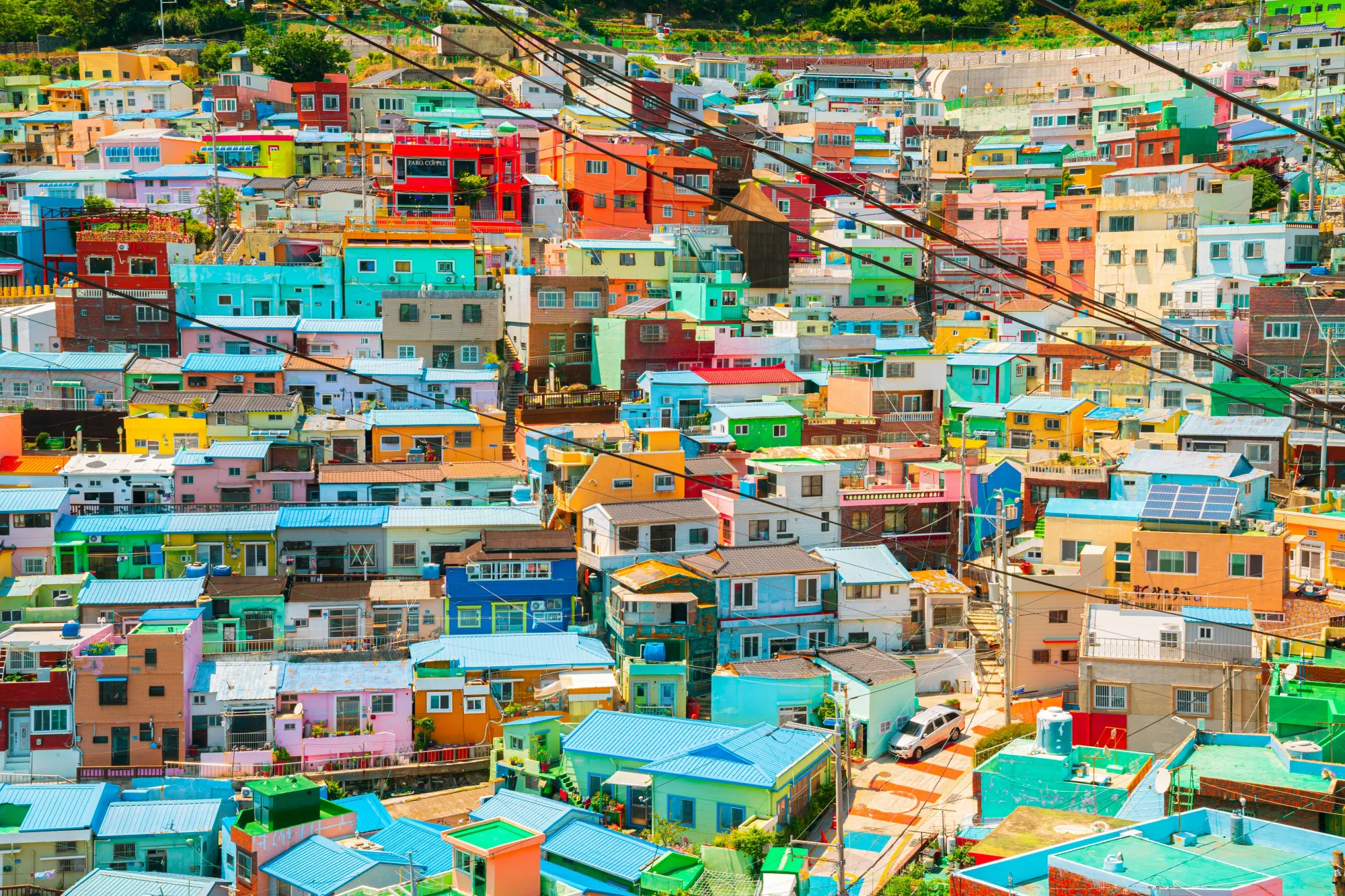
While Gamcheon Culture Village looks like a village in South America or on the shores of Greece or Italy, it is actually located in the Saha District of Busan, South Korea.
In 2009, the South Korean government, local artists, and residents launched a public art project to revitalise the neighbourhood. They painted the stacked hillside houses in bright pastel and rainbow shades and added murals and sculptures. Today, it is one of Busan’s top tourist attractions, drawing in visitors from afar.
Top travel tip: The village is made up of steep stone staircases, narrow pedestrian tracks, and uneven cobblestones, so make sure to wear comfortable walking shoes.
Book an adventure with us today
If we've inspired you to visit some of these incredible destinations, why not consider a cruise? We have plenty of incredible cruise deals available, including no-fly cruises from Southampton, river cruises, adults-only sailings and luxury cruises. Get in touch with us to see how we can help.