Description
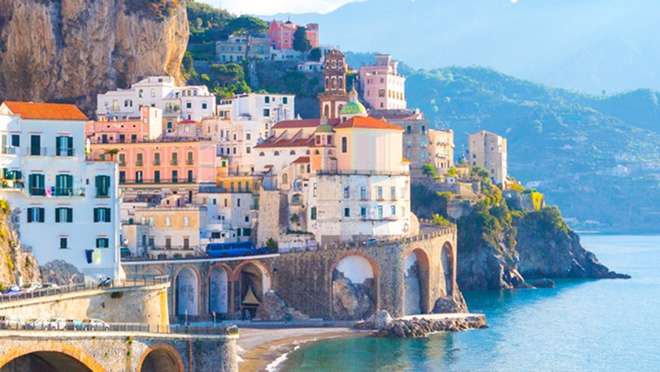
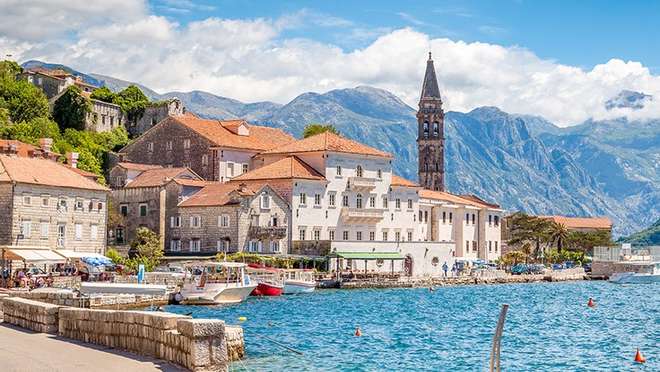
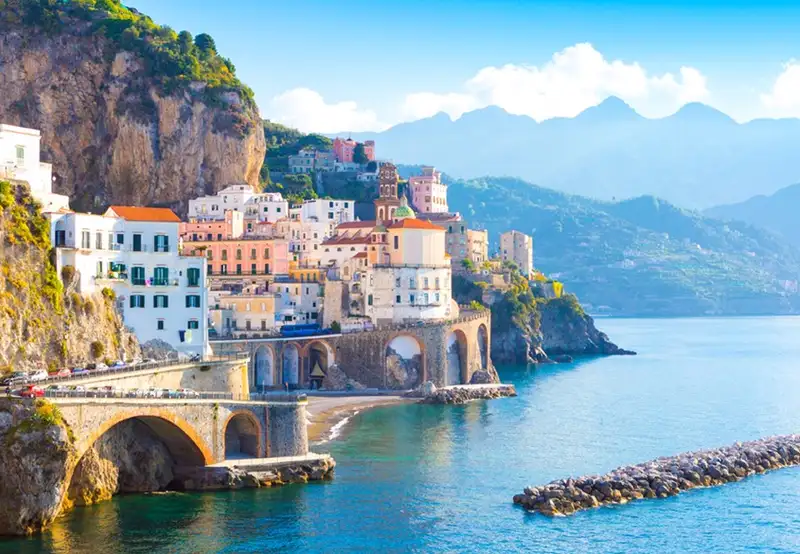
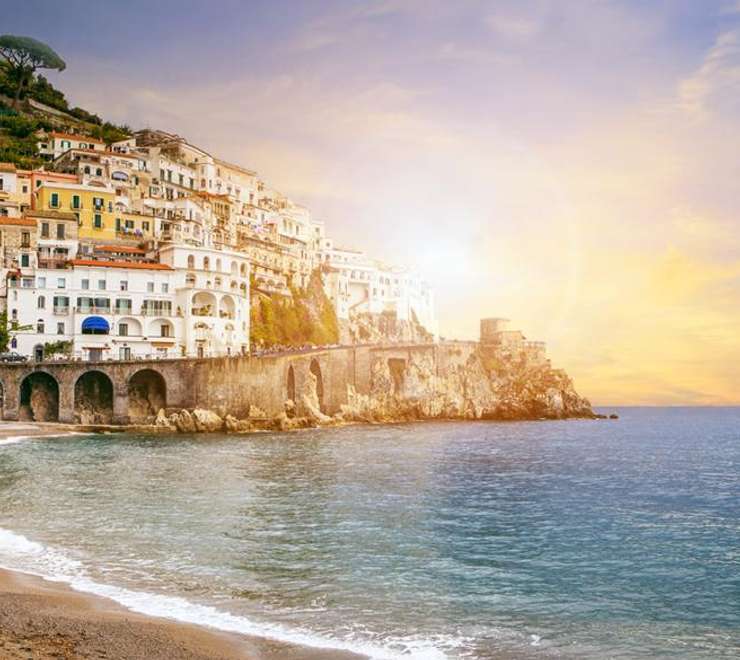
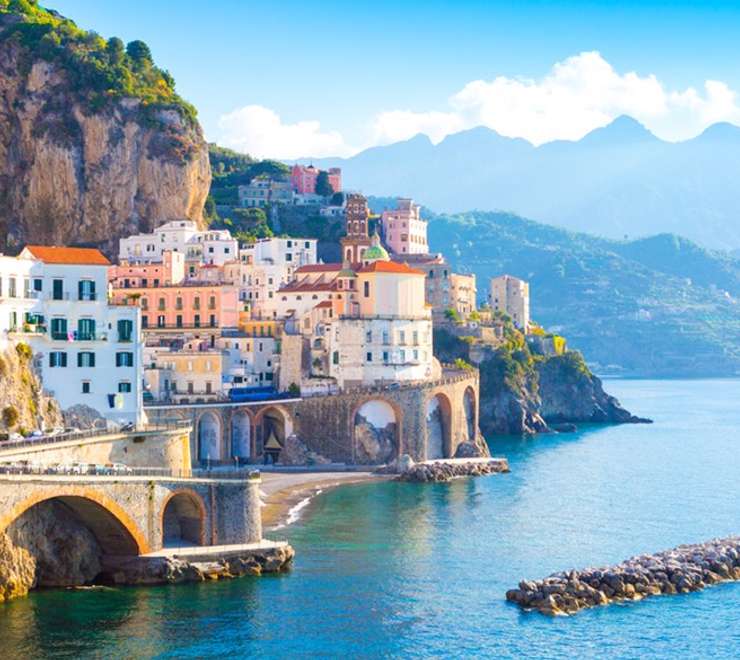
Amalfi is a picturesque town of about 5,000 inhabitants. It was founded by the Romans in the 5th century and was, in medieval times, one of the four Maritime Republics (together with Genoa, Pisa, and Venice) competing for control of the Mediterranean. Despite its small size, Amalfi and its surroundings offer many places to visit: the Duomo, the Paper Museum, Villa Rufolo and the Emerald Grotto are just some of them.
Read more
Read less
Things to do
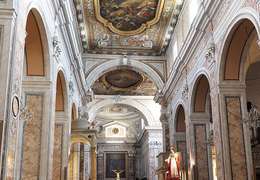
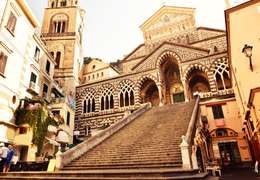
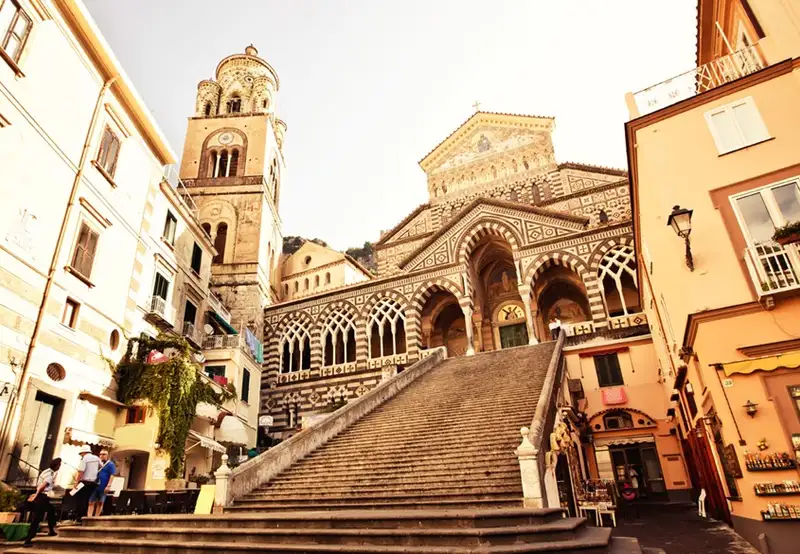
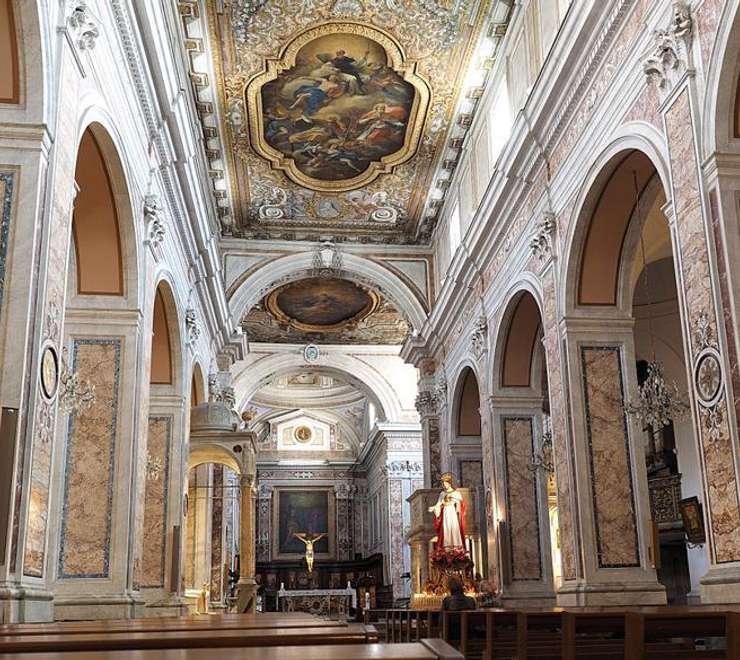
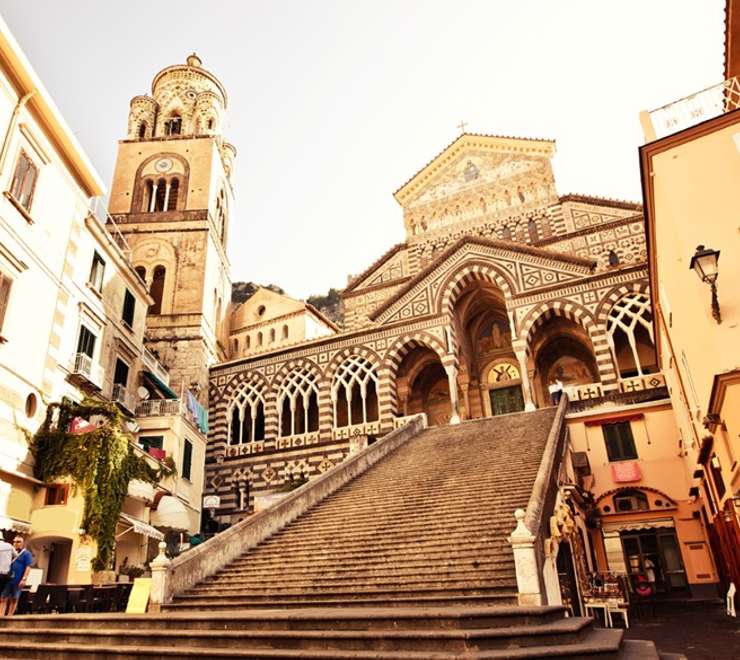
Amalfi Cathedral
The construction of the Cathedral of Sant'Andrea, also known as the Cathedral of Amalfi, began in the year 987 at the behest of Duke Mansone I. It is said that St. Francis of Assisi went there in 1218 to honour the relics of St. Andrew the Apostle, which are kept here.
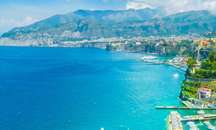
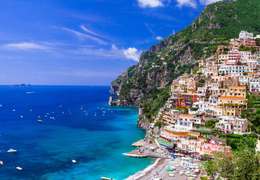
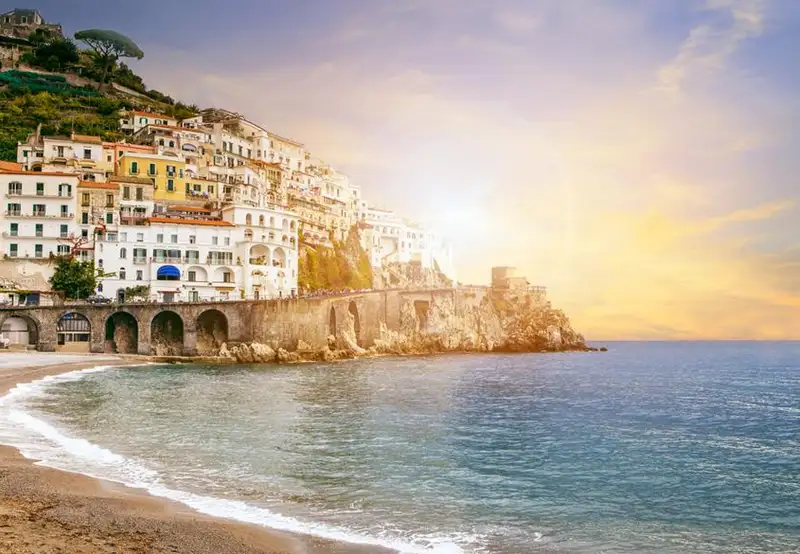
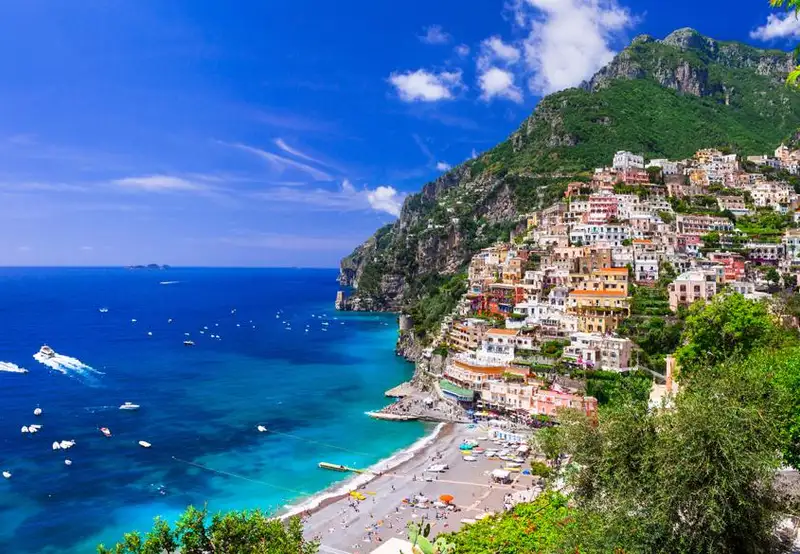
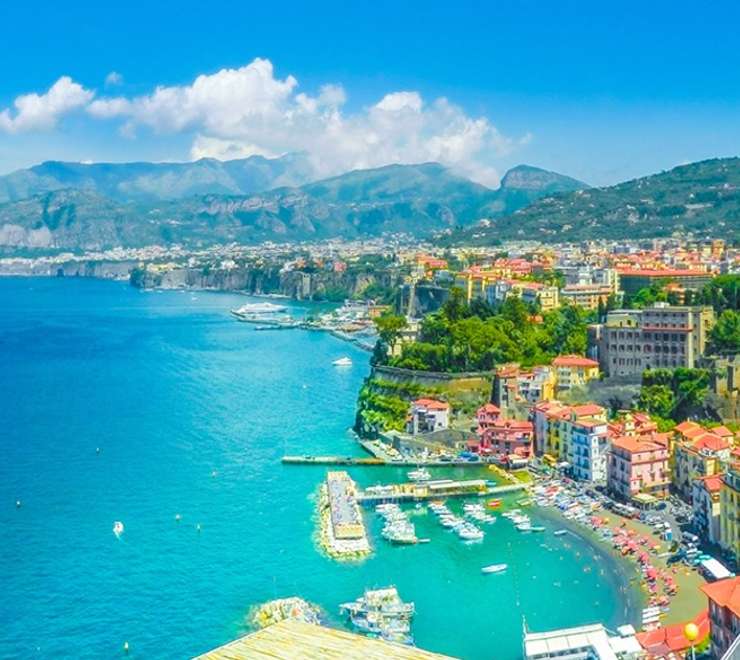
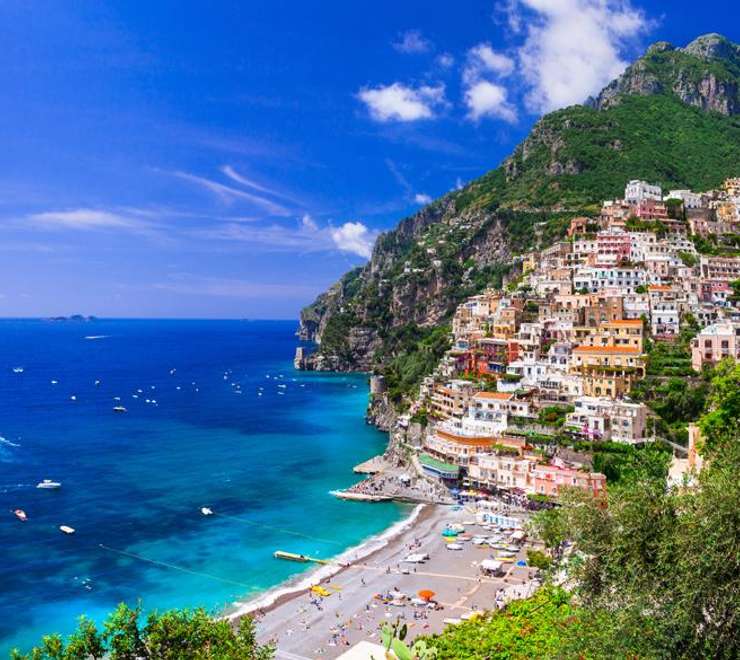
Amalfi Coast
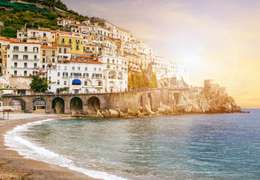
The Amalfi Coast was declared a World Heritage Site by UNESCO in 1997, due to its incredible natural beauty. It overlooks the Gulf of Salerno and includes the stretch from Positano to Vietri sul Mare, totalling around 50 km.
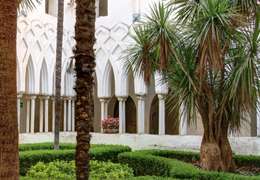
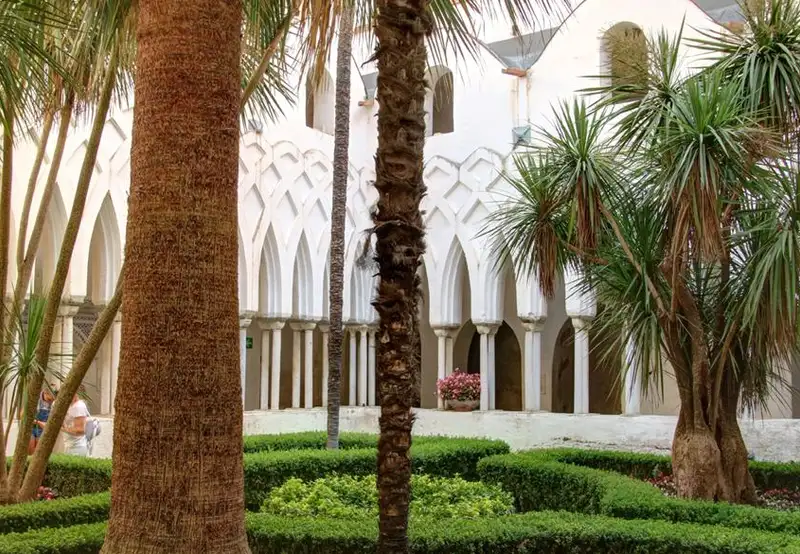
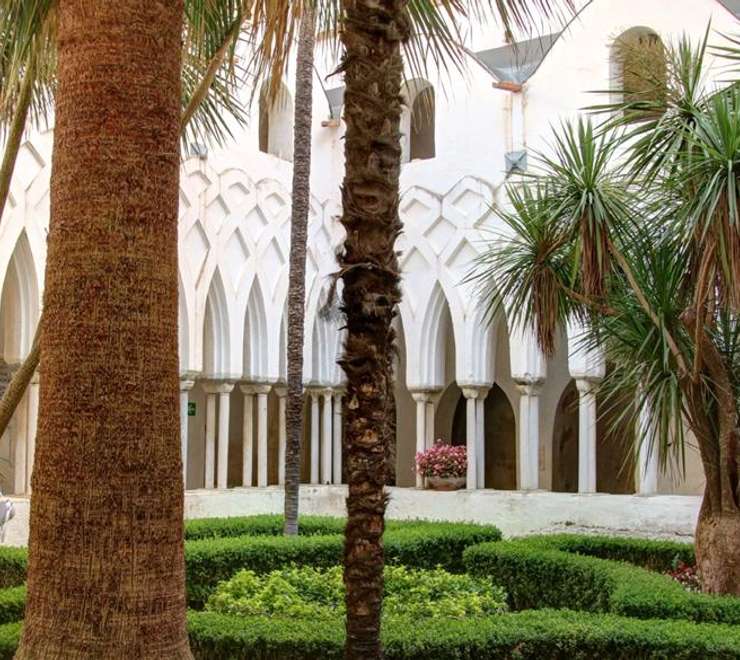
Cloister del Paradiso
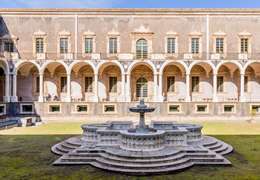
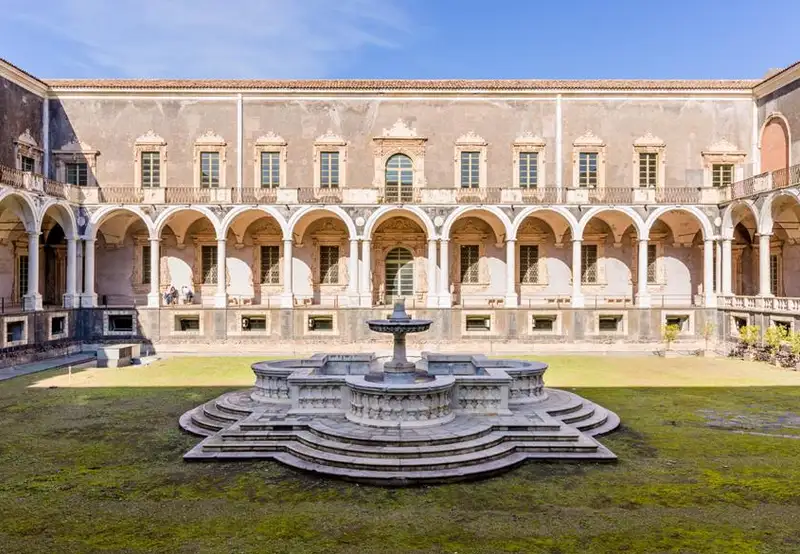
The Cloister del Paradiso is part of the Cathedral of Amalfi. It was built between 1266 and 1268 as a cemetery for high-standing citizens. The structure, in Moorish style, has an internal garden - probably dating back to the 20th century - and 120 columns.
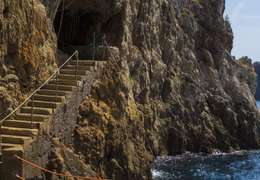
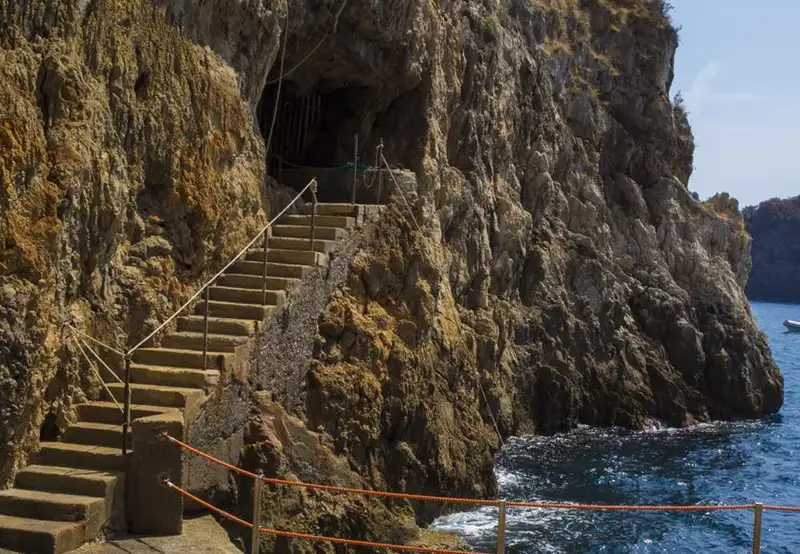
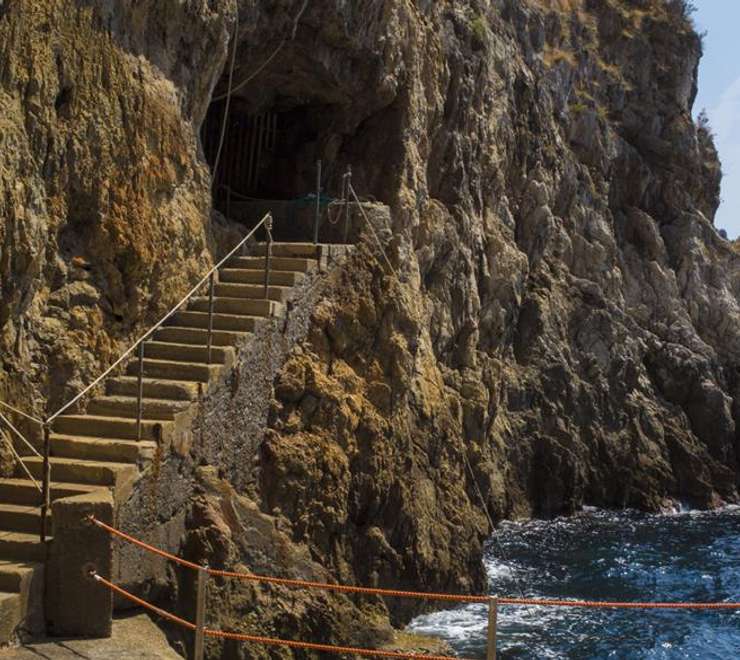
Grotto dello Smeraldo
The Emerald Grotto was discovered in 1932. It is a gorgeous, natural location in which shimmering water sits calmly in an intricate cave. The grotto owes its name to the shades that the water takes on due to the sunlight that filters through from above. It is directly connected to the Tyrrhenian Sea, and can be accessed by sea or by land.
Museum of Paper
The former paper mill of Amalfi was transformed into today's Museo della Carta in 1969, thanks to Nicola Milano, its owner. You can admire the machinery and equipment, still working, used in the past to make paper by hand.
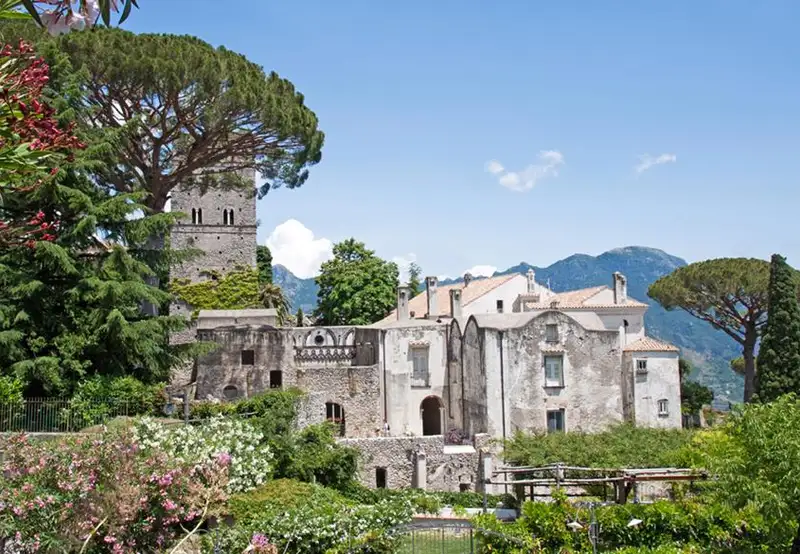
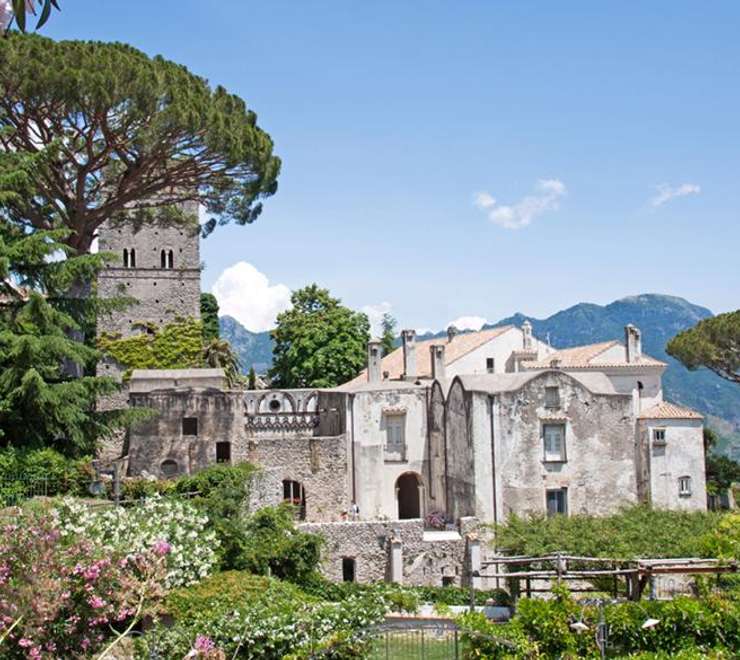
Villa Rufolo
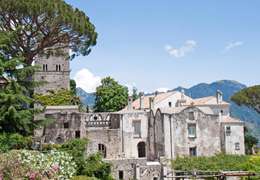
Villa Rufolo is located in the town of Ravello, about 7 km from Amalfi. The property dates back to the 13th century and underwent a substantial restoration in the 19th century. Today, visitors to the villa will see the Arab-Norman style architecture, and can admire the beautiful gardens. The lower garden hosts the Ravello festival every year.


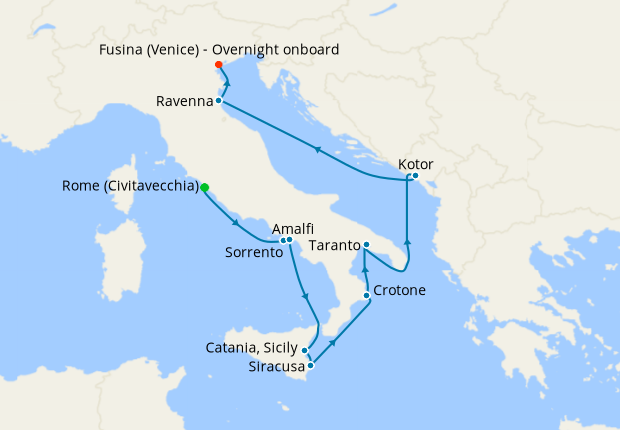


 22 August 2026 · 11 nights
 London Heathrow
















 Transfers to Airport

 Flights
 Drinks
 Tips
Tips
 Entertainment
 Meals
Meals
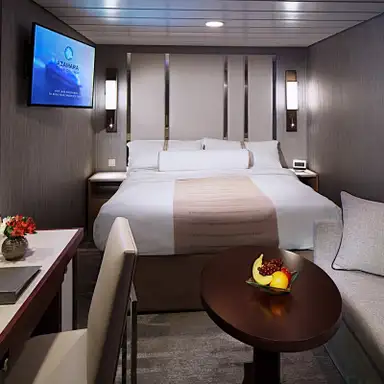
 Accommodation
 Port Fees & Taxes









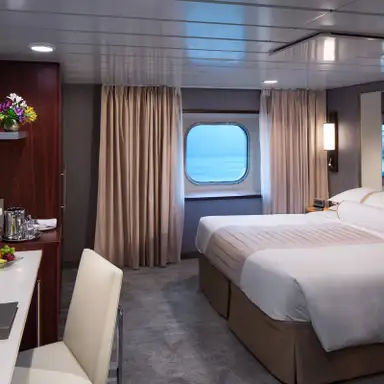
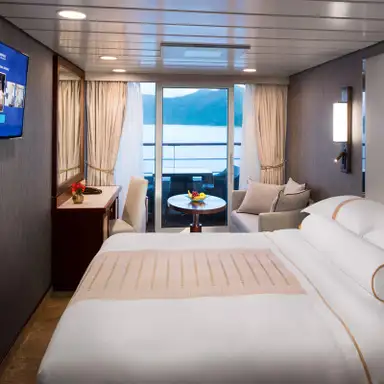
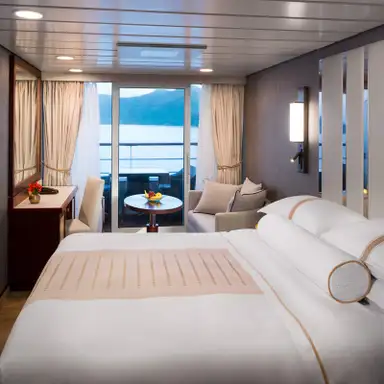
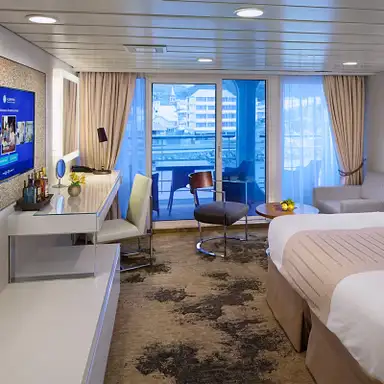
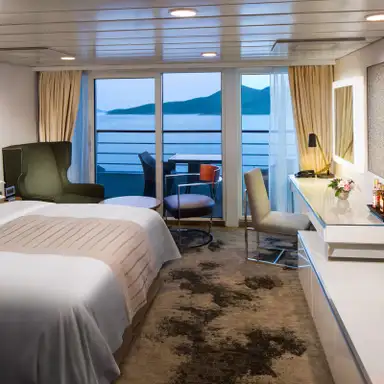
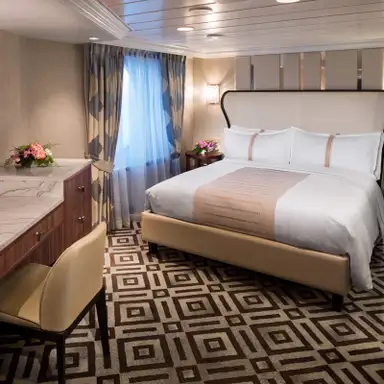
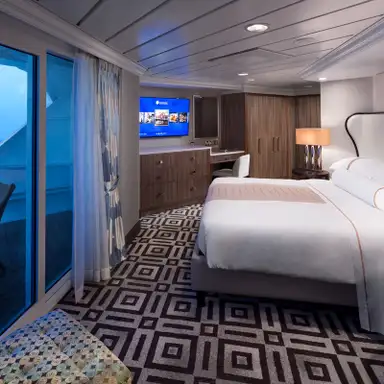


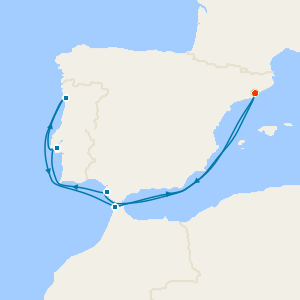
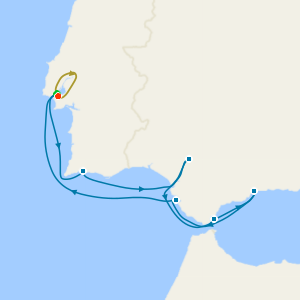
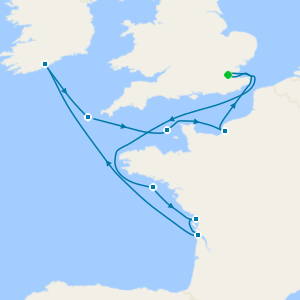

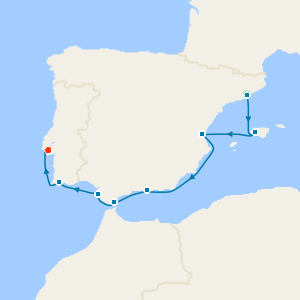












)





























 Cruise


