Description
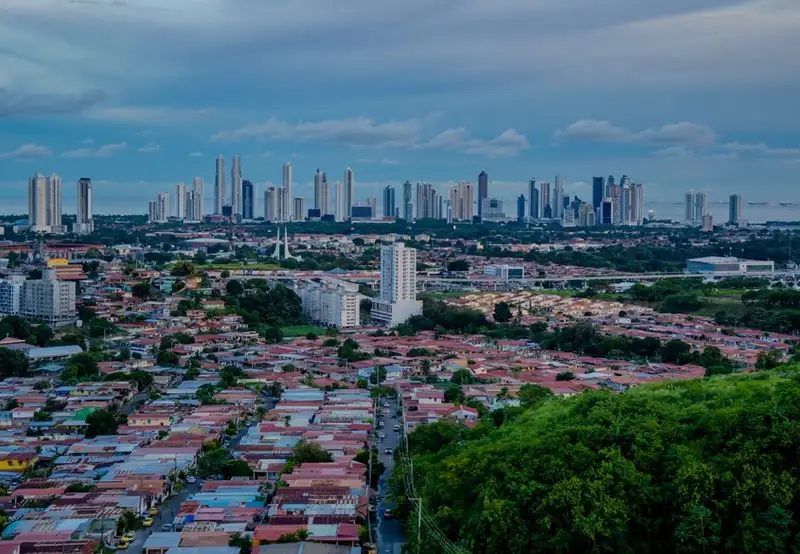
Pisco is a historic port city on Peru’s southern coast, famously known as the namesake and birthplace of Pisco, the country's national grape brandy. While the city itself was heavily impacted by a devastating earthquake in 2007, it remains a resilient hub and the primary gateway for exploring the wildlife-rich Ballestas Islands and the stunning Paracas National Reserve.
Read more
Read less
Things to do
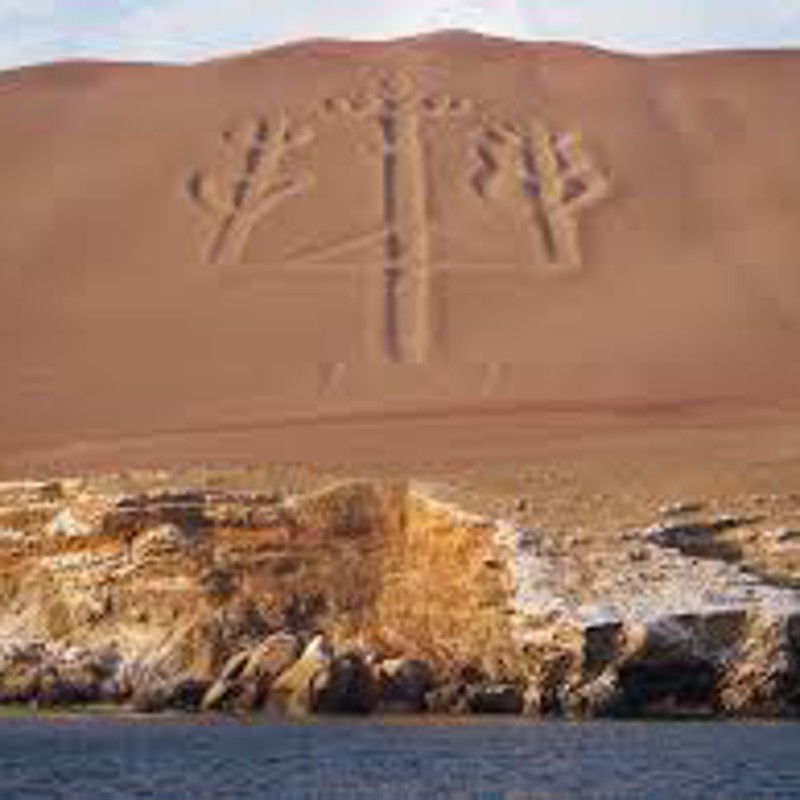
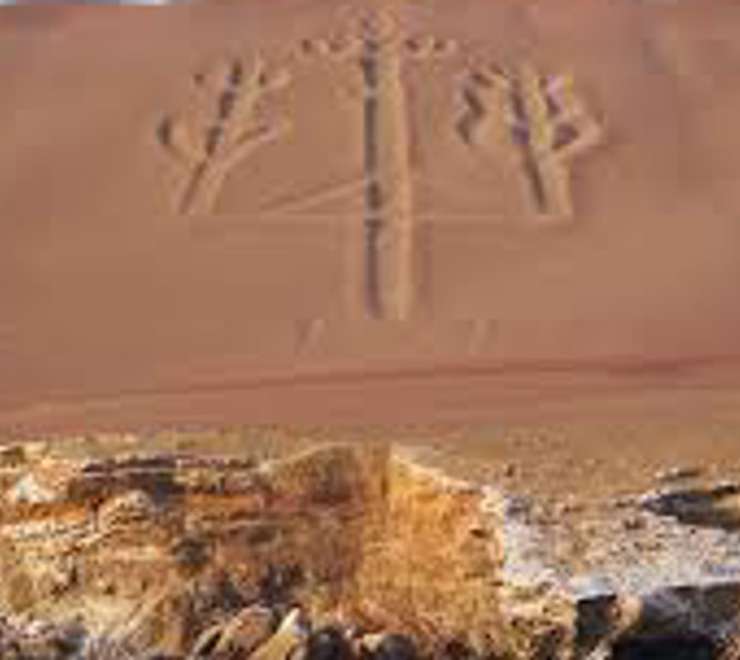
Candelabro de Paracas
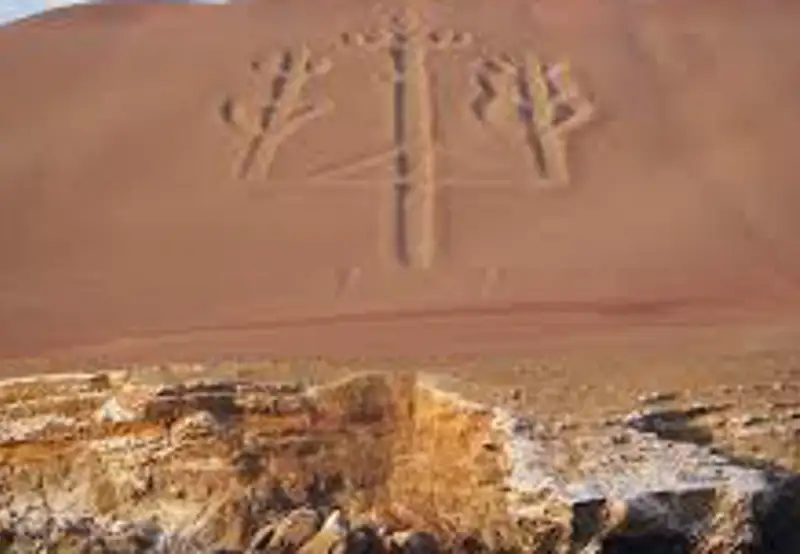
A visit to the Candelabro de Paracas is one of Peru’s great unsolved mysteries, best experienced from the deck of a boat bound for the Ballestas Islands. Etched into a steep, sandy hillside overlooking the bay, this massive geoglyph stands over 120 metres tall and remains perfectly preserved despite centuries of coastal winds. As your boat pauses in the swells, the sheer scale of the design, which resembles a giant three-pronged trident or a cactus, is breathtaking against the stark desert backdrop. Whether it served as a navigational beacon for ancient sailors, a ritual offering by the Paracas culture, or a symbolic link to the Nazca Lines, seeing this enigmatic monument from the water provides a haunting sense of wonder that stays with you long after you’ve returned to shore.
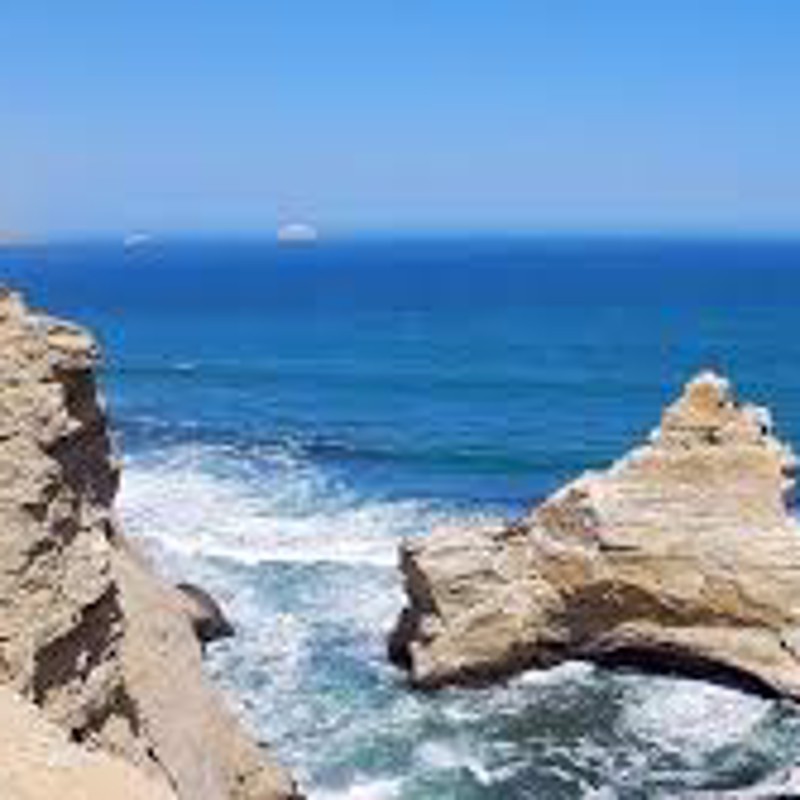
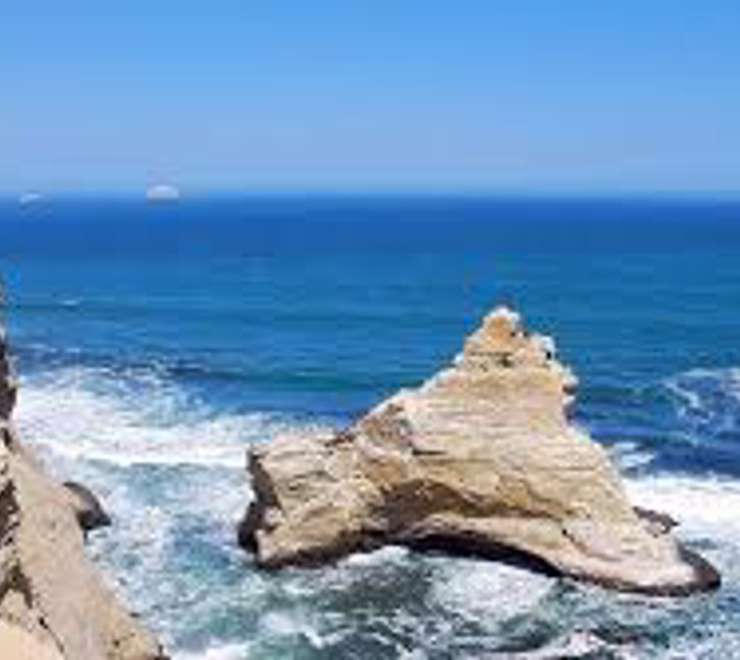
La Catedral
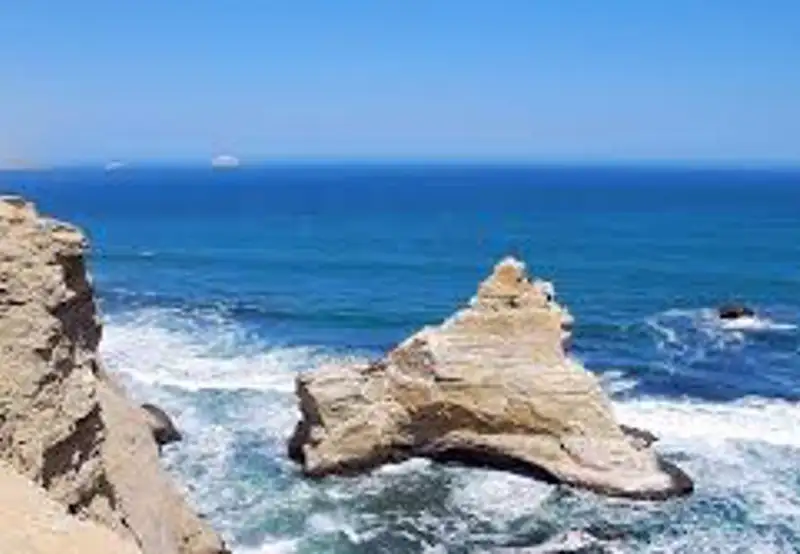
La Catedral offers a front row seat to the dramatic geological evolution of the Paracas coastline. Though the site’s famous natural stone arch was lost to a powerful earthquake in 2007, the remaining jagged pillars and soaring ochre cliffs are no less spectacular. The viewpoint provides a stunning perspective on the sheer scale of the desert meeting the sea, where the Pacific’s turquoise waves crash against wind-sculpted rock formations. It is a place of raw, windswept beauty that perfectly captures the untamed spirit of the national reserve and the transformative power of nature.
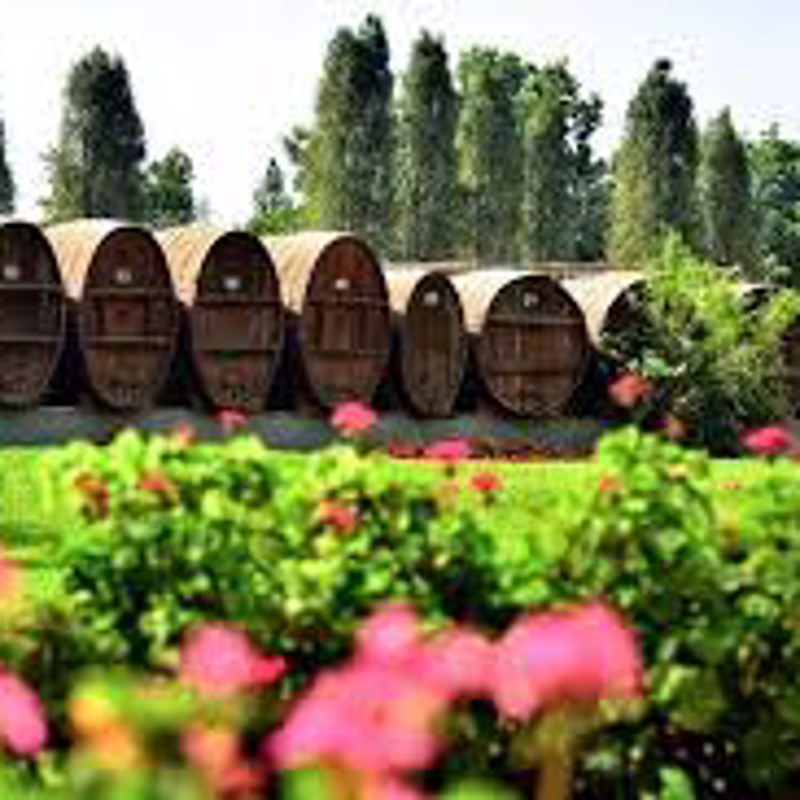
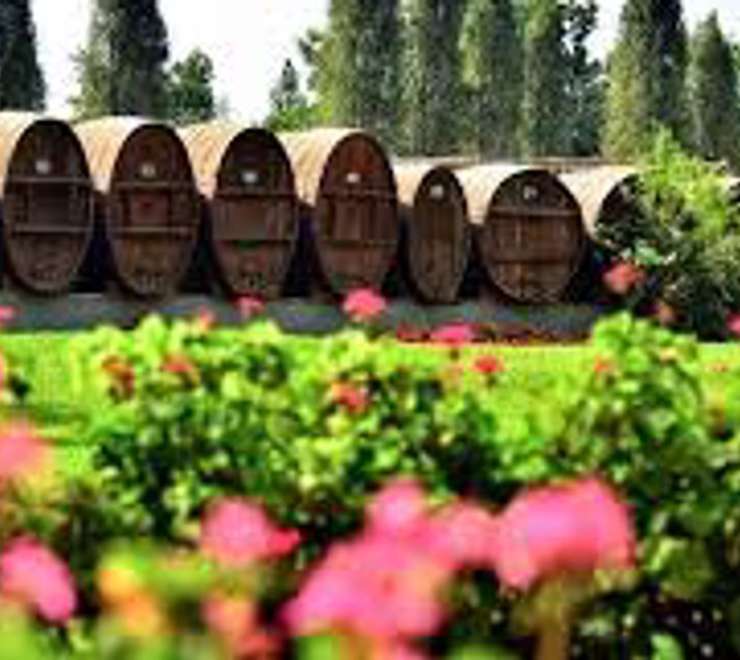
Pisco Distillery & Vineyard Tours
Exploring the historical estates of the Ica Valley offers a look into Peru's agricultural heritage, where traditional craftsmanship meets the unique landscape of the region. At renowned sites like Tacama or Bodega 1615, it is possible to learn about the long-standing history of the valley, from the cultivation of sun-ripened grapes to the use of traditional clay jars and copper equipment. These visits highlight the dedication to historical production methods and the preservation of local traditions. Visitors can enjoy the scenery of the vast vineyards and learn about the different grape varieties that have been grown in this soil for generations.










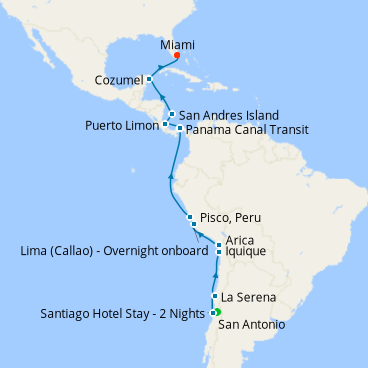


 7 March 2027 · 23 nights
 London Heathrow
















 Transfers to Airport

 Flights
 Hotel
Hotel
 Wi-Fi
Wi-Fi
 Drinks
 Tips
Tips
 Complimentary Specialty Dining Experience
 Dedicated Butler and Concierge Service
 Thalassotherapy Pool Access
 Entertainment
 Cabin
Cabin
 Laundry
 Luggage
 Port Fees & Taxes
 Transfers (Between)





























)


































 Cruise


