Description
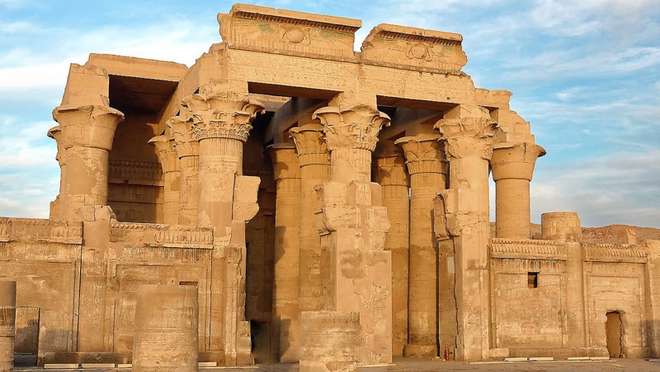
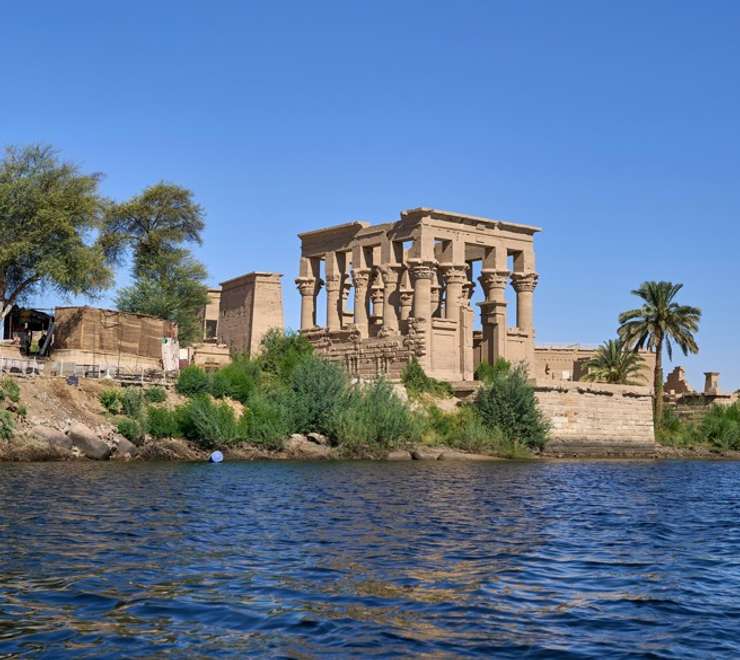
Disembarking in Edfu is an exhilarating experience that invites you to step back into ancient Egypt while immersing yourself in a vibrant, welcoming cultural landscape. It’s home to some of the nation’s best-preserved ancient landmarks and sensational monuments that are thousands of years old. Located on the west bank of the River Nile, this bustling destination is your gateway to the magnificent Temple of Edfu, authentic Egyptian cuisine, and charming riverside scenery. Enjoying warm weather year-round, Edfu is also an excellent destination to soak up the sunshine and unwind, giving you a chance to reflect on the sensational ancient history you’ve uncovered so far and what you have to look forward to next.
Read more
Read less
Things to do
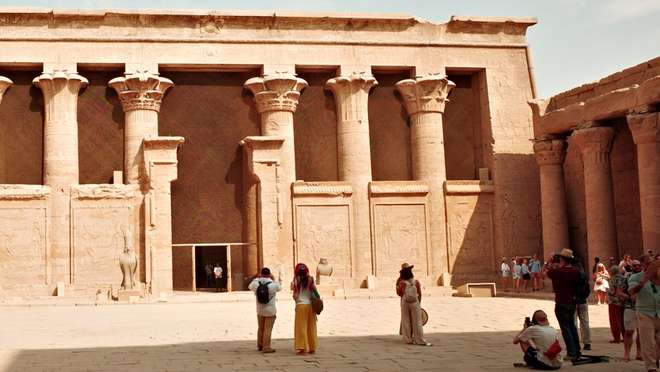
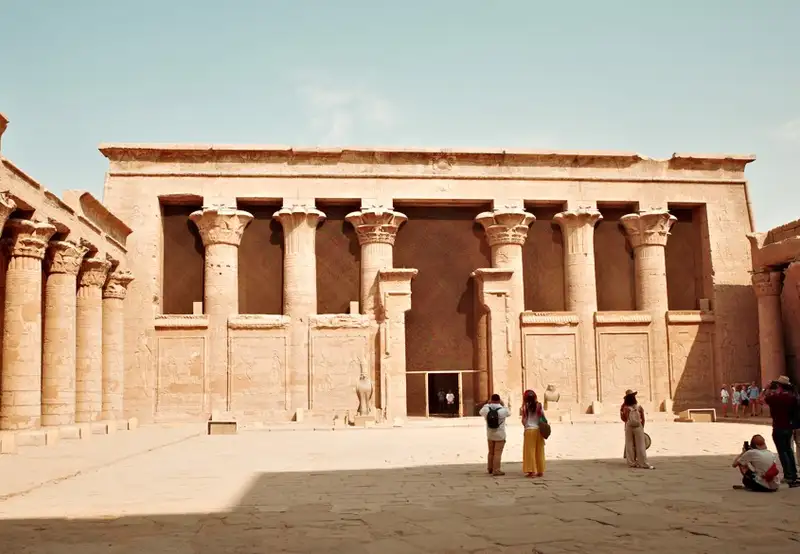
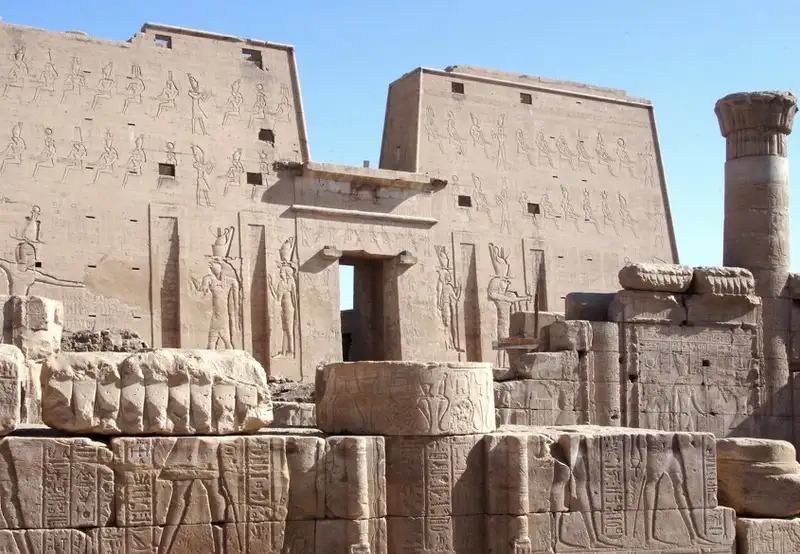
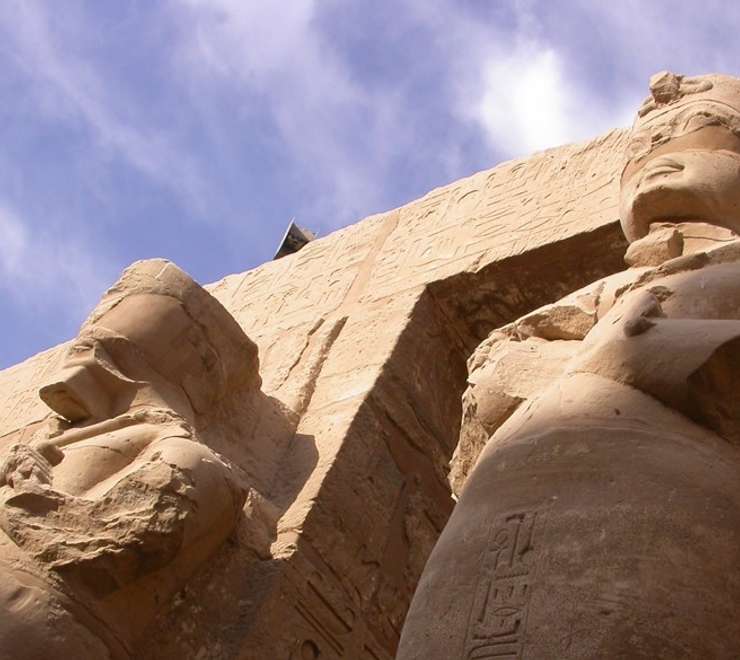
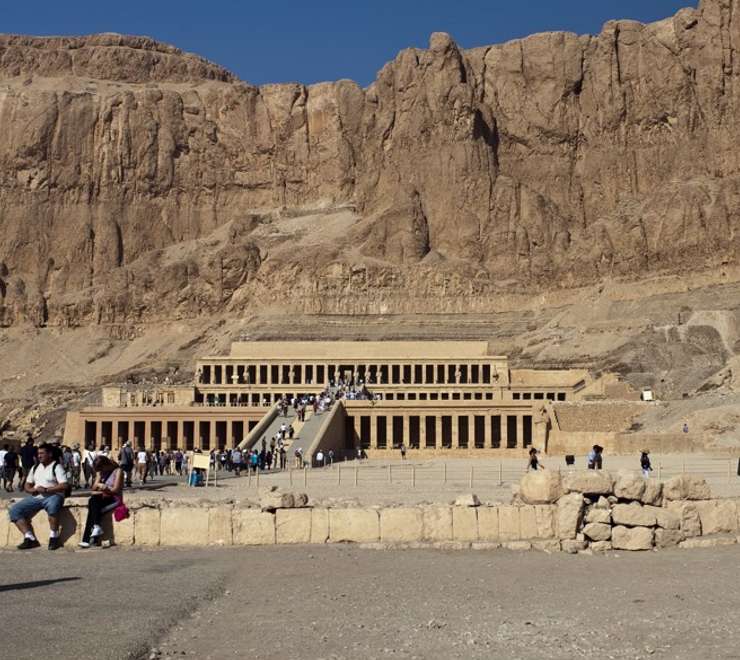
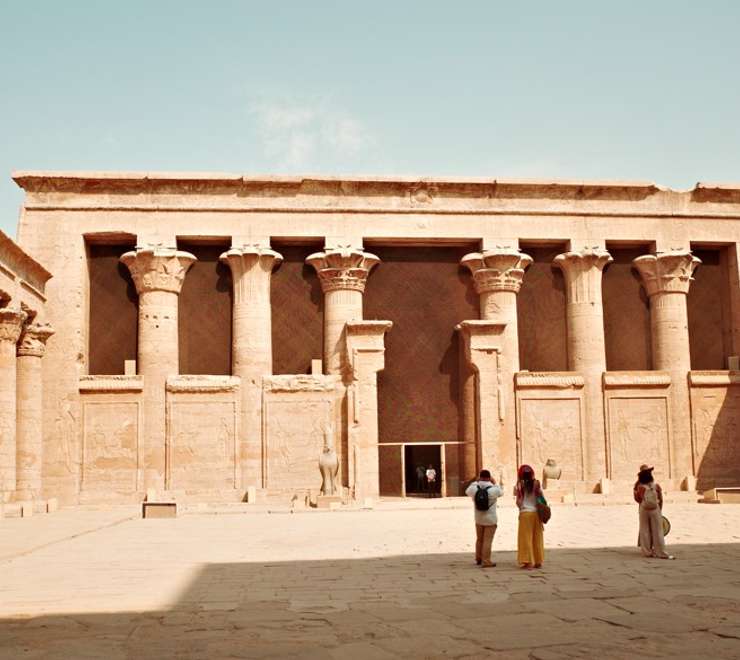
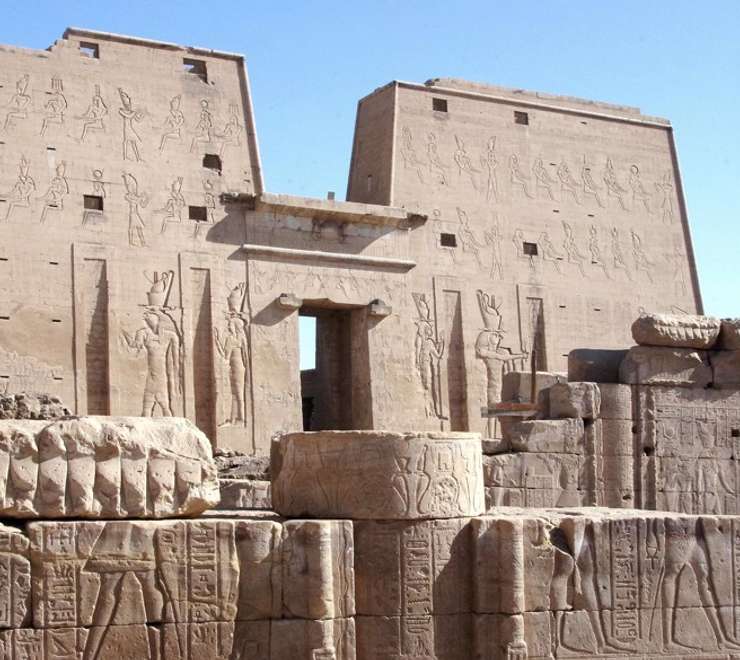
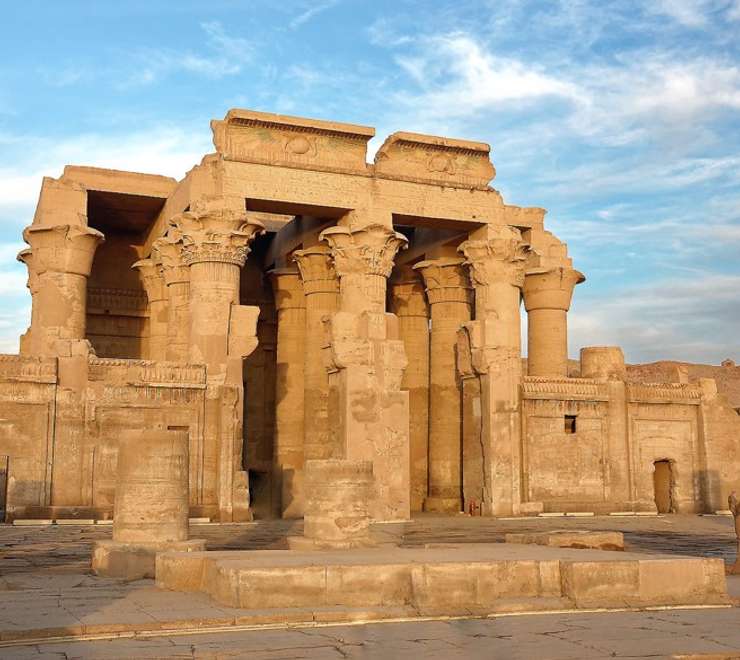
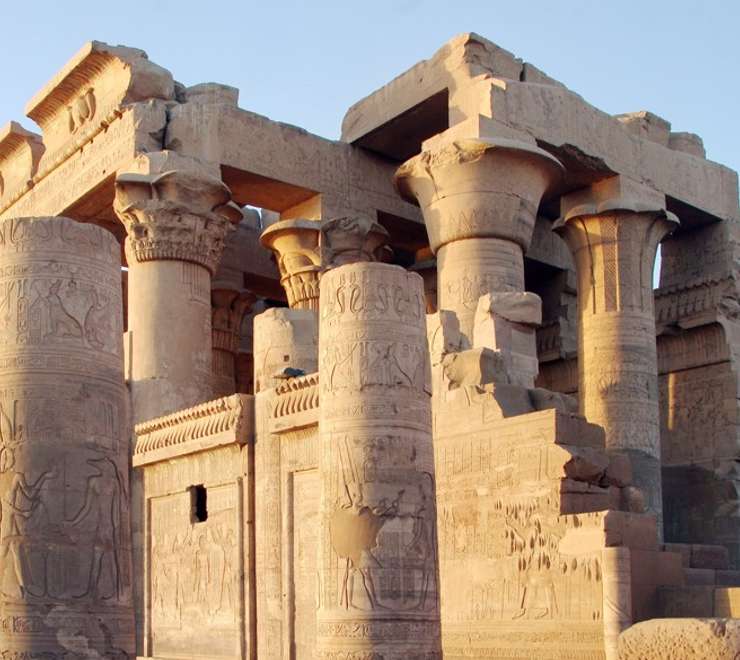
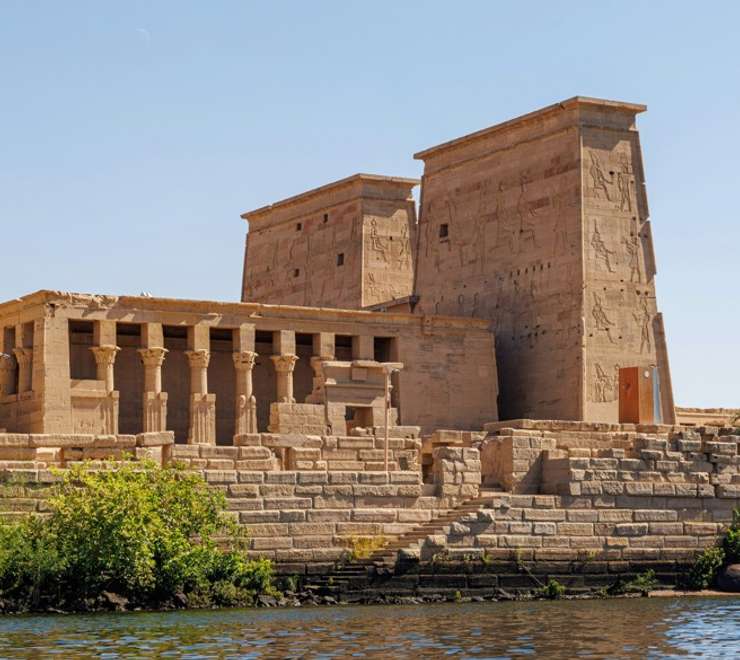
The Temple of Edfu
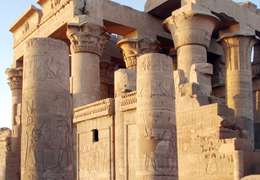
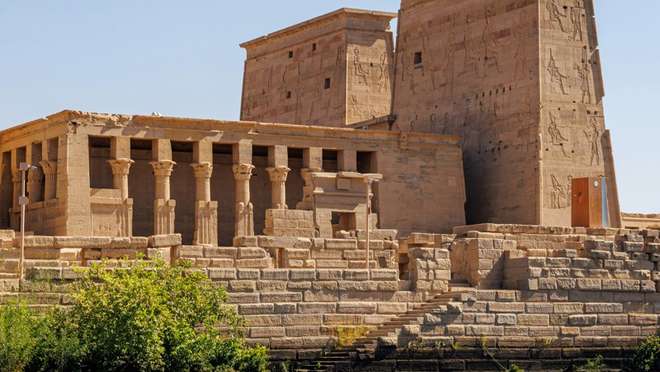
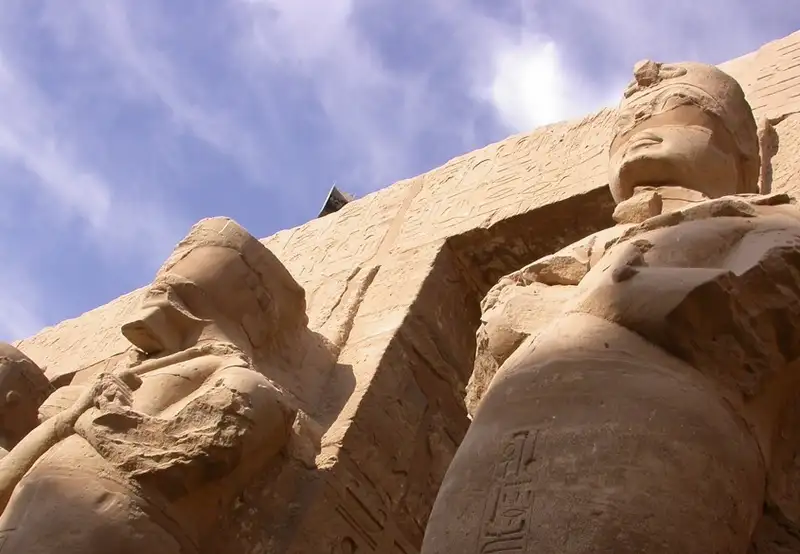
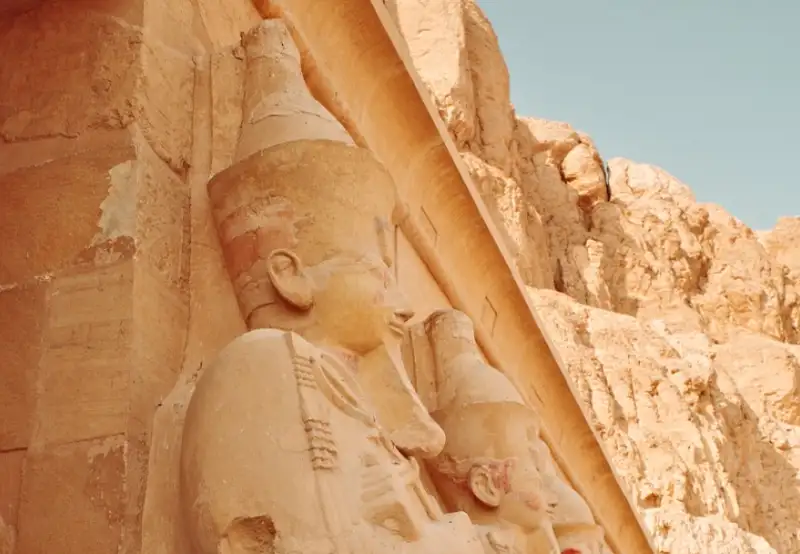
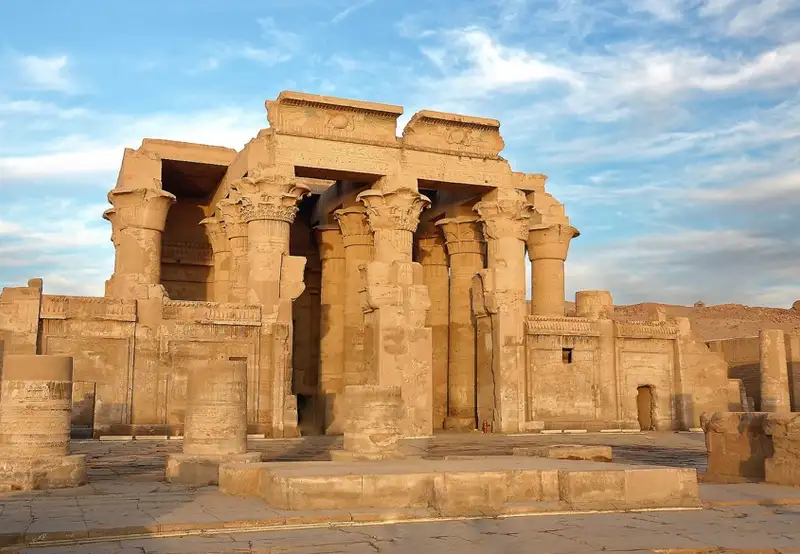
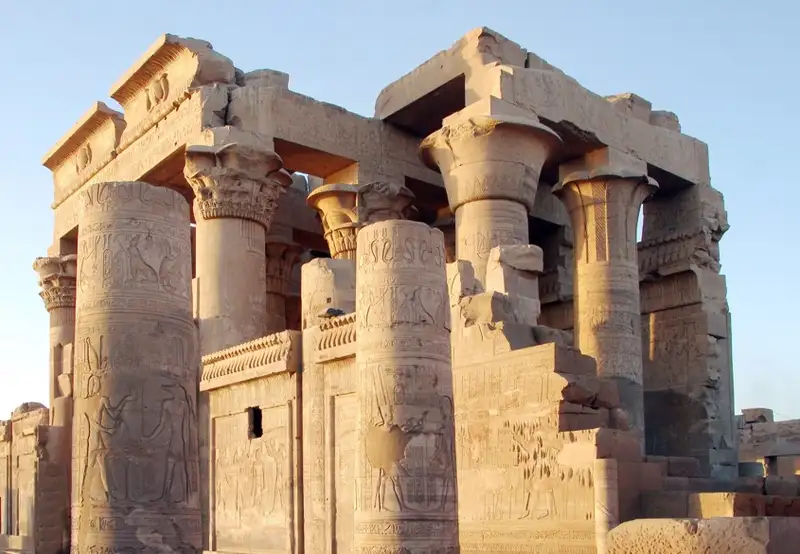
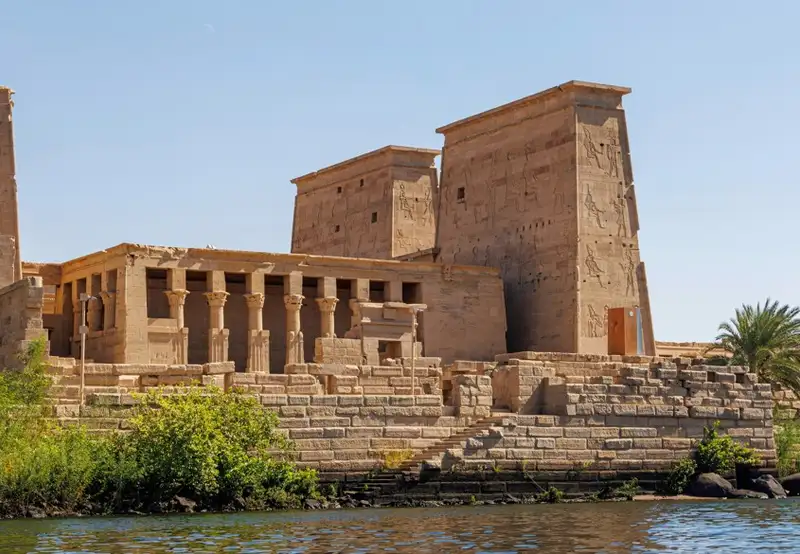
A significant Ptolemaic temple of Horus built between 237 and 57 BC, the impressive Temple of Edfu is one of Egypt’s most completely preserved ancient temples. The inscriptions found here have proved invaluable for understanding the language, mythos, and religion of ancient Egypt throughout the Hellenistic period, which spans the period between the death of Alexander the Great in 323 BC and that of Cleopatra VII in 30 BC. Among the largest temples in Egypt dedicated to Horus and Hathor, it was an important centre for festivals dedicated to the ancient Egyptian god and part of a historic pilgrimage between Edfu and Dendera, home to a significant temple dedicated to Hathor.
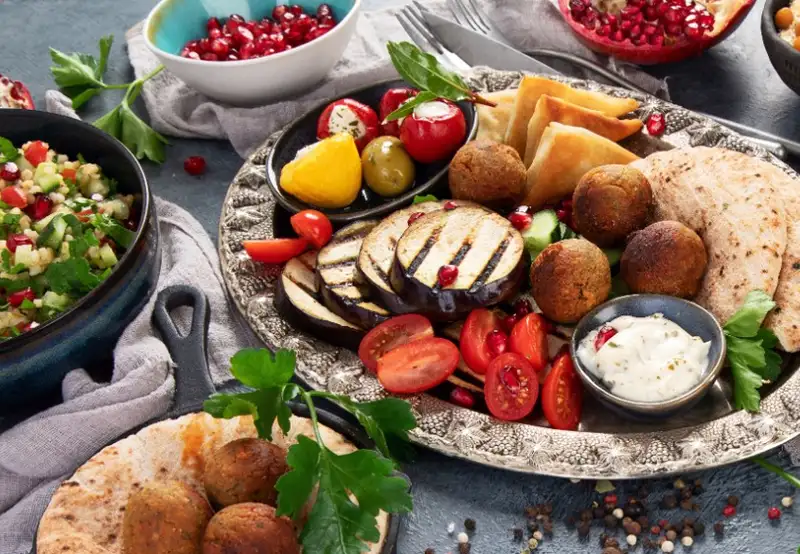
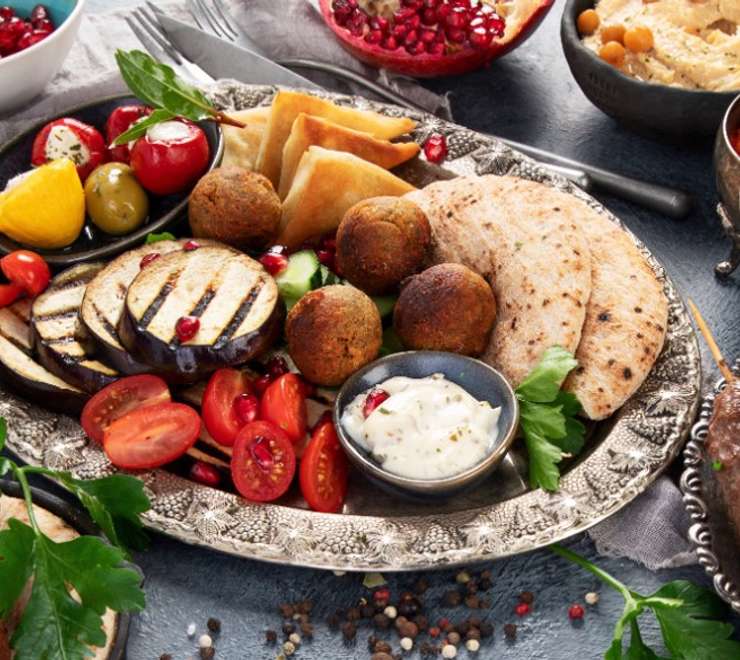
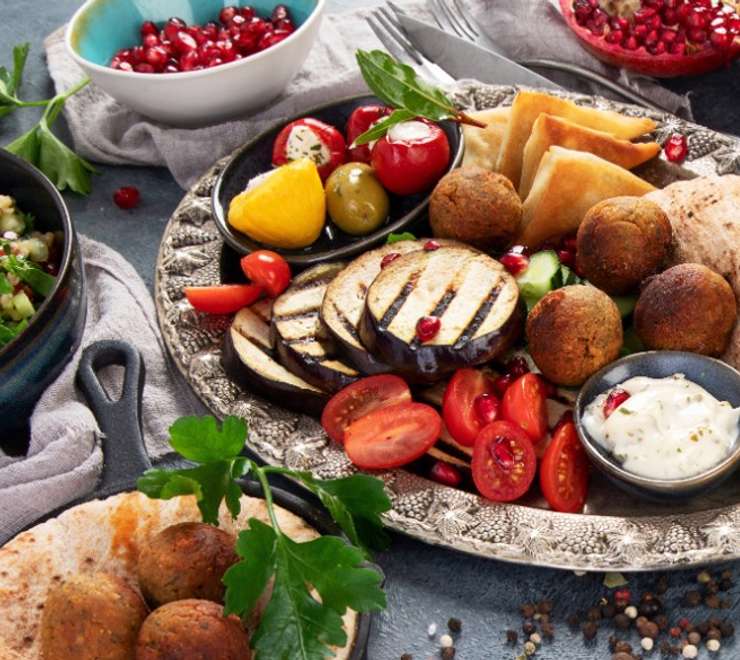
Egyptian Cuisine
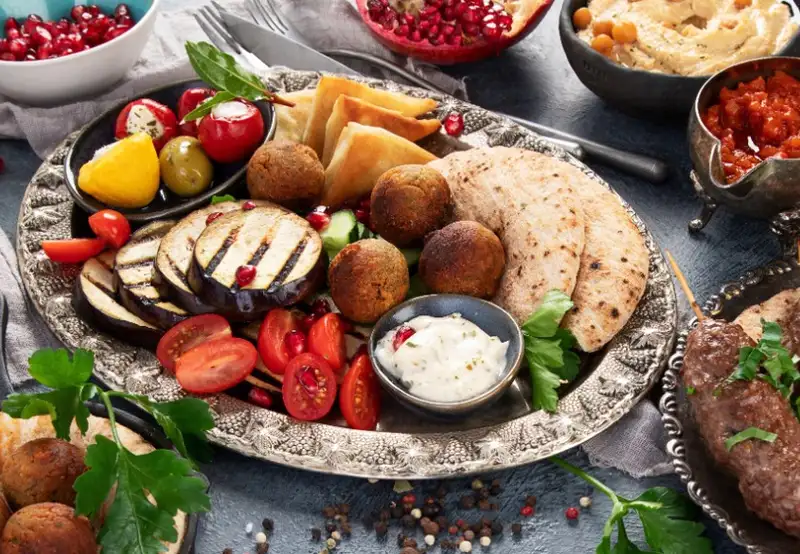
A culinary landscape boasting a unique blend of Mediterranean and Middle Eastern flavours and techniques, Egyptian cuisine is known for featuring a wide variety of vegetables and herbs from the Nile Valley region, alongside freshly baked breads and grilled meats such as kebab and kofta. Full of flavour and largely vegetarian-friendly, every bite of the bold dishes you’ll enjoy in Egypt is packed with vibrant spices and a refreshing freshness you’ll want to savour.
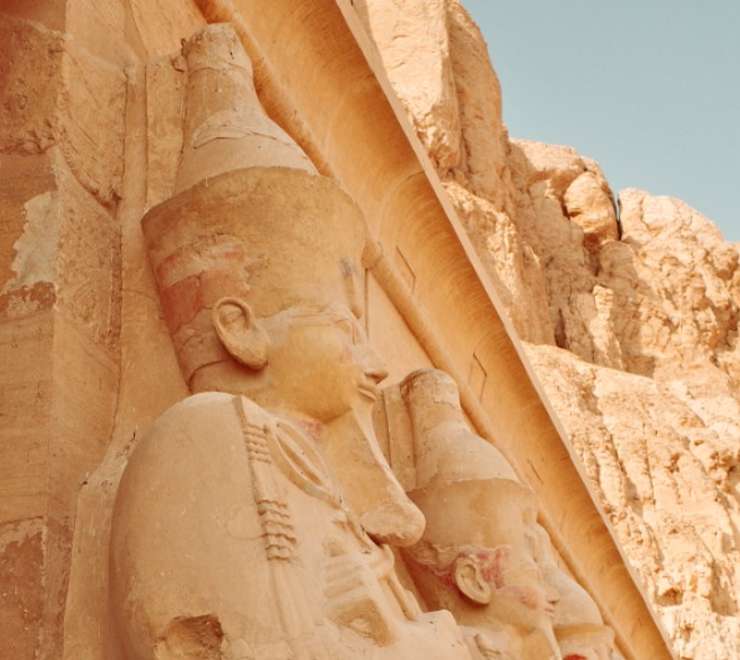
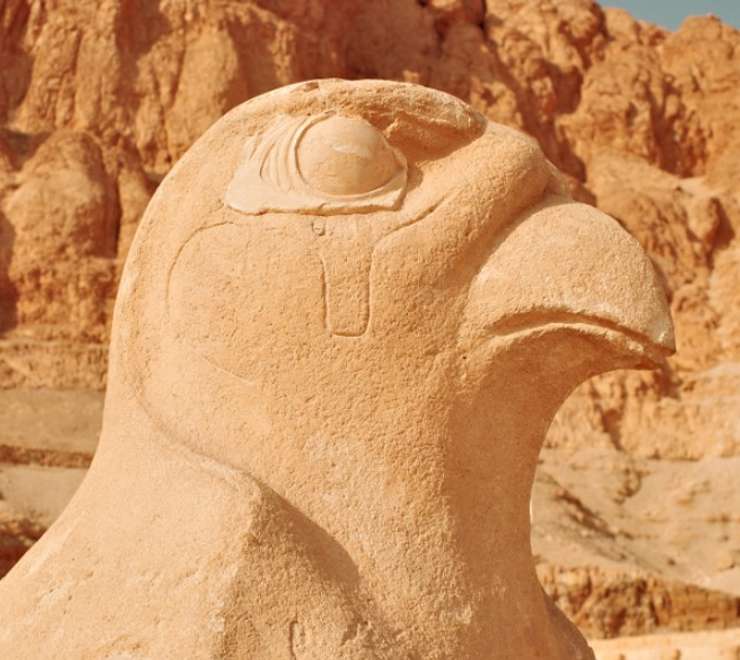
Horus
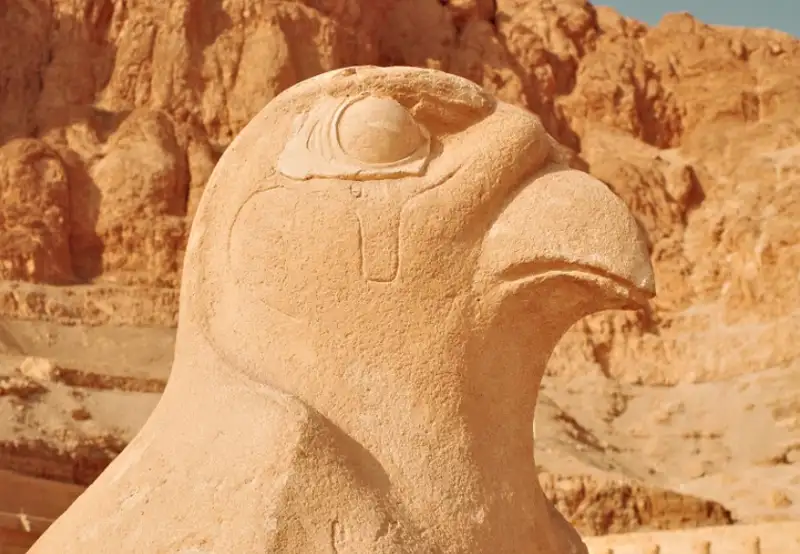
Horus, the falcon-headed god of kingship, protection, healing, the sun, and the sky, is among the most significant ancient Egyptian deities. Worshipped from late prehistoric Egypt, which spans anything from 20,000 BC to 3,000 BC through to the Ptolemaic period and Roman Egypt, which ended around 650, a multitude of different forms of Horus are recorded throughout history, with many Egyptologists treating these as different entities despite seemingly being varying manifestations of the same tutelary deity. Commonly, however, Horus the Elder is depicted as the sibling to Osiris, Isis, Set, and Nephthys, while Horus the Younger is the offspring of Osiris and Isis. This is a classic example of Egyptian cosmology’s adoption of themes of birth, death, and rebirth.


 TUI Bahareya -




 29 September 2026 · 7 nights
 London Airports
  2 Adults