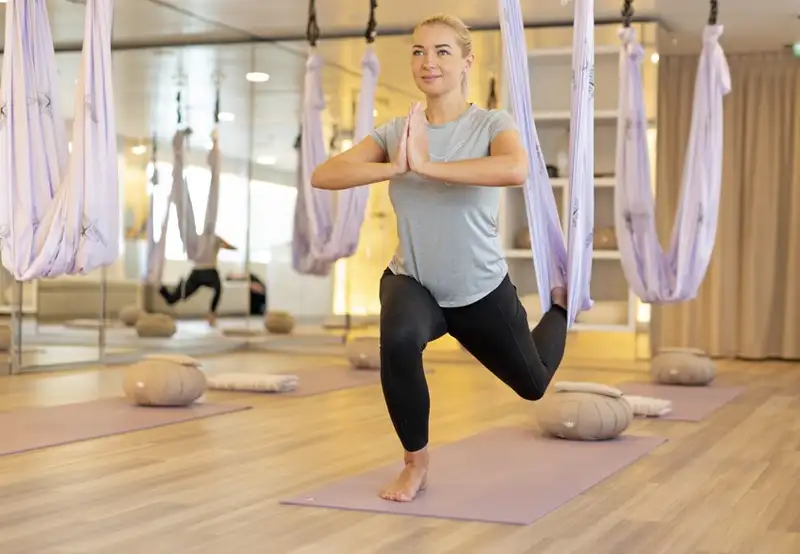
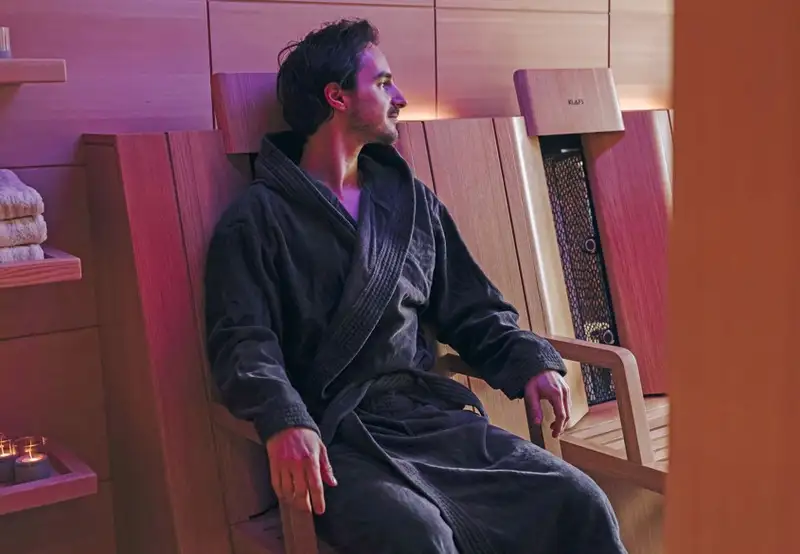
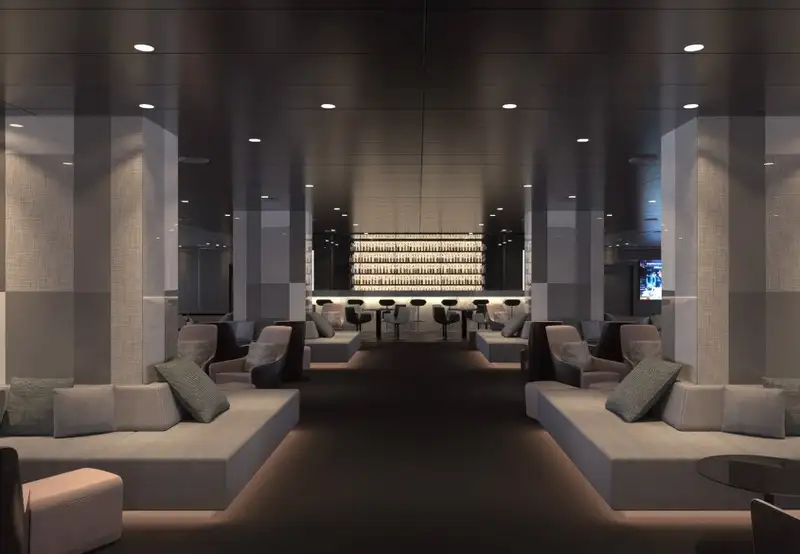
Access to state-of-the-art wellness and fitness facilities
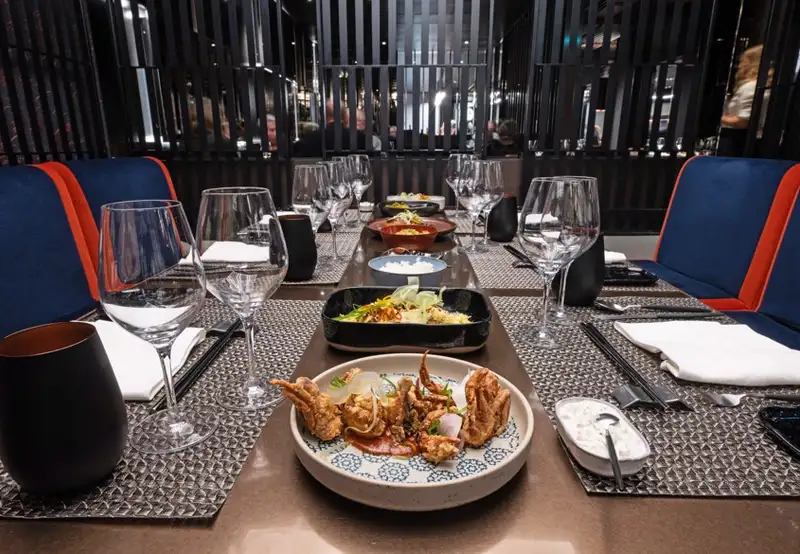
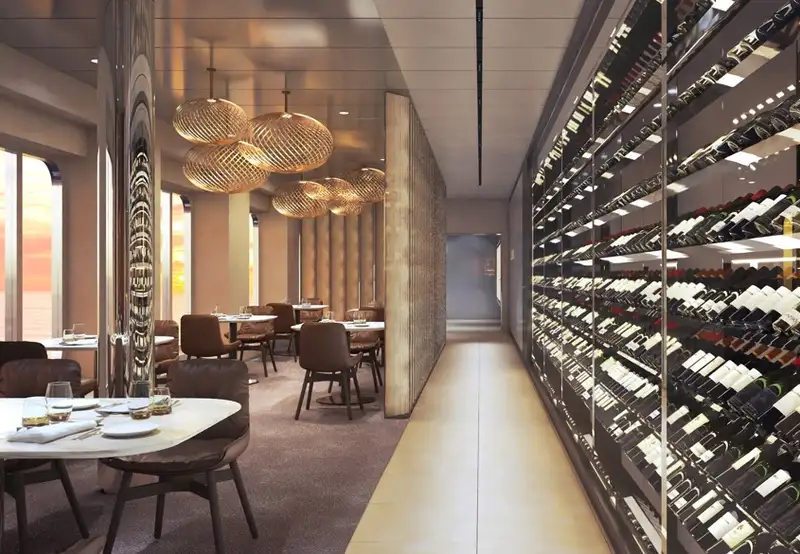
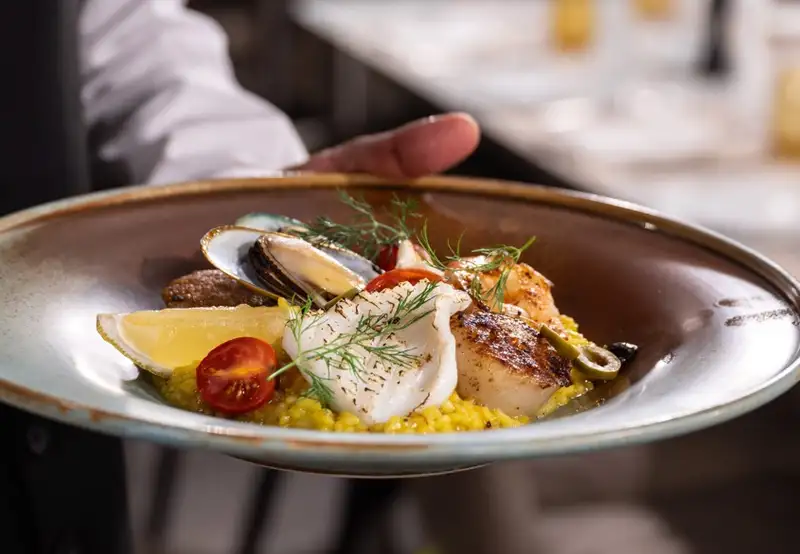
Complimentary dining in all onboard spaces
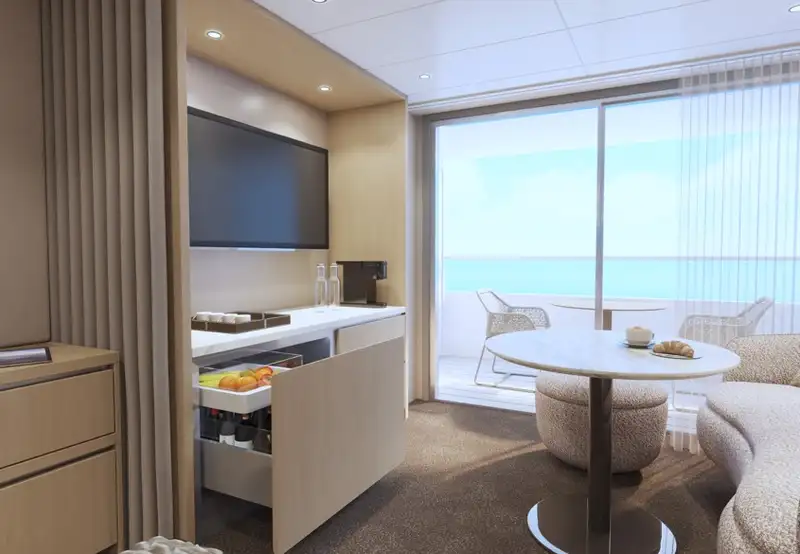
Complimentary premium beverages and in-suite mini bar
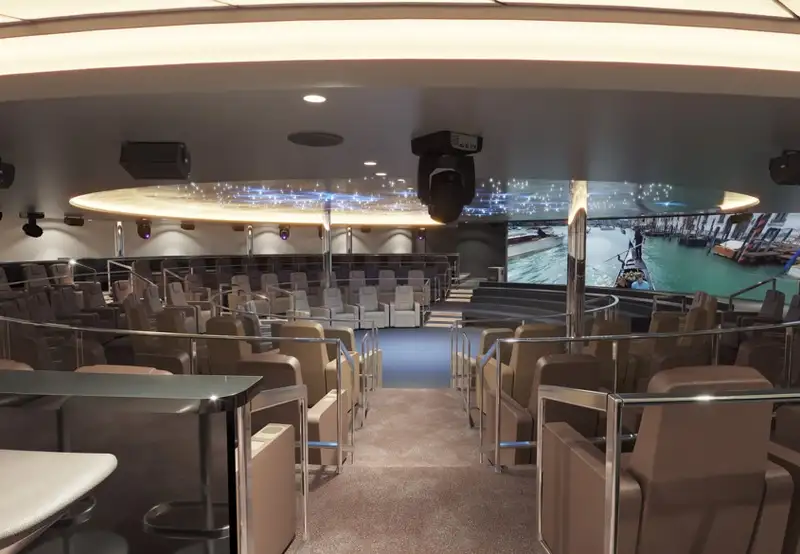
Engaging entertainment and an informative lecture programme
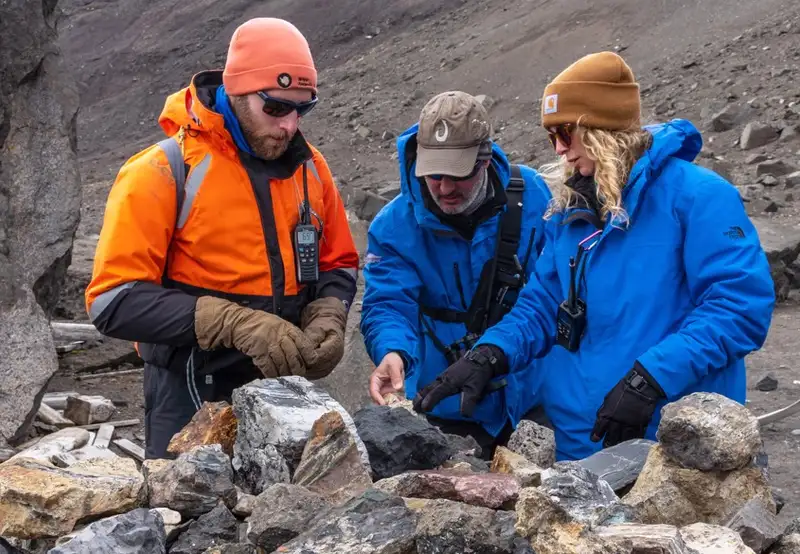
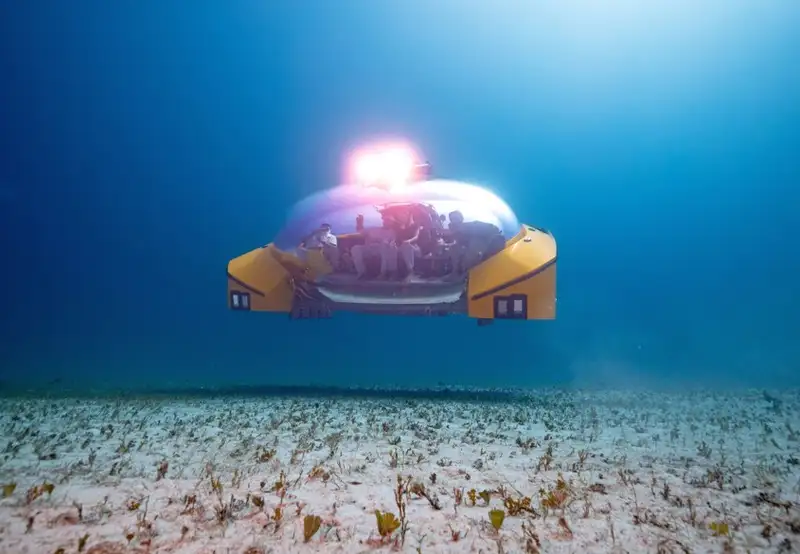
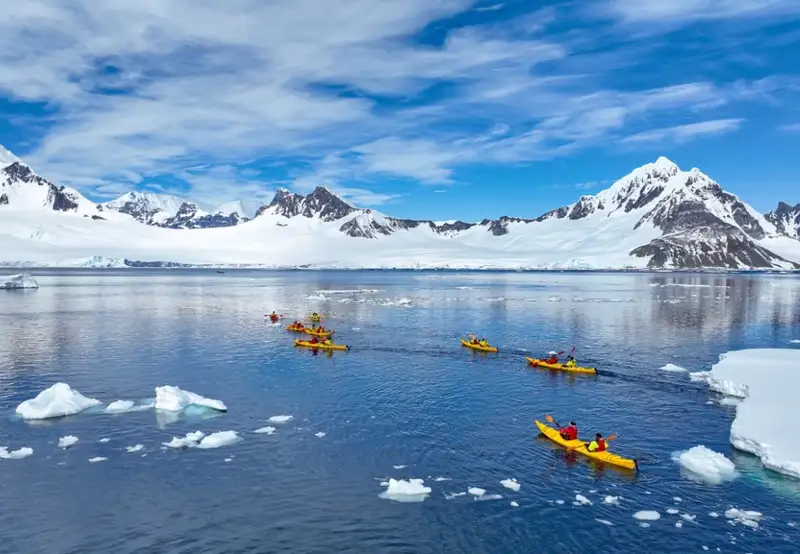
Choice of complimentary excursions at each destination
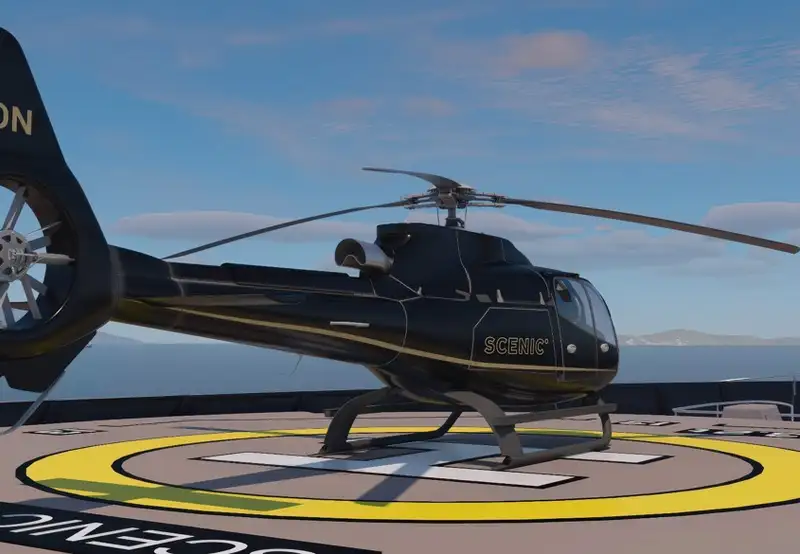
Included helicopter flight experience (with Super Earlybird bookings)
Concierge services for bespoke experiences
Complimentary ship-wide Wi-Fi internet access
All tips included alongside return airport transfers in destination
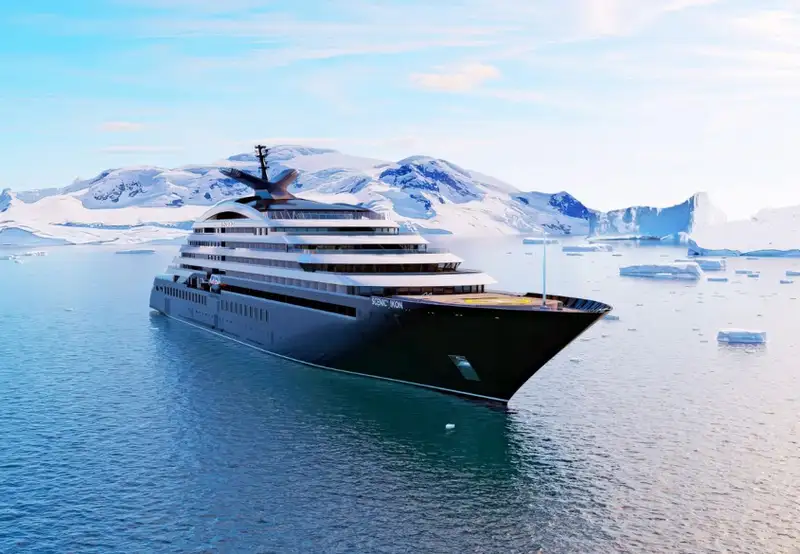
Ultra-Luxury Yacht Style Cruising! Includes Return Flights, Butler Service for every guest, Complimentary Premium Beverages*, an extensive choice of All-Inclusive Shore Excursions, Complimentary Starlink Wi-Fi** + All-Tipping and Taxes on board and onshore!
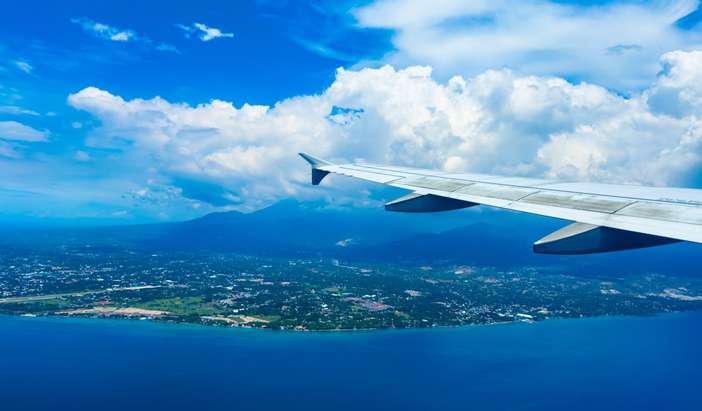
Choose to fly from a variety of airports included within the price.
Wi-Fi
Complimentary Wi-Fi is available throughout the ship, allowing you to stay connected during your journey.
Drinks
Scenic Cruises provides an extensive selection of beverages within your cruise fare. Including international wines, beers, and spirits. Full in-suite mini bar, restocked daily. Refillable water bottle for all onshore excursions. Plus an extensive range of specialty teas and espresso coffees.
Tips
All gratuities are covered in your fare, ensuring a seamless experience without the need for additional tipping.
Specialty Dining
Specialty dining venues are included in your fare, providing a diverse culinary experience during your cruise.
Excursions
Scenic Cruises offers a variety of shore excursions as part of their all-inclusive package, allowing you to explore destinations without additional costs.
Entertainment
Choose from a variety of things to entertain yourself including restaurants, bars, theatre, pools and much more.
Breakfast, lunch, dinner and snacks from the buffet and main dining restaurants are all included. Meals from the specialty dining restaurants are additional.
Accommodation
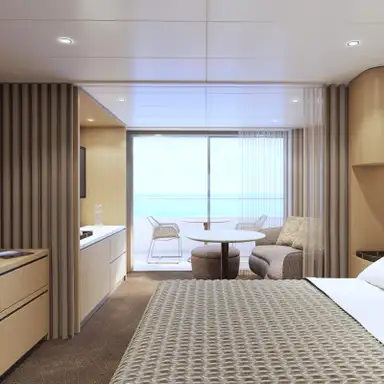
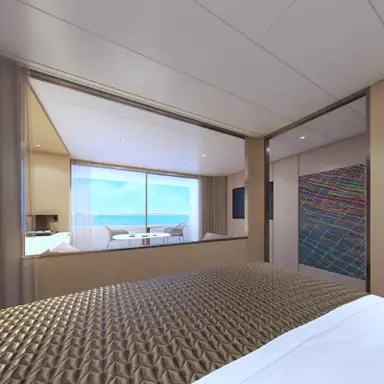
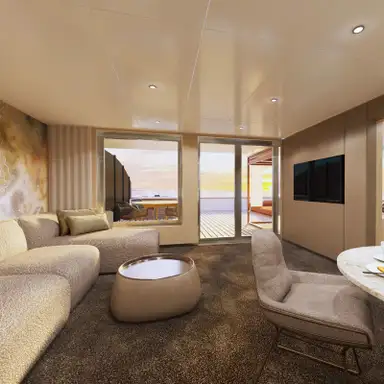
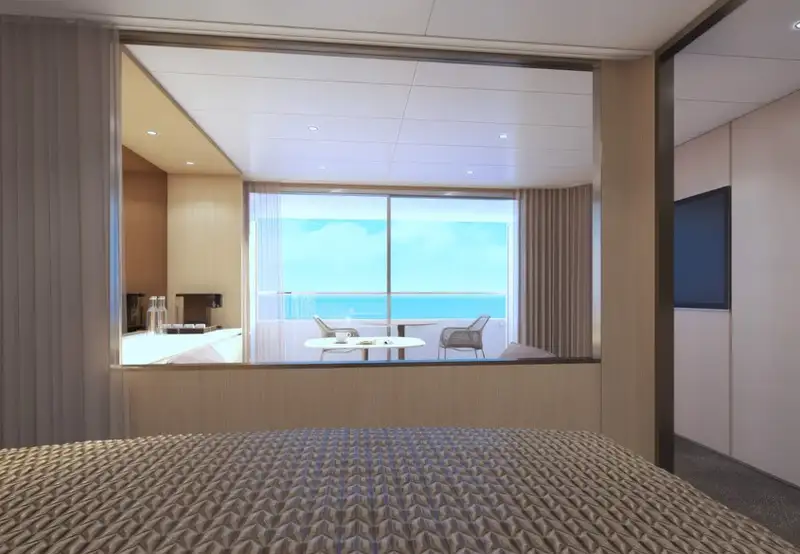
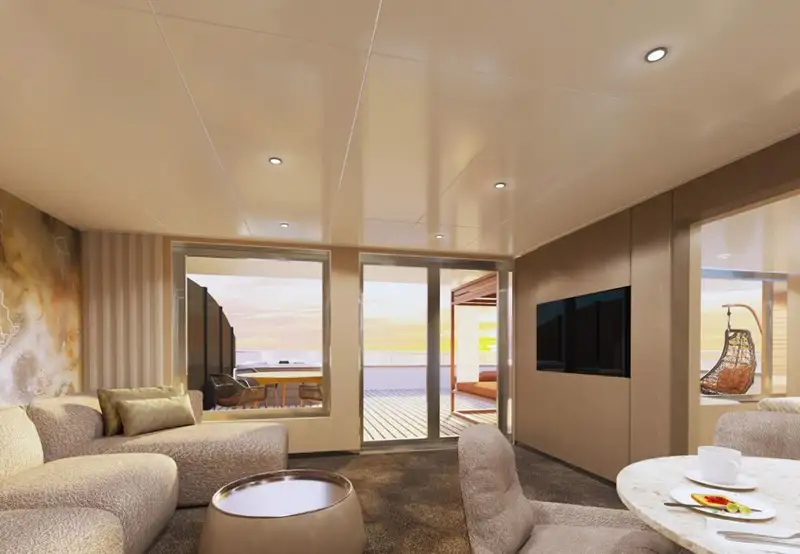
Your cabin is included in the price of the cruise.
Port Fees & Taxes
No surprises. All port fees and taxes are included in the price.
Extras
Parking
Car parking at the port or airport for the duration of your trip is not included within the price of the cruise. Port/airport parking can’t currently be booked with us online but please contact us after you have made the booking if you would like to add this to your package. An approximate cost for parking is between £12 - £20 per car per day. Alternatively we can arrange transfers from your home to the departure airport/port.
Insurance
Insurance is not included in your package. We've partnered with Holiday Extras. They have 40 years of experience and offer excellent insurance cover for your holiday. Their flexible policies offer cruise-specific cover, so you can rest assured that you are completely covered when you go away. Get a Holiday Extras insurance quote
Transfers (home to port)
Transfers from your home to the port or airport aren't included but we can help organise coach transfers, taxis etc to make your life easier. Please contact us after you have made the booking if you would like to add these to your package.
Visa
Visas are not provided by us or the cruise operator. Visas and other travel documents have to be obtained by the individual passengers prior to sailing.
We've partnered with The Travel Visa Company for all your visa needs. They will be able to provide tailored advice and for a fee, assist with arranging your documents.
*COMPLIMENTARY PREMIUM BEVERAGES - all drinks on board are included except for a very small number of rare, fine and vintage vines, champagne & spirits.
**COMPLIMENTARY STARLINK WIFI - limited in remote regions.
All offers and prices are subject to change and availability at time of enquiry. Prices are based on two passengers sharing unless otherwise stated and are subject to the Tour Operator's terms and conditions. Cabin and Flight supplements may apply. Other supplements may apply in addition to the price shown above. Flight details, timings and routing may be subject to alteration. Other tour operator charges may also apply. Any Onboard Spending money or drinks package value shown will be per cabin, again based on two sharing.
Supplier Reference:
461M
Talk to a Cruise Expert
Our cruise experts will help you pick the perfect cruise line, ship and destination.
We can tailor any package to suit your holiday needs: Add or extend hotel stays, arrange flights and find the best cabin location for you.
Say goodbye to your current destination, for it’s time to head somewhere new! Flight information will be available closer to your embarkation date, but this will be when you’re hopping on a plane to continue your adventure – be that travelling somewhere new, or heading home.
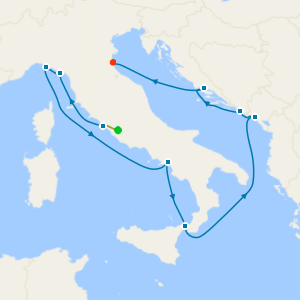
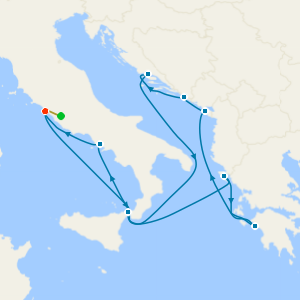
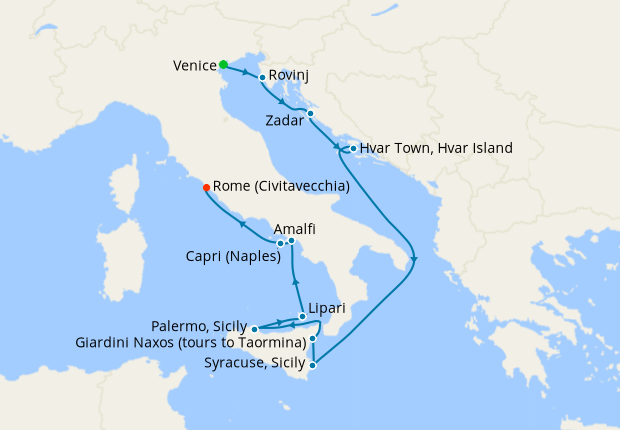
Venice
DAY 1
02 Sep 2028
Time at Port: TBD
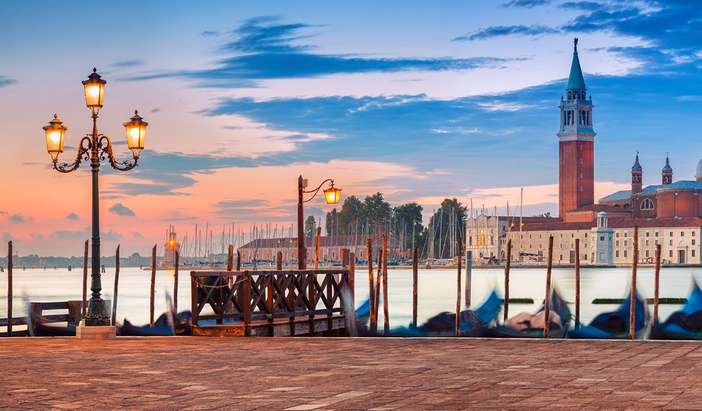
The ‘floating city’ of Venice has romantic connotations all over the world. Known for picturesque canals, colourful buildings, gentle gondola rides, good food, and an ample supply of history, this is one Italian destination that sits on many a bucket list. See magnificent architecture in St Mark’s Square, the fascinating Doge’s Palace, St Mark’s Basilica, and the famous Bridge of Sighs. After soaking in centuries of history, be sure to make time to simply watch the world go by with a world-class cup of coffee and a piece of tiramisu, or indeed an indulgent glass of wine and pasta dish.
Things to do in Venice:
Giudecca Island
Located in the Venetian lagoon, Giudecca Island is a small, attractive resort offering some lovely cafes, bars, and restaurants as well as pretty architecture. Over the years it has had a varied history, having been the home to some grand palaces and gardens, before becoming a centre of industry in the 20th century, particularly during World War II. One 16th century mansion has been converted into a beautiful luxury villa.
St. Mark's Square
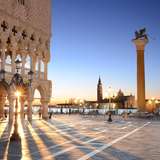
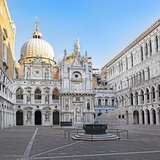
Piazza San Marco – or St Mark’s Square – is the main square in Venice. It is one of the main attractions, and has had a vibrant role in Venetian history, having been a centre of politics, commerce, and religion over the years. Today it is one of Venice’s main attractions, being surrounded by beautiful architecture on all sides – including the magnificent Basilica di San Marco.
Bridge of Sighs
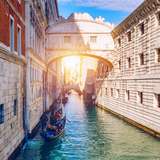
This well-known, historic piece of architecture joins Venice’s prisons to Doge’s Palace – or more accurately, the interrogation rooms in the palace. Legend says that when prisoners of the 17th century crossed the bridge into the prison, they sighed at their last view of Venice – hence the name. Today the bridge also has romantic significance, with local lore saying that lovers who kiss beneath the bridge in a gondola will have a love that lasts forever.
Doge's Palace
From the late 7th century until the late 18th, Venice had a system of doges, who acted as elected leaders of the region. Doge’s Palace – now known as Palazzo Ducale – was built in the 14th century as a residence for the doge, and for other political bodies. It was a venue used for debates, a court of law, grand events such as balls, and even had prison cells on the ground floor. The beautiful palace is located in Piazza San Marco, and was opened to visitors in 1923.
Island of Burano
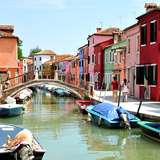
Within Venice’s lagoon is the picturesque island of Burano, well known for its colourful buildings and pretty canals. First inhabited in the 6th century, Burano has long been a small fishing community, which rose in prominence with the production of lace in the 16th century – a tradition it is still known for today. Burano is a gorgeous spot to wander around, enjoy a gelato, and browse the fabulous range of intricate lace work which is available to purchase in varying forms.
Rovinj
DAY 2
03 Sep 2028
Time at Port: TBD
Our experts are preparing detailed information about this location. Please check back shortly to discover more.
Zadar
DAY 3
04 Sep 2028
Time at Port: TBD
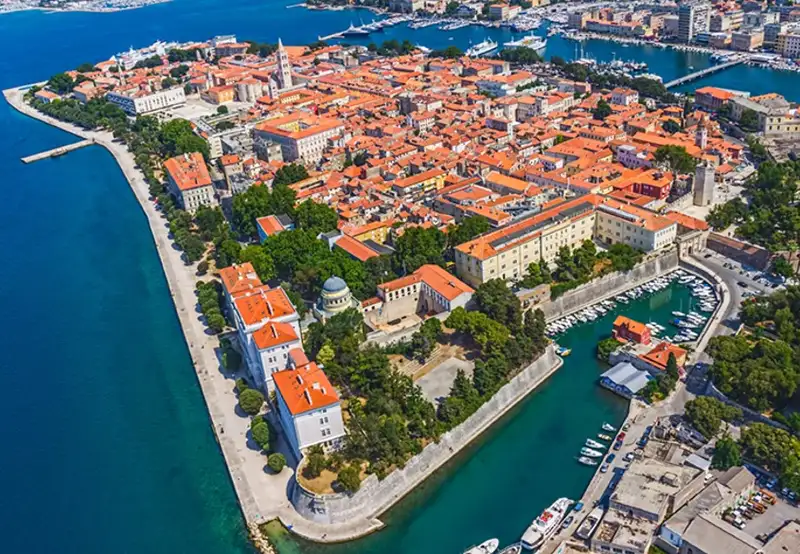
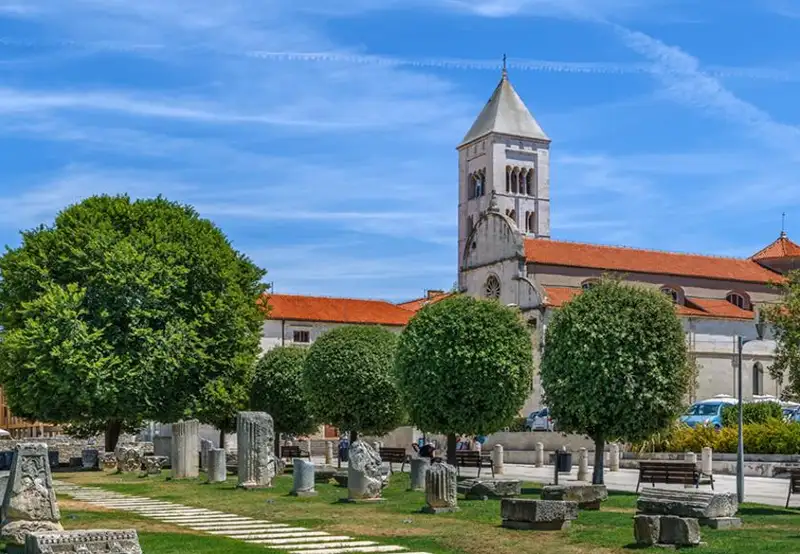
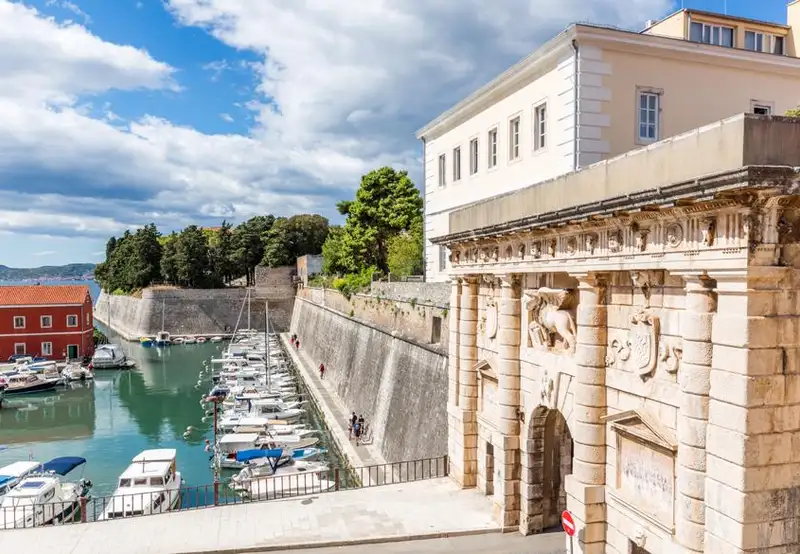
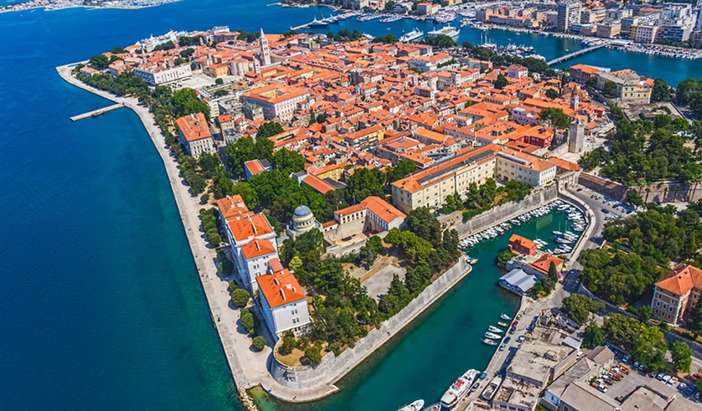
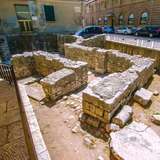
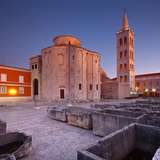
One of Croatia’s best kept secrets, Zadar has the historic heritage and fascinating architecture of Dubrovnik with a quieter, more intimate feel. As well as the impressive 16th-century walls and gates, you can explore ancient churches such as St Donatus’ Church, and the Roman Forum ruins. You’ll also find the renowned attraction, the Sea Organ, an art installation that plays music when filled with water.
Things to do in Zadar:
Museum of Ancient Glass
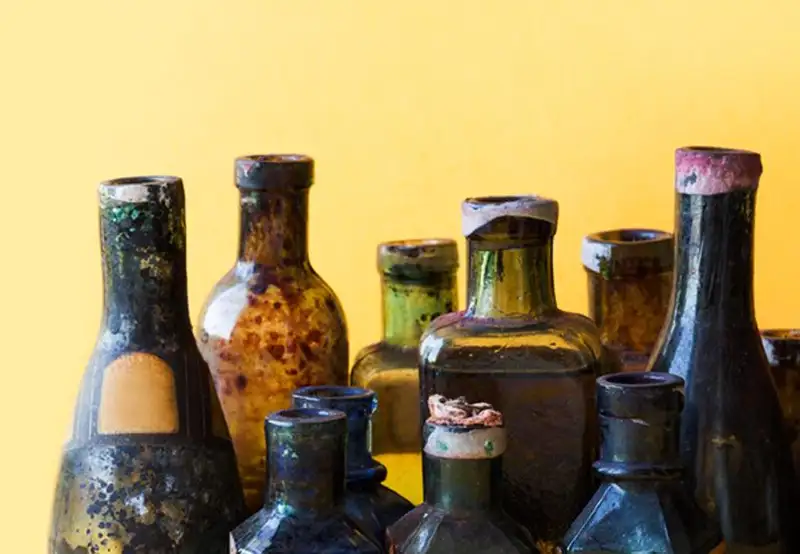
Situated in the 19th-century Cosmacendi Palace, the Museum of Ancient Glass houses stunning collections of Roman glassware, from jars and vials to goblets and flasks. Visitors can also purchase their own replicas of these delicate pieces in the souvenir shop.
Roman Forum
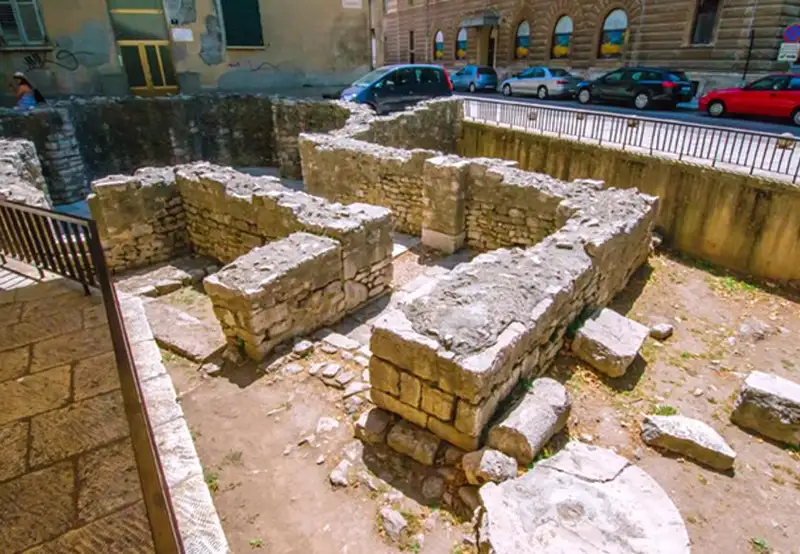
Built between the 1st century BC and the 3rd century AD, the Roman Forum ruins were the centre of daily life. Most notable is the decorative column once used as a ‘pillar of shame’ to punish criminals, as well as the remains of the Capitolium.
St Donatus Church
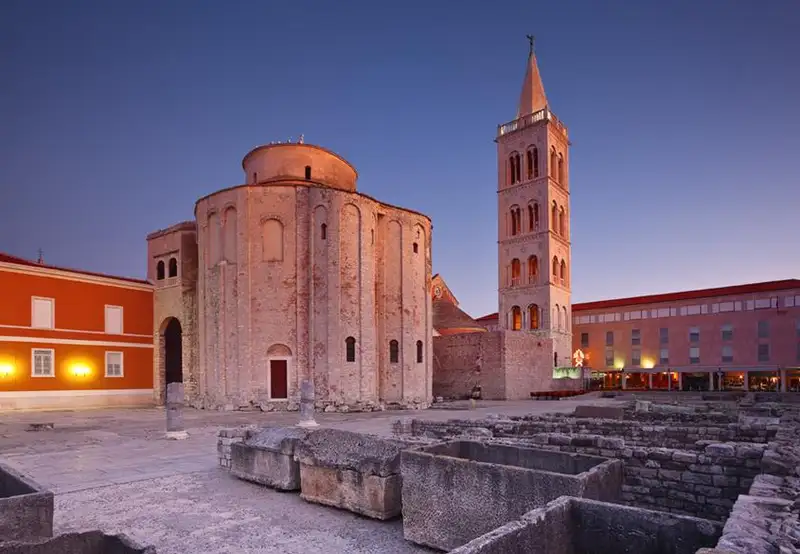
Founded in the 9th century, the unusually-shaped Church of St Donat no longer serves as a church but holds frequent events and concerts because of its excellent acoustics. Visitors can take a look around inside, though it’s impressive structure is best admired from outside.
St Mary Church
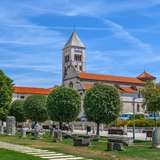
Founded in 1066, St Mary’s Church is an understated yet stunning piece of architecture in Zadar. The adjoining treasury contains an exhibition of religious art, and is beautifully preserved by nuns of the church.
Zadar Walls and Gates
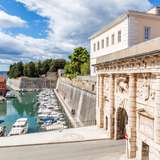
The most impressive of the walls and gates is the Land Gate, the main entrance into the city, built in 1543. Zadar’s walls and gates meant that the city remained uncaptured, and are now a great way to explore the surroundings on foot.
Hvar Town, Hvar Island
DAY 4
05 Sep 2028
Time at Port: TBD
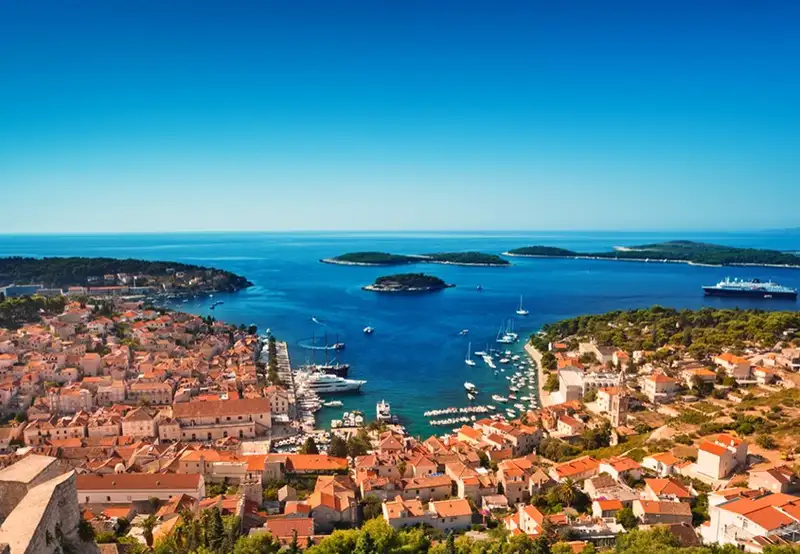
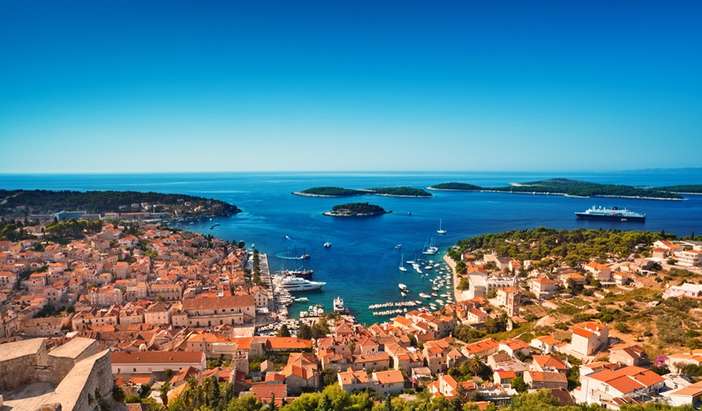
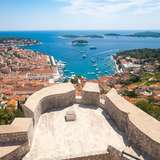
With a pleasant climate all year round, fairy-tale architecture and a lively party scene, Hvar Town boasts many talents! As your cruise arrives into port you’ll see the ancient walls, the imposing Spanish fortress and lush palm trees all within a close vicinity to cafes, restaurants and bars. If you’re looking to venture further afield, join a boat tour to the stunning Pakleni Islands for unrivalled relaxation on secluded beaches that all the family will love.
Things to do in Hvar Town, Hvar Island:
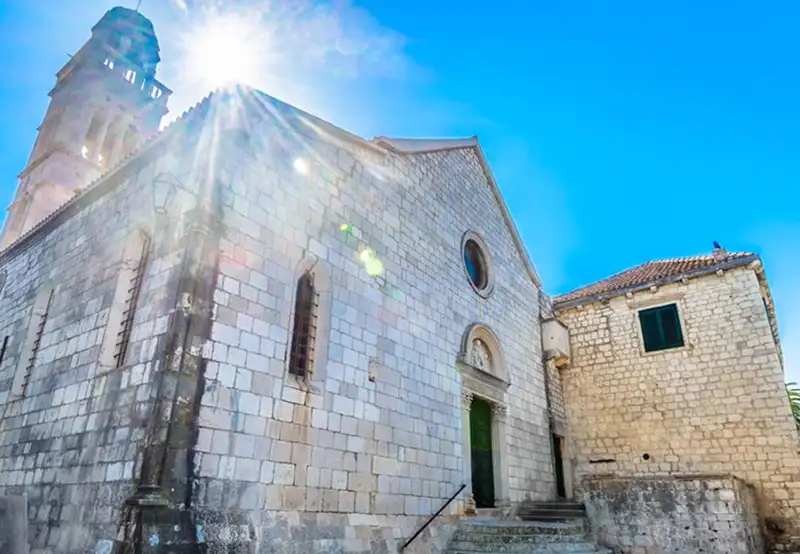
Franciscan Monastery
Found at a picturesque cove not far from the main square, the 16th-century Franciscan Monastery features a beautiful bell tower as well as a large depiction of the Last Supper inside. In the garden you’ll find a 300-year-old Cypress tree to shelter you from the sun.
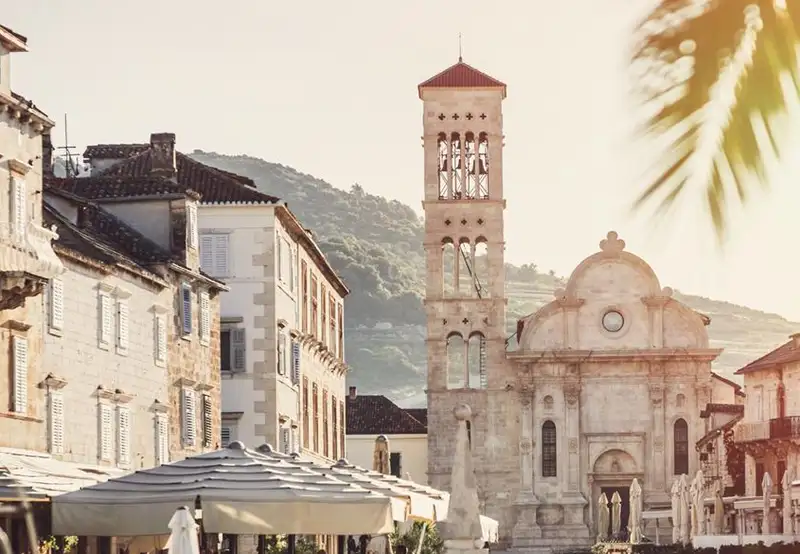
Hvar Cathedral
Conveniently located in St Stephen’s square, Hvar Cathedral is an impressive Baroque structure featuring a tall bell tower. Step inside, soak up the tranquil atmosphere and admire the many artefacts, sculptures and paintings including the famous Madonna.
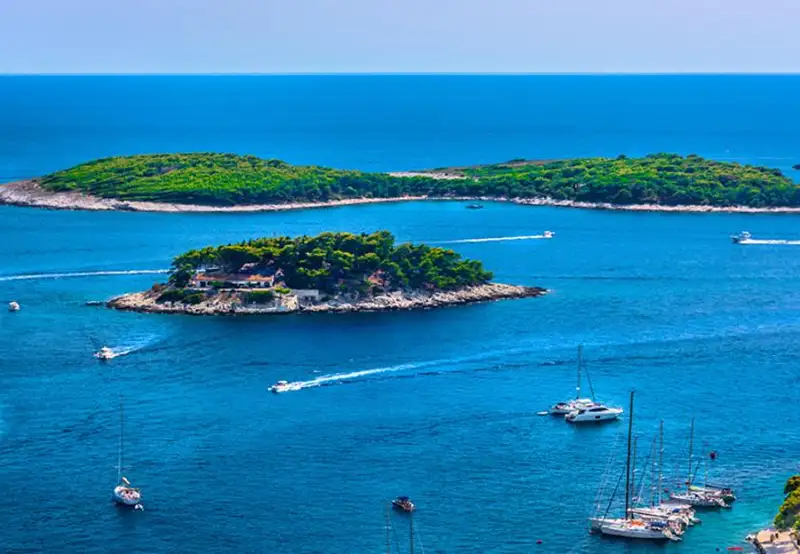
Pakleni Islands
Just opposite the town are a chain of wooded islets known as Pakleni Islands. If you’re looking to escape the hustle and bustle and find yourself on a secluded, sandy beach instead, hop on a boat tour and venture into paradise. Some islets also feature restaurants and cottages.
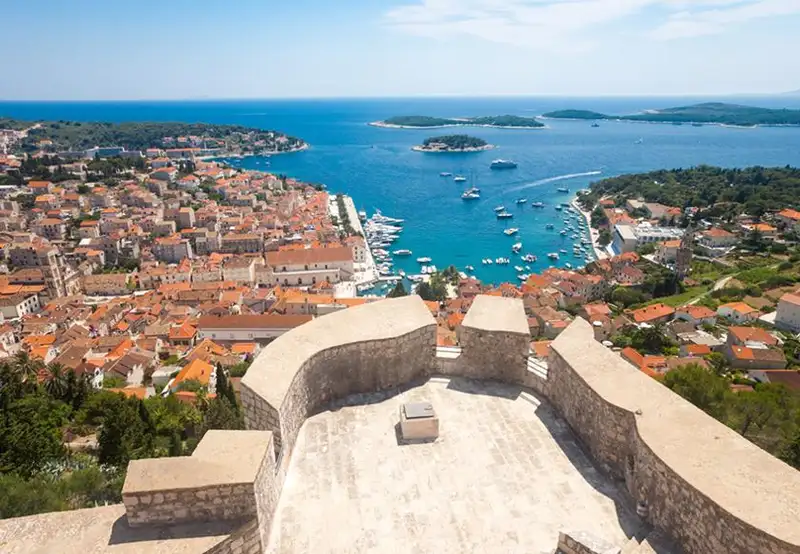
Spanish Fortress
With one of the most photographed views in Hvar, the Spanish Fortress overlooks the town and bay and is well worth the climb. This medieval castle houses ancient artefacts recovered from the seabed and surrounding area, as well as a dungeon and chapel.
At Sea
DAY 5
06 Sep 2028
Time at Port: TBD
While sailing between destinations, you’ll have time to take a moment and enjoy everything your cruise ship has to offer; with stunning food prepared with the freshest ingredients, fantastic entertainment opportunities, and plenty of places to lounge around, an enjoyable day at sea awaits!
Syracuse, Sicily
DAY 6
07 Sep 2028
Time at Port: TBD
Our experts are preparing detailed information about this location. Please check back shortly to discover more.
Giardini Naxos (tours to Taormina)
DAY 7
08 Sep 2028
Time at Port: TBD
Our experts are preparing detailed information about this location. Please check back shortly to discover more.
Palermo, Sicily
DAY 8
09 Sep 2028
Time at Port: TBD
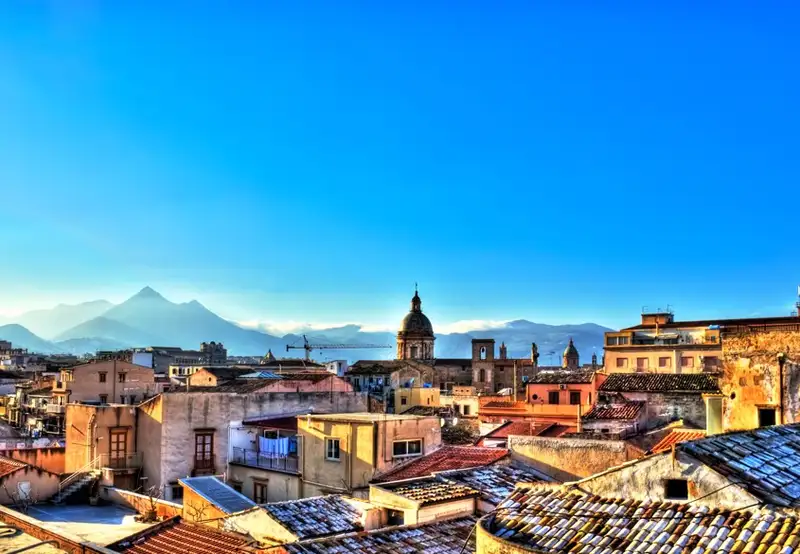
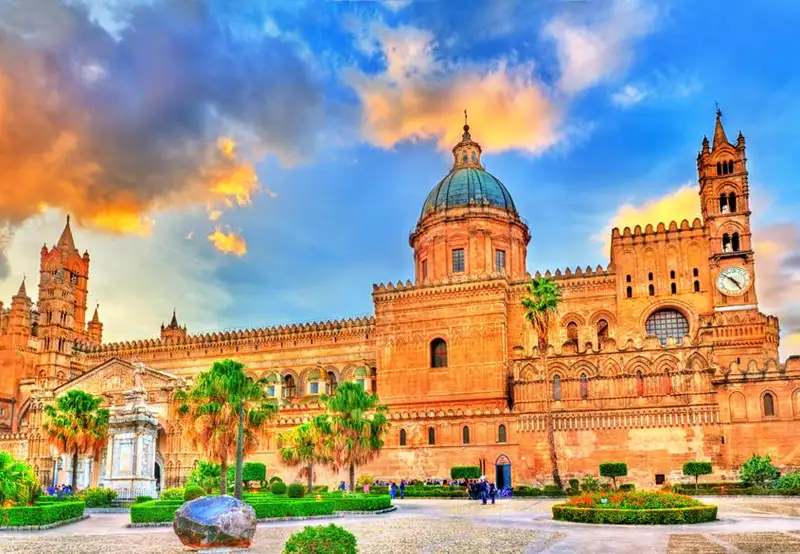
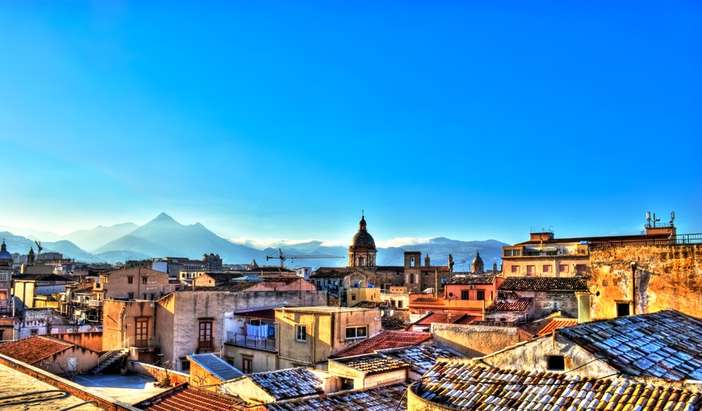
Palermo is the capital of Sicily, as well as the fifth Italian municipality by population. The city has a long history: it was in fact founded by the Phoenicians at the turn of the 7th and 6th centuries BC and was subject to the conquests of various populations, including Romans and Saracens. Numerous buildings are recognised by the State as national monuments due to their historical and artistic features, such as the Cathedral and the Martorana Church.
Things to do in Palermo, Sicily:
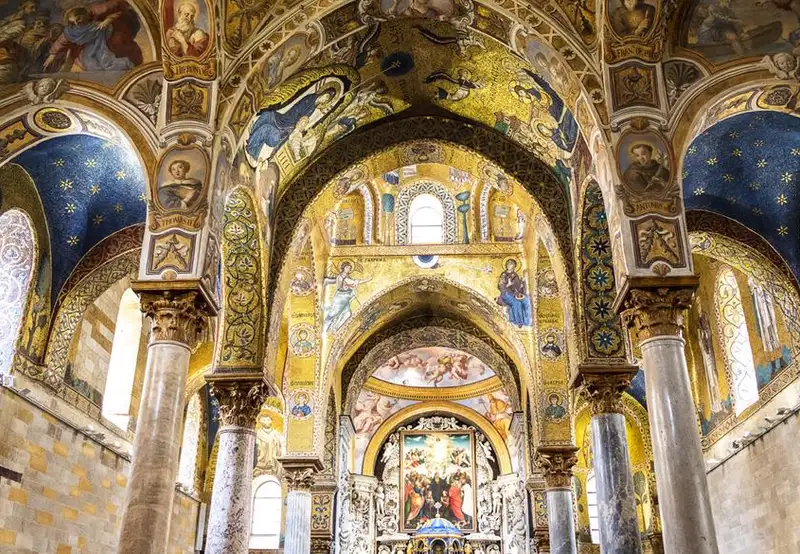
Capella Palatina
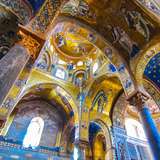
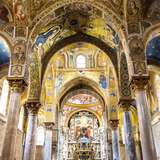
The Palatine Chapel is located within the larger Palazzo dei Normanni complex. It is a basilica with three naves in Norman-Byzantine style and its construction began in 1129 at the behest of King Roger II of Sicily.
Capuchin Abbey and Catacombs
The Convent of the Capuchins, dating back to the 16th century but built on previous structures, is located in the Cuba district of Palermo. The basement houses the Capuchin Catacombs, where it is possible to admire the body of the little Rosalia Lombardo.
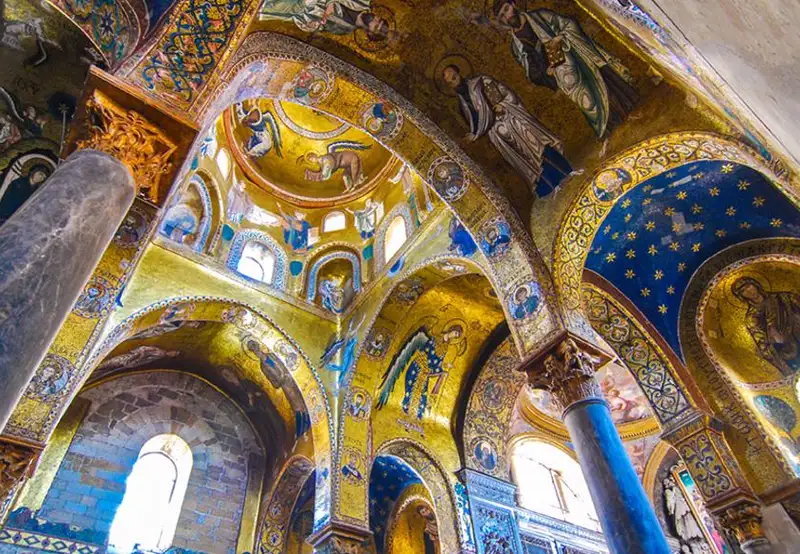
La Martorana
The Church of the Martorana is located in the historic centre of Palermo and boasts a Sicilian-Norman architectural style with Baroque influences. It is part of the circumscription of the Italian-Albanian Church and officiates the liturgy according to the Byzantine rite.
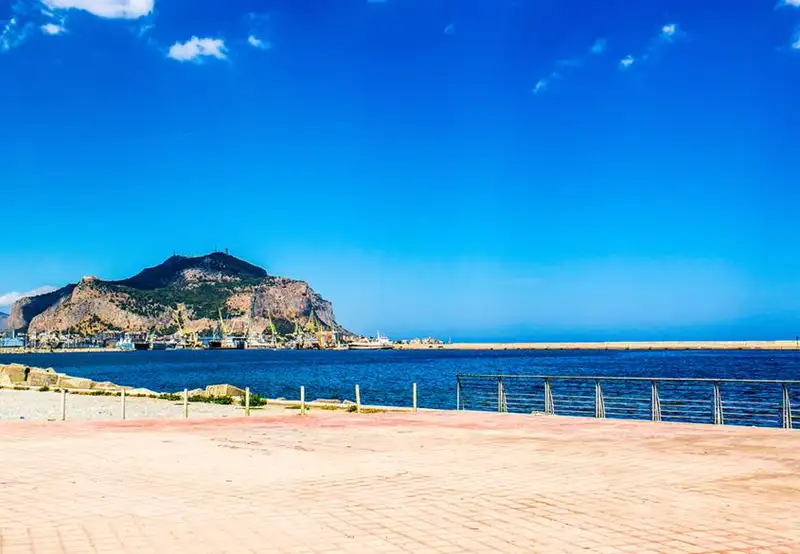
Monte Pellegrino
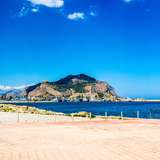
At Monte Pellegrino you can admire the Sanctuary of Santa Rosalia, patron saint of the city of Palermo, dating back to the 17th century. It was built on the remains of pre-existing religious buildings and is located inside a rock ravine.
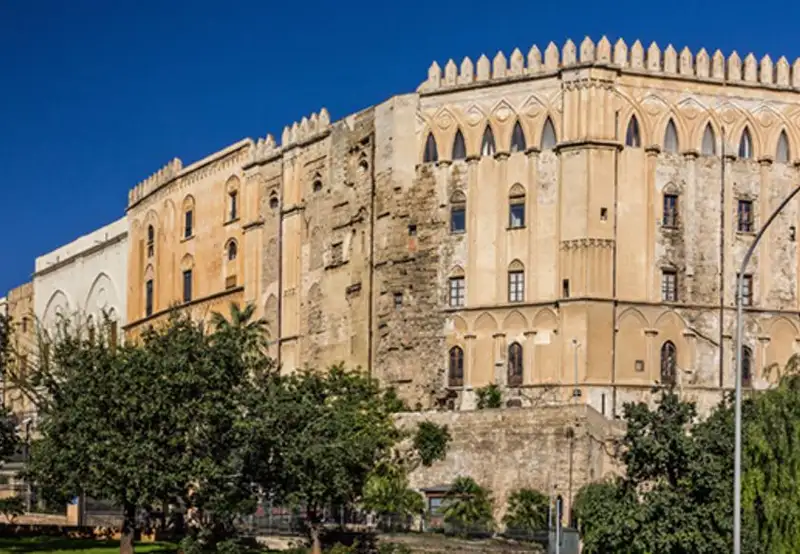
Palazzo dei Normanni
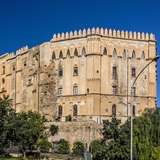
The Palazzo dei Normanni is the oldest royal residence in all of Europe. Also declared World Heritage Site by UNESCO since 2015, in the past it was the residence of the sovereigns of the Kingdom of Sicily, imperial seat and of the Sicilian Parliament.
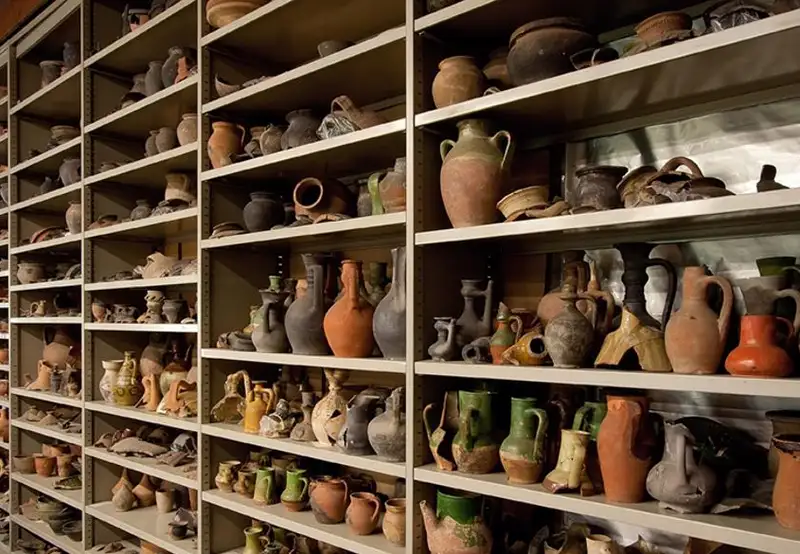
Palmero Archaeological Museum
The Archaeological Museum of Palermo was established in 1866 and owes its name to Antonio Salinas, a Palermo archaeologist who directed the structure. You will be able to admire numerous finds of the peoples that have characterised centuries of Sicilian history.
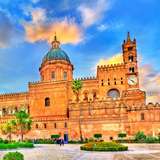
Palermo Cathedral
The Cathedral of Palermo, a UNESCO World Heritage Site since 2015, is the most important religious structure in the city. The current structure, built in the 12th century, presents different architectural styles with Norman and Islamic influences.
Lipari
DAY 9
10 Sep 2028
Time at Port: TBD
Our experts are preparing detailed information about this location. Please check back shortly to discover more.
Amalfi
DAY 10
11 Sep 2028
Time at Port: TBD
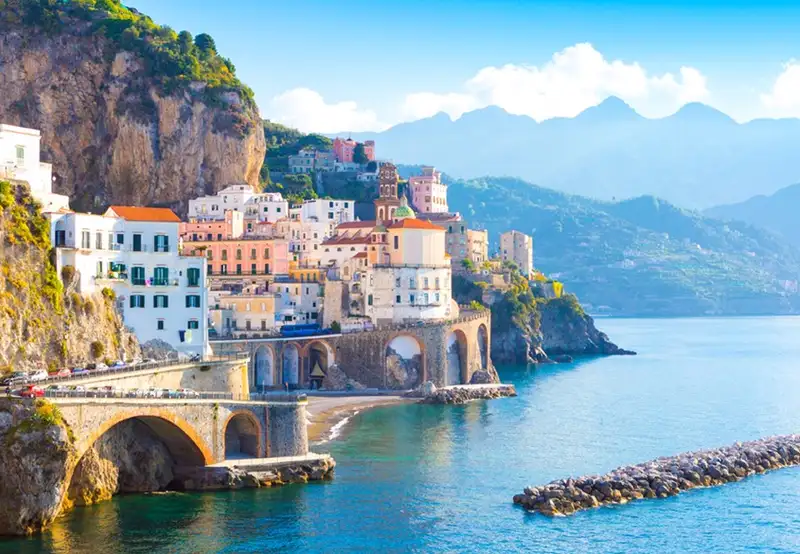
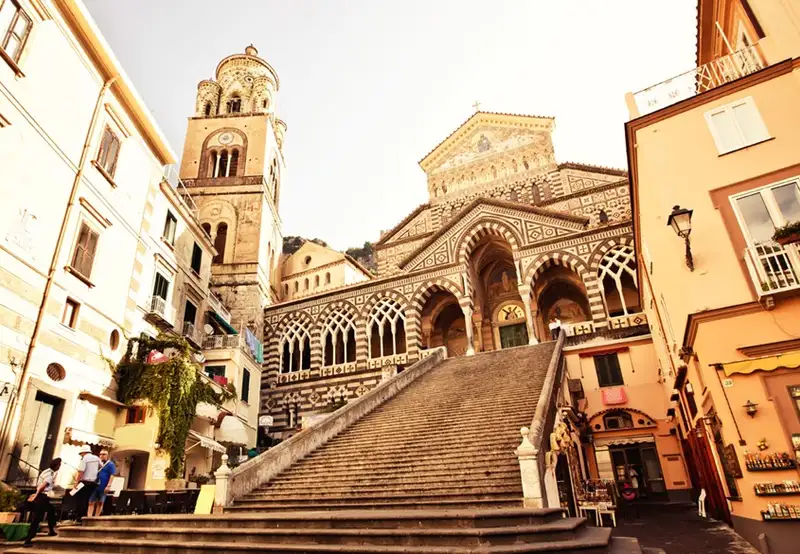
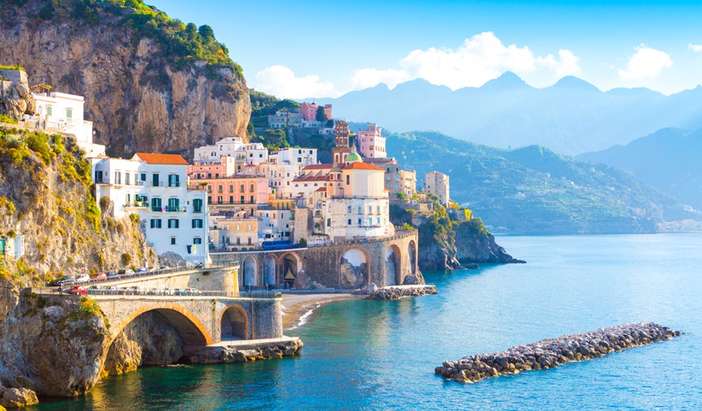
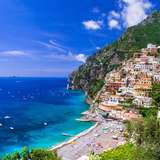
Amalfi is a picturesque town of about 5,000 inhabitants. It was founded by the Romans in the 5th century and was, in medieval times, one of the four Maritime Republics (together with Genoa, Pisa, and Venice) competing for control of the Mediterranean. Despite its small size, Amalfi and its surroundings offer many places to visit: the Duomo, the Paper Museum, Villa Rufolo and the Emerald Grotto are just some of them.
Things to do in Amalfi:
Amalfi Cathedral
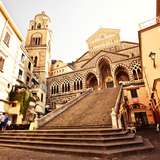
The construction of the Cathedral of Sant'Andrea, also known as the Cathedral of Amalfi, began in the year 987 at the behest of Duke Mansone I. It is said that St. Francis of Assisi went there in 1218 to honour the relics of St. Andrew the Apostle, which are kept here.
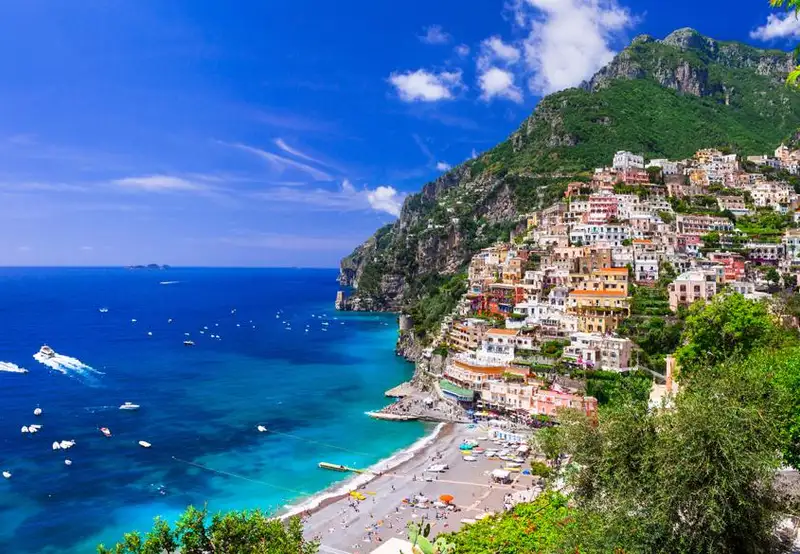
Amalfi Coast
The Amalfi Coast was declared a World Heritage Site by UNESCO in 1997, due to its incredible natural beauty. It overlooks the Gulf of Salerno and includes the stretch from Positano to Vietri sul Mare, totalling around 50 km.
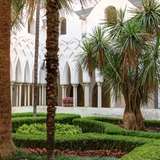
Cloister del Paradiso
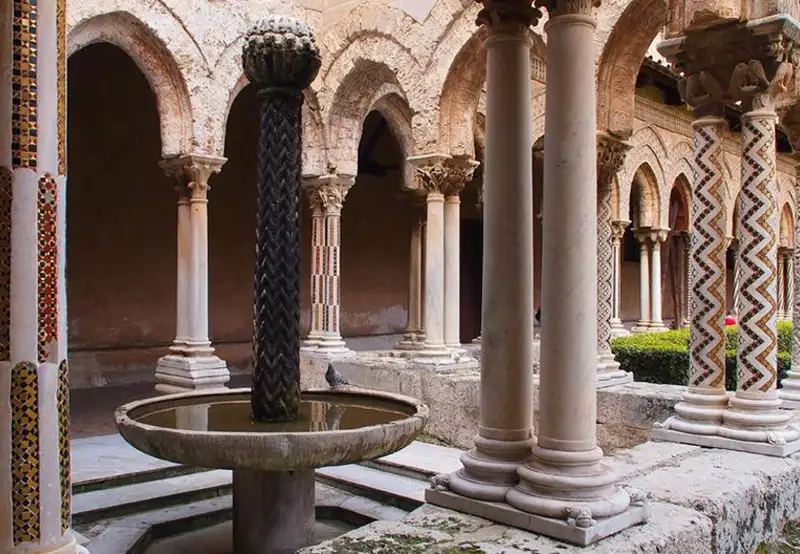
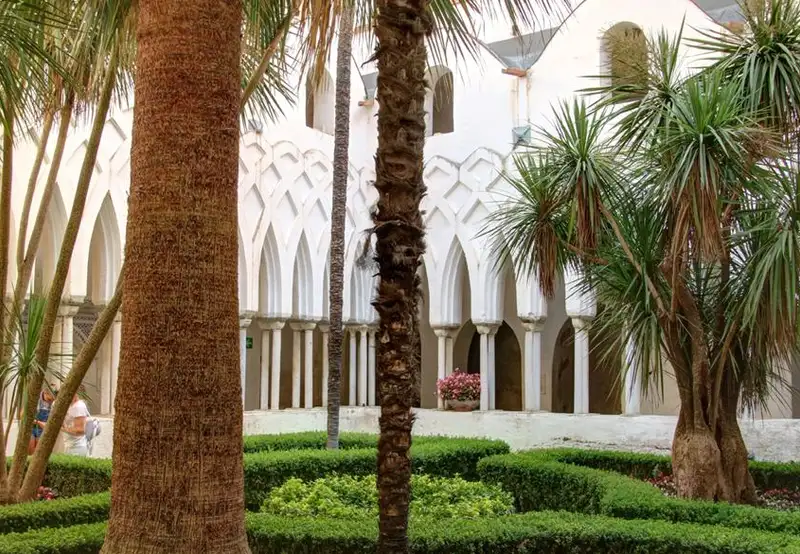
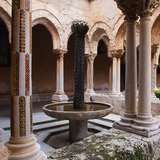
The Cloister del Paradiso is part of the Cathedral of Amalfi. It was built between 1266 and 1268 as a cemetery for high-standing citizens. The structure, in Moorish style, has an internal garden - probably dating back to the 20th century - and 120 columns.
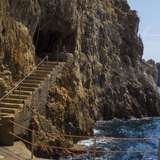
Grotto dello Smeraldo
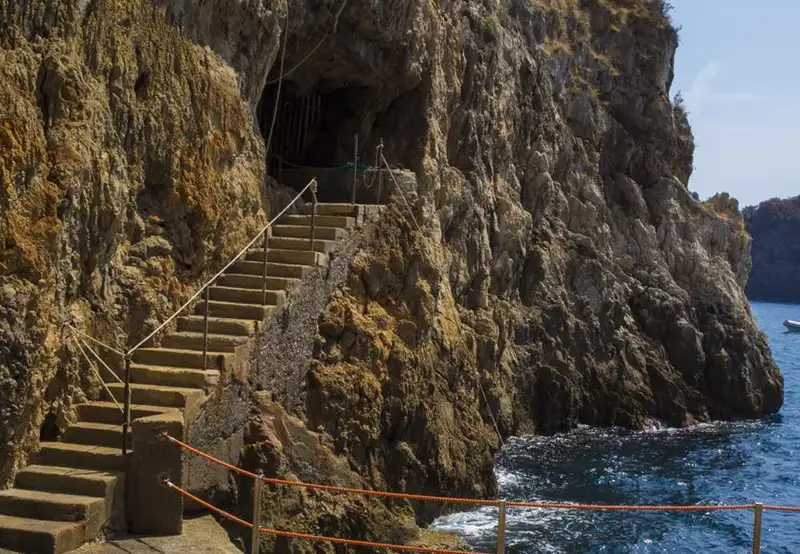
The Emerald Grotto was discovered in 1932. It is a gorgeous, natural location in which shimmering water sits calmly in an intricate cave. The grotto owes its name to the shades that the water takes on due to the sunlight that filters through from above. It is directly connected to the Tyrrhenian Sea, and can be accessed by sea or by land.
Museum of Paper
The former paper mill of Amalfi was transformed into today's Museo della Carta in 1969, thanks to Nicola Milano, its owner. You can admire the machinery and equipment, still working, used in the past to make paper by hand.
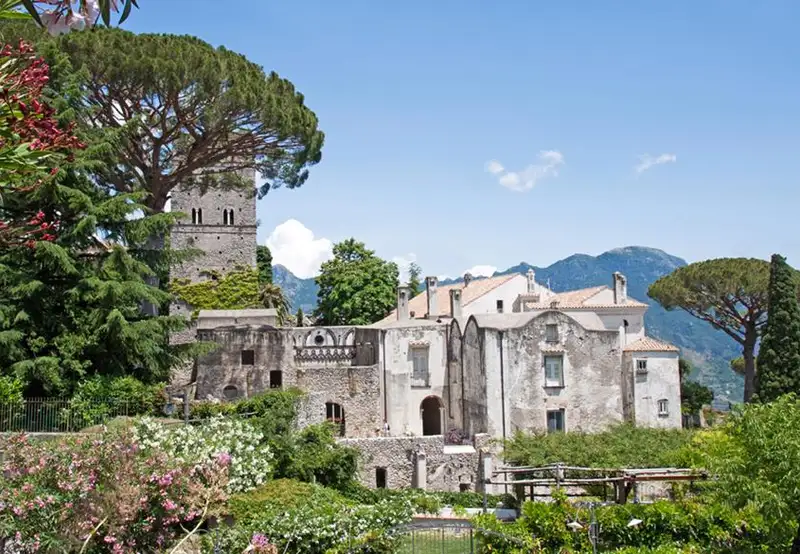
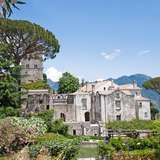
Villa Rufolo
Villa Rufolo is located in the town of Ravello, about 7 km from Amalfi. The property dates back to the 13th century and underwent a substantial restoration in the 19th century. Today, visitors to the villa will see the Arab-Norman style architecture, and can admire the beautiful gardens. The lower garden hosts the Ravello festival every year.
Capri (Naples)
DAY 11
12 Sep 2028
Time at Port: TBD
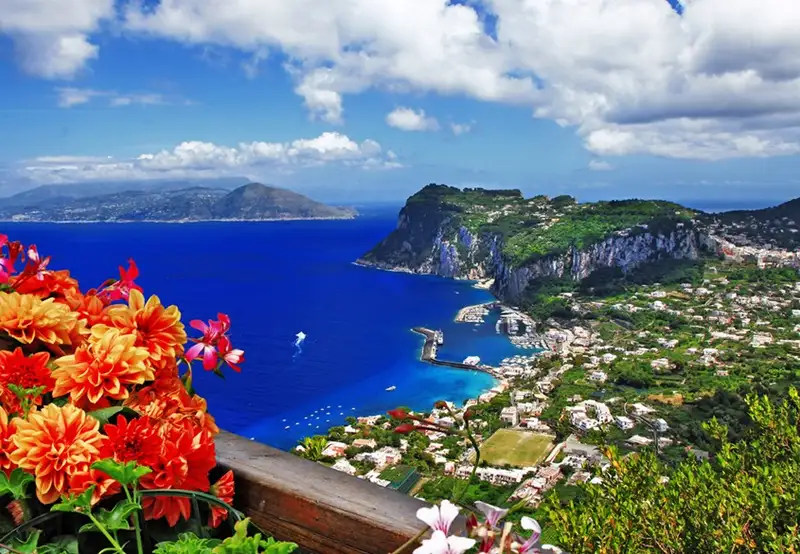
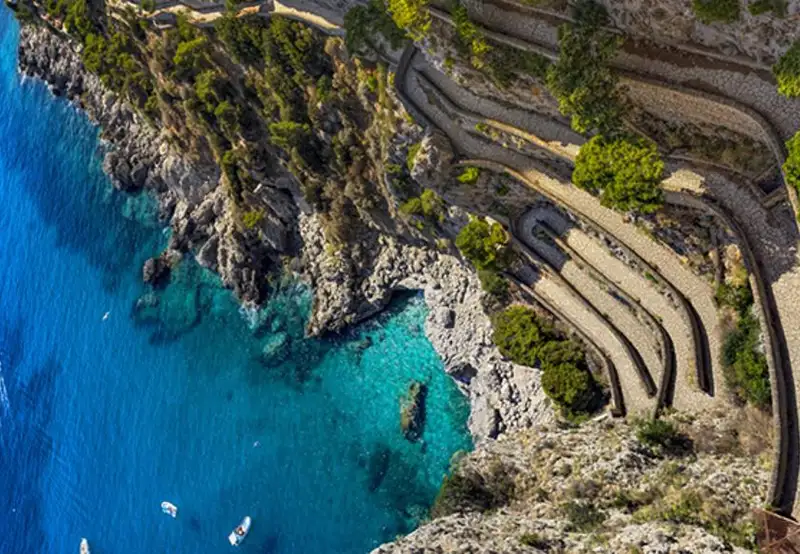
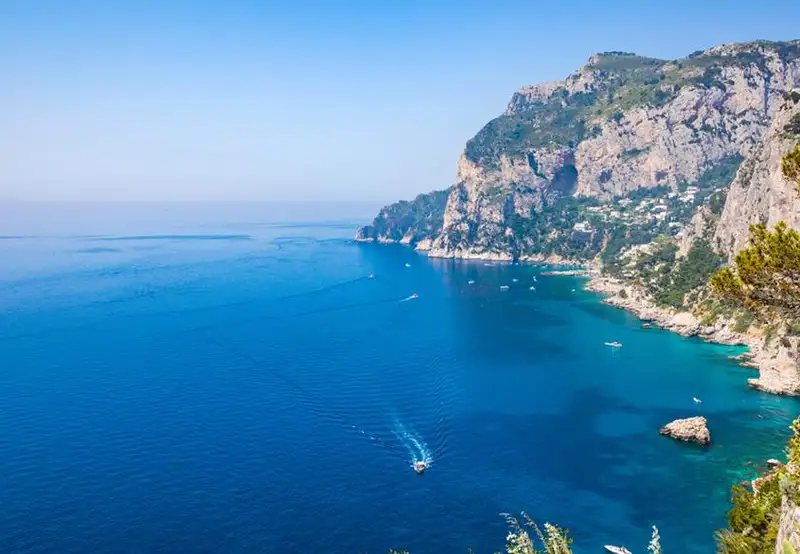
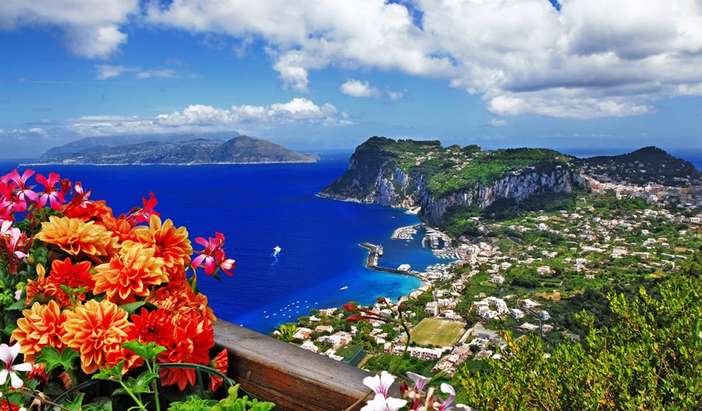
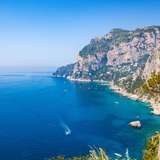
The small and charming island of Capri is located in the Gulf of Naples, south-west of the Sorrento peninsula, to which it was once connected. Its coasts boast numerous caves and quarries alternating with steep cliffs. Capri is divided into the municipalities of Capri and Anacapri, and there is a total of about 14,000 inhabitants. The Blue Grotto, the Gardens of Augustus, the Villa San Michele and the Monte Solaro are some of the places of interest that are worth a visit.
Things to do in Capri (Naples):
Anacapri
Anacapri is one of the two administrative municipalities of the island of Capri. It rises on the slopes of Monte Solaro, and is where the Blue Grotto and Villa San Michele are located. Visitors shroud take the time to tackle the Phoenician steps in order to then enjoy the stunning views below.
Blue Grotto
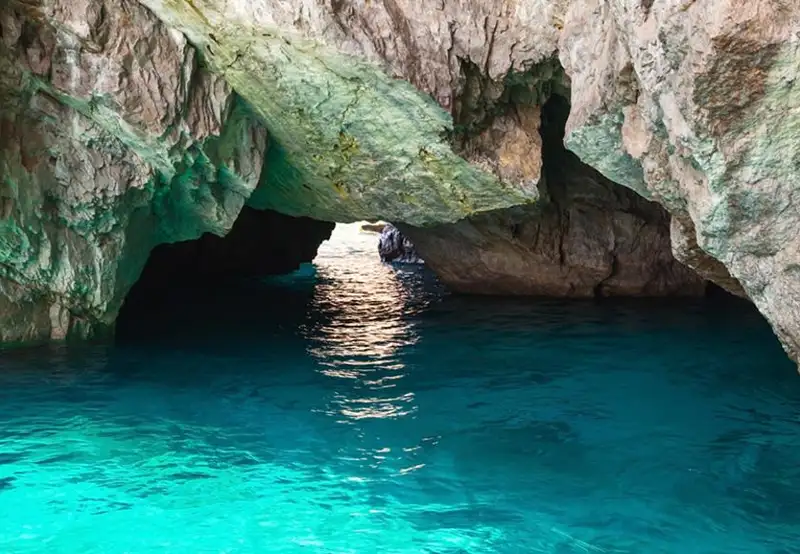
The Blue Grotto, whose beauty has been praised many times by many poets, is undoubtedly the best known spot in the island of Capri. The enclosed cave owes its name to the shade of blue that the pool of water takes on, thanks to the light that filters through a partially submerged opening.
Gardens of Augustus
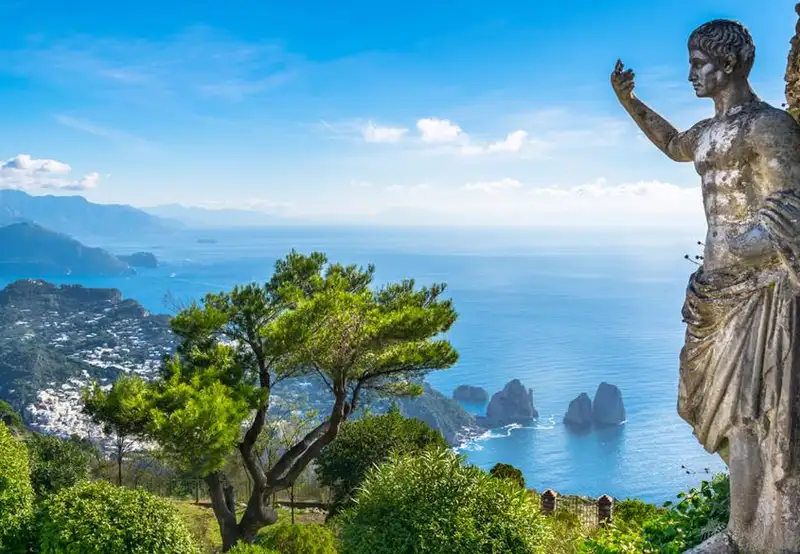
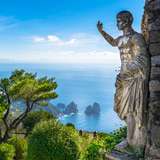
The Gardens of Augustus make up a gorgeous city park on the island of Capri. It is an extensive botanical garden, hosting many different plants typical of the area. It also offers a breathtaking view of the Faraglioni rock formation, and the bay of Marina Piccola.
Marina Piccola
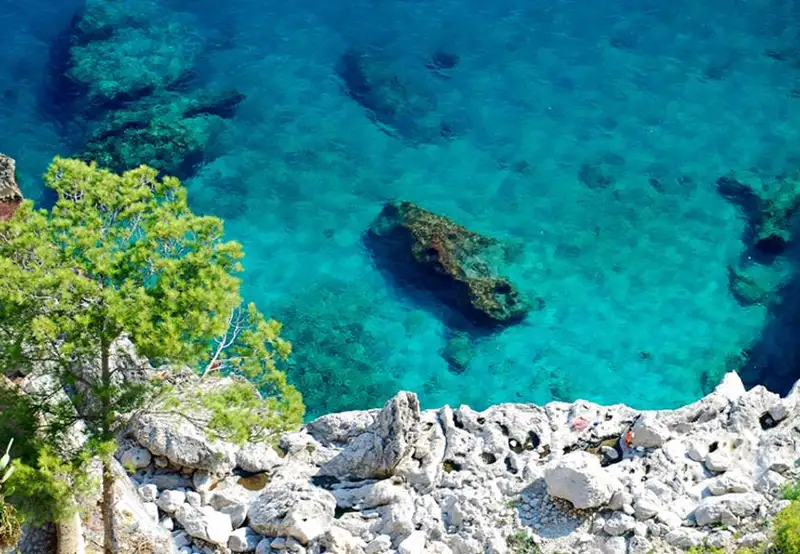
Marina Piccola is one of the tourist hot spots on the island of Capri. Located on the opposite side of the main port and not far from the gardens of Augustus, most visitors love to take a dip in its crystal clear waters and gaze at the view of the Faraglioni rock formation.
Monte Solaro
Mount Solaro, at 589 meters high, is formed by the same limestone of which the entire island of Capri is made. A hike here enables visitors to see around a thousand different species of plants, and the rare blue lizard, the only one of its kind in the world.
Ville San Michele
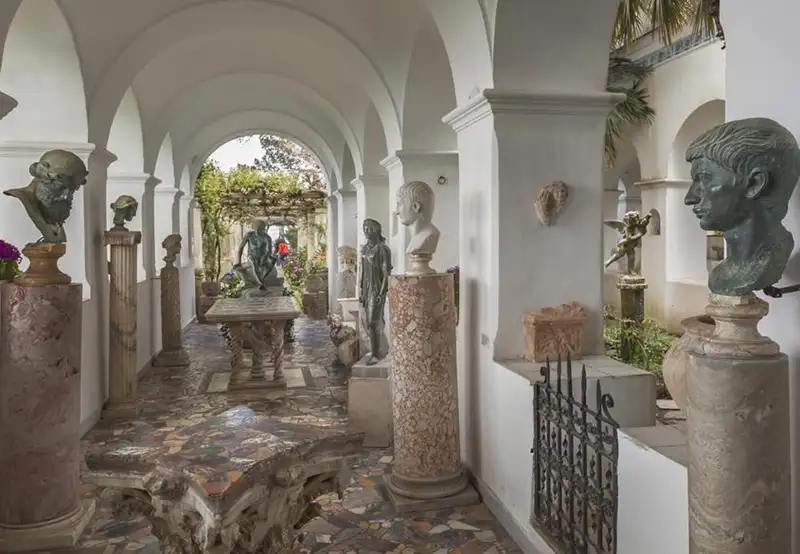
Villa San Michele is located in the municipality of Anacapri, in the north of the island. It owes its name to the ruins of a 10th century chapel dedicated to San Michele. The villa is also home to a majestic statue of a sphinx looking out to sea, which dates back to the reign of Ramses II in the 13th century BC.
Mount Vesuvius
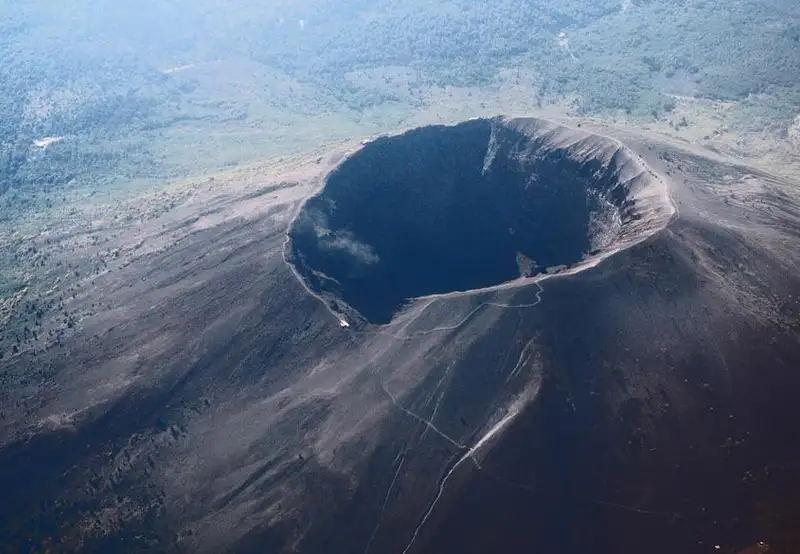
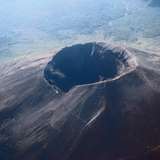
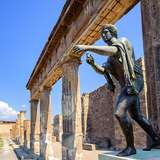
The profile of Naples would not be the same without Mount Vesuvius that dominates the city skyline. Versuvius is known for the violent eruption of AD 79, which became famous for the destruction of Pompeii and Herculaneum, and was witnessed by Pliny the Younger.
Pompeii
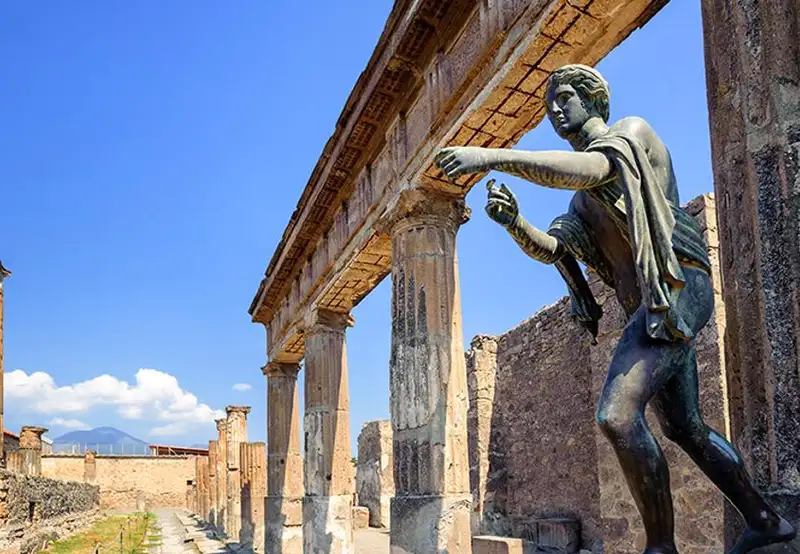
The history of Pompeii begins in the 9th century BC, when the area was inhabited by the Opici people - an ancient Latin population. Today the town is famous because of the eruption of Vesuvius, which occurred in 79 AD, which led to its total destruction.
National Archaeological Museum
The opening of the historic National Archaeological Museum of Naples took place in 1816. Built by Ferdinando I of Borbone, at the time king of the Two Sicilies, it boasts the richest collection of works and archaeological finds with regard to Roman history.
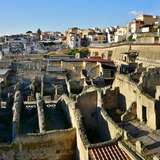
Herculaneum
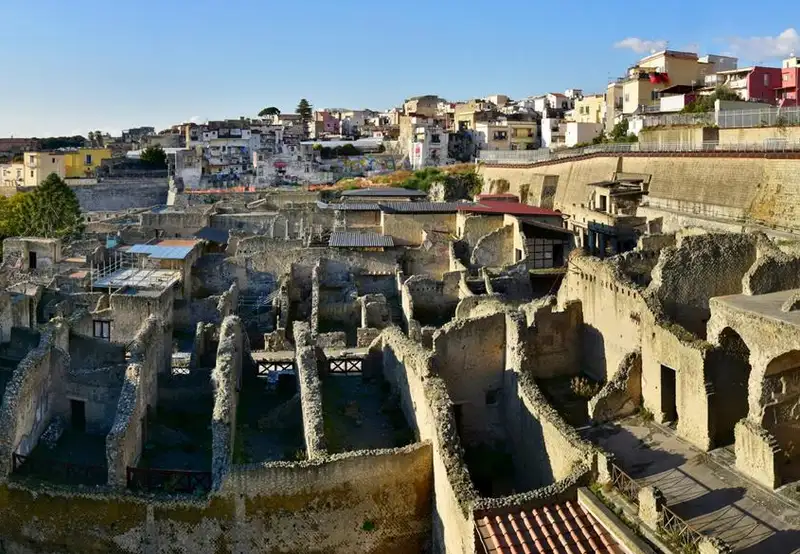
The tremendous eruption of Vesuvius, in 79 AD, not only destroyed Pompeii but also the ancient city of Herculaneum. The archaeological excavations of this city can be visited today and, since 1997, are part of the UNESCO World Heritage List.
Rome (Civitavecchia)
DAY 12
13 Sep 2028
Time at Port: TBD
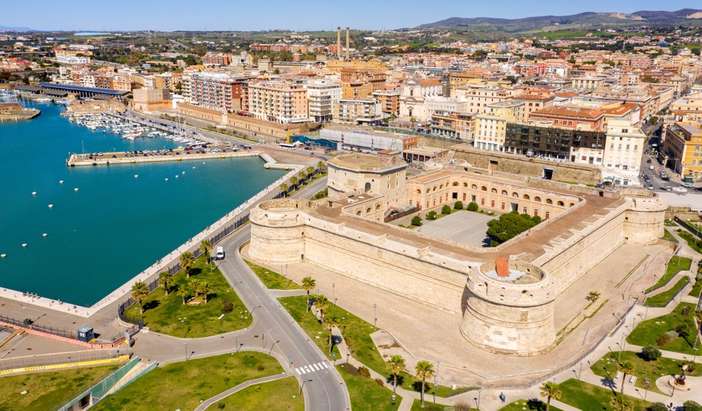
Today's Civitavecchia was born as an Etruscan village along the Tyrrhenian coast, but it is believed that the territory has been inhabited since the Neolithic era. The first documents mentioning the city date back to the year 107 AD; the same as the construction of the port which ended three years later. During a stop in Civitavecchia you can visit the Taurine Baths, the Michelangelo Fort, and the Cathedral.
Things to do in Rome (Civitavecchia):
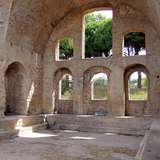
Terme Taurine
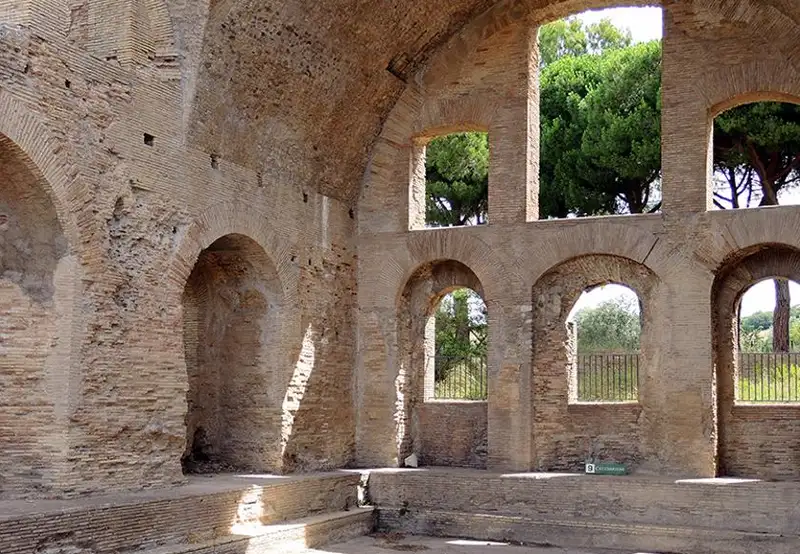
The Taurine Baths - a Roman archaeological site dating back to the 1st century BC - are located around 4km from the urban centre of Civitavecchia. There is a legend that says the baths came to be after a bull scraped at the ground before a fight, and in doing so uncovered a hot water spring.
Aquafelix Waterpark
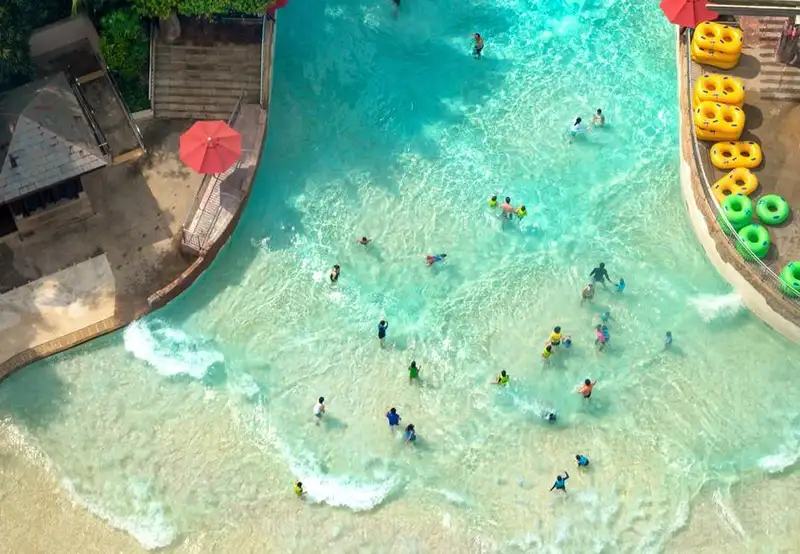
Aquafelix Waterpark is ideal for a day of fun with your family and friends. It is the largest water park in central Italy, and boasts areas dedicated to both adults and children.
Forte Michelangelo
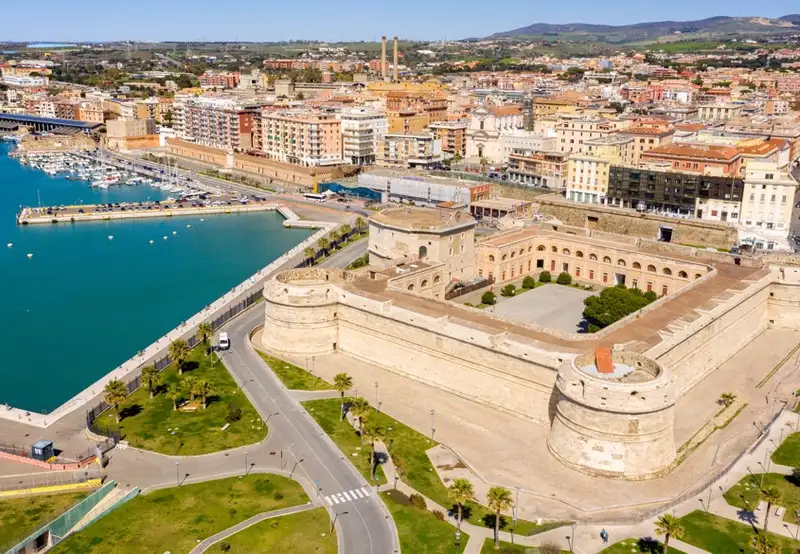
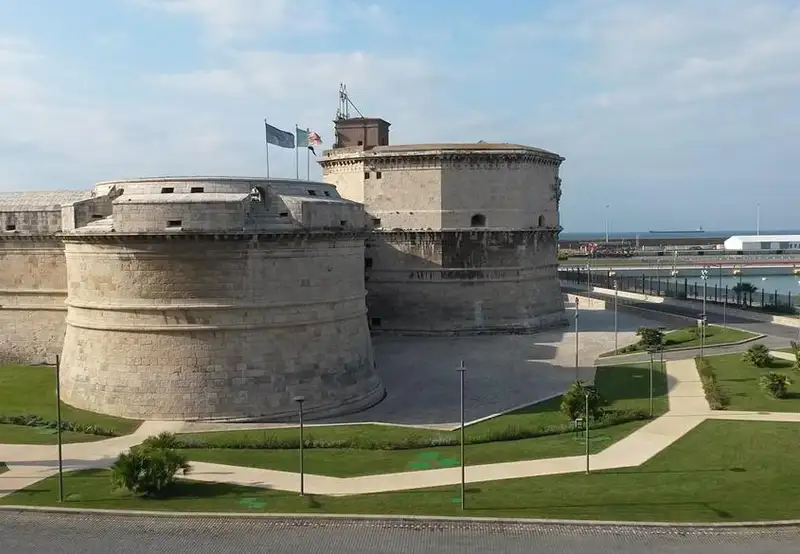
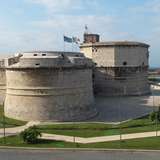
The construction of the Michelangelo Fort began in 1508 and ended in 1537. The structure of the fortress, in true Renaissance style, has the shape of a quadrilateral with a tower in each corner, and the central tower has an octagonal layout. Its creation was ordered by Pope Julius II, to defend the Port of Civitavecchia against pirates and any other hostile encounters.
Cathedrale de Civitavecchia
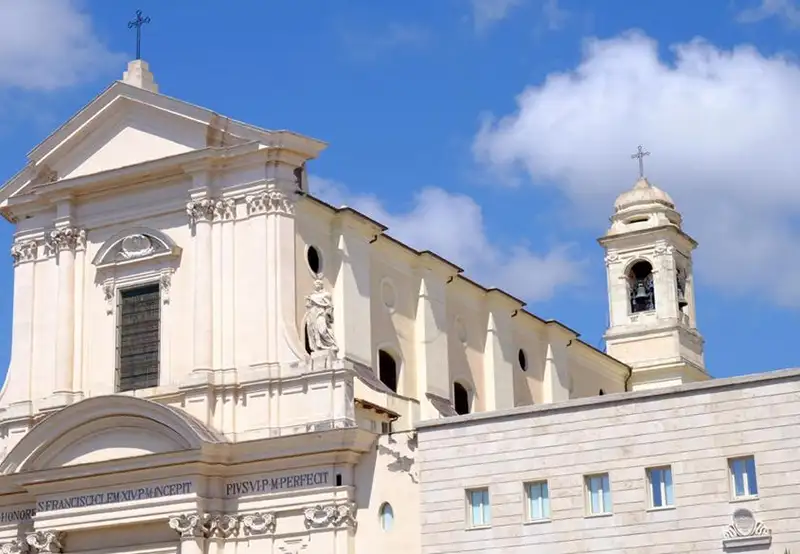
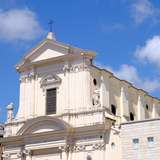
The Cathedral of San Francesco d'Assisi is the most important church of Civitavecchia. Dating back to the 17th century and completely restored in 1950, it has a Baroque style and stands on the remains of a previous Franciscan church.
Flight departs
DAY 12
Time at Port: TBD
Say goodbye to your current destination, for it’s time to head somewhere new! Flight information will be available closer to your embarkation date, but this will be when you’re hopping on a plane to continue your adventure – be that travelling somewhere new, or heading home.


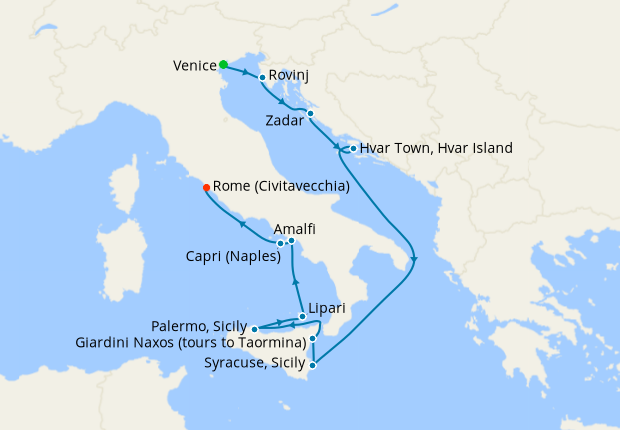


 2 September 2028 · 11 nights


 Flights
 Wi-Fi
Wi-Fi
 Drinks
 Tips
Tips
 Specialty Dining
 Excursions
 Entertainment
 Accommodation
 Port Fees & Taxes