Description
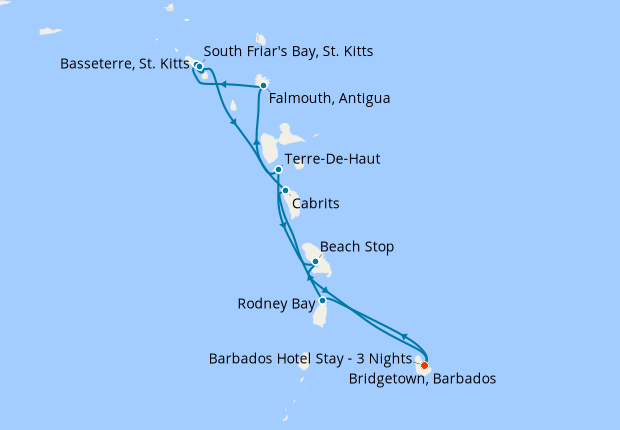
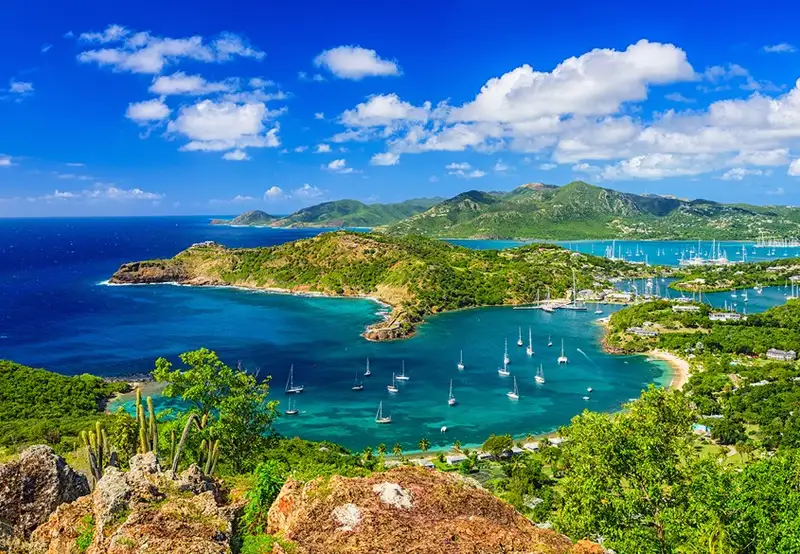
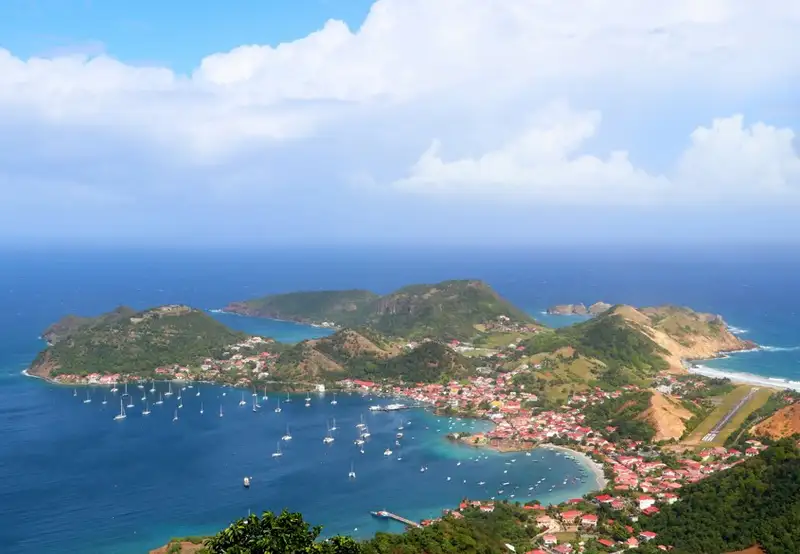
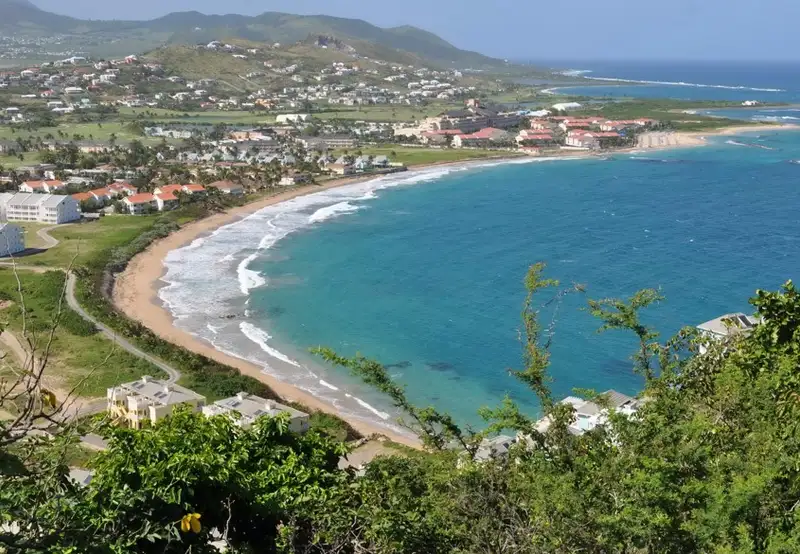
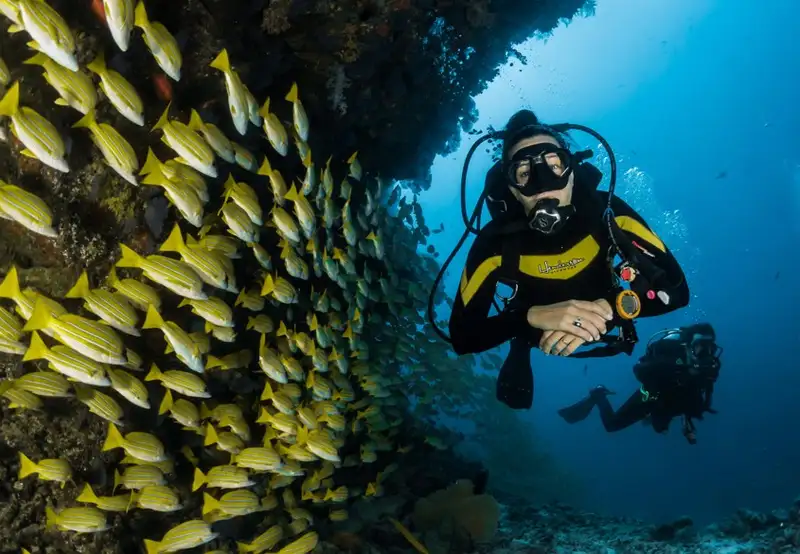
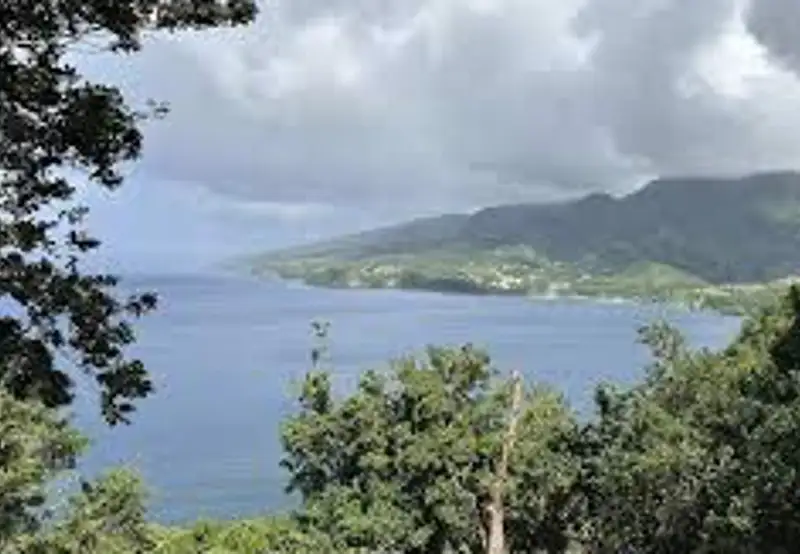
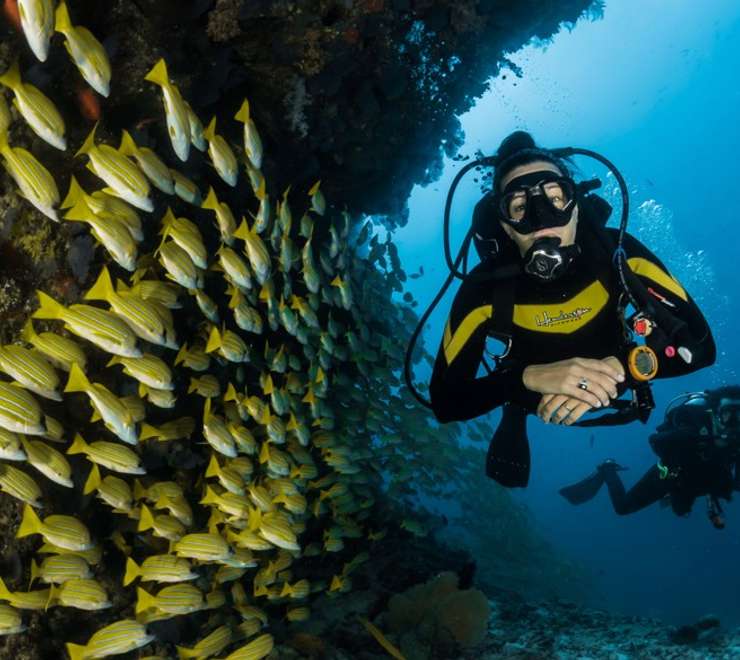
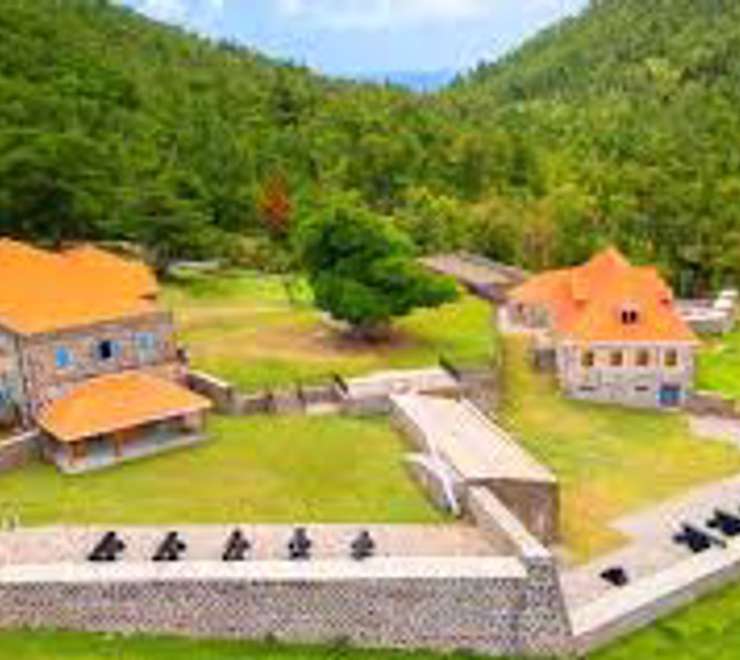
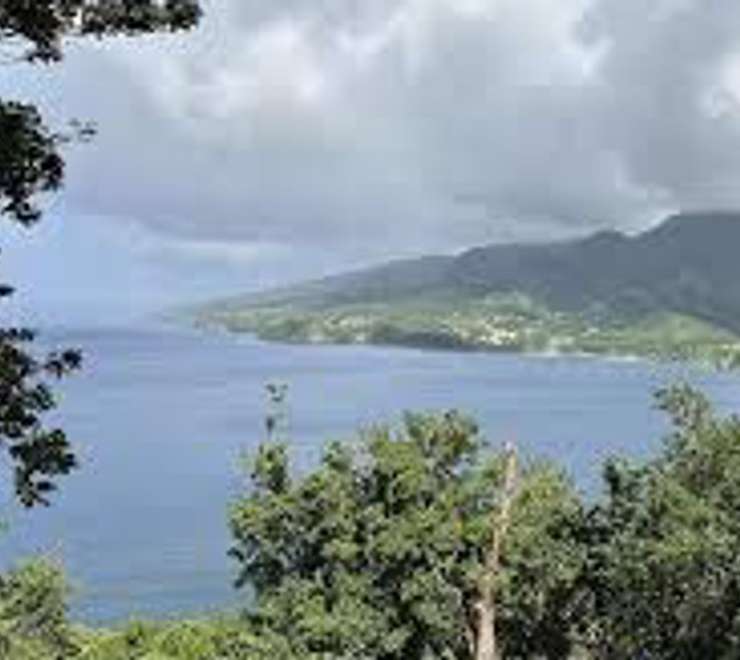
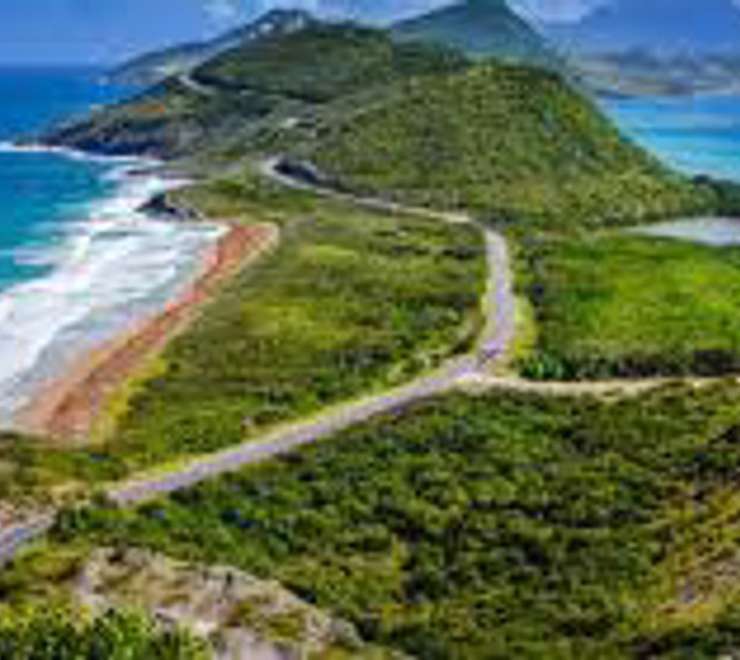
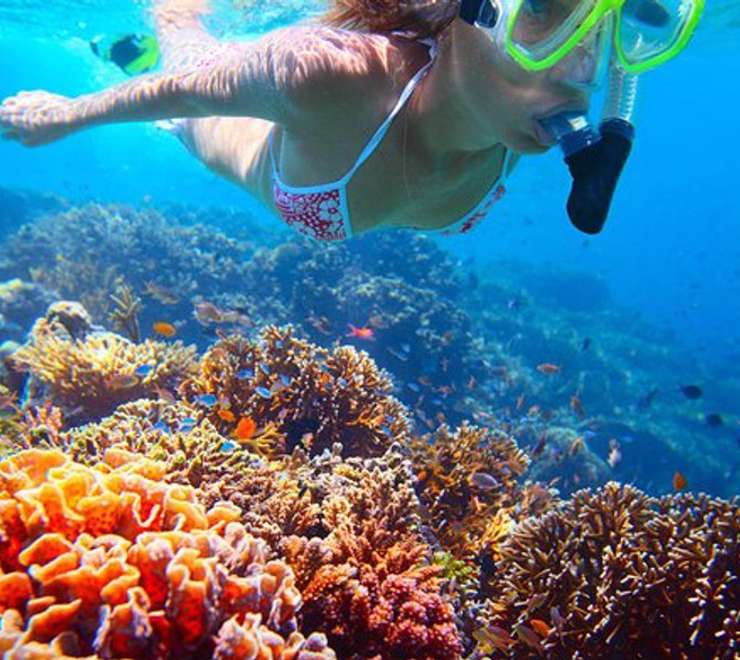
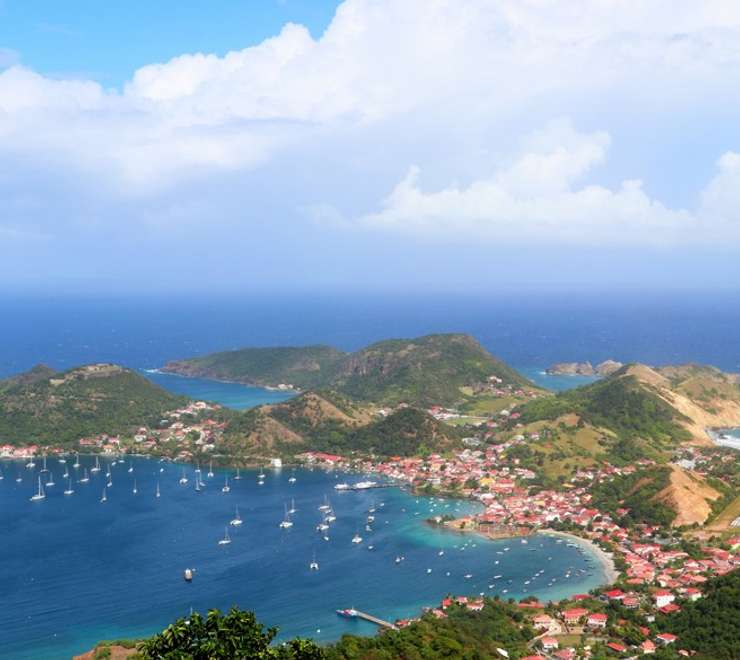
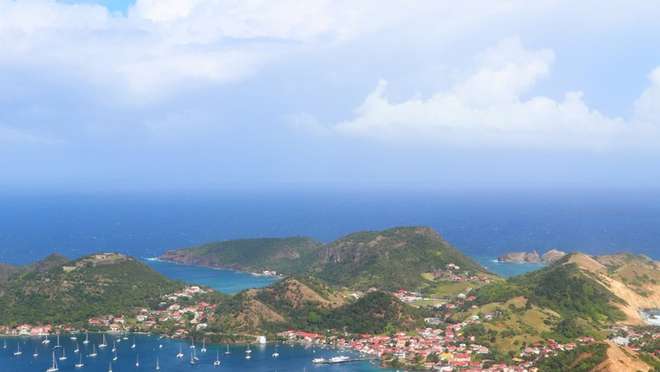
Cabrits is a stunning peninsula on the north-west coast of Dominica, dominated by the lush peaks of two extinct volcanoes. It is home to Cabrits National Park, which protects a diverse landscape of tropical forests, coral reefs, and extensive wetlands. The park's historical centrepiece is Fort Shirley, a beautifully restored 18th-century British garrison that played a key role in the Napoleonic Wars and now offers panoramic views over Prince Rupert Bay. Whether you are hiking the forested trails to spot hermit crabs and migratory birds or diving into the clear waters of the marine reserve, Cabrits serves as a powerful intersection of Dominica's military heritage and its wild, "Nature Island" beauty.
Read more
Read less
Things to do
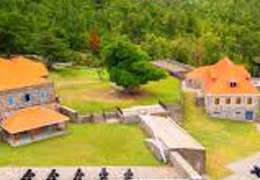
Fort Shirley
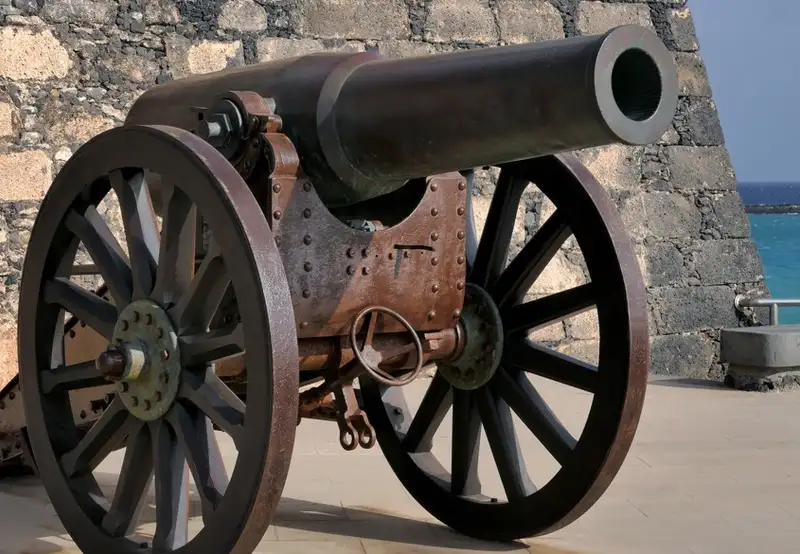
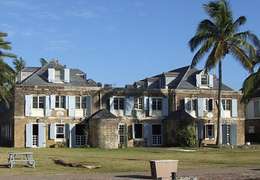
A visit to Fort Shirley offers a powerful journey into the 18th century, where you can wander through an expertly restored British garrison perched on the Cabrits peninsula. Walking along the stone ramparts, you’ll encounter massive iron cannons still pointing out toward Prince Rupert Bay, a reminder of the fort's role in the Napoleonic Wars. The site is famous for the 1802 mutiny by the 8th West India Regiment, and exploring the barracks and officers' quarters provides a deep sense of military life amidst the encroaching tropical forest.
Cabrits National Park Trails
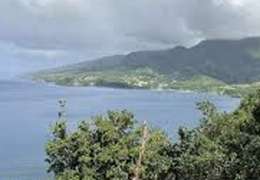
Hiking the Cabrits National Park Trails takes you through a lush tropical forest growing over two extinct volcanic peaks. As you climb the well-marked paths, you’ll likely spot large hermit crabs and lizards scurrying through the undergrowth. The trails lead to the beautifully restored Fort Shirley, where the forest opens up to provide incredible panoramic views of Prince Rupert Bay and the Caribbean Sea. It’s a perfect mix of "Nature Island" greenery and deep colonial history.
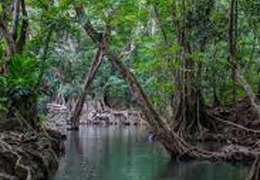
Bell Hall River
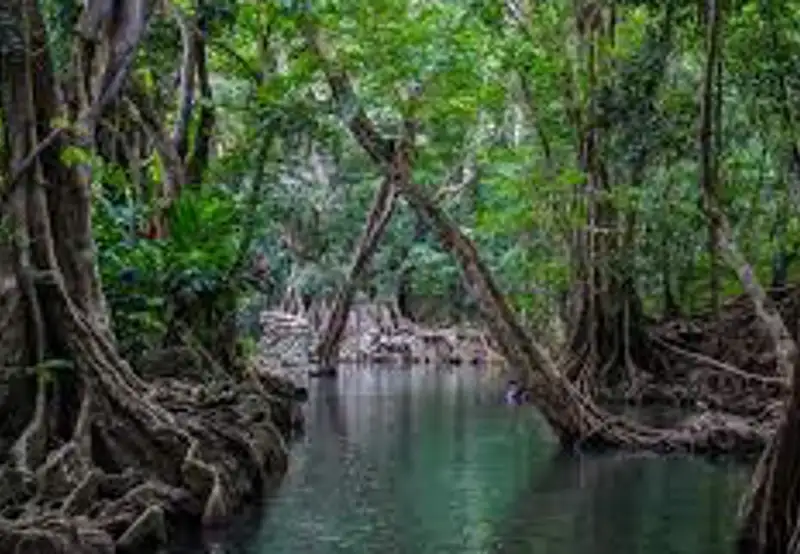
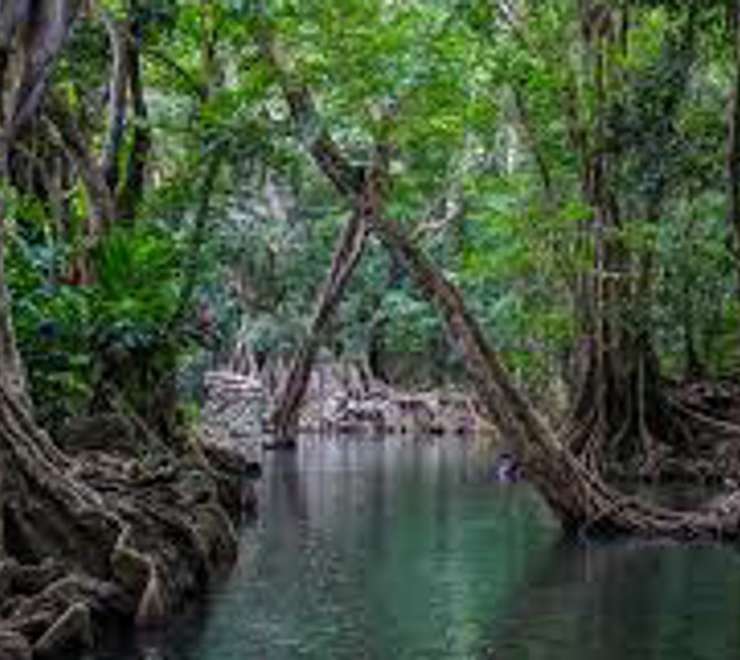
A visit to the Bell Hall River, located at the base of the Cabrits peninsula, offers a serene encounter with Dominica’s lush wetlands and mangrove ecosystems. This calm waterway meanders through the northern edge of Cabrits National Park before meeting the sea at the picturesque Douglas Bay. It is a fantastic spot for nature lovers to observe local birdlife and crabs among the tangled roots of the swamp forest, providing a cooler, shaded alternative to the coastal trails. The area where the river mouth opens onto the beach is particularly peaceful, making it a favorite for those looking to enjoy a quiet moment between exploring the historic fort and swimming in the bay.


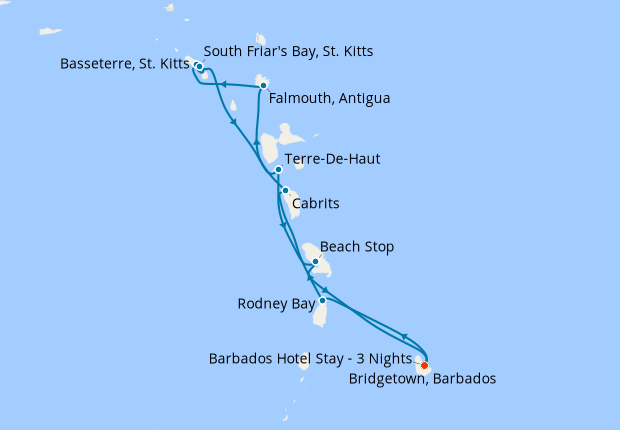


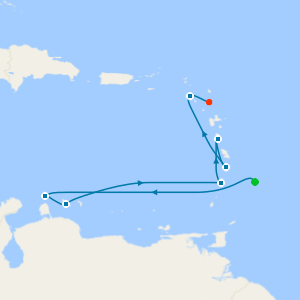
 1 December 2027 · 11 nights
 London Airports
















 Transfers to Airport

 Flights
 Hotel
Hotel
 Entertainment
 Meals
Meals
 Accommodation
 Port Fees & Taxes