Description
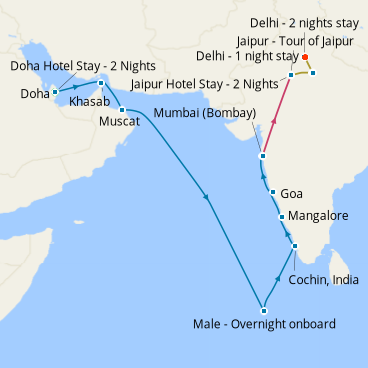
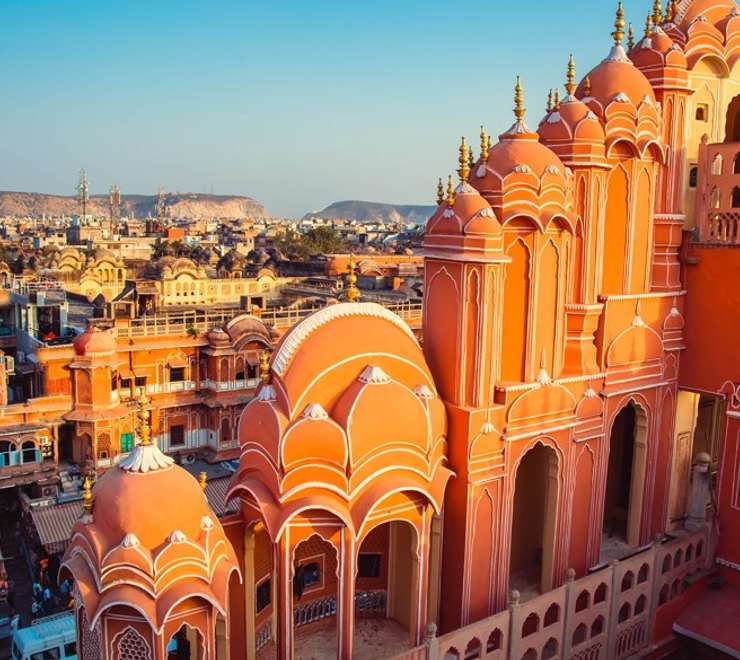
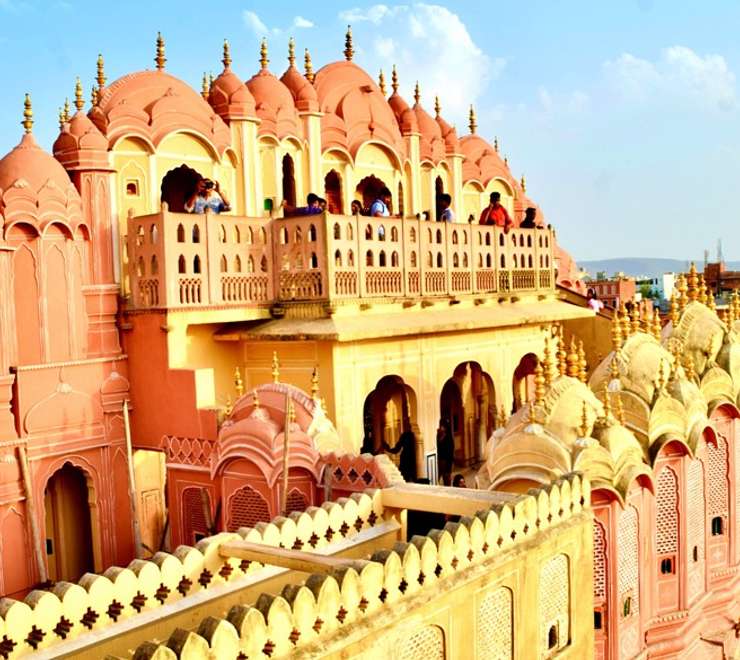
Known as the Pink City, due to the fact that most of the major buildings in the old city are made of red and pink sandstone, Jaipur is the largest city in Rajasthan and home to some stunning architecture and numerous cultural landmarks well-worth exploring. During this insightful tour of the city, you’ll have the chance to marvel at the impressive City Palace of Jaipur and Hawa Mahal – both of which are a blend of Hindu Rajput and Islamic Mughal architectural styles – before venturing into the bustling bazaars of The Walled City: Jaipur’s old city, sitting behind six-metre-tall walls. You’ll also have the chance to visit the remarkable Jantar Mantar in Jaipur; the largest stone and marble observatory in the world, this impressive monument to scientific innovation allows for the observation of celestial positions with the naked eye. To complete this particular experience, the evening will see you enjoy a cooking lesson and dinner at a local restaurant. A unique day tour that touches on Jaipur’s rich history and culture beyond the colonial influences of the 18th and 19th centuries, you certainly won’t forget your time exploring this incredible city.
Read more
Read less
Things to do
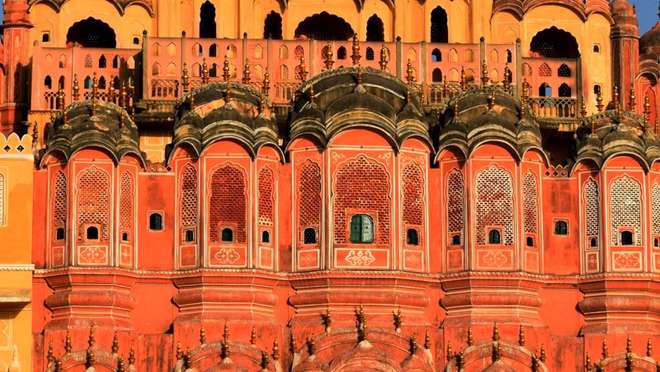
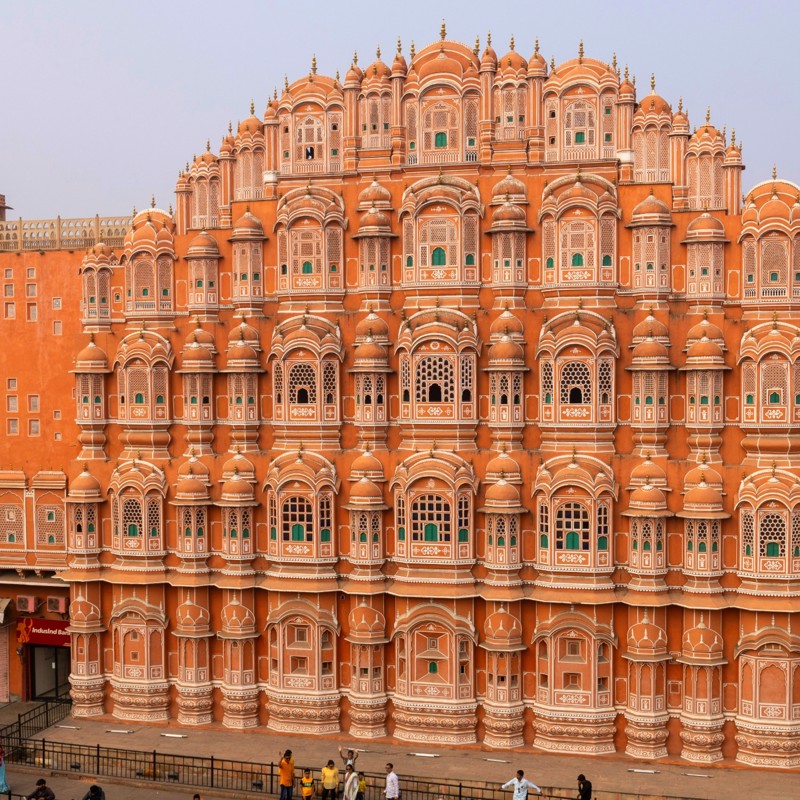
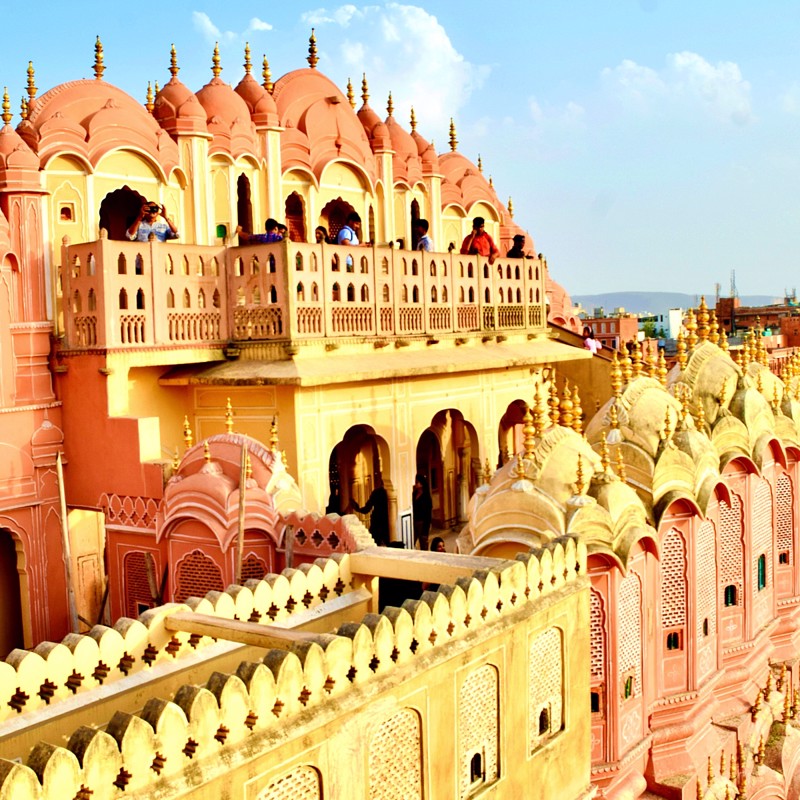
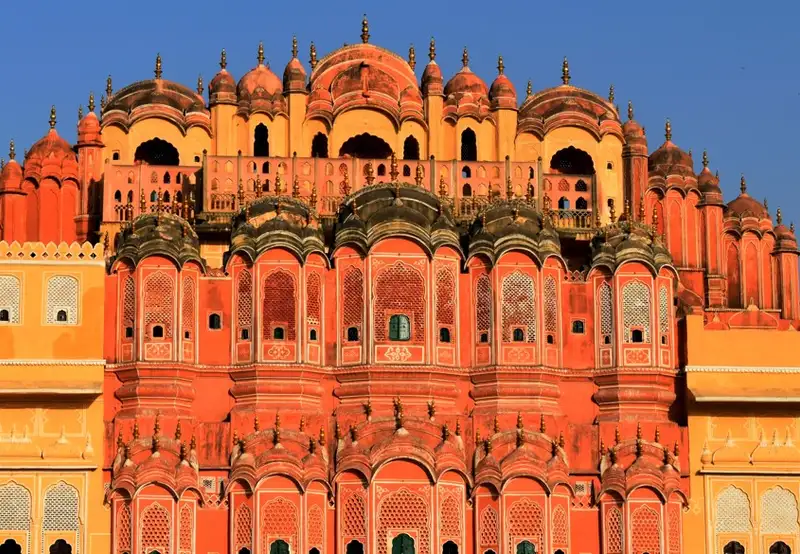
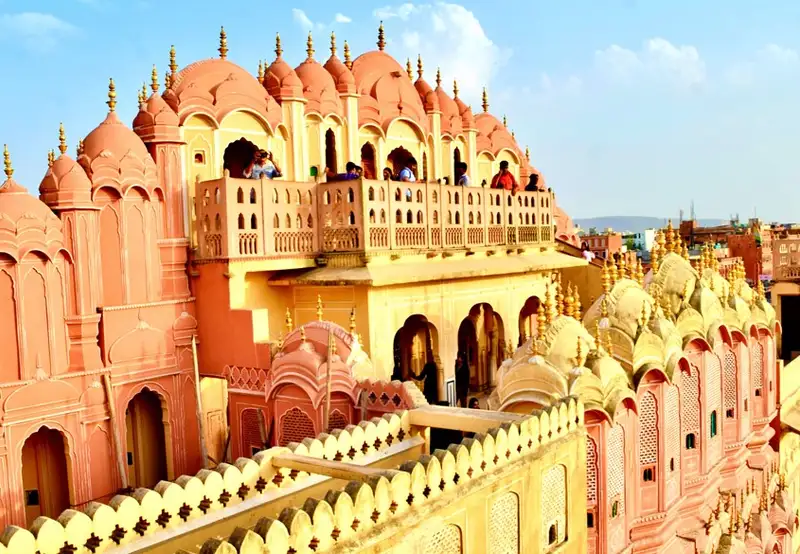
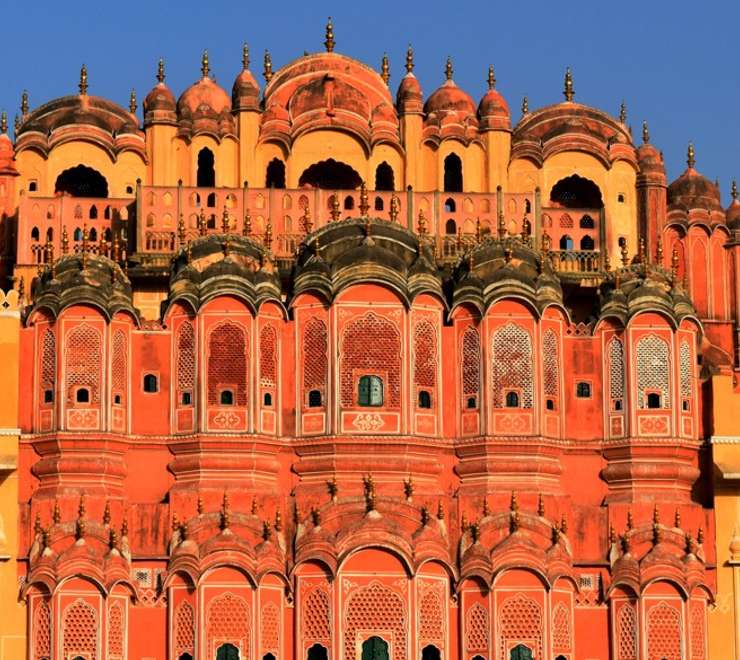
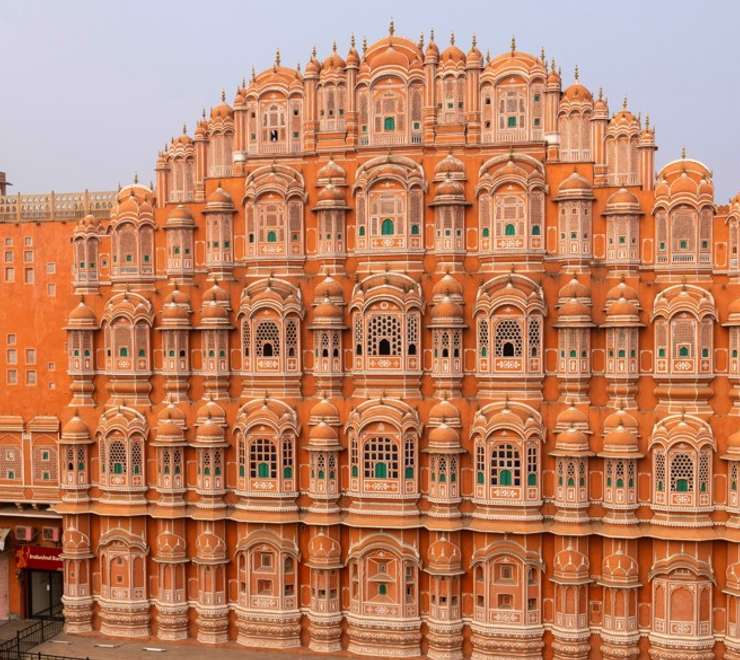
Hawa Mahal
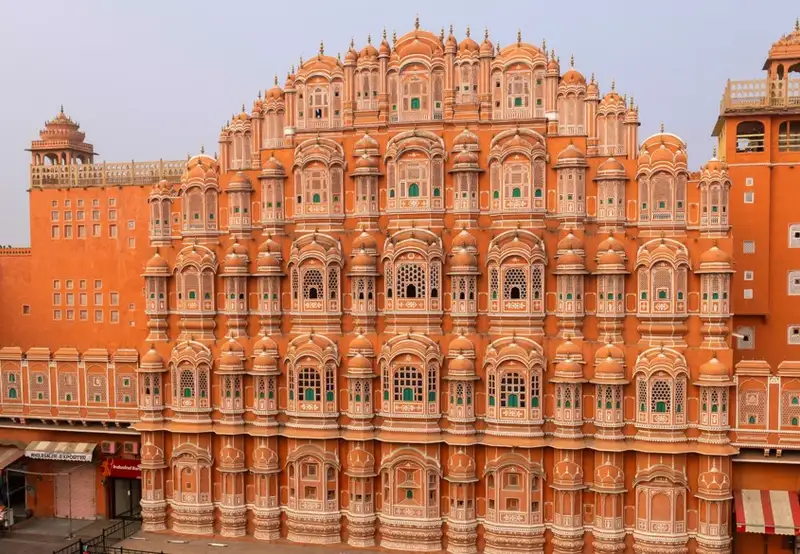
Known famously as the Palace of the Winds, this impressive building on the edge of the City Palace complex – which is similarly built from pink and red sandstone – was completed in 1799; featuring a lattice-like honeycomb exterior with 953 small windows, and acting as an extension into the City Palace’s Zenana (women’s chambers), this was originally built to afford royal ladies the chance to observe the life and events of the streets below without being seen.
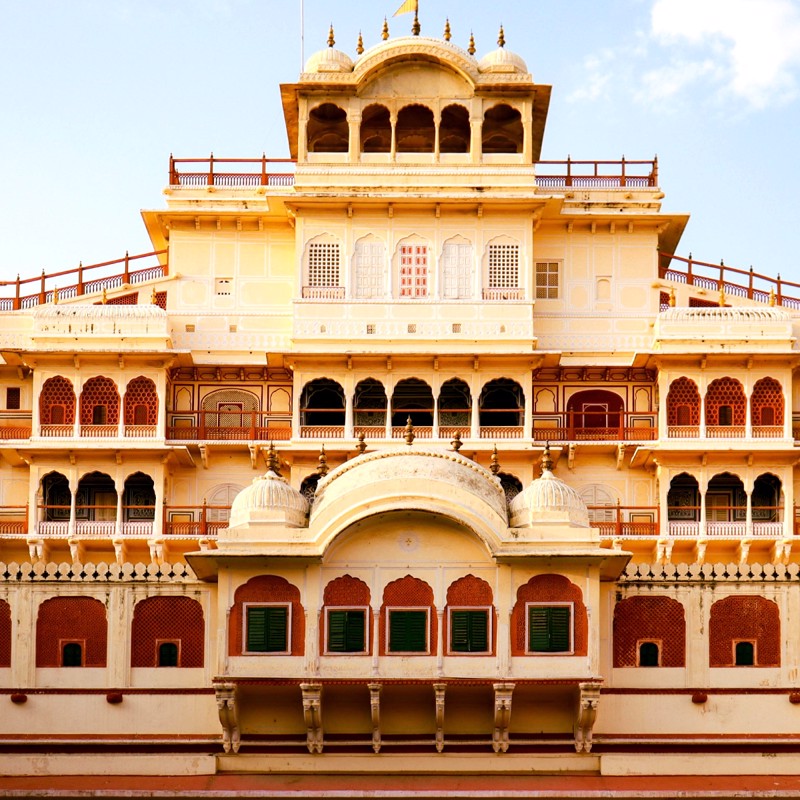
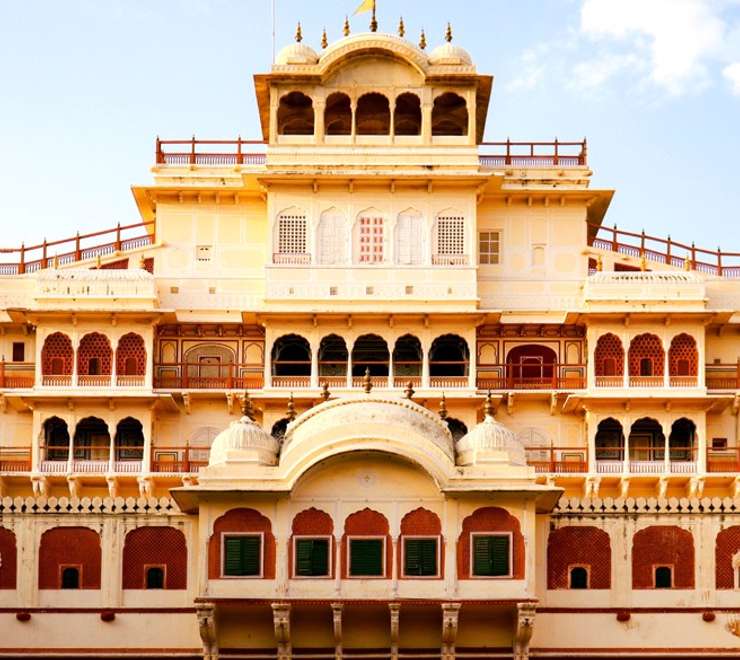
City Palace of Jaipur
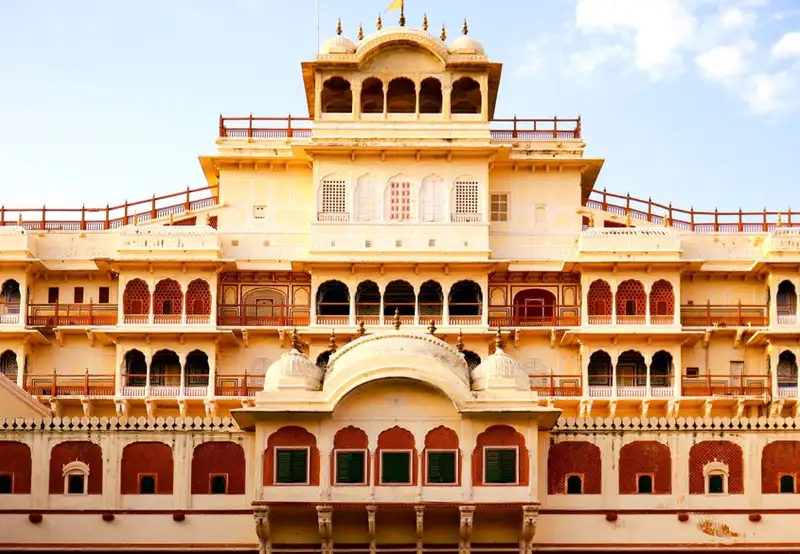
A government headquarters that serves as the ceremonial and administrative seat of the Maharaja of Jaipur, the building of this palace complex was completed in 1732 and has been the site of countless cultural, industrial, and religious events over the years; still the home of the Jaipur royal family and its’ staff, this palace also houses several restaurants and galleries alongside the Maharaja Sawai Man Singh II Museum.
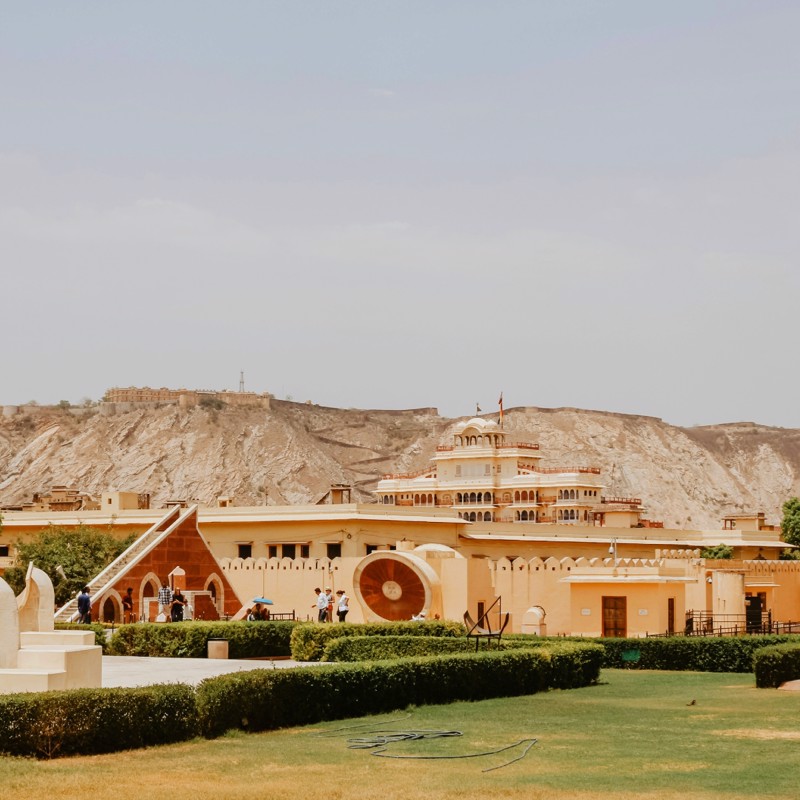
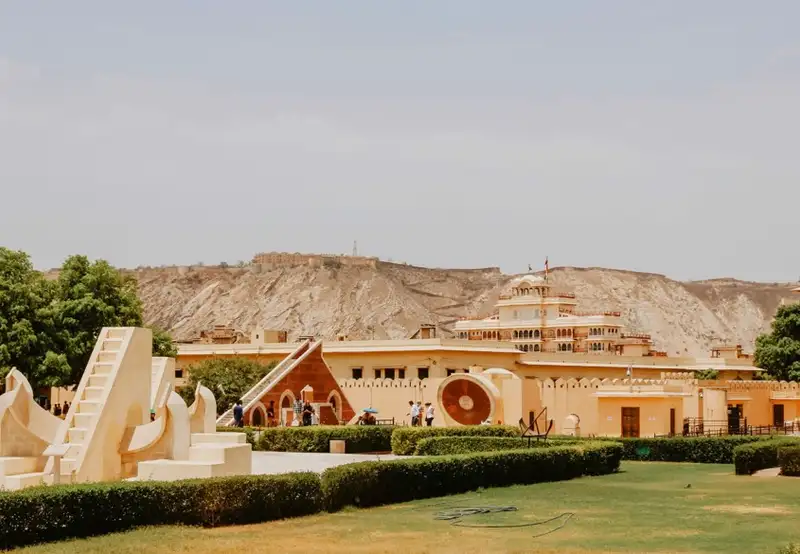
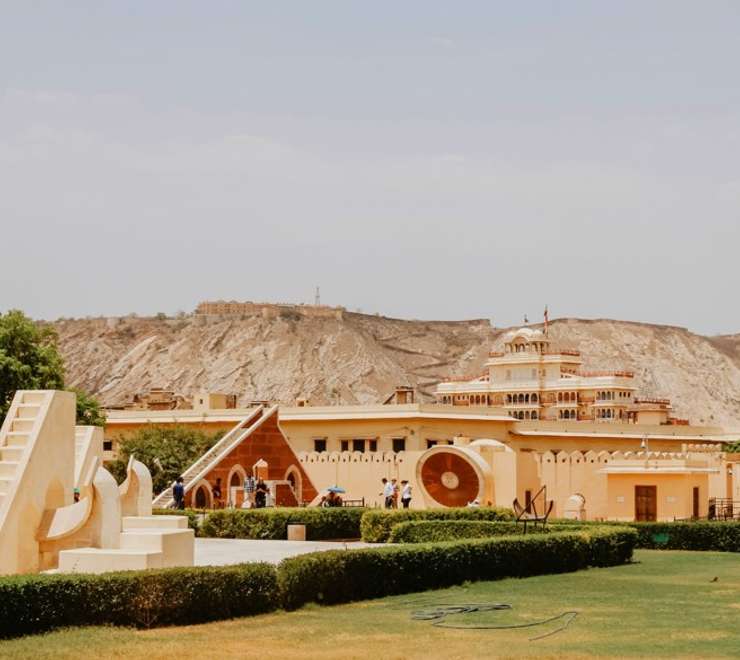
Jantar Mantar
Completed in 1734, this impressive monument is a collection of astronomical instruments – built by Rajput king Sawai Jai Singh, founder of Jaipur – that allows astronomers to observe astronomical positions and chart the locations of celestial objects with the naked eye; home to the world’s largest stone sundial, there’s surprisingly very little evidence to suggest that this was actually used in a scientific capacity following its construction.
The Walled City
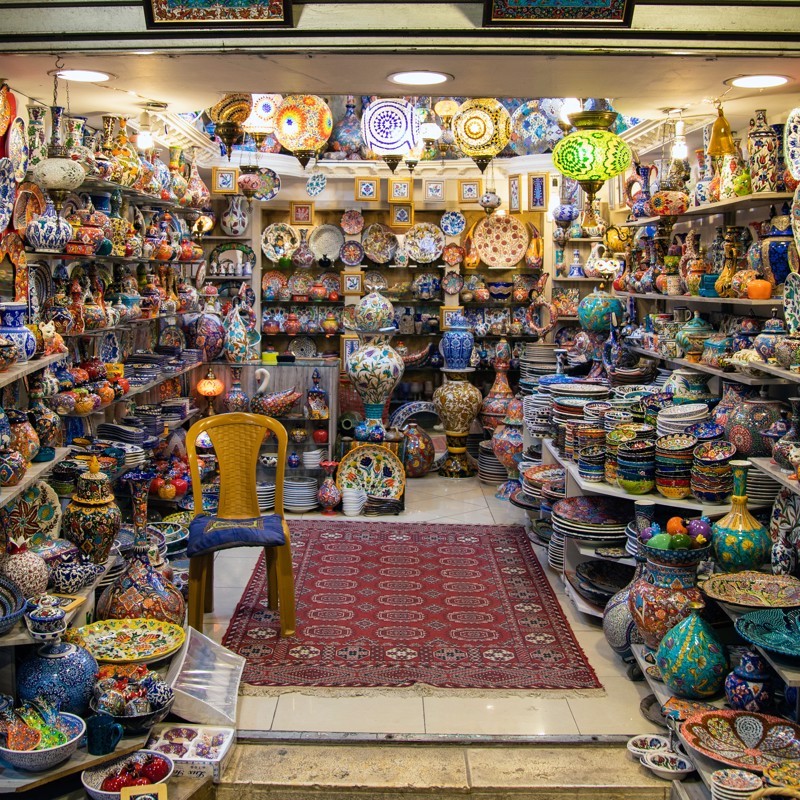
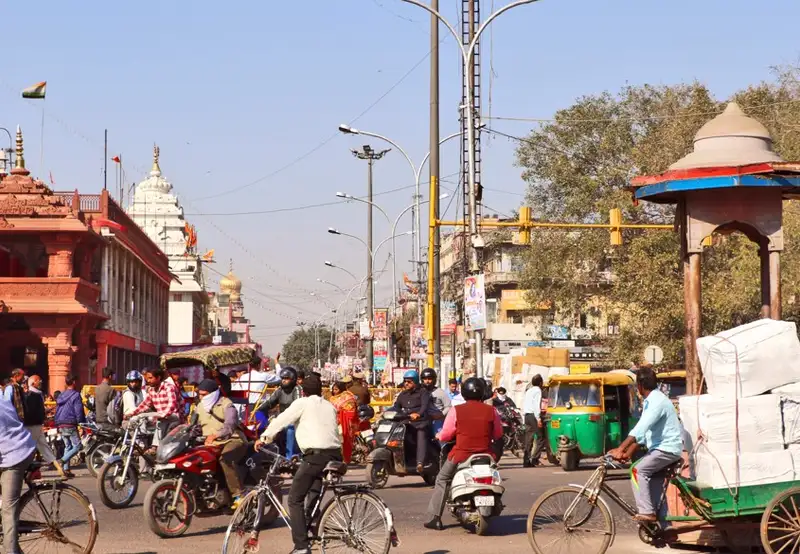
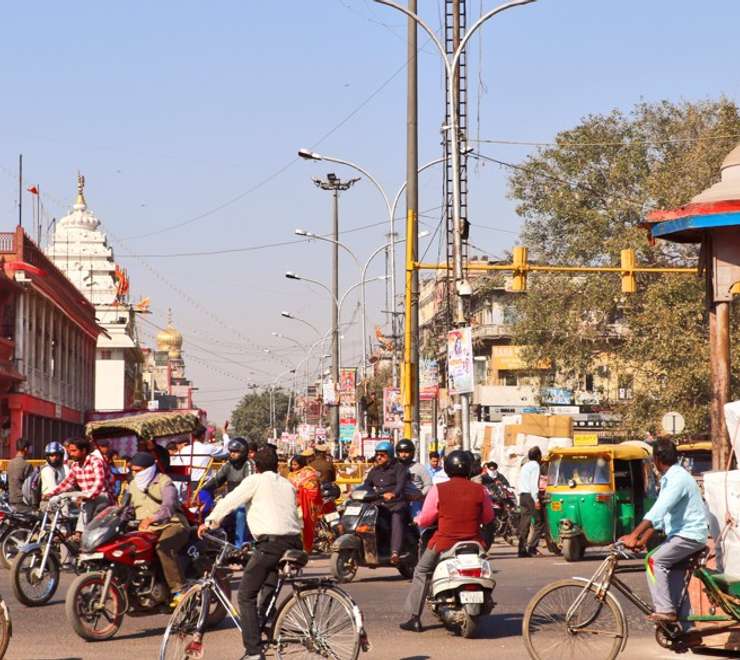
Often referred to as the Heart of the Pink City, this thriving historical and cultural hub represents old Jaipur City; famed for its uniform pink buildings, market bazaars, and cultural landmarks, you’ll find a wealth of unique experiences within these six-metre-high walls – each of the nine chowkris within serves a distinct purpose, with some home to important temples, some home to marketplaces, and more.
Things to know
Tips and Gratuities
Gratuities are not included in the cost of your tour, and you will need to pay these independently upon arrival.
If you’re touring in a group of ten or more people, a tip of $60 USD per person is recommended. And, if your touring group is less than ten people, a tip of $70 USD is recommended.




 24 November 2028 · 25 nights

 London Airports
















































 Included
 Not Included






 Itinerary


