




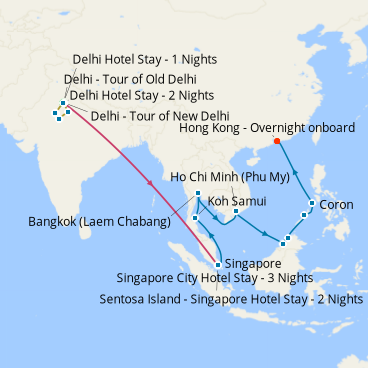


 26 January 2027 · 28 nights
 London Airports


























































 Transfers to Airport

 Flights
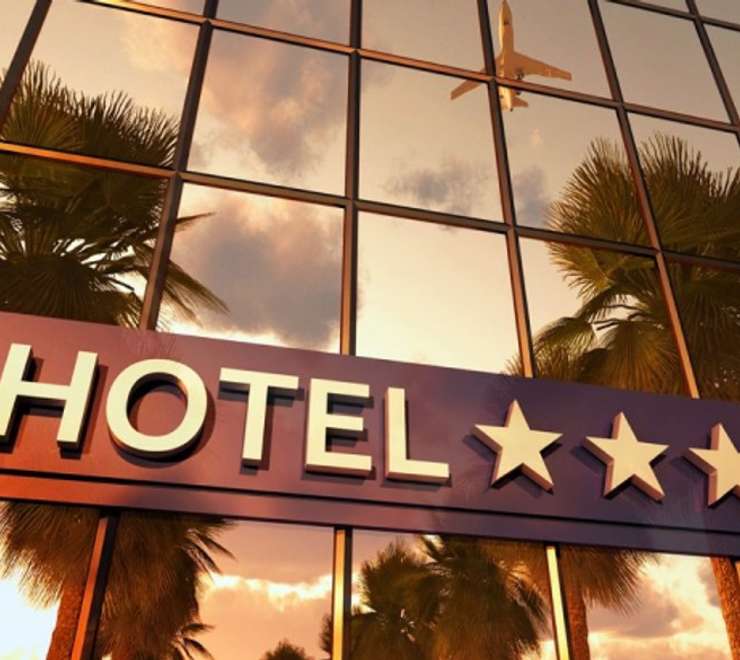
 Hotel
Hotel
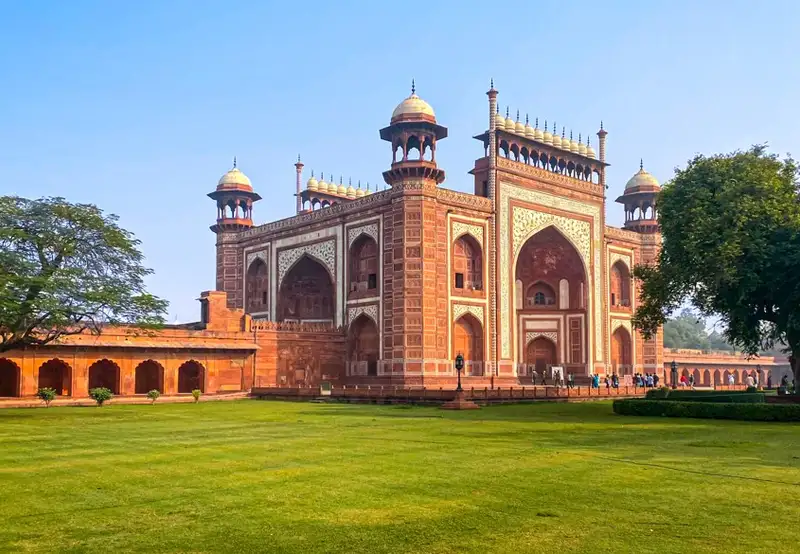
 Land Tours
 Wi-Fi
Wi-Fi
 Drinks
 Specialty Dining
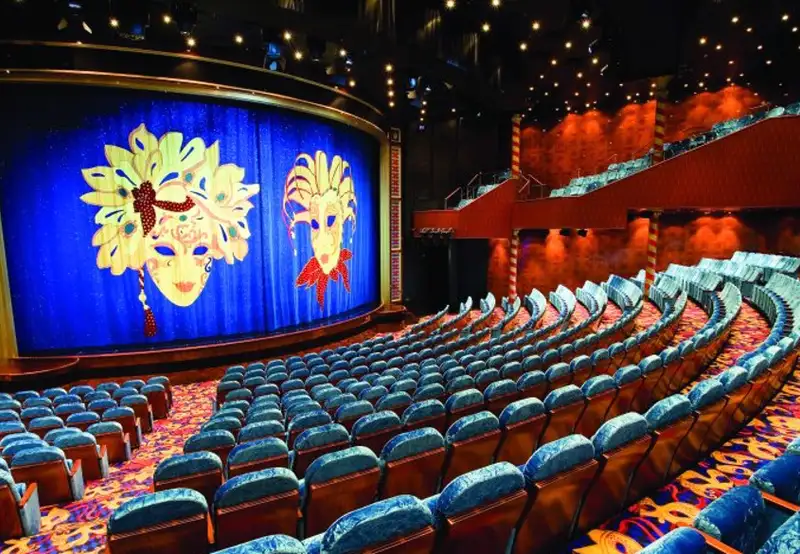
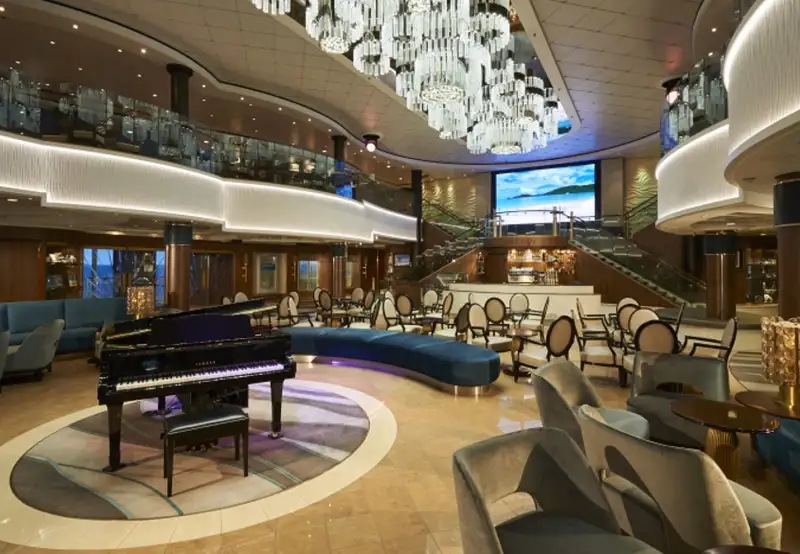
 Entertainment
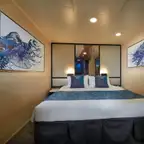
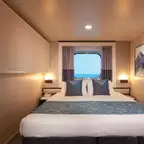
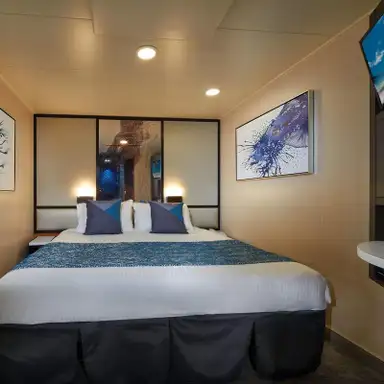
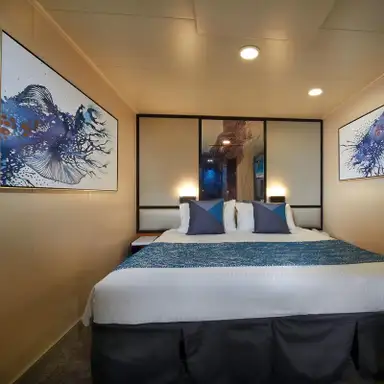
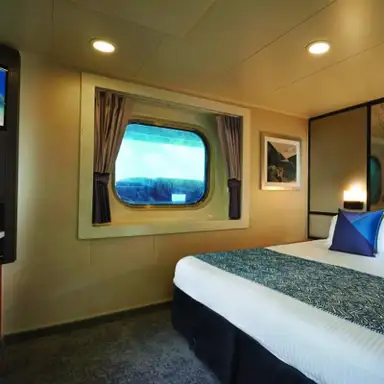
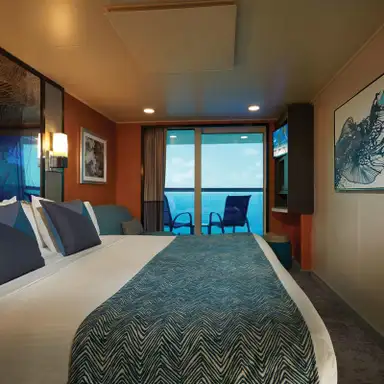
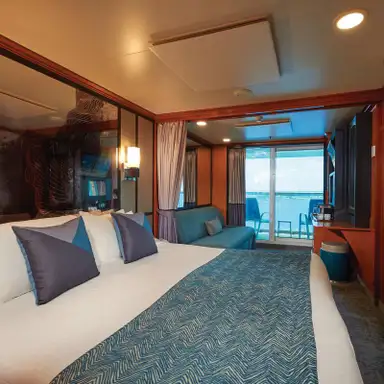
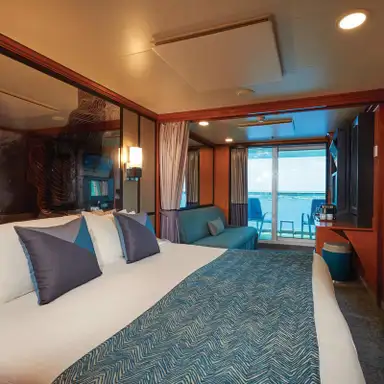
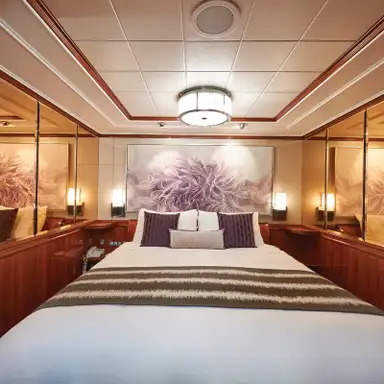
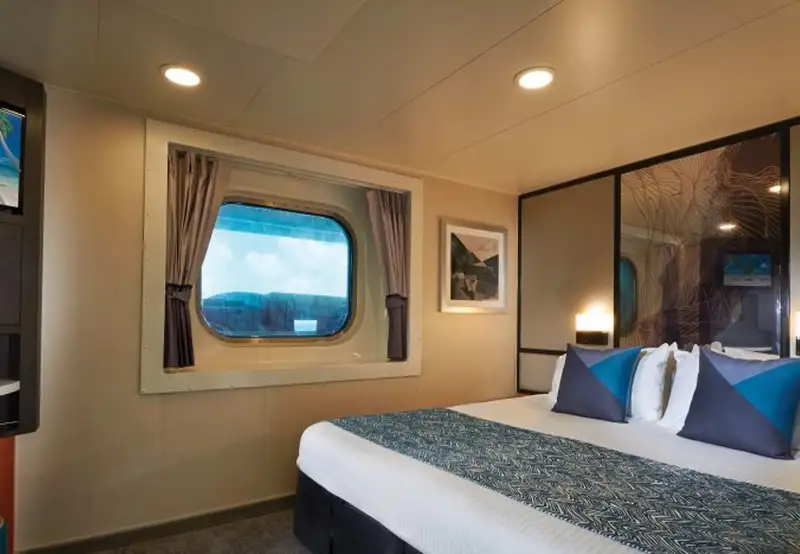
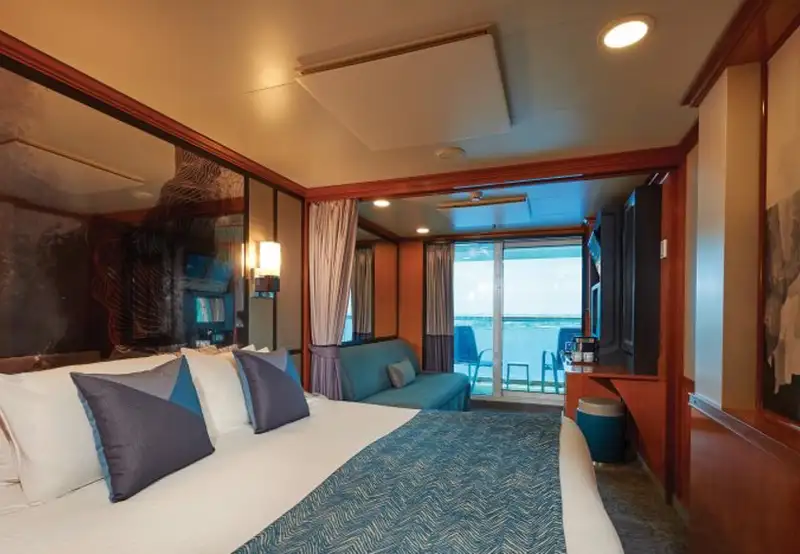
 Cabin
Cabin
 Luggage
 Port Fees & Taxes
 Transfers (Between)















*Free at Sea™ (FAS) Upgrade offer (FAS Upgrade) charge varies by cruise length. For example, the FAS Upgrade charge is £249 per person for selected 7–8 day cruises between 1 and 27 August 2026. The FAS Upgrade charge is per person and applies to all guests in the same stateroom of applicable age in categories Studio through to Club Balcony Suites. Valid for new individual FIT reservations and, for groups, new Traditional Groups, and new allotments (Club Balcony Suite categories and below) for bookings made on or after 5 November 2025 on sailings of 2 days or more across all cabin categories, including IX, OX, BX and MX. The FAS Upgrade charge is based on cruise length at the time of booking and applies to all guests in the same stateroom, excluding guests 3–8 aged under 18 years, or under 21 years for sailings departing from the USA, Canada or Asia. Offer cannot be substituted, customised, or exchanged for cash. Guests 1–8 must be at least 18 years old at the time of sailing to qualify for the Premium Beverage Package, except for sailings that start or end in the USA, Canada or Asia where guests must be at least 21. Guests 1 and 2 who do not meet the applicable age requirement will receive the Soda Package instead. For guests 3–8 who do not meet the applicable age requirement, no alternative beverage package will be provided. The Speciality Dining Package is applicable to guests 1 and 2 only. The Internet (Wi-Fi) Package applies to all guests in the same stateroom and is limited to 150 minutes per person. Guest 1 receives a non-transferable shore excursion credit of $50 USD per excursion booked. Guests 3 and 4 sharing the same stateroom as guests 1 and 2 on select sailings pay applicable taxes only and no cruise fare when guests 1 and 2 pay the full cruise fare. Promotion is not applicable to CHARTERS, CMI OP EVENT, CMI OP LG EVENT, INCREDG or INCLARGE sailings. Offer is non-transferable, non-refundable, capacity controlled, has no cash value and may be withdrawn or amended at any time. Additional terms, conditions, limitations, restrictions, and exclusions apply. All offers and their combinability are subject to change without notice. UK residents only. Ships’ registry: BAHAMAS and UNITED STATES OF AMERICA. ©2026 NCL (Bahamas) Ltd. *Free at Sea™ (FAS) Upgrade offer (FAS Upgrade) charge varies by cruise length. For example, the FAS Upgrade charge is £249 per person for selected 7–8 day cruises between 1 and 27 August 2026. The FAS Upgrade charge is per person and applies to all guests in the same stateroom of applicable age in categories Studio through to Club Balcony Suites. Valid for new individual FIT reservations and, for groups, new Traditional Groups, and new allotments (Club Balcony Suite categories and below) for bookings made on or after 5 November 2025 on sailings of 2 days or more across all cabin categories, including IX, OX, BX and MX. The FAS Upgrade charge is based on cruise length at the time of booking and applies to all guests in the same stateroom, excluding guests 3–8 aged under 18 years, or under 21 years for sailings departing from the USA, Canada or Asia. Offer cannot be substituted, customised, or exchanged for cash. Guests 1–8 must be at least 18 years old at the time of sailing to qualify for the Premium Beverage Package, except for sailings that start or end in the USA, Canada or Asia where guests must be at least 21. Guests 1 and 2 who do not meet the applicable age requirement will receive the Soda Package instead. For guests 3–8 who do not meet the applicable age requirement, no alternative beverage package will be provided. The Speciality Dining Package is applicable to guests 1 and 2 only. The Internet (Wi-Fi) Package applies to all guests in the same stateroom and is limited to 150 minutes per person. Guest 1 receives a non-transferable shore excursion credit of $50 USD per excursion booked. Guests 3 and 4 sharing the same stateroom as guests 1 and 2 on select sailings pay applicable taxes only and no cruise fare when guests 1 and 2 pay the full cruise fare. Promotion is not applicable to CHARTERS, CMI OP EVENT, CMI OP LG EVENT, INCREDG or INCLARGE sailings. Offer is non-transferable, non-refundable, capacity controlled, has no cash value and may be withdrawn or amended at any time. Additional terms, conditions, limitations, restrictions, and exclusions apply. All offers and their combinability are subject to change without notice. UK residents only. Ships’ registry: BAHAMAS and UNITED STATES OF AMERICA. ©2026 NCL (Bahamas) Ltd. *Bespoke Handcrafted Cruise & Stay Sale up to £50pp reduction is valid for new bookings made between 1st August 2026 to 31st August 2026 - Save up to £50pp with a minimum spend of £1999pp. Reduced deposits available on selected cruise & stay holidays departing from January 2027 onwards
All offers and prices are subject to change and availability at time of enquiry. Prices are based on two passengers sharing unless otherwise stated and are subject to the Tour Operator's terms and conditions. Cabin and Flight supplements may apply. Other supplements may apply in addition to the price shown above. Flight details, timings and routing may be subject to alteration. Other tour operator charges may also apply. Any Onboard Spending money or drinks package value shown will be per cabin, again based on two sharing.
Supplier Reference:
23410577 










































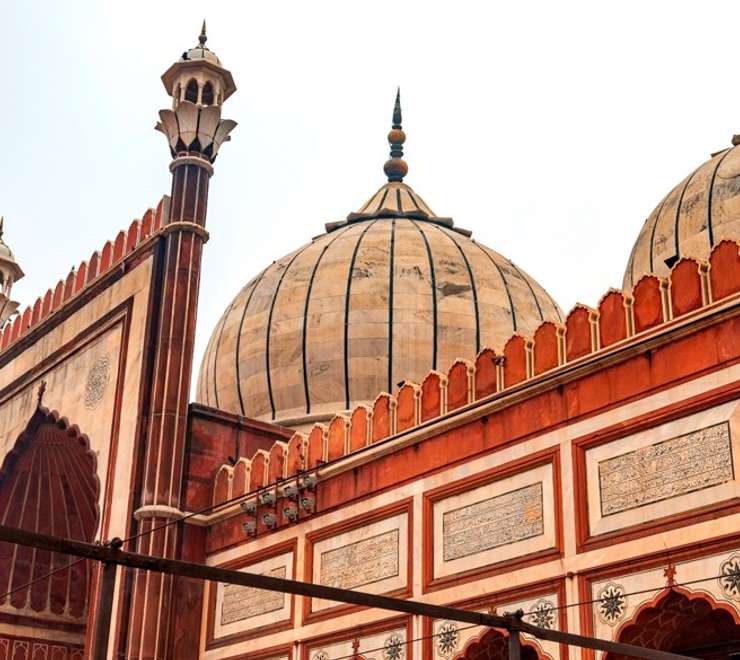

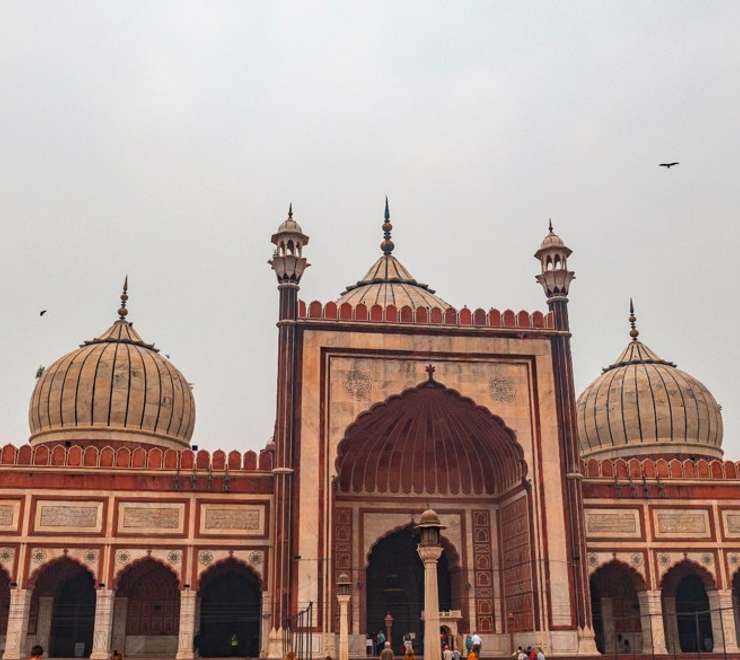




 Included
 Not Included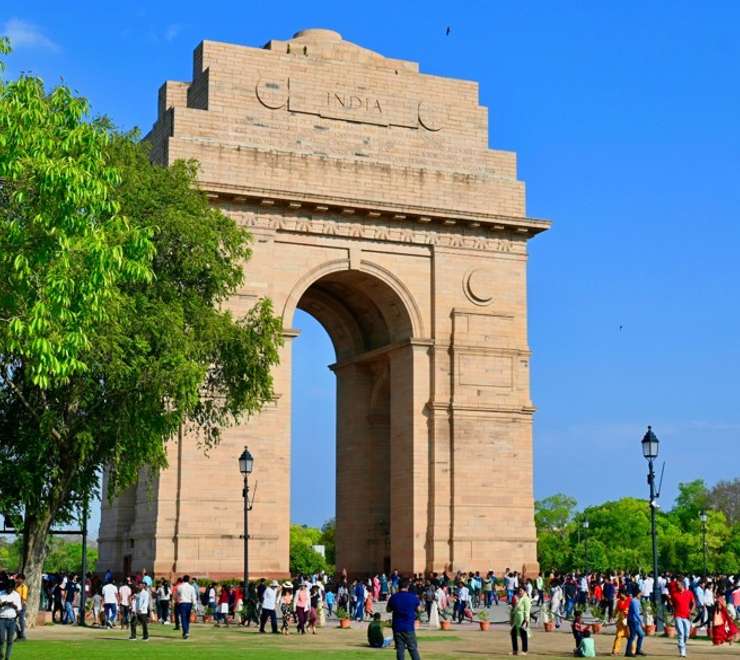
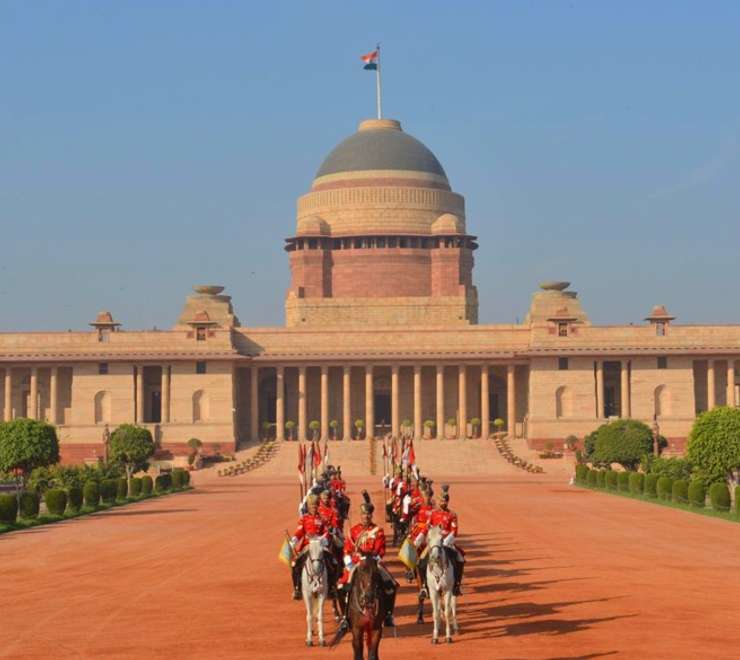
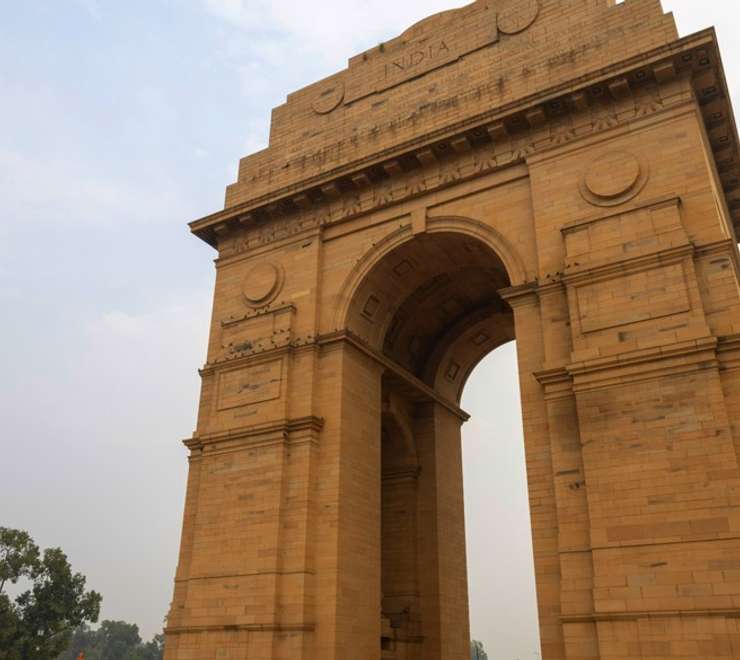
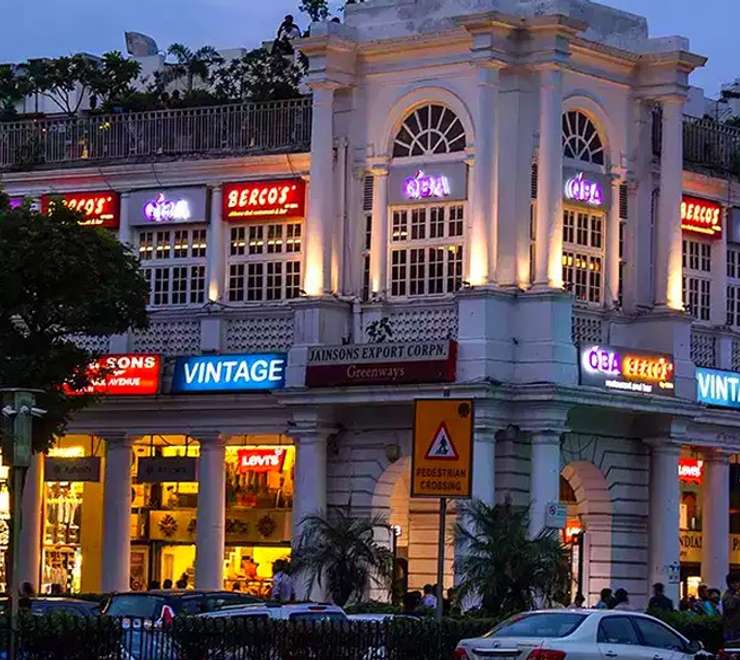






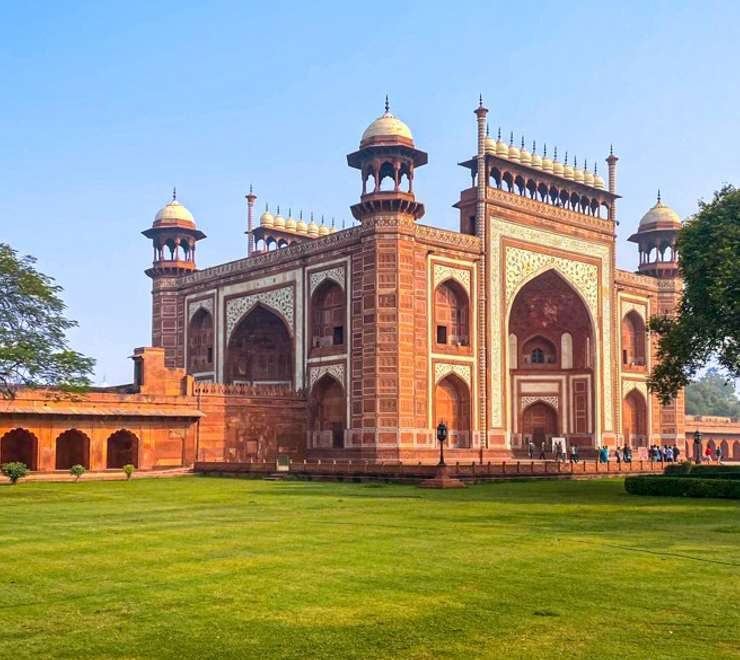

































































 Experience
 Service


