Complimentary Wi-Fi is available throughout the ship, allowing you to stay connected during your voyage.
Drinks
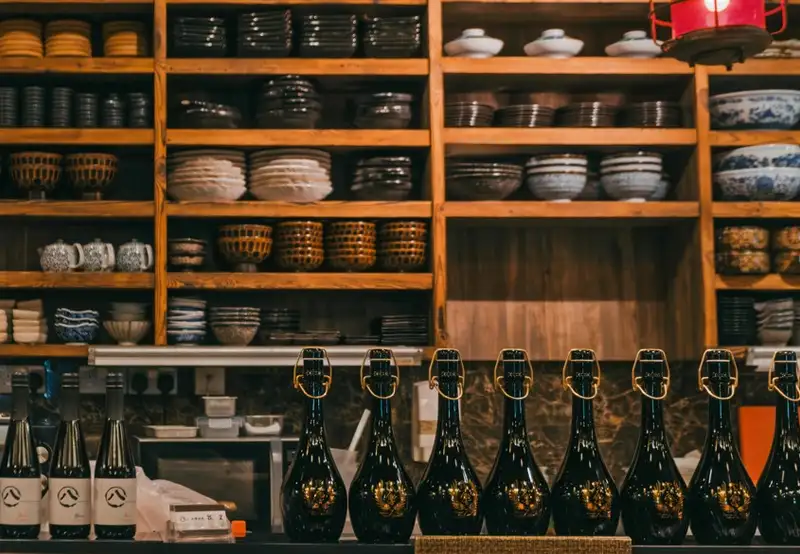
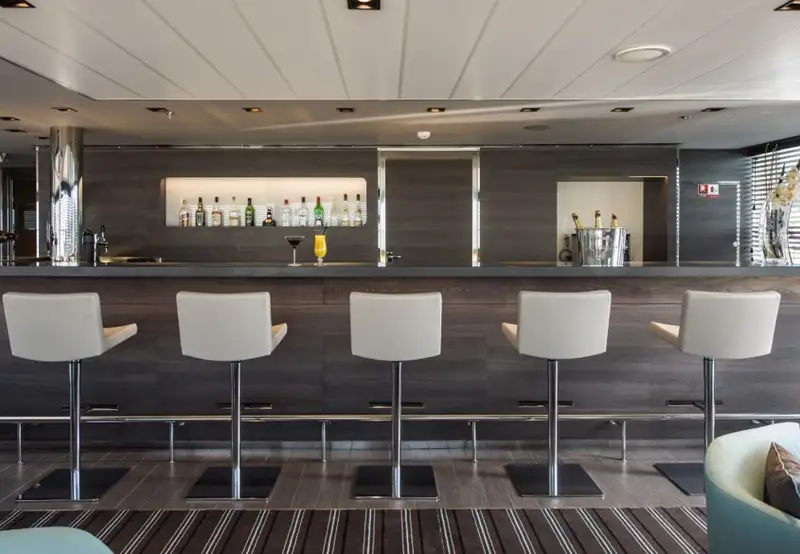
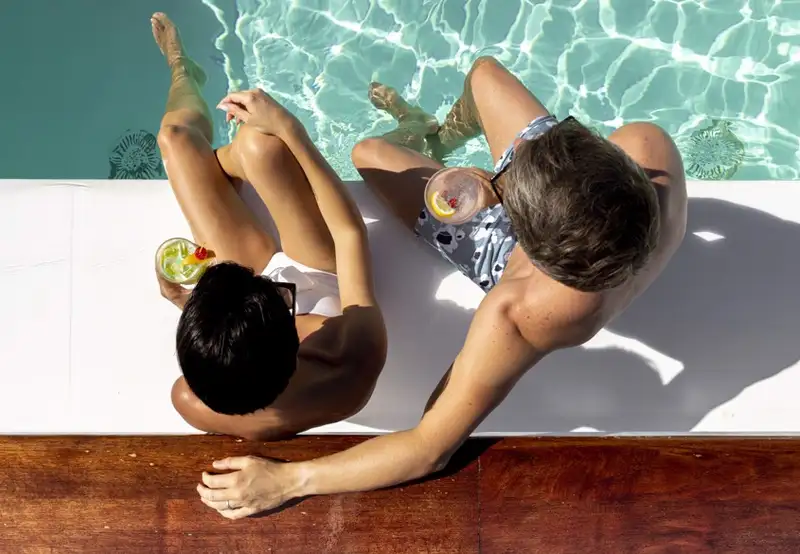
The Open Bar offers a selection of drinks, including mineral water, soft drinks, wine, beer, Henri Abelé Brut Champagne, spirits, coffee, and tea. Certain premium alcoholic beverages on the menu are not included in the Open Bar.
Excursions
Beginning this 2024/2025 winter season, one excursion per person, per port of call will be included in the price of your cruise(excluding any on board Le Paul Gauguin). You will be able to select the excursion of your choice, based on proposed programs by our destination experts.
There will also be paid excursions available, enabling you to explore the region in even more depth.
Entertainment
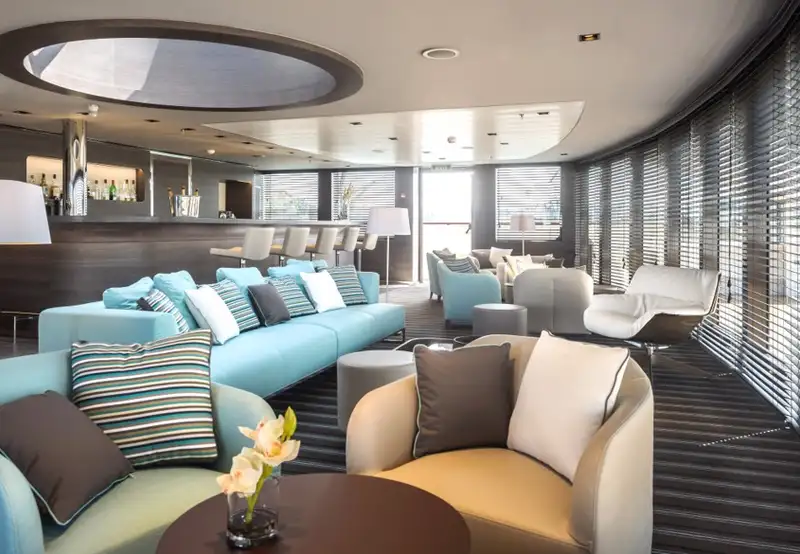
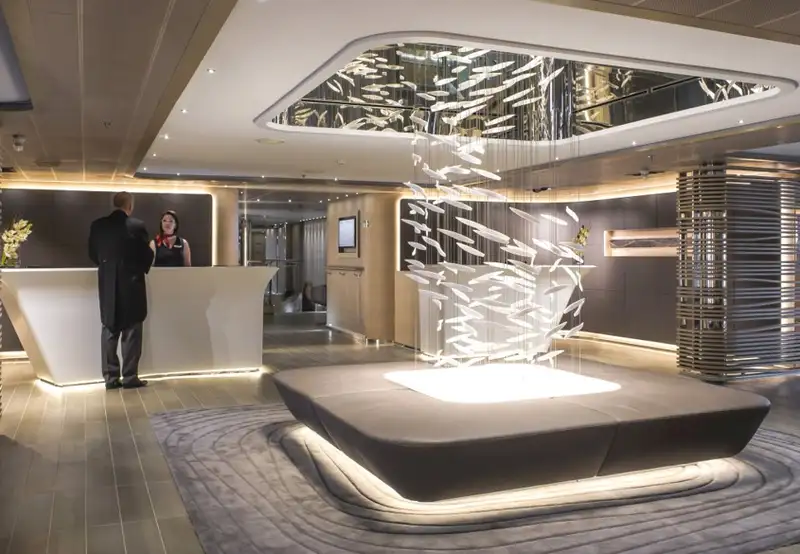
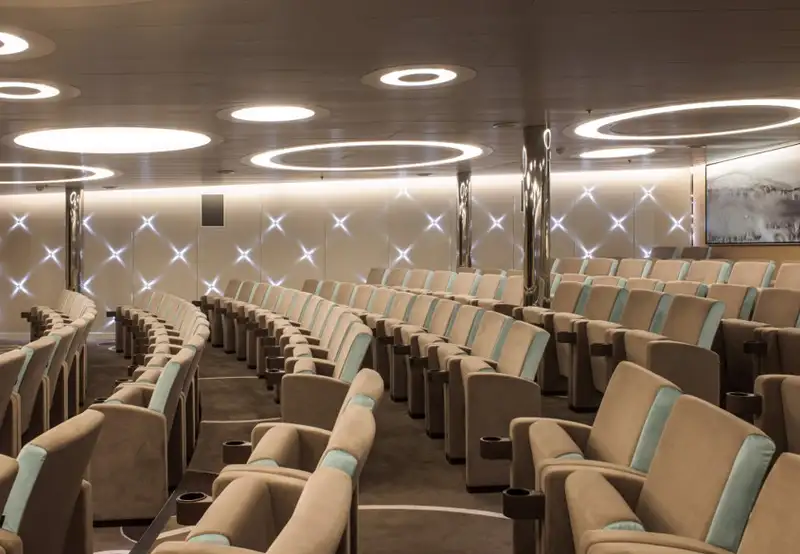
Choose from a variety of things to entertain yourself including restaurants, bars, theatre, pools and much more.
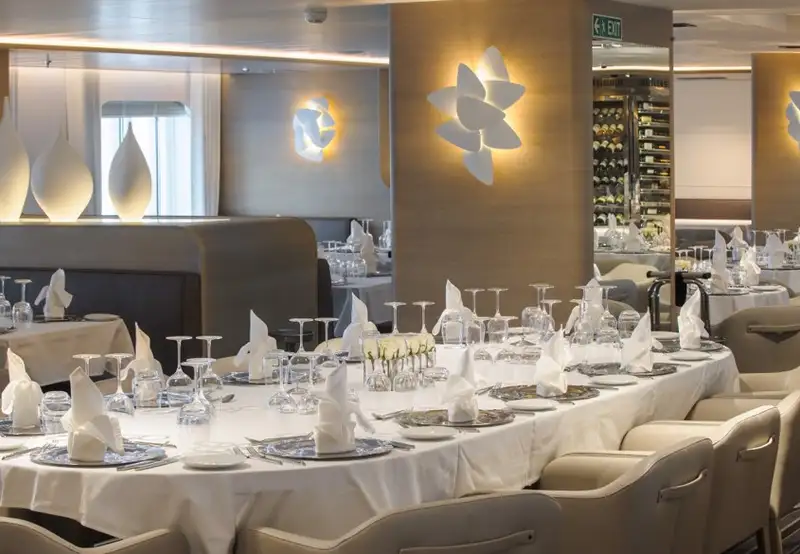
Breakfast, lunch, dinner and snacks from the buffet and main dining restaurants are all included. Meals from the specialty dining restaurants are additional.
Accommodation
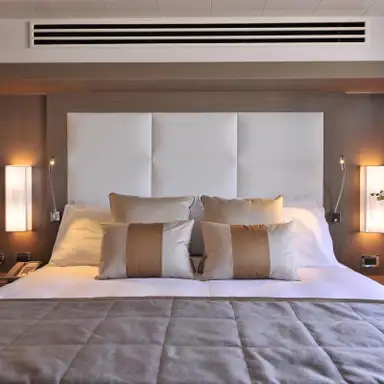
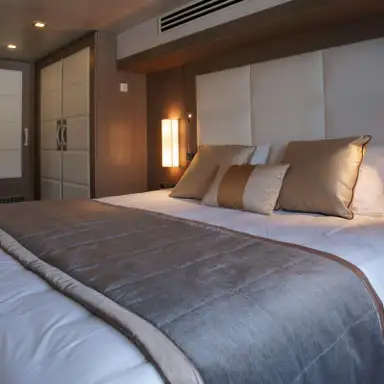
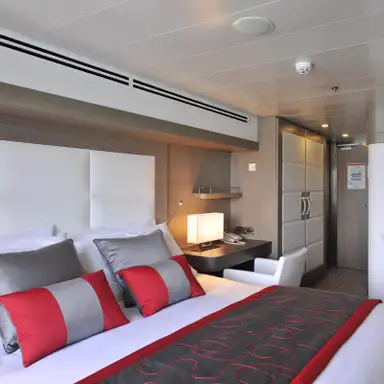
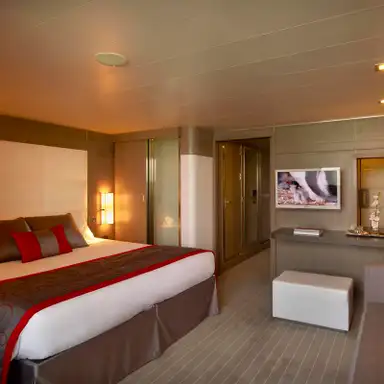
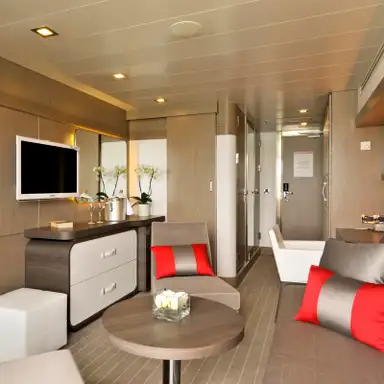
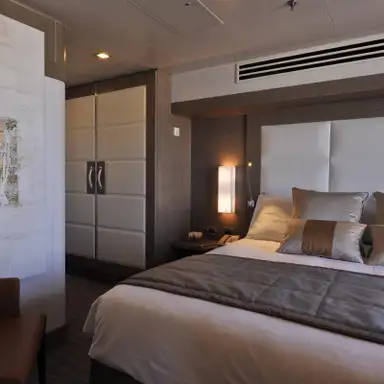
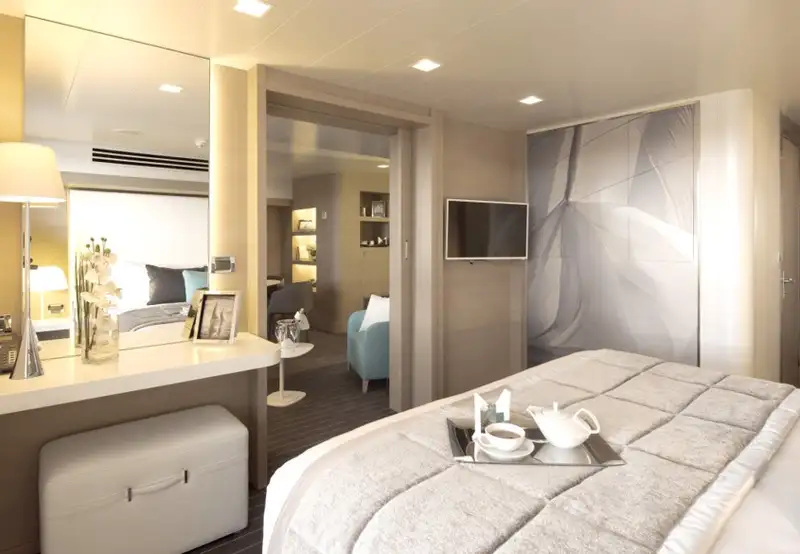
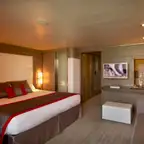
Your cabin is included in the price of the cruise.
Port Fees & Taxes
No surprises. All port fees and taxes are included in the price.
Extras
Speciality Dining
Specialty restaurants allow travellers to enhance their dining experience during the cruise. This is a great way to add variety to your holiday or celebrate a special occasion. You can pay for meals in the special dining restaurants onboard.
Parking
Car parking at the port or airport for the duration of your trip is not included within the price of the cruise. Port/airport parking can’t currently be booked with us online but please contact us after you have made the booking if you would like to add this to your package. An approximate cost for parking is between £12 - £20 per car per day. Alternatively we can arrange transfers from your home to the departure airport/port.
Insurance
Insurance is not included in your package. We've partnered with Holiday Extras. They have 40 years of experience and offer excellent insurance cover for your holiday. Their flexible policies offer cruise-specific cover, so you can rest assured that you are completely covered when you go away. Get a Holiday Extras insurance quote
Transfers (home to port)
Transfers from your home to the port or airport aren't included but we can help organise coach transfers, taxis etc to make your life easier. Please contact us after you have made the booking if you would like to add these to your package.
Visa
Visas are not provided by us or the cruise operator. Visas and other travel documents have to be obtained by the individual passengers prior to sailing.
We've partnered with The Travel Visa Company for all your visa needs. They will be able to provide tailored advice and for a fee, assist with arranging your documents.
Ship Facilities
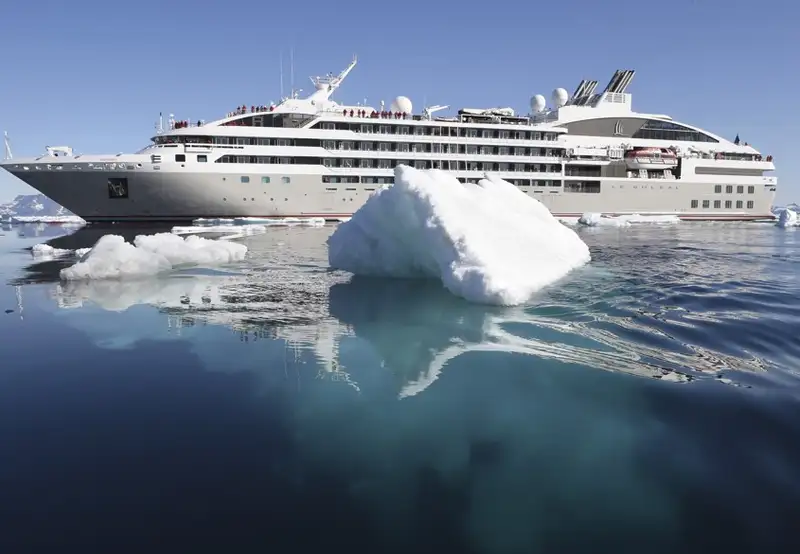
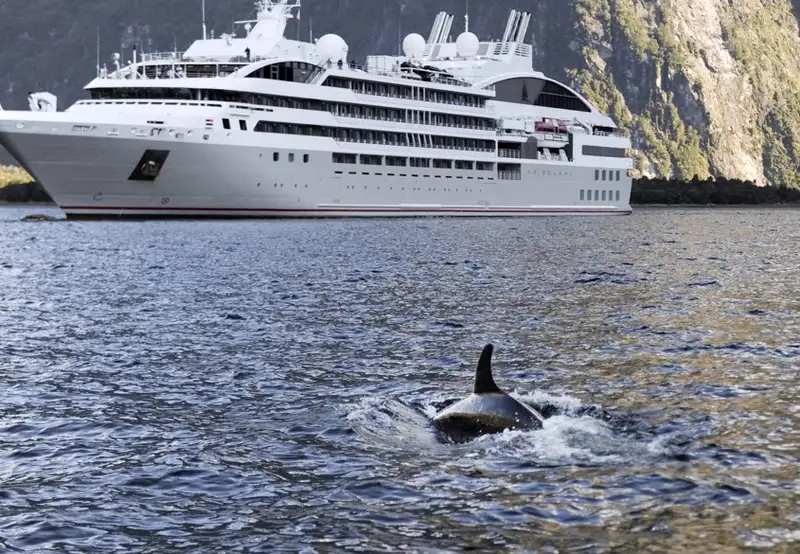
Le Soleal - By Ponant Cruises
Good for couplesOver 50sExplorationFormalLuxury ShipSmall ShipUltra LuxuryYacht style
Year: 2013
·
Refurbished: 2019
·
6 Decks
·
Max capacity: 264 people
All offers and prices are subject to change and availability at time of enquiry. Prices are based on two passengers sharing unless otherwise stated and are subject to the Tour Operator's terms and conditions. Cabin and Flight supplements may apply. Other supplements may apply in addition to the price shown above. Flight details, timings and routing may be subject to alteration. Other tour operator charges may also apply. Any Onboard Spending money or drinks package value shown will be per cabin, again based on two sharing.
Supplier Reference:
SO190526
Talk to a Cruise Expert
Our cruise experts will help you pick the perfect cruise line, ship and destination.
We can tailor any package to suit your holiday needs: Add or extend hotel stays, arrange flights and find the best cabin location for you.
If your party size isn’t listed, you can still call us: 0203 848 3639
2 Adultsfrom £10,190 pp
1 Adult
Enquire for price
2 Adults and 1 child
Enquire for price
2 Adults and 2 children
Enquire for price
Other party size
Enquire for price
For an accurate price please select 'Build Quote'
Back
Nagasaki
Hiroshima
Himeji
Osaka
Karatsu
Kagoshima
Miyazaki
Takachiho Gorge
Udo Jingu Shrine
Toba
Toba Castle Honmara Ruins
Yokoyama Observatory
Nagasaki Penguin Aquarium
Hiroshima Castle
Himeji Central Park
Osaka Aquarium
Yobuko
Karatsu Pottery
Sengan-en Gardens
Aoshima Island
Ise Shrine
Nagasaki Atomic Bomb Museum
Nagasaki Peace Park
Memorial Museum
Shukkeien Garden
Himeji Castle
Koko-en
Universal Studios
Osaka Castle
Karatsu Castle
Hiking Trails
Kagoshima City Aquarium
Hirakawa Zoo
Le Soleal
Le Soleal
Le Soleal
Le Soleal
Le Soleal
Le Soleal
Le Soleal
Le Soleal
Le Soleal
Le Soleal
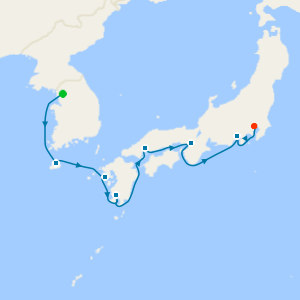
Busan
DAY 1
19 May 2026
Time at Port: from 6 AM to 7 PM
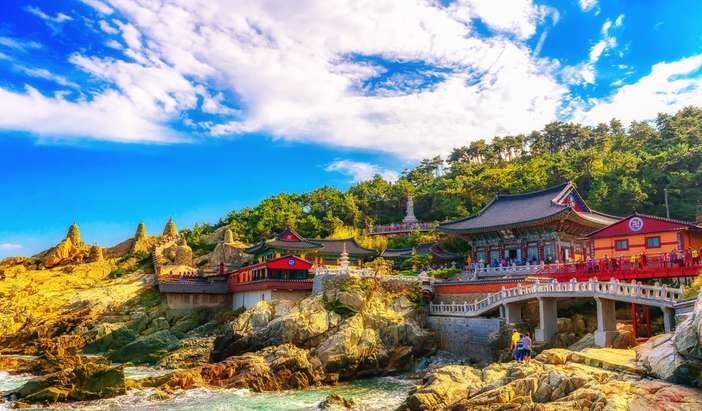
A large port city in South Korea, Busan is a bustling city with a mixture of modern and historic landmarks. Surrounded by mountains and beaches, whether you’re looking to relax and unwind with a tranquil walk, visit an aquarium or see the city from a new perspective by venturing to the top of one of the viewpoints, the choice is yours. Top highlights in the city include Haeundae Beach, the Haedong Yonggungsa Temple and the Diamond Tower.
Things to do in Busan:
Haeundae Beach
Take a relaxing stroll to Haeundae Beach and enjoy wonderful views of the city. A popular attraction that’s open year round, it’s host to a variety of festivals throughout the year, as well as esports events.
Haedong Yonggungsa
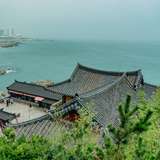
A prominent Buddhist temple in Busan, it was originally constructed in 1376. However, the original temple was destroyed in the Japanese invasions, leading to it having to be rebuilt in 1930. A unique temple that’s popular due to its picturesque setting, it’s a peaceful area to visit whilst in Busan.
Diamond Tower
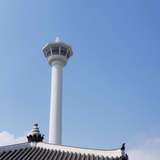
Built in 1973, the Diamond Tower stands at an impressive 120 metres tall and offers breathtaking views out over the city. With a panoramic viewpoint and a café at the top, alongside shops and galleries at its base, it’s often described as the top sight to see in Busan.
Karatsu
DAY 2
20 May 2026
Time at Port: from 8 AM to 7 PM
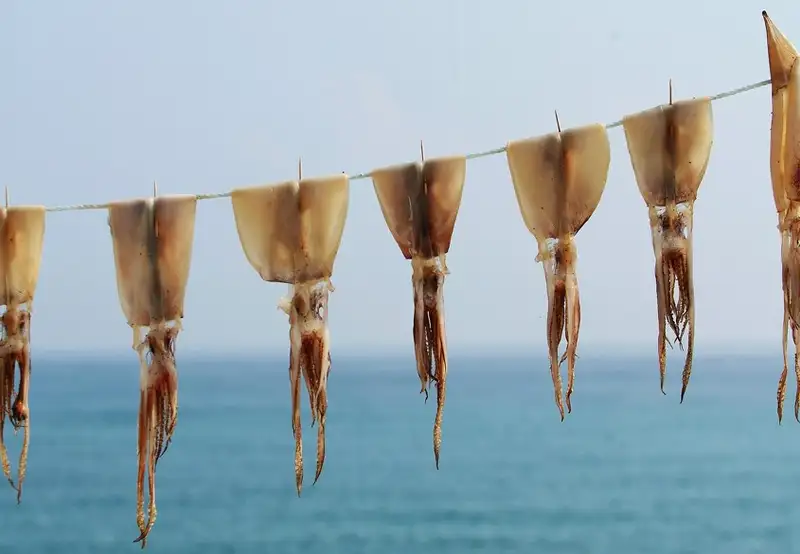
Karatsu is a welcoming, laid-back coastal town in Saga Prefecture, Japan, famed for its rich history, beautiful beaches, and renowned Karatsu-yaki ceramics. Located approximately an hour from Fukuoka, it offers a blend of feudal-era history, famed fresh seafood, notably in the Yobuko district, which is known for translucent, fresh squid dishes, and a quiet, serene, and inviting atmosphere, making it a popular visit.
Things to do in Karatsu:
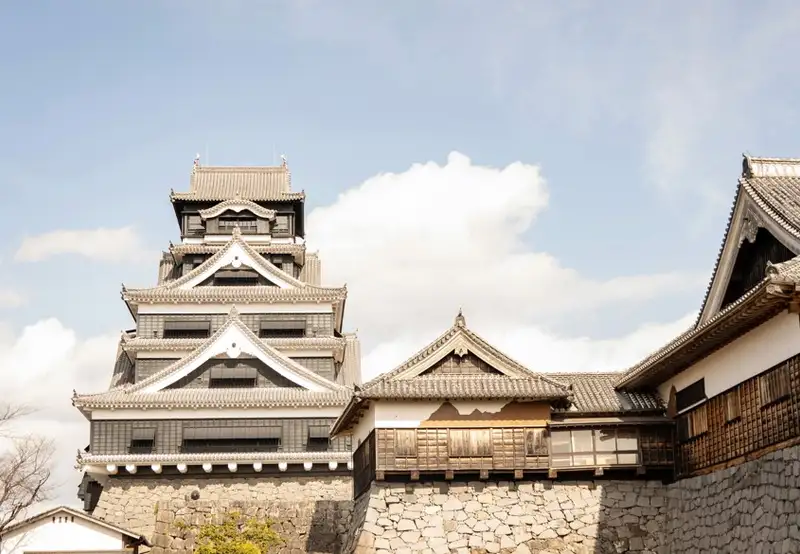
Karatsu Castle
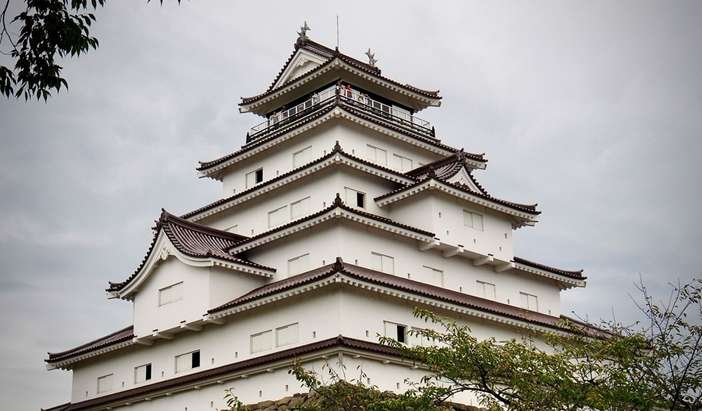
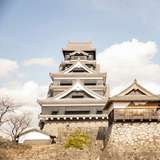
Karatsu Castle is a scenic "seaside castle" (built 1608, renovated 1966) in Saga Prefecture, sometimes nicknamed as the "Dancing Crane" due to its design. The top-floor observatory is well-known for its panoramic views of Karatsu Bay, the surrounding sakura and a 100-year-old wisteria tree, and its breathtaking location right next to the water. The five-story restored keep serves as a museum, displaying samurai armour, swords, and local Karatsu ceramics. The castle is reached via a steep hike or a short stairway, but a lift (funicular) is also accessible for ease of access.
Hiking Trails
Mount Kagamiyama is a 5.1 km fairly challenging walking route (or a shorter 2.1 km circular loop) that leads to a lovely park at the summit with views over the city, coastline, and over 360-year-old pine trees. Niji-no-Matsubara, commonly known as Rainbow Pine Grove, is a national scenic site. This famous coastal pine forest features long, scenic walkways that connect the sea with the pine trees.
Yobuko
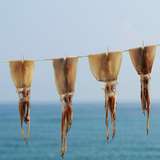
The Yobuko morning market (7:30 AM - 12:00 PM) is well-known for its live squid and is crowded with fresh, local seafood and lively traders. The area's speciality is clear, fresh sashimi-style squid, which is frequently served in restaurants located near the harbour. It's an essential visit for seafood enthusiasts.
Karatsu Pottery
Exploring Karatsu's 400-year-old pottery culture provides a rustic, immersive experience focused on yo-no-bi (functional beauty). Karatsu pottery is noted for its simplistic, understated, and earthy tones, which are generally described as having a warm, tactile feel and intended for daily use rather than show. The city core is littered with modest, intimate pottery businesses, and you may even see Karatsu ceramics employed in modern, unexpected settings, such as door knobs at Karatsu Station.
Nagasaki
DAY 3
21 May 2026
Time at Port: from 7 AM to 6:30 PM
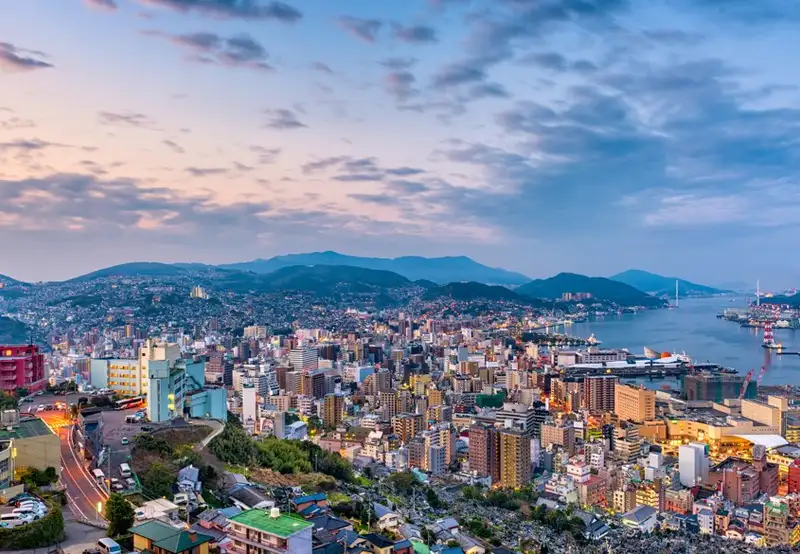
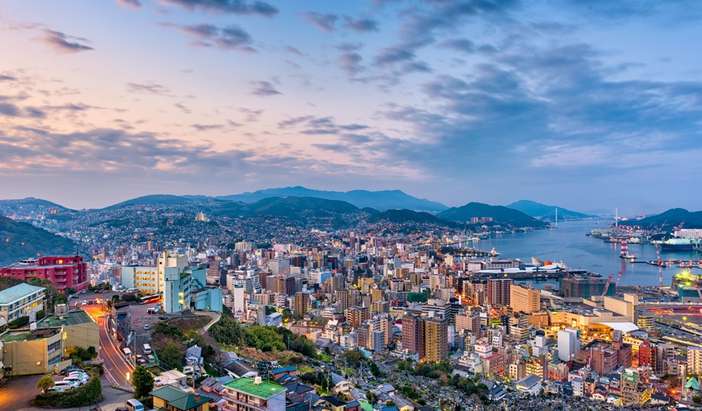
Located on the island of Kyushu, Nagasaki has grown to become one of Japan's most attractive cities in spite of the nuclear attack in 1945 it is unfortunately famous for. Without a doubt, this tragedy in the city's history still bares its mark, with the Atomic Bomb Museum and Peace Park being must-see cultural stops during your visit. Nowadays though Nagasaki looks to the future, with charming streets just waiting to be explored.
Things to do in Nagasaki:
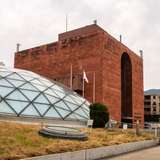
Nagasaki Atomic Bomb Museum
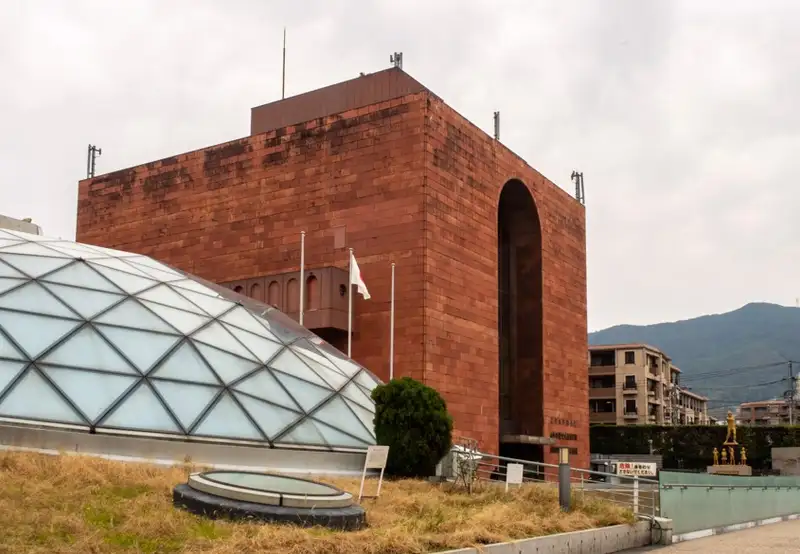
Nagasaki Atomic Bomb Museum is one of Japan's major tourist sites and is essential to comprehending Nagasaki's post-war life as well as the impact of atomic weapons. It provides a vivid look at the impact of the "Fat Man" atomic bomb that fell on Nagasaki 9th August 1945.
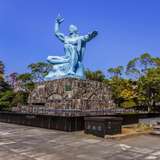
Nagasaki Peace Park
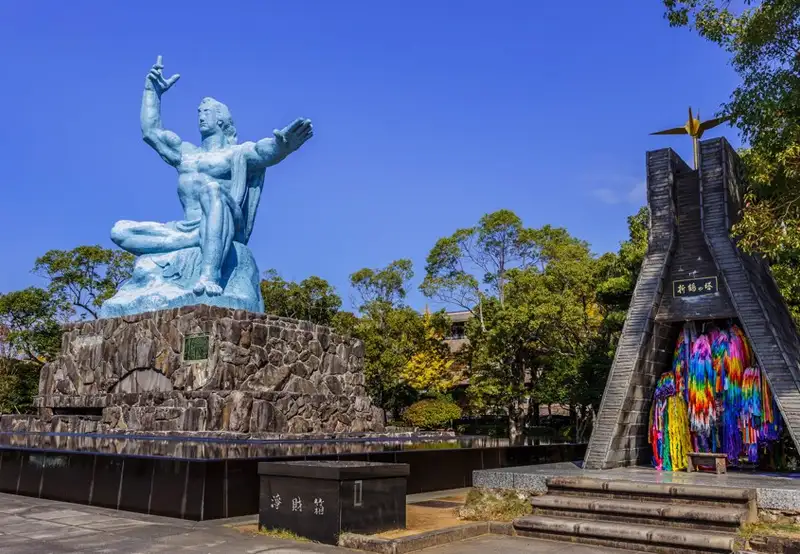
Nagasaki Peace Park, which was built to commemorate the atomic bombing of Nagasaki City in 1945, is a powerful reminder of the consequences of atomic weapons and stands as a icon for the longing of peace. The complex includes two parks and a museum dedicated to the souls lost in the blast.
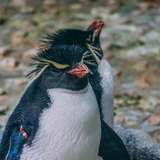
Nagasaki Penguin Aquarium
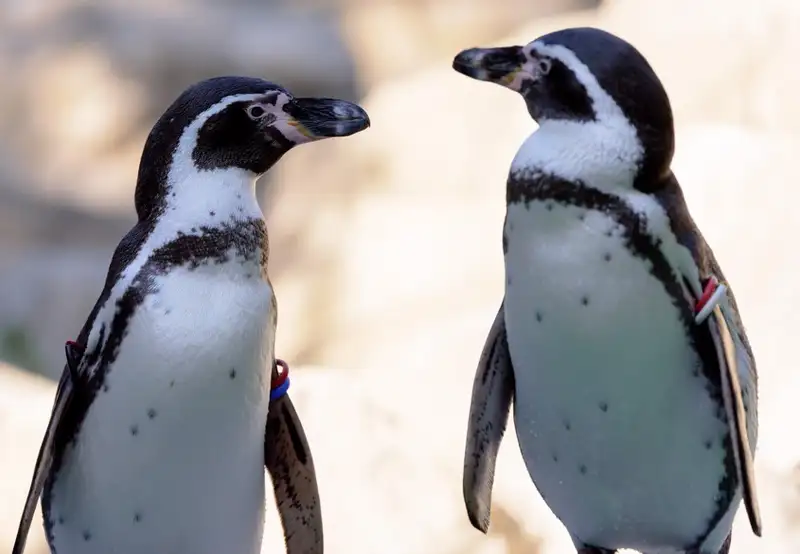
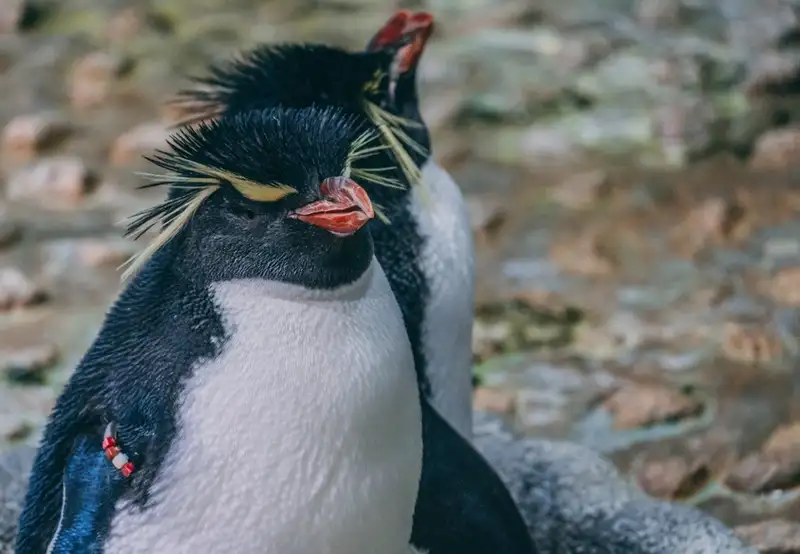
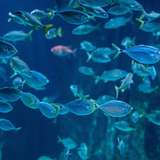
180 penguins from nine distinct species call the Nagasaki Penguin Aquarium home. Here you'll be able to partake in the "Feed the Penguins" event and visit the Petting Zoo to meet them. Additionally, the "Experience Nature Zone" within the facility allows visitors to get up close and personal with some of the aquatic critters that reside in the area.
Kagoshima
DAY 4
22 May 2026
Time at Port: from 8:45 AM to 8 PM
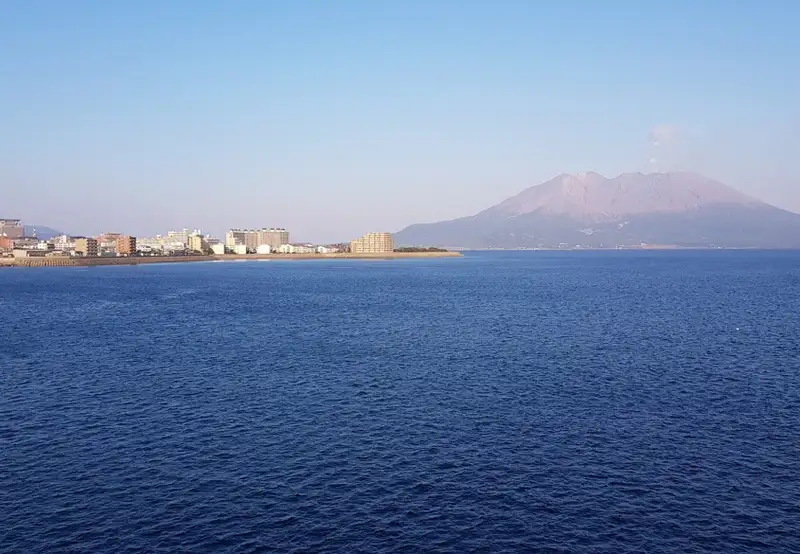
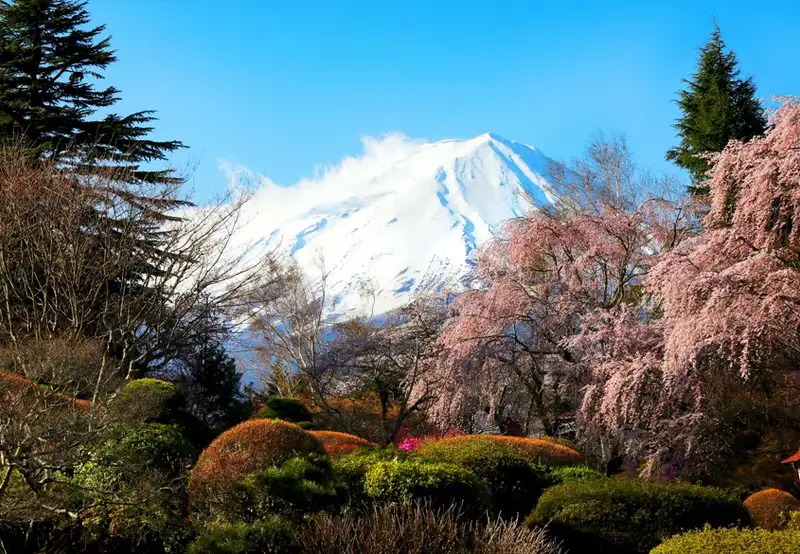
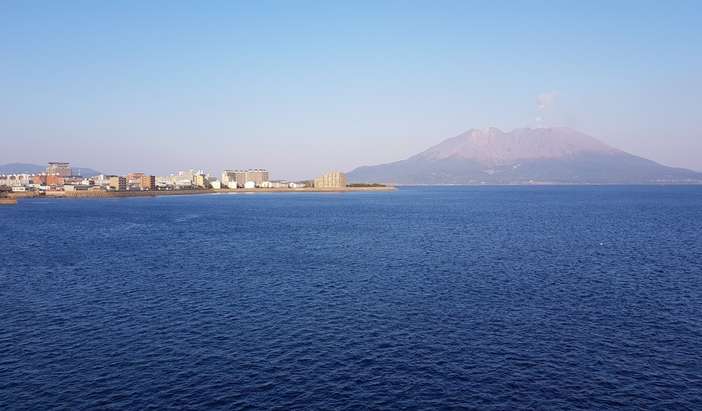
A beautiful seaside city, Kagoshima boasts an active volcano that overlooks Kinko Bay. Due to its warm temperature, palm tree-lined streets and the volcano, the city has been compared with Naples in Italy. In Kagoshima there are an array of landmarks and attractions, including the Kagoshima City Aquarium, Hirakawa Zoo and beautiful Sengan-en Gardens.
Things to do in Kagoshima:
Kagoshima City Aquarium
Situated next to the Sakurajima ferry terminal, the aquarium opened in 1997. Spanning 7 floors, the aquarium is home to an array of marine life (including rays, giant whale sharks and tropical fish) and the impressive Kuroshio fish tank.
Hirakawa Zoo
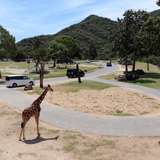
This huge zoo is full of an array of animals, from giraffes and koalas to elephants, alongside amusement rides, a children’s playground and a gift shop. A popular attraction with locals and tourists, it’s a vibrant place to visit whilst in Kagoshima.
Sengan-en Gardens
A traditional garden that’s on the northern coast, it’s full of streams, shrines, bamboo groves and ponds. Constructed in 1658, the Sengan-en Gardens is a tranquil and historic attraction in the city.
Miyazaki
DAY 5
23 May 2026
Time at Port: from 7 AM to 7:30 PM
Miyazaki, located on Kyushu island, is a laid-back, subtropical paradise regarded as a top domestic resort destination and the "birthplace of Japan" according to local legends. It is often described as having a nostalgic beach vibe, and it is quieter and more easygoing than Japan's big cities. It has mild weather, scenic coasts, popular surfing, spectacular ancient shrines, and popular dishes like Miyazaki beef, chicken nanban, and is famous for high-end, delicious mangoes. Pacific currents keep it temperate, with minimal snow on the coast and plenty of sunshine, making it a year-round resort.
Things to do in Miyazaki:
Takachiho Gorge
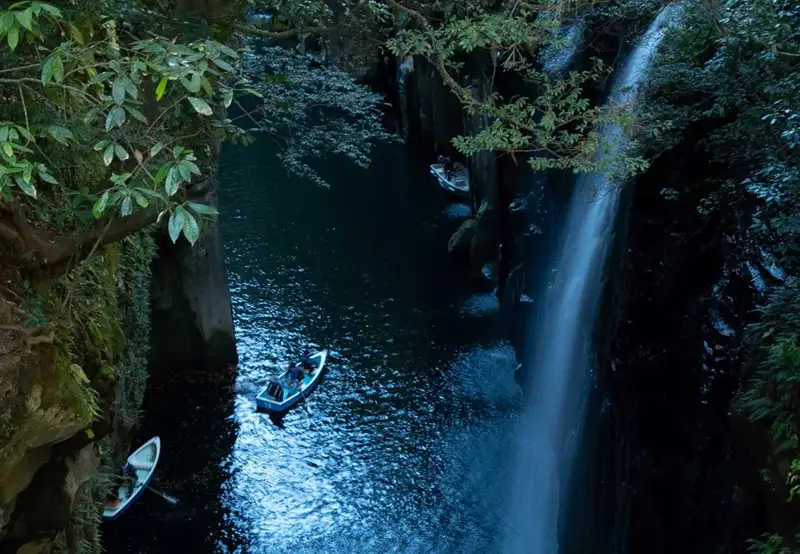
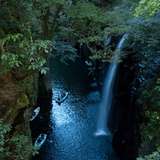
Takachiho Gorge is a breathtaking, narrow ravine characterised by sheer, columnar basalt walls and the emerald-green Gokase River. It is notable for the 17m-high Manai Falls, which cascade into the river, creating a magical, serene atmosphere, and are sometimes referred to as Japan's top natural marvel. The most popular activity is rowing down the river immediately underneath the waterfalls. It is recommended to book in advance. If you are unable to rent a boat, there is a paved 1km trail that passes along the top of the gorge, providing magnificent views from three separate bridges. The region is peaceful and is frequently regarded as spiritually significant, especially when combined with a visit to the nearby Takachiho Shrine.
Udo Jingu Shrine
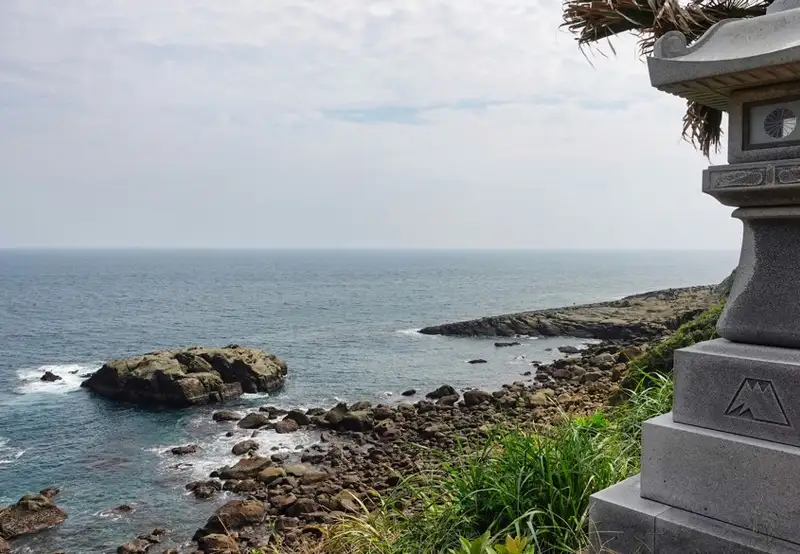
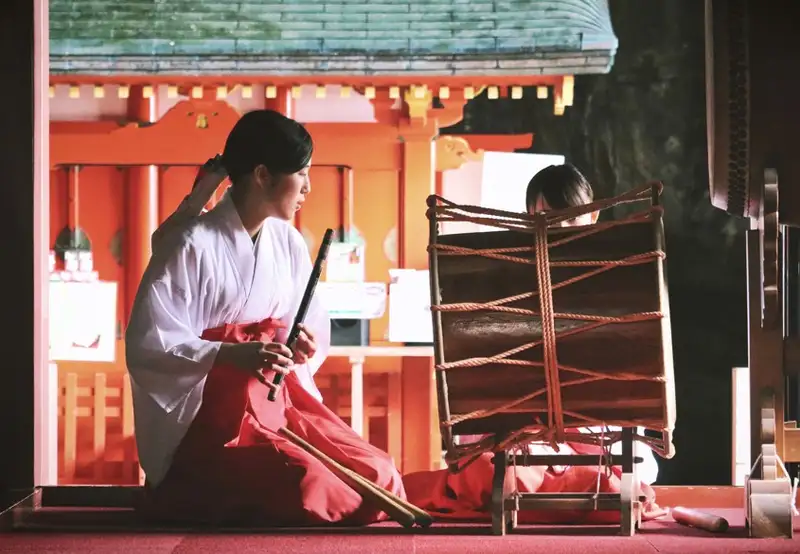
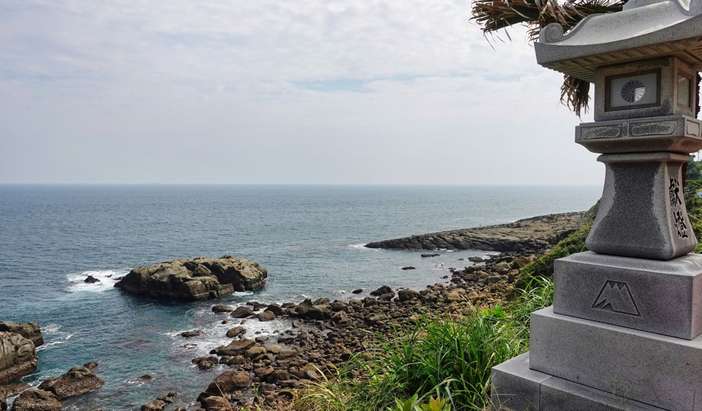
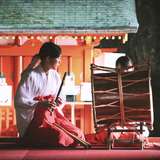
Udo Jingu temple is a gorgeous, mystical Shinto temple located on the Nichinan Coast in Miyazaki Prefecture. It has a vivid vermilion main hall built inside a cave covered with stalactites, providing a dramatic, spiritual atmosphere. Unlike most shrines, you must go down steps to reach it, as it is located on a cliff edge overlooking the Hyuga Sea. It is well-known for its breathtaking coastal vistas, the distinctive "undama" pebble-throwing game, and the traditions surrounding the birth of Japan's first emperor.
Aoshima Island
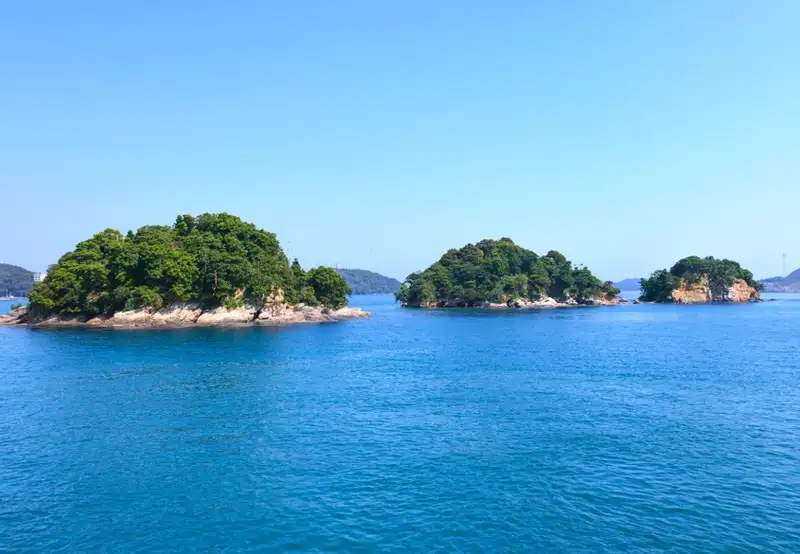
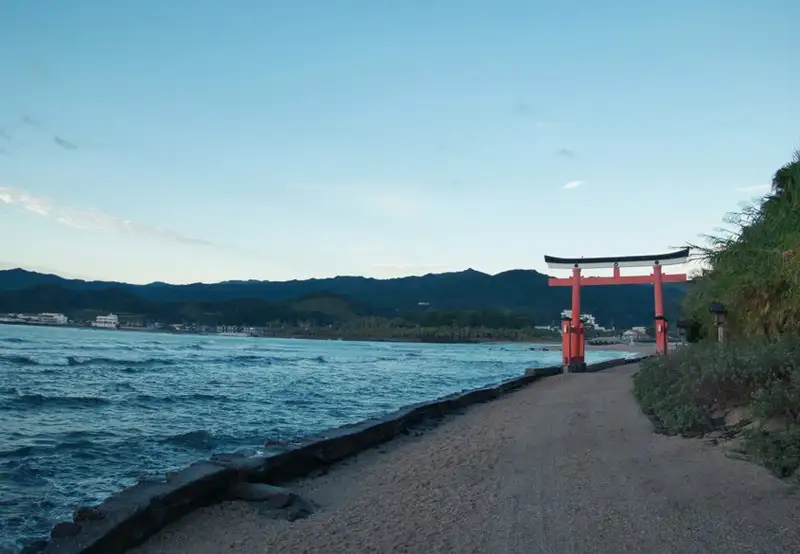
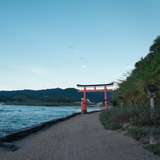
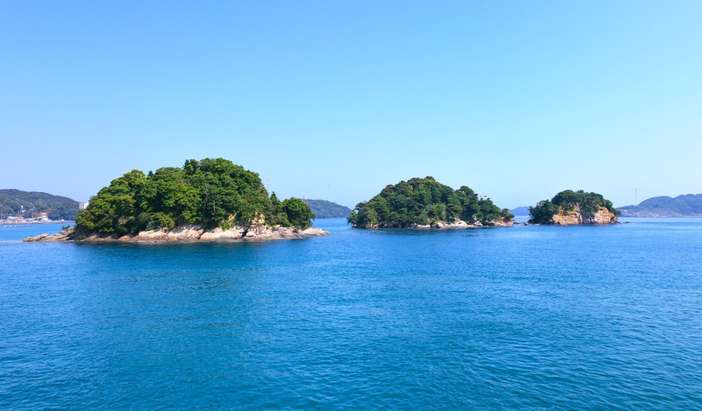
Aoshima Island is a small, tropical, and highly attractive island located around 20 minutes from Miyazaki. It is connected to the mainland by a bridge and is bordered by the "Devil's Washboard," a distinctive natural, linear rock pattern. It combines strange geology, palm-lined beaches, and a colourful, pleasant atmosphere that is ideal for surfing and photography. Aoshima Shrine is located in the centre of the jungle-covered island and is famed for its gorgeous red torii gate that can be seen from the beach. It is also associated with matchmaking benefits.
Uwajima
DAY 6
24 May 2026
Time at Port: from 7 AM to 4 PM
Our experts are preparing detailed information about this location. Please check back shortly to discover more.
Tamano
DAY 7
25 May 2026
Time at Port: from 6 AM to 10 PM
Our experts are preparing detailed information about this location. Please check back shortly to discover more.
Itozaki
DAY 8
26 May 2026
Time at Port: from 6:30 AM to 8 PM
Our experts are preparing detailed information about this location. Please check back shortly to discover more.
Miyajima
DAY 9
27 May 2026
Time at Port: from 6 AM to 12 PM
Our experts are preparing detailed information about this location. Please check back shortly to discover more.
Hiroshima
DAY 9
27 May 2026
Time at Port: from 1:45 PM to 8 PM
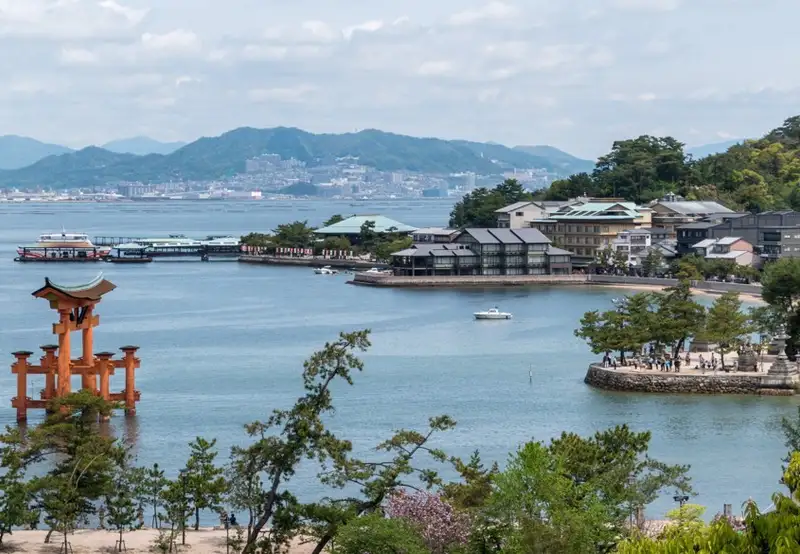
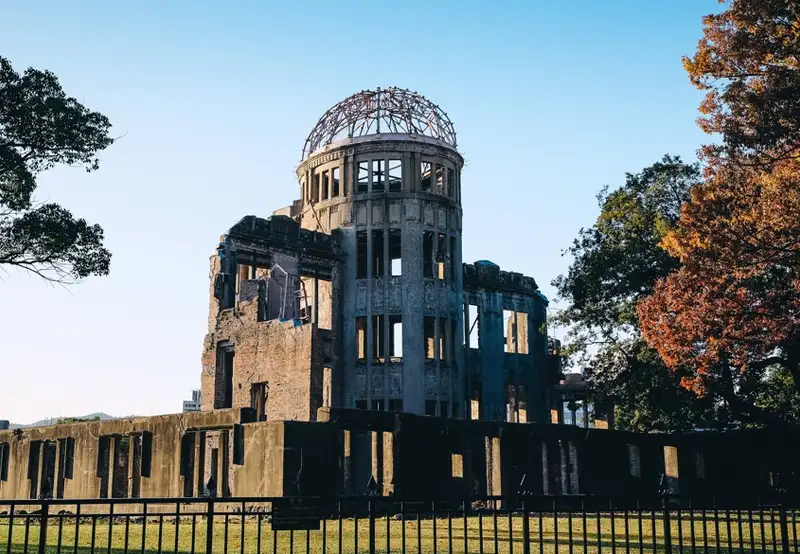
A mixture of historic landmarks and modern skyscrapers, Hiroshima is a world-famous city that’s situated on Japan’s Honshu Island. When visiting the city, you will see ruins of buildings that were destroyed by the atomic bomb in the Second World War, alongside memorials that commemorate the event. Top sights to see when in Hiroshima include the Hiroshima Peace Memorial Museum, Shukkeien Garden and the Hiroshima Garden.
Things to do in Hiroshima:
Memorial Museum
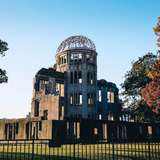
Situated in the heart of the city, the Hiroshima Peace Memorial Museum was created in 1955 to showcase the events of World War II. Featuring an array of exhibits, including belongings that were left by the victims of the bombing, its aim is to acknowledge the realisation of ‘permanent world peace’.
Shukkeien Garden
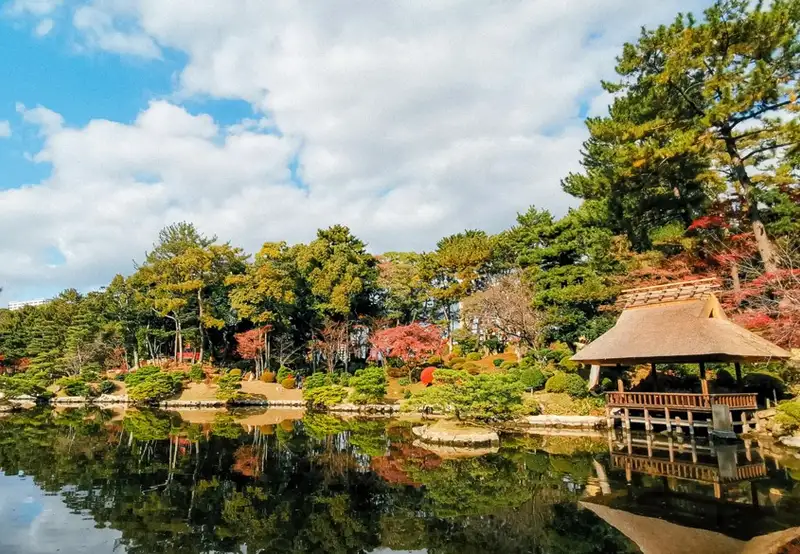
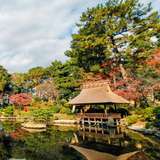
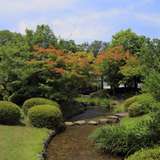
Tranquil and picturesque, the Shukkeien Garden dates back to the early 17th century. As you follow the path through the garden, you’ll see a variety of miniaturised sceneries, tea houses and a selection of local plant life.
Hiroshima Castle
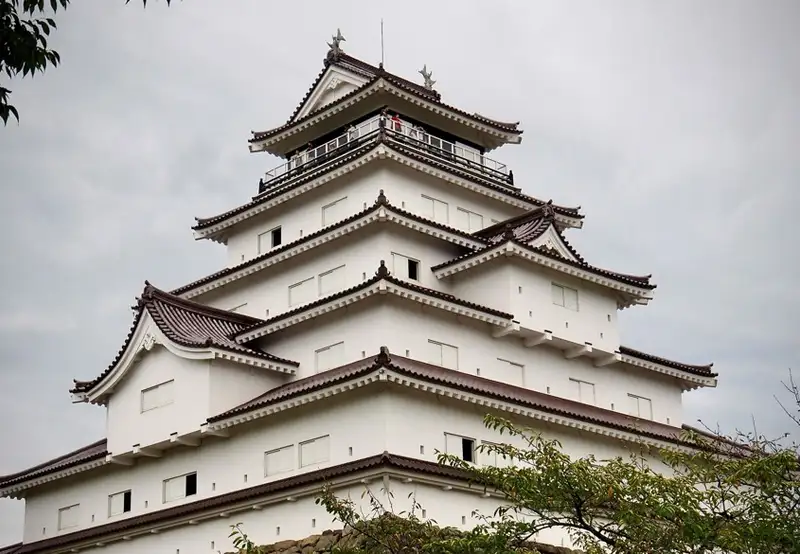
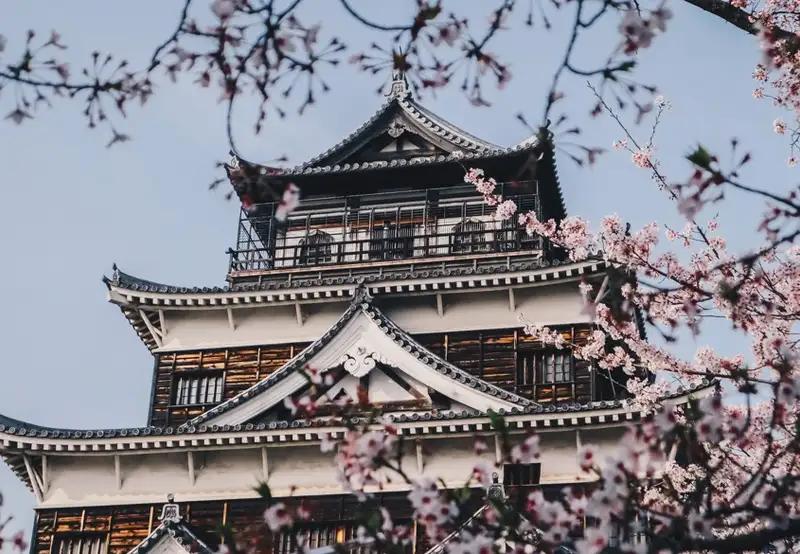
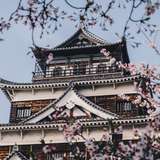
Also known as Carp Castle, Hiroshima Castle was built in the late 16th century and was one of the largest castles in the country. However, it was destroyed by the atomic bomb, leading to it having to be rebuilt. An iconic landmark in the city, it’s surrounded by beautiful scenery and has a vast collection of historical exhibits.
Himeji
DAY 10
28 May 2026
Time at Port: from 11 AM to 6:30 PM
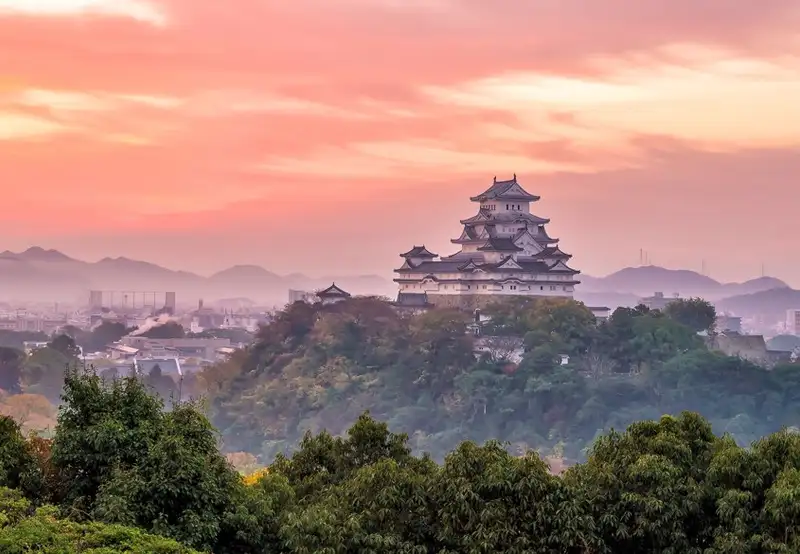
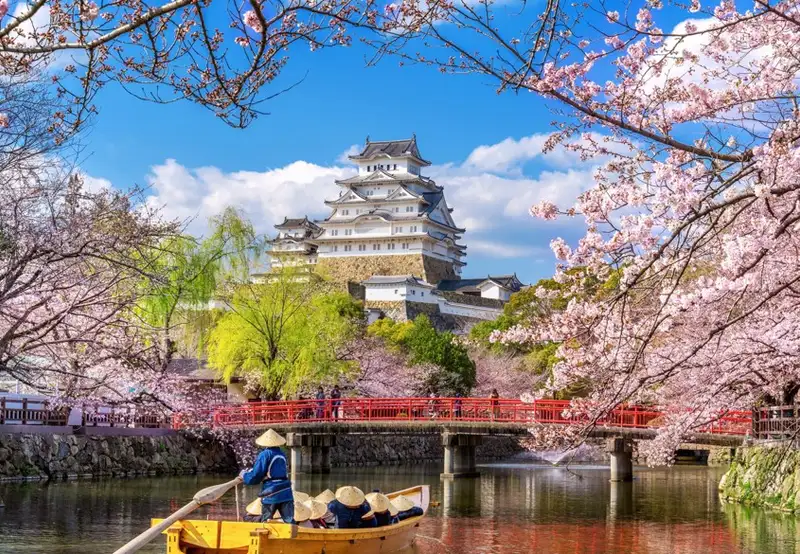
A picturesque destination that's beloved for its cherry blossoms and historic architecture, including a 17th century castle, there's so many attractions to visit and activities to enjoy here. Alongside the castle, top attractions include the Koko-en garden and Himeji Central Park theme park.
Things to do in Himeji:
Himeji Castle
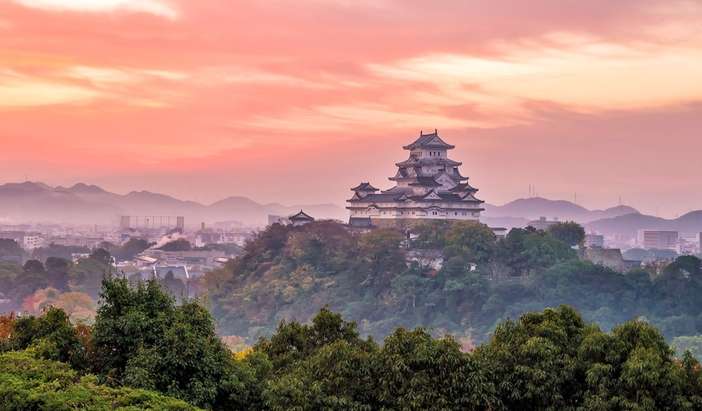
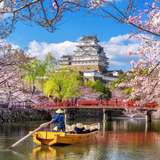
Dating to the early 17th century, Himeji Castle is an iconic castle beloved for its picturesque moat, cherry trees and traditional architecture. A UNESCO World Heritage site, it's not only the largest castle in Japan, but it's the most visited.
Koko-en
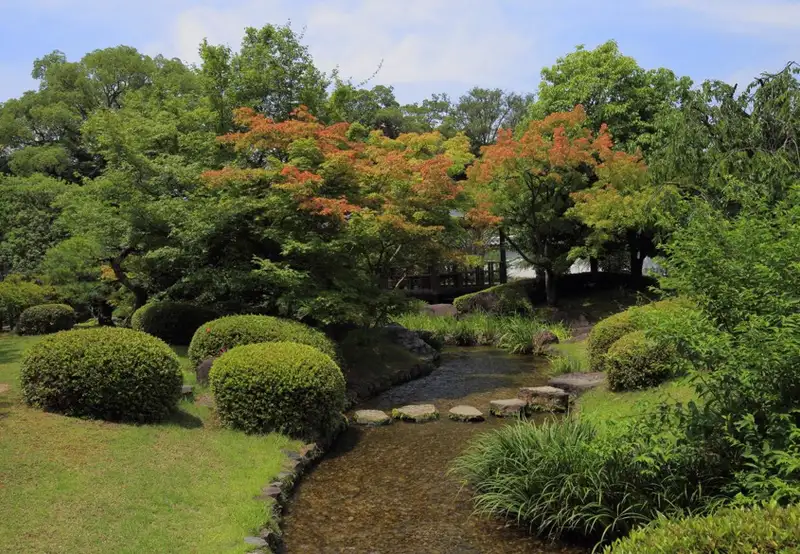
A traditional Japanese garden, here you'll find a beautiful array of flowers, trees and water features.
Himeji Central Park
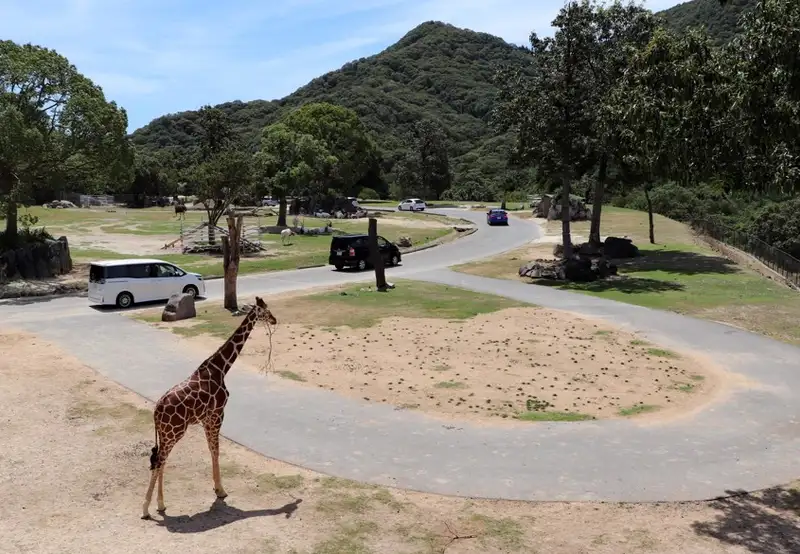
Not only does Himeji Central Park boast a safari park, but an aerial lift, a ferris wheel and other fun rides to take advantage of throughout the day!
Shingu
DAY 11
29 May 2026
Time at Port: from 7:30 AM to 6 PM
Our experts are preparing detailed information about this location. Please check back shortly to discover more.
Toba
DAY 12
30 May 2026
Time at Port: from 7 AM to 2 PM
A historic port city in central Japan, Toba is an interesting cruise destination in Mie Prefecture within the Ise-Shima National Park – meaning incredible landscapes are everywhere you look. Once the castle town of the region’s rulers under the Tokugawa shogunate, the Kuki family, and an area of Japan that has been continually inhabited since before the Jomon Period began (14,000 BC to 300 BC), this city is history-rich and a fantastic port of call on any Japan-bound adventure. While here, you’ll have the chance to explore the Mikimoto Pearl Island, regarded as the birthplace of the cultured pearl aquaculture, museums exploring the maritime history of the region, and impressive shrines – all while enjoying authentic Japanese culture and cuisine.
Things to do in Toba:
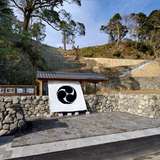
Toba Castle Honmara Ruins
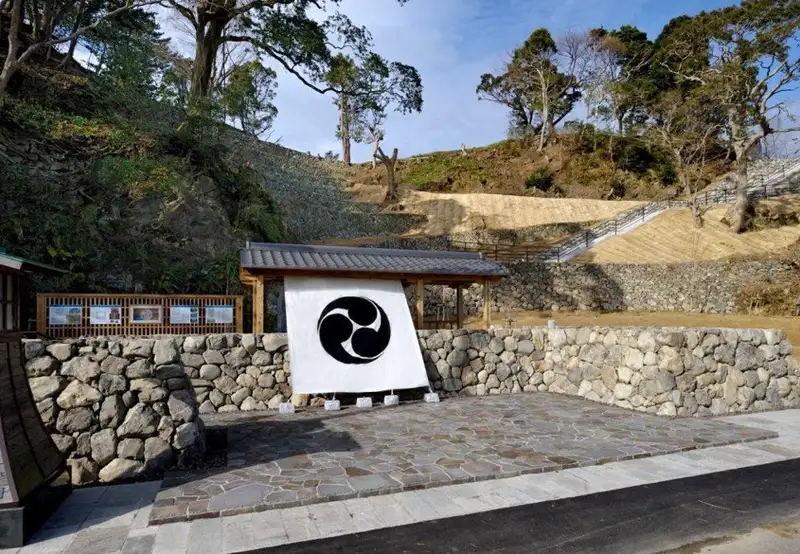
Known as the Floating Castle of Toba and the Two-color Castle during the Tokugawa shogunate, Toba Castle (which is now in ruins) sits in central Toba with its entrance facing the sea. Built in 1594 by Kuki Yoshitaka and used throughout the Edo period, the castle was significantly damaged during one of the Ansei great earthquakes in 1854 and ordered demolished by the Meiji government in 1871.
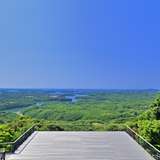
Yokoyama Observatory
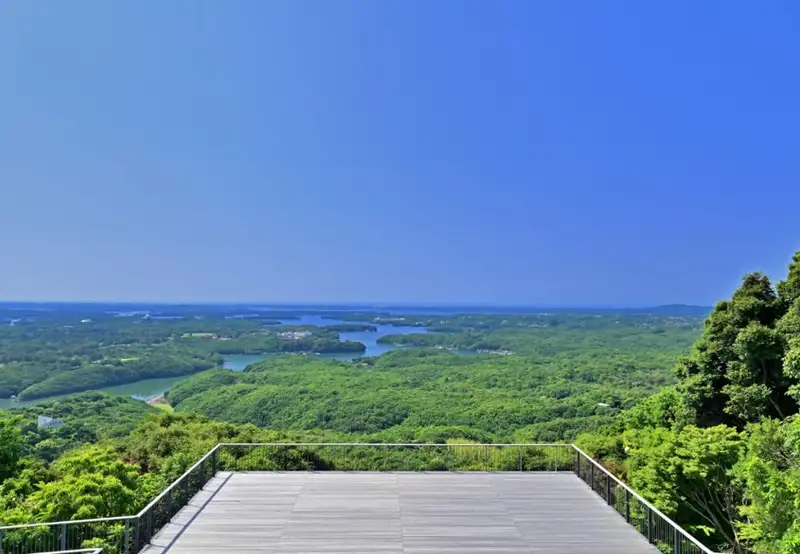
Just a short drive from Toba city centre, Yokoyama Observatory sits atop Mount Yokoyama in Shima and boasts some of the best views of Ago Bay and the entire Ise-Shima National Park available. With three refurbished viewing platforms and café facilities, you’re not going to forget the stunning panoramic views of this vibrant region.
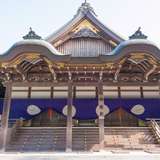
Ise Shrine
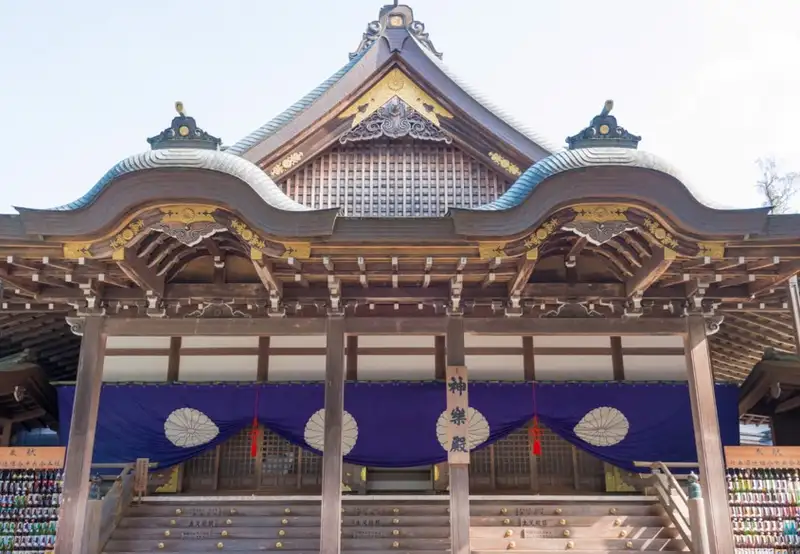
Inland from Toba, the Ise Shrine is one of the most important Shinto sites in Japan, with the complex focused around the Naiku (dedicated to Amaterasu) and Geku (dedicated to Toyouke-Omikami) shrines. Established in 4 BC, according to legend, tourists are only actually allowed to visit the ornamental walkways in the woodlands surrounding the Ise Shrine – it’s that holy – and it marks the end of a pilgrimage known as Sangu. Within the Ise Shrine complex, there are 125 shrines.
Osaka
DAY 13
31 May 2026
Time at Port: from 7 AM to 6 PM
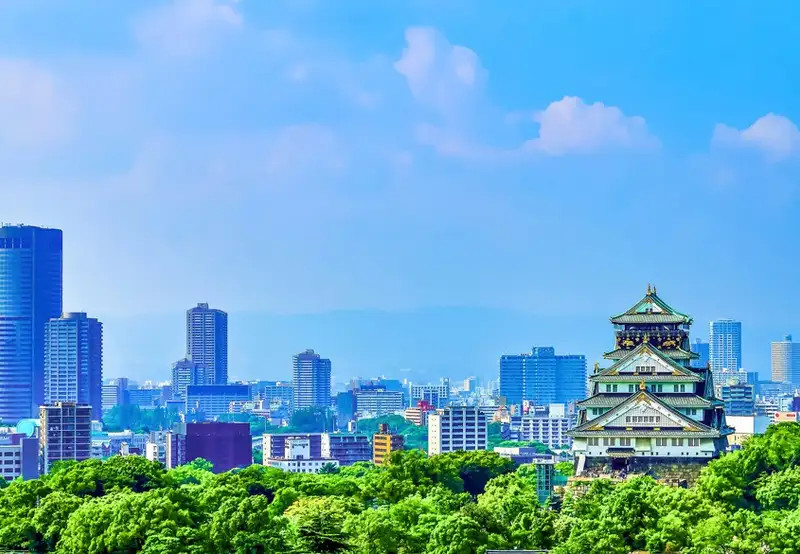
One of the most popular cities to visit in Japan, Osaka (formerly known as Naniwa) is a historic city that’s home to a wide selection of attractions, bustling restaurants, skyscrapers and night markets. Top attractions in this historic city include the Universal Studios Japan, Osaka Castle and the Osaka Aquarium.
Things to do in Osaka:
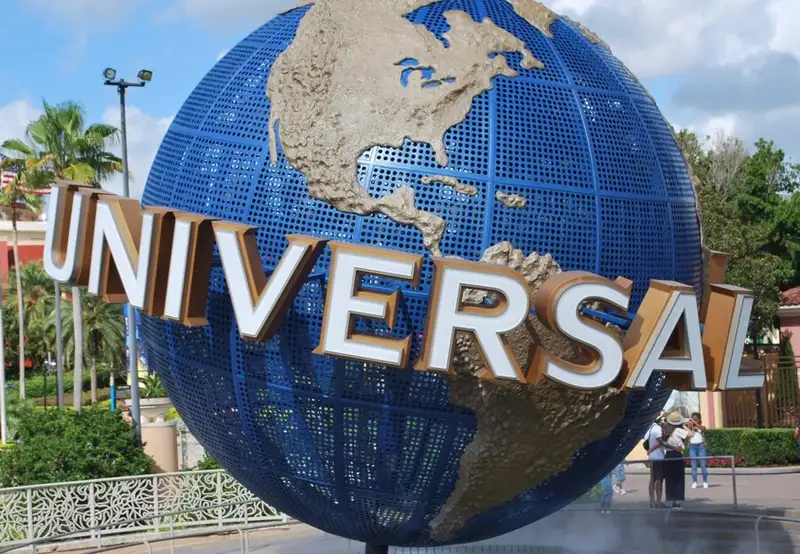
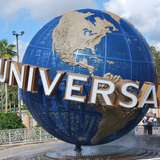
Universal Studios
If you’re looking for a break from the hustle and bustle of the city and want a day at a thrilling theme park, look no further than Universal Studios Japan. Within easy reach of the city centre, this popular theme park has a wide selection of rides, from exhilarating roller coasters to family-friendly rides. There is also a wide selection of restaurants available on site.
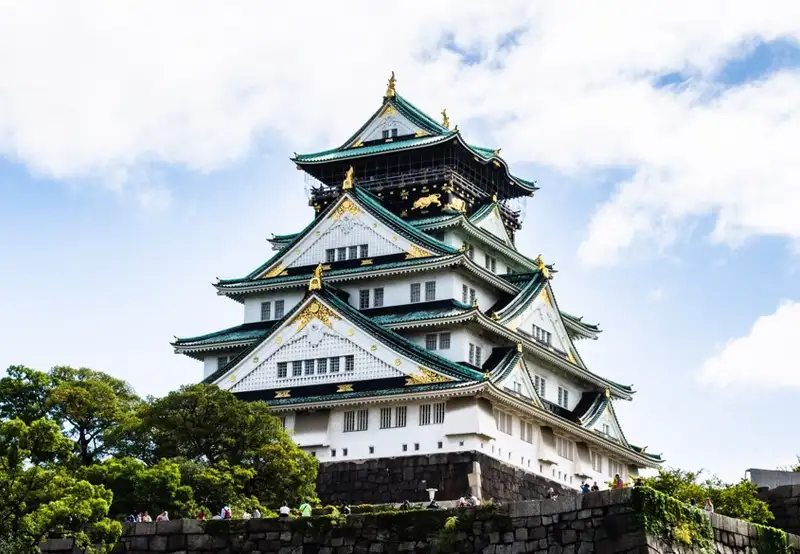
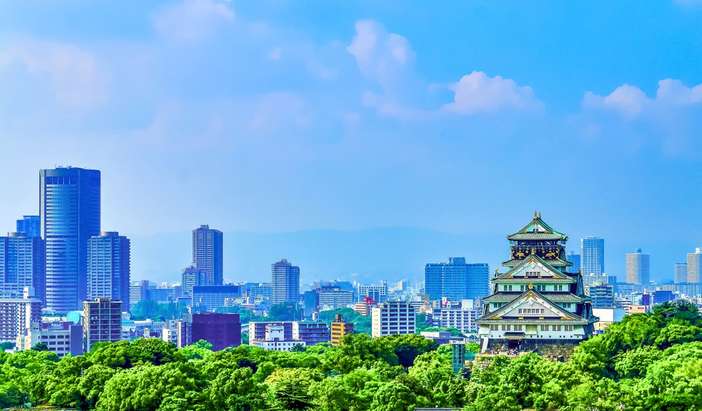
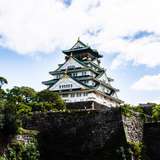
Osaka Castle
Alternatively, you can head to the popular Osaka Castle. One of the most prominent landmarks in Japan, it’s a significant attraction due to the part it played in the unification of Japan throughout the sixteenth century. A beautiful castle surrounded by lush trees, you’ll learn all about the history, and get to walk around the various gardens and temples.
Osaka Aquarium
Another great attraction in the city is the Osaka Aquarium. Located in Minato in Osaka, it’s one of the largest of its kind in the world and is home to thousands of different species of marine life, alongside penguins.


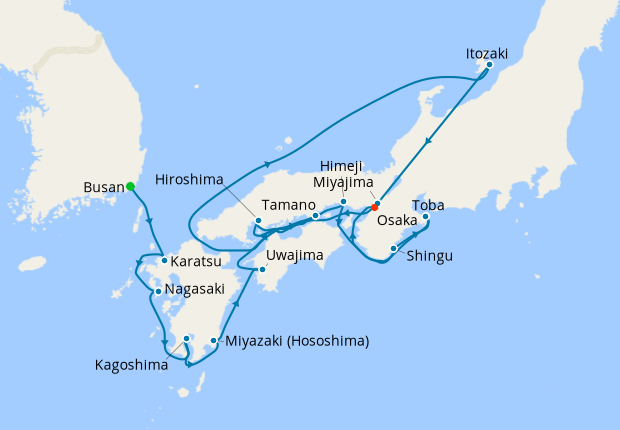


 19 May 2026 · 12 nights





 Wi-Fi
Wi-Fi
 Drinks
 Excursions
 Entertainment
 Meals
Meals
 Accommodation
 Port Fees & Taxes