Complimentary Wi-Fi is available throughout the ship, allowing you to stay connected during your voyage.
Drinks
The Open Bar offers a selection of drinks, including mineral water, soft drinks, wine, beer, Henri Abelé Brut Champagne, spirits, coffee, and tea. Certain premium alcoholic beverages on the menu are not included in the Open Bar.
Excursions
Beginning this 2024/2025 winter season, one excursion per person, per port of call will be included in the price of your cruise(excluding any on board Le Paul Gauguin). You will be able to select the excursion of your choice, based on proposed programs by our destination experts.
There will also be paid excursions available, enabling you to explore the region in even more depth.
Entertainment
Choose from a variety of things to entertain yourself including restaurants, bars, theatre, pools and much more.
Breakfast, lunch, dinner and snacks from the buffet and main dining restaurants are all included. Meals from the specialty dining restaurants are additional.
Accommodation
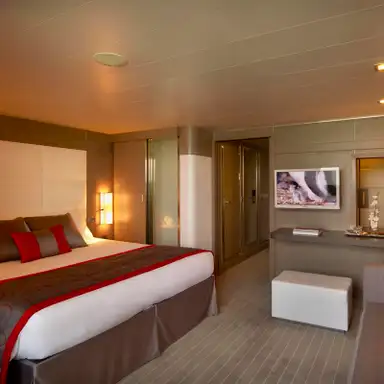
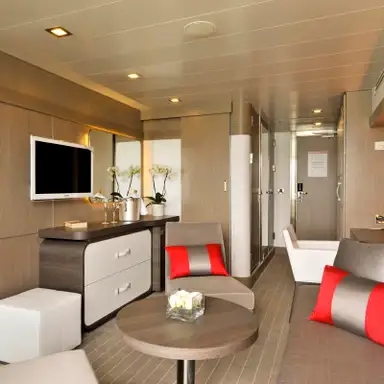
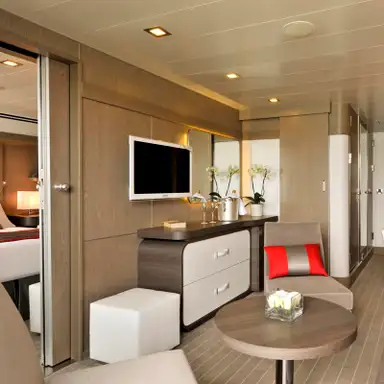
Your cabin is included in the price of the cruise.
Port Fees & Taxes
No surprises. All port fees and taxes are included in the price.
Extras
Speciality Dining
Specialty restaurants allow travellers to enhance their dining experience during the cruise. This is a great way to add variety to your holiday or celebrate a special occasion. You can pay for meals in the special dining restaurants onboard.
Parking
Car parking at the port or airport for the duration of your trip is not included within the price of the cruise. Port/airport parking can’t currently be booked with us online but please contact us after you have made the booking if you would like to add this to your package. An approximate cost for parking is between £12 - £20 per car per day. Alternatively we can arrange transfers from your home to the departure airport/port.
Insurance
Insurance is not included in your package. We've partnered with Holiday Extras. They have 40 years of experience and offer excellent insurance cover for your holiday. Their flexible policies offer cruise-specific cover, so you can rest assured that you are completely covered when you go away. Get a Holiday Extras insurance quote
Transfers (home to port)
Transfers from your home to the port or airport aren't included but we can help organise coach transfers, taxis etc to make your life easier. Please contact us after you have made the booking if you would like to add these to your package.
Visa
Visas are not provided by us or the cruise operator. Visas and other travel documents have to be obtained by the individual passengers prior to sailing.
We've partnered with The Travel Visa Company for all your visa needs. They will be able to provide tailored advice and for a fee, assist with arranging your documents.
Ship Facilities
Le Boreal - By Ponant Cruises
Good for couplesOver 50sExplorationFormalLuxury ShipSmall ShipUltra LuxuryYacht style
Year: 2010
·
Refurbished: 2016
·
6 Decks
·
Max capacity: 264 people
All offers and prices are subject to change and availability at time of enquiry. Prices are based on two passengers sharing unless otherwise stated and are subject to the Tour Operator's terms and conditions. Cabin and Flight supplements may apply. Other supplements may apply in addition to the price shown above. Flight details, timings and routing may be subject to alteration. Other tour operator charges may also apply. Any Onboard Spending money or drinks package value shown will be per cabin, again based on two sharing.
Supplier Reference:
BO160226
Talk to a Cruise Expert
Our cruise experts will help you pick the perfect cruise line, ship and destination.
We can tailor any package to suit your holiday needs: Add or extend hotel stays, arrange flights and find the best cabin location for you.
DAY 1
16 Feb 2026
Time at Port: from 12 AM to 6 PM
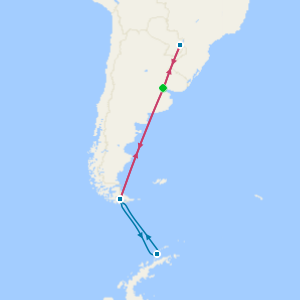
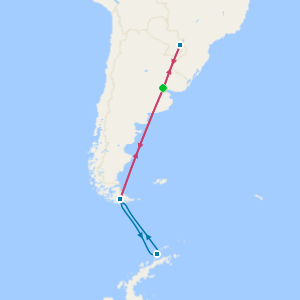
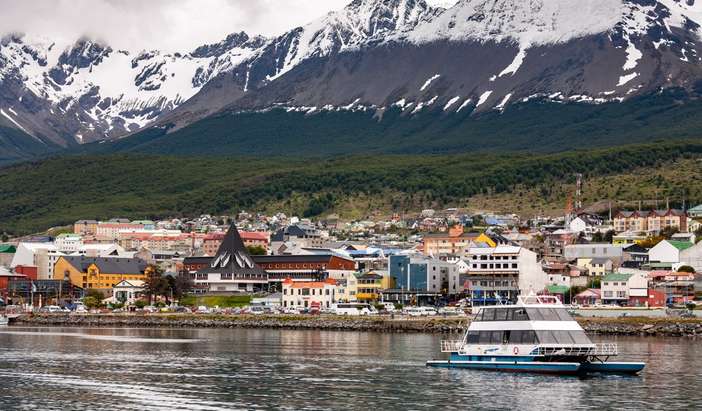
Nicknamed the “End of the World”, Ushuaia is a charming windswept city on the southernmost tip of South America and an important port of call for cruise adventures to Antarctica. In the heart of the Tierra del Fuego archipelago, this port is surrounded by some of the most breathtaking landscapes in the world, boasting sensational sightseeing opportunities for everyone who travels here. From vibrant coastal forests and dramatic waterfalls to stunning glaciers and unique polar wildlife, Ushuaia really is somewhere where you’ll be able to bask in the sheer beauty of nature, and soak up some sensational panoramic views from the vantage points found here. This city, though, while being famous for being (arguably) the most southernmost city in the entire world, is also something of a gateway to Antarctica and the smaller islands that make up the Tierra del Fuego archipelago. So, despite being rather quaint in comparison to other Argentinian cities and South American holiday hotspots, what you’re met with in Ushuaia is just a taste of what’s to come – if you’re continuing onto Antarctica, anyway. That doesn’t mean you should be too eager to leave Ushuaia, though, as this port of call does offer a lot more than just breathtaking natural beauty. Ushuaia is also home to a unique collection of museums and some fantastic food; so, while the awe-inspiring natural beauty of the region is a major highlight, this is one destination that will prove to be just as memorable as everything else on your itinerary.
Things to do in Ushuaia:
Tierra del Fuego National Park
An expansive national park that protects nearly 70,000 hectares of land, the Tierra del Fuego National Park combines marine areas, forests, and mountains to create a truly fascinating place worth exploring if you have the time while visiting Ushuaia. Here, you’ll find everything from luscious woodland and tumbling waterfalls to dramatic mountains and serene lakes. Throughout, you’ll also find evidence of the Yámanas, the first inhabitants of these lands, which serves to remind everyone who spends some time here that this region has been inhabited for more than 10,000 years. With so much to see, this is easily the best place to visit if you’re looking to switch off and embrace the great outdoors.
Museo del Fin del Mundo
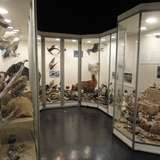
If you want to learn more about the city of Ushuaia, Museo del fin del Mundo is the perfect place to go. A living heritage museum that explores the history and culture of Ushuaia and the Tierra del Fuego archipelago, the End of the World Museum (which is its name in English) is home to numerous exhibitions that explore the native history of this region, the local fauna and flora, the traditions and customs of the people here, and even some of the shipwrecks that have happened here over the centuries. Found in parts of the National Bank building and Old Government House, these impressive buildings only serve to highlight the importance of the museum and its contents.
Museo de la Ciudad
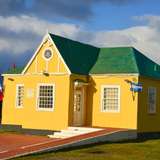
Also known as Casa Pena, this former private residence has served as the City Museum in Ushuaia since 2009; with an interesting selection of informative exhibits and historic items, this museum offers visitors a fantastic insight into what ordinary life was like in this city throughout the 20th century – which is when it was originally occupied by the Pena family.
At Sea
DAY 2
17 Feb 2026
Time at Port: TBD
While sailing between destinations, you’ll have time to take a moment and enjoy everything your cruise ship has to offer; with stunning food prepared with the freshest ingredients, fantastic entertainment opportunities, and plenty of places to lounge around, an enjoyable day at sea awaits!
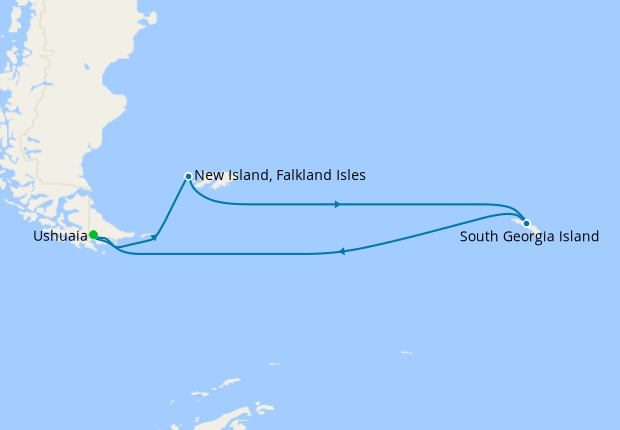
New Island, Falkland Isles
DAY 3
18 Feb 2026
Time at Port: from 7 AM to 11:30 AM
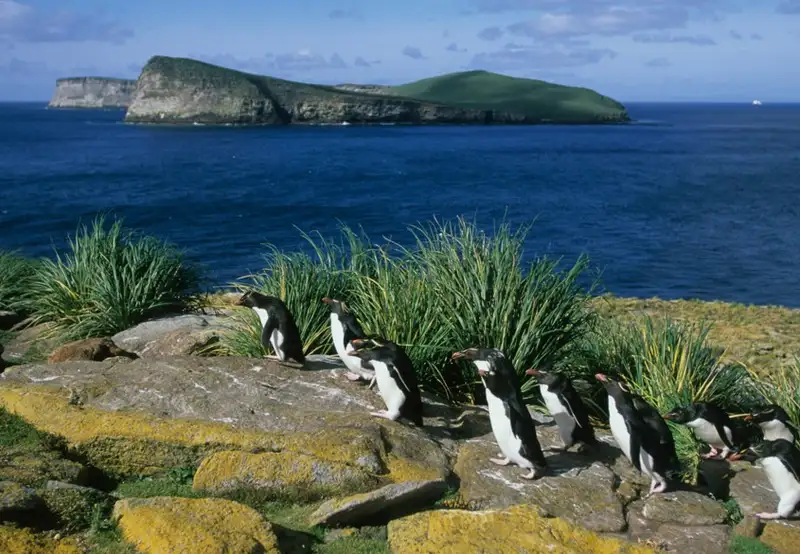
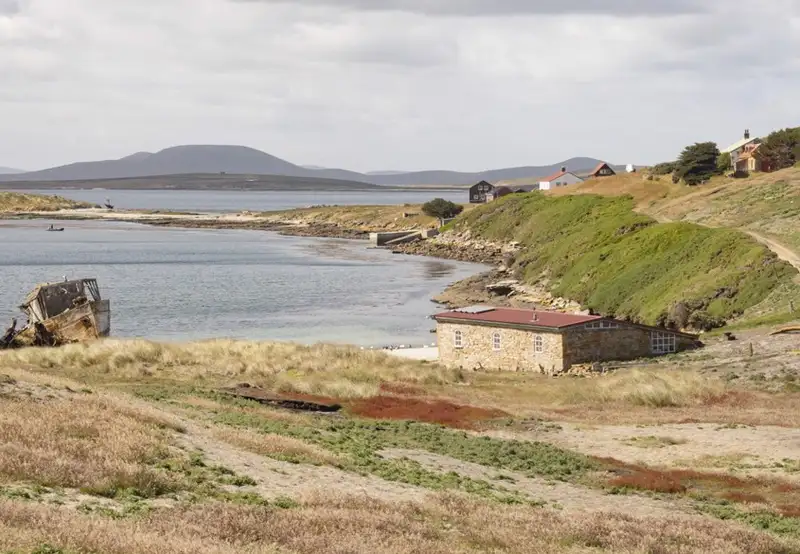
If you’re looking for the chance to spend some time observing uninterrupted wildlife in dramatic landscapes, look no further than New Island. One of the most remote islands in the Falkland Islands, New Island is situated on the western edge of the archipelago and is renowned for its diverse array of wildlife, as well as some intriguing aspects of the region’s maritime history. Not only do over 40 species of birds breed on New Island throughout the year, including four species of penguin, but pods of Peale’s dolphins and seal colonies are often spotted by visitors along the coastline. You’ll also uncover what remains of the Falkland Islands’ only land-based whaling station on New Island, and an interesting museum to the island’s whaling history and wildlife overlooking the stunning Coffin’s Harbour. A destination that invites you to immerse yourself in the rugged landscapes that make the Falkland Islands such a joy to visit, New Island will prove a memorable port on your adventures in the South Atlantic Ocean.
Things to do in New Island, Falkland Isles:
Peale’s Dolphins
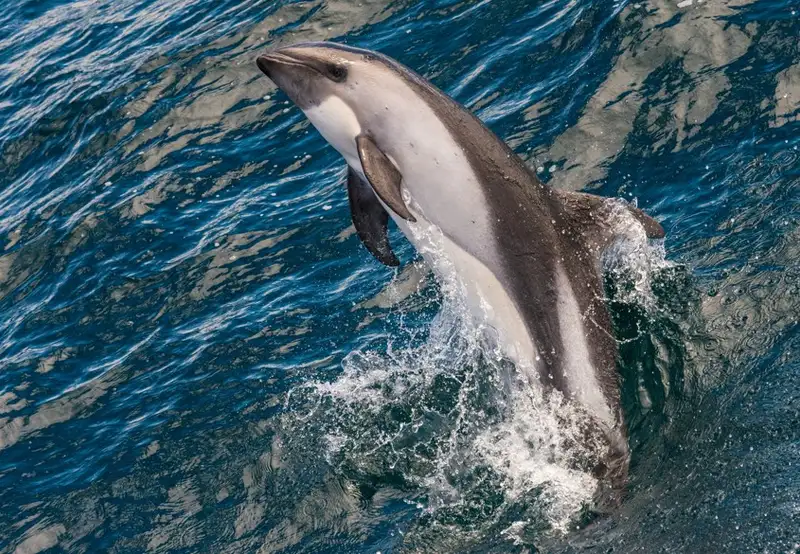
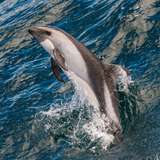
When you’re visiting the waters around New Island, you may have the chance to observe pods of Peale’s dolphins. A smaller species of dolphin, which is also found frequenting the waters around Tierra del Fuego in South America, Peale’s dolphins can grow to just over two metres when fully mature and feature a distinctly large dorsal fin, while having smaller flippers. They often congregate in smaller groups, often of about five, and frequent fast-moving waters. So, if you’re hoping to spot some, you’ll have a better chance if you keep your eyes on the waters around entrances to narrows and small channels.
Rockhopper Penguin
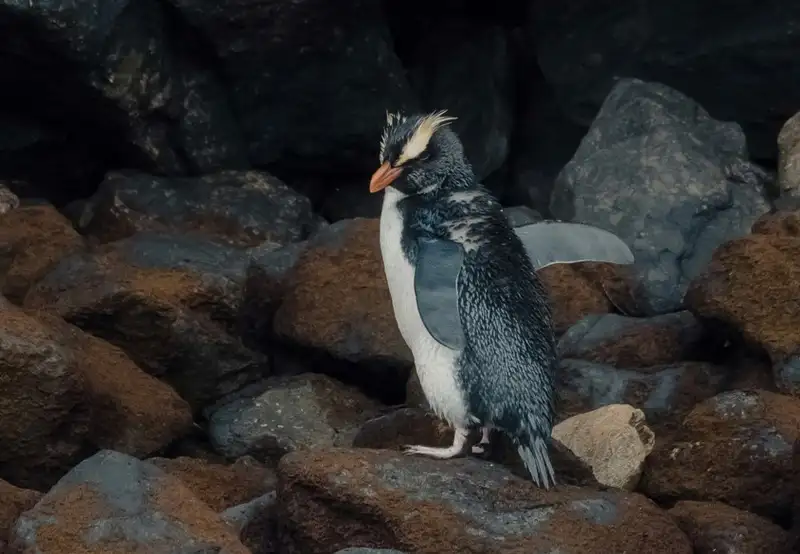
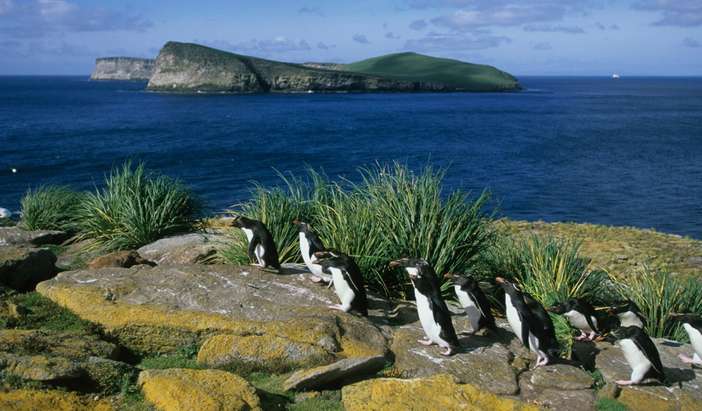
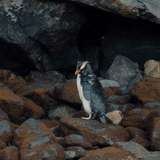
A smaller species of penguin, rockhopper penguins are among the most fascinating species of penguins in the world, and one of the four species you’ll find breeding on New Island. Known for their red eyes, spikey black and red feathers on their head, and pale pink webbed feet, these penguins often frequent rugged, rocky environments. This unique habitat, at least for a penguin, means they can’t slide around on their bellies like other species. Instead, rockhopper penguins have adopted a unique hopping technique to move around, hence the species’ name.
Barnard Building
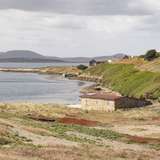
An interesting historic stone building constructed in the early 1800s by American sealer Captain Charles Barnard, the Barnard Building is home to a museum that explores Barnard’s life, the Falkland Islands’ whaling history, and the wildlife you’ll have the chance to observe on New Island. It’s an unsuspecting structure from the outside, but overlooks the scenic Coffin’s Harbour – just one part of this island that’s great for wildlife sightings.
Grave Cove, Falkland Islands
DAY 3
18 Feb 2026
Time at Port: from 3 PM to 8 PM
Our experts are preparing detailed information about this location. Please check back shortly to discover more.
At Sea
DAY 4-6
19 Feb 2026
Time at Port: TBD
While sailing between destinations, you’ll have time to take a moment and enjoy everything your cruise ship has to offer; with stunning food prepared with the freshest ingredients, fantastic entertainment opportunities, and plenty of places to lounge around, an enjoyable day at sea awaits!
South Georgia Island
DAY 7
22 Feb 2026
Time at Port: TBD
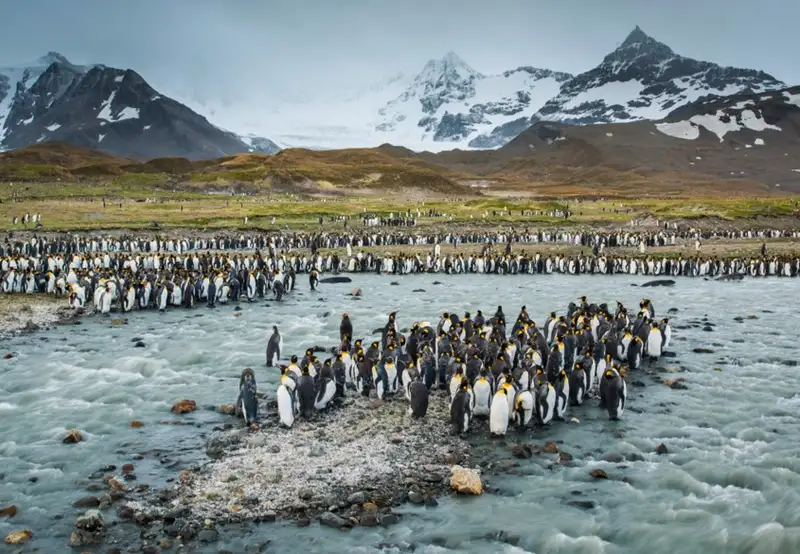
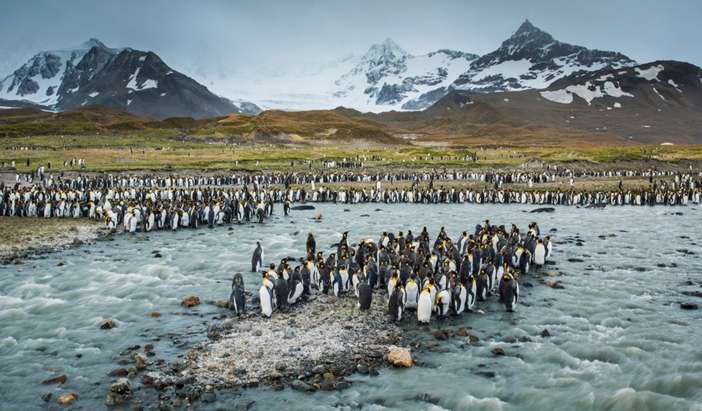
A stunning remote island in the South Atlantic Ocean, South Georgia Island is a fascinating port of call on sailings through this spectacular region – and beyond to Antarctica. It lies roughly 850 miles east of the Falkland Islands, and forms part of the British Overseas Territory of South Georgia and the South Sandwich Islands. When visiting, you’ll encounter a breathtaking, barren landscape that’s home to some fascinating wildlife. Discovered by Europeans in 1675, this island doesn’t have a native population, and the only inhabitants you’ll find here today – outside several species of birds, seals, and penguins – are those in King Edward Point: a permanent British Antarctic Survey research station near Grytviken. A remarkable destination on sailings through the South Atlantic Ocean and beyond, the staggering scenery you’ll encounter here is worth getting excited about; although, it’s hard to deny that the wildlife found on South Georgia Island steals the show. This island is a breeding ground for elephant seals, fur seals, and king penguins, alongside South Georgia pintail and South Georgia pipit – two species of birds endemic to this remote island.
Things to do in South Georgia Island:
Mount Paget
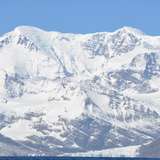
The highest peak on South Georgia Island, Mount Paget, is the summit of the Allardyce Range, a ridge of mountainous terrain that runs along the length of the island. At a remarkable 9,629 feet above sea level, this mountain is hard to miss when visiting South Georgia Island. It’s described as being saddle-shaped, but don’t let that fool you; this mountain features numerous jagged peaks and dramatic slopes that help it dominate the landscape here.
South Georgia pintail
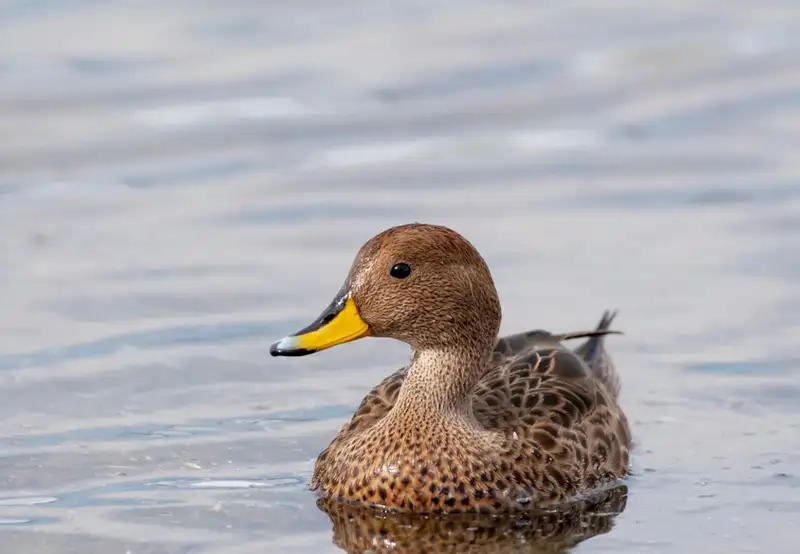
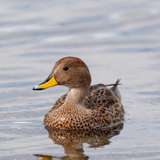
A species of duck endemic to South Georgia Island, the South Georgia pintail is a nominate subspecies of yellow-billed pintail. Smaller than similar mainland species, with mottled brown feathers and a distinctly yellow bill, this duck species was among those noted by Captain James Cook in 1775 during the first recorded landing of the island. Interestingly, unlike other pintail species, male South Georgia pintails are similar in appearance to female South Georgia pintails – only larger in size.
South Georgia pipit
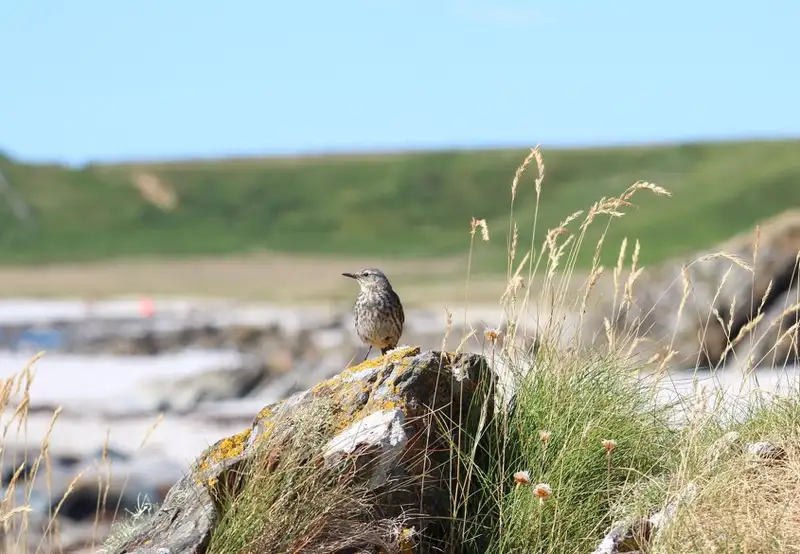
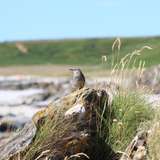
A charming, sparrow-sized bird endemic to South Georgia Island, the South Georgia pipit is one of the few non-seabird species found in the region and the only species of songbird in Antarctica. Once threatened by environmental damage and the introduction of rats by humans, important work has been done in recent years to restore the population of this incredible species. Now, visitors to South Georgia Island are much more likely to spot South Georgia pipits.
South Georgia Island
DAY 8
23 Feb 2026
Time at Port: TBD
A stunning remote island in the South Atlantic Ocean, South Georgia Island is a fascinating port of call on sailings through this spectacular region – and beyond to Antarctica. It lies roughly 850 miles east of the Falkland Islands, and forms part of the British Overseas Territory of South Georgia and the South Sandwich Islands. When visiting, you’ll encounter a breathtaking, barren landscape that’s home to some fascinating wildlife. Discovered by Europeans in 1675, this island doesn’t have a native population, and the only inhabitants you’ll find here today – outside several species of birds, seals, and penguins – are those in King Edward Point: a permanent British Antarctic Survey research station near Grytviken. A remarkable destination on sailings through the South Atlantic Ocean and beyond, the staggering scenery you’ll encounter here is worth getting excited about; although, it’s hard to deny that the wildlife found on South Georgia Island steals the show. This island is a breeding ground for elephant seals, fur seals, and king penguins, alongside South Georgia pintail and South Georgia pipit – two species of birds endemic to this remote island.
Things to do in South Georgia Island:
Mount Paget
The highest peak on South Georgia Island, Mount Paget, is the summit of the Allardyce Range, a ridge of mountainous terrain that runs along the length of the island. At a remarkable 9,629 feet above sea level, this mountain is hard to miss when visiting South Georgia Island. It’s described as being saddle-shaped, but don’t let that fool you; this mountain features numerous jagged peaks and dramatic slopes that help it dominate the landscape here.
South Georgia pintail
A species of duck endemic to South Georgia Island, the South Georgia pintail is a nominate subspecies of yellow-billed pintail. Smaller than similar mainland species, with mottled brown feathers and a distinctly yellow bill, this duck species was among those noted by Captain James Cook in 1775 during the first recorded landing of the island. Interestingly, unlike other pintail species, male South Georgia pintails are similar in appearance to female South Georgia pintails – only larger in size.
South Georgia pipit
A charming, sparrow-sized bird endemic to South Georgia Island, the South Georgia pipit is one of the few non-seabird species found in the region and the only species of songbird in Antarctica. Once threatened by environmental damage and the introduction of rats by humans, important work has been done in recent years to restore the population of this incredible species. Now, visitors to South Georgia Island are much more likely to spot South Georgia pipits.
South Georgia Island
DAY 9
24 Feb 2026
Time at Port: TBD
A stunning remote island in the South Atlantic Ocean, South Georgia Island is a fascinating port of call on sailings through this spectacular region – and beyond to Antarctica. It lies roughly 850 miles east of the Falkland Islands, and forms part of the British Overseas Territory of South Georgia and the South Sandwich Islands. When visiting, you’ll encounter a breathtaking, barren landscape that’s home to some fascinating wildlife. Discovered by Europeans in 1675, this island doesn’t have a native population, and the only inhabitants you’ll find here today – outside several species of birds, seals, and penguins – are those in King Edward Point: a permanent British Antarctic Survey research station near Grytviken. A remarkable destination on sailings through the South Atlantic Ocean and beyond, the staggering scenery you’ll encounter here is worth getting excited about; although, it’s hard to deny that the wildlife found on South Georgia Island steals the show. This island is a breeding ground for elephant seals, fur seals, and king penguins, alongside South Georgia pintail and South Georgia pipit – two species of birds endemic to this remote island.
Things to do in South Georgia Island:
Mount Paget
The highest peak on South Georgia Island, Mount Paget, is the summit of the Allardyce Range, a ridge of mountainous terrain that runs along the length of the island. At a remarkable 9,629 feet above sea level, this mountain is hard to miss when visiting South Georgia Island. It’s described as being saddle-shaped, but don’t let that fool you; this mountain features numerous jagged peaks and dramatic slopes that help it dominate the landscape here.
South Georgia pintail
A species of duck endemic to South Georgia Island, the South Georgia pintail is a nominate subspecies of yellow-billed pintail. Smaller than similar mainland species, with mottled brown feathers and a distinctly yellow bill, this duck species was among those noted by Captain James Cook in 1775 during the first recorded landing of the island. Interestingly, unlike other pintail species, male South Georgia pintails are similar in appearance to female South Georgia pintails – only larger in size.
South Georgia pipit
A charming, sparrow-sized bird endemic to South Georgia Island, the South Georgia pipit is one of the few non-seabird species found in the region and the only species of songbird in Antarctica. Once threatened by environmental damage and the introduction of rats by humans, important work has been done in recent years to restore the population of this incredible species. Now, visitors to South Georgia Island are much more likely to spot South Georgia pipits.
At Sea
DAY 10-11
25 Feb 2026
Time at Port: TBD
While sailing between destinations, you’ll have time to take a moment and enjoy everything your cruise ship has to offer; with stunning food prepared with the freshest ingredients, fantastic entertainment opportunities, and plenty of places to lounge around, an enjoyable day at sea awaits!
Antarctic Peninsula - Cruising
DAY 12
27 Feb 2026
Time at Port: TBD
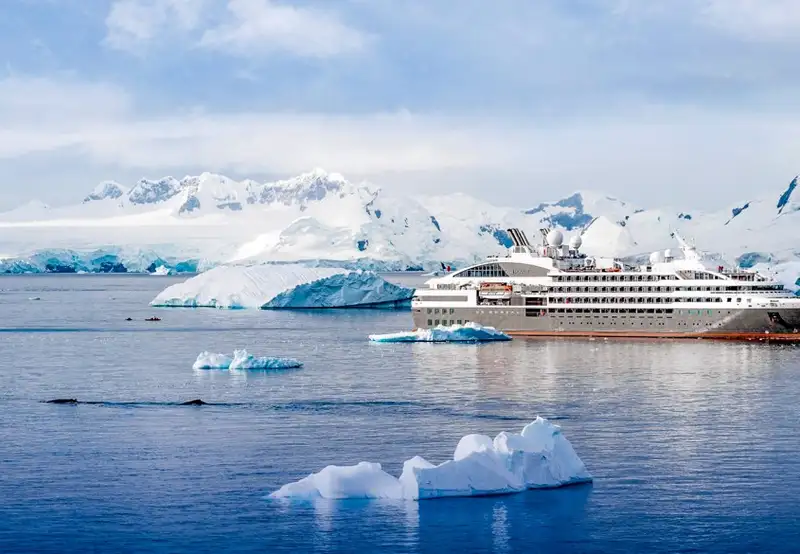
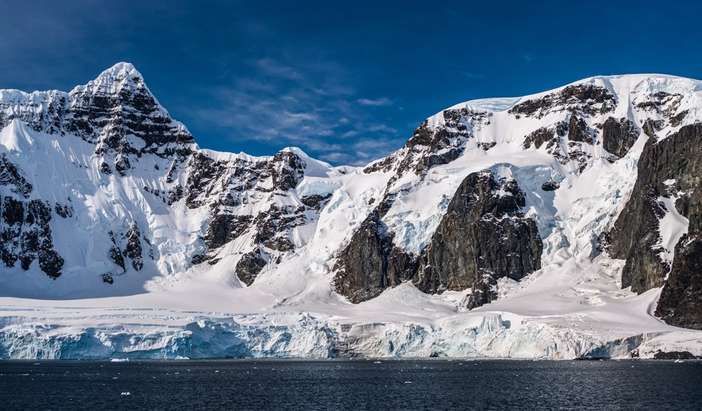
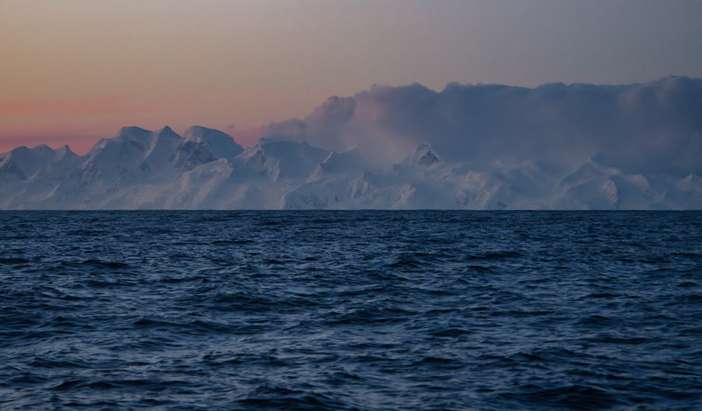
During this part of your Antarctic adventure, you’ll be cruising around the Antarctic Peninsula. This area of the continent is part of the larger peninsula of West Antarctica, from Cape Adams to a point on the mainland that lies just south of the Eklund Islands. Primarily covered by a thick ice sheet, this peninsula is made up of a string of bedrock islands divided by deep channels considerably below sea level. While cruising through this region, you’ll have the chance to admire some staggering icy landscapes alongside an interesting variety of wildlife, thanks to the fact that this is among the more temperate areas of the continent’s coastline. Several species of penguin, seal, and whale call this area home, alongside a variety of seabirds. So, while specific sightings can vary and are often dependent on the current weather conditions, you can rest assured knowing that there will be plenty to admire while cruising the Antarctic Peninsula.
Antarctic Peninsula - Cruising:
Penguins
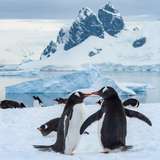
While cruising the Antarctic Peninsula, you’ll have the opportunity to spot several species of penguin in their natural habitat. The species of penguin that can be found here, particularly around the tip of the peninsula itself, include the chinstrap penguin, emperor penguin, gentoo penguin, and Adélie penguin. The specific sightings you enjoy, though, will vary depending on the current weather conditions and the time of year you’re exploring Antarctica.
Whales
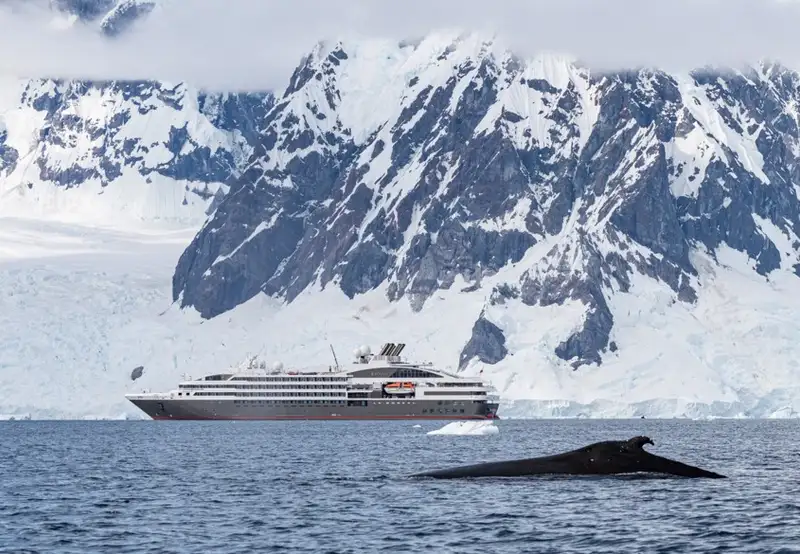
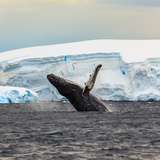
These magnificent mammals are among the most incredible sights you can see while cruising the Antarctic Peninsula, and the waters surrounding this remarkable part of Antarctica are home to several species of whale, including the Antarctic minke whale, dwarf minke whale, sei whale, and killer whale. The specific sightings you enjoy, though, will vary depending on the current weather conditions and the time of year you’re exploring Antarctica.
Seals
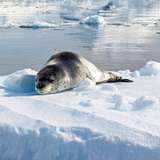
Several species of seal can be spotted while cruising around the Antarctic Peninsula, including the leopard seal, Weddell seal, crabeater seal, and the huge southern elephant seal. It’s important to keep in mind, though, that the specific sightings you enjoy will vary depending on the current weather conditions and the time of year you’re exploring Antarctica.
Antarctic Peninsula - Cruising
DAY 13
28 Feb 2026
Time at Port: TBD
During this part of your Antarctic adventure, you’ll be cruising around the Antarctic Peninsula. This area of the continent is part of the larger peninsula of West Antarctica, from Cape Adams to a point on the mainland that lies just south of the Eklund Islands. Primarily covered by a thick ice sheet, this peninsula is made up of a string of bedrock islands divided by deep channels considerably below sea level. While cruising through this region, you’ll have the chance to admire some staggering icy landscapes alongside an interesting variety of wildlife, thanks to the fact that this is among the more temperate areas of the continent’s coastline. Several species of penguin, seal, and whale call this area home, alongside a variety of seabirds. So, while specific sightings can vary and are often dependent on the current weather conditions, you can rest assured knowing that there will be plenty to admire while cruising the Antarctic Peninsula.
Antarctic Peninsula - Cruising:
Penguins
While cruising the Antarctic Peninsula, you’ll have the opportunity to spot several species of penguin in their natural habitat. The species of penguin that can be found here, particularly around the tip of the peninsula itself, include the chinstrap penguin, emperor penguin, gentoo penguin, and Adélie penguin. The specific sightings you enjoy, though, will vary depending on the current weather conditions and the time of year you’re exploring Antarctica.
Whales
These magnificent mammals are among the most incredible sights you can see while cruising the Antarctic Peninsula, and the waters surrounding this remarkable part of Antarctica are home to several species of whale, including the Antarctic minke whale, dwarf minke whale, sei whale, and killer whale. The specific sightings you enjoy, though, will vary depending on the current weather conditions and the time of year you’re exploring Antarctica.
Seals
Several species of seal can be spotted while cruising around the Antarctic Peninsula, including the leopard seal, Weddell seal, crabeater seal, and the huge southern elephant seal. It’s important to keep in mind, though, that the specific sightings you enjoy will vary depending on the current weather conditions and the time of year you’re exploring Antarctica.
Antarctic Peninsula - Cruising
DAY 14
01 Mar 2026
Time at Port: TBD
During this part of your Antarctic adventure, you’ll be cruising around the Antarctic Peninsula. This area of the continent is part of the larger peninsula of West Antarctica, from Cape Adams to a point on the mainland that lies just south of the Eklund Islands. Primarily covered by a thick ice sheet, this peninsula is made up of a string of bedrock islands divided by deep channels considerably below sea level. While cruising through this region, you’ll have the chance to admire some staggering icy landscapes alongside an interesting variety of wildlife, thanks to the fact that this is among the more temperate areas of the continent’s coastline. Several species of penguin, seal, and whale call this area home, alongside a variety of seabirds. So, while specific sightings can vary and are often dependent on the current weather conditions, you can rest assured knowing that there will be plenty to admire while cruising the Antarctic Peninsula.
Antarctic Peninsula - Cruising:
Penguins
While cruising the Antarctic Peninsula, you’ll have the opportunity to spot several species of penguin in their natural habitat. The species of penguin that can be found here, particularly around the tip of the peninsula itself, include the chinstrap penguin, emperor penguin, gentoo penguin, and Adélie penguin. The specific sightings you enjoy, though, will vary depending on the current weather conditions and the time of year you’re exploring Antarctica.
Whales
These magnificent mammals are among the most incredible sights you can see while cruising the Antarctic Peninsula, and the waters surrounding this remarkable part of Antarctica are home to several species of whale, including the Antarctic minke whale, dwarf minke whale, sei whale, and killer whale. The specific sightings you enjoy, though, will vary depending on the current weather conditions and the time of year you’re exploring Antarctica.
Seals
Several species of seal can be spotted while cruising around the Antarctic Peninsula, including the leopard seal, Weddell seal, crabeater seal, and the huge southern elephant seal. It’s important to keep in mind, though, that the specific sightings you enjoy will vary depending on the current weather conditions and the time of year you’re exploring Antarctica.
Antarctic Peninsula - Cruising
DAY 15
02 Mar 2026
Time at Port: TBD
During this part of your Antarctic adventure, you’ll be cruising around the Antarctic Peninsula. This area of the continent is part of the larger peninsula of West Antarctica, from Cape Adams to a point on the mainland that lies just south of the Eklund Islands. Primarily covered by a thick ice sheet, this peninsula is made up of a string of bedrock islands divided by deep channels considerably below sea level. While cruising through this region, you’ll have the chance to admire some staggering icy landscapes alongside an interesting variety of wildlife, thanks to the fact that this is among the more temperate areas of the continent’s coastline. Several species of penguin, seal, and whale call this area home, alongside a variety of seabirds. So, while specific sightings can vary and are often dependent on the current weather conditions, you can rest assured knowing that there will be plenty to admire while cruising the Antarctic Peninsula.
Antarctic Peninsula - Cruising:
Penguins
While cruising the Antarctic Peninsula, you’ll have the opportunity to spot several species of penguin in their natural habitat. The species of penguin that can be found here, particularly around the tip of the peninsula itself, include the chinstrap penguin, emperor penguin, gentoo penguin, and Adélie penguin. The specific sightings you enjoy, though, will vary depending on the current weather conditions and the time of year you’re exploring Antarctica.
Whales
These magnificent mammals are among the most incredible sights you can see while cruising the Antarctic Peninsula, and the waters surrounding this remarkable part of Antarctica are home to several species of whale, including the Antarctic minke whale, dwarf minke whale, sei whale, and killer whale. The specific sightings you enjoy, though, will vary depending on the current weather conditions and the time of year you’re exploring Antarctica.
Seals
Several species of seal can be spotted while cruising around the Antarctic Peninsula, including the leopard seal, Weddell seal, crabeater seal, and the huge southern elephant seal. It’s important to keep in mind, though, that the specific sightings you enjoy will vary depending on the current weather conditions and the time of year you’re exploring Antarctica.
Drake Passage - Cruising
DAY 16-17
03 Mar 2026
Time at Port: TBD
The Drake Passage is an iconic body of water between the southern tip of South America and Antarctica, connecting parts of the Atlantic Ocean with the Pacific Ocean. Despite this stretch of water being discovered by Spanish navigator Francisco de Hoces in 1525, the passage is named after Sir Francis Drake, an English explorer who utilised this body of water during his Raiding Expedition in the mid-16th century. While rough seas are something you’ll come across quite frequently when cruising the Drake Passage, you can rest assured knowing that the modern expedition-style ships you’ll be sailing on are well-equipped to deal with any troublesome weather. In 2019, a team of six explorers were actually able to row across the entirety of the Drake Passage; though, while you’re unlikely to see anyone rowing while you’re cruising, you will have the chance to observe a variety of seabirds, whales, and dolphins – all of which are often spotted by sailors crossing the Drake Passage. With this journey often being a two-day event, you’ll also have plenty of time to enjoy all the excellent amenities available onboard your cruise ship – which is definitely a win-win!
Drake Passage - Cruising:
Seabirds
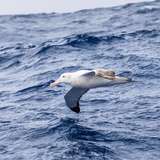
When the weather is agreeable, the Drake Passage is a hotspot for spotting seabirds, particularly species of albatross and petrel – both of which are among the largest species of flying birds in the world, with petrels known particularly for their wide wingspan. While the sightings you’re able to enjoy will vary, and there’s no guarantee when it comes to which species of seabird you’ll be able to spot, the Drake Passage provides you with a fantastic opportunity to see these birds hunting; albatross, in particular, are known to hunt both during the day and at night.
Whales
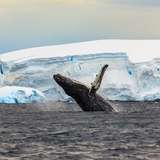
Cruising the Drake Passage is a fantastic opportunity to see several species of whale in the wild, with finback whales, sei whales, humpback whales, sperm whales, and blue whales all among the species that have been spotted in this body of water before. Although, it’s important to keep in mind that there’s no guarantees when it comes to the wildlife sightings you’ll have the chance to enjoy while onboard, and the success of whale-watching in the Drake Passage can vary depending on things like the weather conditions and the time of year you’re travelling.
Dolphins
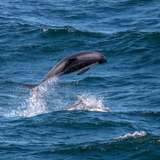
When cruising the Drake Passage, you may be able to spot pods of dolphins from your cruise ship. While there’s no guarantee, as sightings can be unpredictable and are affected by the weather and the time of year you’re travelling, hourglass dolphin and southern right whale dolphin are among the aquatic mammals that have been spotted in this body of water before.
Ushuaia
DAY 18
05 Mar 2026
Time at Port: from 12 AM to 6 PM
Nicknamed the “End of the World”, Ushuaia is a charming windswept city on the southernmost tip of South America and an important port of call for cruise adventures to Antarctica. In the heart of the Tierra del Fuego archipelago, this port is surrounded by some of the most breathtaking landscapes in the world, boasting sensational sightseeing opportunities for everyone who travels here. From vibrant coastal forests and dramatic waterfalls to stunning glaciers and unique polar wildlife, Ushuaia really is somewhere where you’ll be able to bask in the sheer beauty of nature, and soak up some sensational panoramic views from the vantage points found here. This city, though, while being famous for being (arguably) the most southernmost city in the entire world, is also something of a gateway to Antarctica and the smaller islands that make up the Tierra del Fuego archipelago. So, despite being rather quaint in comparison to other Argentinian cities and South American holiday hotspots, what you’re met with in Ushuaia is just a taste of what’s to come – if you’re continuing onto Antarctica, anyway. That doesn’t mean you should be too eager to leave Ushuaia, though, as this port of call does offer a lot more than just breathtaking natural beauty. Ushuaia is also home to a unique collection of museums and some fantastic food; so, while the awe-inspiring natural beauty of the region is a major highlight, this is one destination that will prove to be just as memorable as everything else on your itinerary.
Things to do in Ushuaia:
Tierra del Fuego National Park
An expansive national park that protects nearly 70,000 hectares of land, the Tierra del Fuego National Park combines marine areas, forests, and mountains to create a truly fascinating place worth exploring if you have the time while visiting Ushuaia. Here, you’ll find everything from luscious woodland and tumbling waterfalls to dramatic mountains and serene lakes. Throughout, you’ll also find evidence of the Yámanas, the first inhabitants of these lands, which serves to remind everyone who spends some time here that this region has been inhabited for more than 10,000 years. With so much to see, this is easily the best place to visit if you’re looking to switch off and embrace the great outdoors.
Museo del Fin del Mundo
If you want to learn more about the city of Ushuaia, Museo del fin del Mundo is the perfect place to go. A living heritage museum that explores the history and culture of Ushuaia and the Tierra del Fuego archipelago, the End of the World Museum (which is its name in English) is home to numerous exhibitions that explore the native history of this region, the local fauna and flora, the traditions and customs of the people here, and even some of the shipwrecks that have happened here over the centuries. Found in parts of the National Bank building and Old Government House, these impressive buildings only serve to highlight the importance of the museum and its contents.
Museo de la Ciudad
Also known as Casa Pena, this former private residence has served as the City Museum in Ushuaia since 2009; with an interesting selection of informative exhibits and historic items, this museum offers visitors a fantastic insight into what ordinary life was like in this city throughout the 20th century – which is when it was originally occupied by the Pena family.


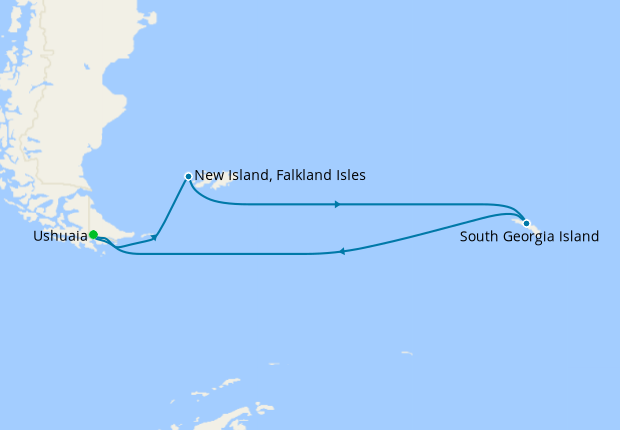


 16 February 2026 · 17 nights


 Wi-Fi
Wi-Fi
 Drinks
 Excursions
 Entertainment
 Meals
Meals
 Accommodation
 Port Fees & Taxes