Description
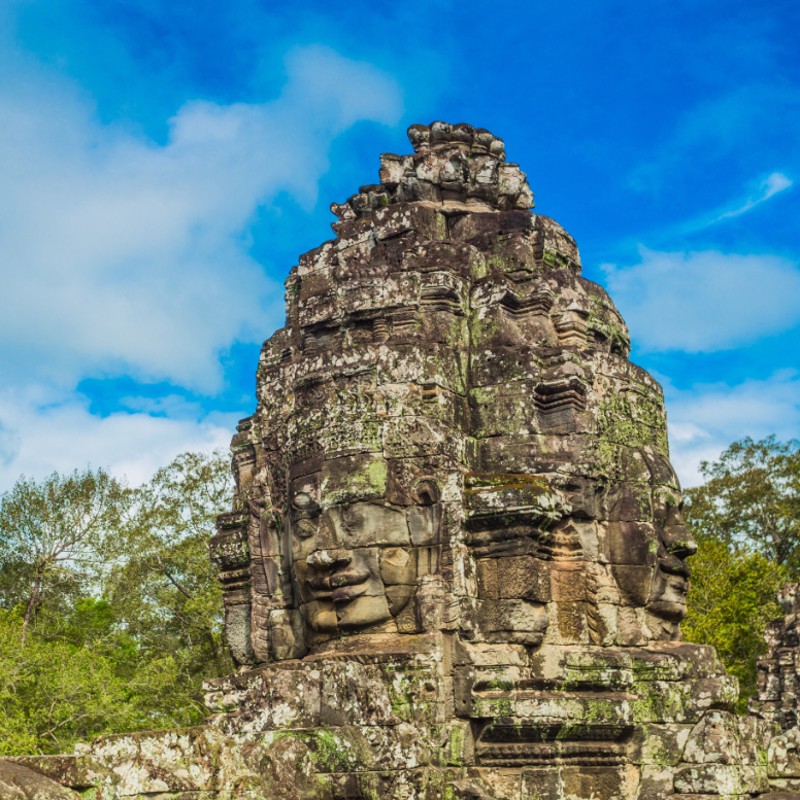
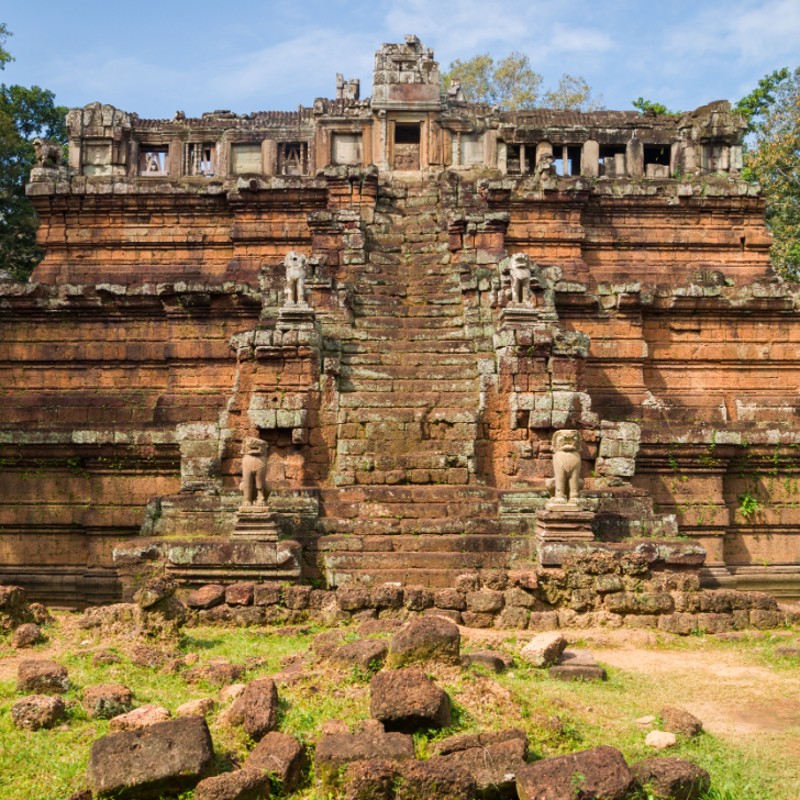
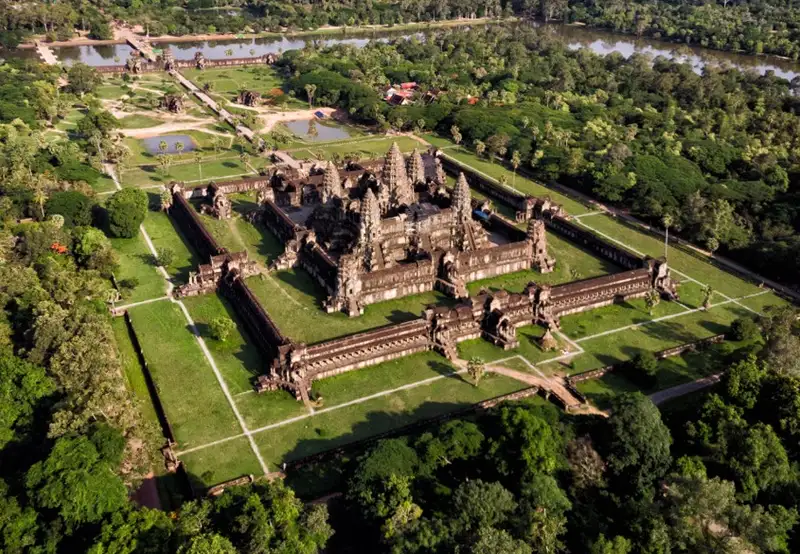
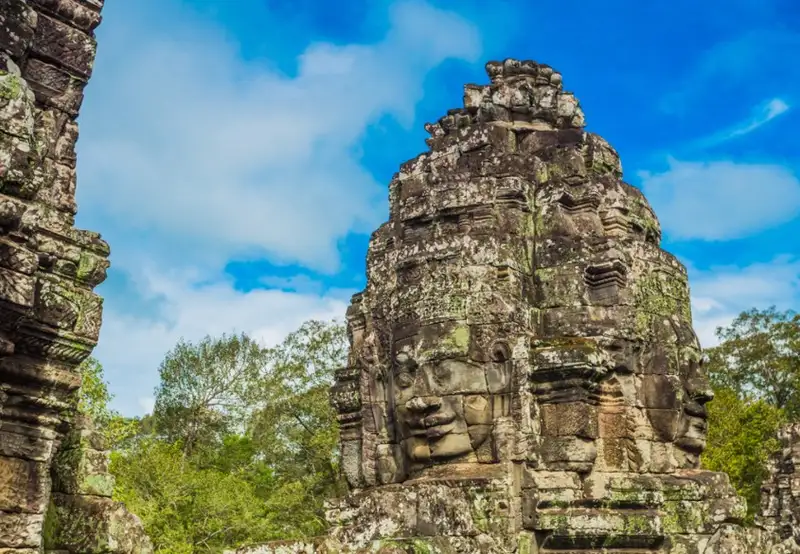
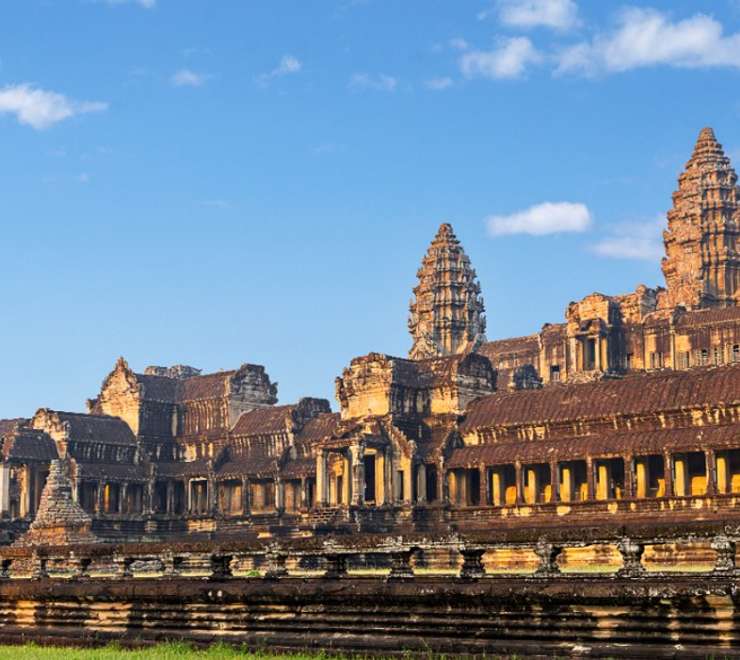
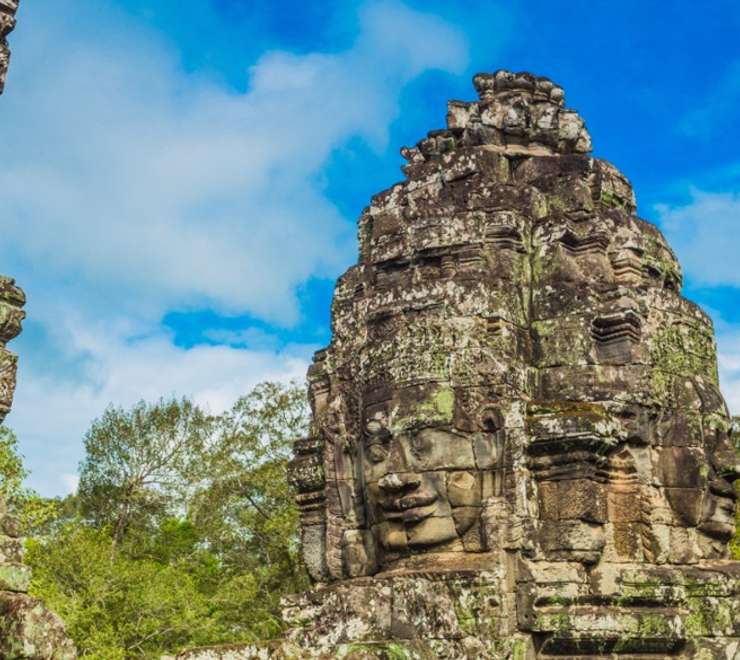
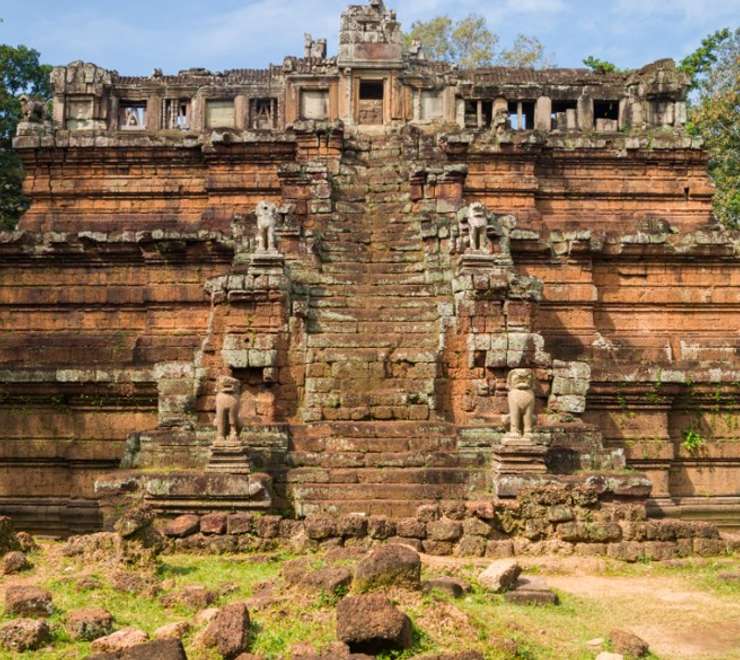
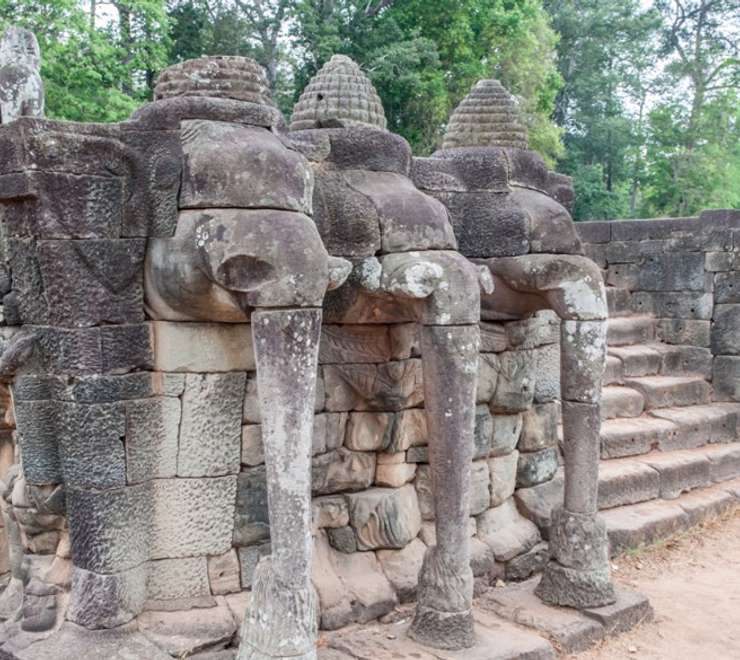
While admiring the impressive Angkor Wat Temple Complex from afar is far from a bad experience, this comprehensive full-day tour will give you the chance to explore the ancient heart of the Khmer Empire in more detail; throughout the day, you’ll have the opportunity to marvel at the remarkable surviving ruins of Angkor Wat, Angkor Thom, and the wider Angkor area. Starting in the centre of the complex, you’ll head east to Ta Prohm. A jungle-surrounded temple famous for featuring in 2001’s Tomb Raider, this unique ruin was originally completed in 1186 and is known for its dilapidated state due to the invasive snake-like roots of Tetrameles trees. Once you’ve spent some time here and stopped for lunch, you’ll head to the South Gate of Angkor Thom; this dramatic entrance is lined with statues depicting good and evil gods, with many of the original statues restored to give visitors a sense of what it was like in its prime. Through this gate, you will visit Bayon – an intricately-decorated temple adorned with hundreds of smiling faces – before continuing on to Phimeanakas. Climbing to the top of this pyramid-shaped temple, you’ll have the chance to admire the awe-inspiring sight of the Angkor ruins from above. You’ll end your tour of the Angkor Wat Temple Complex by taking in the impressive wall of the Terrace of the Elephants before returning to your hotel.
Read more
Read less
Things to do
Angkor Wat Temple
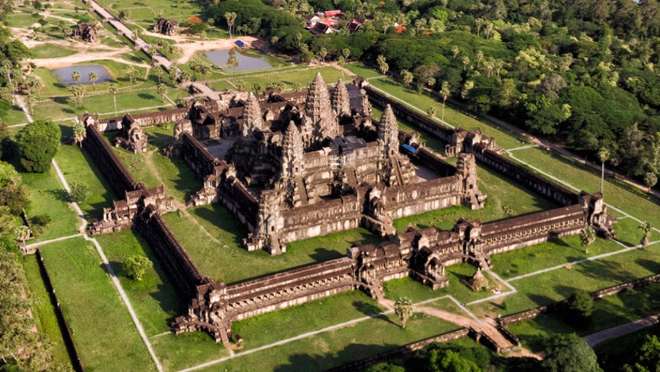
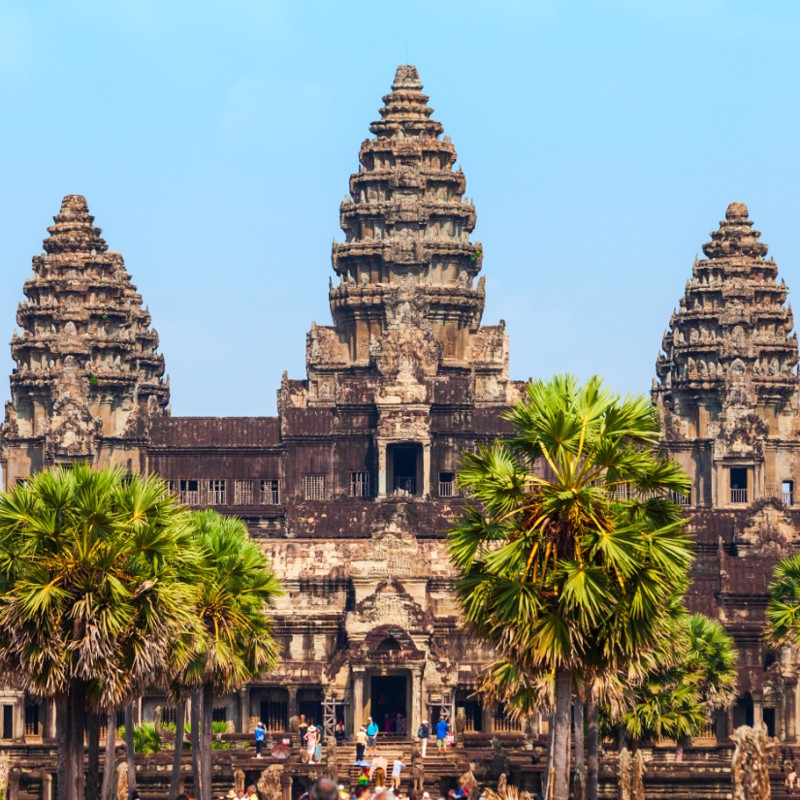
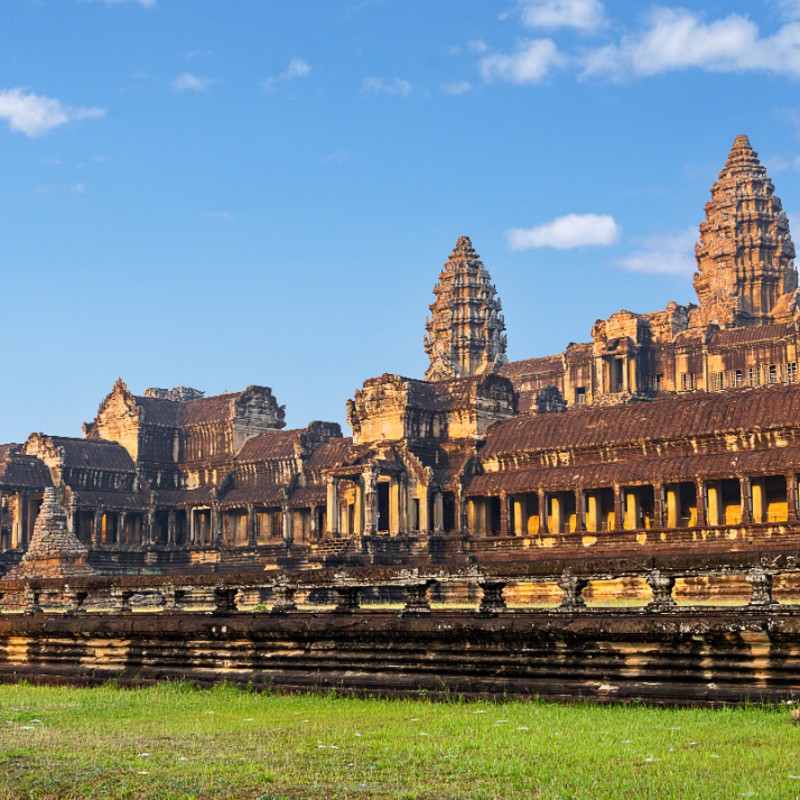
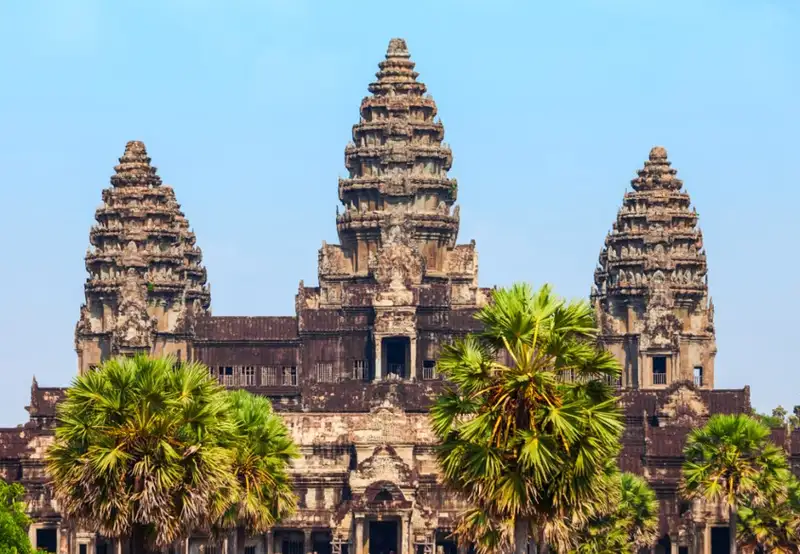
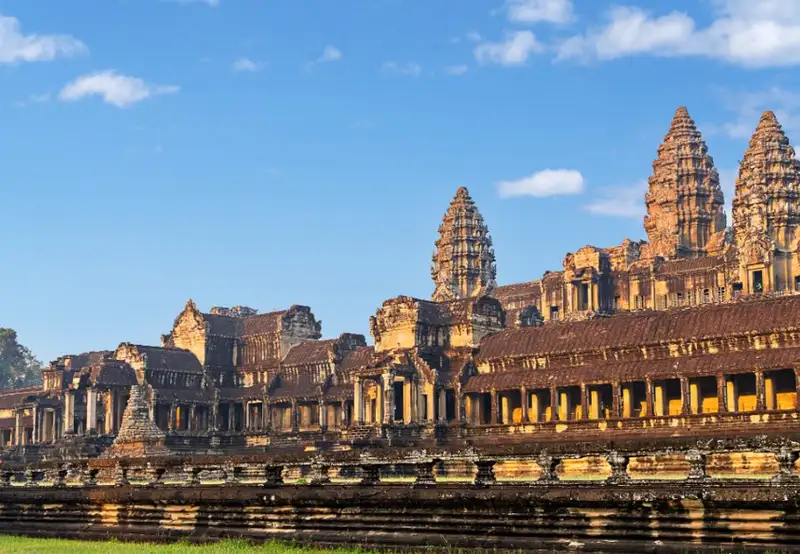
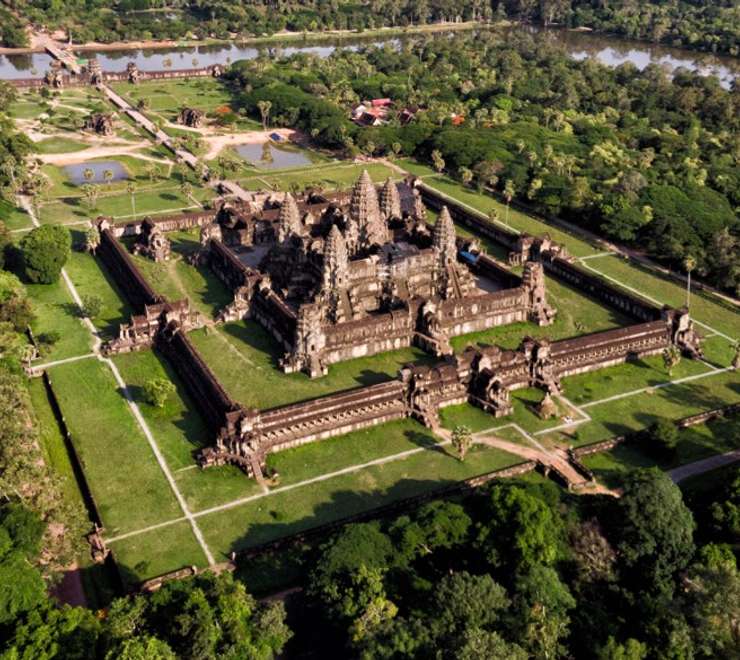
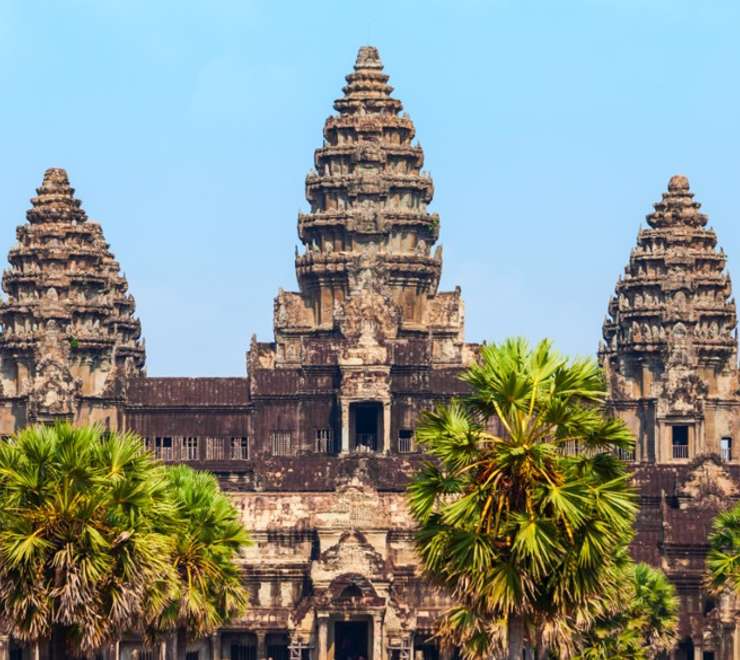
Considered the largest religious structure in the world, Angkor Wat was originally constructed as a Hindu temple dedicated to Vishnu in 1150 before transitioning into a Buddhist temple by the end of the century; one of the best examples of Khmer architecture surviving today, most of this temple’s surfaces are carved with reliefs depicting scenes from Indian literature and the site is home to over 1,700 depictions of Hindu and Buddhist deities.
Angkor City
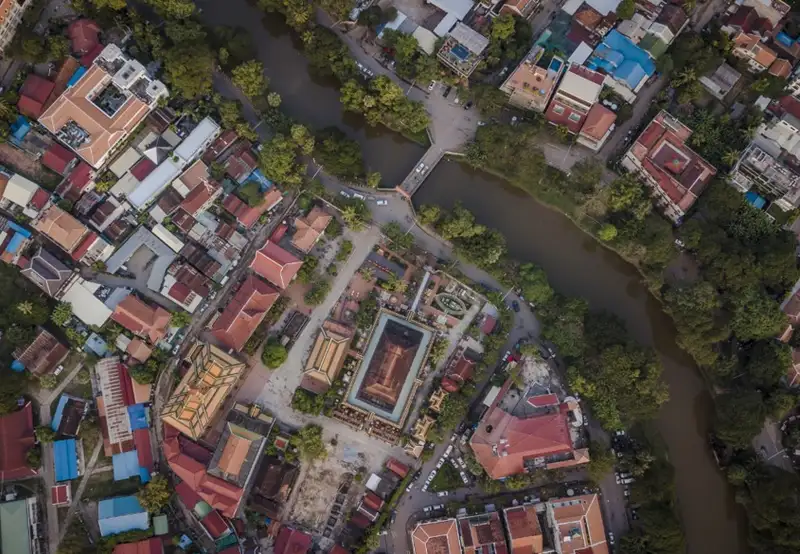
Capital city of the Khmer Empire and home to Angkor Wat and Angkor Thom, researchers believe that Angkor was the largest pre-industrial city in the world by surface area which utilised a complicated water management system to support an estimated population of 750,000 to one million people throughout the late 9th century to the 15th century.
Angkor Thom
The last and most enduring capital of the Khmer Empire, this stunning city sits on the west bank of the Siem Reap River roughly a mile from Angkor Wat; established in the late 12th century by Jayavarman VII and a key location in his expansion-focused building programs, this site is home to some spectacular Khmer ruins – including the Bayon Buddhist temple, the Preah Palilay Buddhist sanctuary, and the Prasat Suor Prat towers.
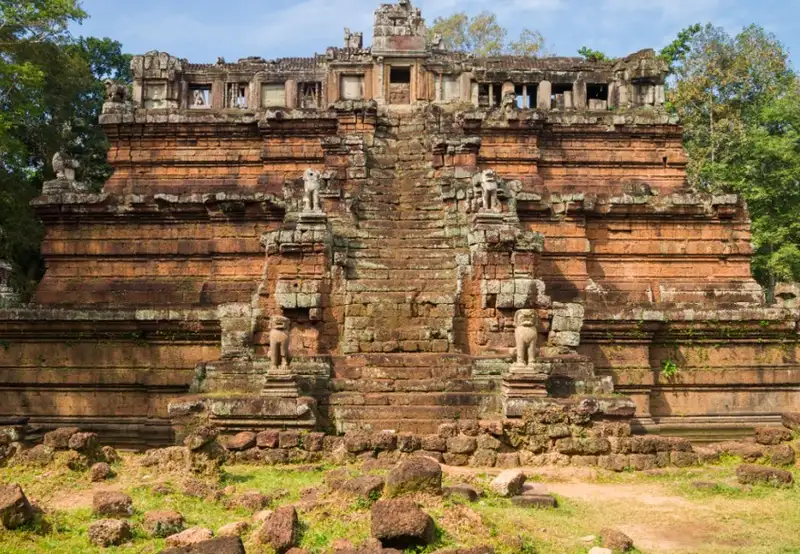
Phimeanakas Temple
Phimeanakas is a Khelang-style temple built throughout the reign of Rajendravarman II at the end of the 10th century, with construction actually completing under his successor Suryavarman I. It sits within Angkor Thom, and legends suggest that it was here Khmer kings would spend the first watch of every night with a woman thought to represent a Naga (divine half-human, half-serpent beings) to discern whether death would befall him, or calamity would strike his kingdom.
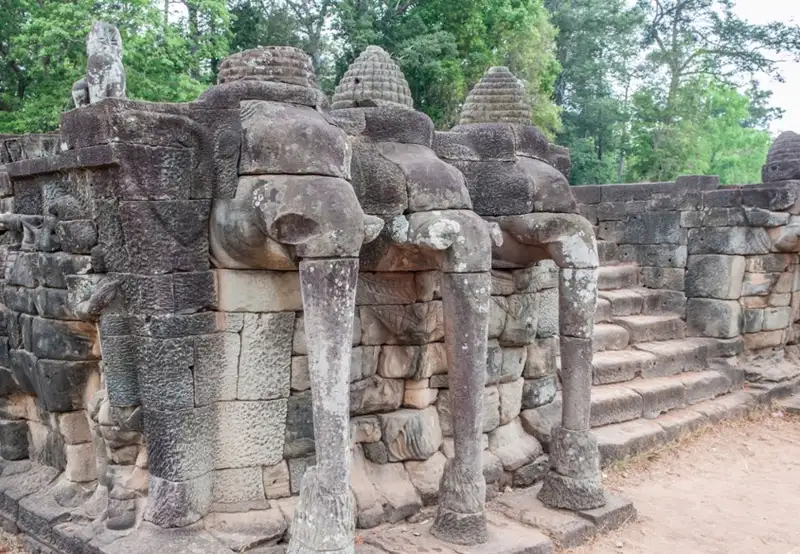
Terrace of the Elephants
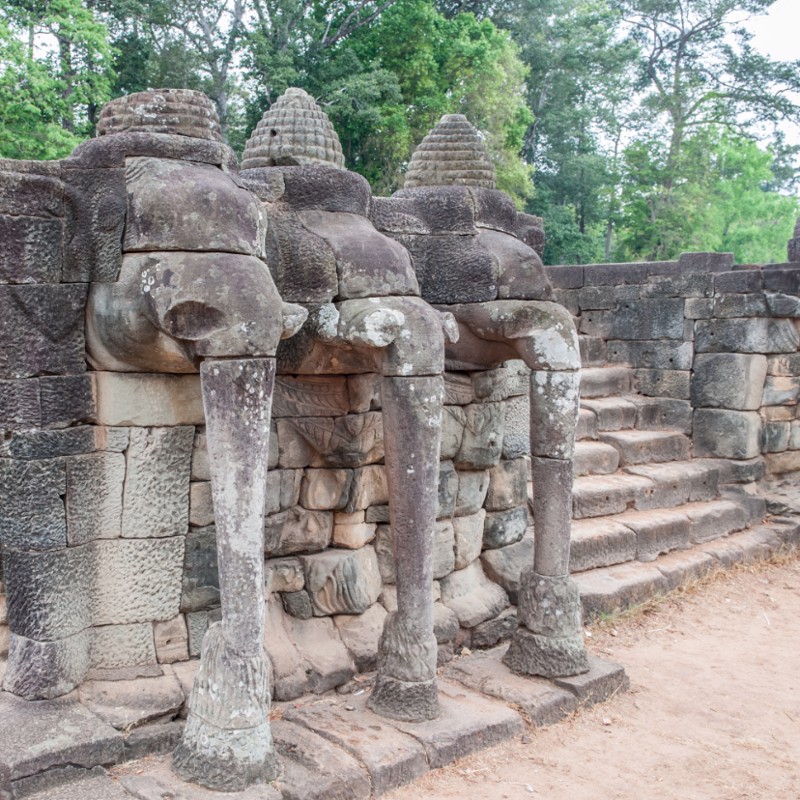
Part of Angkor Thom, the Terrace of the Elephants was a platform used by King Jayavarman VII to watch his victorious returning armies. Roughly 350 metres long, the eastern face of the wall is adorned with carvings of elephants and what we see today is primarily the foundational platforms on which a larger structure would have once stood.










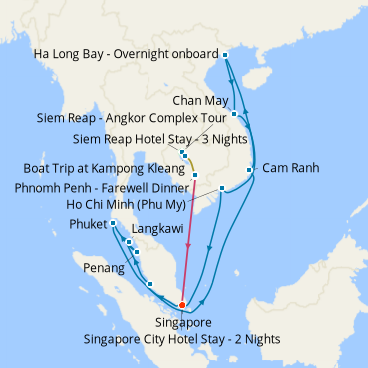


 5 February 2027 · 25 nights
 London Airports


















 Transfers to Airport

 Flights
 Hotel
Hotel
 Land Tours
 Wi-Fi
Wi-Fi
 Drinks
 Tips
Tips
 Specialty Dining
 Entertainment
 Cabin
Cabin
 Port Fees & Taxes
 Transfers (Between)










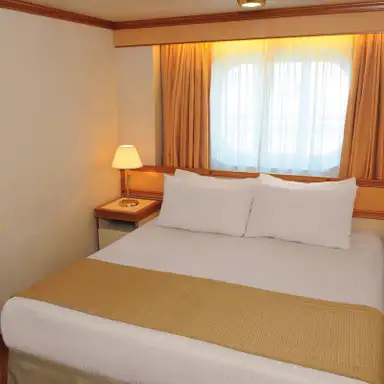
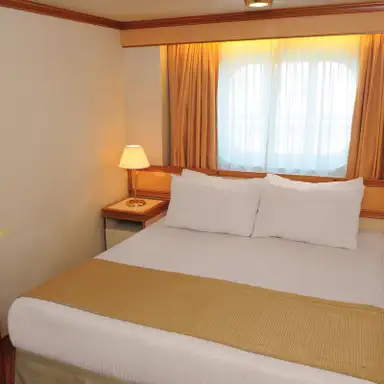
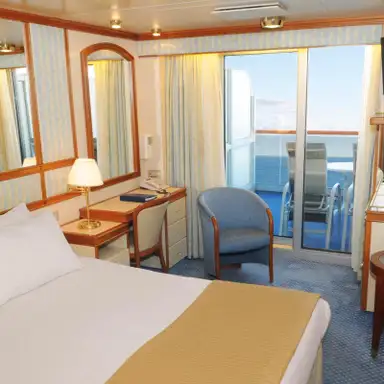

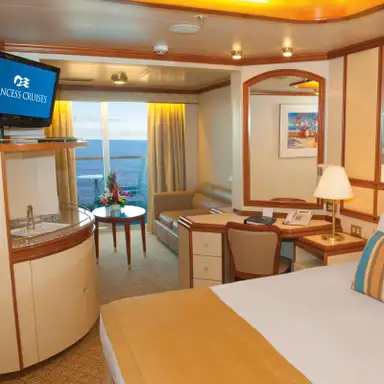
























 Included
 Not Included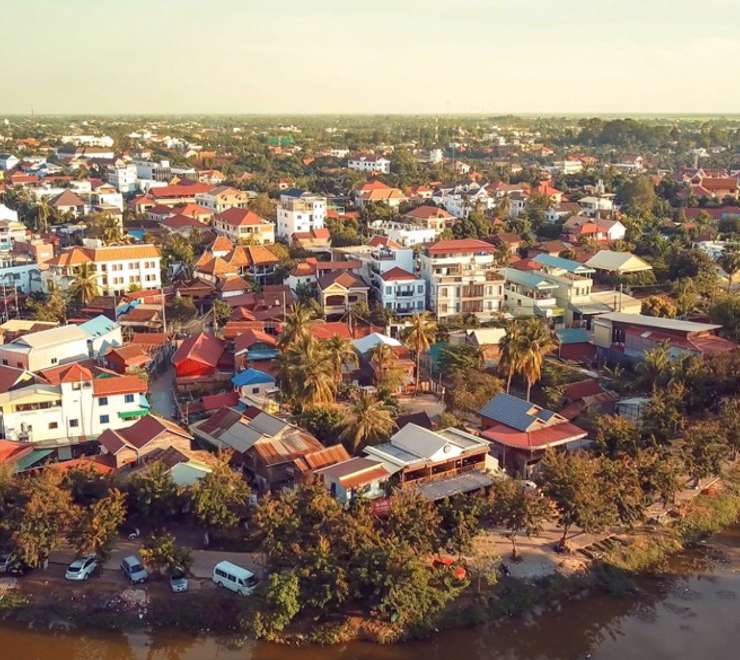




































 Cruise
 Shows
Shows


