Description
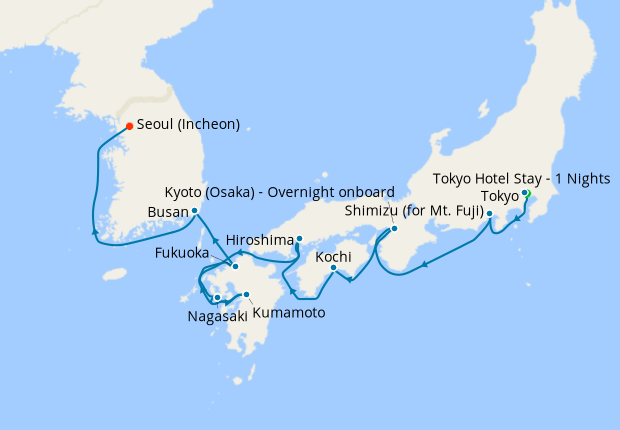
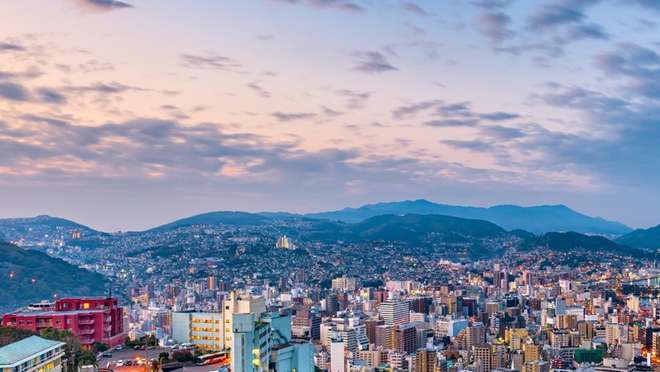
Kumamoto, located on the island of Kyushu, is a city defined by its resilient spirit and the majestic presence of Kumamoto Castle, one of Japan's most impressive and historically significant fortifications. Known as the "Land of Fire" due to its proximity to Mount Aso, one of the world's largest active calderas, the city is blessed with abundant natural spring water that feeds its lush landscape. A visit to the Suizenji Jojuen Garden offers a tranquil escape, featuring a miniature representation of the Tokaido road and the 53 stations between Edo and Kyoto. Beyond its historical landmarks, Kumamoto is a culinary delight, famous for its savory Kumamoto Ramen with garlic chips and Basashi (horse meat sashimi). The city’s charm is further personified by its world-famous mascot, Kumamon, whose cheerful presence can be found throughout the vibrant shopping arcades and bustling streets, making Kumamoto a warm and welcoming gateway to the wonders of central Kyushu.
Read more
Read less
Things to do
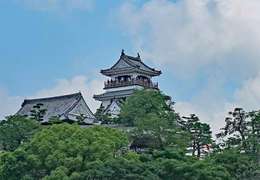
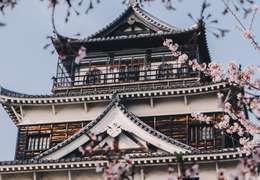
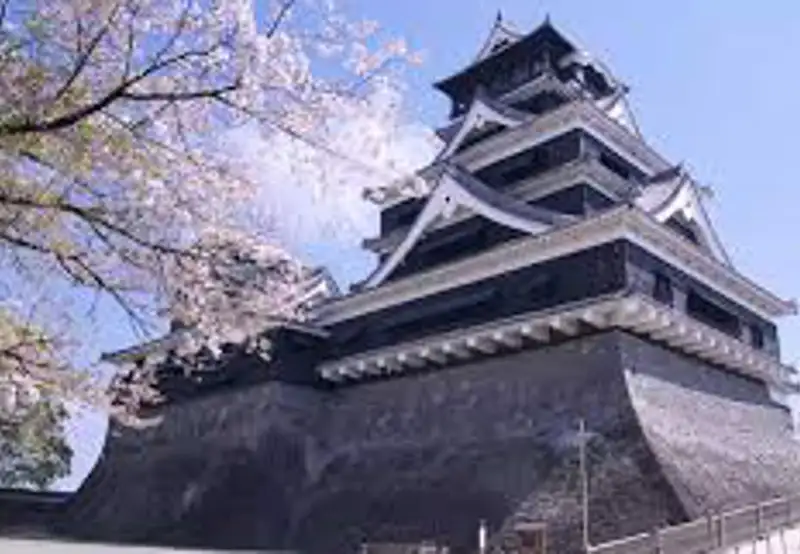
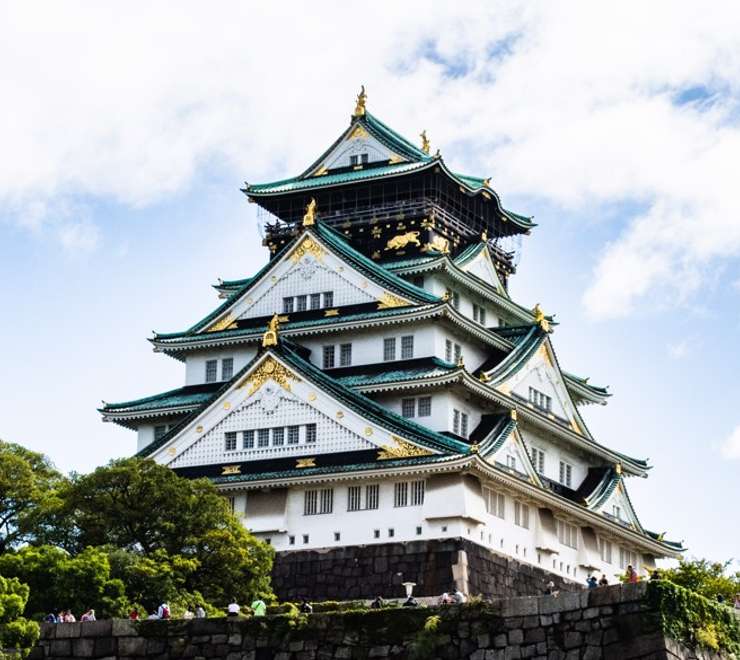
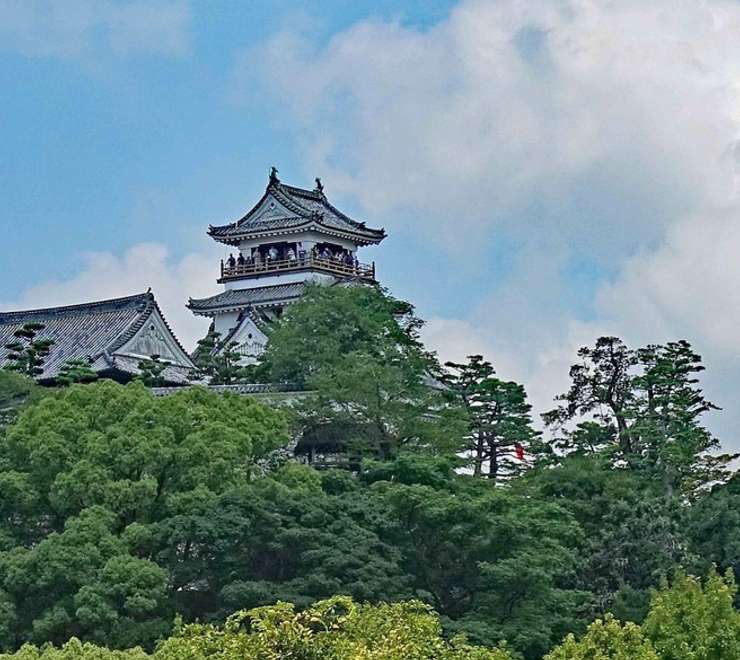
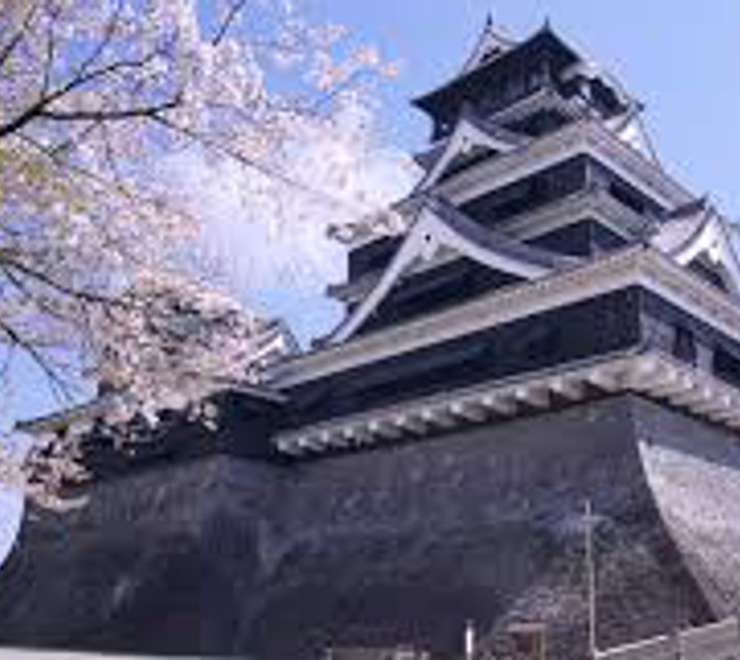
Kumamoto Castle
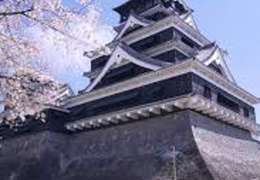
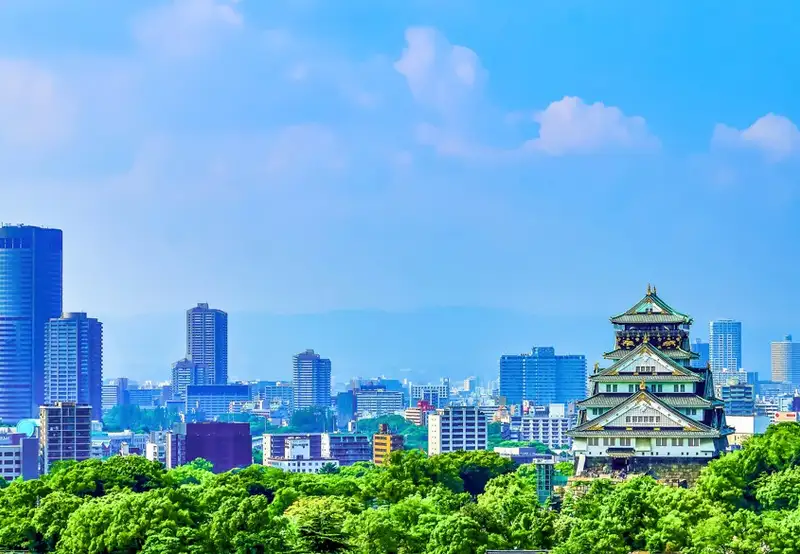
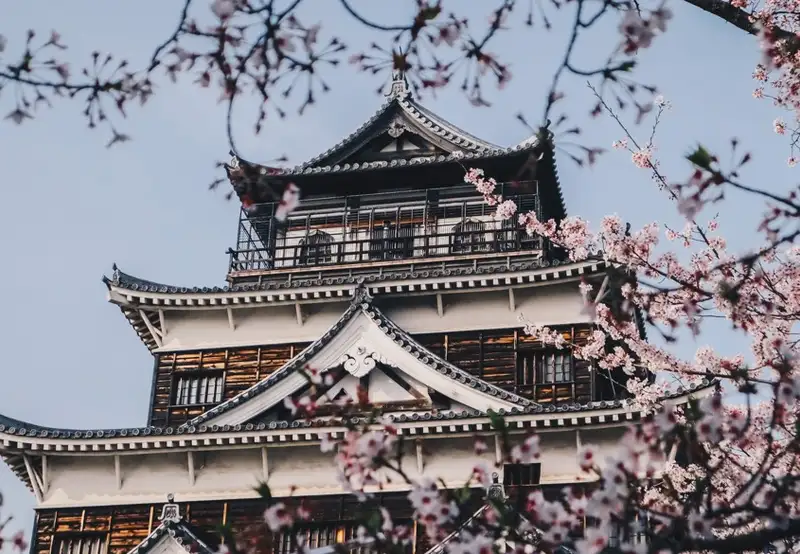
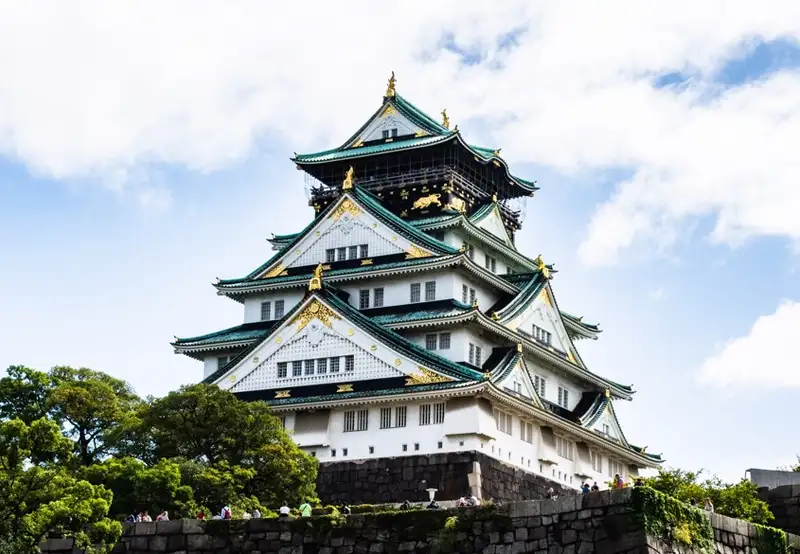
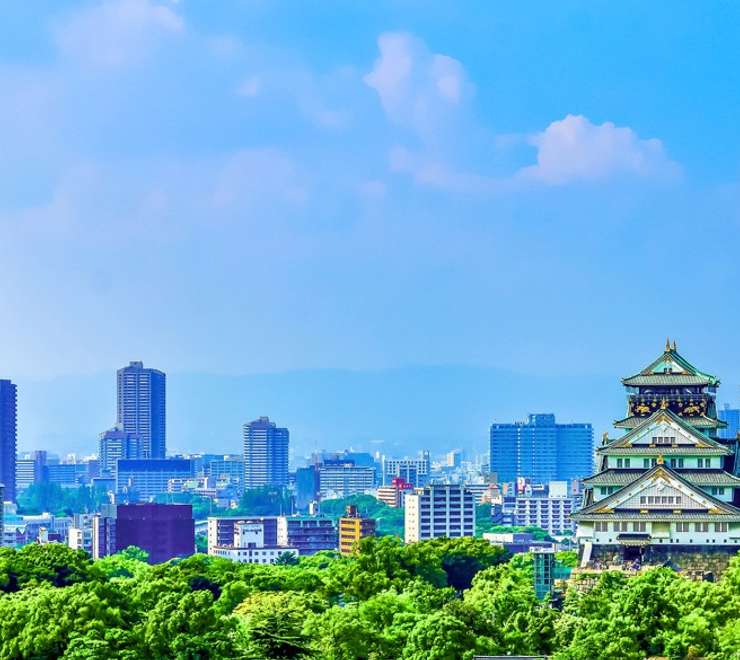
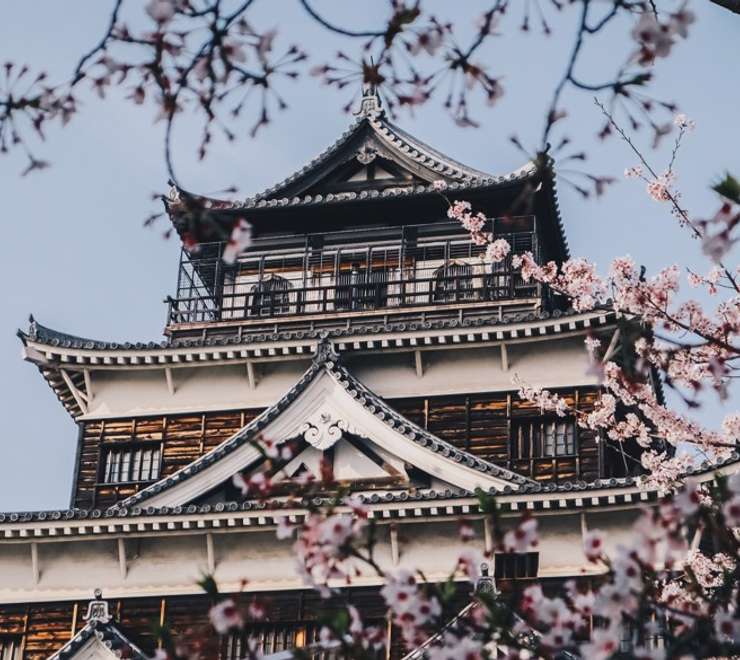
Kumamoto Castle is one of Japan's most imposing and architecturally significant fortresses, famous for its massive "mushagaeshi" stone walls designed to be impossible for ninjas to scale. While it suffered extensive damage during the 2016 earthquakes, the castle has become a powerful symbol of the city's resilience, with its towering black-and-white Main Keep now fully restored and open to the public. Inside, high-tech exhibits chronicle the castle’s four-century history, and the top floor offers panoramic views of the city and distant Mount Aso. Whether you are walking through the reconstructed wooden interior of the Honmaru Goten Palace or admiring the cherry blossoms on its vast grounds, the castle remains a masterpiece of samurai-era engineering and spirit.
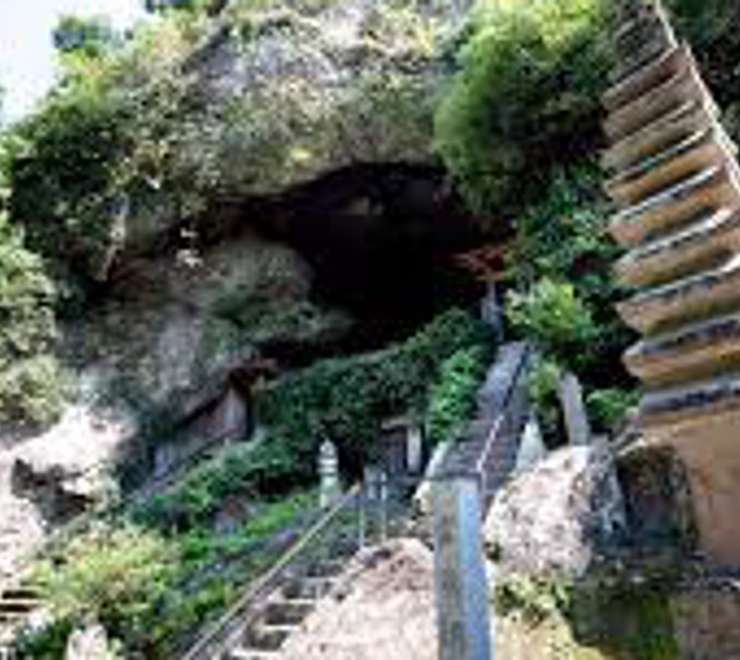
Reigando Cave
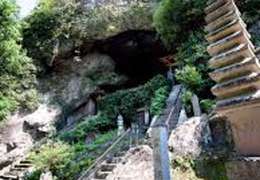
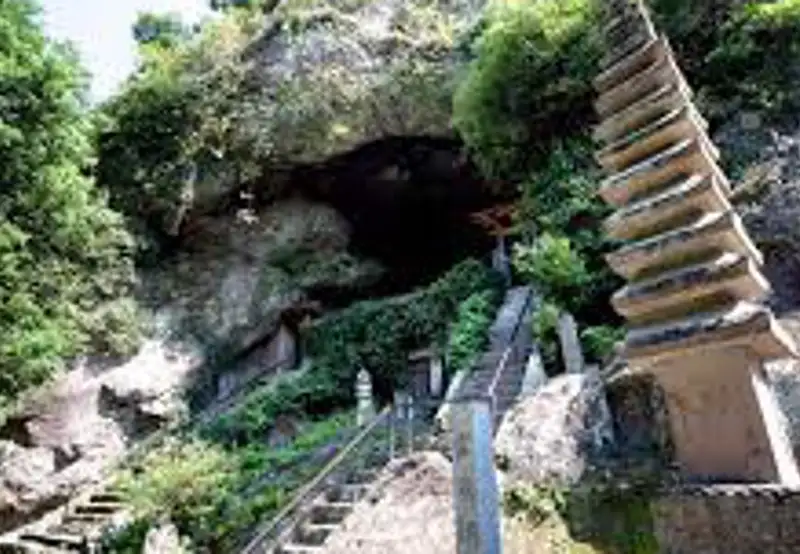
Reigando Cave, or the "Spirit Rock Cave," offers a profound connection to Japan’s martial arts legacy, as it was here that the legendary swordsman Miyamoto Musashi spent his final years. Tucked away on the forested slopes of Mount Kinpo, the cave provided a secluded sanctuary where Musashi meditated and authored his famous strategic masterpiece, The Book of Five Rings. The atmosphere is deeply meditative, with the cave sitting behind the tranquil Unganzenji Temple and surrounded by hundreds of weathered Gohyaku Rakan (five hundred disciples of Buddha) stone statues that line the mossy hillside. It remains a quiet, spiritual pilgrimage site for those seeking to understand the philosophy and discipline of one of history’s greatest warriors amidst the silent, ancient rocks.
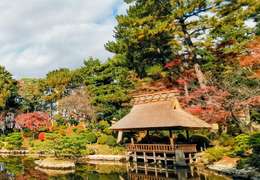
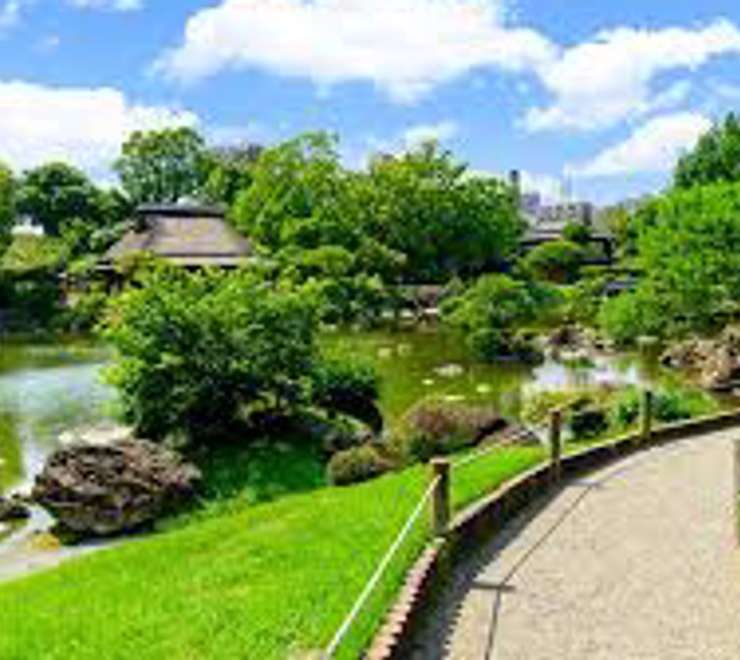
Suizenji Jojuen Garden
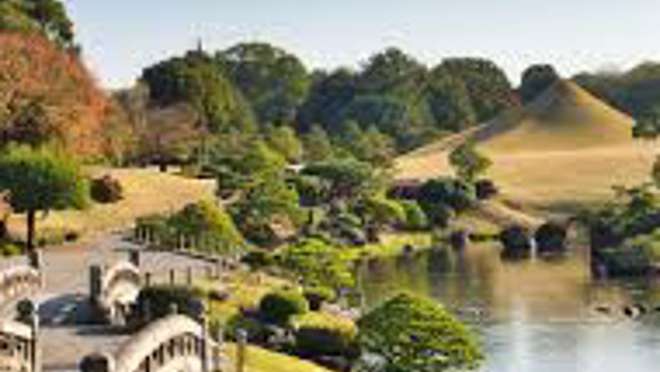
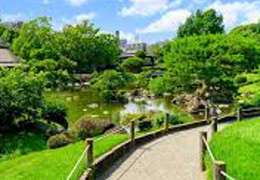
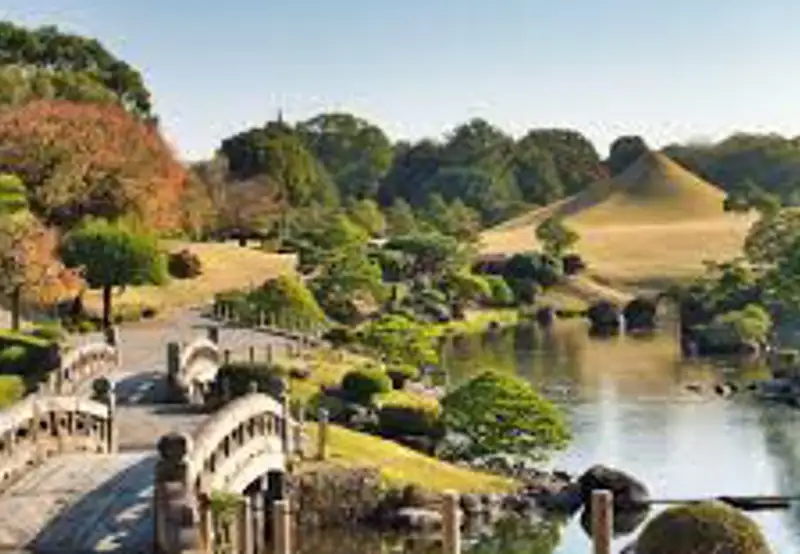
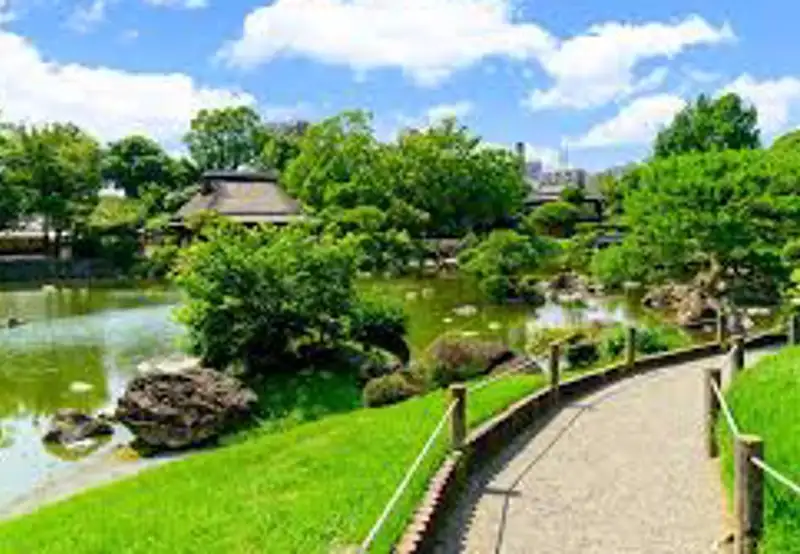
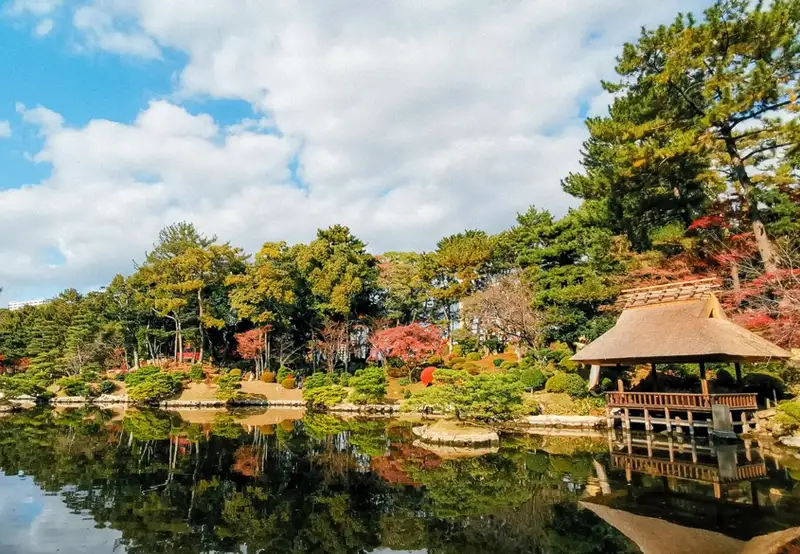
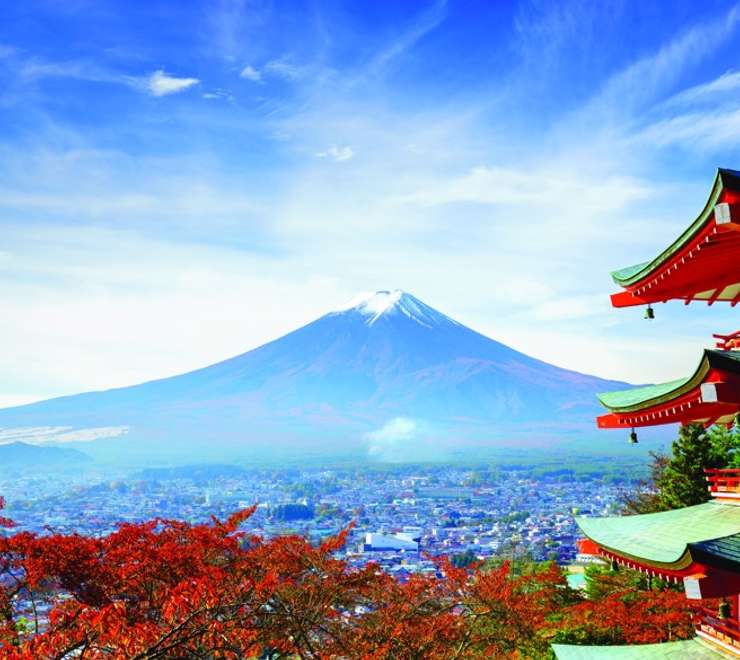
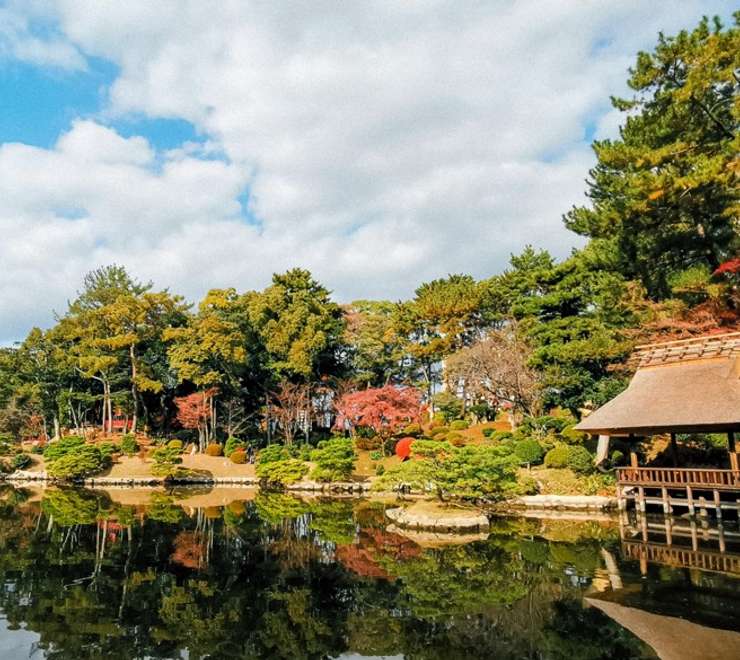
A visit to Suizenji Jojuen Garden is a journey through a miniature landscape of Japan’s most famous sights, designed in the 17th century by the Hosokawa clan. The heart of the garden is its spring-fed lake, which remains remarkably clear as it is continuously replenished by the pure groundwater of Mount Aso. As you follow the circular path, you'll encounter a perfectly manicured hill representing Mount Fuji and 53 small scenes that recreate the historic Tokaido road stations between Edo and Kyoto. The experience is best rounded off at the Kokindenju-no-ma Teahouse, where you can sit on tatami mats and enjoy matcha and traditional sweets while overlooking the tranquil pond and the sacred Izumi Shrine.












 11 May 2027 · 16 nights
 London Airports
  2 Adults
Change
2 Adults
Change














 Transfers to Airport

 Flights
 Entertainment
 Meals
Meals
 Accommodation
 Port Fees & Taxes




































































 Experience


