Description
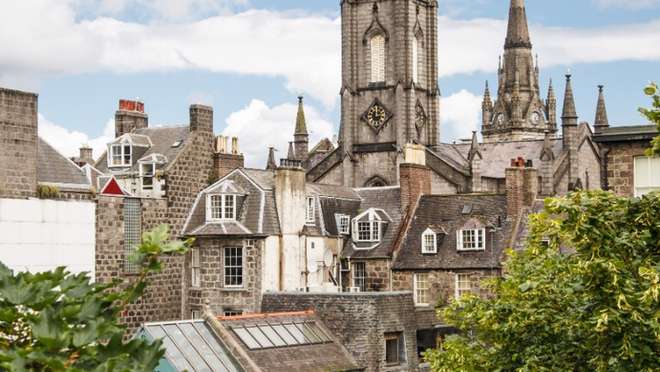
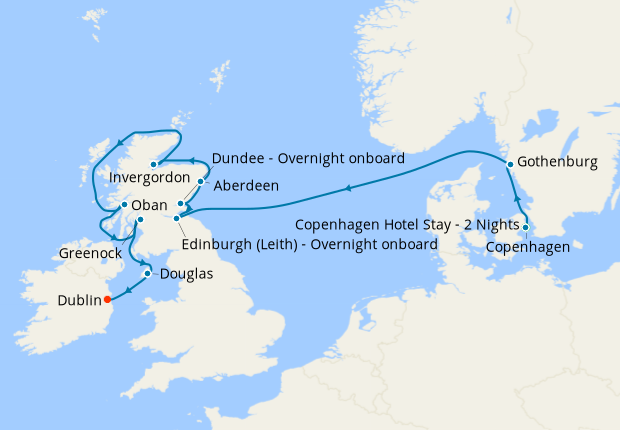
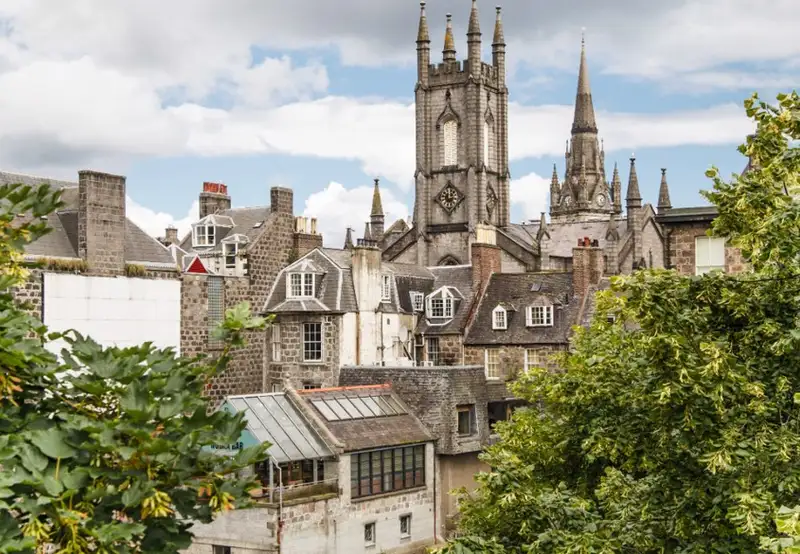
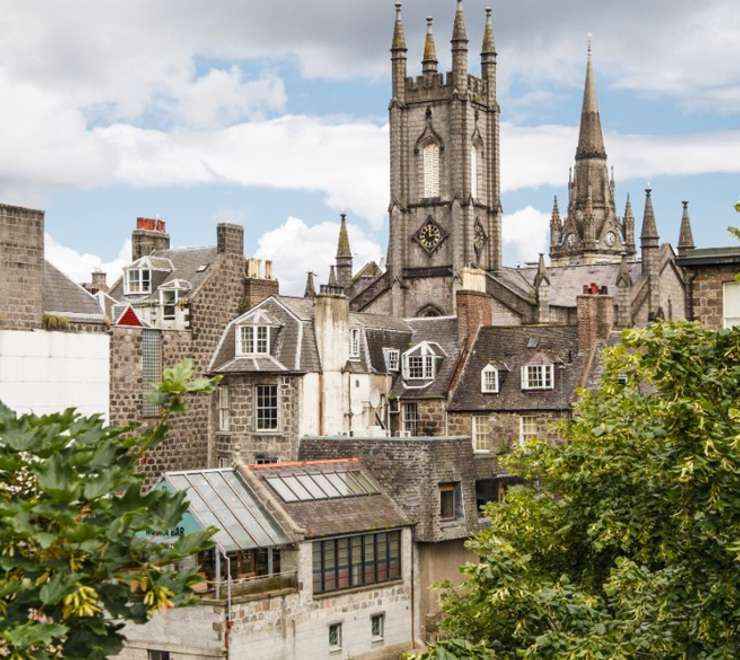
A historic city in North East Scotland, Aberdeen is one of the most architecturally distinctive cities in Europe and boasts some of the best coastline in the British Isles. With long stretches of sandy beaches, rolling hills, and dramatic craggy cliffsides, the natural beauty in and around the city itself is not to be understated. You’ll also find a variety of historic sites to visit alongside intriguing museums, plenty of greenspace to wander, and more than enough fantastic places to eat and drink. The weather may be a little colder than what you would experience in England, but it’s more than temperate enough to enjoy spending a day exploring this remarkable city when you arrive. Old Aberdeen, in particular, is worth spending some time in; you’ll find the Powis Gates, King’s College, and Cruickshank Botanical Gardens among the landmarks in this area.
Read more
Read less
Things to do
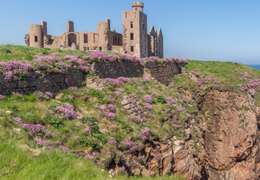
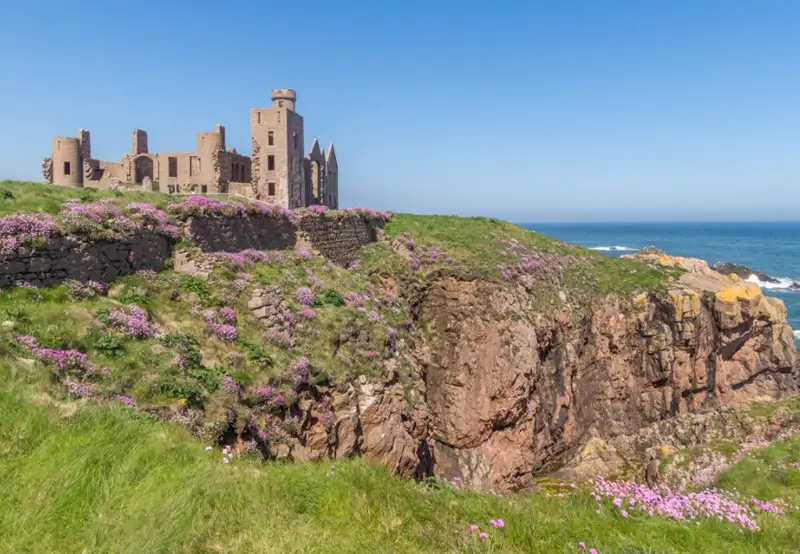
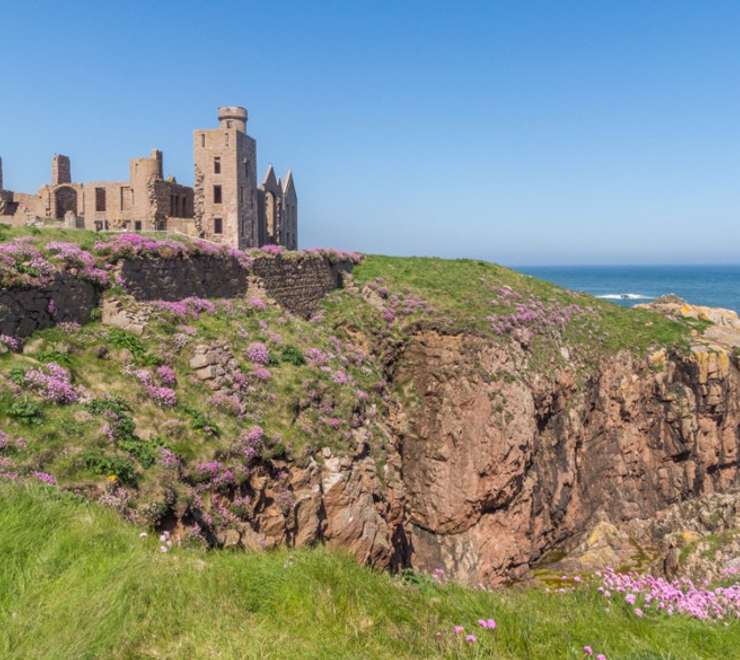
Slains Castle
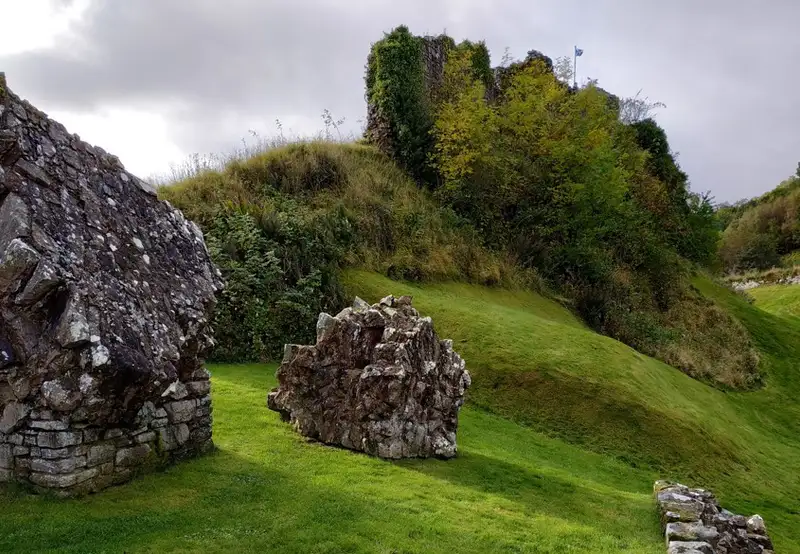
Despite technically being known as New Slains Castle, in order to distinguish it from Old Slains Castle, Slains Castle is a 16th-century ruin in Cruden Bay, just a short drive from the city of Aberdeen itself. Built by the 9th Earl of Erroll, the castle itself is featured in Bram Stoker’s The Watter’s Mou and The Mystery of the Sea, and it’s believed that parts of the castle provided a visual palette for Stoker’s Dracula – an octagonal hall, particularly, features in the novel.
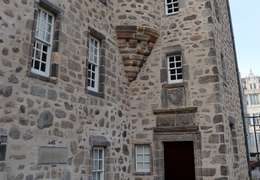
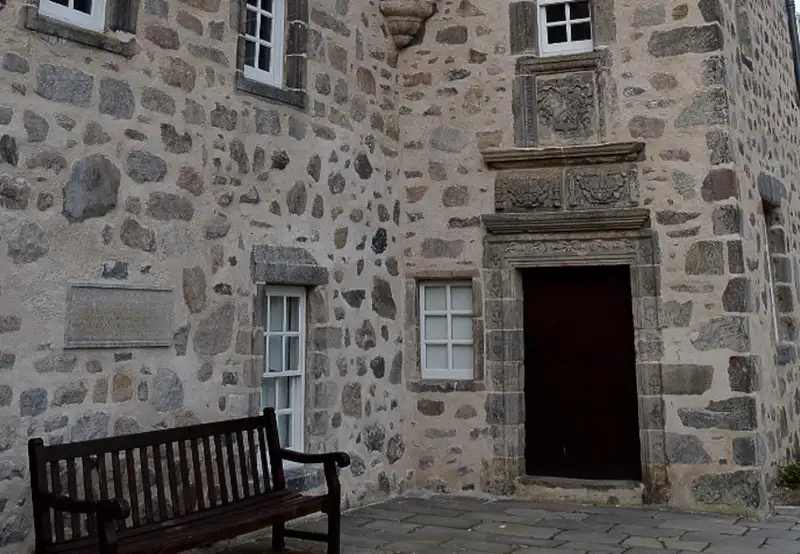
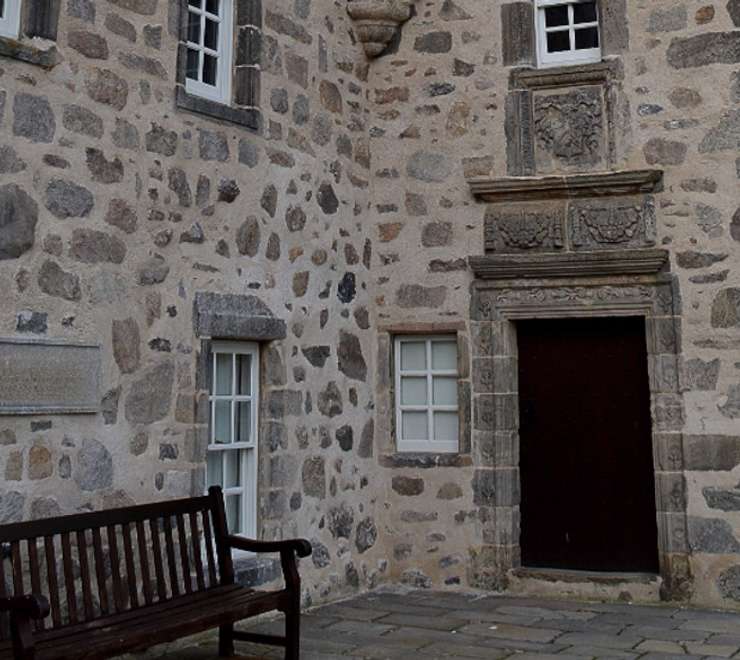
Provost Skene’s House
The oldest surviving town hours in Aberdeen, Provost Skene’s House – which was first constructed circa 1545 – is a museum on local history and prominent figures in popular culture who were born, lived, or worked in Aberdeen. While it was remodeled slightly in the mid-18th century, this is a fantastic example of Aberdeen’s unique burgh architectural style and offers an interesting insight into the period.
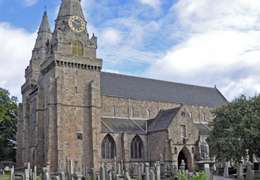
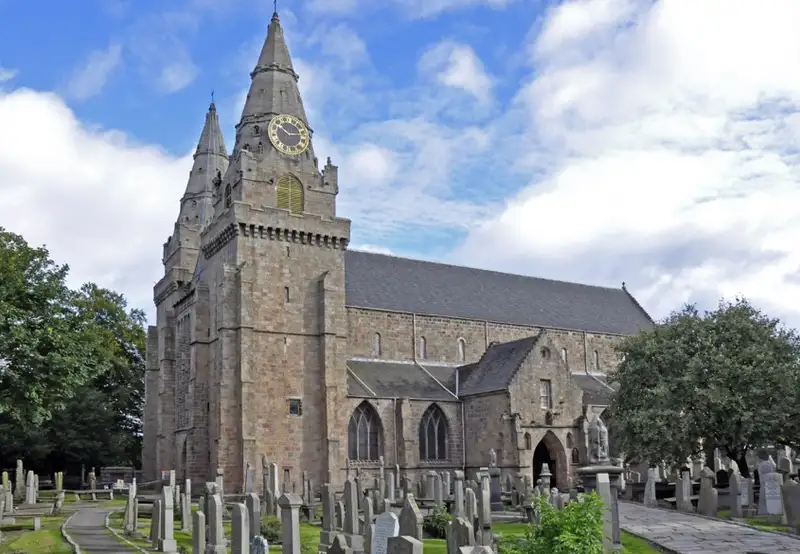
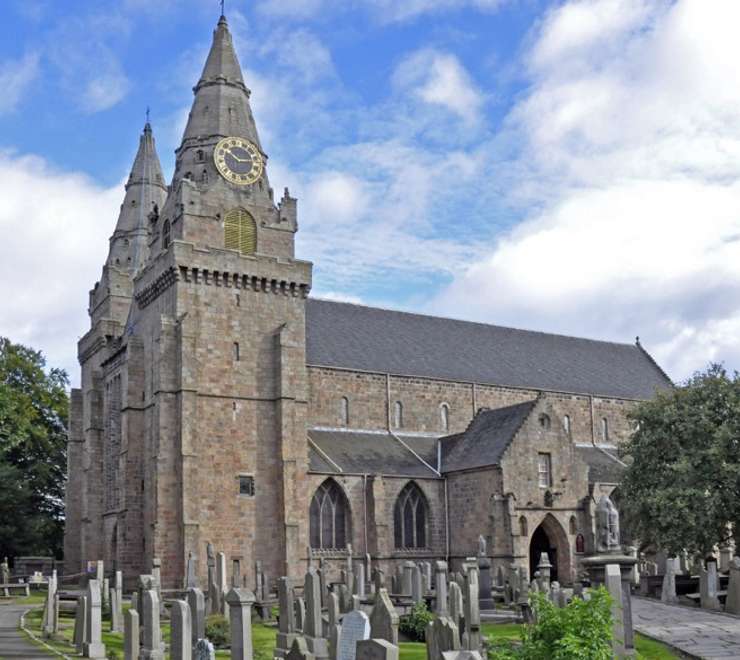
St. Machar’s Cathedral
In Old Aberdeen, St. Machar’s Cathedral was founded as a site of worship in around 580 – with a Norman cathedral replacing the original church circa 1131 before being rebuilt and repaired numerous times over the years. The current church, which is actually a high kirk (not a cathedral), is primarily 17th century, but remains an important cultural landmark and a stunning structure. Reportedly, the left quarter of William Wallace was buried in the walls of the cathedral following his execution in 1305.


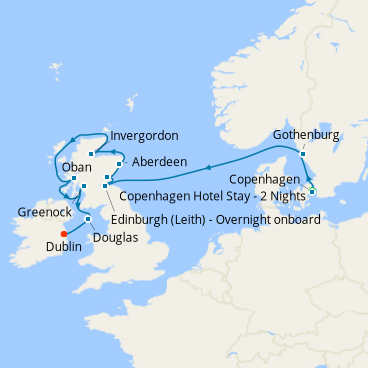


 15 August 2027 · 14 nights
 London Airports
















 Transfers to Airport





















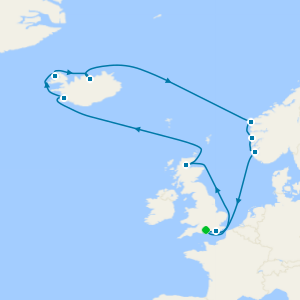
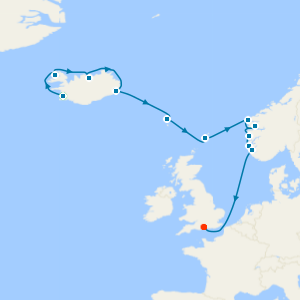
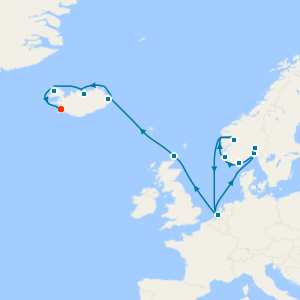
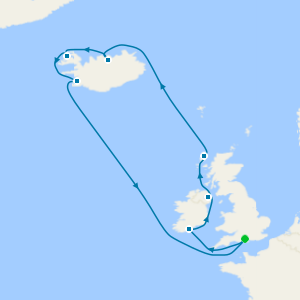














































 Cruise


