Description
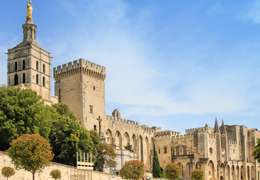
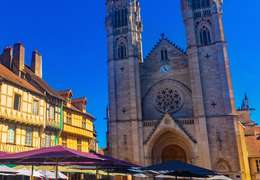
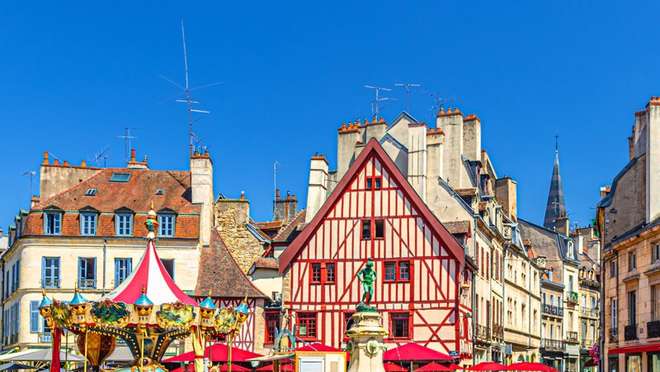
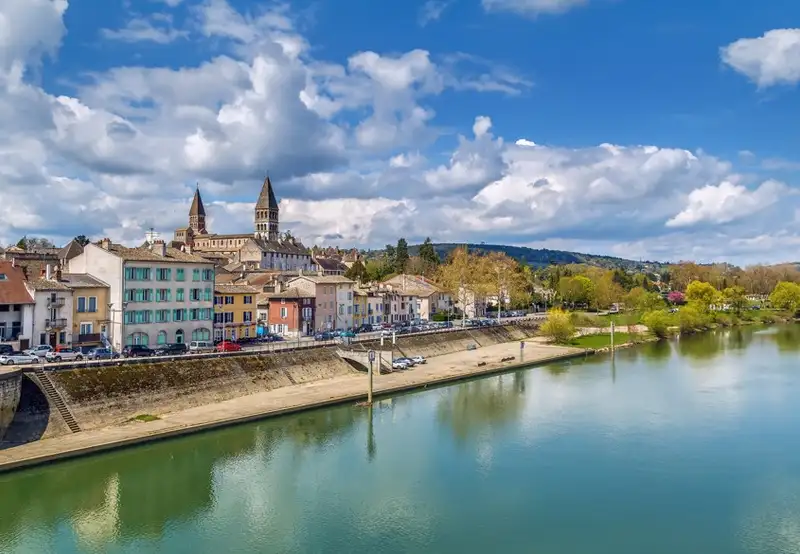
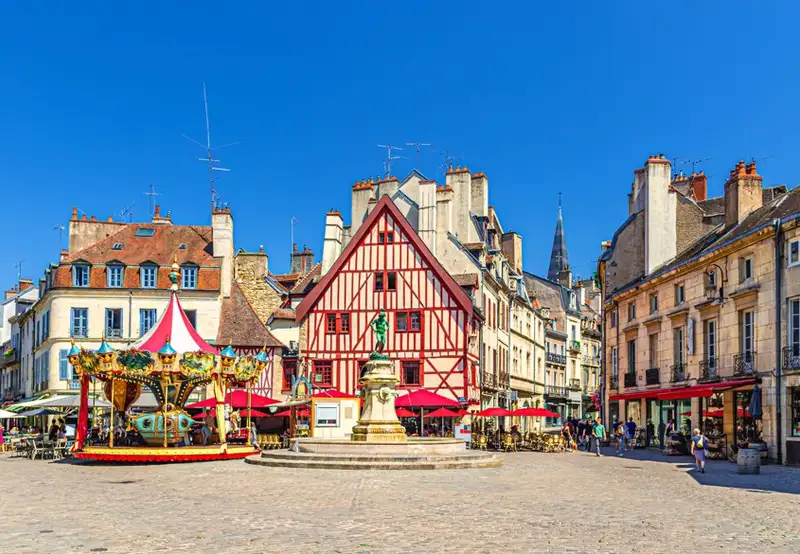
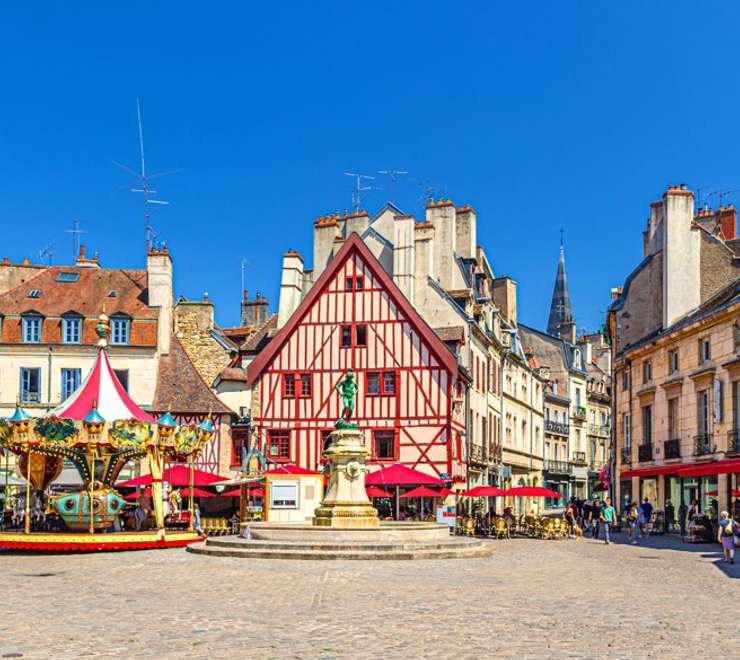
Dijon is a remarkable French city with a fascinating history to uncover, boasting a wealth of attractions and impressive landmarks, an incredible UNESCO-registered city centre, several intriguing museums, and an unmissable culinary landscape. With the region home to the Dukes of Burgundy throughout the 11th century to the 15th century, Dijon became a wealthy centre of art and science; this prosperity is reflected in the city’s impressive structures, such as the Gothic-style Palace of the Dukes and Estates of Burgundy, and its variety of architectural styles from the last several centuries. You’ll also find an impressive culinary landscape here, with Dijon hosting an International and Gastronomic Fair each autumn. Drawing in over 500 exhibitors and hundreds of thousands of visitors, this is one of the most important fairs in France, making Dijon a fantastic place to sample fine French cuisine and a variety of delicious foods from around the world. Beyond this, you’ll also find an impressive selection of museums here; from the Musée des Beaux-Arts de Dijon, one of the nation’s oldest museums, to Musée Magnin, which houses roughly 2,000 works of art collected by Maurice and Jeannie Magnin throughout the 19th century, there’s a lot to learn about French history and culture here. A unique destination overflowing with character and fantastic opportunities, visiting Dijon is always enjoyable, and you’re sure to find something you’ll enjoy when you disembark here.
Read more
Read less
Things to do
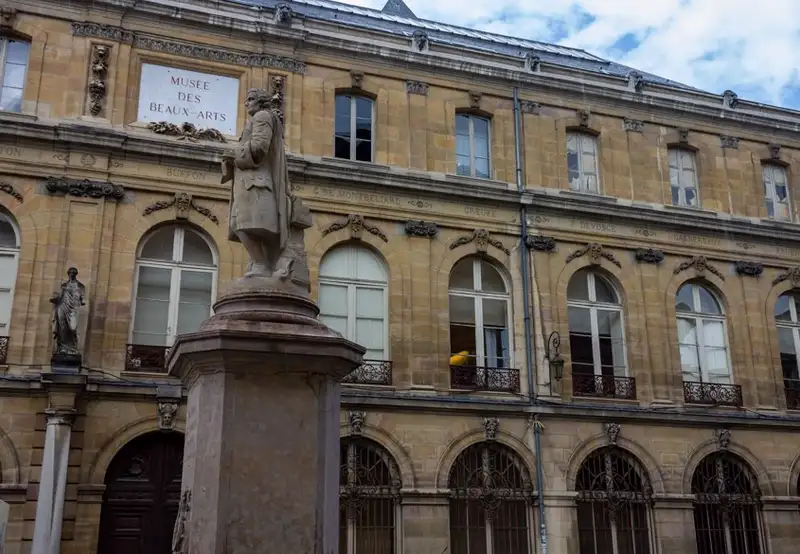
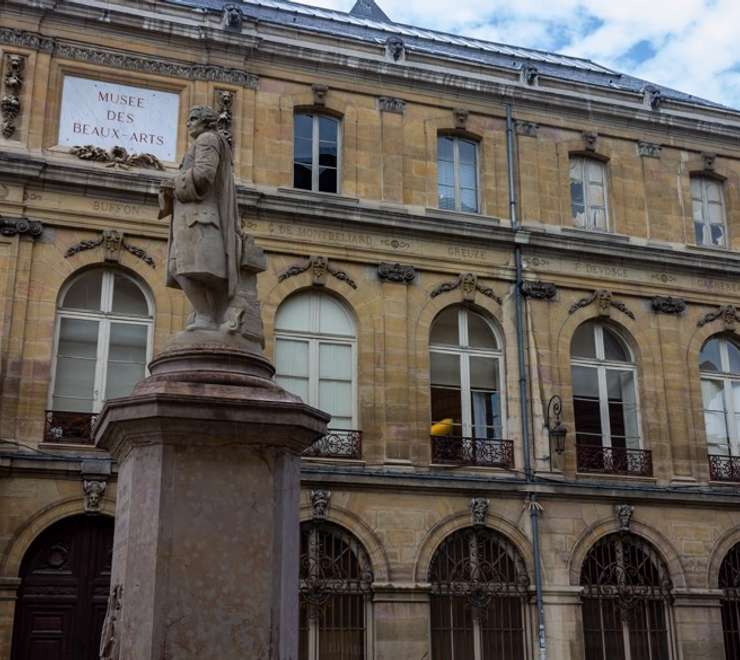
Musée des Beaux-Arts de Dijon
An impressive museum of fine arts located within the Palace of the Dukes and Estates of Burgundy, a staggering ducal palace constructed over the 14th and 15th centuries, Musée des Beaux-Arts de Dijon is home to a staggering collection of artworks displayed across 50 rooms. Founded in 1787, it’s one of the oldest and most significant fine art museums in France. Here, you’ll find everything from the intricately decorated tombs of the Dukes of Burgundy and the rare Fayum mummy portraits to famous Renaissance works, Roman artwork from throughout Germany and Switzerland, 20th-century works from the school of Paris, and so much more. It’s also home to Asian and African arts, making this a truly fascinating attraction to spend some time exploring.
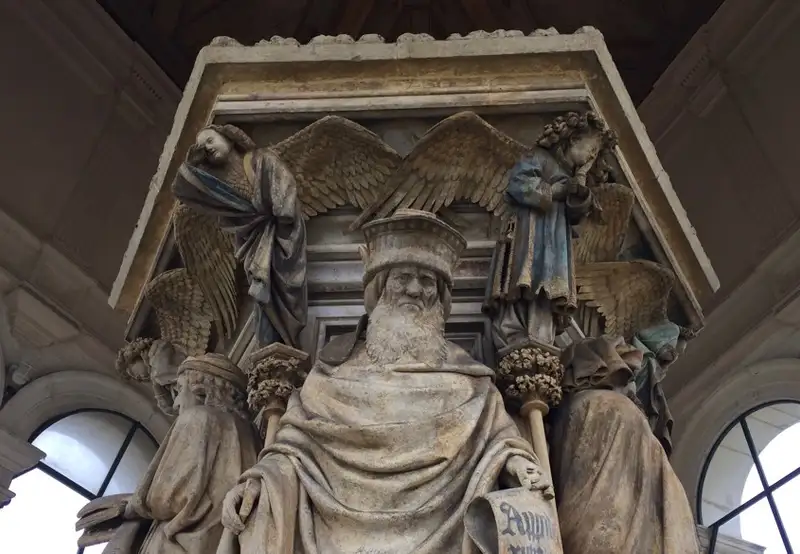
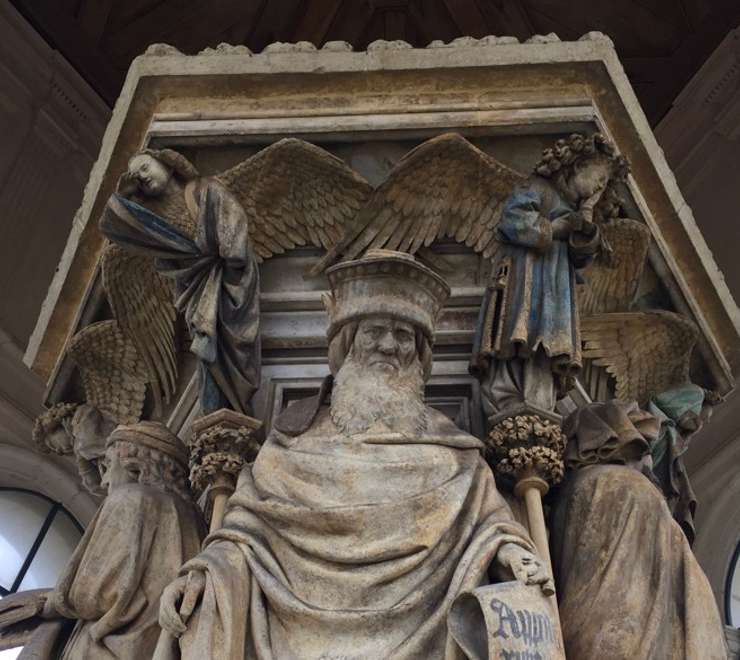
Puits de Moïse (Well of Moses)
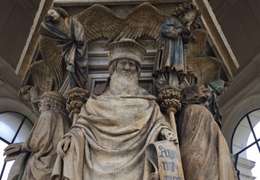
The Well of Moses, situated just outside central Dijon, is a monumental sculpture depicting six prophets who foresaw the death of Christ on the Cross: Moses, David, Jeremiah, Zechariah, Daniel, and Isaiah. Created between 1395 and 1403, this impressive landmark is widely regarded as the masterpiece of Dutch sculptor Claus Sluter. It was built for the Carthusian monastery of the Chartreuse de Champmol, which soon became an integral part of the burial site of Phillip the Bold, Duke of Burgundy, between 1363 and 1404. It uniquely depicts Phillip the Bold as Jeremiah, with the carvings of Jeremiah resembling those of the former Duke. Housed in a 17th-century aedicula, this landmark is worth taking the time to visit when in Dijon.
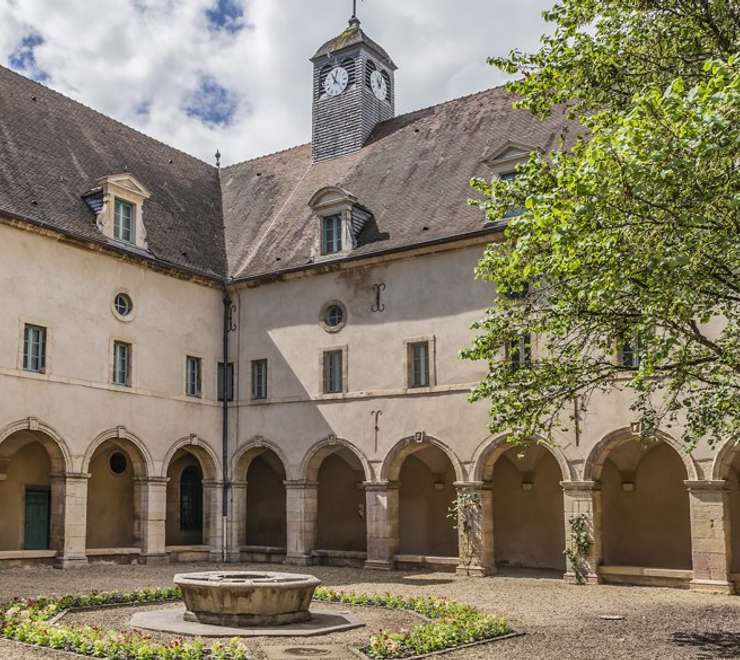
Musée de la Vie bourguignonne
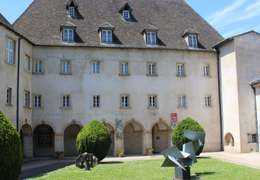
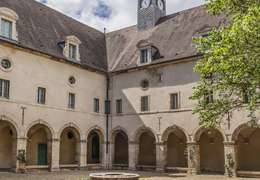
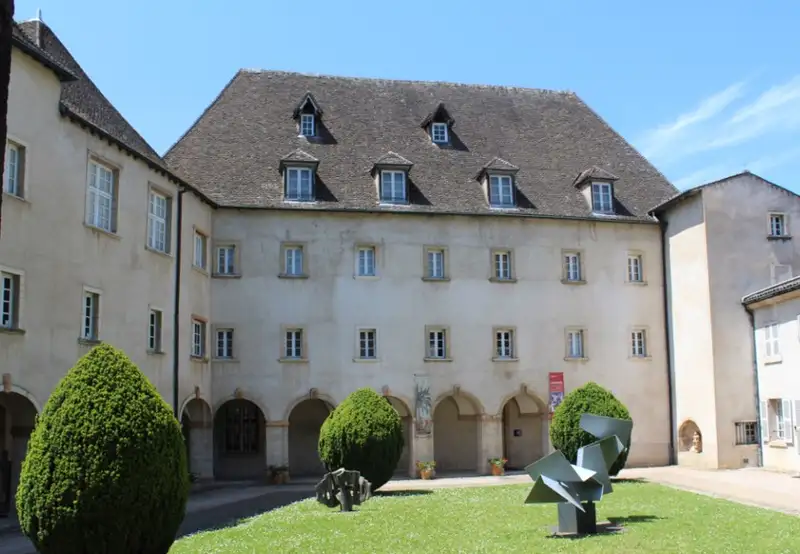
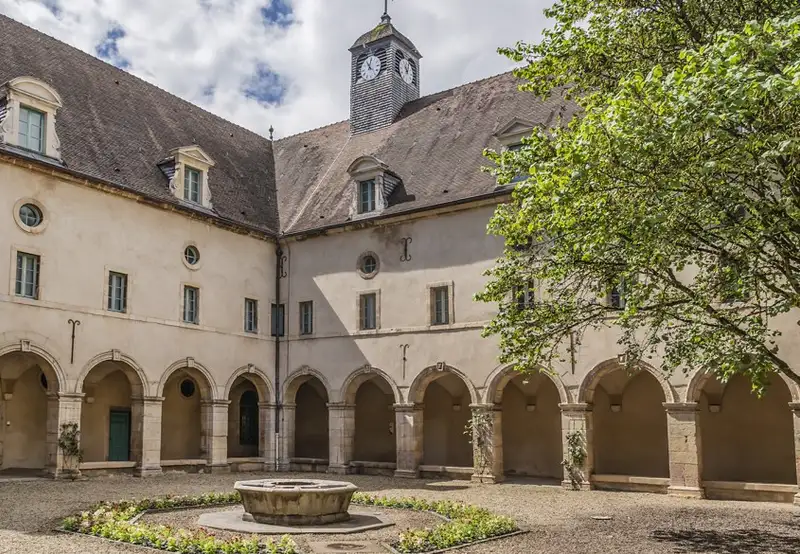
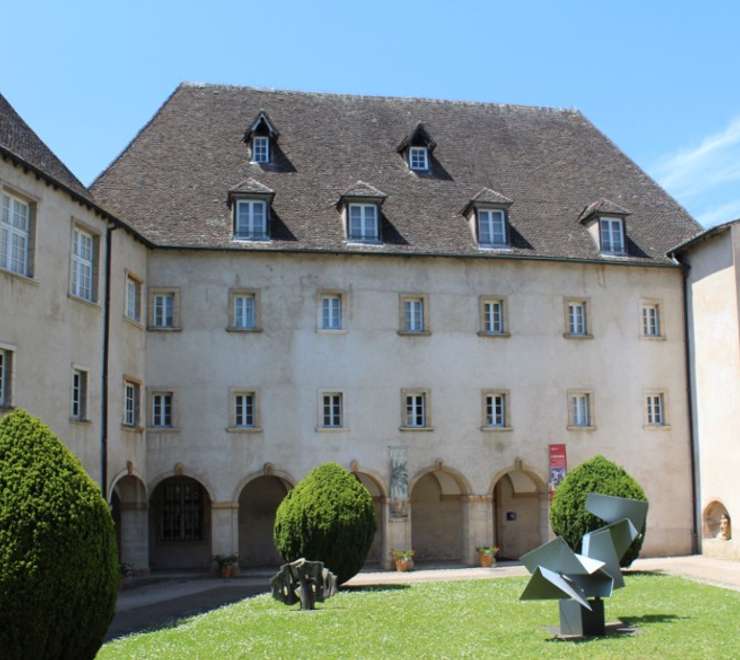
Musée de la Vie bourguignonne, the Museum of Burgundian Life, is an intriguing museum that explores domestic life in Burgundy and the region’s cultural history through a fascinating collection of rural objects, authentic costumes, and historic artefacts. Housed in the cloister of the Monastère des Bernardines, this museum stands out for featuring a number of its exhibits as faithful recreations of domestic scenes, using lifelike mannequins to bring them to life. It’s also home to Rue des Boutiques, a reconstruction of famous Dijon shopfronts from the 19th and 20th centuries, offering you further insight into what life was like centuries prior.


 5* Saône River Cruise -


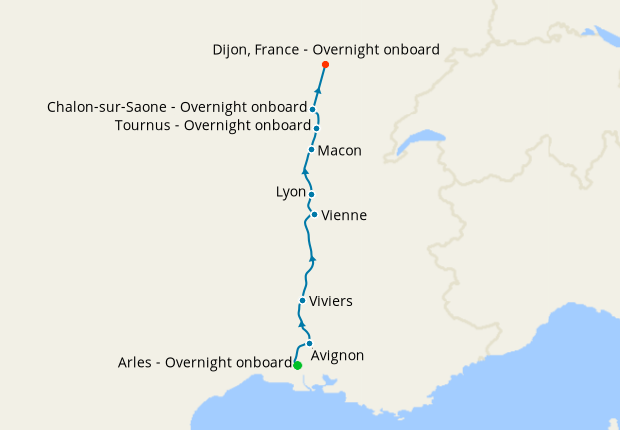


 4 June 2026 · 7 nights