All offers and prices are subject to change and availability at time of enquiry. Prices are based on two passengers sharing unless otherwise stated and are subject to the Tour Operator's terms and conditions. Cabin and Flight supplements may apply. Other supplements may apply in addition to the price shown above. Flight details, timings and routing may be subject to alteration. Other tour operator charges may also apply. Any Onboard Spending money or drinks package value shown will be per cabin, again based on two sharing.
Supplier Reference:
Talk to a Cruise Expert
Our cruise experts will help you pick the perfect cruise line, ship and destination.
We can tailor any package to suit your holiday needs: Add or extend hotel stays, arrange flights and find the best cabin location for you.
If your party size isn’t listed, you can still call us: 0203 848 3113
This cruise is adults only
2 Adultsfrom £1,609 pp
1 Adult
Enquire for price
Other party size
Enquire for price
For an accurate price please select 'Check Availability'
Back
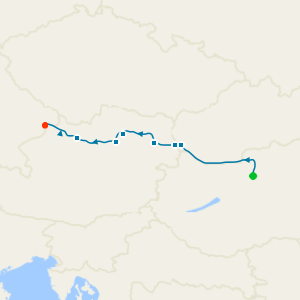
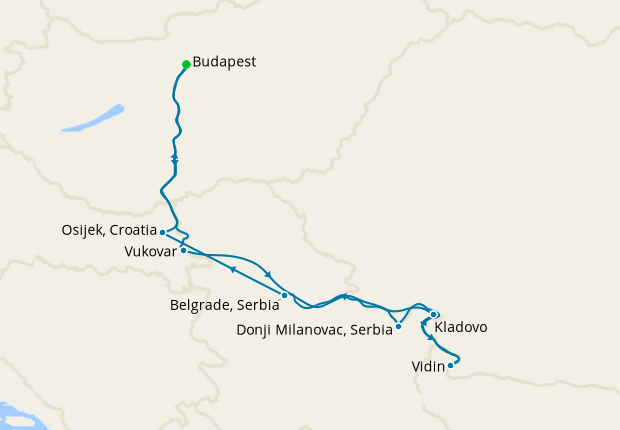
Vukovar
Vidin
Belogradchik Fortress (Kaleto)
Donji Milanovac, Serbia
Lepenski Vir
Djerdap National Park
Belgrade, Serbia
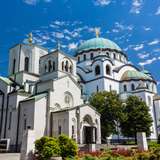
Church of Saint Sava
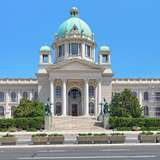
House of the National Assembly
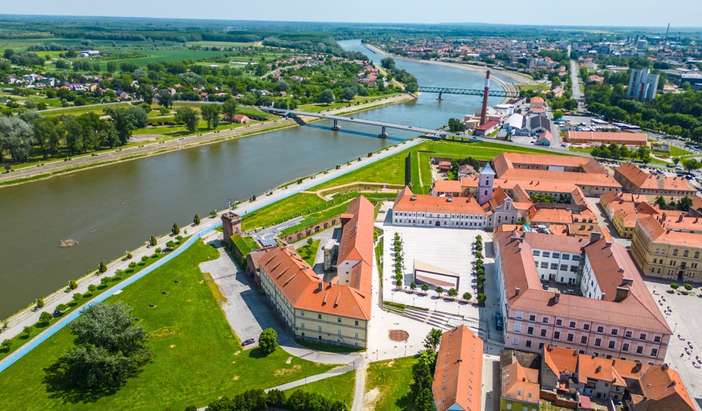
Osijek, Croatia
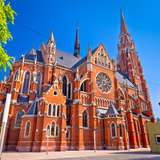
Osijek Co-cathedral
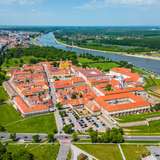
Tvrđa
Dudik Memorial Park
Stambol Kapia
The Cross Barracks Museum
Authentic Serbian Cuisine
Novi Dvor
Belgrade Fortress
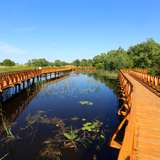
Kopački Rit Nature Park
Eltz Manor
Vukovar Water Tower
Baba Vida
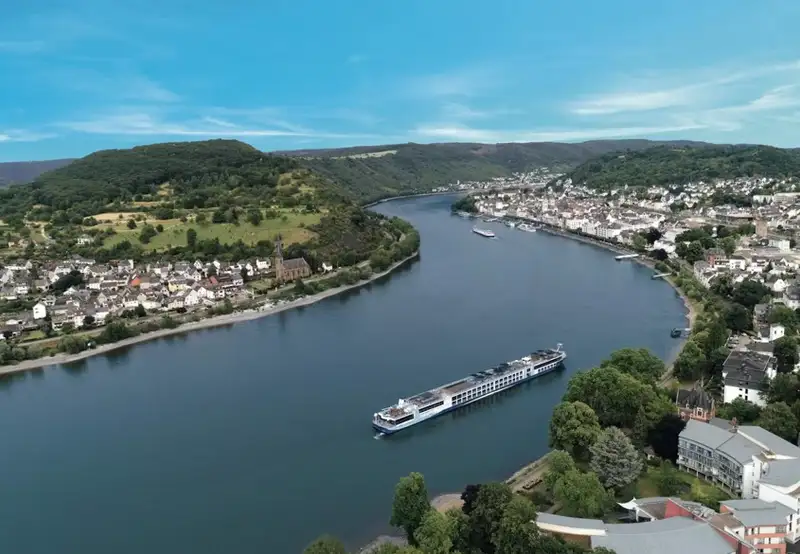
TUI Maya
Observatory
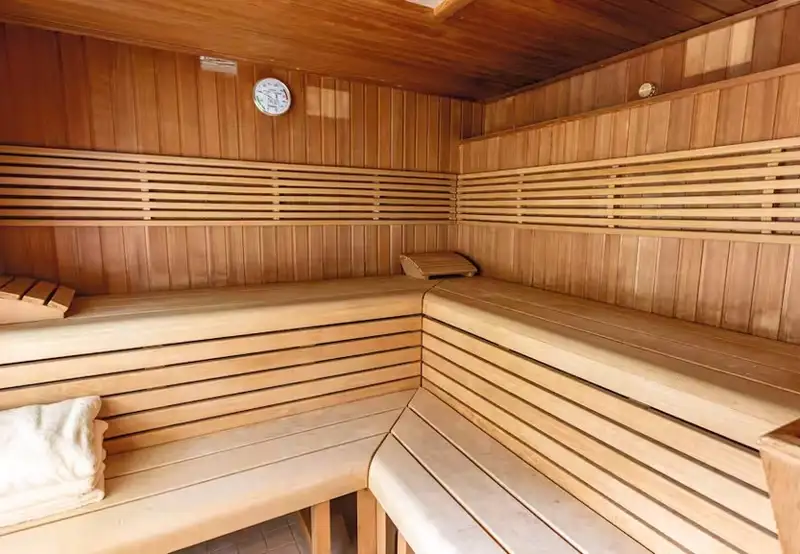
Sauna
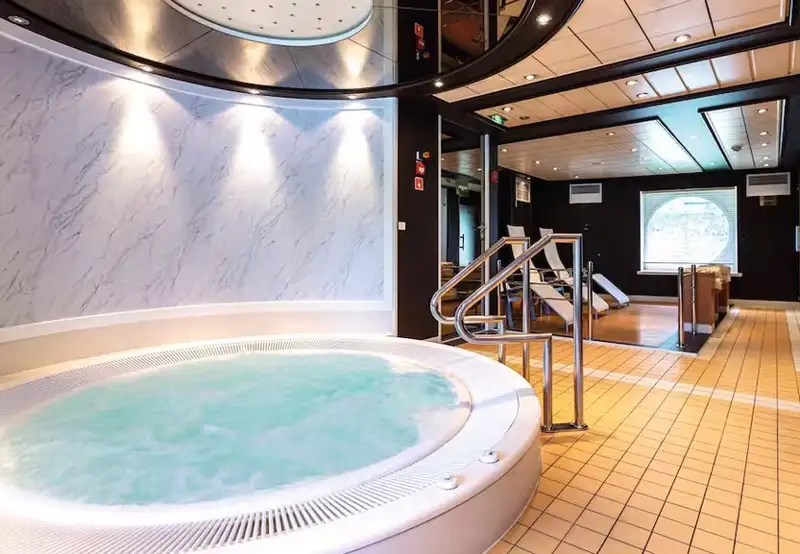
Wellness Area
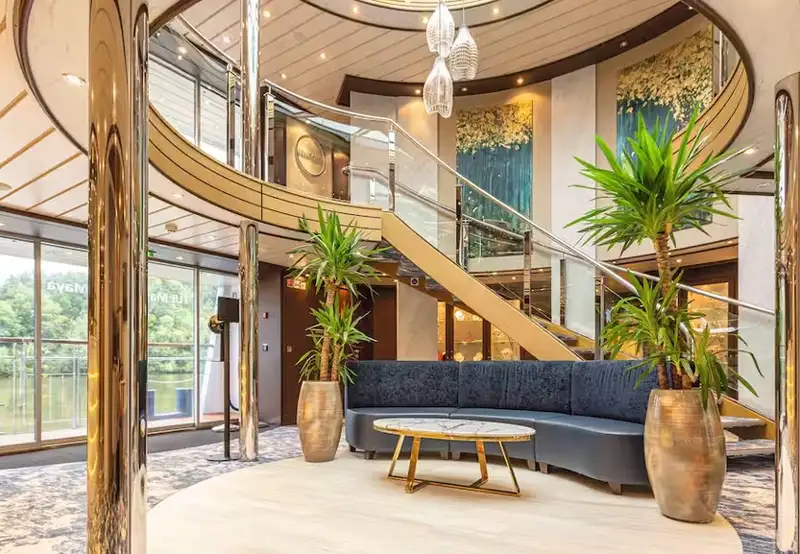
Atrium
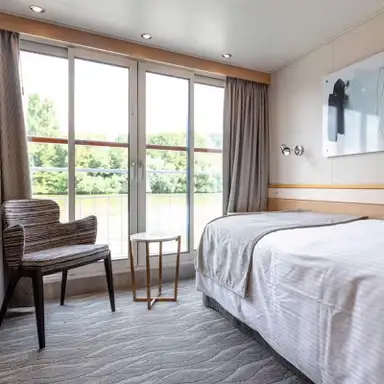
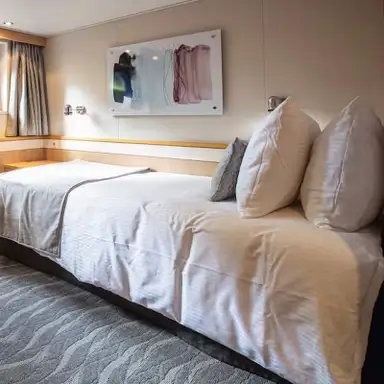
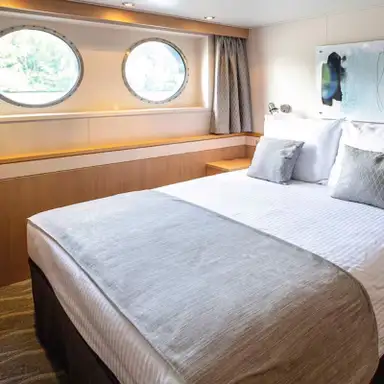
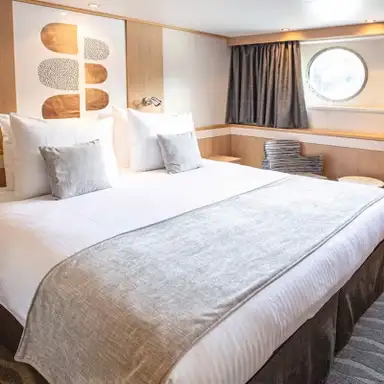
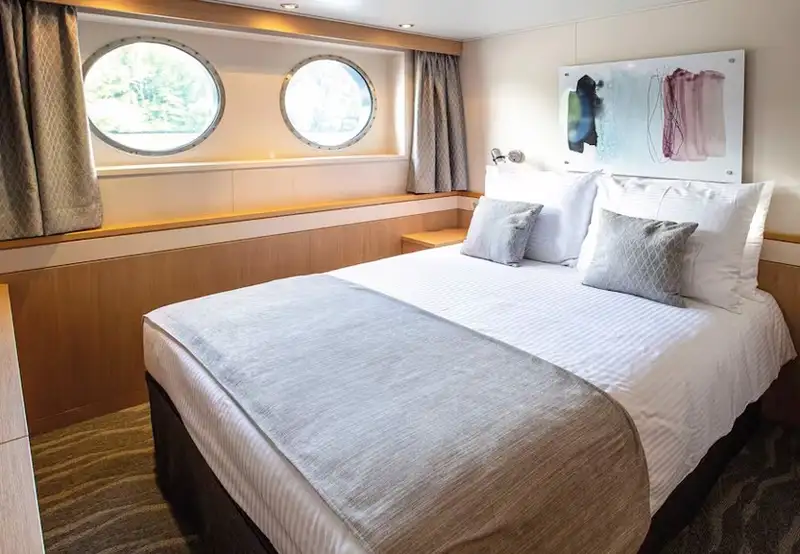
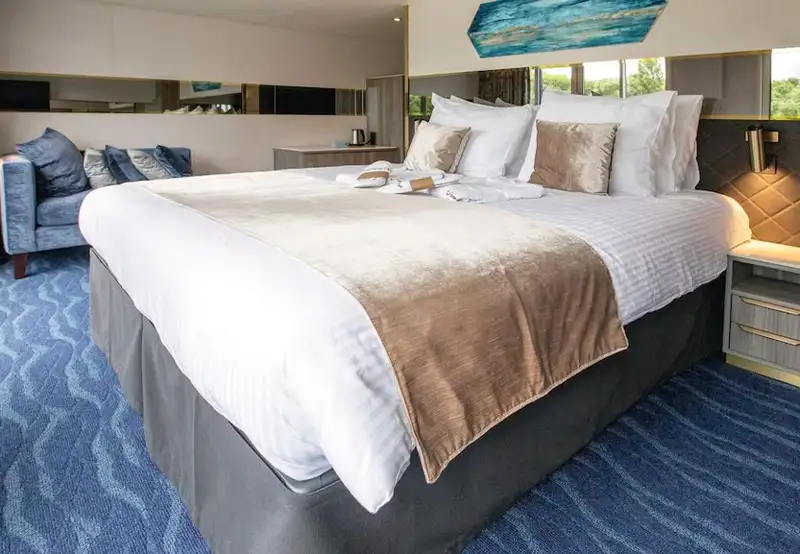
Standard Cabin
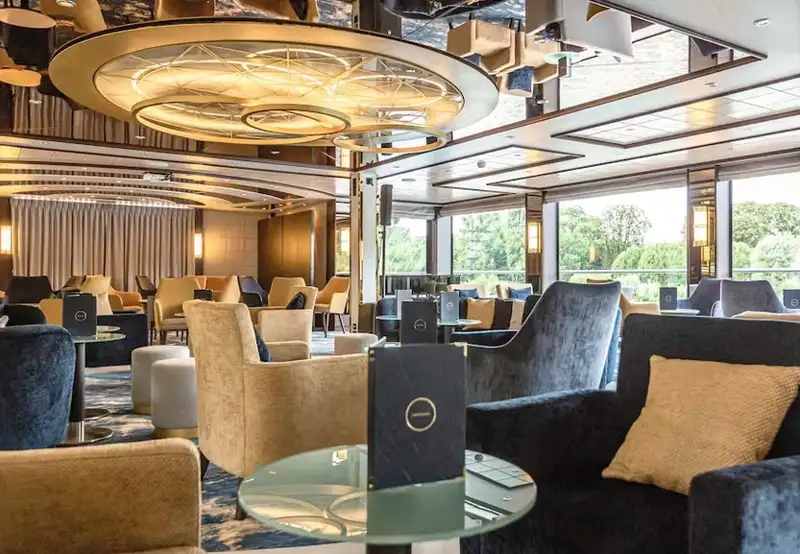
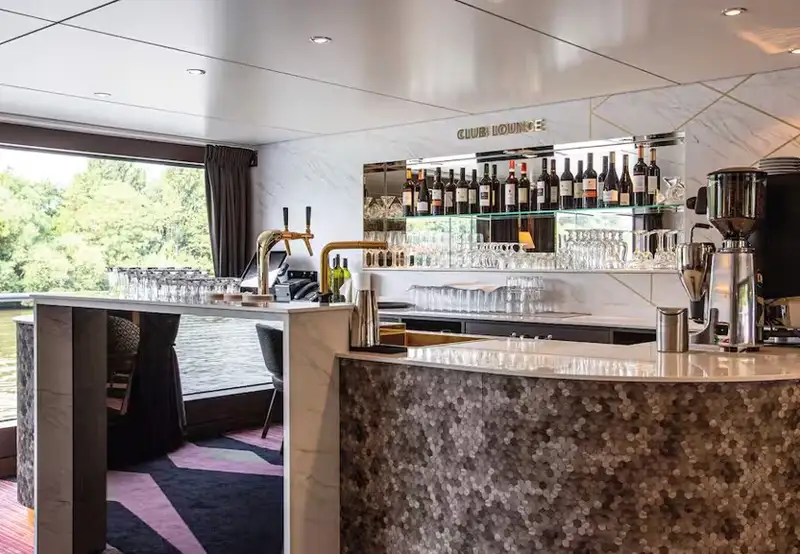
Club Lounge
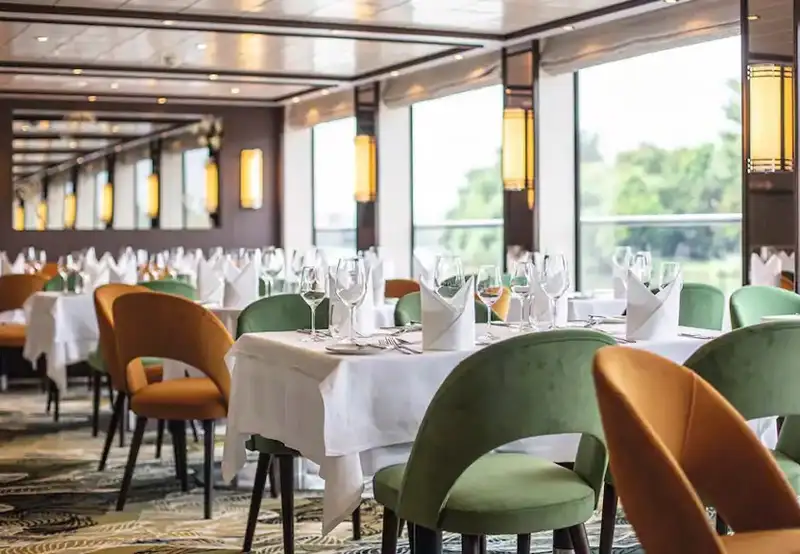
Verdastro
Observatory
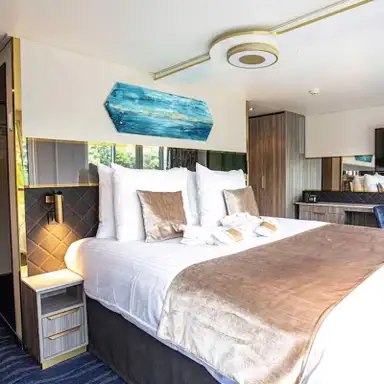
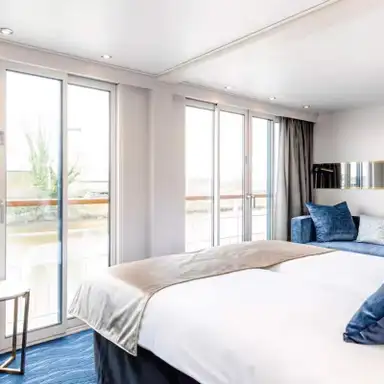
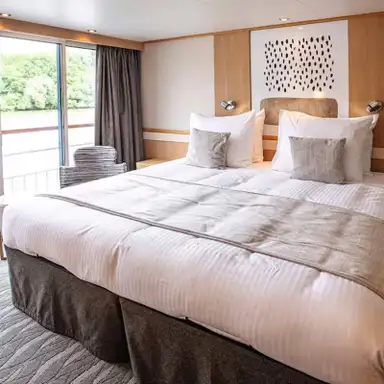
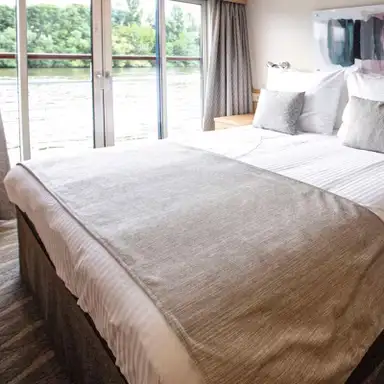
French Balcony Suite
Flight departs
DAY 1
Time at Port: TBD
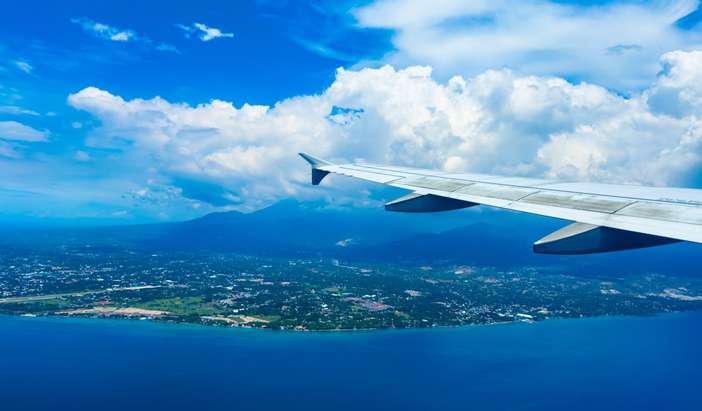
Say goodbye to your current destination, for it’s time to head somewhere new! Flight information will be available closer to your embarkation date, but this will be when you’re hopping on a plane to continue your adventure – be that travelling somewhere new, or heading home.
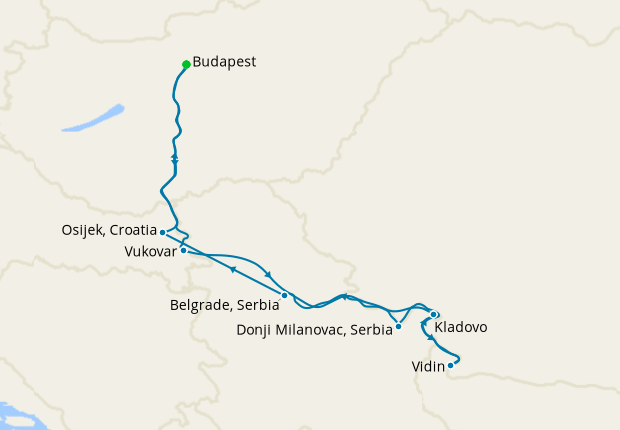
Budapest
DAY 1
10 Aug 2026
Time at Port: TBD
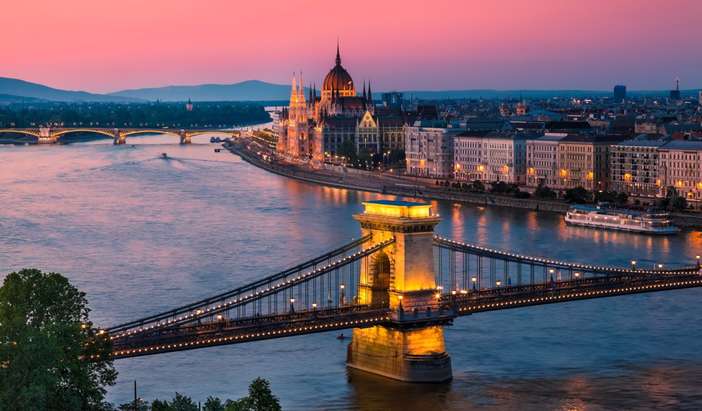
The Pearl of the Danube, Budapest is a remarkable destination for any cruise adventure and one port of call you’re not going to forget. Capital city of Hungary, Budapest boasts a remarkable city centre steeped in history, unforgettable cultural experiences, and a unique cuisine – blending French, Germanic, Italian, and Slavic foods with its own original Magyar foods and flavours. While here, you’ll have the chance to marvel at some sensational classical architecture, with the Hungarian Parliament Building a particular highlight among the impressive landmarks littering this city, and visit a host of unique museums exploring this city’s – and this nation’s – history. Budapest also has a reputation as a city of spas, with thermal waters in the region making the historic public baths here an unmissable attraction; although, you’ll find plenty of places for sumptuous treatments beyond those. A breathtakingly beautiful, exciting city bisected by the Danube, Budapest is an adventure for every type of traveller and one destination you’ll want to return to, over and over again.
Things to do in Budapest:
Hungarian Parliament Building
Opened in 1902, and constructed in a dramatic neo-Gothic style somewhat resembling the Palace of Westminster in London, the Hungarian Parliament Building in Budapest is one of this city’s most impressive and iconic landmarks. It’s over 300 ft tall at its highest point, and almost 900 ft long, making it one of the city’s largest buildings. With an incredible façade facing the Danube River, this four-floor building houses 691 rooms and acts as the seat for the National Assembly of Hungary.
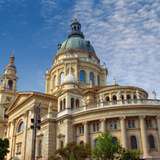
St. Stephen’s Basilica
Named in honour of Stephen I, the first King of Hungary, St. Stephen’s Basilica is an impressive 19th century cathedral constructed in a neo-classical architectural style. The nation’s third-largest church, this structure interestingly houses King Saint Stephen’s mummified right hand in a reliquary, signifying its importance as a national relic and symbol of faith. Throughout the Second World War, the site was significantly damaged, but the cellar provided an important shelter for refugees and the Hungarian National Archives.
Aquincum Museum
The Aquincum Museum in Budapest is an archaeological museum housing the findings and remains of Aquincum, an ancient Roman city founded circa 47 AD. Opened in 1894, this site tells the unique story of Budapest’s origins and early history, while also offering visitors an insight into life around 2,000 years ago. While here, you’ll also be able to explore the ruins of Aquincum’s Mithraeum – a former temple to the Roman god Mithras.
Vukovar
DAY 2
11 Aug 2026
Time at Port: TBD
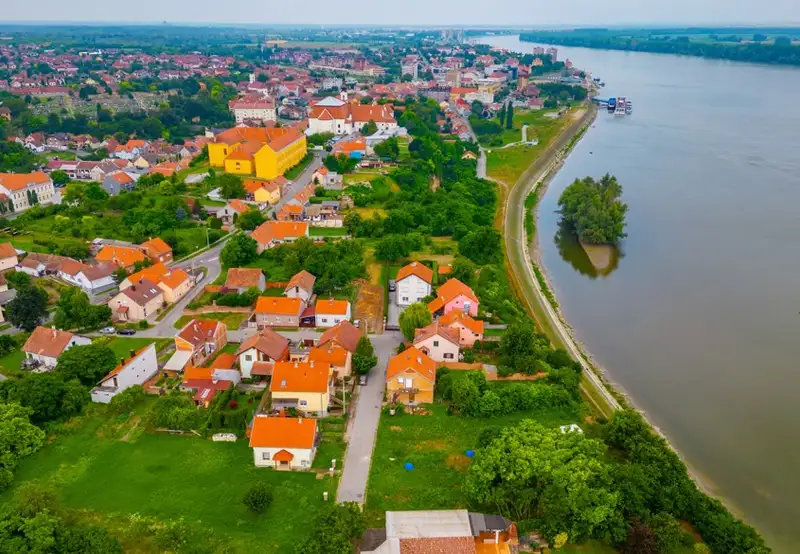
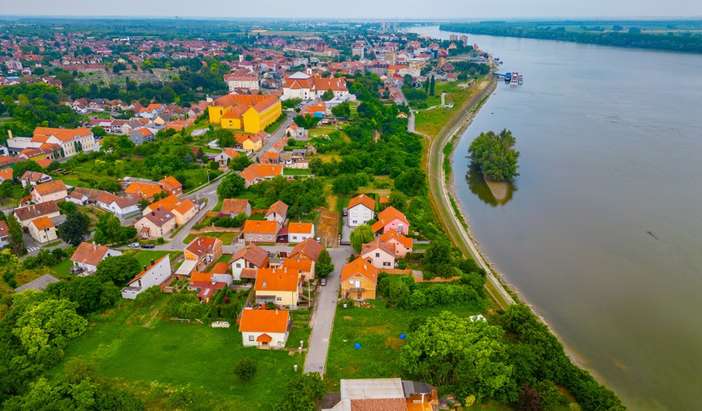
Known as The Hero City after the Battle of Vukovar in 1991, a turning point in the bloody Croatian War of Independence against the Yugoslav People’s Army, and a city home to Croatia’s largest river port, Vukovar is an impressive city with an abundance of interesting history and a unique culture fostered by the fact that the city itself has had a long history of having a highly mixed population. The atmosphere of this city, though, is a unique one; the war damage from the Battle of Vukovar remains clear and obvious throughout the city, and the animosity between the ethnic Croats and Serbs remains – groups who largely fought on opposing sides during the Croatian War of Independence. This makes Vukovar something of a living war museum and an incredibly rewarding river cruise destination, albeit one that offers a different onshore experience to other river cruise destinations in the region. You’ll find an impressive selection of interesting landmarks to visit when you arrive, and some fantastic local cuisine, but just walking the battle-damaged streets of this city tells a story. With a history stretching all the way back to around 2500 BC, though, there’s so much more to this city than just this recent conflict. Vukovar, however you spend your time here, is one destination you won’t forget in a hurry.
Things to do in Vukovar:
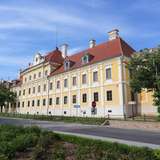
Eltz Manor
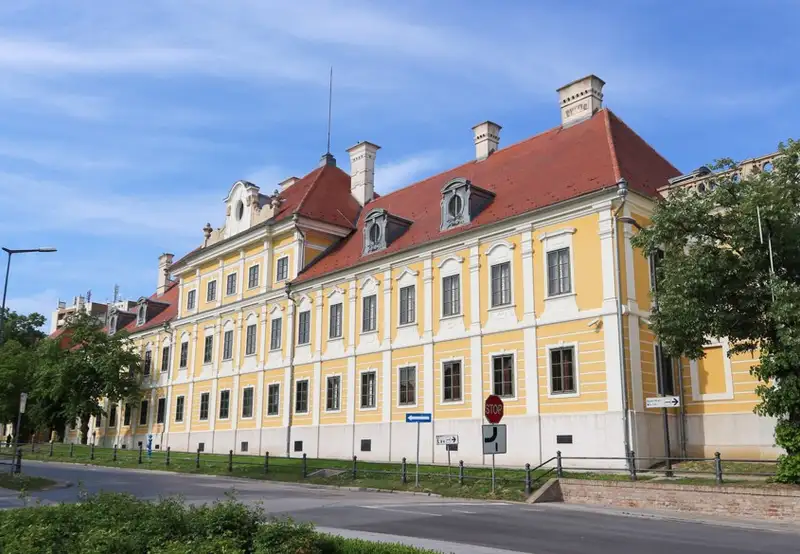
An impressive Baroque-style manor house built in 1751, Eltz Manor is home to the Vukovar City Museum and one of the city’s most iconic landmarks. Substantially damaged during the Battle of Vukovar in 1991, renovations and repairs to Eltz Manor were completed in 2011 – something that brings the landmark back to its former glory, once-again making it a sight to behold. Surrounded by gardens, it makes for a wonderful place to stroll and soak up the sunshine during the summer months.
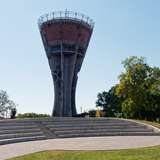
Vukovar Water Tower
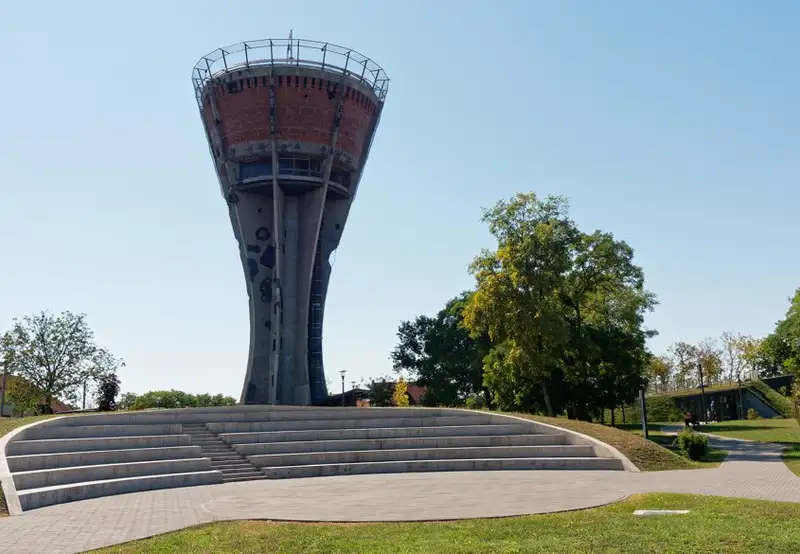
Constructed in 1968 and standing 165 ft tall, Vukovar Water Tower is an impressive structure and a symbol of the city itself; however, the context of its current battle-damaged appearance make it even more interesting than it already is. An important symbol of this city’s suffering during the Battle of Vukovar, and the Croatian War of Independence as a whole, this monument now houses a museum with a restaurant. Reportedly hit by artillery more than 600 times during the Battle of Vukovar, this is a testament to the city’s strength in the face of adversity.
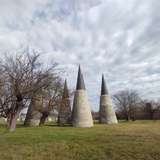
Dudik Memorial Park
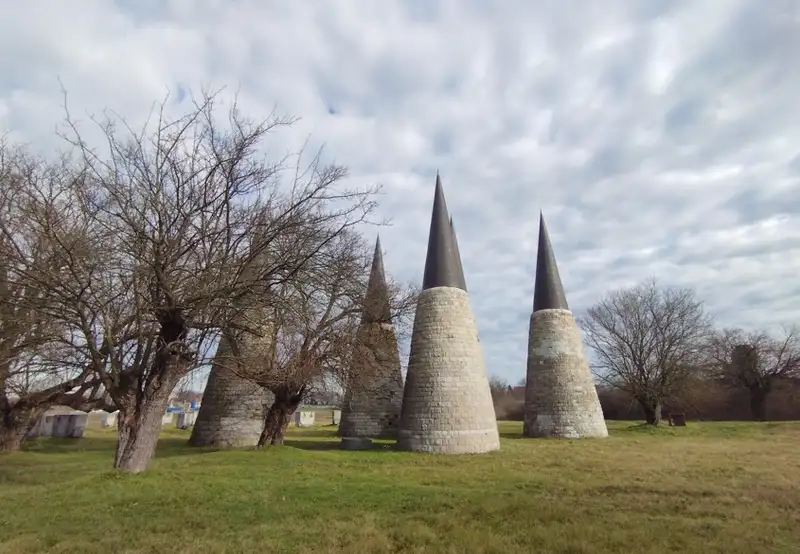
The centrally-located Dudik Memorial Park isn’t just a scenic place to stroll while exploring Vukovar, but an important site dedicated to the 455 people who were executed by the Independent State of Croatia – a puppet state of Nazi Germany and Fascist Italy – during the Second World War in then-Yugoslavia. Featuring a unique monument, designed by Bogdan Bogdanovic circa 1978, this area was devastated during the Battle of Vukovar, but has since been restored to its former glory.
Iron Gates - Cruising
DAY 3
12 Aug 2026
Time at Port: TBD
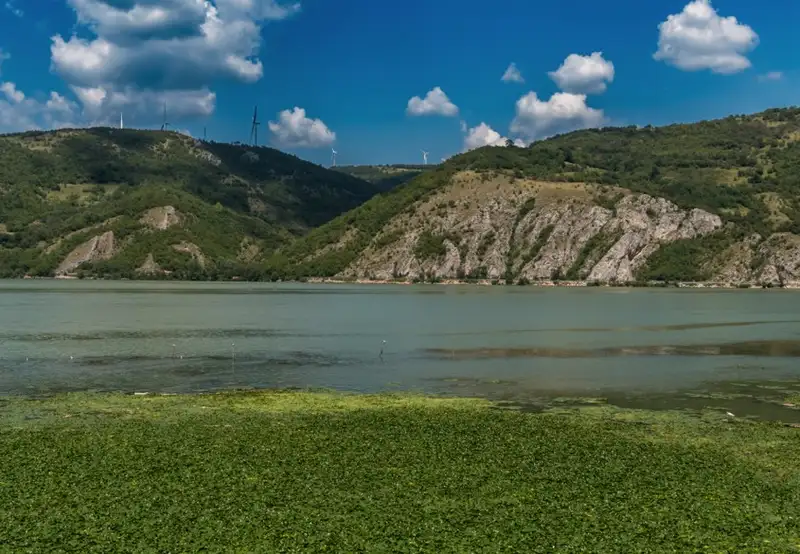
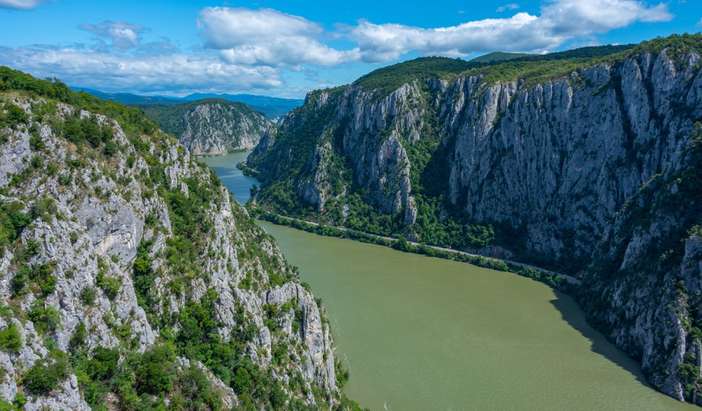
If you’re looking for dramatic riverside scenery while cruising the rivers of Central Europe and the Balkans, you’ll find that here – in abundance. The Iron Gates is a deep gorge on the Danube, between the stunning Carpathian mountains and breathtaking Balkan mountains, where you’ll find steep slopes and rocky cliffs either side of you. At its most narrow point, the Great Kazan, the gorge is just 150 metres wide, but boasts a depth of up to 53 metres. With archeologists finding sandstone sculptures dating back to the early Neolithic era, which dates back to at least 10,000 BC, it’s evident that this route has been in use for a very long time; it’s perhaps most famous, at least when it comes to before this millenia, for being the site of Trajan’s legendary bridge across the Danube – a structure that was considered one of the greatest feats of Roman engineering as one of the longest segmental arch bridges built for more than 1,000 years. While little evidence of the bridge remains, you may just spot some supporting structures on the northern bank of the Danube while cruising the Iron Gates. However, there’s so much more to admire when sailing this remarkable route; the natural scenery is breathtaking.
Kladovo
DAY 3
12 Aug 2026
Time at Port: TBD
Our experts are preparing detailed information about this location. Please check back shortly to discover more.
Vidin
DAY 4
13 Aug 2026
Time at Port: TBD
A quaint Bulgarian port town on the Danube, known for the vibrancy of the surrounding wine region and its unique historical landmarks, Vidin is something of a hidden gem among the destinations you’ll visit on a river cruise through Eastern Europe – somewhere you should definitely take some time to explore when you get the chance. Bordering Romania and close to Bulgaria’s border with Serbia, the influence of these other cultures is evident, but Vidin still boasts a distinctly Bulgarian experience for visitors. The cuisine you’ll have the chance to enjoy here is authentic and flavourful, and there’s a lot to learn about the region from the cultural landmarks found throughout the local area. Although, if you’re looking for something a little more scenic, Vidin boasts a charming waterfront area worth walking along and more than enough opportunities to head further afield and into the wilderness areas surrounding the town. With warm weather in the summer months and easy access to other incredible destinations in the region, such as the history-rich Belogradchik and the Magura Cave in Rabisha, you’re in for a fantastic time when you visit Vidin.
Things to do in Vidin:
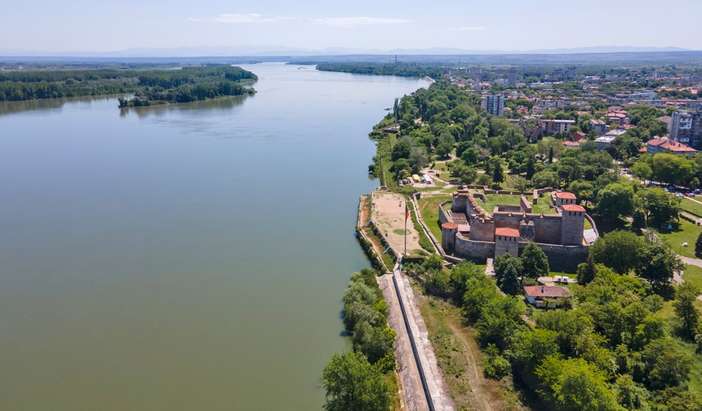
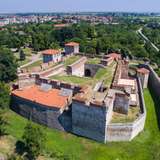
Baba Vida
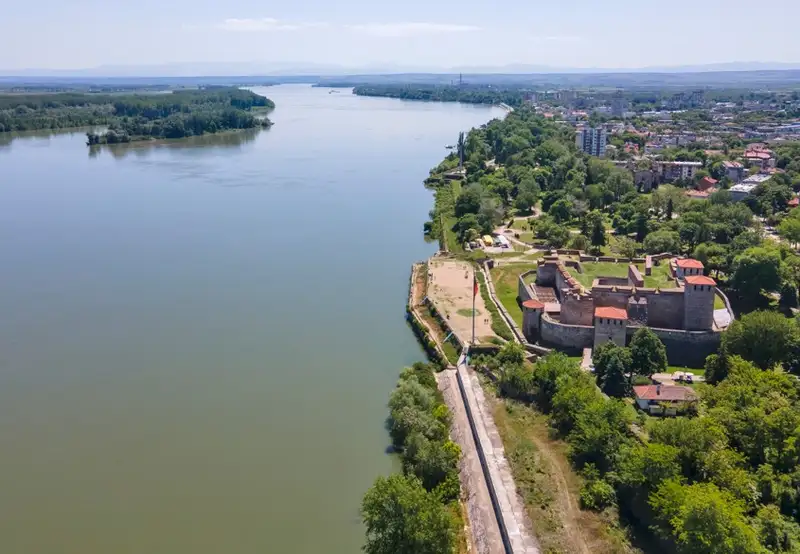
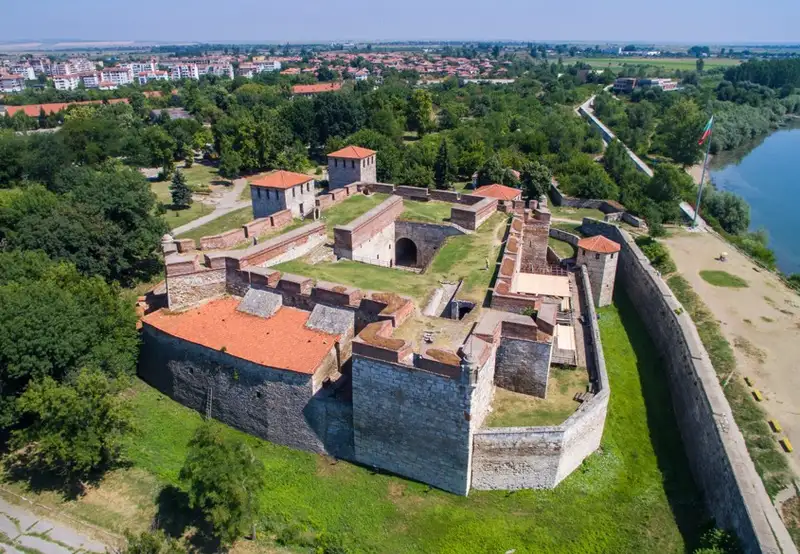
The main landmark in Vidin, Baba Vida is a well-preserved medieval castle with a rich history following its construction throughout the 10th century. It was the citadel of the region’s major fortress, withstood an eight-month-long siege by the Byzantine Empire not long after it was built, and then doubled as a prison during the region’s period of Ottoman rule. Today, it’s a museum where you can learn more about this fascinating history – and far from a bad spot to marvel at the surrounding scenery, being over 100-foot above sea level.
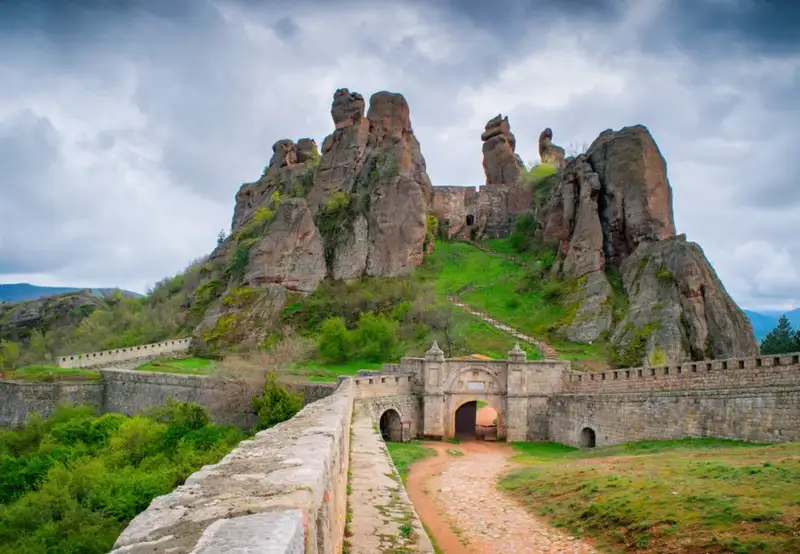
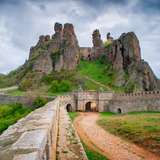
Belogradchik Fortress (Kaleto)
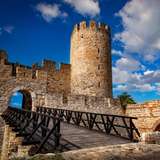
On the northern slopes of the Balkan Mountains, and just south of Vidin in Belogradchik, Belogradchik Fortress stands alongside the unique Belogradchik Rocks as one of the region’s most impressive landmark destinations. Built during the rule of the Roman Empire, then captured by the Ottoman Empire in the late 14th century, this fortification has evolved over the centuries and reflects the influence of Ottoman architectural styles alongside European designs. A remarkable museum, an excursion to Belogradchik Fortress is always worthwhile.
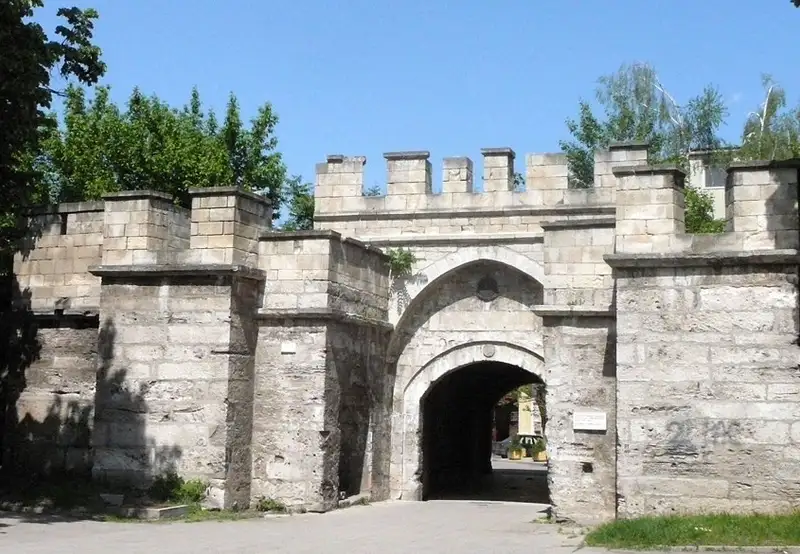
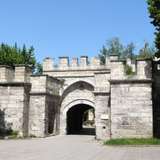
Stambol Kapia
In central Vidin, Stambol Kapia is a fortress gate on the historic road to Constantinople and an important – and famous – military fortification in this Bulgarian town. Well-preserved, this site offers a unique insight into just how fortified this town was once upon a time and further highlights its importance to the cultural and political history of the region.
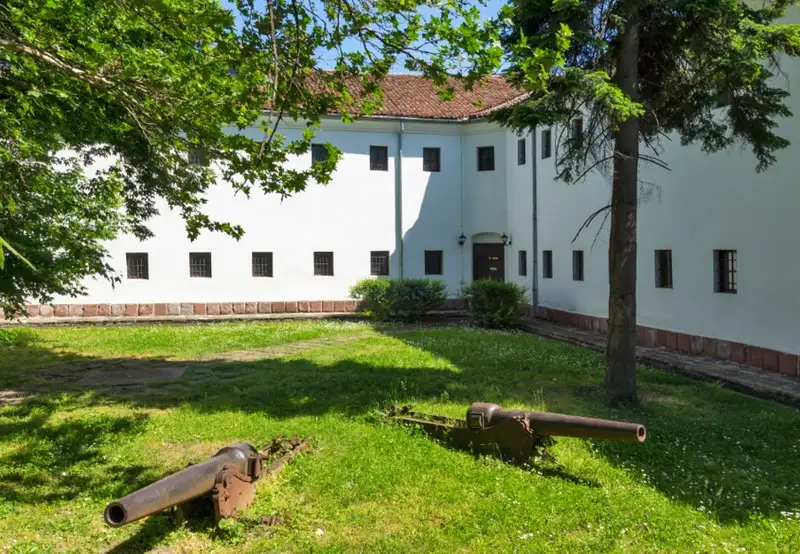
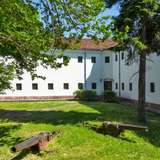
The Cross Barracks Museum
Found within Krastata Kazarma, a cross-shaped former Ottoman military building, The Cross Barracks Museum is a fascinating place to visit when in Vidin; offering an interesting insight into the complex history of the region, with preserved military memorabilia and archaeological findings shown here alongside historical documents and decorative artefacts, this museum explores so much more than just the military past of this part of Bulgaria. So, even if you’re not fussed about that, there’s a lot to look forward to here.
Donji Milanovac, Serbia
DAY 5
14 Aug 2026
Time at Port: TBD
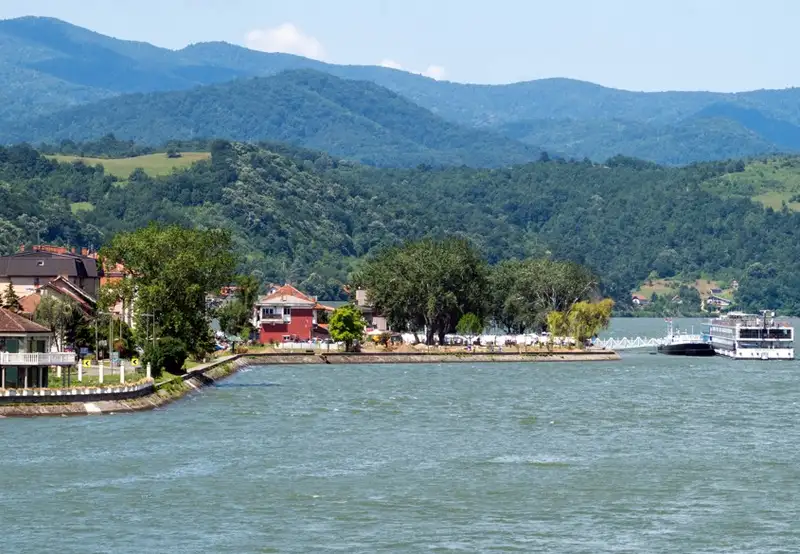
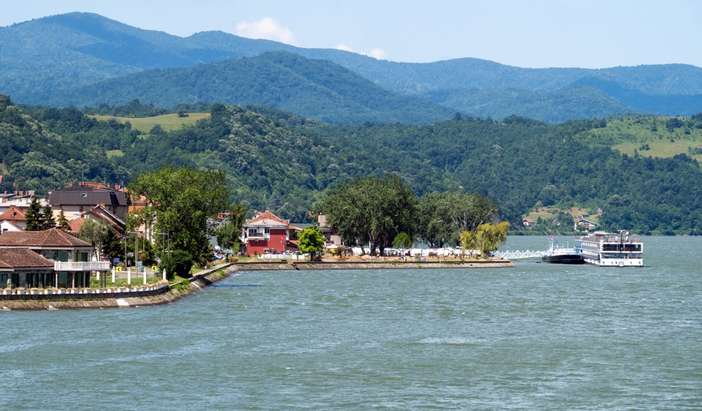
A small scenic town on the Serbian side of the Serbia-Romania border running along the Danube river, Donji Milanovac is a river cruise destination worth looking forward to; it's somewhere that offers travellers the chance to marvel at magnificent natural beauty, immersive cultural experiences, and engaging outdoor adventures. With a permanent population of roughly 2,500 people, you can expect a laid-back and relaxing atmosphere wherever you go in Donji Milanovac – be that a charming riverside restaurant serving indulgent local cuisines, the breathtaking woodland walks of the Djerdap National Park, or the tourist hotspots where you can learn more about the history of the region. If you’re into your Serbian cinema, you may also spot somewhere you recognize while exploring Donji Milanovac; despite its small size, this town has been nicknamed “Serbian Hollywood” in the past, with several iconic Serbian films being shot in the town throughout the 70s and 80s. In any case, however you decide to spend your time here, you’ll find this destination another rewarding stop on your river cruise through Europe. Warm hospitality and a unique insight into a more traditional Serbian lifestyle await alongside breathtaking natural beauty and an authentic culinary experience.
Things to do in Donji Milanovac, Serbia:
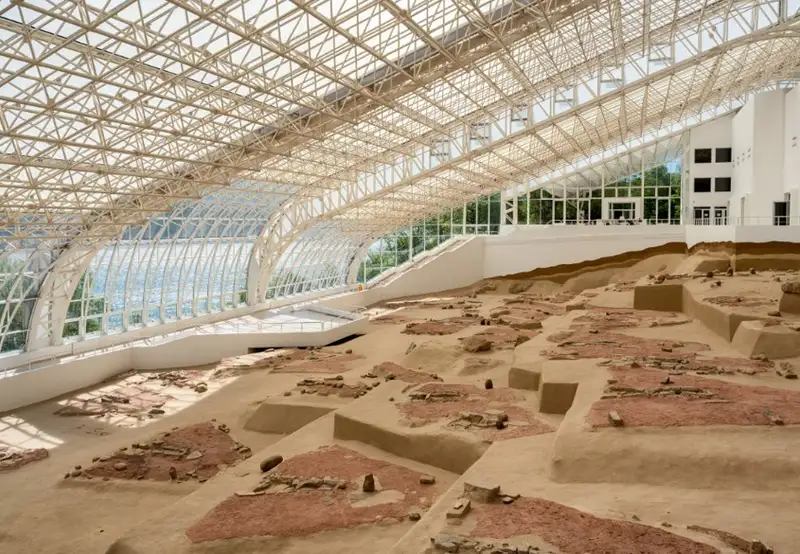
Lepenski Vir
North of Donji Milanovac, but still along the river Danube, Lepenski Vir is one of Europe’s most important archeological sites and a must-visit destination for history buffs when travelling throughout Serbia. Showcasing the unique sculptures and peculiar architecture of the Lepenski Vir culture, which are thought of to be a prehistoric people dating back to around 9000 BC to 5500 BC, some believe the remains here mark the first major city in Europe; human remains from circa 8200 BC have been found at the site alongside prehistoric figurines dating back to 7000 BC. To say visiting Lepenski Vir is a fascinating experience would be an understatement.
Djerdap National Park
Stretching along the Danube from Golubac Fortress to the dam near Novi Sip, Djerdap National Park is a breathtakingly beautiful area of natural beauty in East Serbia. A fantastic place to spend some time enjoying the sunshine on a hike or walk, Djerdap National Park is home to the famous Iron Gate – a dramatic gorge on the river that cuts through the Carpathian Mountains. In parts, the river Danube is as narrow as 150 metres, something that highlights the steepness of the gorge’s slopes.
Authentic Serbian Cuisine
A stunning small riverside town on the Serbia-Romania border, Donji Milanovac is interestingly known for its incredible seafood dishes alongside other Serbian specialties like grilled meat dishes and flavourful pastries. So, if you’re looking for an authentic culinary experience, this is the perfect place to indulge in the traditional dishes and delights of the region. And, chances are, you’ll find a restaurant with a view of the Danube to do it all in, something that makes for a scenic backdrop.
Belgrade, Serbia
DAY 6
15 Aug 2026
Time at Port: TBD
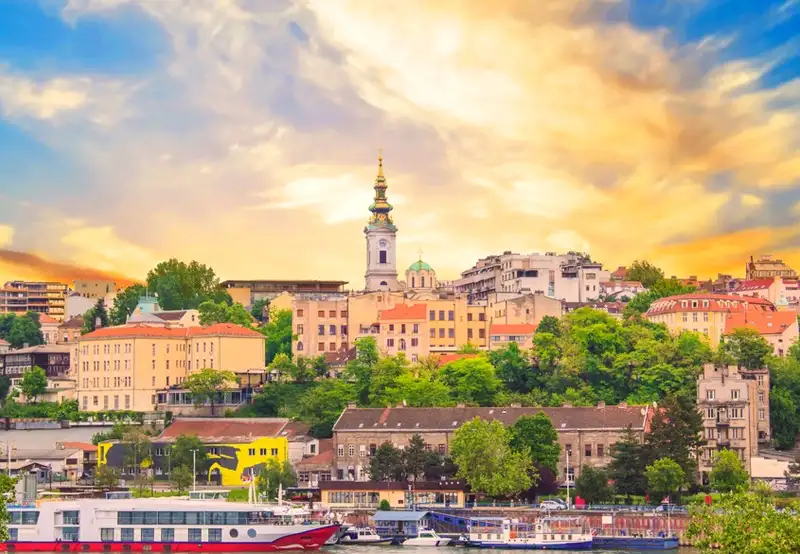
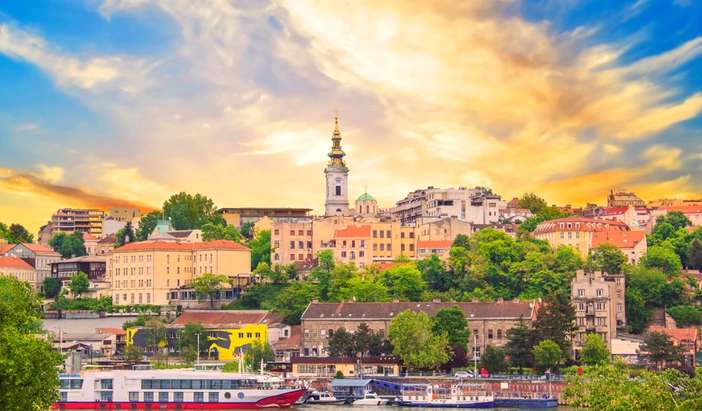
Once-capital of the now-dissolved Yugoslavia and current capital of Serbia, Belgrade is an intriguing city boasting a travel experience unlike anything else out there. Spread across the confluence of the Danube and Sava rivers, the natural landscapes of this city are worth savouring. However, the stark contrasts of the cityscape really make this a captivating river cruise destination. Impressive Art Nouveau architecture stands side-by-side with monumental Socialist architecture to create a juxtaposing skyline highlighting this destination’s complicated history; the grandeur of Habsburg rule and the influence of the Ottoman Empire is clear, but so is this city’s role in establishing the Soviet Bloc throughout the Cold War. This, while making Belgrade a little odd to look at compared to major cities further west and away from the influence of the now-dissolved Soviet Union, makes this city utterly fascinating. You’ll find a host of interesting sites and sights to visit and see while here, something which compliments the lively atmosphere you’d expect from a European primate city – meaning it's the largest, most populous, and most economically important urban centre in Serbia. For history buffs, Belgrade is a gold mine, but there’s so much on offer here that every type of traveller will find something they enjoy when visiting.
Things to do in Belgrade, Serbia:
Church of Saint Sava
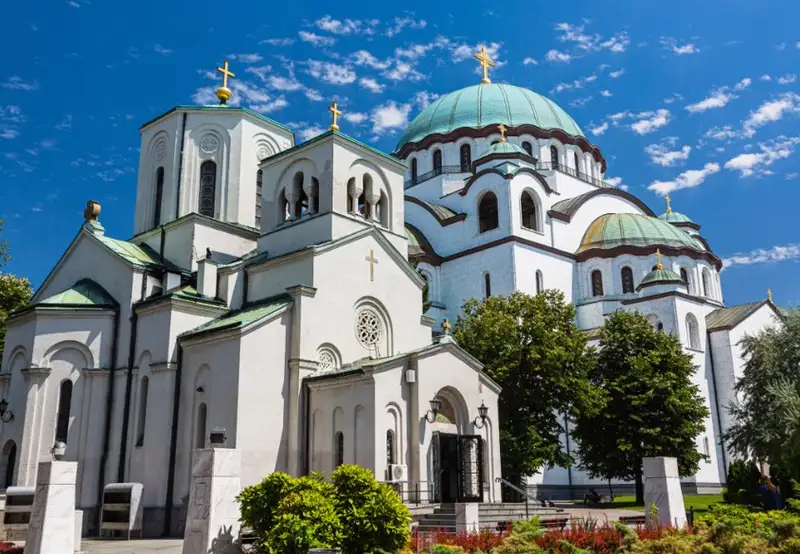
An impressive Serbian Orthodox church dedicated to the founder of the Serbian Orthodox Church and initially planned to be the main cathedral in the Church, the Church of Saint Sava is built on the presumed location of Saint Sava’s grave and designed to replicate the Hagia Sophia in Istanbul. However, construction was started in 1935 and interrupted until permission to complete the building was given in 1984 – which explains its differences to the aforementioned mosque in Turkey. Standing well over 200 ft tall, with the main dome weighing a staggering 4,000 tonnes, this structure is breathtaking both inside and out – with interiors featuring impressive golden mosaics, with the central one of these depicting the Ascension of Jesus and Christ’s resurrection.
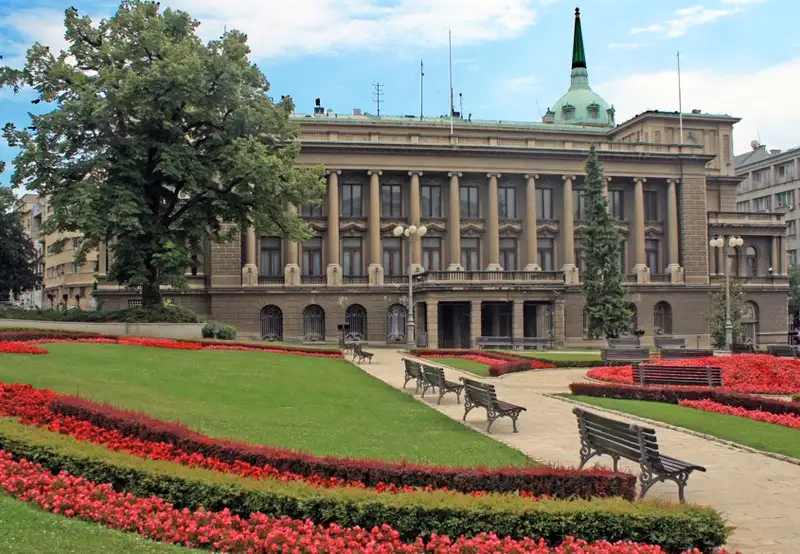
House of the National Assembly
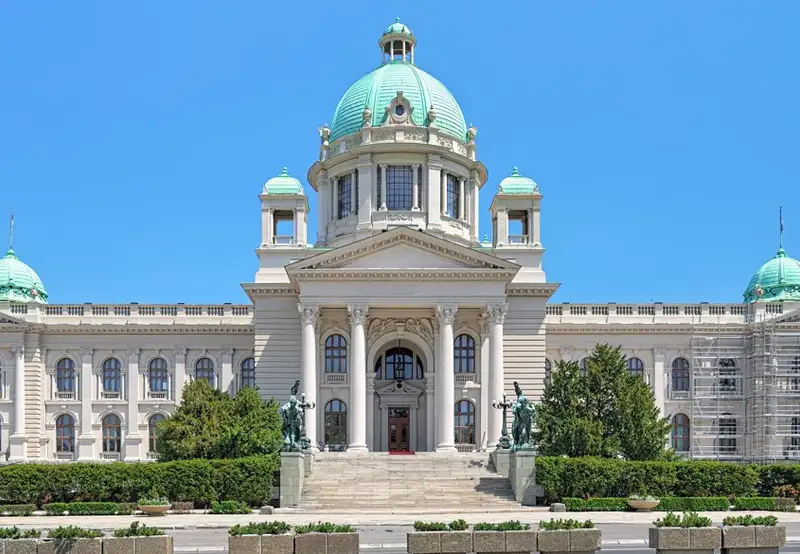
Serbia’s House of the National Assembly is an imposing Neo-Baroque building with four floors, over 100 offices, a library containing over 60,000 books, and interiors featuring interesting frescoes among an impressive collection of fine artwork. Completed in 1937, this was used as the seat of the Parliament of Yugoslavia during its existence and remains a structure of historical, cultural, and artistic value to the Serbian people. In central Belgrade, and a stone’s throw from several parks, it’s a fantastic place to stop off while strolling through this unique city.
Novi Dvor
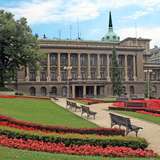
The seat of the President of Serbia and the former royal residence of the Karađorđević dynasty of Kingdom of Yugoslavia, Novi Dvor is an impressive palace opposite the (Stari Dvor (Belgrade City Hall) in central Belgrade. Designed to architecturally match the style of the pre-existing Stari Dvor, this building borrows Renaissance and Baroque architectural features to do this. With an interior completed by a French firm, who brought a stylish elegance to the palace which was uncommon at the time, Novi Dvor stands out as an interesting cultural site in Belgrade and beyond.
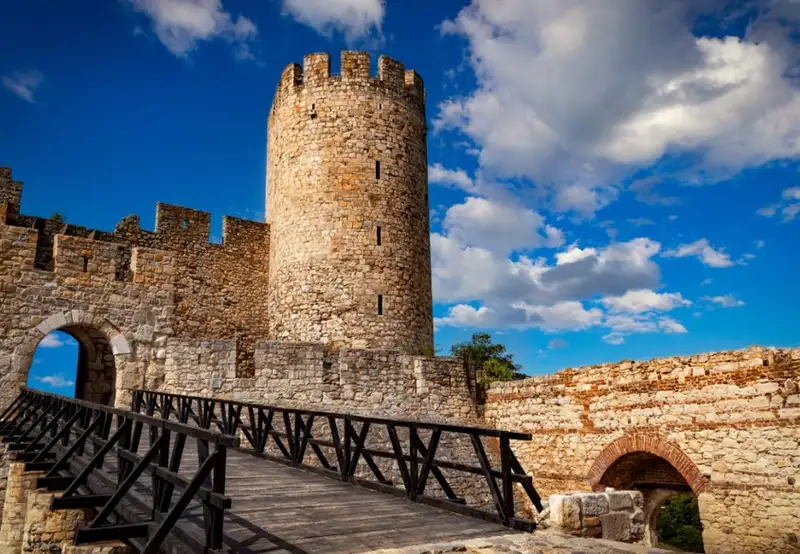
Belgrade Fortress
Located right at the point of confluence between the Danube and the Sava rivers, Belgrade Fortress is a defining feature of central Belgrade and an important defensive fortification for the city. With initial fortifications dating back to 279 BC, this landmark is also home to an abundance of history – not to mention the fact that it featured prominently in several significant battles from 1440 to 1806, throughout which the castle was reconstructed twice. While here, you’ll also find Veliki Kalemegdanski Park, and several museums, making this a real highlight of any sightseeing tour in Belgrade.
Osijek, Croatia
DAY 7
16 Aug 2026
Time at Port: TBD
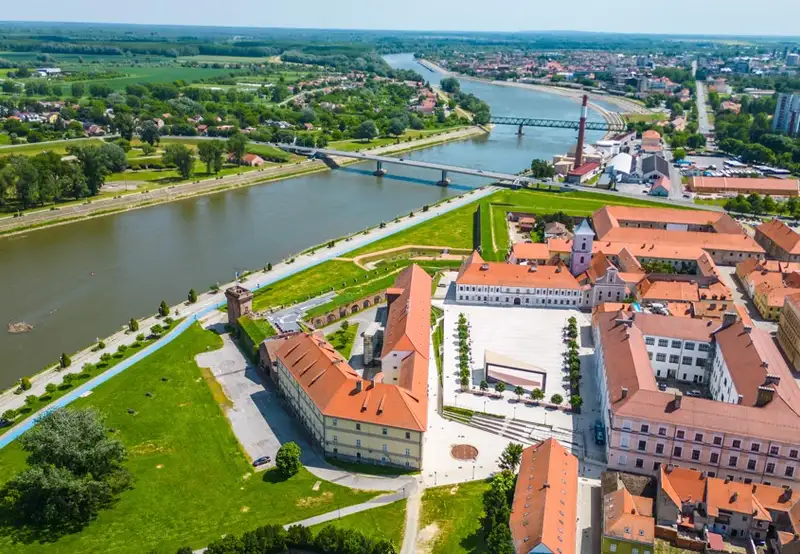
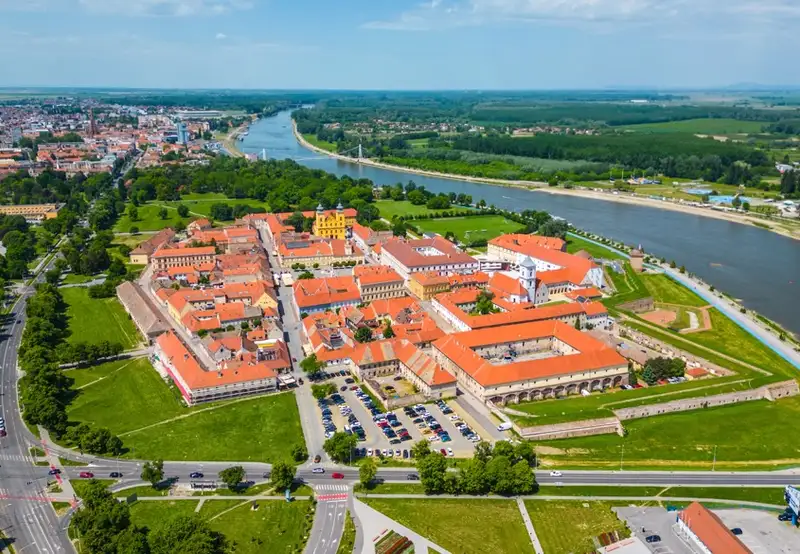
On the southern bank of the Drava, an off-shoot of the Danube river, Osijek is an elegant Croatian city with an abundance of exciting cultural experiences to enjoy and a laid-back atmosphere – despite boasting a lively nightlife. With a rich history of being developed as part of the Kingdom of Hungary before being conquered by the Ottoman Empire, and then being one of the most important cities in the Habsburg Empire and Yugoslavia, it’s safe to say that there’s a lot to learn about this remarkable city and what its people have been through. The historic centre of Osijek offers you the opportunity to marvel at some magnificent architecture, with many of the buildings here having been faithfully rebuilt and restored following devastation throughout the early 1990s. However, if you want to spend your time in Osijek strolling somewhere a little more scenic than that, you’ll find plenty of peaceful parks and relaxing riverside routes to wander. The local cuisine is also worth sampling while you’re here, with Osijek and the surrounding area renowned for dishes like riblji paprikas – a spicy fish stew leaning on a variety of local paprikas for richer flavours. Despite being a major Croatian city, Osijek is something of a hidden gem due to the lack of international flights into its airport and its distance from other major holiday destinations in the Balkans. So, Osijek is somewhere where you can look forward to being surprised – and it might just be the highlight of your river cruise!
Things to do in Osijek, Croatia:
Osijek Co-cathedral
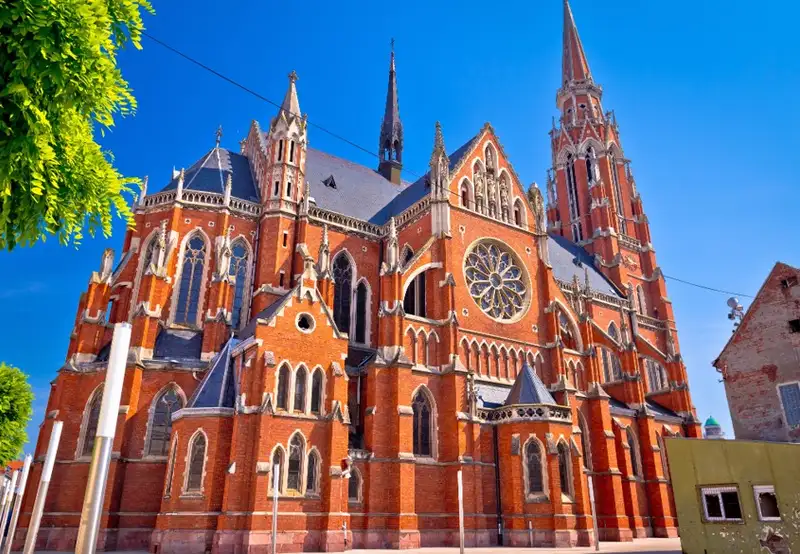
Constructed in 1898 with an impressive 94-metre tall spire, and then restored following heavy damage throughout 1991, Osijek Co-cathedral – which is technically named the Church of St. Peter and St. Paul – is one of the main landmarks in Osijek. A neo-Gothic structure made of over three and a half million bricks, the interior is decorated with bright frescoes depicting famous events of the Old and New Testament – the artwork completed in the mid-20th century by Croatian painter Mirko Rački.
Tvrđa
Tvrđa is Osijek’s old town, home to the best-preserved collection of Baroque buildings in Croatia and dominated by a stunning Habsburg star fort; this fortress was constructed in 1687 to further defend the town of Osijek from Ottoman forces, highlighting its strategic importance. A unique example of a 17th and 18th century military urban centre, Tvrđa was at the forefront of civic technological improvements in the country – having street lights by 1717 and Croatia’s first public water supply by 1751. If you’re looking to learn more about the city’s past, you’ll have the chance to immerse yourself in it here.
Kopački Rit Nature Park
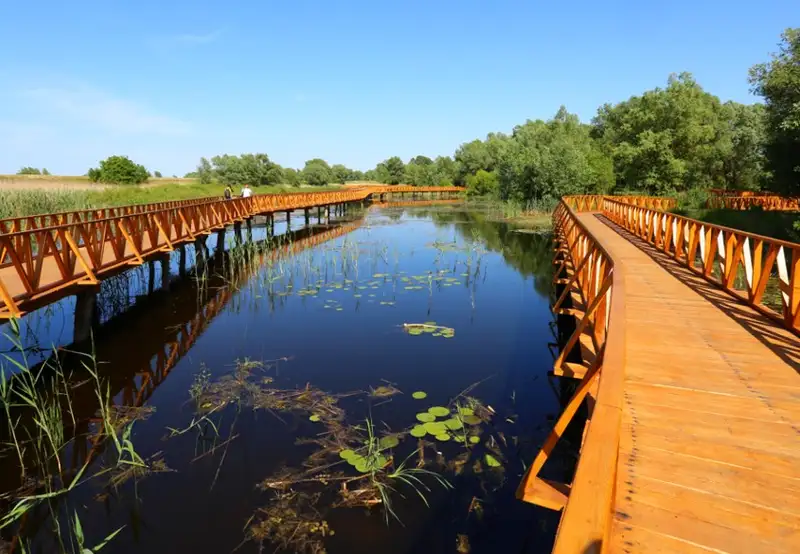
Just a short drive from Osijek, on the other side of the Drava, you’ll find Kopački Rit Nature Park. A scenic space with wetlands and woodlands to explore, this is a fantastic place to spend some time soaking up the sunshine and exploring the incredible landscapes here. It’s one of the most important and attractively preserved intact wetlands in Europe, with a wide variety of flora, fauna, and fish found here.
Budapest
DAY 8
17 Aug 2026
Time at Port: TBD
The Pearl of the Danube, Budapest is a remarkable destination for any cruise adventure and one port of call you’re not going to forget. Capital city of Hungary, Budapest boasts a remarkable city centre steeped in history, unforgettable cultural experiences, and a unique cuisine – blending French, Germanic, Italian, and Slavic foods with its own original Magyar foods and flavours. While here, you’ll have the chance to marvel at some sensational classical architecture, with the Hungarian Parliament Building a particular highlight among the impressive landmarks littering this city, and visit a host of unique museums exploring this city’s – and this nation’s – history. Budapest also has a reputation as a city of spas, with thermal waters in the region making the historic public baths here an unmissable attraction; although, you’ll find plenty of places for sumptuous treatments beyond those. A breathtakingly beautiful, exciting city bisected by the Danube, Budapest is an adventure for every type of traveller and one destination you’ll want to return to, over and over again.
Things to do in Budapest:
Hungarian Parliament Building
Opened in 1902, and constructed in a dramatic neo-Gothic style somewhat resembling the Palace of Westminster in London, the Hungarian Parliament Building in Budapest is one of this city’s most impressive and iconic landmarks. It’s over 300 ft tall at its highest point, and almost 900 ft long, making it one of the city’s largest buildings. With an incredible façade facing the Danube River, this four-floor building houses 691 rooms and acts as the seat for the National Assembly of Hungary.
St. Stephen’s Basilica
Named in honour of Stephen I, the first King of Hungary, St. Stephen’s Basilica is an impressive 19th century cathedral constructed in a neo-classical architectural style. The nation’s third-largest church, this structure interestingly houses King Saint Stephen’s mummified right hand in a reliquary, signifying its importance as a national relic and symbol of faith. Throughout the Second World War, the site was significantly damaged, but the cellar provided an important shelter for refugees and the Hungarian National Archives.
Aquincum Museum
The Aquincum Museum in Budapest is an archaeological museum housing the findings and remains of Aquincum, an ancient Roman city founded circa 47 AD. Opened in 1894, this site tells the unique story of Budapest’s origins and early history, while also offering visitors an insight into life around 2,000 years ago. While here, you’ll also be able to explore the ruins of Aquincum’s Mithraeum – a former temple to the Roman god Mithras.
Flight departs
DAY 8
Time at Port: TBD
Say goodbye to your current destination, for it’s time to head somewhere new! Flight information will be available closer to your embarkation date, but this will be when you’re hopping on a plane to continue your adventure – be that travelling somewhere new, or heading home.
Select your departure airport
If you are looking for an airport not available in the list below or want to make changes to your flights, please give us a call: 0203 848 3113


 TUI Maya -




 10 August 2026 · 7 nights
 London Airports