All offers and prices are subject to change and availability at time of enquiry. Prices are based on two passengers sharing unless otherwise stated and are subject to the Tour Operator's terms and conditions. Cabin and Flight supplements may apply. Other supplements may apply in addition to the price shown above. Flight details, timings and routing may be subject to alteration. Other tour operator charges may also apply. Any Onboard Spending money or drinks package value shown will be per cabin, again based on two sharing.
Supplier Reference:
130293
Talk to a Cruise Expert
Our cruise experts will help you pick the perfect cruise line, ship and destination.
We can tailor any package to suit your holiday needs: Add or extend hotel stays, arrange flights and find the best cabin location for you.
Kalocsai Nagyboldogasszony-főszékesegyház (Kalocsa Cathedral of the Assumption of Mary)
Paprika Museum
Belgrade, Serbia
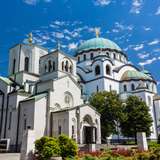
Church of Saint Sava
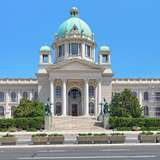
House of the National Assembly
Mohacs, Hungary
Pécs
Kanizsai Dorottya Múzeum
Aquincum Museum
Michael’s Gate
Érseki Palota (Archbishop’s Palace)
Novi Dvor
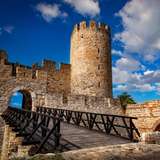
Belgrade Fortress
Busóudvar
Horthy-zàtony
Hungarian Parliament Building
St. Stephen’s Basilica
Church of St. Elizabeth (Blue Church)
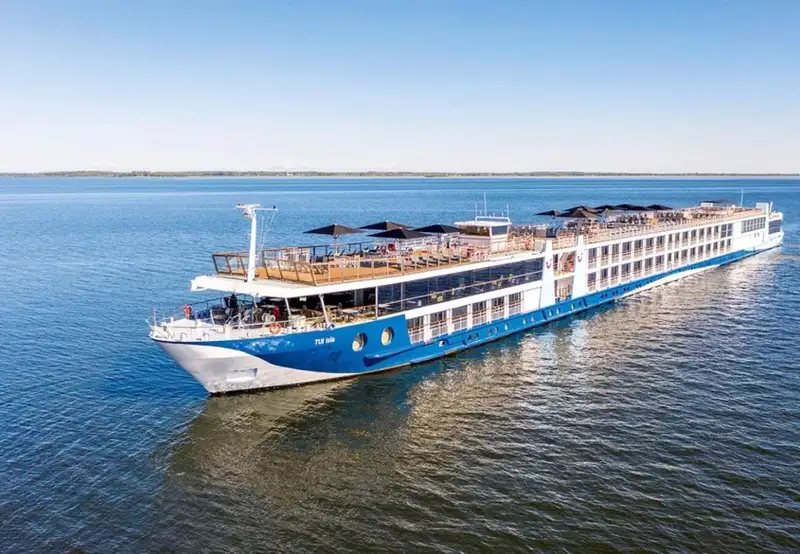
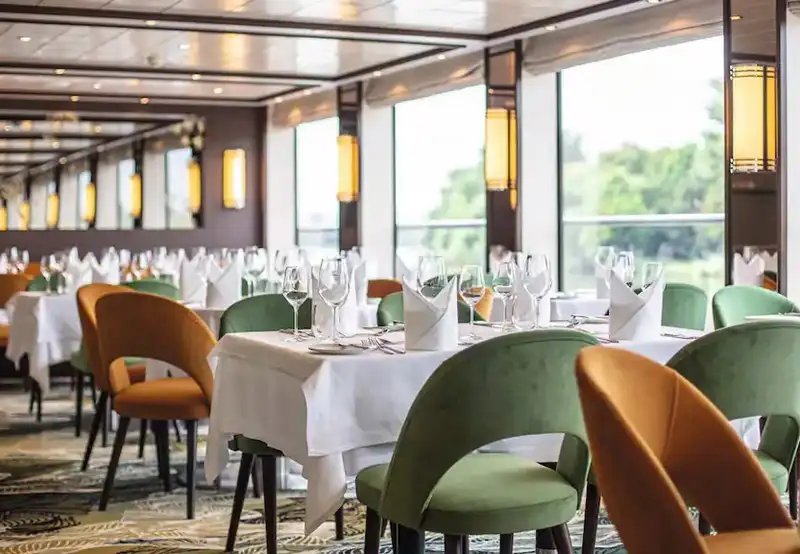
TUI Isla
Observatory
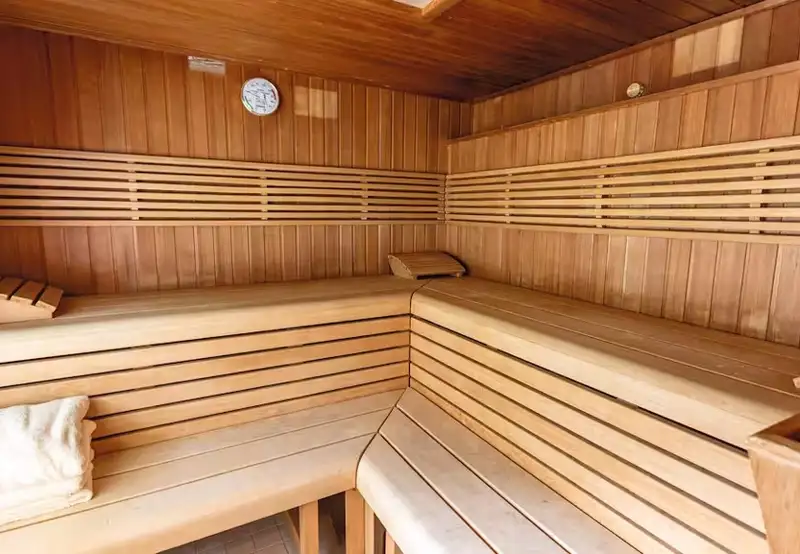
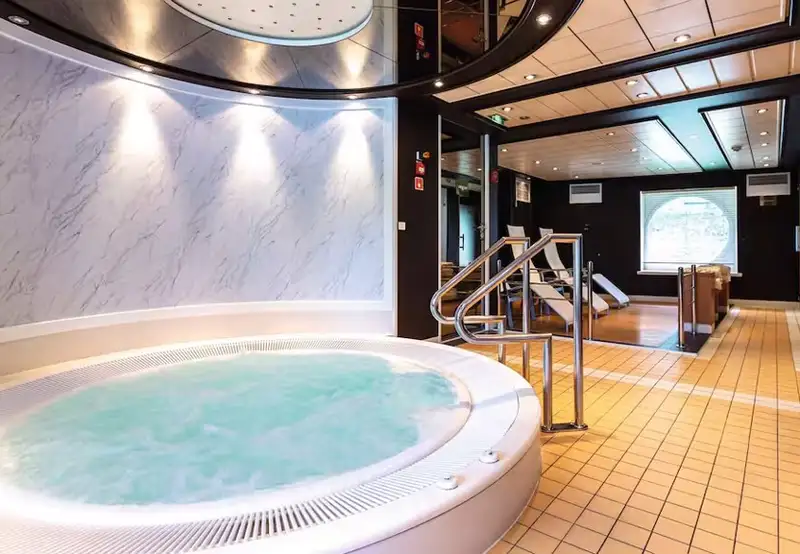
Sauna
Wellness Area
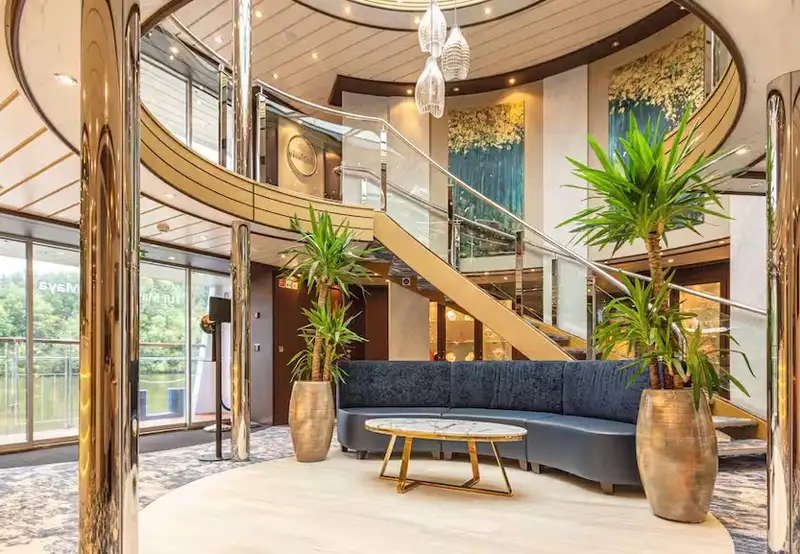
Atrium
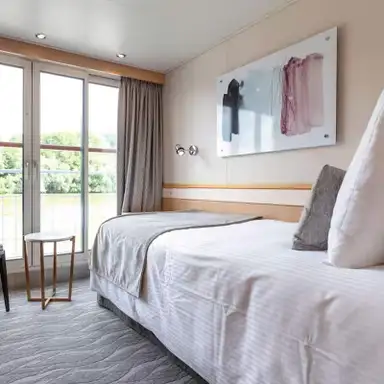
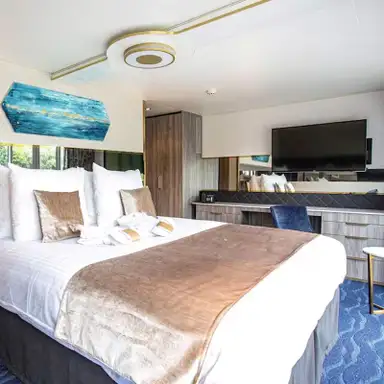
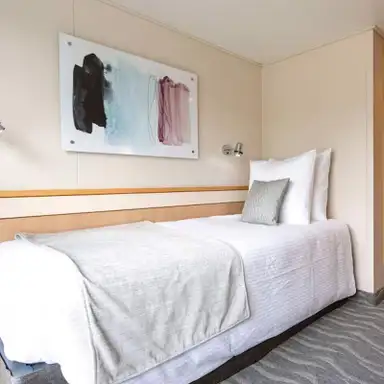
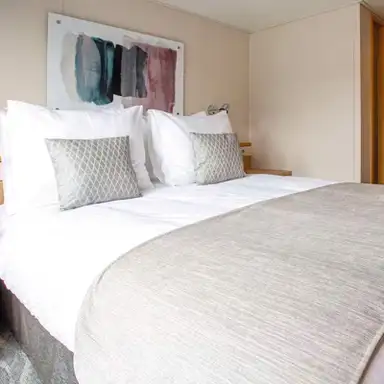
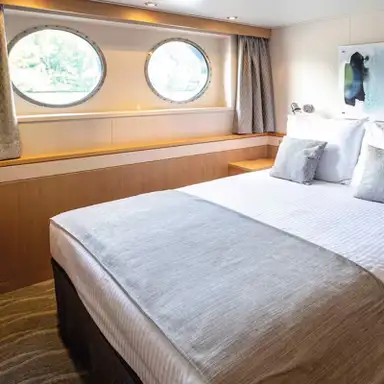
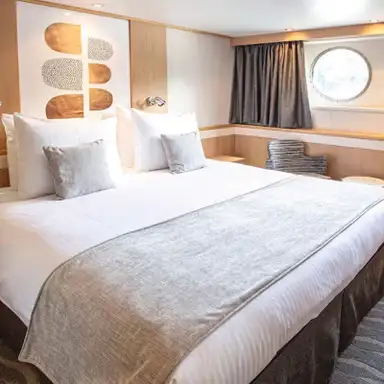
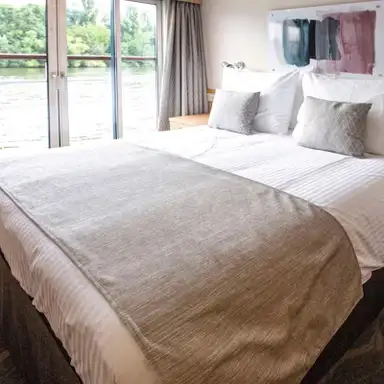
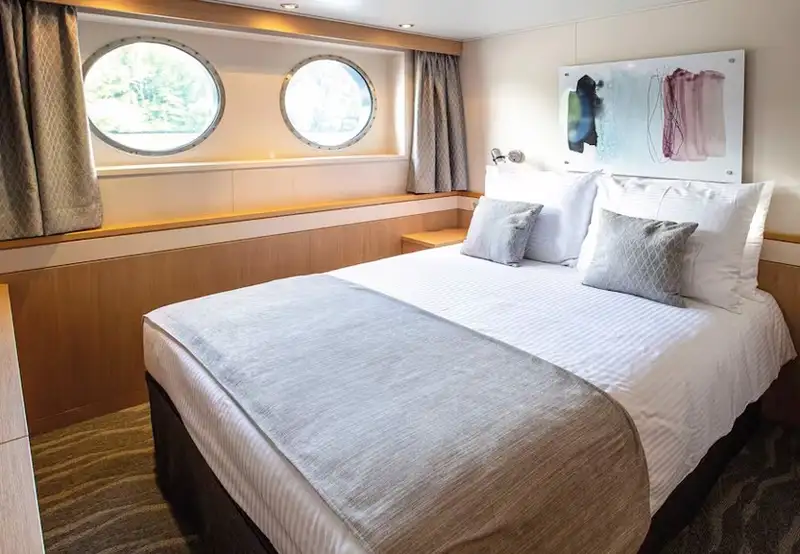
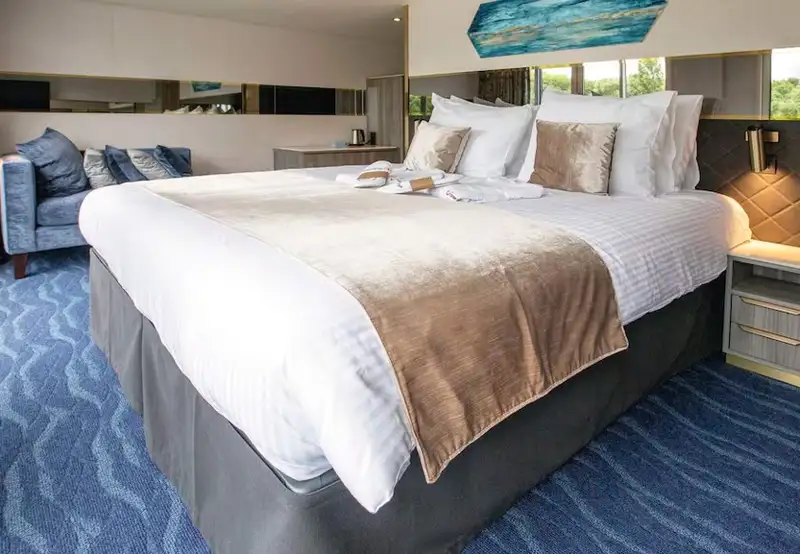
Standard Cabin
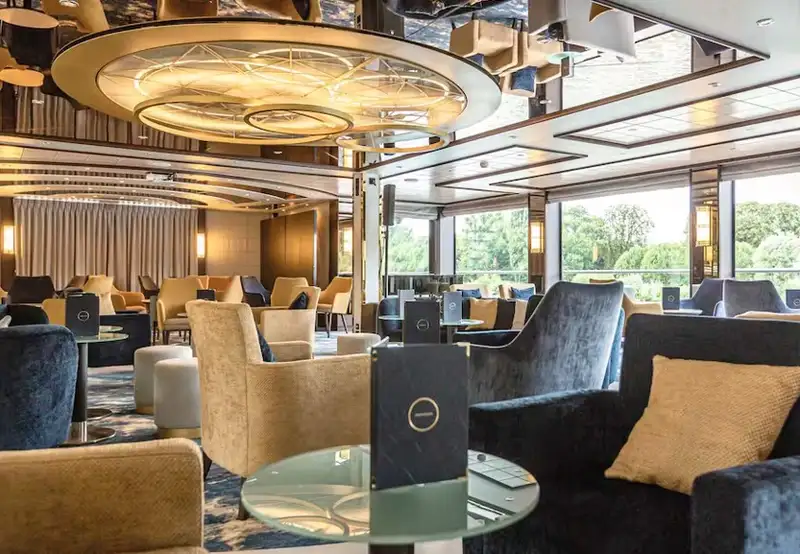
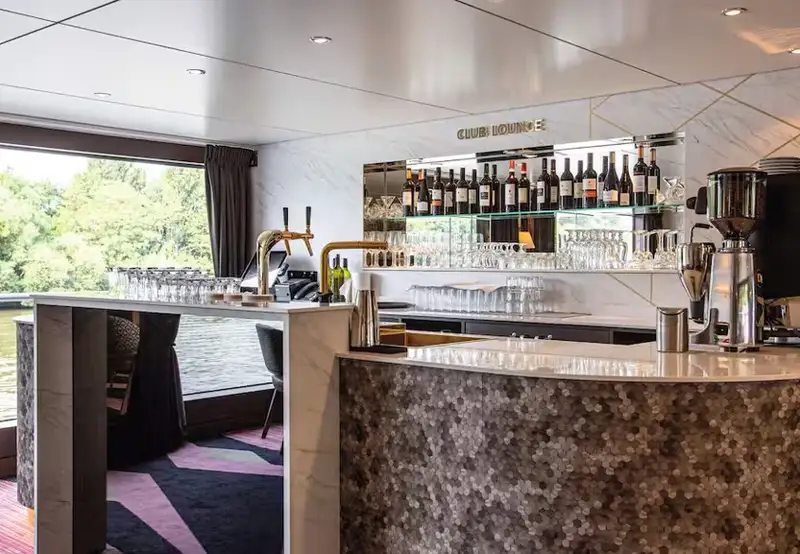
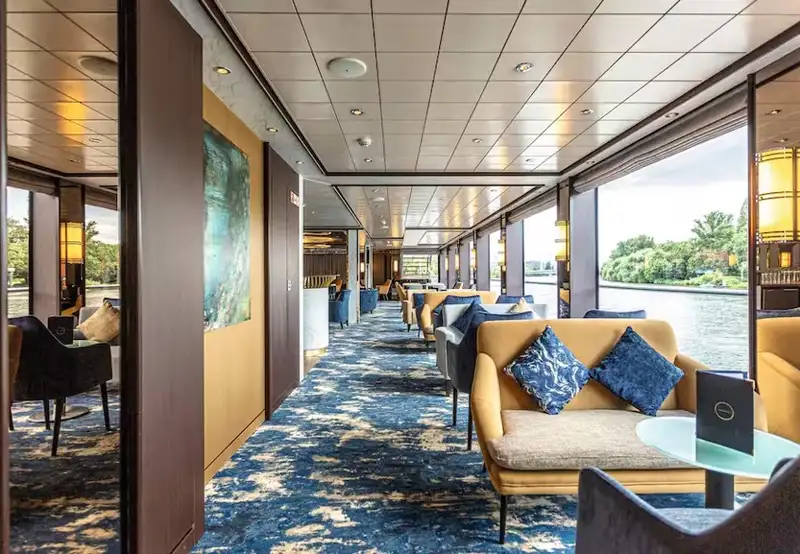
Club Lounge
Verdastro
Observatory
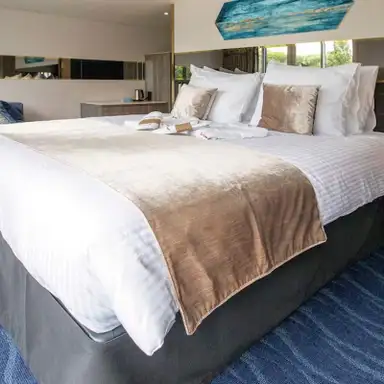
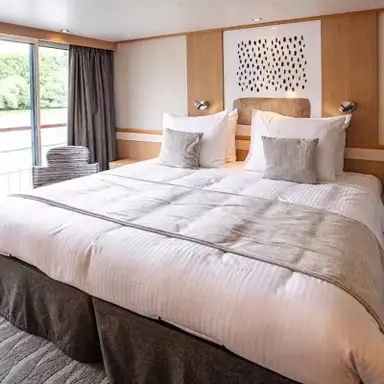
French Balcony Suite
Flight departs
DAY 1
Time at Port: TBD
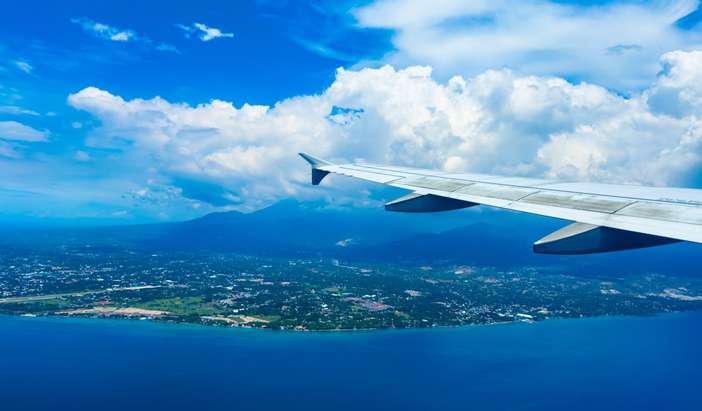
Say goodbye to your current destination, for it’s time to head somewhere new! Flight information will be available closer to your embarkation date, but this will be when you’re hopping on a plane to continue your adventure – be that travelling somewhere new, or heading home.
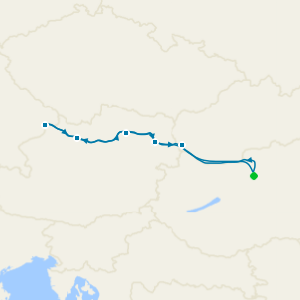
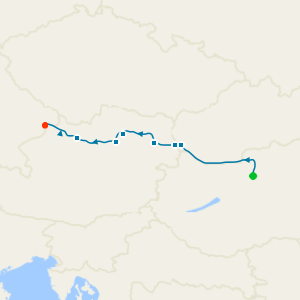
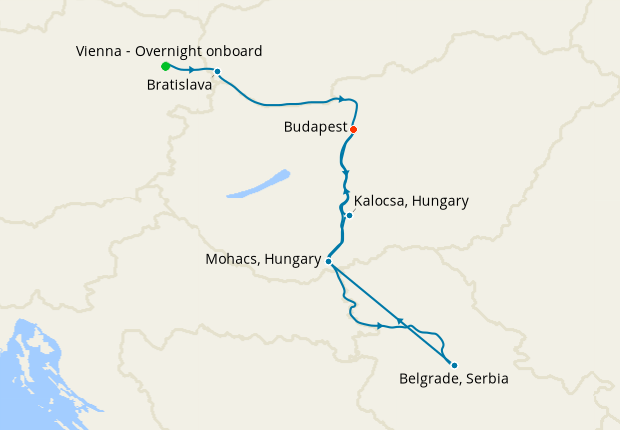
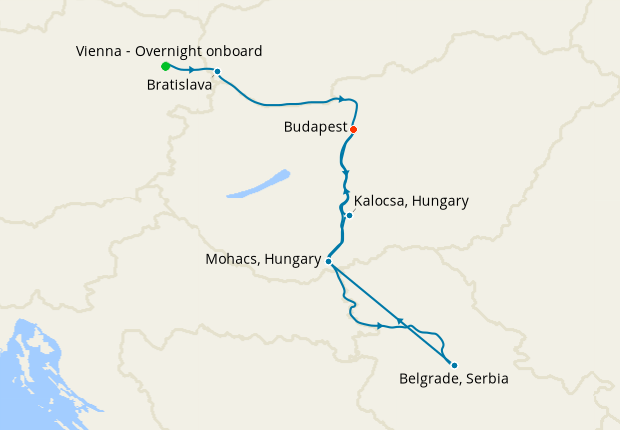
Vienna - Overnight onboard
DAY 1-2
28 Dec 2026
Time at Port: TBD
Vienna, the City of Music, is one cruise destination you’re not going to want to miss out on the chance to visit. The capital city of Austria and the most populous urban centre on the Danube River, this is one of the world’s most livable cities – meaning you won’t have any trouble finding modern comforts among the historic landmarks littering the landscape. In fact, you’ll find an abundance of modern attractions and activities among the historic sites, interesting museums, and impressive monuments here. The Museum of Applied Arts, Vienna State Opera, and Otto-Wagner Pavilion are just a handful of examples of this. Vienna, though, is also known for its coffee culture and several culinary delights, from Wiener Schnitzel and Apfelstrudel to Knödel dumplings and Frankfurters. Fear not, though, for it’s also one of Europe’s most vegan-friendly cities, so everyone will find something delicious to enjoy while visiting – be that coffees and cakes, beers and sausages, or something else tasty. For those of you who want to take advantage of the welcoming weather this Central European capital enjoys, Vienna is home to several vibrant parks worth taking a stroll through. And, the Danube-Auen National Park borders the city, so you won’t have to travel very far to immerse yourself even more in this region’s charming nature. A destination with something for everyone to enjoy, Vienna is always a highlight on any cruise adventure in Central Europe.
Things to do in Vienna - Overnight onboard:
Vienna State Opera
Built from 1861 to 1869, the Vienna State Opera is a historic opera house in the heart of Vienna and one of this city’s most iconic sites. Featuring an impressive Renaissance Revival architectural style, this 1,709-seat opera house is known for famously intense operatic performances – while also being the home of the famed Vienna State Ballet. A stunning sight to see from the circular Ringstrasse, and even more impressive from within, a guided tour of this opera house is a must if you don’t have time to attend an unforgettable show here.
Schönbrunn Palace
Once the primary summer residence for the Habsburg rulers, Schönbrunn Palace is undoubtedly one of the most important cultural, historic, and architectural monuments in Austria. A staggering 1,441-room Baroque palace with vast gardens home to a variety of unique sculptures and the Gloriette, tours of Schönbrunn Palace will afford you the opportunity to explore the south-facing reception rooms and State Apartments within alongside the private residences of former Austrian emperor Franz Joseph I. Opulent and overflowing with history, this is one experience you won’t want to miss.
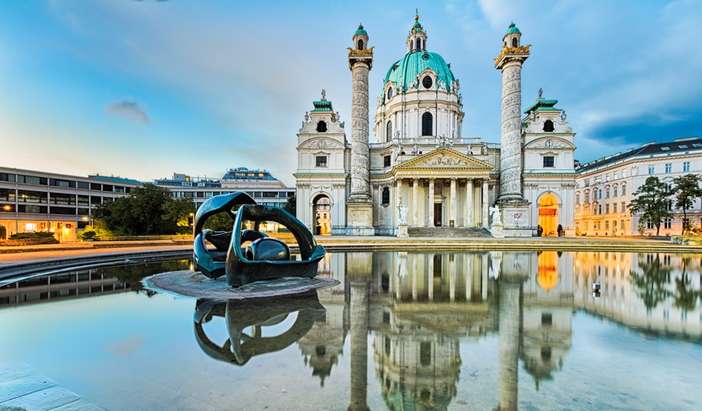
Karlskirche
Constructed through the mid-18th century and consecrated in 1737, Karlskirche is an impressive Baroque-style Roman Catholic church in the heart of Vienna. Featuring an opulent interior with intricately-designed frescos depicting Italian archbishop Charlses Borromeo and the Virgin Mary, this church overlooks the Karlsplatz – a well-connected town square where you’ll find the Wien Museum, Statue of Josef Ressel, and Kunsthalle Wien Karlsplatz art museum among the interesting sites here.
Bratislava
DAY 3
30 Dec 2026
Time at Port: TBD
Slovakia’s stunning capital city, which sits on the banks of both the River Danube and River Morava, Bratislava is a beautiful cruise destination boasting a unique history and culture. The political, cultural, and economic heart of this incredible Central European nation, you’ll find all the modern comforts of home in Bratislava, and an abundance of interesting activities to enjoy alongside flavourful cuisine, rich cultural experiences, and enriching sightseeing opportunities. At the foot of the Little Carpathians, a low mountain range stretching several-hundred feet above sea level, Bratislava’s charming blend of architectural styles are set against a stunning backdrop. So, even if you’re not impressed by the elegant mansion houses and art nouveau structures spread across this city, the natural beauty surrounding it is truly breathtaking. However you decide to spend your time in Bratislava, you’re in for a treat.
Things to do in Bratislava:
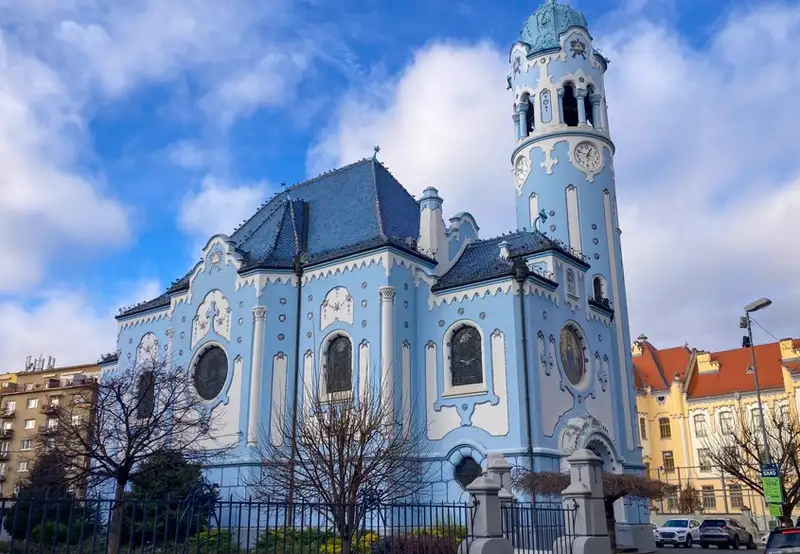
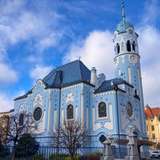
Church of St. Elizabeth (Blue Church)
The Church of St. Elizabeth is an impressive art nouveau-style Catholic church constructed circa 1908; part of the Old Town in Bratislava, this church is an icon of the city and famous for featuring a bright blue façade and blue glazed roof. Its richly-decorated interior also features light blue, with illustrations of St. Elizabeth giving alms to the poor.
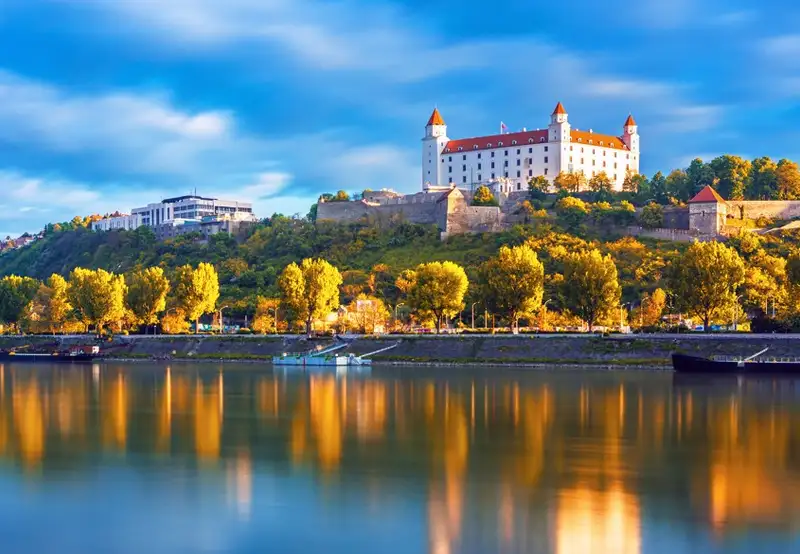
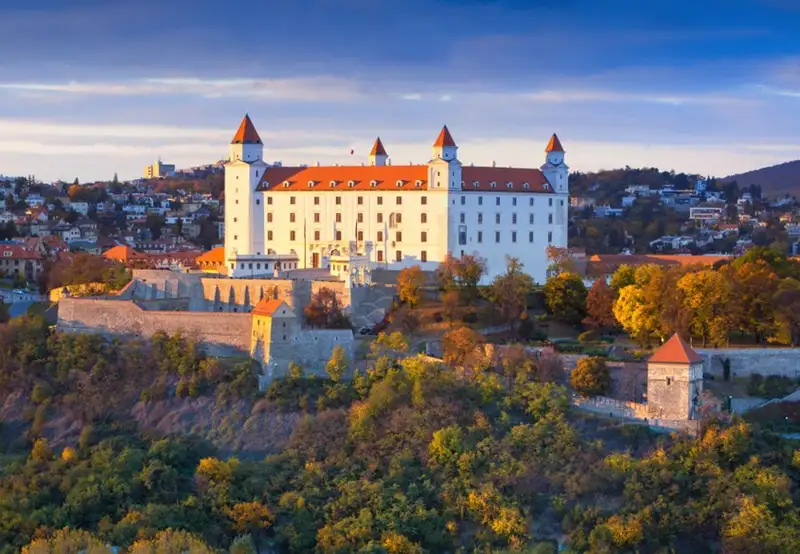
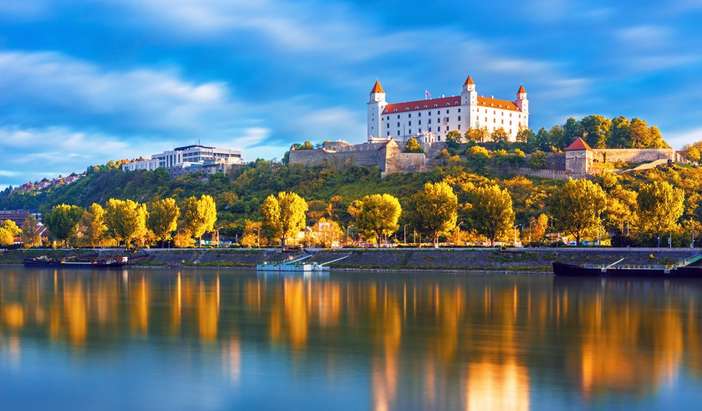
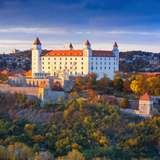
Bratislava Castle
A dominant feature of Bratislava and an iconic landmark, Bratislava Castle is an impressive rectangular castle sitting atop an isolated rocky hill in the centre of the capital city; it’s roughly 85 metres above the Danube, and you’ll be able to get a glimpse of its bright whitewashed walls from almost anywhere in the city. While a staggering sight in its own right, Bratislava Castle is also home to an impressive archeological collection and museum exhibits showcasing 16th century furnishings alongside the Slovak National Museum itself.
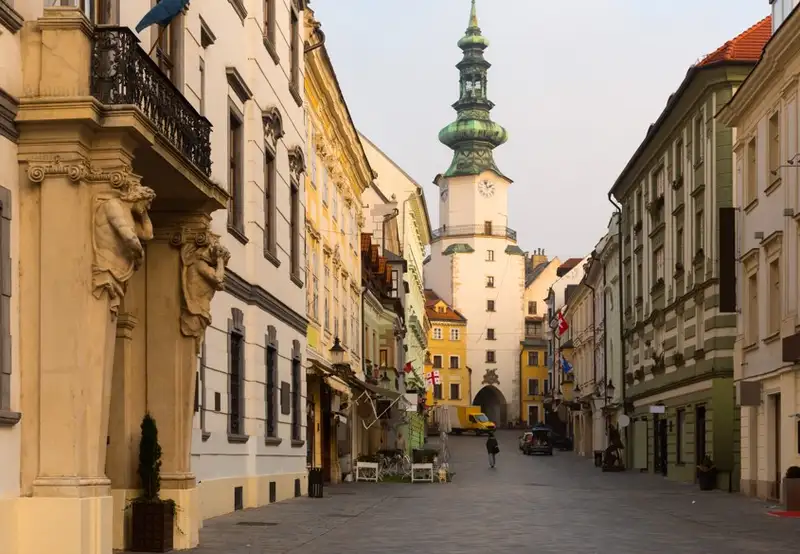
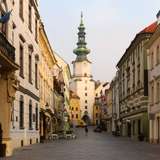
Michael’s Gate
Located on the edge of Bratislava’s Old Town, Michael’s Gate is the only city gate that has been preserved of the city’s medieval fortifications, making it one of the oldest structures in the Slovakian capital. Constructed circa 1300, and then reconstructed in 1758, the tower above this gate houses the Exhibition of Weapons of Bratislava City Museum – adding another reason to check this site out when you visit.
Budapest
DAY 4
31 Dec 2026
Time at Port: TBD
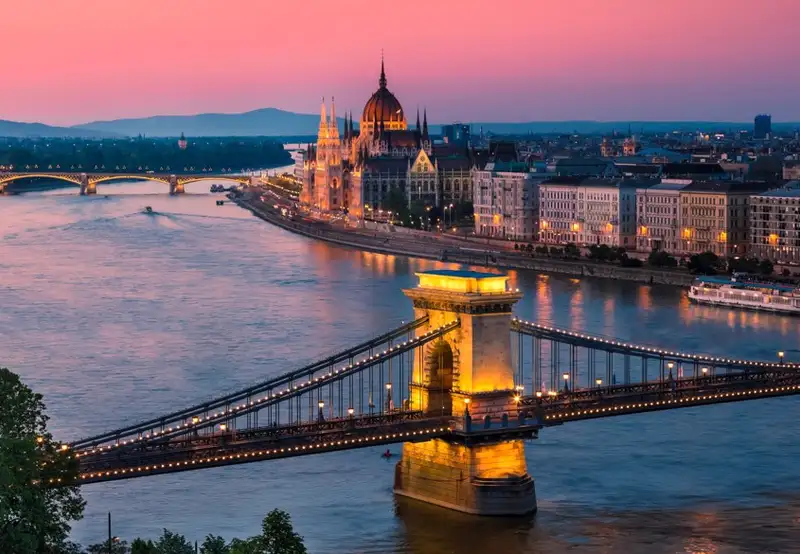
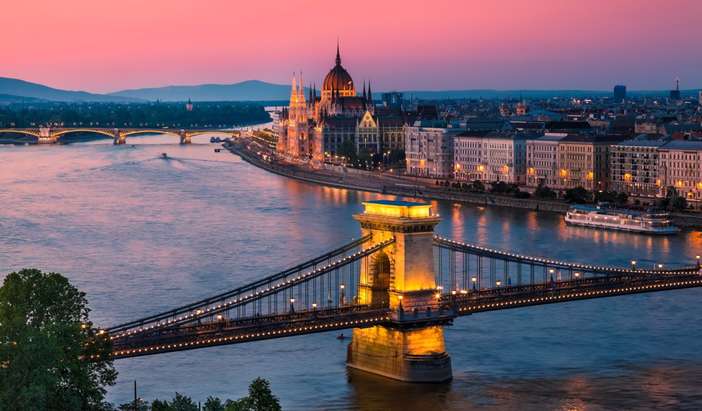
The Pearl of the Danube, Budapest is a remarkable destination for any cruise adventure and one port of call you’re not going to forget. Capital city of Hungary, Budapest boasts a remarkable city centre steeped in history, unforgettable cultural experiences, and a unique cuisine – blending French, Germanic, Italian, and Slavic foods with its own original Magyar foods and flavours. While here, you’ll have the chance to marvel at some sensational classical architecture, with the Hungarian Parliament Building a particular highlight among the impressive landmarks littering this city, and visit a host of unique museums exploring this city’s – and this nation’s – history. Budapest also has a reputation as a city of spas, with thermal waters in the region making the historic public baths here an unmissable attraction; although, you’ll find plenty of places for sumptuous treatments beyond those. A breathtakingly beautiful, exciting city bisected by the Danube, Budapest is an adventure for every type of traveller and one destination you’ll want to return to, over and over again.
Things to do in Budapest:
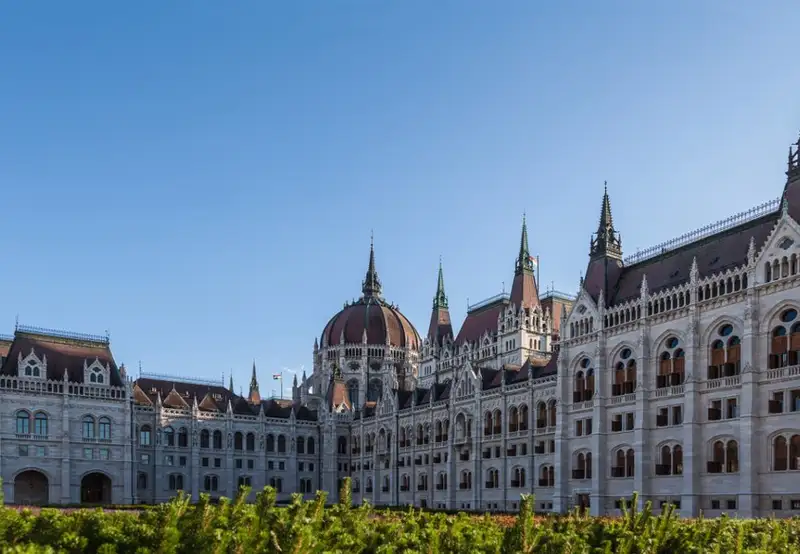
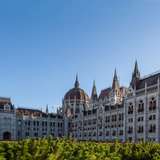
Hungarian Parliament Building
Opened in 1902, and constructed in a dramatic neo-Gothic style somewhat resembling the Palace of Westminster in London, the Hungarian Parliament Building in Budapest is one of this city’s most impressive and iconic landmarks. It’s over 300 ft tall at its highest point, and almost 900 ft long, making it one of the city’s largest buildings. With an incredible façade facing the Danube River, this four-floor building houses 691 rooms and acts as the seat for the National Assembly of Hungary.
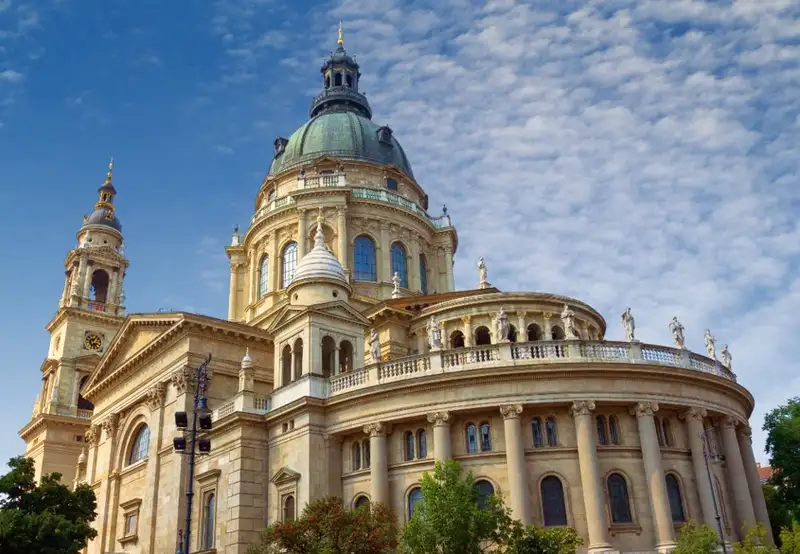
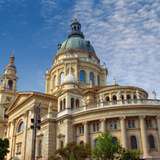
St. Stephen’s Basilica
Named in honour of Stephen I, the first King of Hungary, St. Stephen’s Basilica is an impressive 19th century cathedral constructed in a neo-classical architectural style. The nation’s third-largest church, this structure interestingly houses King Saint Stephen’s mummified right hand in a reliquary, signifying its importance as a national relic and symbol of faith. Throughout the Second World War, the site was significantly damaged, but the cellar provided an important shelter for refugees and the Hungarian National Archives.
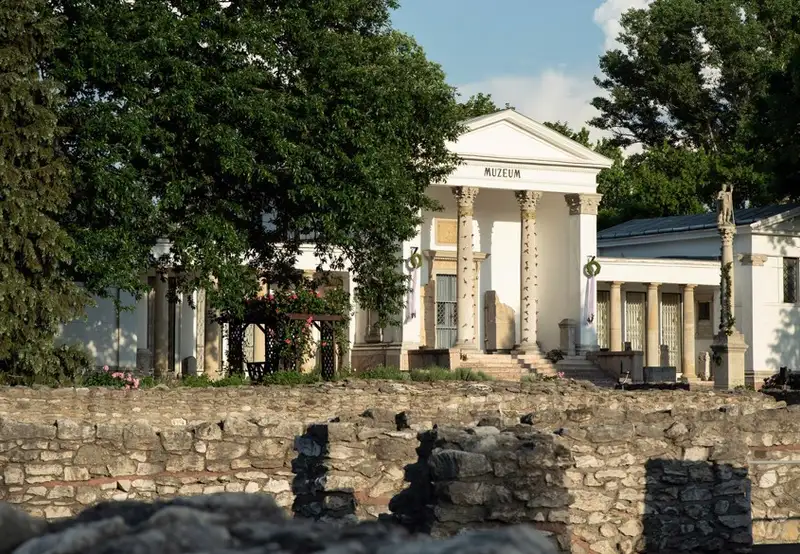
Aquincum Museum
The Aquincum Museum in Budapest is an archaeological museum housing the findings and remains of Aquincum, an ancient Roman city founded circa 47 AD. Opened in 1894, this site tells the unique story of Budapest’s origins and early history, while also offering visitors an insight into life around 2,000 years ago. While here, you’ll also be able to explore the ruins of Aquincum’s Mithraeum – a former temple to the Roman god Mithras.
Kalocsa, Hungary
DAY 5
01 Jan 2027
Time at Port: TBD
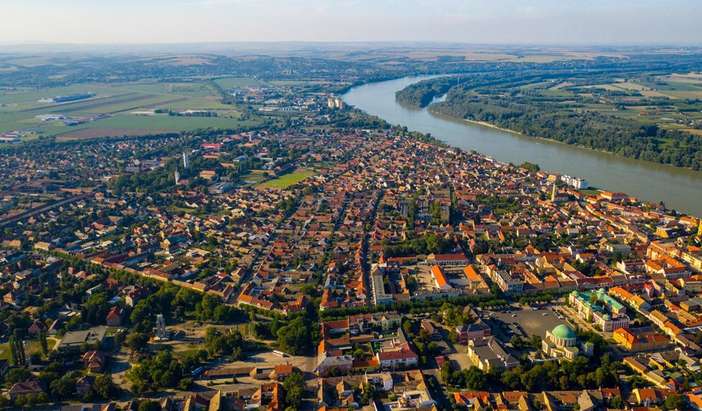
Along the river Danube, just south of Budapest, sits Kalocsa: one of the oldest towns in Hungary and a picturesque river cruise destination with a lot to offer. Uniquely known for its paprika production and traditional embroidery, this town boasts a rich cultural heritage worth exploring, a historic town centre with impressive architecture, and vibrant woodland landscapes worth taking the time to walk through. If you’re looking for authentic cultural experiences, you’ll find those here, with paprika tasting tours and guided explorations of the town’s most important landmarks among the excursions you can enjoy. Although, if you’re looking to spend some time immersing yourself in nature, you’ll find yourself met with the opportunity to go horseback riding – a popular way to explore the natural beauty of the surrounding countryside. Not far from parts of the Kunság wine district dominating central Hungary, the connoisseurs among you will have plenty of interesting local wines to sample, too; and then there’s the authentic Hungarian cuisine, something you’ll find in numerous eateries in and around Kalocsa. Just expect to see a little more paprika than usual if you’re checking out the local delicacies. A charming historic Hungarian town with a memorable vibrancy and a welcoming atmosphere, Kalocsa is a fantastic river cruise destination that caters to every type of traveller.
Things to do in Kalocsa, Hungary:
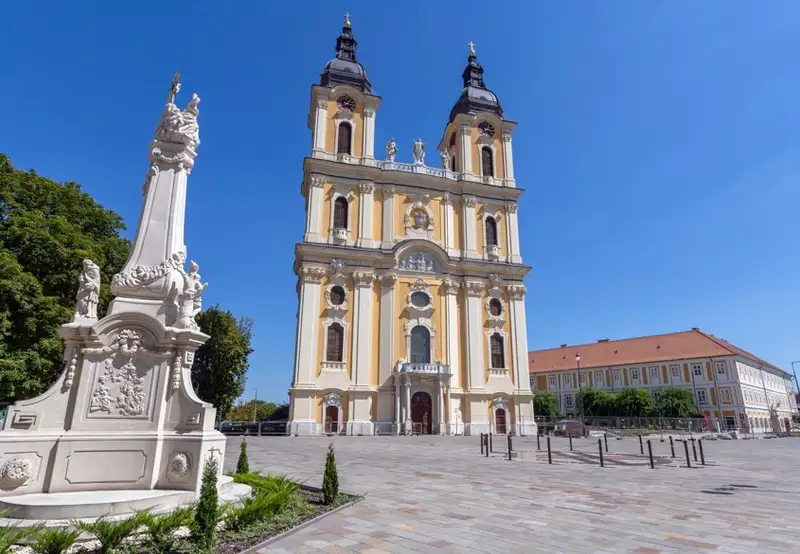
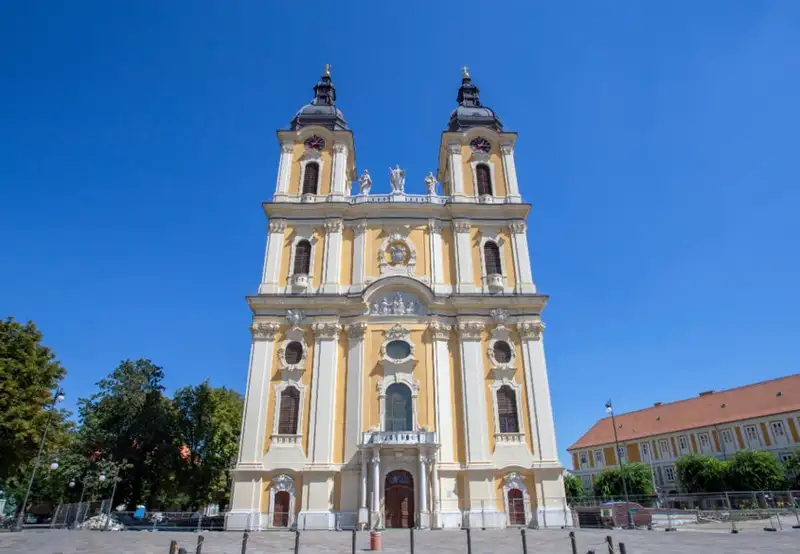
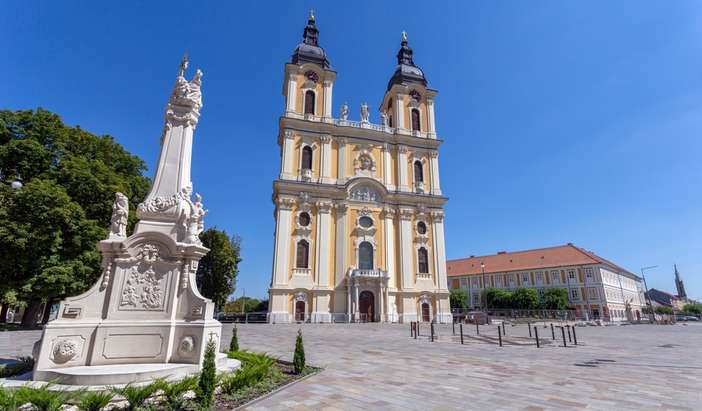
Kalocsai Nagyboldogasszony-főszékesegyház (Kalocsa Cathedral of the Assumption of Mary)
A striking Baroque-style Catholic cathedral standing tall in the heart of Kalocsa, the Cathedral of the Assumption we see today was completed in 1774 and the fourth iteration of the cathedral on this site. With the earliest structures here thought of to be built throughout the 12th century, at least, this cathedral is a striking reminder of Kalocsa’s importance as an ecclesiastical centre in the region. Painted yellow and white, this impressive structure boasts a rich history worth exploring and stands as one of the most iconic landmarks in this town.
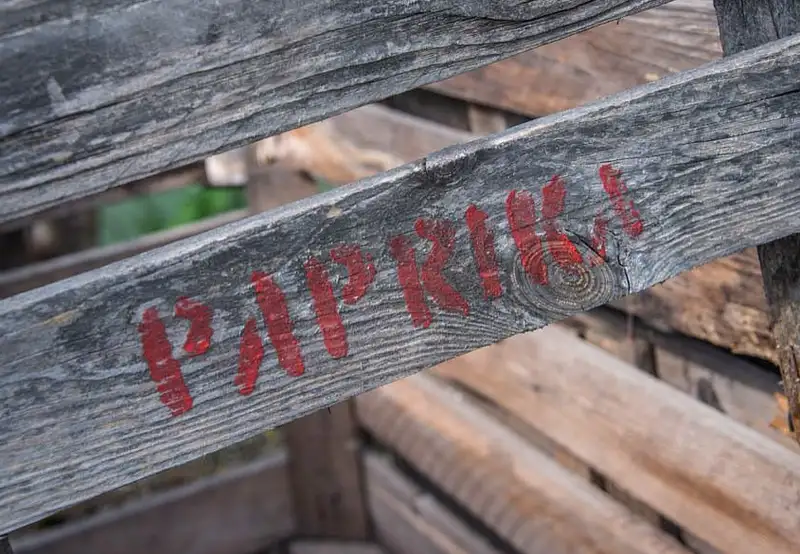
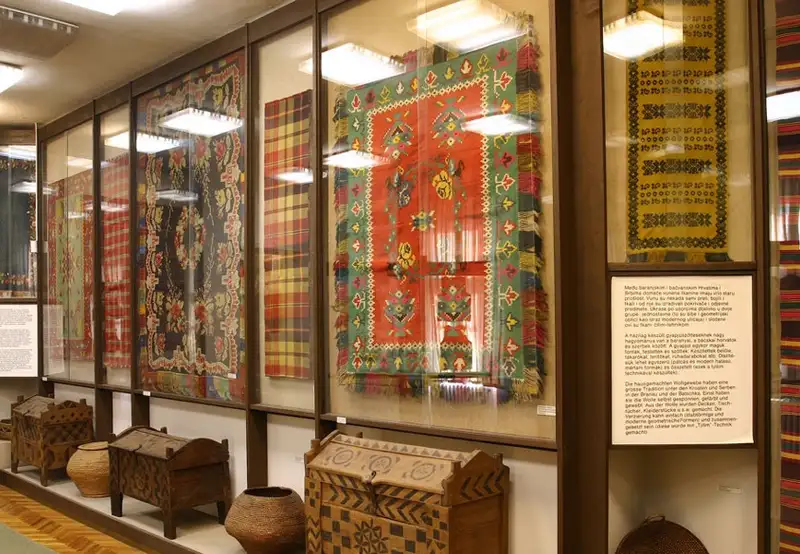
Paprika Museum
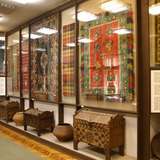
If you want to know more about Kalocsa’s unique history with paprika, the mild spice made of ground dried peppers, this is the perfect place to do just that. Opened in 1977, the Paprika Museum explores the history of Hungarian paprika production alongside the process of making the spice itself; with elements of folk art adding to the experience, you may just come away from a visit here with more appreciation for paprika than you might think.
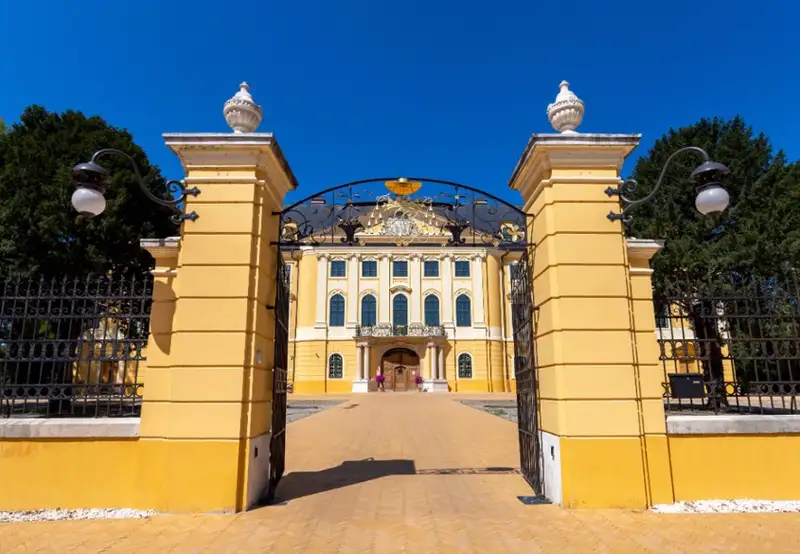
Érseki Palota (Archbishop’s Palace)
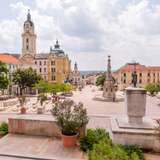
Constructed throughout 1775 on the historic site of Kalocsa’s Archbishop’s Palace, something that has been in use since the Middle Ages, the Archbishop’s Palace we see today is an imposing Baroque-style structure matching the designs and grandeur of the cathedral – which is just across a square plaza named after the Holy Trinity Column standing in the middle of it. Home to the famous Kalocsa Archbishop’s Library, an impressive 150,000-volume collection founded in the 18th century, this is one destination you won’t want to miss.
Belgrade, Serbia
DAY 6
02 Jan 2027
Time at Port: TBD
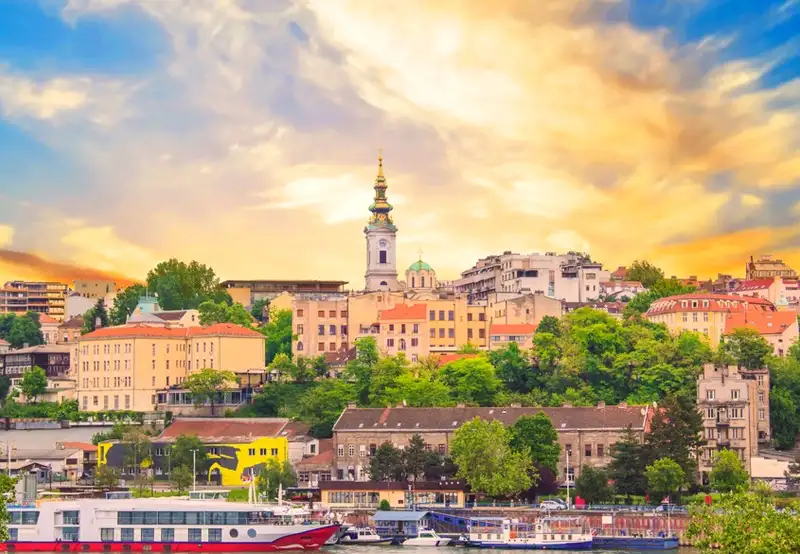
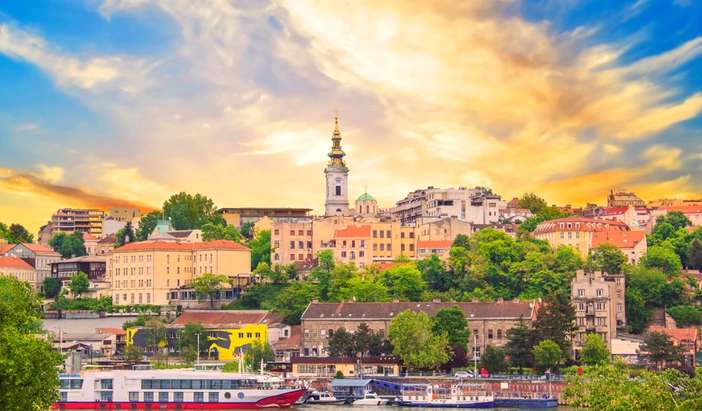
Once-capital of the now-dissolved Yugoslavia and current capital of Serbia, Belgrade is an intriguing city boasting a travel experience unlike anything else out there. Spread across the confluence of the Danube and Sava rivers, the natural landscapes of this city are worth savouring. However, the stark contrasts of the cityscape really make this a captivating river cruise destination. Impressive Art Nouveau architecture stands side-by-side with monumental Socialist architecture to create a juxtaposing skyline highlighting this destination’s complicated history; the grandeur of Habsburg rule and the influence of the Ottoman Empire is clear, but so is this city’s role in establishing the Soviet Bloc throughout the Cold War. This, while making Belgrade a little odd to look at compared to major cities further west and away from the influence of the now-dissolved Soviet Union, makes this city utterly fascinating. You’ll find a host of interesting sites and sights to visit and see while here, something which compliments the lively atmosphere you’d expect from a European primate city – meaning it's the largest, most populous, and most economically important urban centre in Serbia. For history buffs, Belgrade is a gold mine, but there’s so much on offer here that every type of traveller will find something they enjoy when visiting.
Things to do in Belgrade, Serbia:
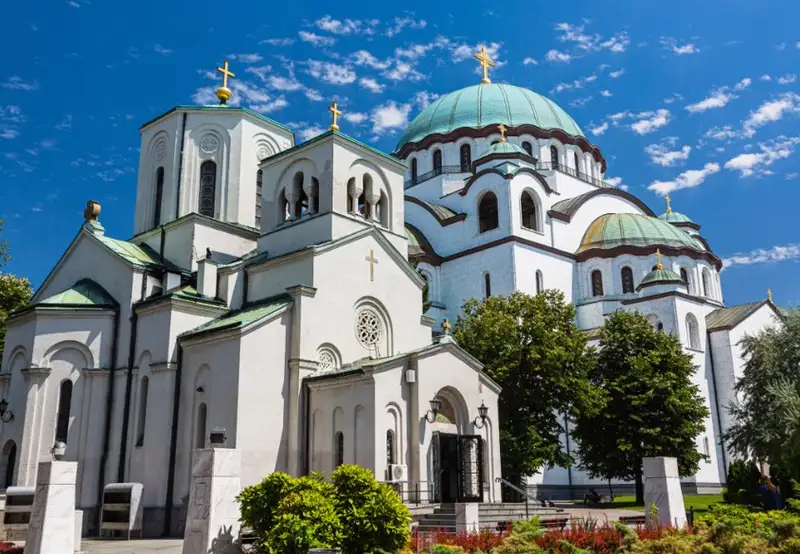
Church of Saint Sava
An impressive Serbian Orthodox church dedicated to the founder of the Serbian Orthodox Church and initially planned to be the main cathedral in the Church, the Church of Saint Sava is built on the presumed location of Saint Sava’s grave and designed to replicate the Hagia Sophia in Istanbul. However, construction was started in 1935 and interrupted until permission to complete the building was given in 1984 – which explains its differences to the aforementioned mosque in Turkey. Standing well over 200 ft tall, with the main dome weighing a staggering 4,000 tonnes, this structure is breathtaking both inside and out – with interiors featuring impressive golden mosaics, with the central one of these depicting the Ascension of Jesus and Christ’s resurrection.
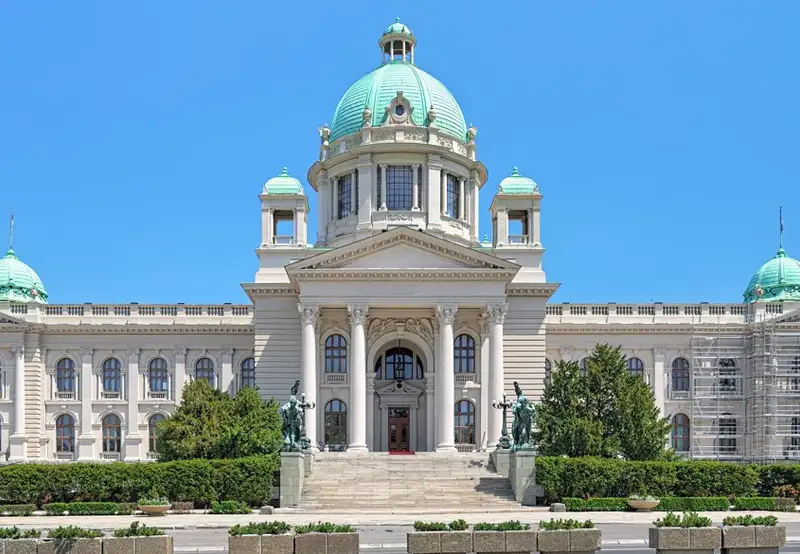
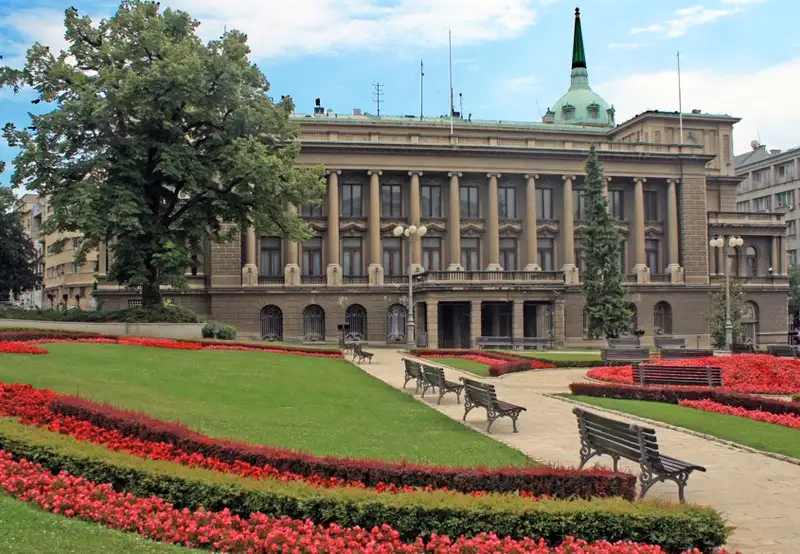
House of the National Assembly
Serbia’s House of the National Assembly is an imposing Neo-Baroque building with four floors, over 100 offices, a library containing over 60,000 books, and interiors featuring interesting frescoes among an impressive collection of fine artwork. Completed in 1937, this was used as the seat of the Parliament of Yugoslavia during its existence and remains a structure of historical, cultural, and artistic value to the Serbian people. In central Belgrade, and a stone’s throw from several parks, it’s a fantastic place to stop off while strolling through this unique city.
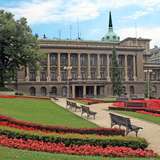
Novi Dvor
The seat of the President of Serbia and the former royal residence of the Karađorđević dynasty of Kingdom of Yugoslavia, Novi Dvor is an impressive palace opposite the (Stari Dvor (Belgrade City Hall) in central Belgrade. Designed to architecturally match the style of the pre-existing Stari Dvor, this building borrows Renaissance and Baroque architectural features to do this. With an interior completed by a French firm, who brought a stylish elegance to the palace which was uncommon at the time, Novi Dvor stands out as an interesting cultural site in Belgrade and beyond.
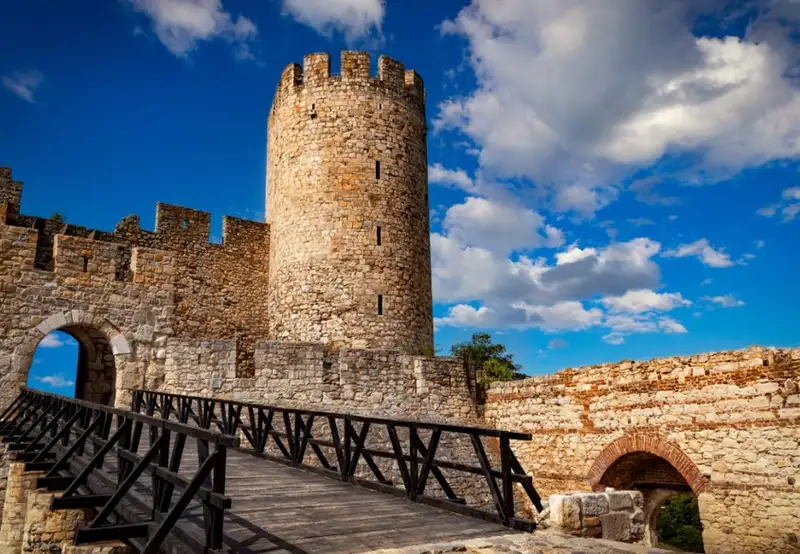
Belgrade Fortress
Located right at the point of confluence between the Danube and the Sava rivers, Belgrade Fortress is a defining feature of central Belgrade and an important defensive fortification for the city. With initial fortifications dating back to 279 BC, this landmark is also home to an abundance of history – not to mention the fact that it featured prominently in several significant battles from 1440 to 1806, throughout which the castle was reconstructed twice. While here, you’ll also find Veliki Kalemegdanski Park, and several museums, making this a real highlight of any sightseeing tour in Belgrade.
Mohacs, Hungary
DAY 7
03 Jan 2027
Time at Port: TBD
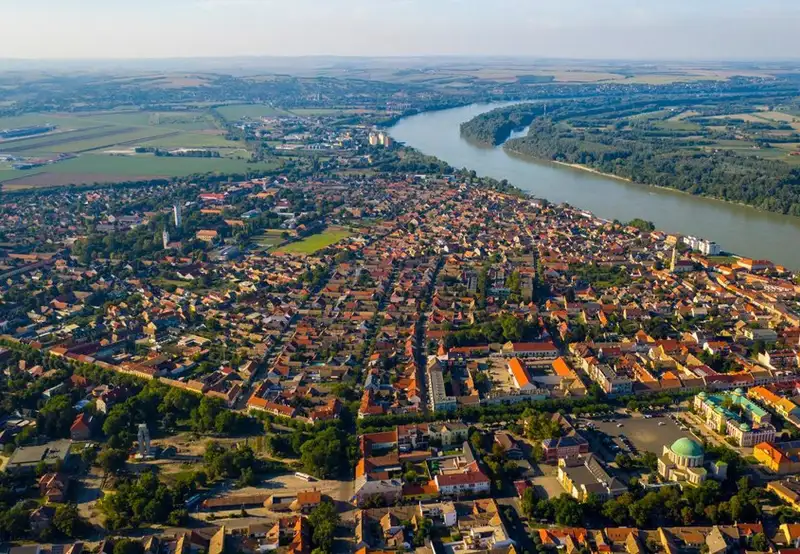
A rather quaint town on the banks of the Danube river, Mohács is a charming river cruise destination steeped in history – being one of the nation’s oldest settlements, and the site of two famous battles in 1526 and 1687. With these famous battles at the forefront of Mohács’ history, the cultural experiences here are unique in their focus on the events of the first Battle of Mohács and the Second Battle of Mohács. In the Busóudvar cultural centre, and through the annual Busojaras Festival (if you’re fortunate enough to be visiting during celebrations in February), you’ll be able to learn more about the vibrant traditions of the Busójárás – who proved pivotal in the first Mohács battle. Beyond this, though, if history isn’t your cup of tea, you’ll find plenty of places to enjoy authentic local cuisine and scenic spots to sit and soak up the laid-back atmosphere here; there’s also plenty of picturesque riverside walking routes and hiking trails further afield to take advantage of. In lieu of an abundance of modern attractions, Mohács is a fantastic place to spend some time enjoying the scenic countryside of Eastern Europe. If you don’t mind travelling for a little while, the city of Pécs is around 45 km to the east of Mohács; here, you’ll find even more incredible cultural experiences, authentic cuisines, and interesting landmarks to explore.
Things to do in Mohacs, Hungary:
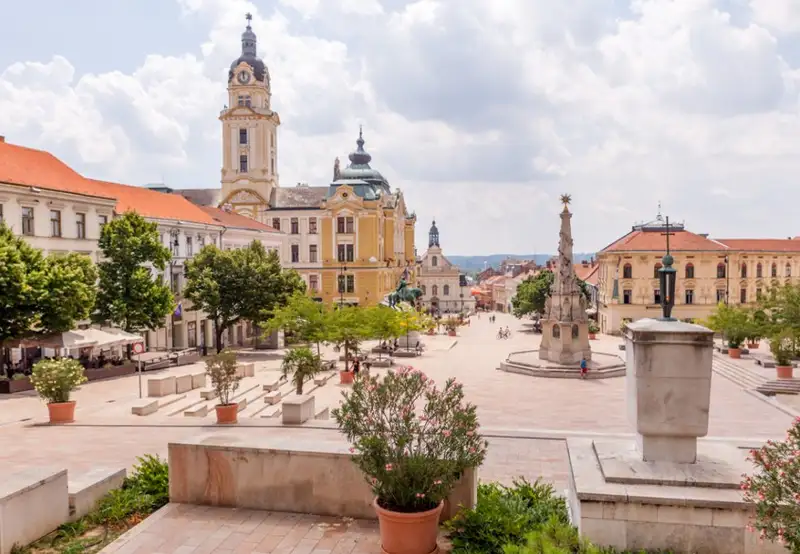
Pécs
Sitting on the slopes of the Mecsek mountains, Pécs is one of the largest cities in Hungary and somewhere where you’ll find an abundance of activities and attractions to enjoy. A short distance from Mohács, Pécs is home to a variety of interesting historical sites worth spending time to explore, fantastic restaurants and cafes where authentic local cuisine is served, and unique cultural experiences you won’t want to miss.
Kanizsai Dorottya Múzeum
If you’re looking to learn more about the region’s history and culture, this is the place to be; named after Dorottya Kanizsai, an influential figure in the first Battle of Mohács, Kanizsai Dorottya Múzeum explores the people of Mohács’ history through a permanent exhibition alongside other interesting topics – both historical and cultural – through ever-changing temporary exhibitions.
Busóudvar
A cultural centre dedicated to the remarkable Busójárás festival, you’ll find a range of traditional masks and attires here alongside interesting insights into the history of this tradition, all of which offer a comprehensive look at the unique cultural heritage that is the Hungarian Busójárás.
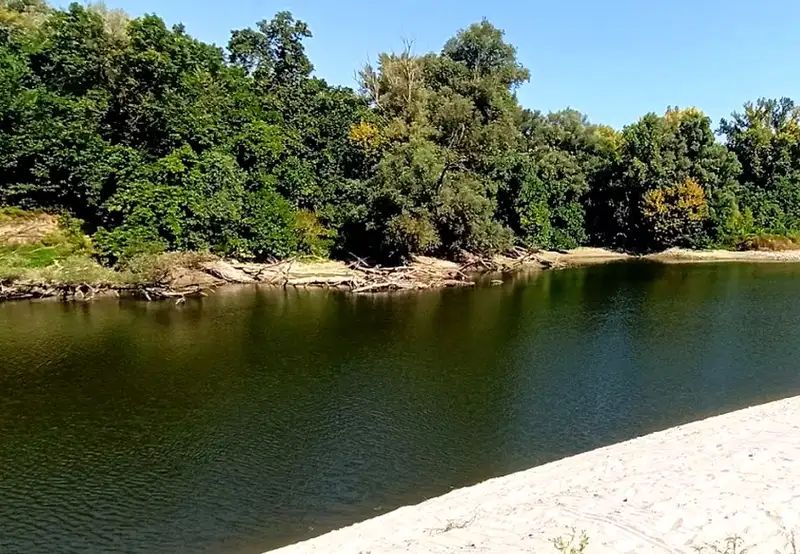
Horthy-zàtony
A scenic hiking area with beaches, just across the Danube from Mohács, Horthy-zàtony is a fantastic place to visit if you’re looking for somewhere where you can embrace the great outdoors and stretch your legs without being too far from your river cruise ship. With a ferry running across the Danube from Mohács, you’ll have no trouble getting to this scenic stretch of countryside – which is beside Mohácsi Strand, another great place to wander while the sun is shining.
Budapest
DAY 8
04 Jan 2027
Time at Port: TBD
The Pearl of the Danube, Budapest is a remarkable destination for any cruise adventure and one port of call you’re not going to forget. Capital city of Hungary, Budapest boasts a remarkable city centre steeped in history, unforgettable cultural experiences, and a unique cuisine – blending French, Germanic, Italian, and Slavic foods with its own original Magyar foods and flavours. While here, you’ll have the chance to marvel at some sensational classical architecture, with the Hungarian Parliament Building a particular highlight among the impressive landmarks littering this city, and visit a host of unique museums exploring this city’s – and this nation’s – history. Budapest also has a reputation as a city of spas, with thermal waters in the region making the historic public baths here an unmissable attraction; although, you’ll find plenty of places for sumptuous treatments beyond those. A breathtakingly beautiful, exciting city bisected by the Danube, Budapest is an adventure for every type of traveller and one destination you’ll want to return to, over and over again.
Things to do in Budapest:
Hungarian Parliament Building
Opened in 1902, and constructed in a dramatic neo-Gothic style somewhat resembling the Palace of Westminster in London, the Hungarian Parliament Building in Budapest is one of this city’s most impressive and iconic landmarks. It’s over 300 ft tall at its highest point, and almost 900 ft long, making it one of the city’s largest buildings. With an incredible façade facing the Danube River, this four-floor building houses 691 rooms and acts as the seat for the National Assembly of Hungary.
St. Stephen’s Basilica
Named in honour of Stephen I, the first King of Hungary, St. Stephen’s Basilica is an impressive 19th century cathedral constructed in a neo-classical architectural style. The nation’s third-largest church, this structure interestingly houses King Saint Stephen’s mummified right hand in a reliquary, signifying its importance as a national relic and symbol of faith. Throughout the Second World War, the site was significantly damaged, but the cellar provided an important shelter for refugees and the Hungarian National Archives.
Aquincum Museum
The Aquincum Museum in Budapest is an archaeological museum housing the findings and remains of Aquincum, an ancient Roman city founded circa 47 AD. Opened in 1894, this site tells the unique story of Budapest’s origins and early history, while also offering visitors an insight into life around 2,000 years ago. While here, you’ll also be able to explore the ruins of Aquincum’s Mithraeum – a former temple to the Roman god Mithras.
Flight departs
DAY 8
Time at Port: TBD
Say goodbye to your current destination, for it’s time to head somewhere new! Flight information will be available closer to your embarkation date, but this will be when you’re hopping on a plane to continue your adventure – be that travelling somewhere new, or heading home.
Select your departure airport
If you are looking for an airport not available in the list below or want to make changes to your flights, please give us a call: 0203 848 3113


 TUI Isla -




 28 December 2026 · 7 nights
 London Airports
  2 Adults