All offers and prices are subject to change and availability at time of enquiry. Prices are based on two passengers sharing unless otherwise stated and are subject to the Tour Operator's terms and conditions. Cabin and Flight supplements may apply. Other supplements may apply in addition to the price shown above. Flight details, timings and routing may be subject to alteration. Other tour operator charges may also apply. Any Onboard Spending money or drinks package value shown will be per cabin, again based on two sharing.
Supplier Reference:
Talk to a Cruise Expert
Our cruise experts will help you pick the perfect cruise line, ship and destination.
We can tailor any package to suit your holiday needs: Add or extend hotel stays, arrange flights and find the best cabin location for you.
Say goodbye to your current destination, for it’s time to head somewhere new! Flight information will be available closer to your embarkation date, but this will be when you’re hopping on a plane to continue your adventure – be that travelling somewhere new, or heading home.
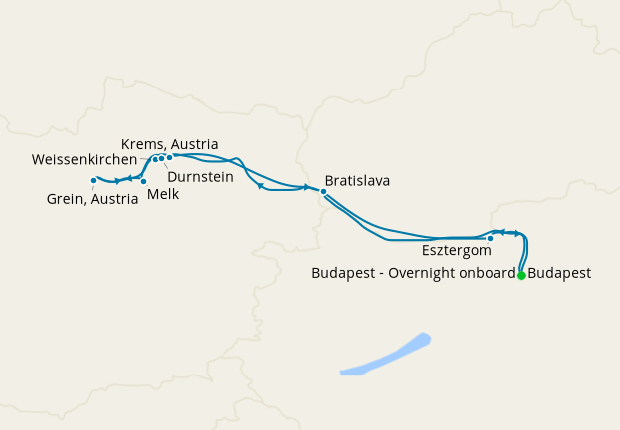
Budapest - Overnight onboard
DAY 1-2
22 Jun 2026
Time at Port: TBD
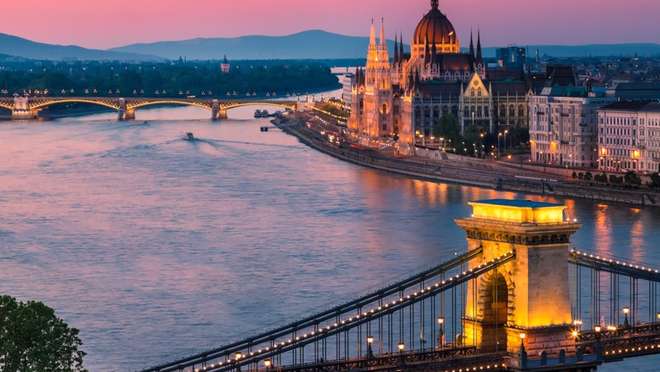
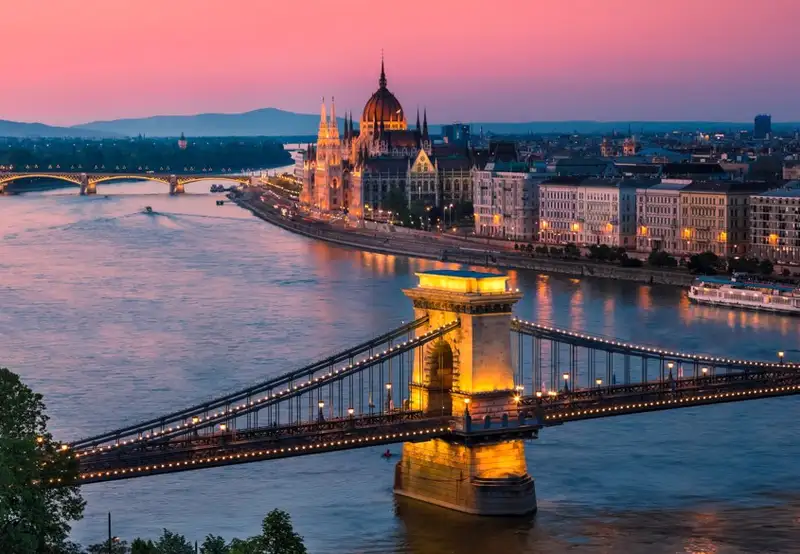
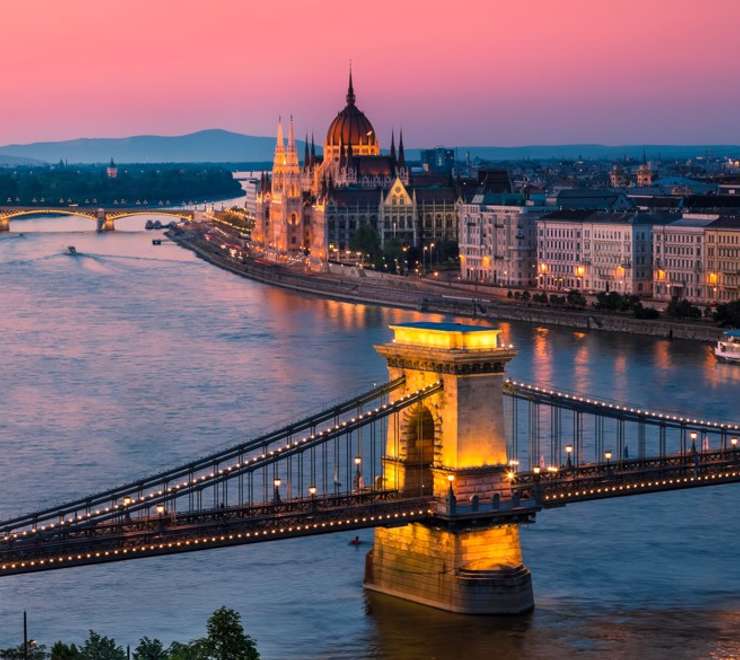
The Pearl of the Danube, Budapest is a remarkable destination for any cruise adventure and one port of call you’re not going to forget. Capital city of Hungary, Budapest boasts a remarkable city centre steeped in history, unforgettable cultural experiences, and a unique cuisine – blending French, Germanic, Italian, and Slavic foods with its own original Magyar foods and flavours. While here, you’ll have the chance to marvel at some sensational classical architecture, with the Hungarian Parliament Building a particular highlight among the impressive landmarks littering this city, and visit a host of unique museums exploring this city’s – and this nation’s – history. Budapest also has a reputation as a city of spas, with thermal waters in the region making the historic public baths here an unmissable attraction; although, you’ll find plenty of places for sumptuous treatments beyond those. A breathtakingly beautiful, exciting city bisected by the Danube, Budapest is an adventure for every type of traveller and one destination you’ll want to return to, over and over again.
Things to do in Budapest - Overnight onboard:
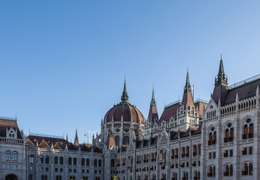
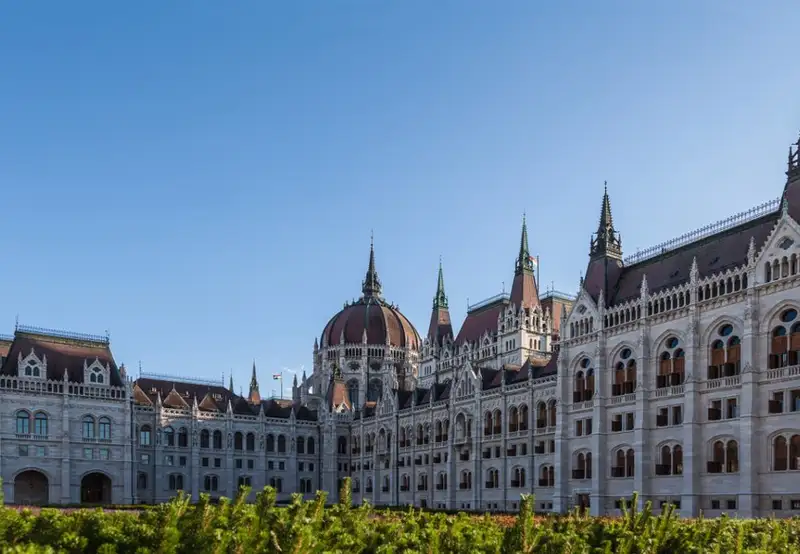
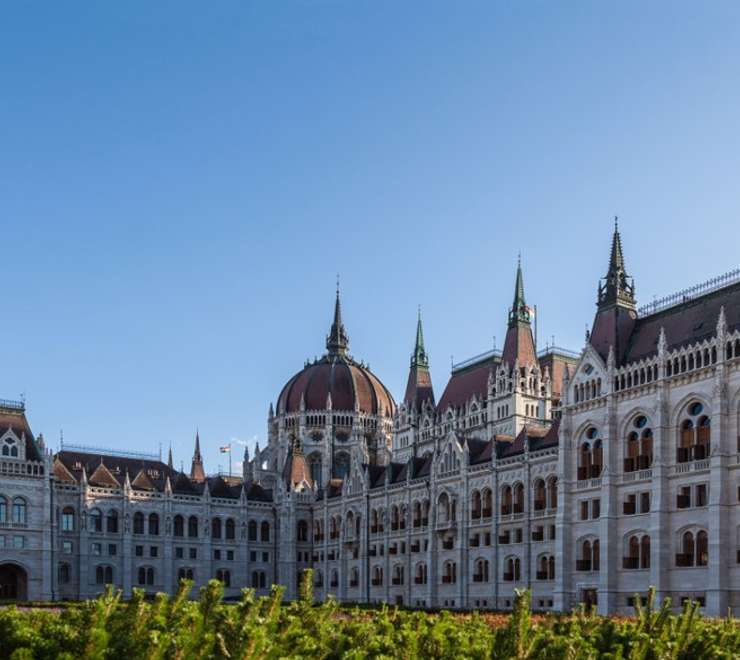
Hungarian Parliament Building
Opened in 1902, and constructed in a dramatic neo-Gothic style somewhat resembling the Palace of Westminster in London, the Hungarian Parliament Building in Budapest is one of this city’s most impressive and iconic landmarks. It’s over 300 ft tall at its highest point, and almost 900 ft long, making it one of the city’s largest buildings. With an incredible façade facing the Danube River, this four-floor building houses 691 rooms and acts as the seat for the National Assembly of Hungary.
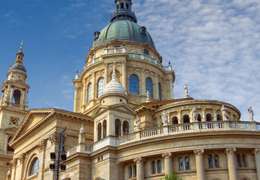
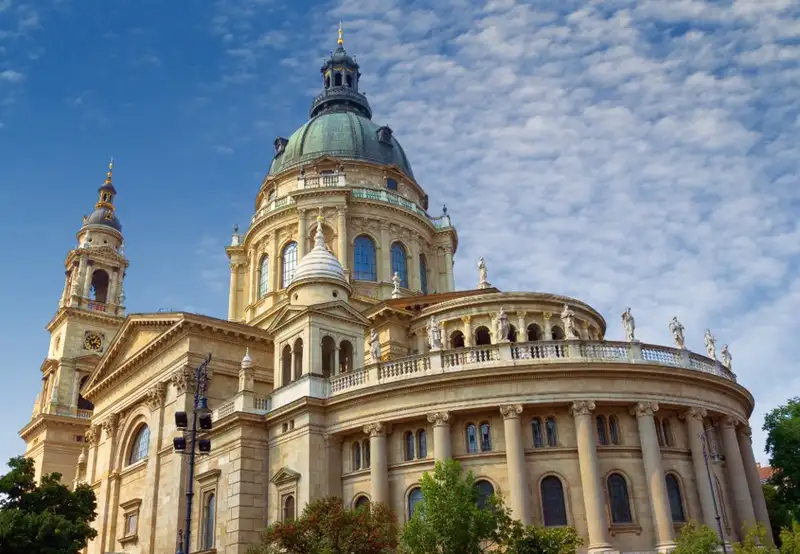
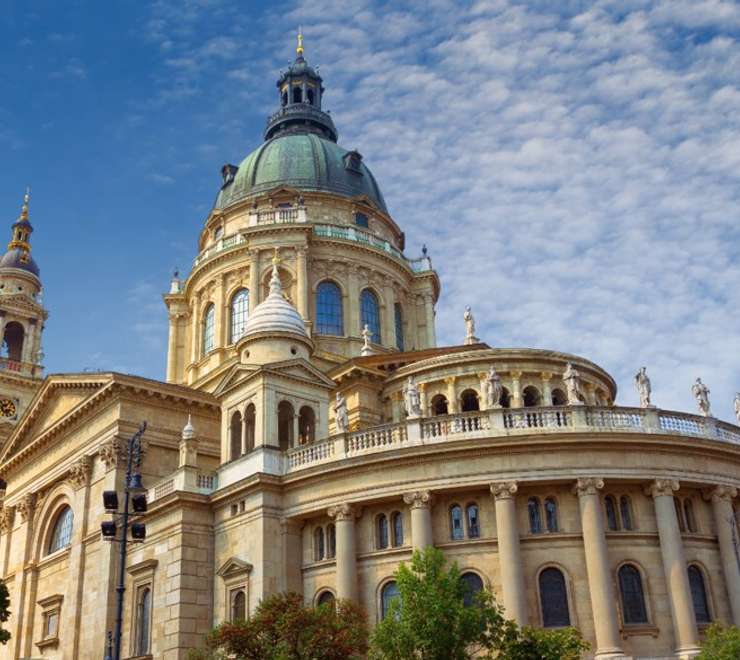
St. Stephen’s Basilica
Named in honour of Stephen I, the first King of Hungary, St. Stephen’s Basilica is an impressive 19th century cathedral constructed in a neo-classical architectural style. The nation’s third-largest church, this structure interestingly houses King Saint Stephen’s mummified right hand in a reliquary, signifying its importance as a national relic and symbol of faith. Throughout the Second World War, the site was significantly damaged, but the cellar provided an important shelter for refugees and the Hungarian National Archives.
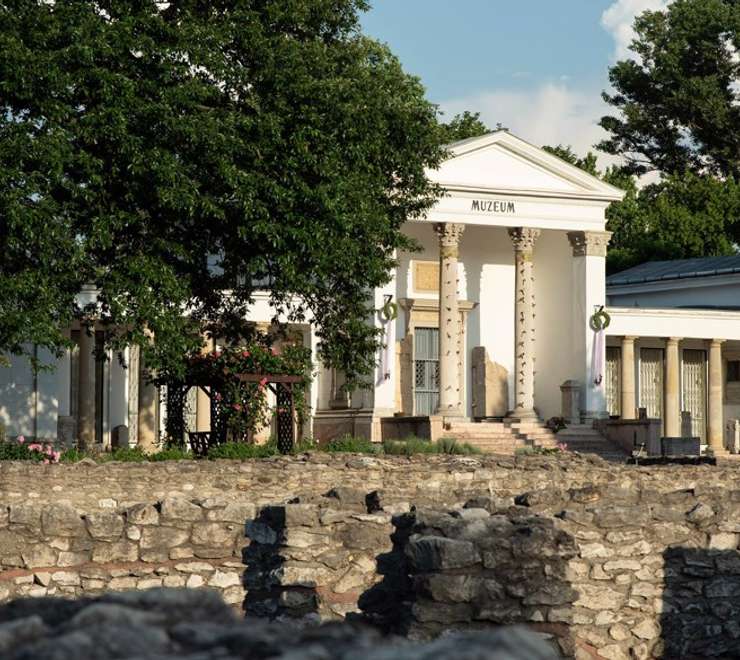
Aquincum Museum
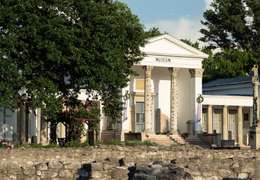
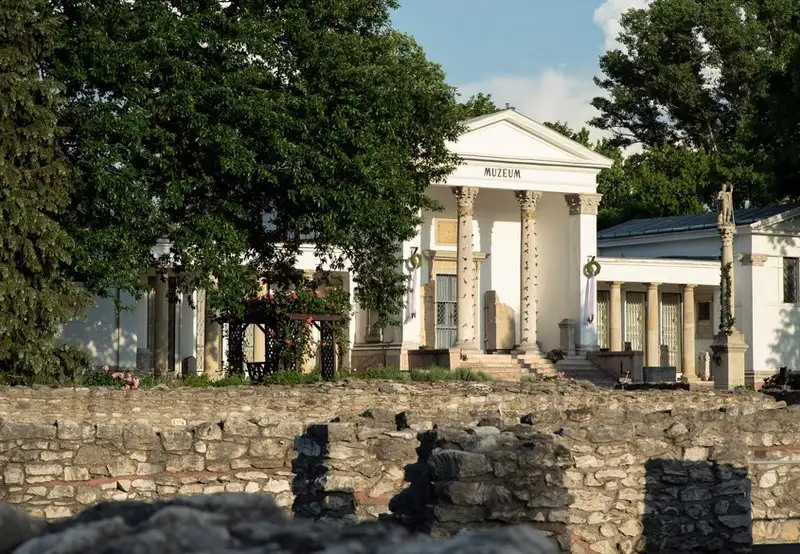
The Aquincum Museum in Budapest is an archaeological museum housing the findings and remains of Aquincum, an ancient Roman city founded circa 47 AD. Opened in 1894, this site tells the unique story of Budapest’s origins and early history, while also offering visitors an insight into life around 2,000 years ago. While here, you’ll also be able to explore the ruins of Aquincum’s Mithraeum – a former temple to the Roman god Mithras.
Bratislava
DAY 3
24 Jun 2026
Time at Port: TBD
Slovakia’s stunning capital city, which sits on the banks of both the River Danube and River Morava, Bratislava is a beautiful cruise destination boasting a unique history and culture. The political, cultural, and economic heart of this incredible Central European nation, you’ll find all the modern comforts of home in Bratislava, and an abundance of interesting activities to enjoy alongside flavourful cuisine, rich cultural experiences, and enriching sightseeing opportunities. At the foot of the Little Carpathians, a low mountain range stretching several-hundred feet above sea level, Bratislava’s charming blend of architectural styles are set against a stunning backdrop. So, even if you’re not impressed by the elegant mansion houses and art nouveau structures spread across this city, the natural beauty surrounding it is truly breathtaking. However you decide to spend your time in Bratislava, you’re in for a treat.
Things to do in Bratislava:
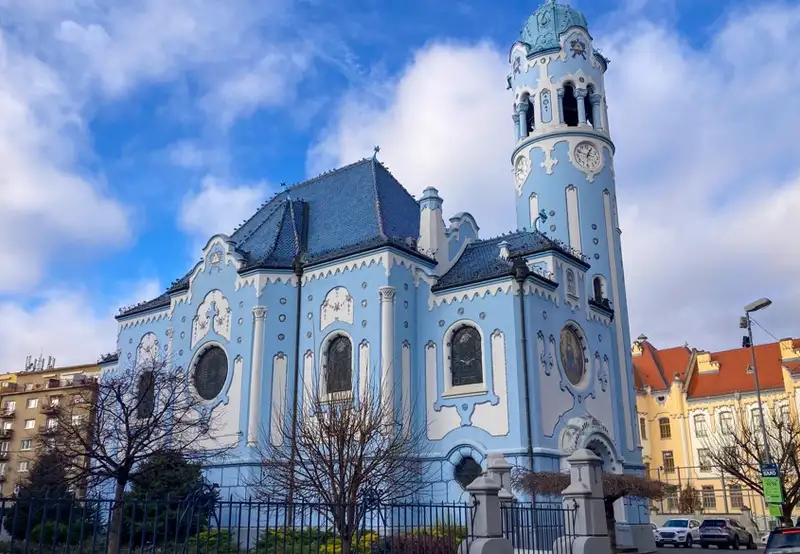
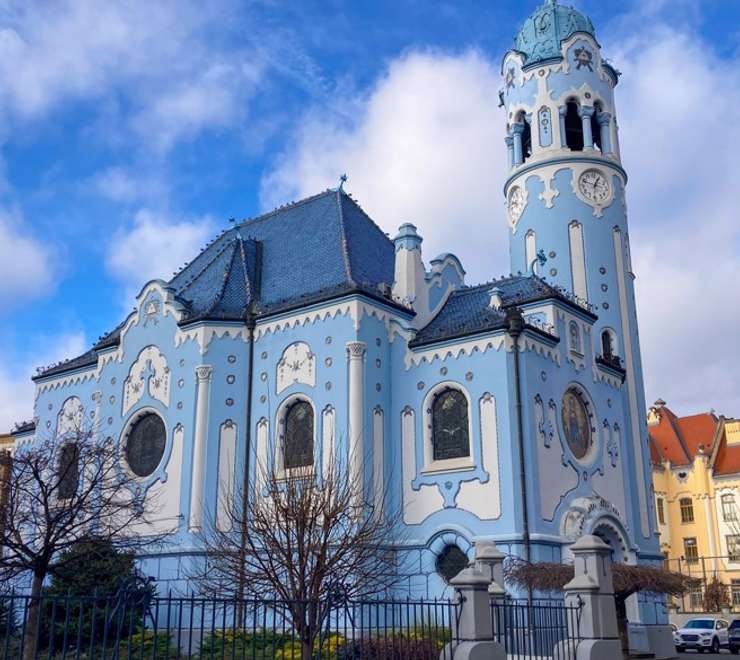
Church of St. Elizabeth (Blue Church)
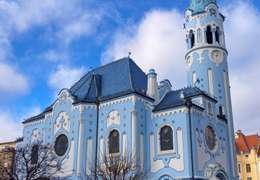
The Church of St. Elizabeth is an impressive art nouveau-style Catholic church constructed circa 1908; part of the Old Town in Bratislava, this church is an icon of the city and famous for featuring a bright blue façade and blue glazed roof. Its richly-decorated interior also features light blue, with illustrations of St. Elizabeth giving alms to the poor.
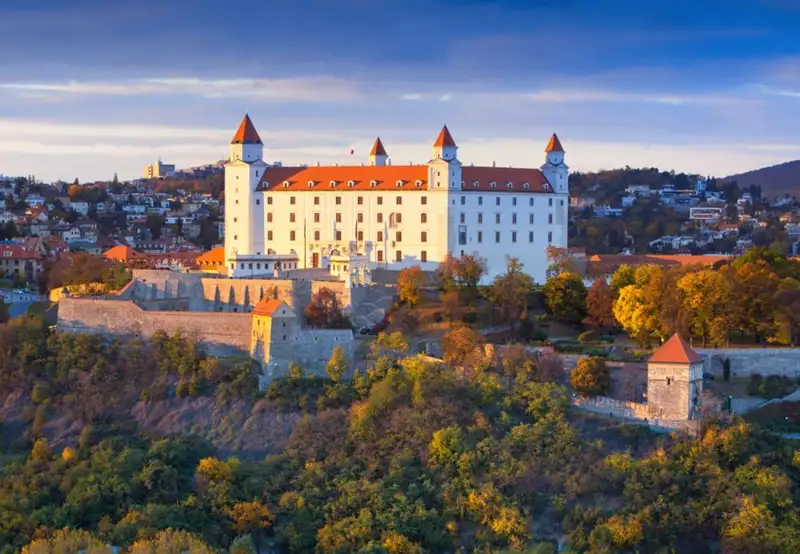
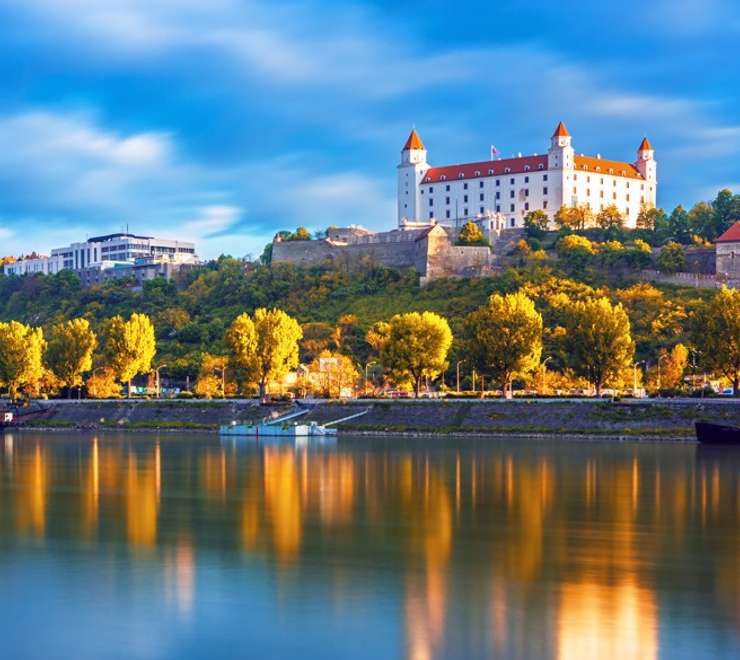
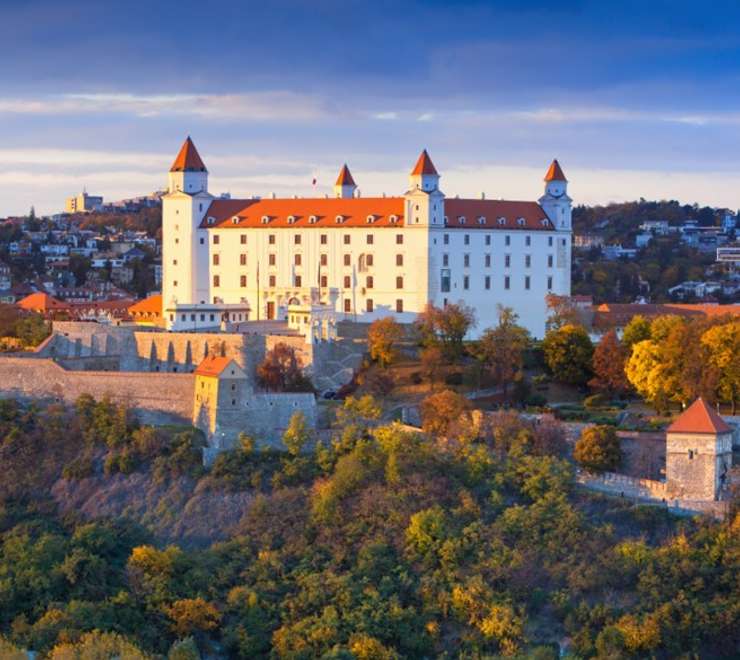
Bratislava Castle
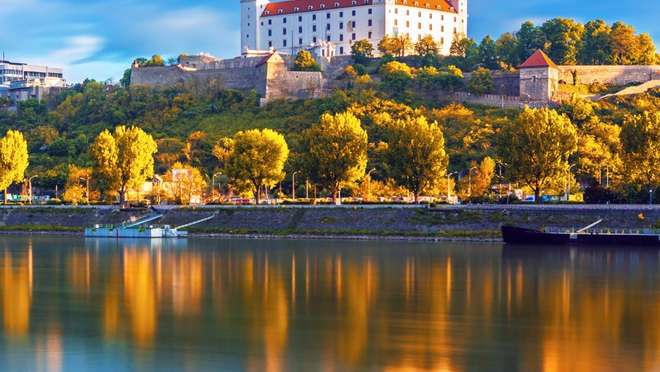
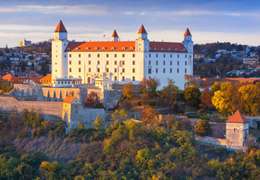
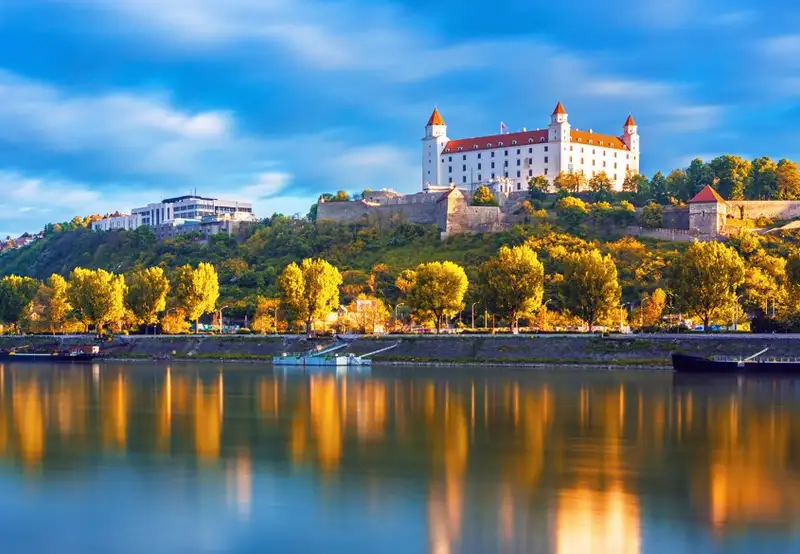
A dominant feature of Bratislava and an iconic landmark, Bratislava Castle is an impressive rectangular castle sitting atop an isolated rocky hill in the centre of the capital city; it’s roughly 85 metres above the Danube, and you’ll be able to get a glimpse of its bright whitewashed walls from almost anywhere in the city. While a staggering sight in its own right, Bratislava Castle is also home to an impressive archeological collection and museum exhibits showcasing 16th century furnishings alongside the Slovak National Museum itself.
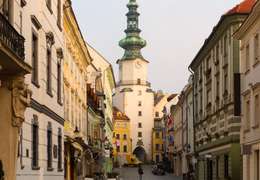
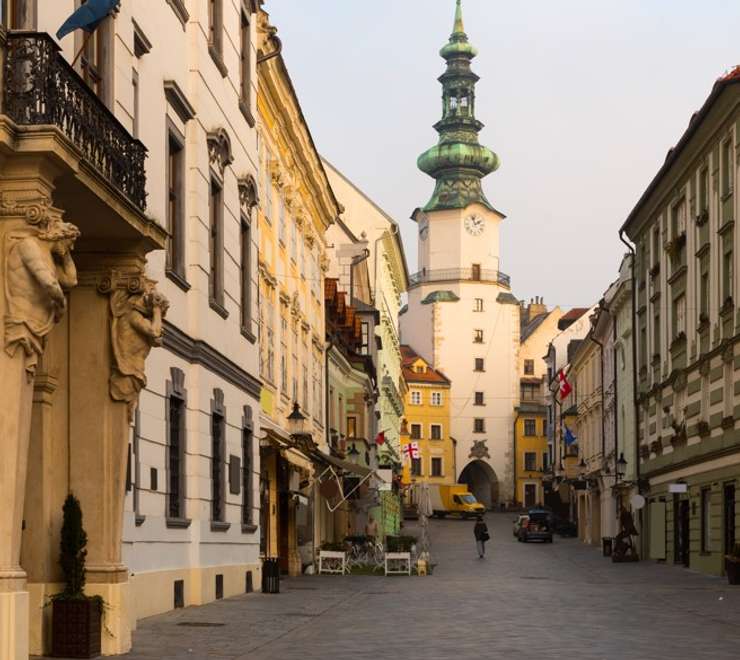
Michael’s Gate
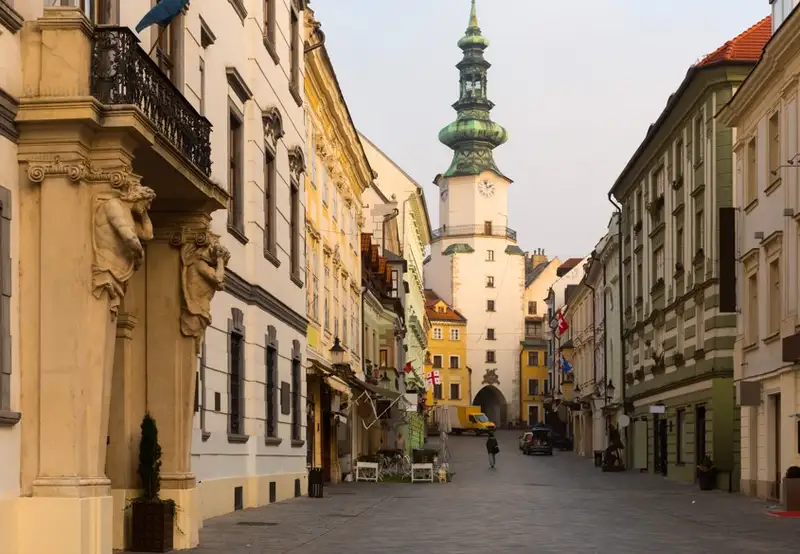
Located on the edge of Bratislava’s Old Town, Michael’s Gate is the only city gate that has been preserved of the city’s medieval fortifications, making it one of the oldest structures in the Slovakian capital. Constructed circa 1300, and then reconstructed in 1758, the tower above this gate houses the Exhibition of Weapons of Bratislava City Museum – adding another reason to check this site out when you visit.
Krems, Austria
DAY 4
25 Jun 2026
Time at Port: TBD
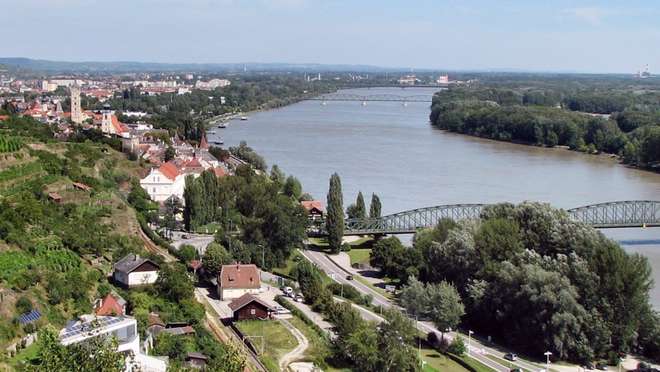
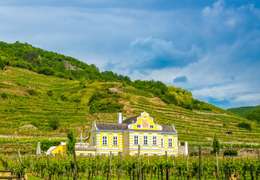
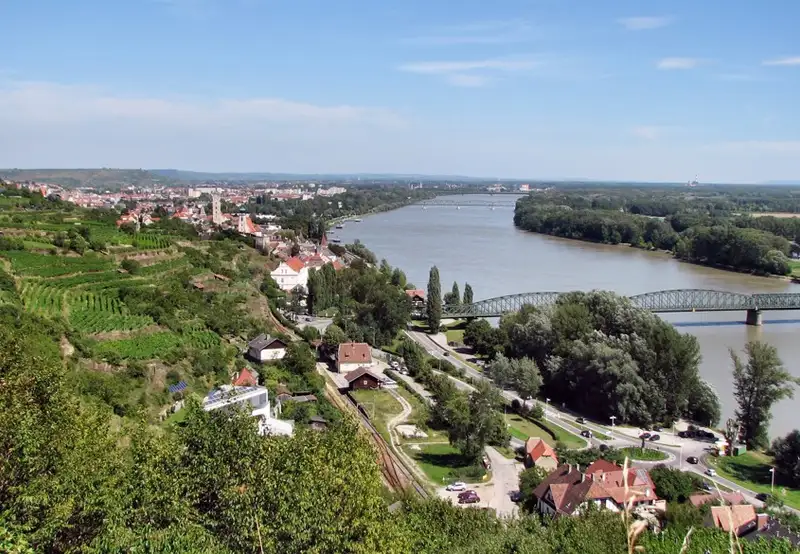
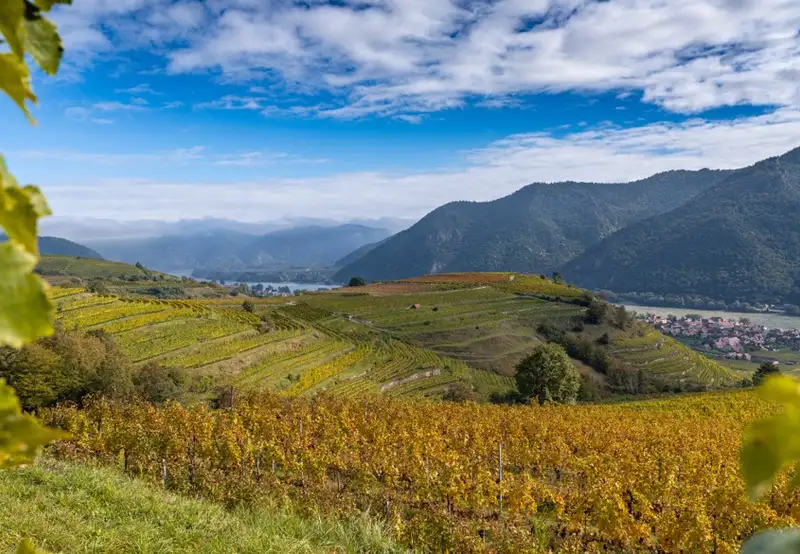
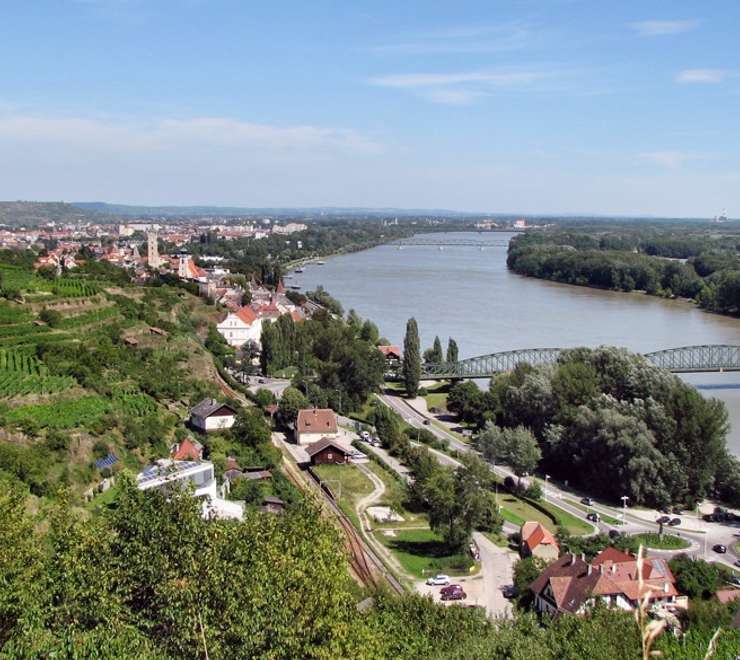
Spread along a scenic stretch of the Danube, at the eastern end of the Wachau Valley, Krems (also known as Krems an der Donau) is a stunning city steeped in history and overflowing with rewarding experiences. While a primary producer of Marillenschaps, a sweet apricot brandy, Krems is also known as one of Austria’s wine capitals; so, those of you hoping to find somewhere to sample some wines from the Wachau valley will be pleased to know that Krems is – perhaps – the best place in the world to do just that. The trendy wine bars you find here aren’t the be-all and end-all of the culinary adventure that awaits you in Krems, though; you’ll find a fantastic selection of award-winning restaurants, traditional coffee houses, and eateries serving authentic local cuisine here. Alongside this and the abundance of boutique shopping experiences, you’ll also find Krems’ old town – an area littered with historic sites and buildings dating back to the 15th century. Though, these impressive structures aren’t limited to the old town, so you won’t have to worry about missing out on the chance to marvel at the architecture here; Krems has been highlighted as a shining example of historical preservation, and that’s clear wherever you are. However, it’s not lost in this rich past. In fact, you’ll find plenty of places to admire contemporary art and immerse yourself in modern Austrian culture in Krems. And, thanks to its position as a gateway to the Wachau Valley region, more than enough stylish spots to soak in some stunning scenery. So, whether you’re looking for the opportunity to immerse yourself in the region’s history or somewhere to indulge in the local wines, there’s something for everyone to enjoy in Krems an der Donau.
Things to do in Krems, Austria:
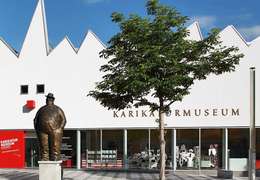
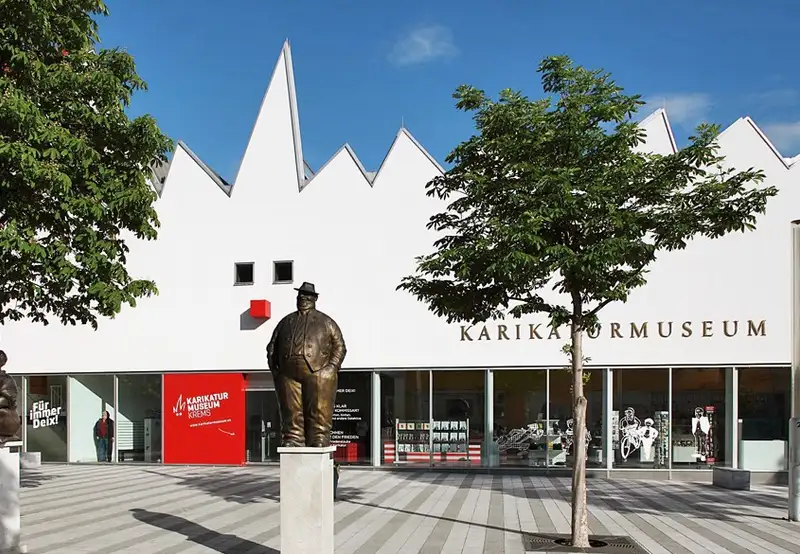
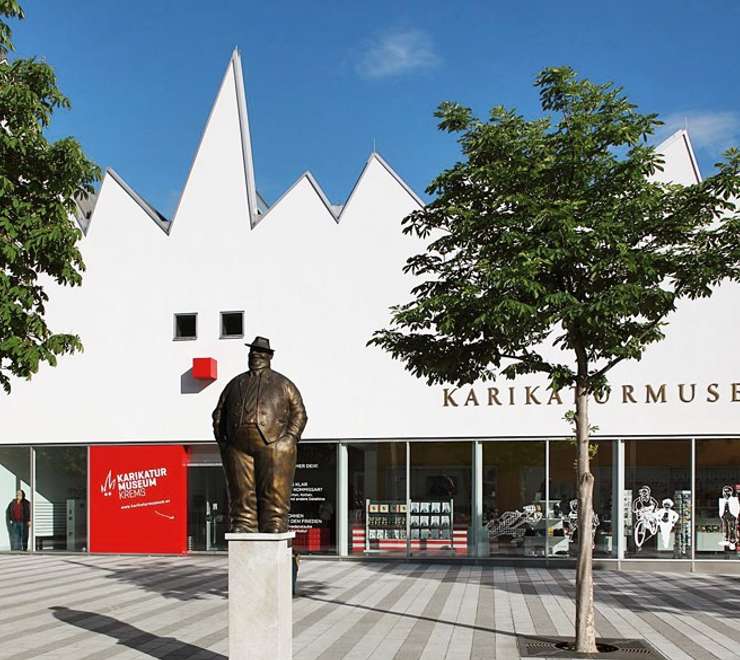
Karikaturmuseum Krems
Austria’s only museum for satirical art and one of Europe’s leading museums of this kind, Karikaturmuseum Krems is one of the most unique places you can visit during your adventure through Central Europe. With exhibitions on political artwork, humorous drawings, cartoons, and children’s books illustrations, there’s always something interesting and entertaining to look at here.
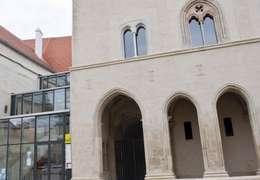
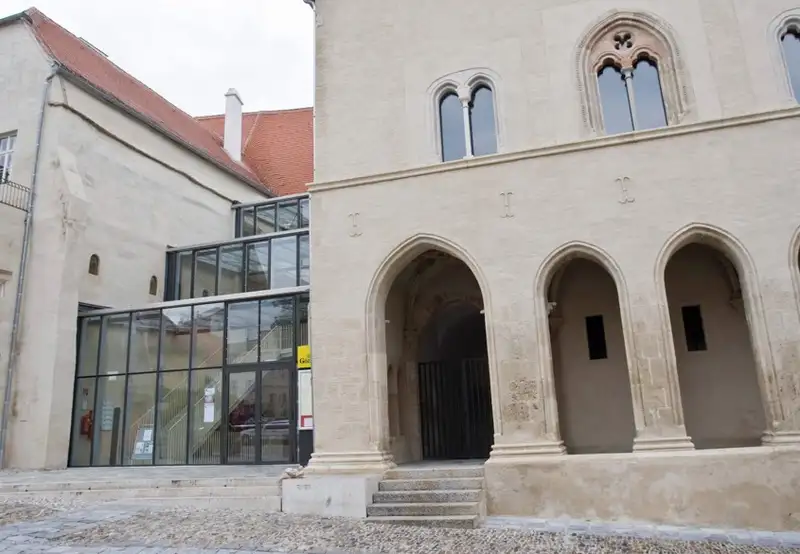
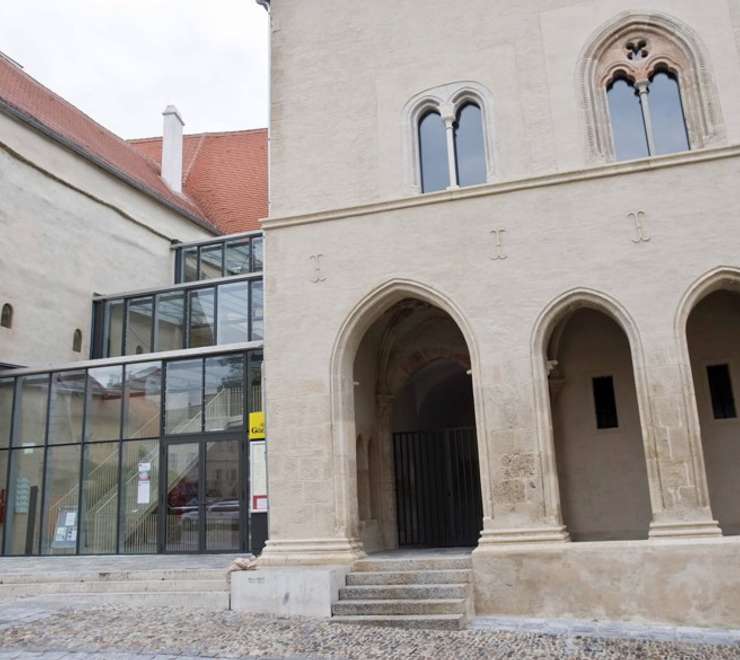
Gozzoburg Krems
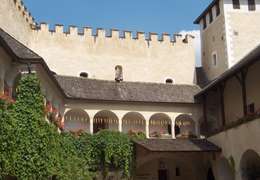
Located in the centre of Krems’ old town, Gozzoburg Krems is a medieval town castle considered one of the most important early Gothic structures in lower Austria. Dating back to the 1200s, at least, this place is named after the building’s first owner: former town judge Gozzo von Krems. He used this as a residence and working place throughout the 13th century, before it became part of the Habsburgs’ properties in 1320. Today, it has been faithfully restored and made as open to the public as possible, with a café and restaurant adding to what’s available here.
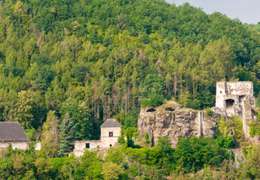
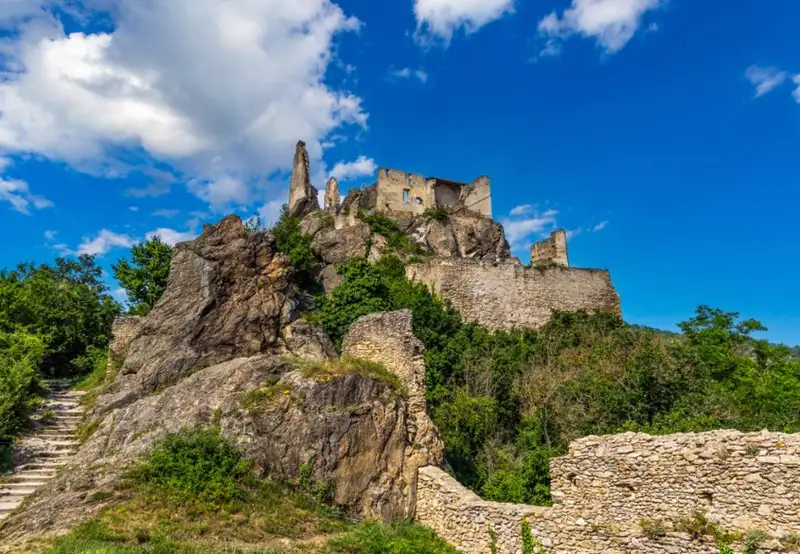
Burgruine Rehberg
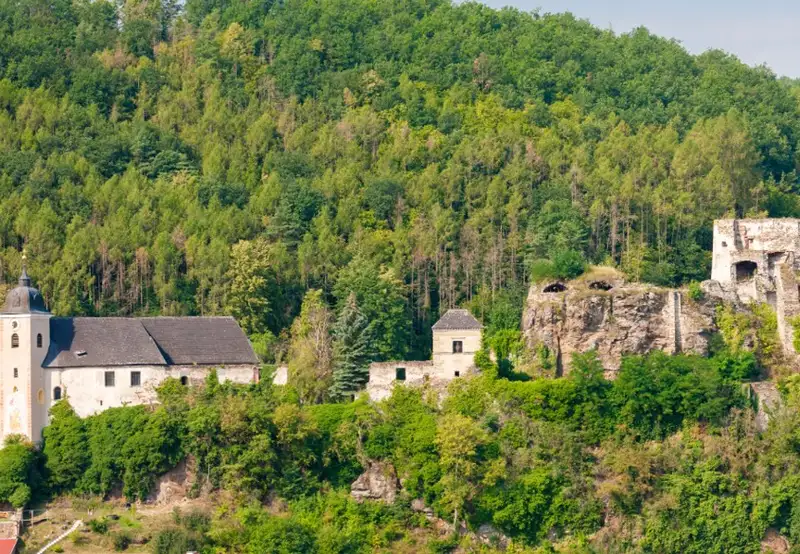
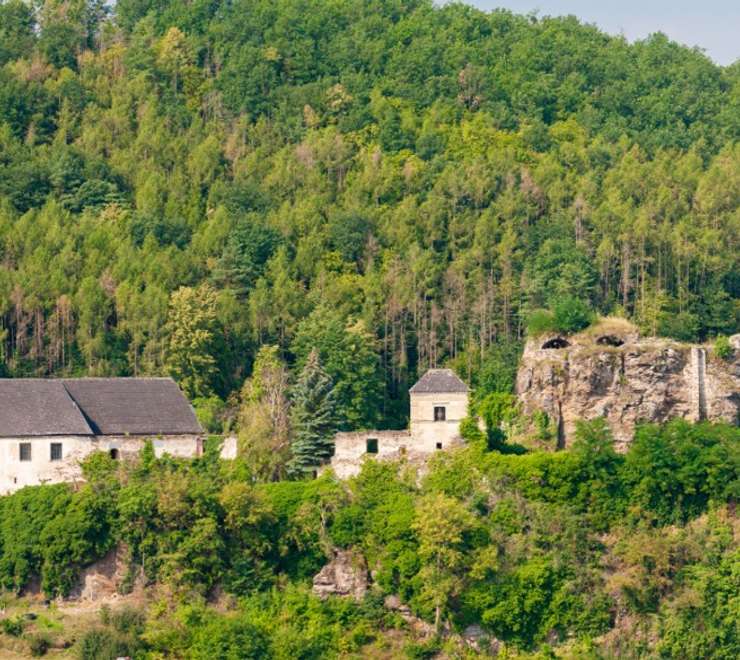
The impressive ruins of a 12th-century castle in Krems, Burgruine Rehberg boasts spectacular views of the surrounding countryside and offers an interesting insight into the history of the region – which is littered with fortifications like this. In the area around the castle, you’ll find several fantastic walking routes and hiking trails, too. So, this is a great place to visit if you’re looking to take a stroll through the Austrian countryside during your time in Krems.
Weissenkirchen
DAY 4
25 Jun 2026
Time at Port: TBD
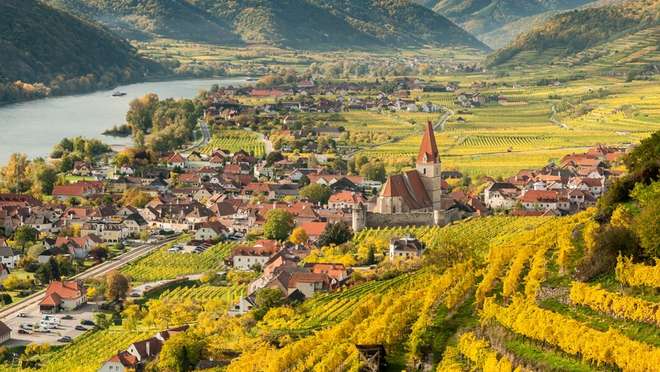
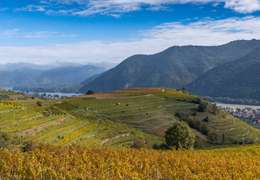
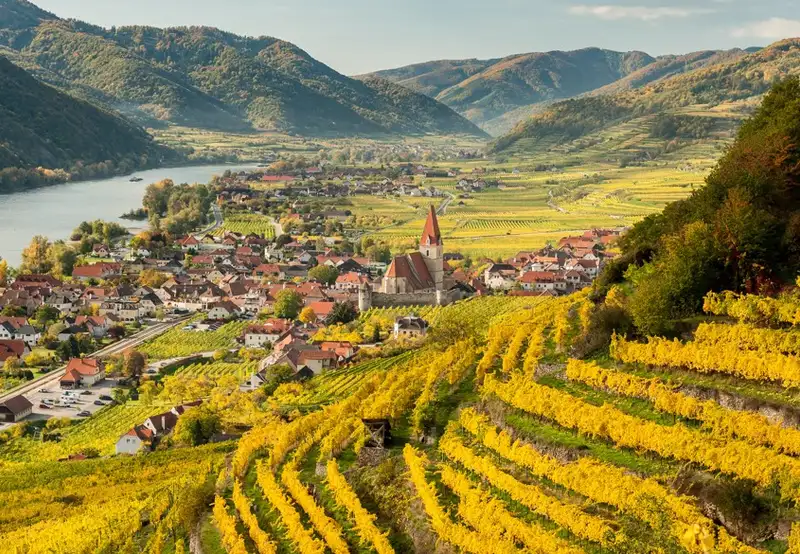
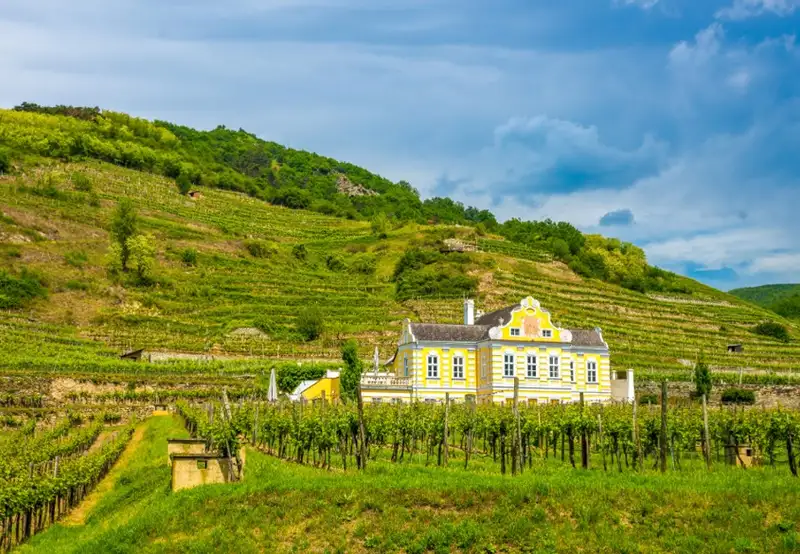
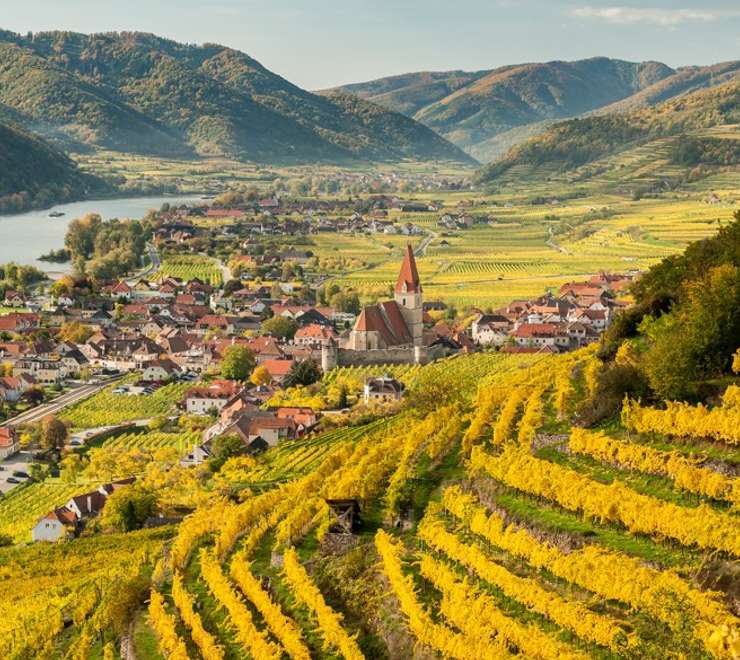
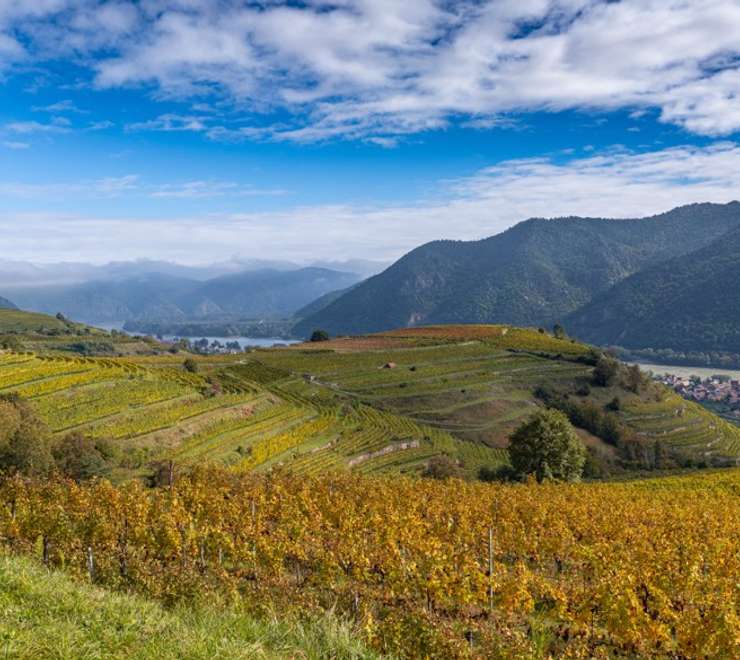
Surrounded by vibrant countryside, sitting on the banks of the gorgeous Danube, Weissenkirchen is a small Austrian town that will leave a big mark on your memory. Part of the largest wine-growing community in the Wachau region, with scores of sunny vineyards just a stone’s throw from the town centre, this is the perfect river cruise destination for wine lovers and oenophiles – the technical term for connoisseurs. However, this is far from the only reason why you should look forward to visiting Weissenkirchen. Scenic riverside strolls aside, because they’re always a good idea in this part of the world, this town is a fantastic place to explore; you’ll be taken on a journey through this region’s rich history when you walk the streets, and a culinary journey when you sit to sample some of the local cuisines. Lively, but laid back, this is one river cruise destination where you’ll have the chance to really unwind and relish in the remarkable atmosphere of the Wachau region; when the sun is shining, it’s easily one of the most breathtaking parts of the world.
Things to do in Weissenkirchen:
Dürnstein Castle
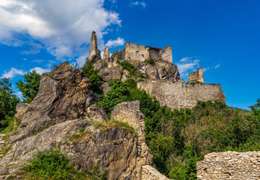
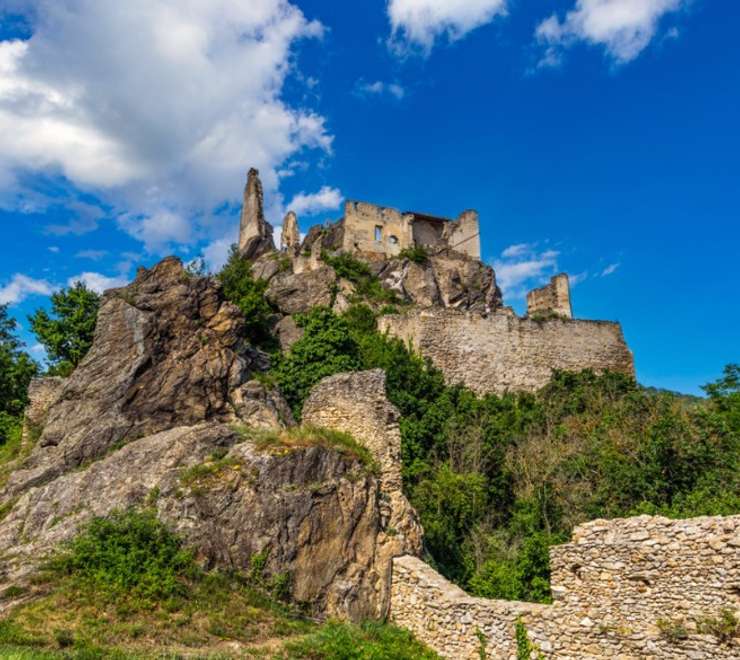
A ruinous rock castle constructed circa 1130 on a hill overlooking the nearby town of Dürnstein, Dürnstein Castle is known for being one of the fortifications used to imprison King Richard I upon his return to Europe following the Third Crusade, and then its use as a garrison during the Thirty Years’ War in the mid-17th century.Standing over 1,000 ft above sea level, however, you’ll also enjoy excellent views of Dürnstein, the Lower Austrian Wachau region, and the Danube while visiting this unique historical site.
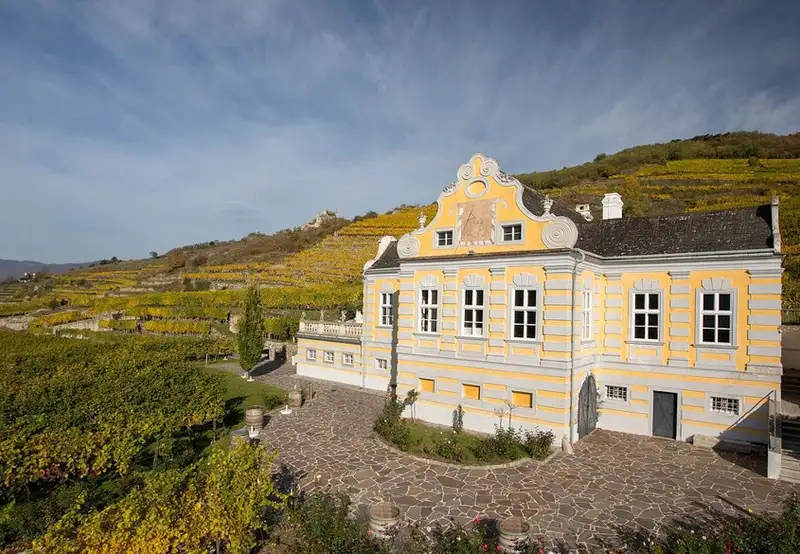
Domäne Wachau Winery
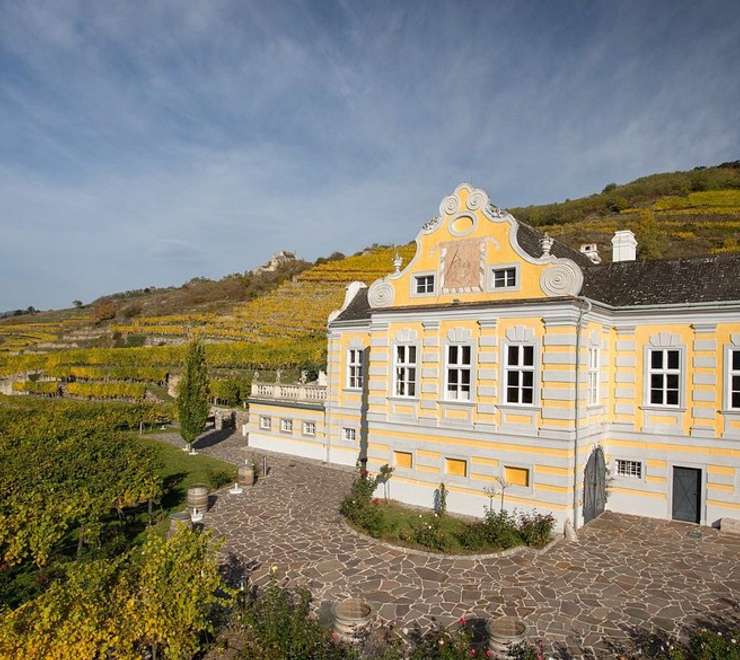
Home to over 160 hectares of organic vineyards, Domäne Wachau is Austria’s leading wine estate and the source of some of the best Central European wines in the world. Just a short distance from the neighbouring town of Dürnstein, you’ll find this winery, which is where you can appreciate these wines first-hand. This region is particularly known for producing excellent Grüner Veltliner and Riesling; however, even if you don’t like wine, the Wachau region’s luscious landscape is worth taking some time to admire.
Teisenhoferhof Wachaumuseum
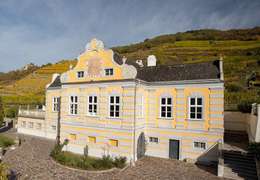
A charming local history museum hidden in the heart of Weissenkirchen, Teisenhoferhof Wachaumuseum is an interesting cultural site dedicated to showcasing the unique traditions and interesting history of the Wachau region. From agricultural practices and local folklore to what everyday life was like and some of the most significant residents of the region, you’ll get a comprehensive understanding of Weissenkirchen and the Wachau region when you visit this inviting museum.
Walking and Hiking
The area in and around Weissenkirchen is fantastic for scenic walking and hiking, with routes for all types of traveller – whether you’re looking for a leisurely stroll somewhere stunning or a more vigorous adventure into the countryside. If you head across the Danube, you’ll find the Steinige Ries nature reserve among the fantastic sites you can visit on the Wahcau World Heritage Trail – a 180km hiking trail through the region. Of course, you don’t need to tackle it all at once, but there are so many picturesque places worth seeing here.
Grein, Austria
DAY 5
26 Jun 2026
Time at Port: TBD
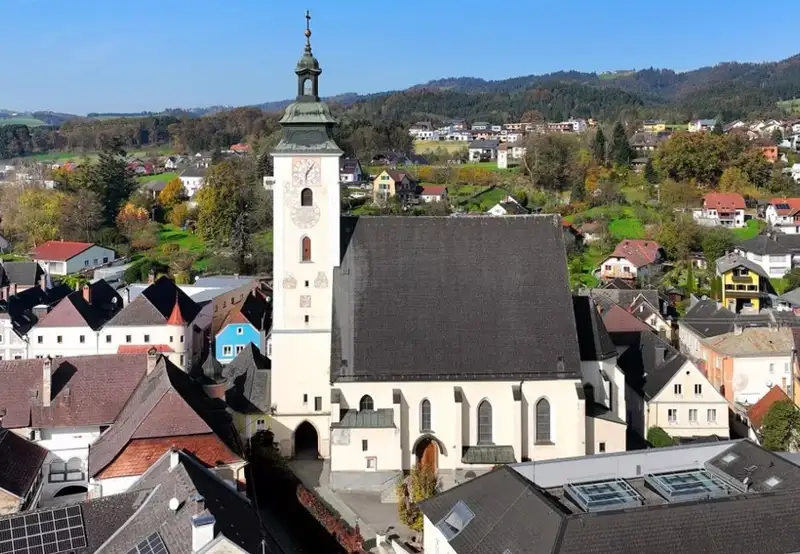
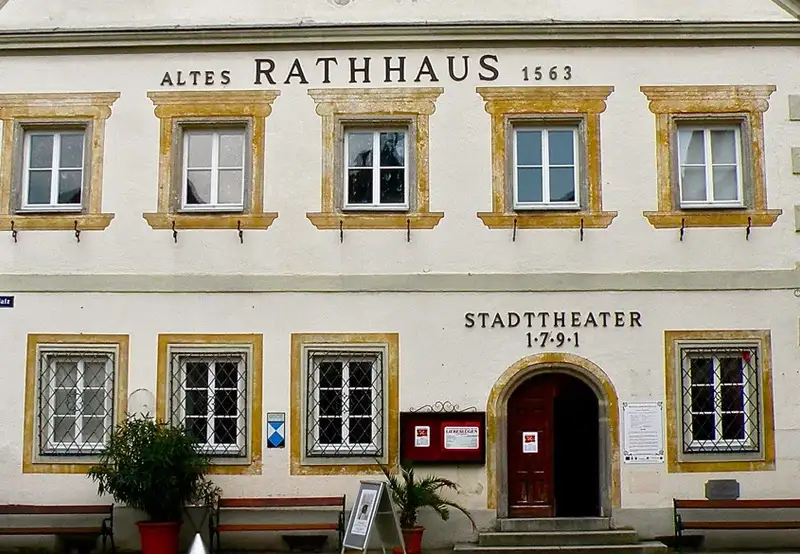
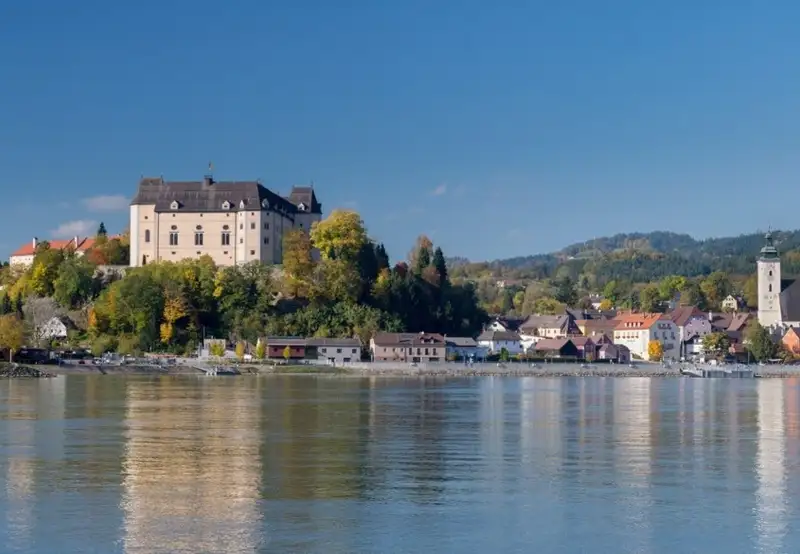
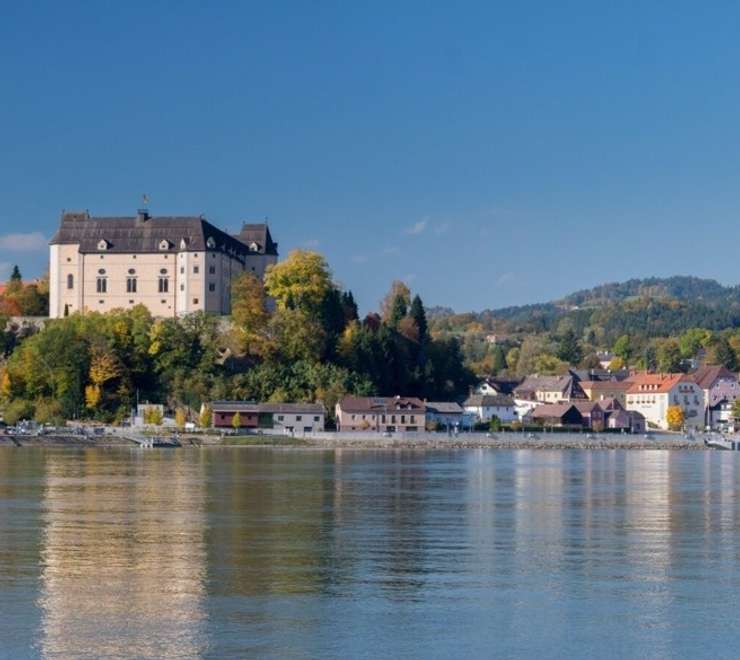
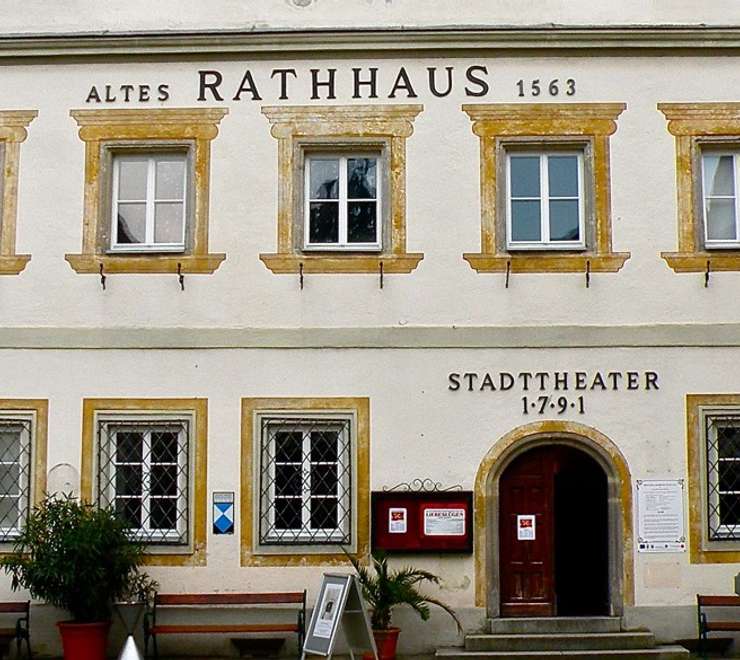
A hidden gem on the banks of the Danube, Grein is a charming Austrian town where you can indulge in authentic regional cuisine, admire vibrant landscapes, and explore intriguing historical sites. Overlooked by the 15th-century fortification Schloss Greinburg, it is a stunning destination any time of year – whether blanketed with white snow in the winter or surrounded by luscious green woodland in the summertime. You’ll also find Austria’s oldest theatre here, which opened in 1791, highlighting just how well-preserved the historic buildings are. With easy access to numerous popular hiking routes, Grein is also an excellent destination for exploring the Austrian countryside, though you’ll also have just as much fun strolling more casually along the riverfront. Among the more quaint destinations on cruises along the Danube River, Grein is the perfect place to immerse yourself in small-town life and take a moment to appreciate everything you’ve experienced on your travels so far.
Things to do in Grein, Austria:
Schloss Greinburg
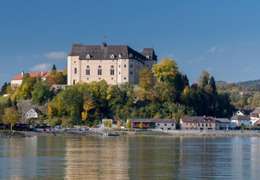
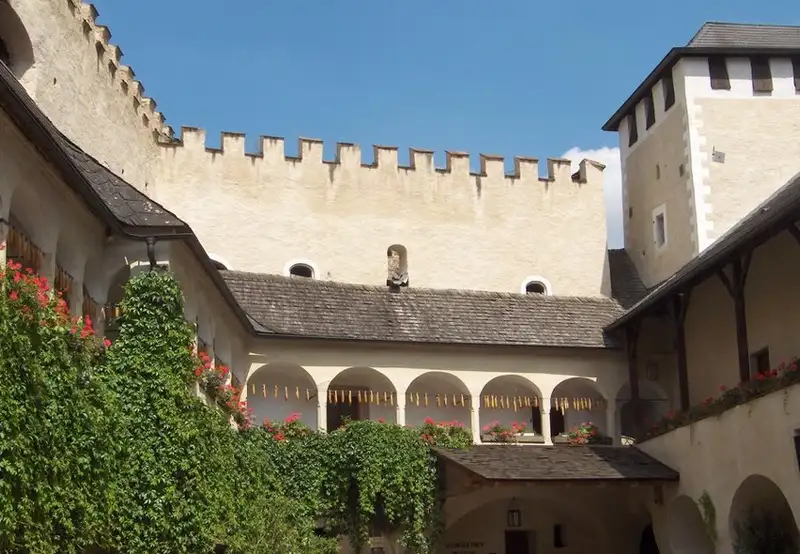
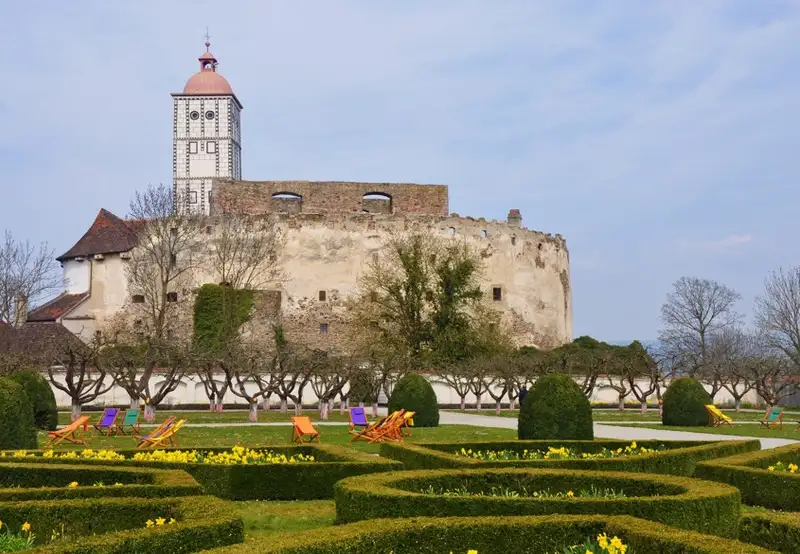
Schloss Greinburg is a defining feature of the region and one historic landmark you’ll have trouble missing. Overlooking Grein and the Danube as it winds through Upper Austria, this is an impressive late-medieval castle complex dating back to at least the 15th century. Privately owned by the family foundation of the House of Saxe-Coburg and Gotha, this is the oldest residential castle in Austria today and is somewhere absolutely worth taking the time to visit when you arrive in Grein.
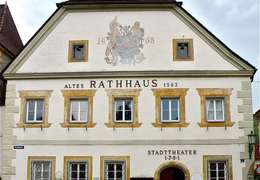
Stadttheater Grein
Stadttheater Grein, established in 1791, is the oldest town theatre in Austria and a highlight among Grein's attractions. Open almost every day, and still largely in its original condition, this venue offers visitors a fascinating insight into the town’s medieval past. You’ll find Stadttheater Grein is home to guided tours, the Stadtmuseum Grein, and regular theatrical performances.

Austrian Cuisine
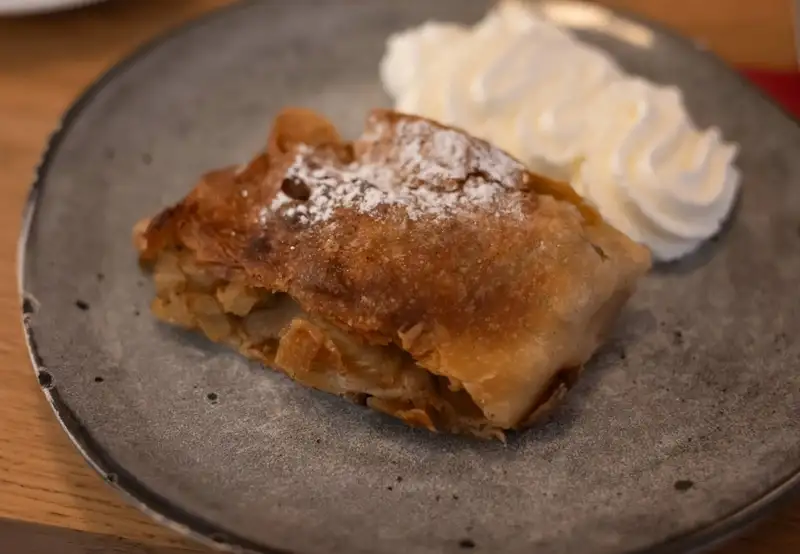
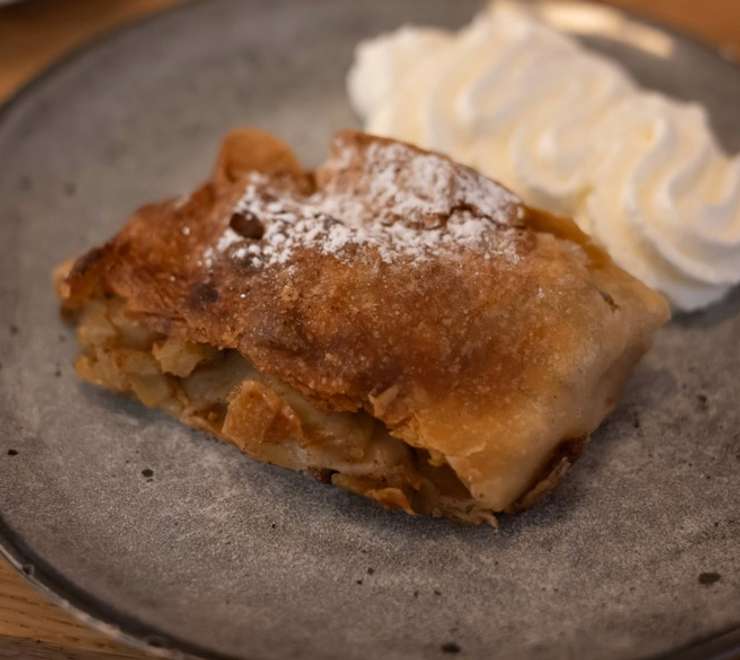
Boasting a vibrant blend of Central European foods and flavours, Austrian cuisine is primarily known for numerous iconic breads and pastries, such as sweetened Kaiserschmarrn and Apfelstrudel, as well as Wienerschnitzel and Tafelspitz – a boiled meat dish served with a mix of minced apples and horseradish. It’s hearty food that packs a lot of flavour with sweet treats you won’t want to miss.
Melk
DAY 6
27 Jun 2026
Time at Port: TBD
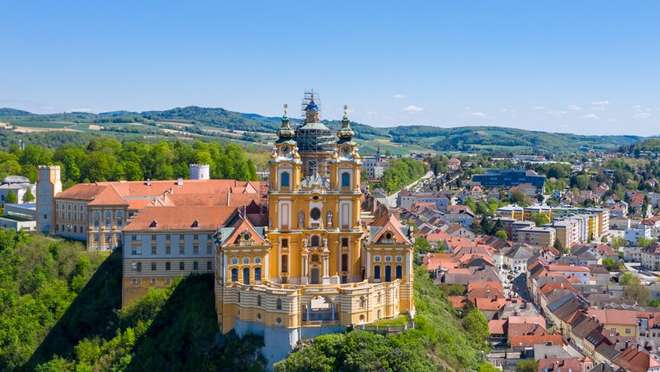
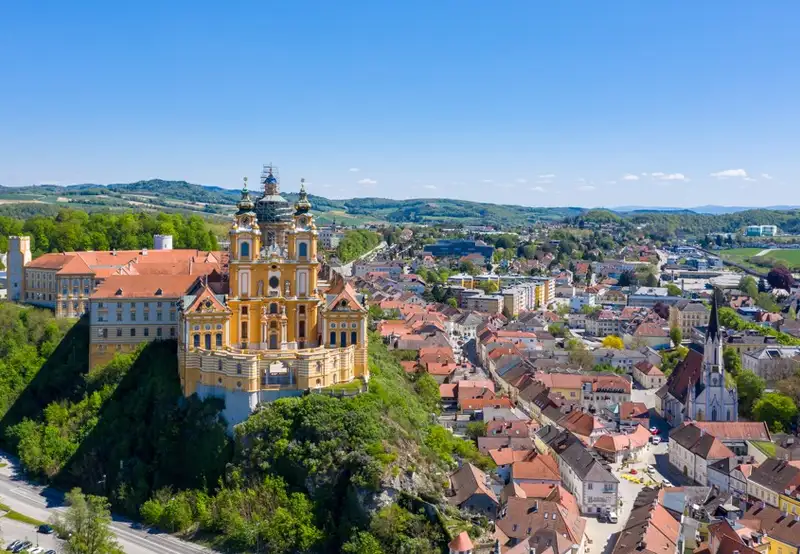
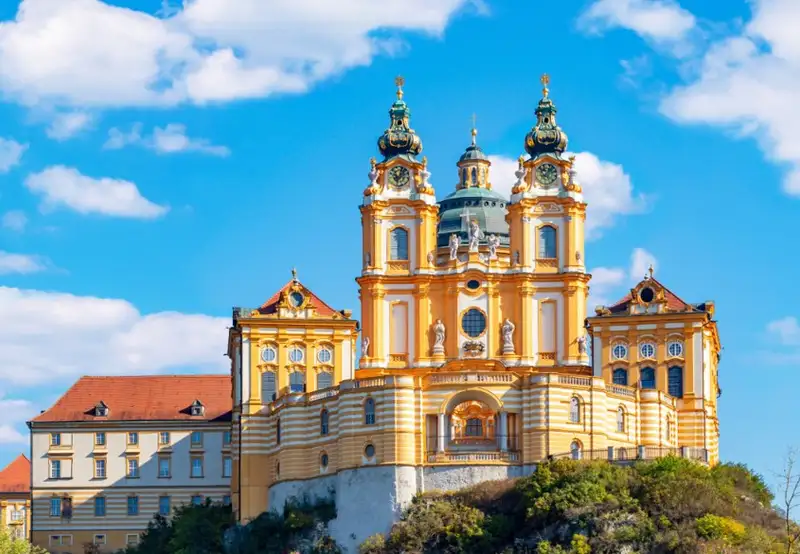
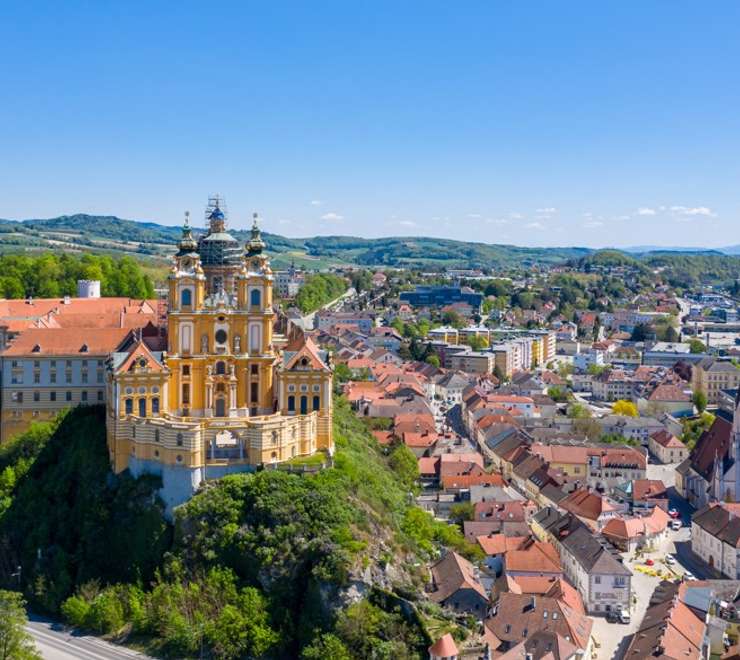
Melk is undeniably charming and one destination you’ll want to look forward to on your cruise along the Danube river. A charming Austrian town with a population of roughly 5,500 people, this is an ideal port of call if you’re looking for somewhere a little more laid back with the opportunity to spend some time appreciating the luscious landscape of the Wachau region. Dominated by the imposing but incredible Melk Abbey, you’ll find a surprising variety of architectural styles in this small town alongside an array of fantastic walking and hiking routes, the chance to indulge in Authentic Austrian cuisines, and an abundance of sightseeing opportunities – be those hilltop castles, vibrant vineyard-blanketed valleys, or rolling forest-covered hills.
Things to do in Melk:
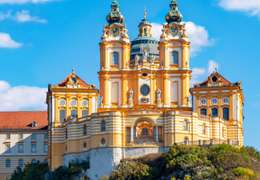
Melk Abbey
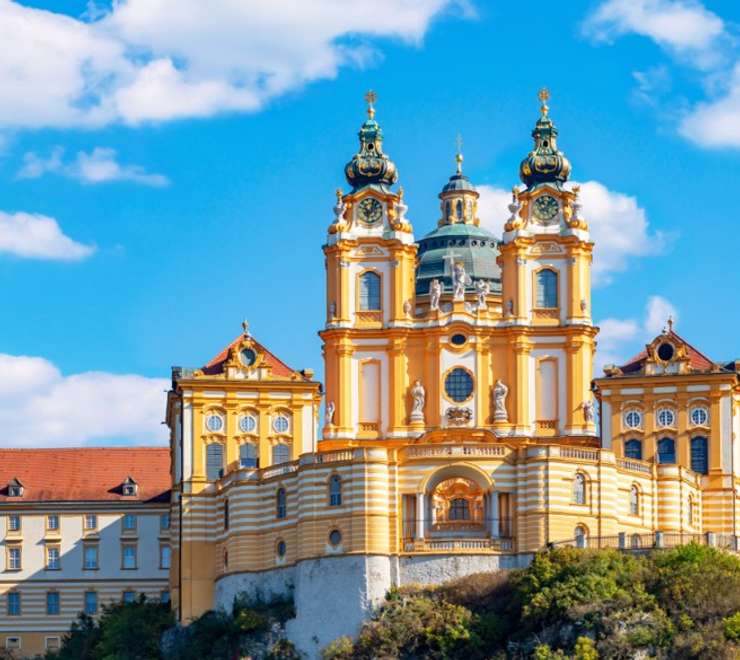
An impressive Benedictine abbey towering above Melk, Melk Abbey is easily one of the most iconic landmarks of this region in Lower Austria and one site you really should consider visiting when in Melk. Founded in 1809, with the current Baroque-style structures being built in the early 18th century, this abbey contains the tomb of Saint Coloman of Stockerau and the remains of several members of the House of Babenburg – making it an important historical and religious site. Following its construction, it quickly became a centre for Enlightenment in the region and this academic importance is part of the reason why it survives today, having been threatened under several regimes and rulerships over the centuries.
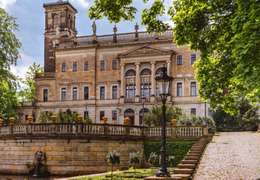
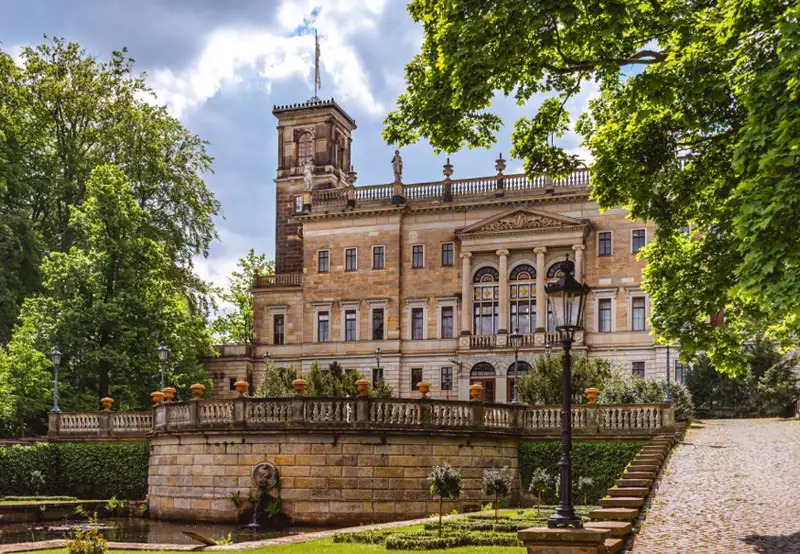
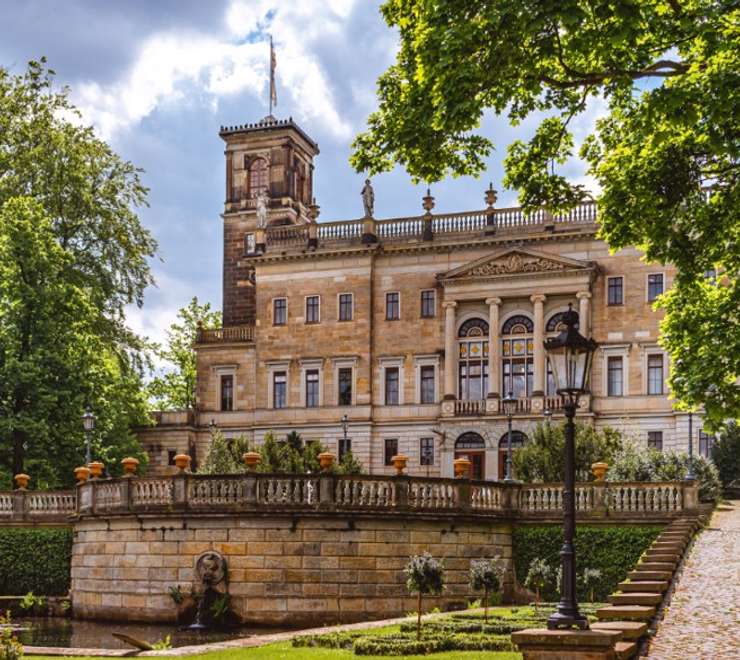
Schloss Albrechtsberg (Albrechtsberg Castle)
Built in 1581, interestingly in a Renaissance style over a traditional medieval castle fortification, Schloss Albrechtsberg is just one of the incredible castle structures littering the vibrant landscape around Melk. A short distance from the town itself, overlooking a stretch of the picturesque Pielach waterway – which is an off-shoot of the Danube – a variety of events take place in and around the castle throughout the year, from art exhibitions to musical performances, and more.
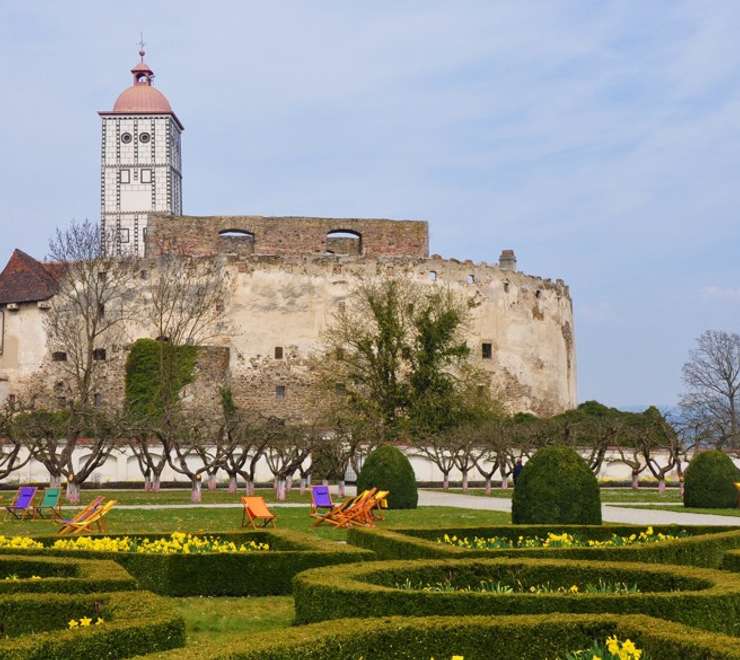
Schallaburg Castle
Schallaburg Castle is one of the best-known Renaissance-style castles in Austria, boasting a unique combination of a Romanesque residential main castle and a Gothic chapel. Fortifications on this site are referenced as early as 1242, but the main structures we see today were built circa 1540 – from which it was a private property until Russian confiscation in 1945. As a historic site, this is a well-preserved castle constructed with aesthetics in mind, meaning it enjoys an incredible array of decorations depicting mythological creatures alongside colourful gardens and even two apple orchards. However, Schallaburg Castle also operates as a museum, with a year-long exhibition for you to explore.
Durnstein
DAY 6
27 Jun 2026
Time at Port: TBD
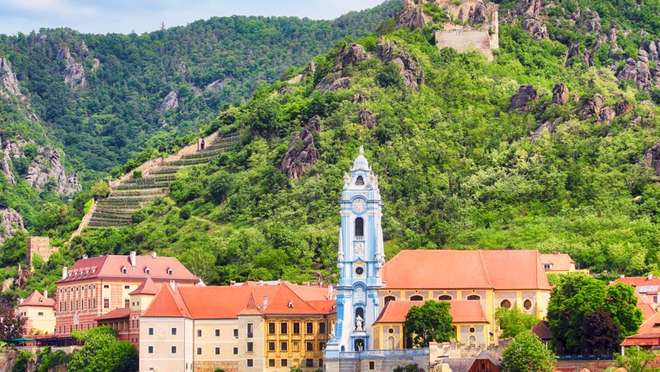
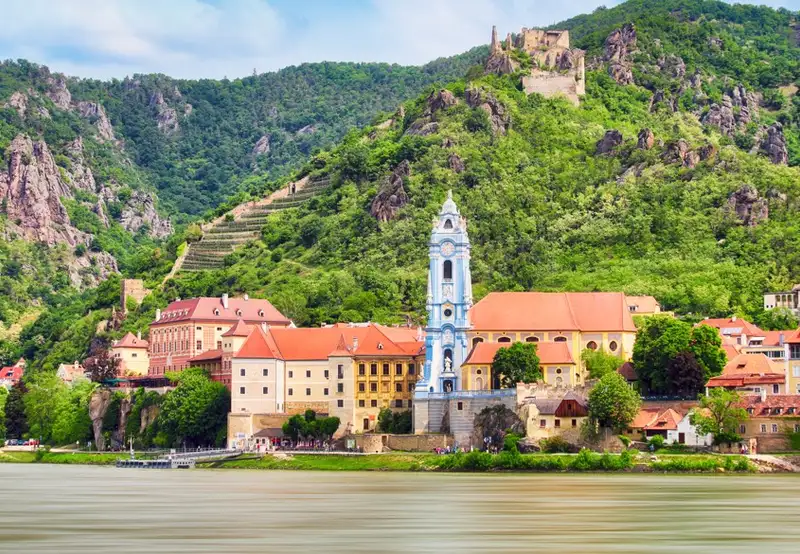
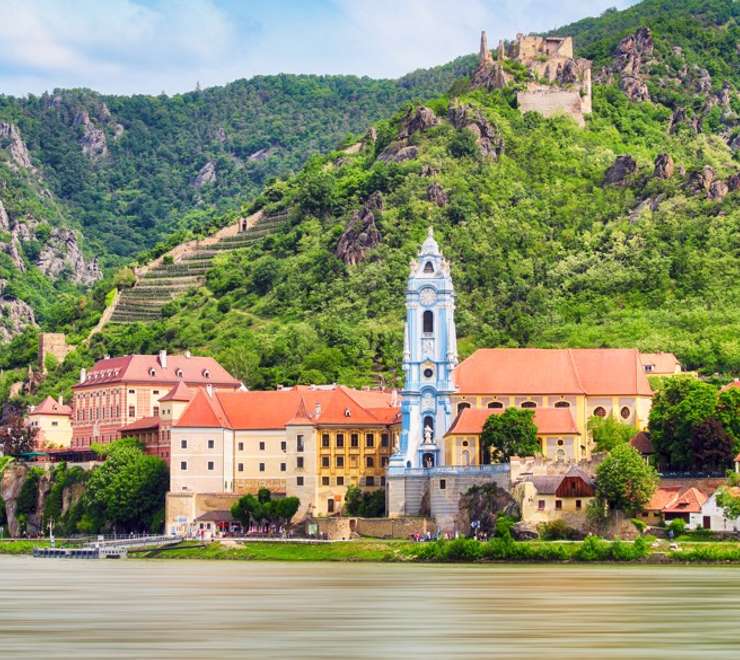
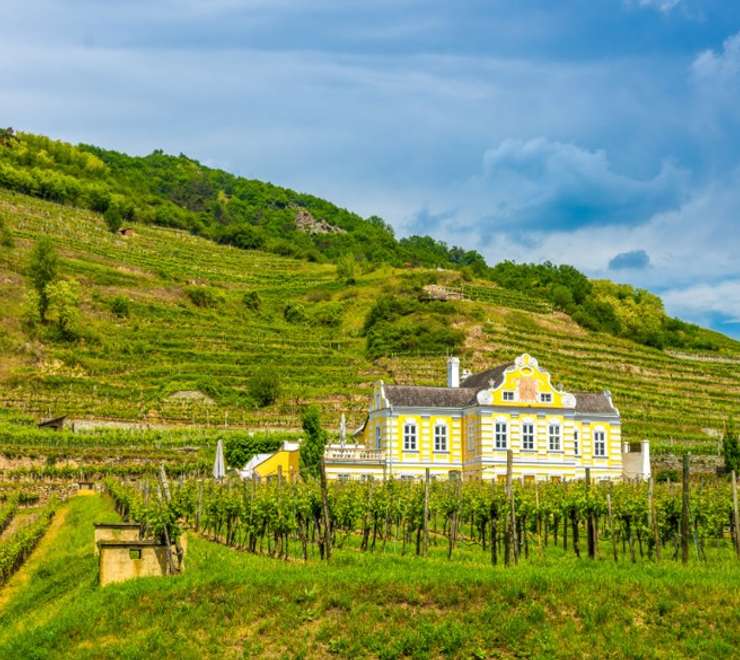
A charming Austrian town on the Danube River, Dürnstein is a quaint cruise destination known for its dramatic mountainous backdrop, vineyard-blanketed valleys, and unique red-tiled roofing – which makes the yellow-walled buildings of this town stand-out against the greenery of the surrounding area. Named for Dürnstein Castle, just one of the interesting landmarks you can visit when you arrive, this destination is one of the most picturesque places on the banks of this winding river; here, you’ll find charming cafes serving traditional pastries and fresh coffee, wineries where you can sample locally produced wines (the Riesling being a particular highlight of the Wachau wine region), and more. It’s also a fantastic place to put on your walking shoes, with calm riverside strolls and hikes into the hills equally rewarding. Although, if you’re looking forward to a laid-back visit to Dürnstein, you’ll find everything you need mere moments from each other – so, this destination really is ideal for every type of traveller.
Things to do in Durnstein:
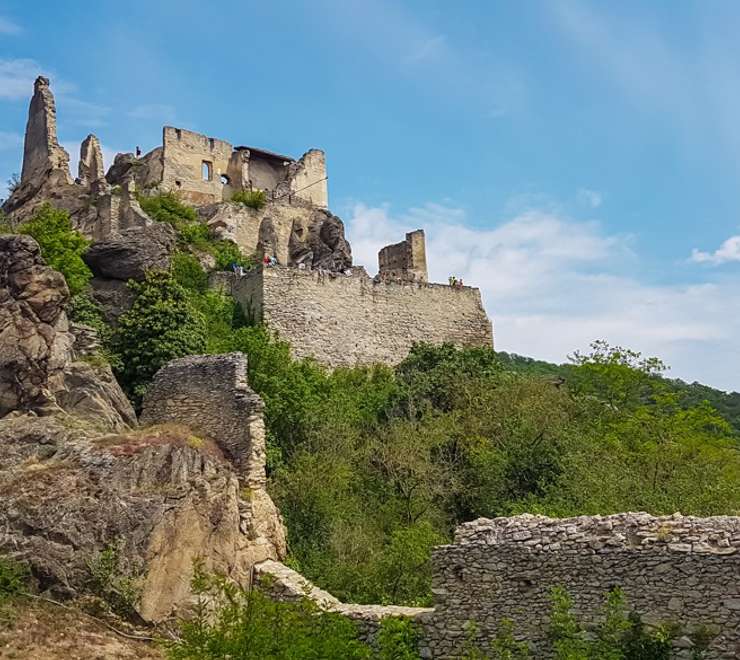
Dürnstein Castle
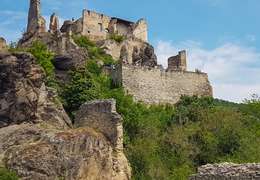
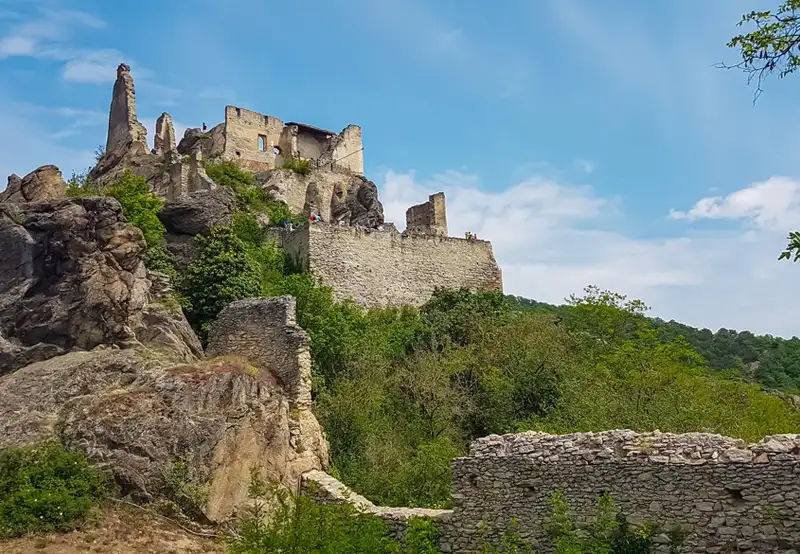
A ruinous rock castle constructed circa 1130 on a hill overlooking Dürnstein, Dürnstein Castle is known for being one of the fortifications used to imprison King Richard I upon his return to Europe following the Third Crusade, and then its use as a garrison during the Thirty Years’ War in the mid-17th century.Standing over 1,000 ft above sea level, however, you’ll also enjoy excellent views of Dürnstein, the Lower Austrian Wachau region, and the Danube while visiting this unique historical site.
Stift Dürnstein (Dürnstein Abbey)
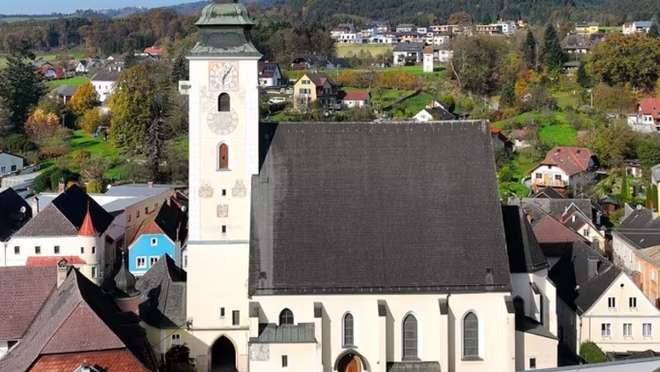
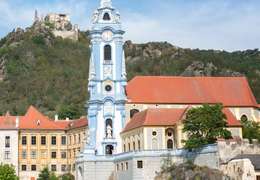
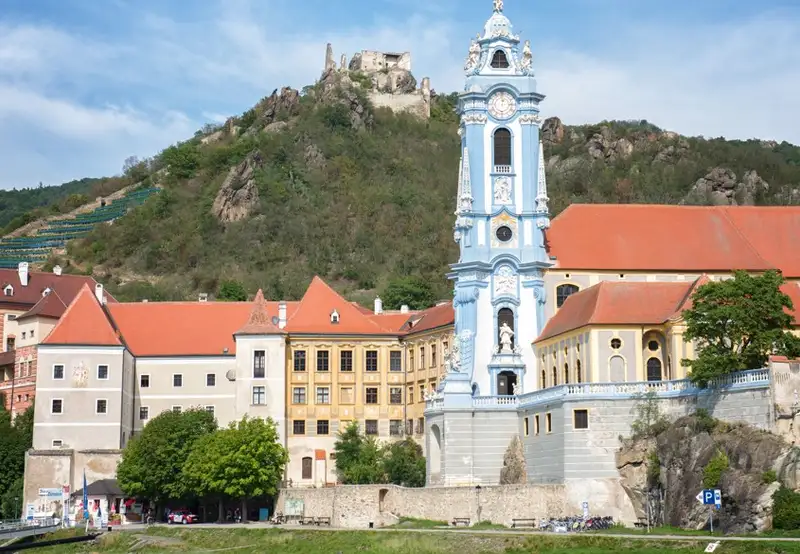
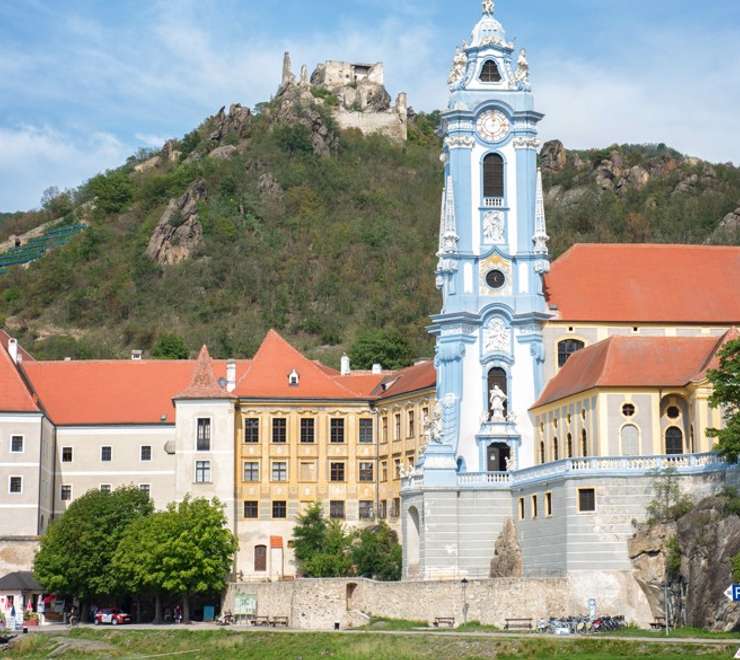
Founded on the site of a former chapel in 1410, Stift Dürnstein was once a monastery dedicated to the Assumption of Mary into Heaven and now operates as a parish church. Boasting a brightly-painted blue-and-white tower, this impressive structure stands out among the red-tiled roofing of Dürnstein’s other buildings and the greenery of the luscious landscape surrounding it. Parts of the church are open for tours, but it’s worth taking a moment to appreciate the site from the outside, too.
Domäne Wachau Winery
Home to over 160 hectares of organic vineyards, Domäne Wachau is Austria’s leading wine estate and the source of some of the best Central European wines in the world. Just a short distance from central Dürnstein, you’ll find a winery, which is where you can appreciate these wines first-hand. This region is particularly known for producing excellent Grüner Veltliner and Riesling; however, even if you don’t like wine, the Wachau region’s luscious landscape is worth taking some time to admire.
Esztergom
DAY 7
28 Jun 2026
Time at Port: TBD
Our experts are preparing detailed information about this location. Please check back shortly to discover more.
Budapest
DAY 8
29 Jun 2026
Time at Port: TBD
The Pearl of the Danube, Budapest is a remarkable destination for any cruise adventure and one port of call you’re not going to forget. Capital city of Hungary, Budapest boasts a remarkable city centre steeped in history, unforgettable cultural experiences, and a unique cuisine – blending French, Germanic, Italian, and Slavic foods with its own original Magyar foods and flavours. While here, you’ll have the chance to marvel at some sensational classical architecture, with the Hungarian Parliament Building a particular highlight among the impressive landmarks littering this city, and visit a host of unique museums exploring this city’s – and this nation’s – history. Budapest also has a reputation as a city of spas, with thermal waters in the region making the historic public baths here an unmissable attraction; although, you’ll find plenty of places for sumptuous treatments beyond those. A breathtakingly beautiful, exciting city bisected by the Danube, Budapest is an adventure for every type of traveller and one destination you’ll want to return to, over and over again.
Things to do in Budapest:
Hungarian Parliament Building
Opened in 1902, and constructed in a dramatic neo-Gothic style somewhat resembling the Palace of Westminster in London, the Hungarian Parliament Building in Budapest is one of this city’s most impressive and iconic landmarks. It’s over 300 ft tall at its highest point, and almost 900 ft long, making it one of the city’s largest buildings. With an incredible façade facing the Danube River, this four-floor building houses 691 rooms and acts as the seat for the National Assembly of Hungary.
St. Stephen’s Basilica
Named in honour of Stephen I, the first King of Hungary, St. Stephen’s Basilica is an impressive 19th century cathedral constructed in a neo-classical architectural style. The nation’s third-largest church, this structure interestingly houses King Saint Stephen’s mummified right hand in a reliquary, signifying its importance as a national relic and symbol of faith. Throughout the Second World War, the site was significantly damaged, but the cellar provided an important shelter for refugees and the Hungarian National Archives.
Aquincum Museum
The Aquincum Museum in Budapest is an archaeological museum housing the findings and remains of Aquincum, an ancient Roman city founded circa 47 AD. Opened in 1894, this site tells the unique story of Budapest’s origins and early history, while also offering visitors an insight into life around 2,000 years ago. While here, you’ll also be able to explore the ruins of Aquincum’s Mithraeum – a former temple to the Roman god Mithras.
Flight departs
DAY 8
Time at Port: TBD
Say goodbye to your current destination, for it’s time to head somewhere new! Flight information will be available closer to your embarkation date, but this will be when you’re hopping on a plane to continue your adventure – be that travelling somewhere new, or heading home.
Select your departure airport
If you are looking for an airport not available in the list below or want to make changes to your flights, please give us a call: 0203 848 3113