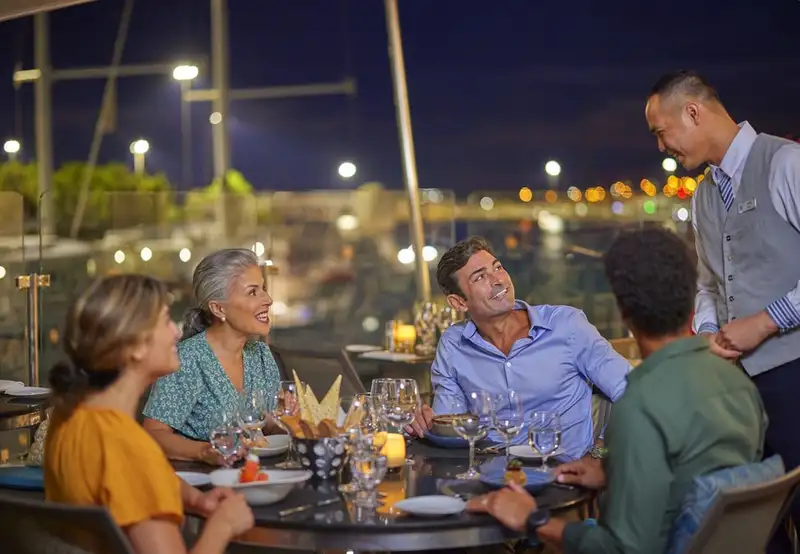
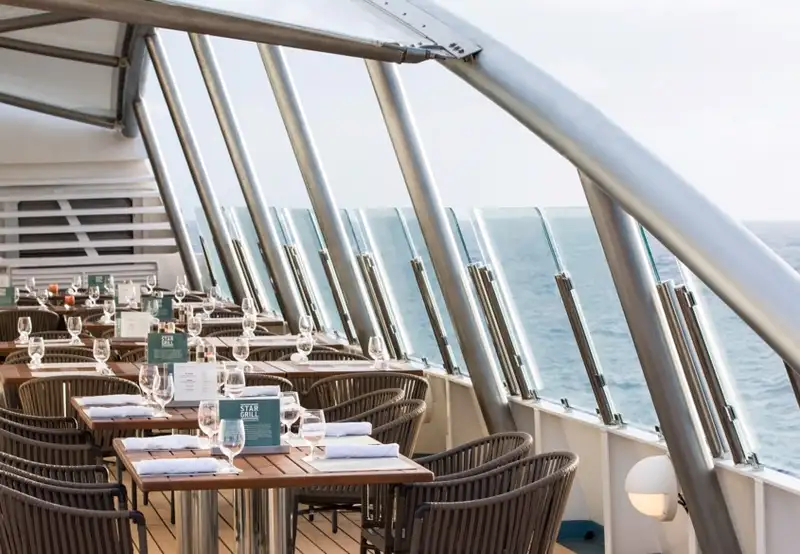
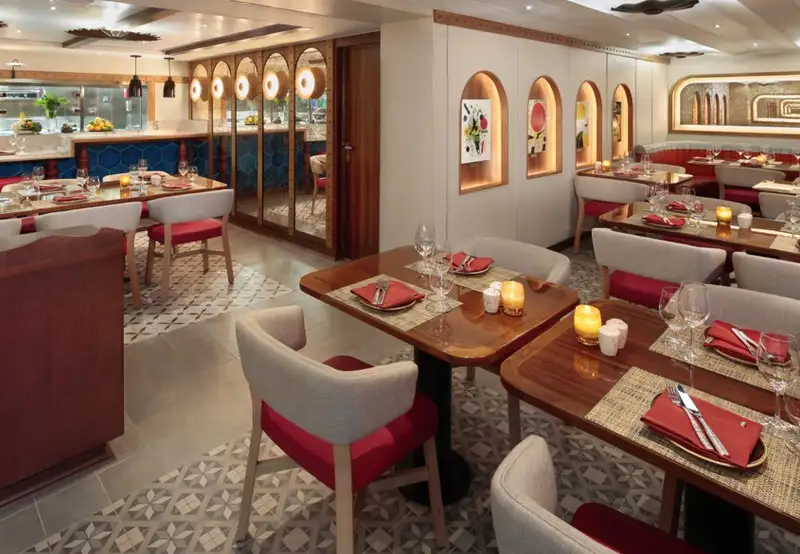
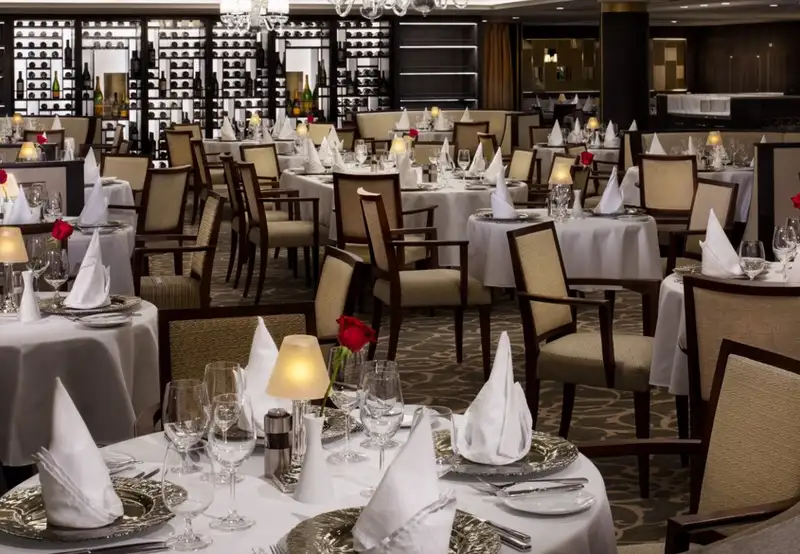
Breakfast, lunch, dinner and snacks from the buffet and main dining restaurants are all included. Meals from the specialty dining restaurants are additional.
Accommodation
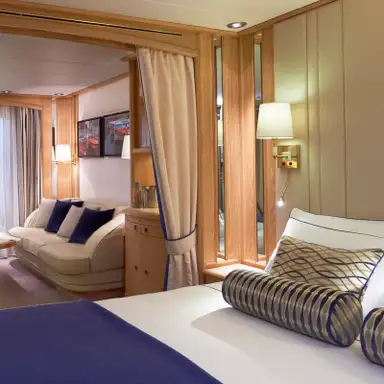
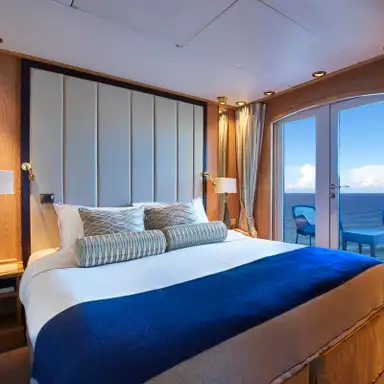
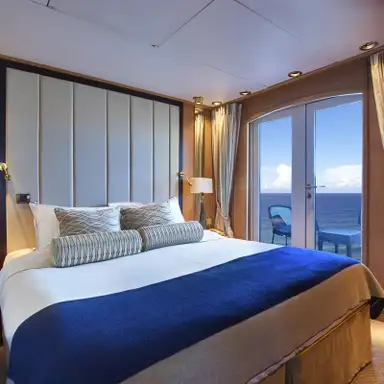
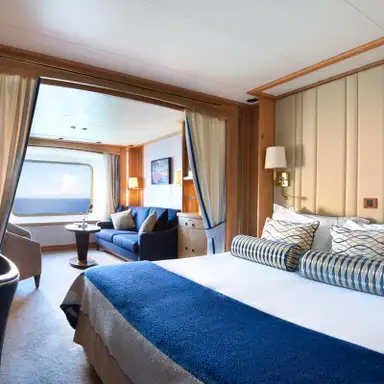
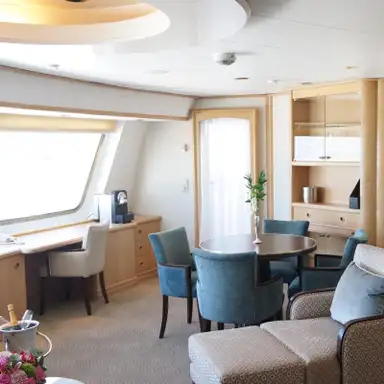
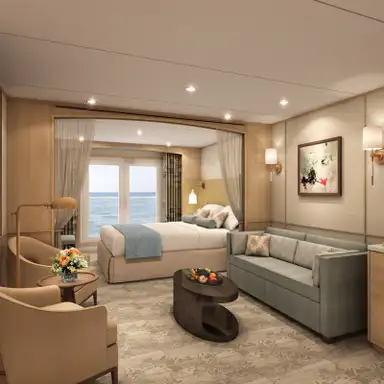
Your cabin is included in the price of the cruise.
Port Fees & Taxes
No surprises. All port fees and taxes are included in the price.
Extras
Wi-Fi
Wi-Fi isn't included within the base price but is included in the All-Inclusive Fare. Alternatively you can purchase Wi-Fi packages which start at $60 USD for 200MB data.
Drinks
?
Tips
Tips/gratuities are not included in the base cruise fare but are included along with Wi-Fi and alcoholic drinks when upgrading to the All-Inclusive Fare. If you're not on the All-Inclusive Fare, gratuities are typically added to your bill. The recommended gratuity for dining and housekeeping staff is around $14 to $18 per guest, per day, depending on the cruise.
Speciality Dining
Specialty restaurants allow travellers to enhance their dining experience during the cruise. This is a great way to add variety to your holiday or celebrate a special occasion. You can pay for meals in the special dining restaurants onboard.
Excursions
If you would like to do any excursions/tours while docked these will be an additional charge. Excursions/tours can’t currently be booked with us online but please contact us after you have made the booking if you would like to add these to your package. Alternatively these can be bought while on the ship but may be more expensive than pre-booking.
Parking
Car parking at the port or airport for the duration of your trip is not included within the price of the cruise. Port/airport parking can’t currently be booked with us online but please contact us after you have made the booking if you would like to add this to your package. An approximate cost for parking is between £12 - £20 per car per day. Alternatively we can arrange transfers from your home to the departure airport/port.
Insurance
Insurance is not included in your package. We've partnered with Holiday Extras. They have 40 years of experience and offer excellent insurance cover for your holiday. Their flexible policies offer cruise-specific cover, so you can rest assured that you are completely covered when you go away. Get a Holiday Extras insurance quote
Transfers (home to port)
Transfers from your home to the port or airport aren't included but we can help organise coach transfers, taxis etc to make your life easier. Please contact us after you have made the booking if you would like to add these to your package.
Visa
Visas are not provided by us or the cruise operator. Visas and other travel documents have to be obtained by the individual passengers prior to sailing.
We've partnered with The Travel Visa Company for all your visa needs. They will be able to provide tailored advice and for a fee, assist with arranging your documents.
Ship Facilities
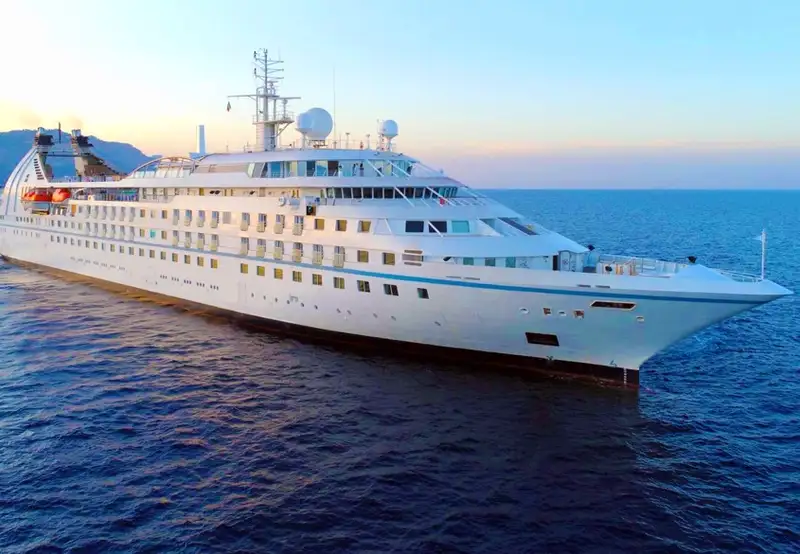
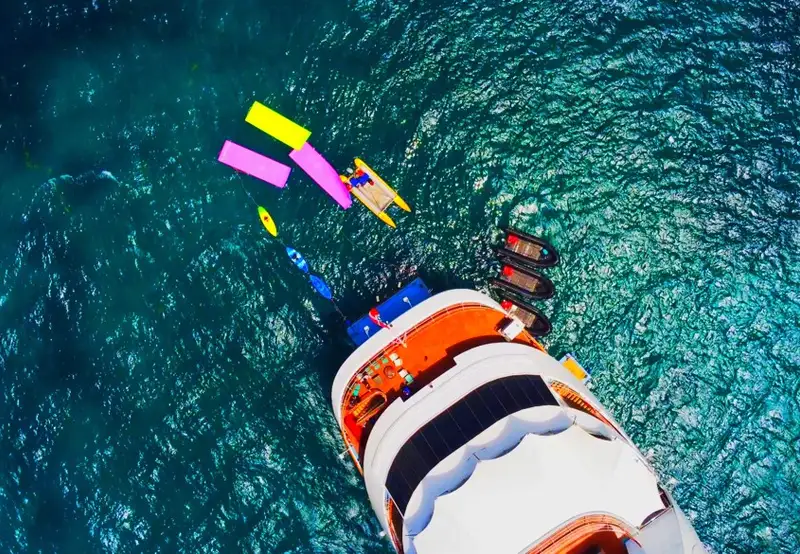
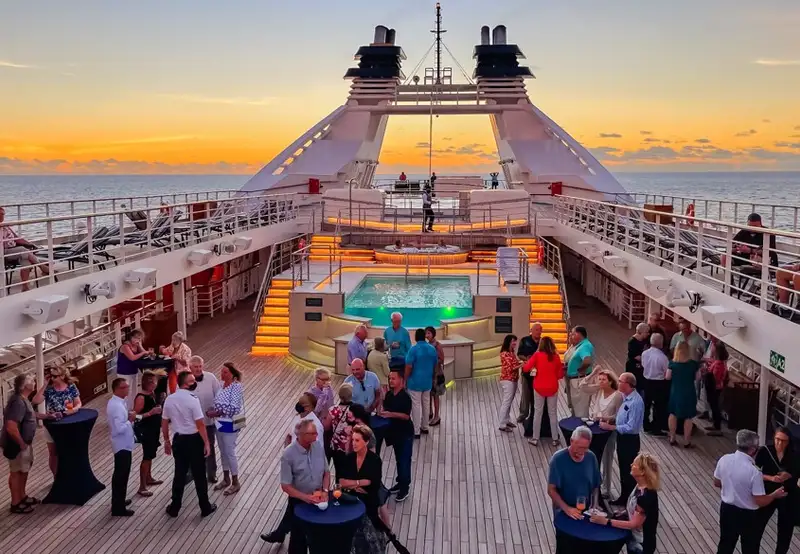
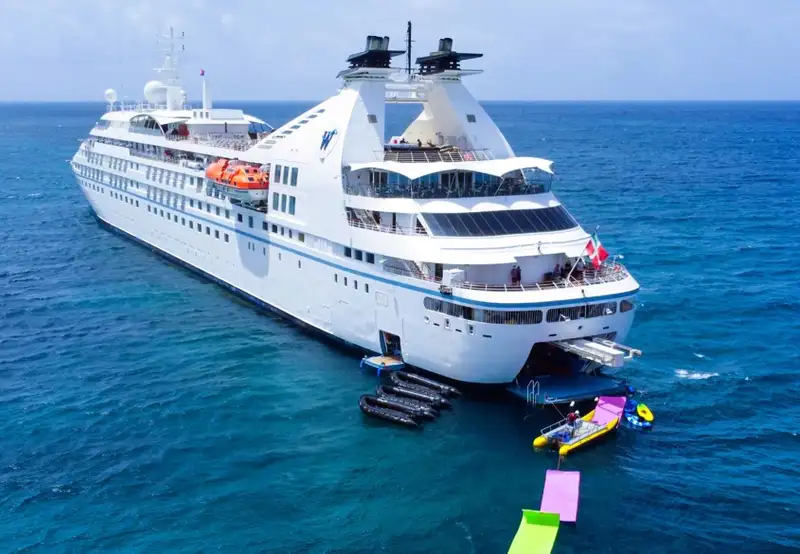
Star Legend - By Windstar
Good for couplesExplorationInformalLuxury ShipSmall ShipYacht style
Year: 26/05/2015
·
Refurbished: 2021
·
6 Decks
·
Max capacity: 312 people
All offers and prices are subject to change and availability at time of enquiry. Prices are based on two passengers sharing unless otherwise stated and are subject to the Tour Operator's terms and conditions. Cabin and Flight supplements may apply. Other supplements may apply in addition to the price shown above. Flight details, timings and routing may be subject to alteration. Other tour operator charges may also apply. Any Onboard Spending money or drinks package value shown will be per cabin, again based on two sharing.
Supplier Reference:
Talk to a Cruise Expert
Our cruise experts will help you pick the perfect cruise line, ship and destination.
We can tailor any package to suit your holiday needs: Add or extend hotel stays, arrange flights and find the best cabin location for you.
DAY 1-2
12 Feb 2026
Time at Port: from 12 AM to 4 PM
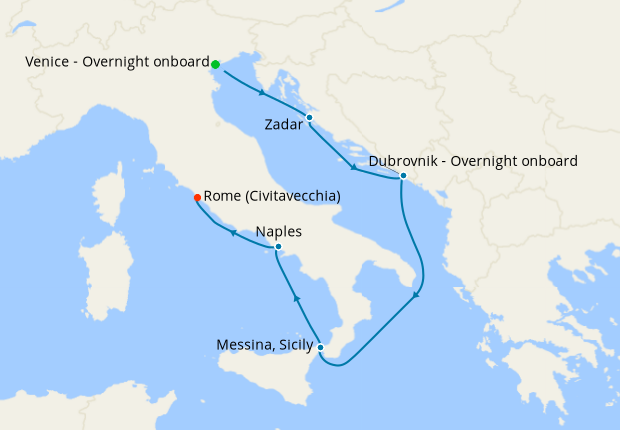
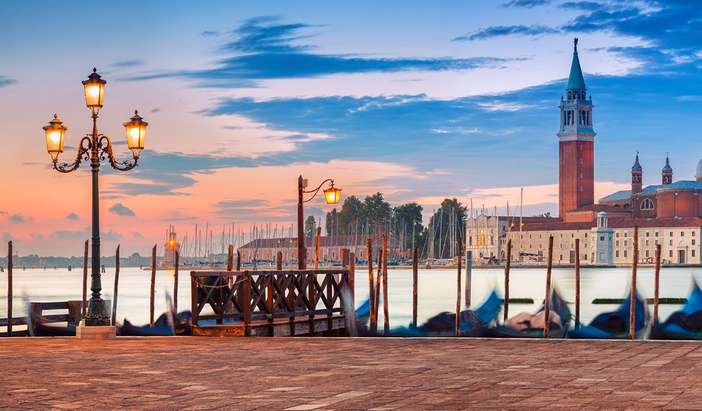
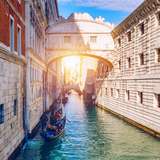
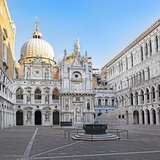
The ‘floating city’ of Venice has romantic connotations all over the world. Known for picturesque canals, colourful buildings, gentle gondola rides, good food, and an ample supply of history, this is one Italian destination that sits on many a bucket list. See magnificent architecture in St Mark’s Square, the fascinating Doge’s Palace, St Mark’s Basilica, and the famous Bridge of Sighs. After soaking in centuries of history, be sure to make time to simply watch the world go by with a world-class cup of coffee and a piece of tiramisu, or indeed an indulgent glass of wine and pasta dish.
Things to do in Venice - Overnight onboard:
Giudecca Island
Located in the Venetian lagoon, Giudecca Island is a small, attractive resort offering some lovely cafes, bars, and restaurants as well as pretty architecture. Over the years it has had a varied history, having been the home to some grand palaces and gardens, before becoming a centre of industry in the 20th century, particularly during World War II. One 16th century mansion has been converted into a beautiful luxury villa.
St. Mark's Square
Piazza San Marco – or St Mark’s Square – is the main square in Venice. It is one of the main attractions, and has had a vibrant role in Venetian history, having been a centre of politics, commerce, and religion over the years. Today it is one of Venice’s main attractions, being surrounded by beautiful architecture on all sides – including the magnificent Basilica di San Marco.
Bridge of Sighs
This well-known, historic piece of architecture joins Venice’s prisons to Doge’s Palace – or more accurately, the interrogation rooms in the palace. Legend says that when prisoners of the 17th century crossed the bridge into the prison, they sighed at their last view of Venice – hence the name. Today the bridge also has romantic significance, with local lore saying that lovers who kiss beneath the bridge in a gondola will have a love that lasts forever.
Doge's Palace
From the late 7th century until the late 18th, Venice had a system of doges, who acted as elected leaders of the region. Doge’s Palace – now known as Palazzo Ducale – was built in the 14th century as a residence for the doge, and for other political bodies. It was a venue used for debates, a court of law, grand events such as balls, and even had prison cells on the ground floor. The beautiful palace is located in Piazza San Marco, and was opened to visitors in 1923.
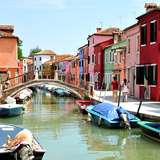
Island of Burano
Within Venice’s lagoon is the picturesque island of Burano, well known for its colourful buildings and pretty canals. First inhabited in the 6th century, Burano has long been a small fishing community, which rose in prominence with the production of lace in the 16th century – a tradition it is still known for today. Burano is a gorgeous spot to wander around, enjoy a gelato, and browse the fabulous range of intricate lace work which is available to purchase in varying forms.
Zadar
DAY 3
14 Feb 2026
Time at Port: from 8 AM to 5 PM
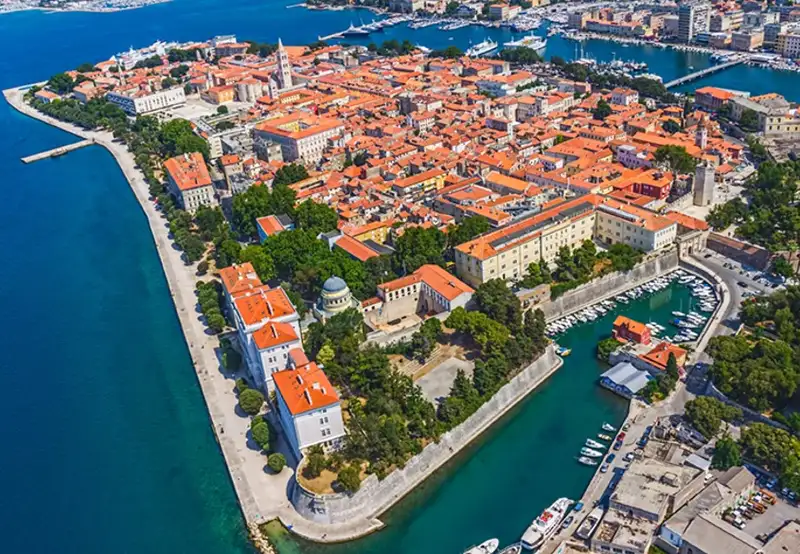
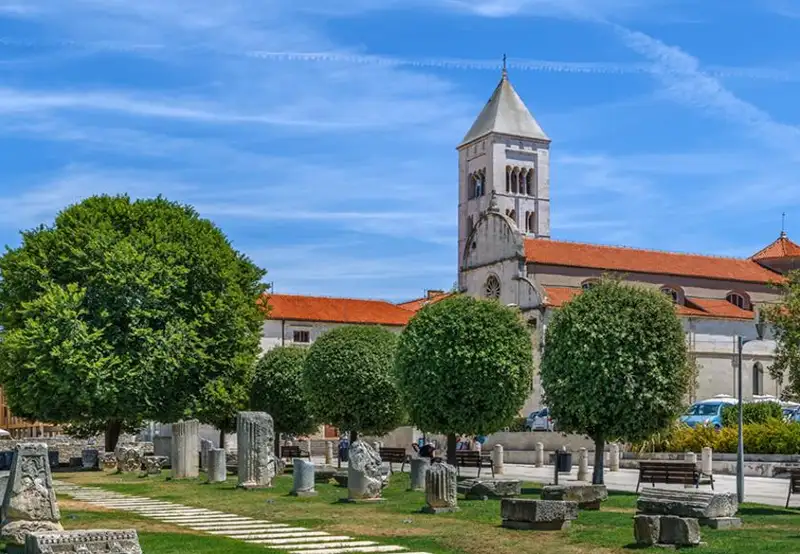
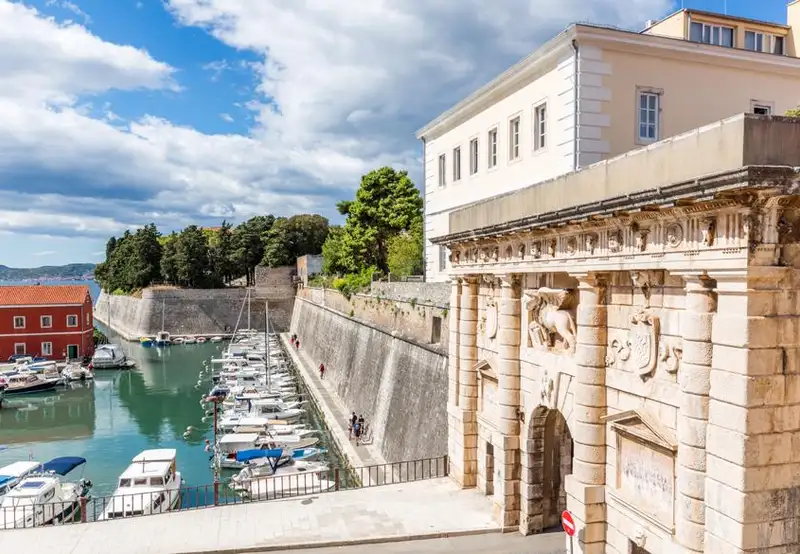
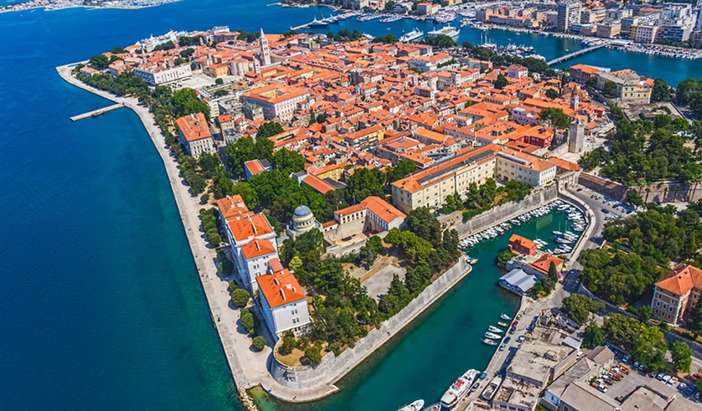
One of Croatia’s best kept secrets, Zadar has the historic heritage and fascinating architecture of Dubrovnik with a quieter, more intimate feel. As well as the impressive 16th-century walls and gates, you can explore ancient churches such as St Donatus’ Church, and the Roman Forum ruins. You’ll also find the renowned attraction, the Sea Organ, an art installation that plays music when filled with water.
Things to do in Zadar:
Museum of Ancient Glass
Situated in the 19th-century Cosmacendi Palace, the Museum of Ancient Glass houses stunning collections of Roman glassware, from jars and vials to goblets and flasks. Visitors can also purchase their own replicas of these delicate pieces in the souvenir shop.
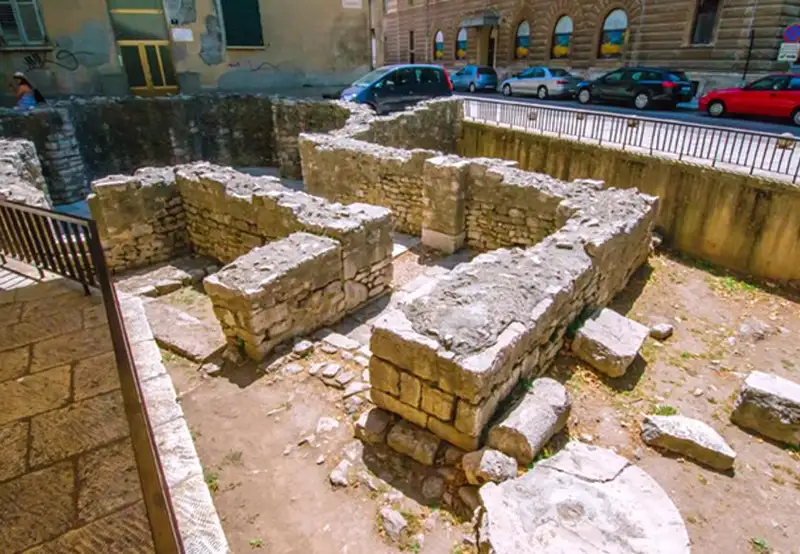
Roman Forum
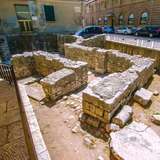
Built between the 1st century BC and the 3rd century AD, the Roman Forum ruins were the centre of daily life. Most notable is the decorative column once used as a ‘pillar of shame’ to punish criminals, as well as the remains of the Capitolium.
St Donatus Church
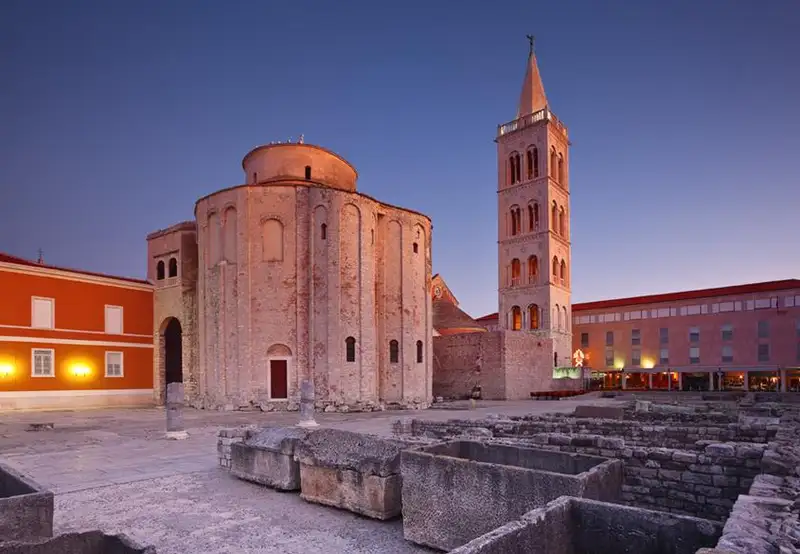
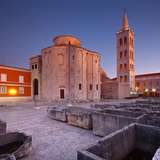
Founded in the 9th century, the unusually-shaped Church of St Donat no longer serves as a church but holds frequent events and concerts because of its excellent acoustics. Visitors can take a look around inside, though it’s impressive structure is best admired from outside.
St Mary Church
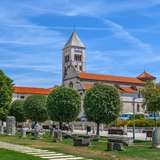
Founded in 1066, St Mary’s Church is an understated yet stunning piece of architecture in Zadar. The adjoining treasury contains an exhibition of religious art, and is beautifully preserved by nuns of the church.
Zadar Walls and Gates
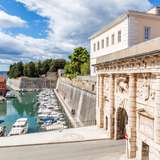
The most impressive of the walls and gates is the Land Gate, the main entrance into the city, built in 1543. Zadar’s walls and gates meant that the city remained uncaptured, and are now a great way to explore the surroundings on foot.
Dubrovnik - Overnight onboard
DAY 4-5
15 Feb 2026
Time at Port: from 12 PM to 6 PM
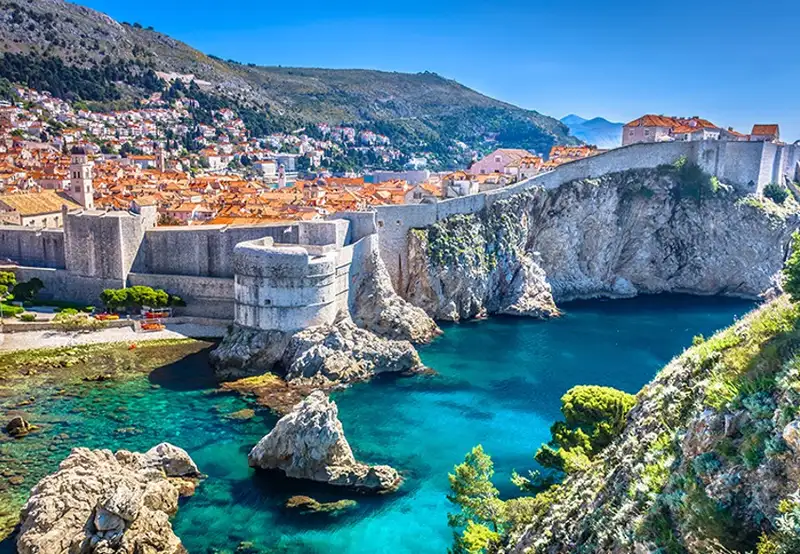
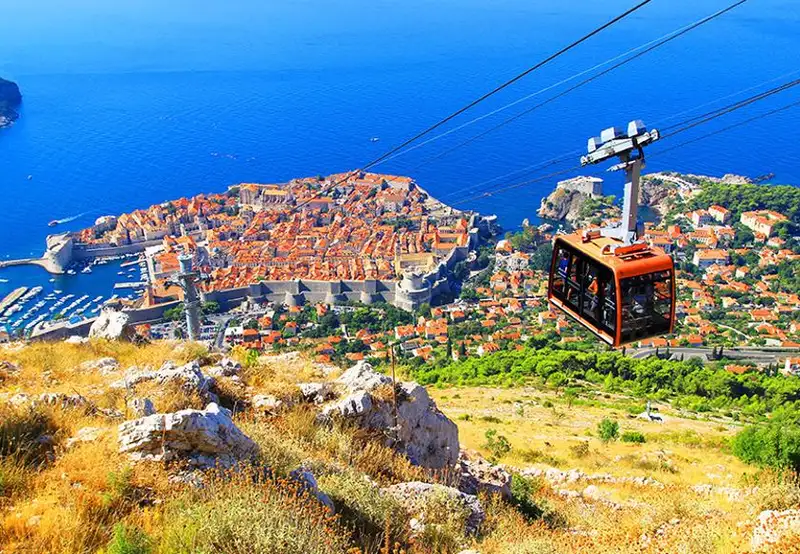
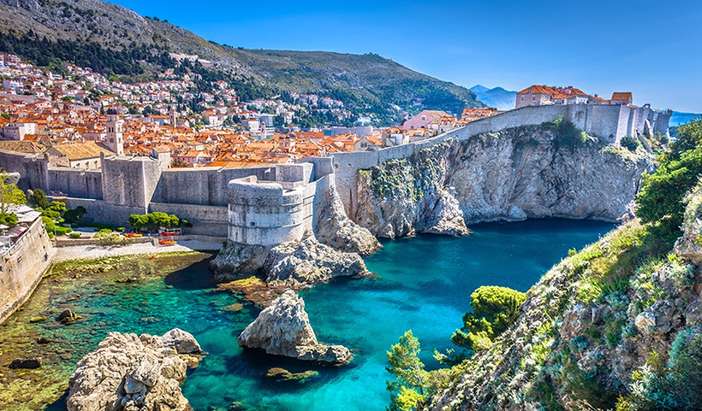
It’s easy to see why Dubrovnik is one of the best highlights on a Mediterranean cruise. In 1979, the city was declared a UNESCO World Heritage Site for its beautifully preserved ancient architecture that you’ll love to spend hours exploring. Fans of the hit series Game of Thrones will particularly love to recreate their favourite scenes filmed here, while history and art enthusiasts will adore the fortresses and museums.
Things to do in Dubrovnik - Overnight onboard:
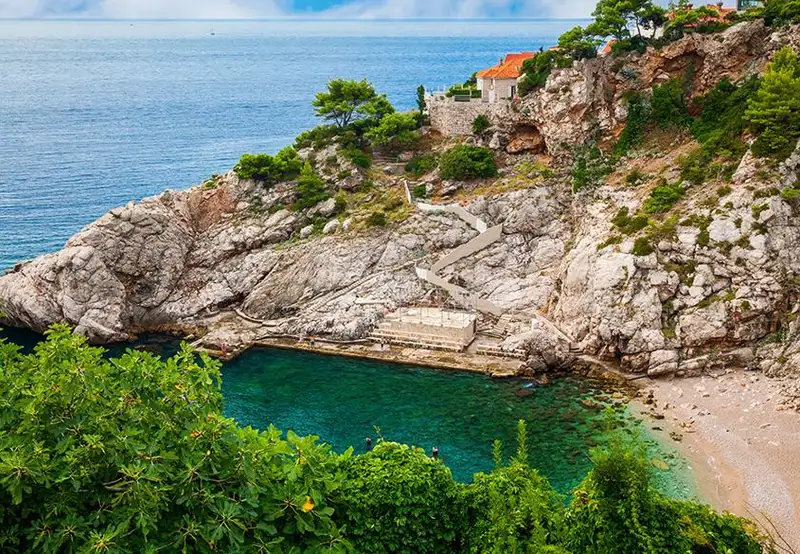
Bellevue Beach
This small and intimate beach provides a quiet getaway from the crowds. Relax in the sun watching the locals play water polo, before taking a dip in the crystal clear waters and exploring the nearby cliffs and caves.
Sunj Beach
If you are looking for something relaxing but also to spend some time exploring, head along the sandy beaches and rocky paths where you’ll find Sunj beach. Here the waters range from beautiful crystal blue to alluring green where you can swim and relax under the sun with a wide range of bars to pick from.
Lokrum Island
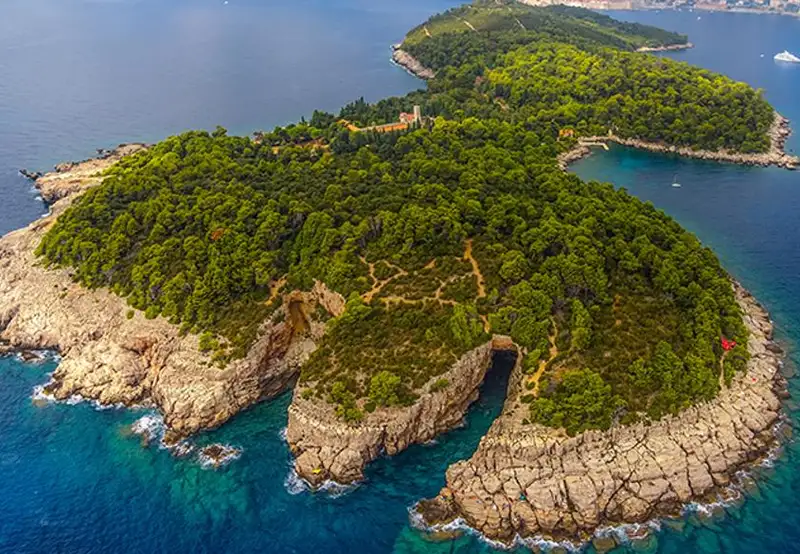
A short ferry ride from Dubrovnik Old Town, Lokrum Island is a fantastic place for a day trip. With a beautiful botanical garden planted in the 19th century, the ruins of a Benedictine monastery and spots for swimming in the sea, you’ll love exploring this tiny island.
Lovrijenac Fortress
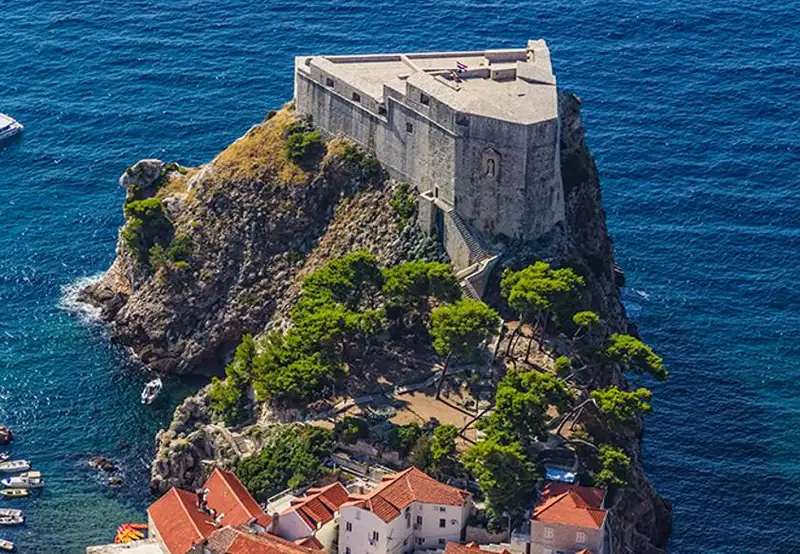
At 37 meters above the sea, Fortress Lovrijenac offers impressive views across the landscape. Used as a filming location for Game of Thrones, the fortress played an important role in protecting the Old City, which visitors will learn about as they explore the grounds.
Muralles de Dubrovnik
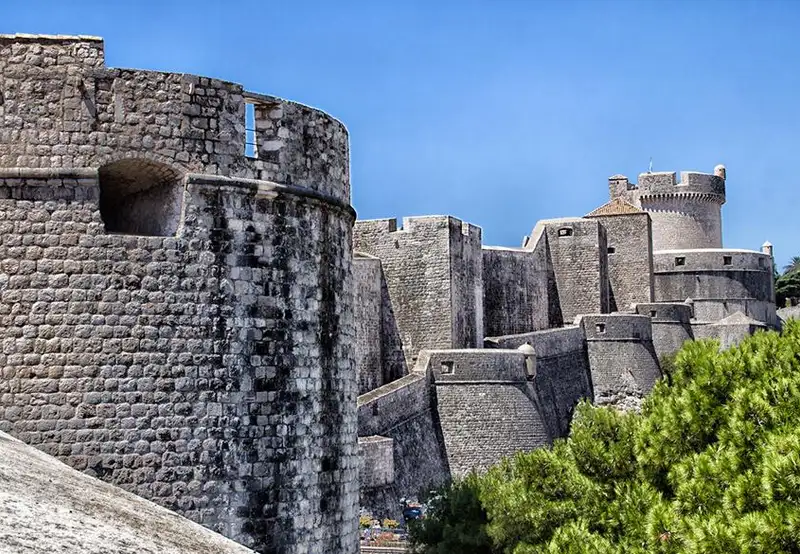
Covering 1,940 metres with 6 fortresses, the Walls of Dubrovnik are a must visit for Game of Thrones fans and lovers of architecture. Visitors can join walking tours of the walls which take approximately two hours and offer unrivalled views over the city from the forts.
St John Fortress
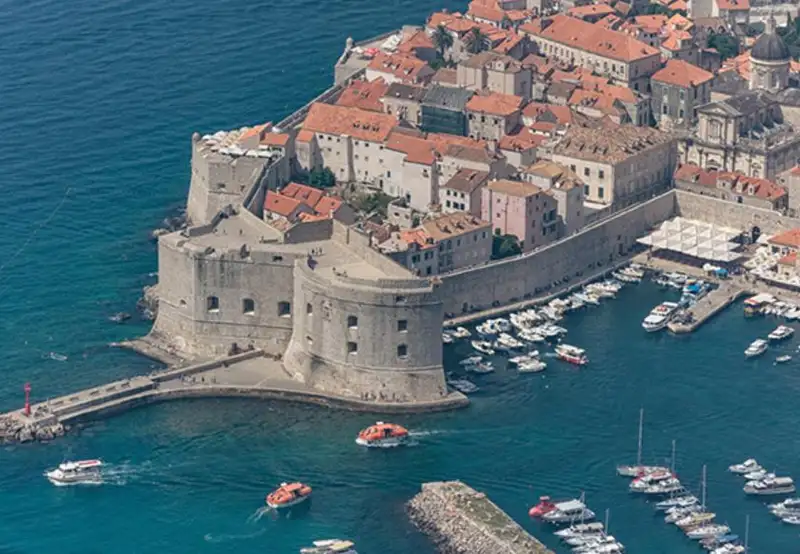
One of the most important forts in the Walls of Dubrovnik, it now houses the Maritime Museum and Aquarium, containing artefacts, paintings and documents telling the history of city. The aquarium, meanwhile, is where you’ll find marine life that thrives in the waters off Croatia.
At Sea
DAY 6
17 Feb 2026
Time at Port: TBD
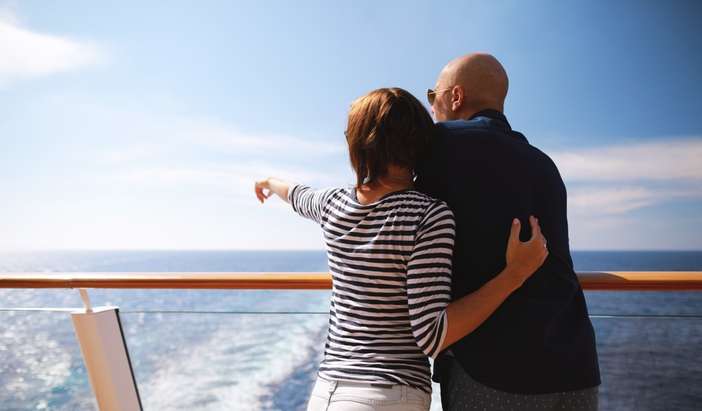
While sailing between destinations, you’ll have time to take a moment and enjoy everything your cruise ship has to offer; with stunning food prepared with the freshest ingredients, fantastic entertainment opportunities, and plenty of places to lounge around, an enjoyable day at sea awaits!
Messina, Sicily
DAY 7
18 Feb 2026
Time at Port: from 7 AM to 3 PM
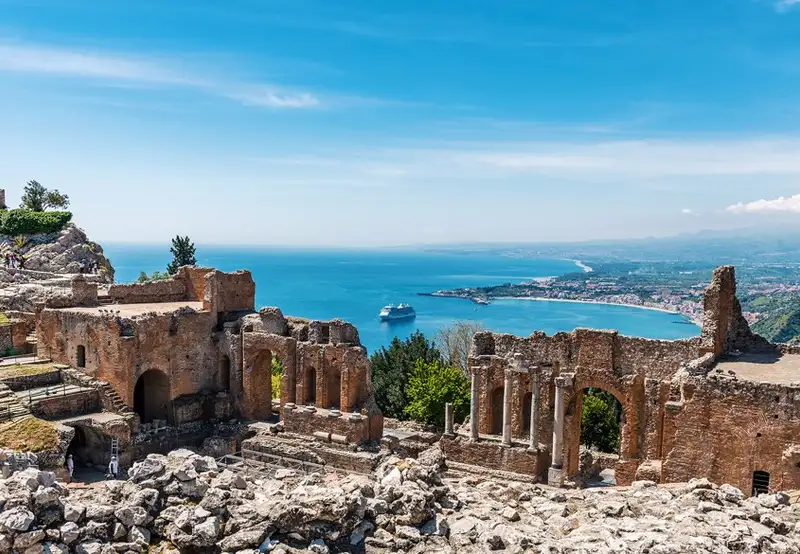
Messina is a coastal city located in the north-east of Sicily and overlooks the homonymous strait, which separates the region from the rest of the Peninsula. Founded by the Greeks in the 8th century BC, a few years before Rome, it is said that the strait was the home of Scylla and Charybdis, two sea monsters described by Homer in the Odyssey. In Messina you can admire the Duomo, the Astronomical Clock and the rich Regional Museum which houses works by famous artists.
Things to do in Messina, Sicily:
Messina Cathedral
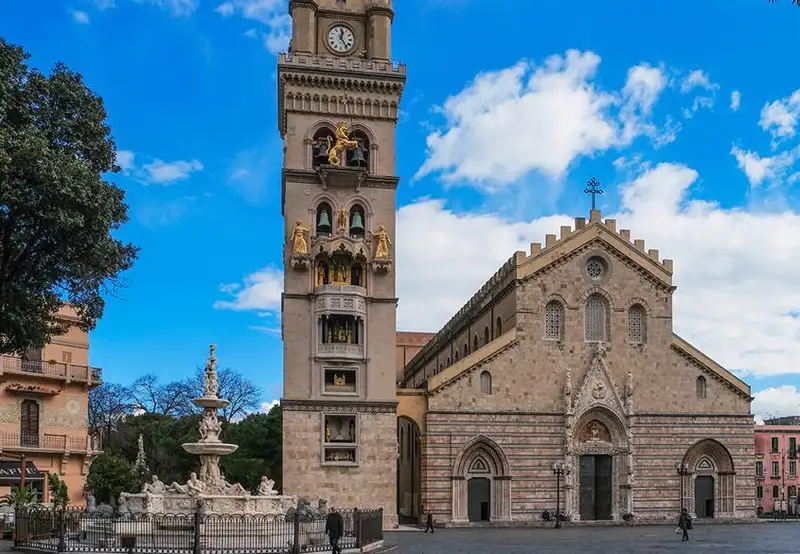
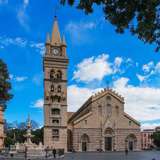
The Cathedral of Messina was consecrated in 1197 and stands in the Piazza del Duomo. Its peculiarity is the different architectural styles that distinguish it: in fact, Romanesque, Norman, Gothic, Neo-Gothic and Baroque elements coexist.
Orologico Astronomico
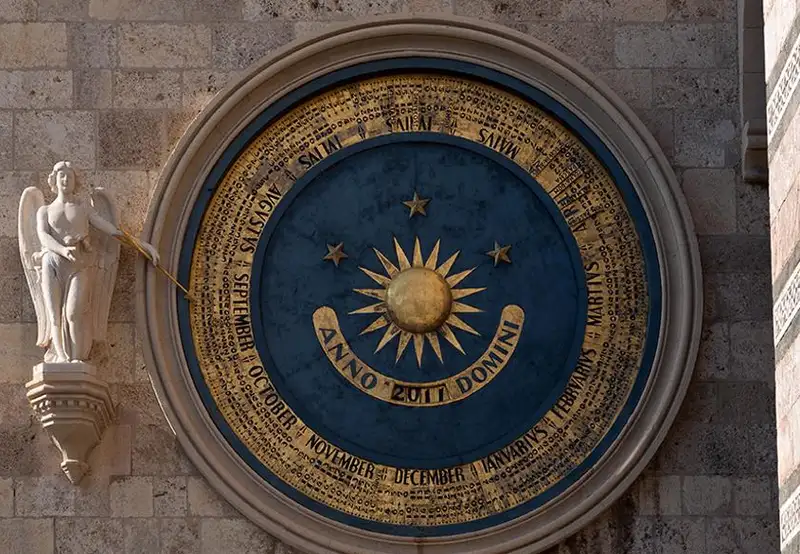
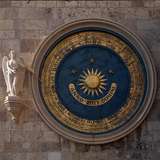
The Astronomical Clock of Messina is an integral part of the city's Cathedral. It was built in 1933 at the behest of Archbishop Angelo Paino during the restoration of the bell tower and is freely inspired by the one in Strasbourg.
Piazza del Duomo
The Piazza del Duomo is one of the central points of Messina: here you can admire the Duomo, the Astronomical Clock and the Statue of the Immaculate Conception, a white marble sculpture created by the sculptor Giuseppe Buceti between 1757 and 1758.
Santissima Annunziata dei Catalani
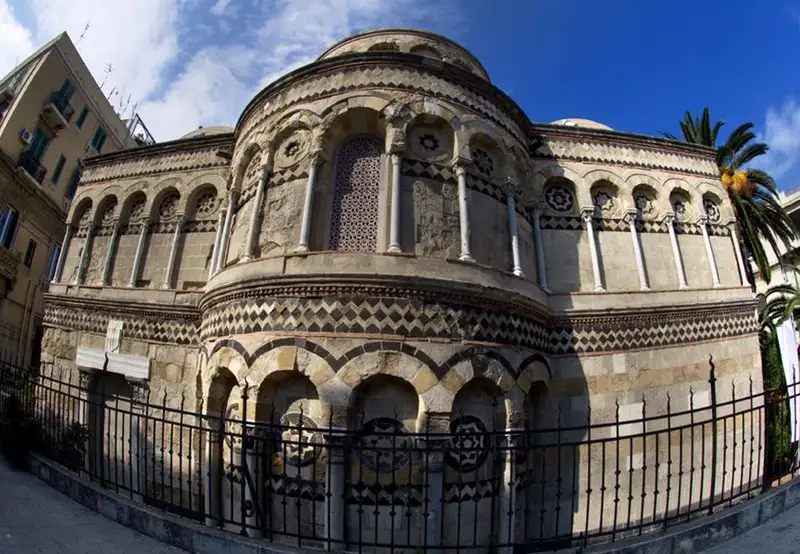
The Church of the Santissima Annunziata dei Catalani rises between via Cesare Battisti and via Garibaldi on the remains of a pagan temple. The beginning of the construction dates back to the 12th and 13th centuries and boasts a clear Byzantine style with Arab-Norman influences.
Messina Regional Museum
The Regional Museum of Messina was established in 1806 and since then illustrates the figurative art of Messina from the 12th to the 18th century. You can admire the Resurrection of Lazarus, a famous painting by Caravaggio, and several works by Antonello da Messina.
Naples
DAY 8
19 Feb 2026
Time at Port: from 8 AM to 4 PM
Naples is one of the most important cities in Italy. Its foundation dates back to the 8th century BC, and it once had an important relationship with Athens, due to its commercial power and position on the sea. The city is rich in history and there are numerous places of interest to visit, in particular the archaeological excavations of the nearby Pompeii and Herculaneum, which were destroyed by the eruption of Vesuvius in 79 AD.
Things to do in Naples:
Museo Nationale
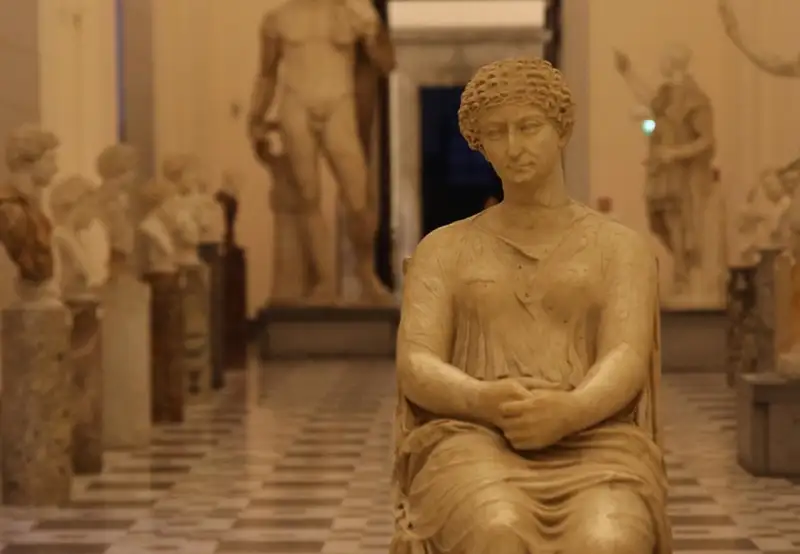
The opening of the historic National Archaeological Museum of Naples took place in 1816. Built by Ferdinando I of Borbone, at the time king of the Two Sicilies, it boasts the richest collection of works and archaeological finds with regard to Roman history.
Museo d'arte contemporanea
The Museum of Contemporary Art, also known as the Madre Museum, is located inside Palazzo Donnaregina, in the center of Naples. It was established in 2005 with the aim of promoting cultural and artistic development in the territory of Campania.
Palazzo Reale
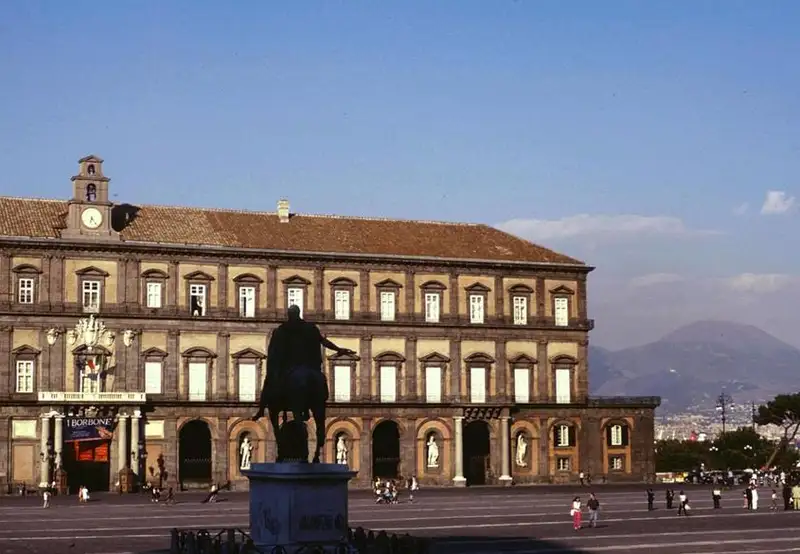
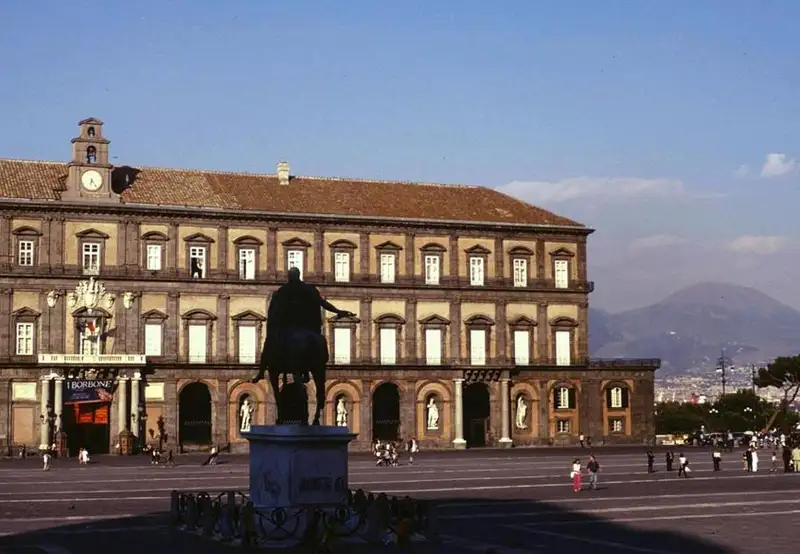
The construction of the Royal Palace began in 1600 and for a long time was the residence of the Spanish viceroys, before passing to the House of Bourbon and finally to the House of Savoy. The architectural style is a mixture of Baroque and Neoclassical. Today, the palace houses a museum and a library.
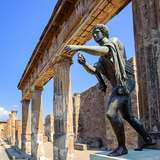
Pompeii
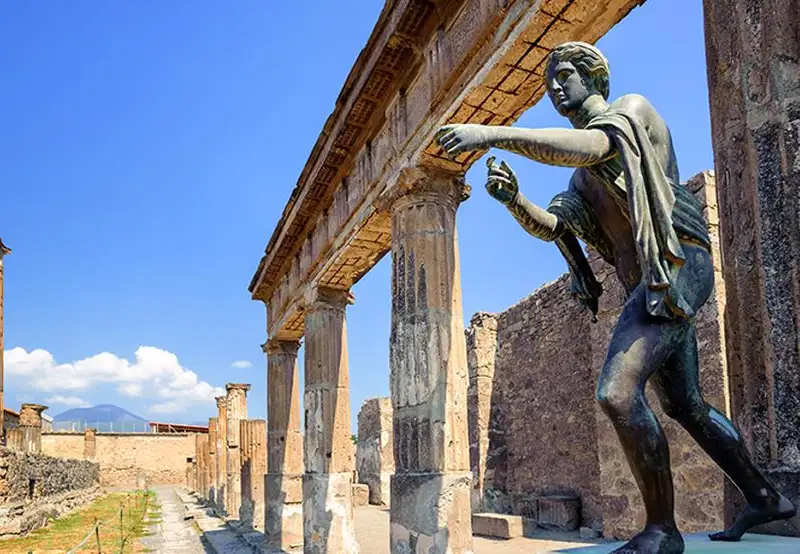
The history of Pompeii begins in the 9th century BC, when the area was inhabited by the Opici people - an ancient Latin population. Today the town is famous because of the eruption of Vesuvius, which occurred in 79 AD, which led to its total destruction.
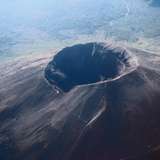
Mount Vesuvius
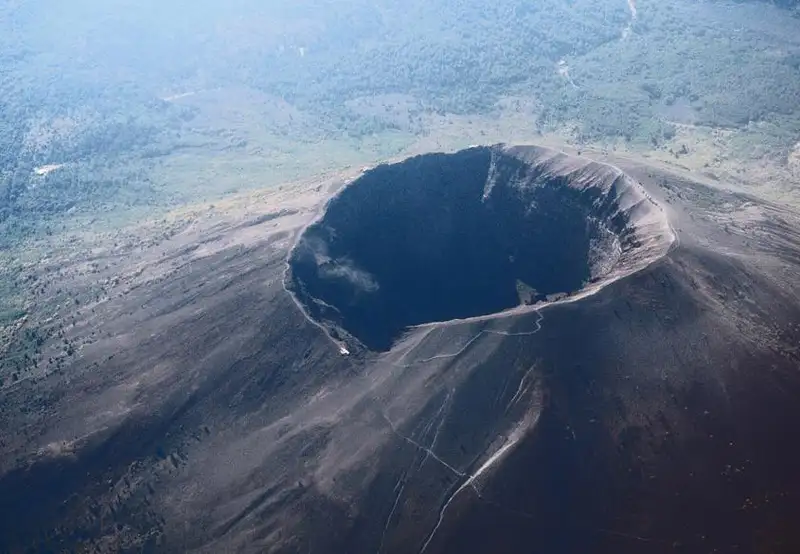
The profile of Naples would not be the same without Mount Vesuvius that dominates the city skyline. Versuvius is known for the violent eruption of AD 79, which became famous for the destruction of Pompeii and Herculaneum, and was witnessed by Pliny the Younger.
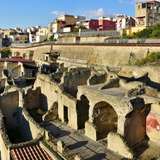
Herculaneum
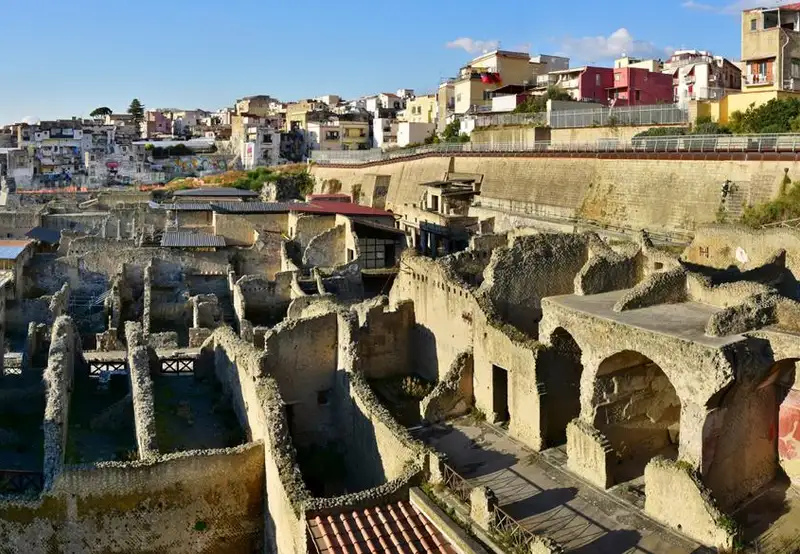
The tremendous eruption of Vesuvius, in 79 AD, not only destroyed Pompeii but also the ancient city of Herculaneum. The archaeological excavations of this city can be visited today and, since 1997, are part of the UNESCO World Heritage List.
San Gennaro Catacombs
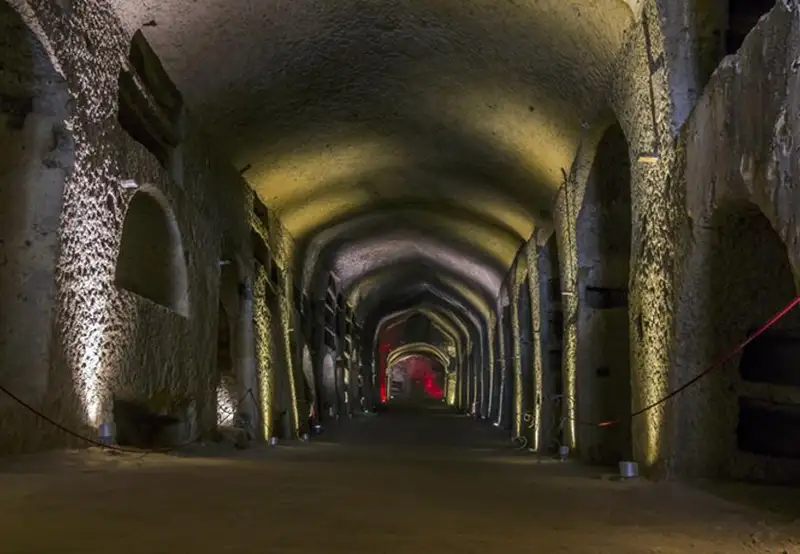
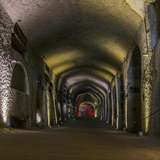
The Catacombs of San Gennaro are the most important Christian monument in Naples. The remains of San Gennaro, the main patron saint of the city, have been held here since the 5th century. The labyrinth of corridors also house Christian frescos from the 2nd century AD, and mosaics from the 5th century AD.
Castel Nuovo
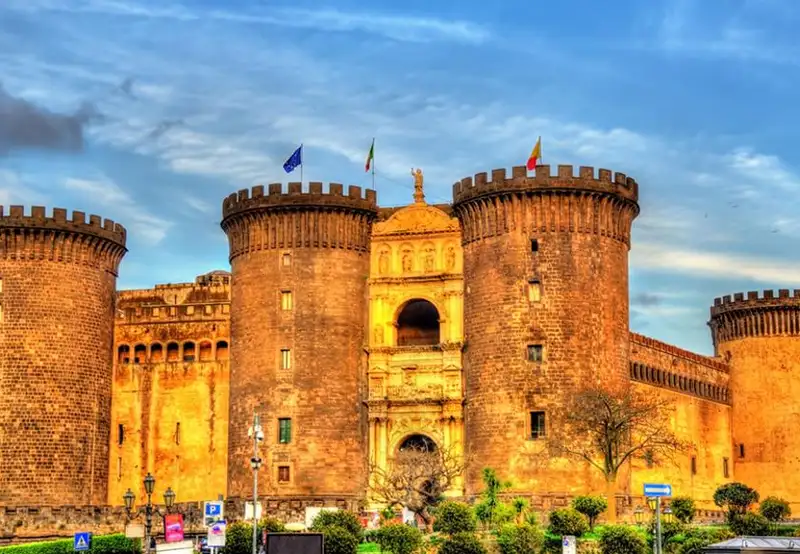
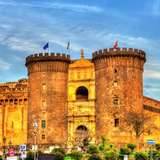
Castel Nuovo is a medieval and Renaissance-era castle. Most commonly known as Maschio Angioino, its construction began in the 13th century at the behest of Charles I of Anjou, after he moved the Italian capital from Palermo to Naples in around 1268.
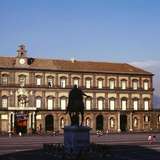
Piazza del Plebiscito
The Piazza del Plebiscito is located in the historic center of Naples and was of considerable importance after the construction of the Royal Palace. Today Palazzo Salerno, Palazzo della Prefettura, and the Basilica of San Francesco di Paola are also located here.
Rome (Civitavecchia)
DAY 9
20 Feb 2026
Time at Port: from 8 AM to 5 PM
Today's Civitavecchia was born as an Etruscan village along the Tyrrhenian coast, but it is believed that the territory has been inhabited since the Neolithic era. The first documents mentioning the city date back to the year 107 AD; the same as the construction of the port which ended three years later. During a stop in Civitavecchia you can visit the Taurine Baths, the Michelangelo Fort, and the Cathedral.
Things to do in Rome (Civitavecchia):
Terme Taurine
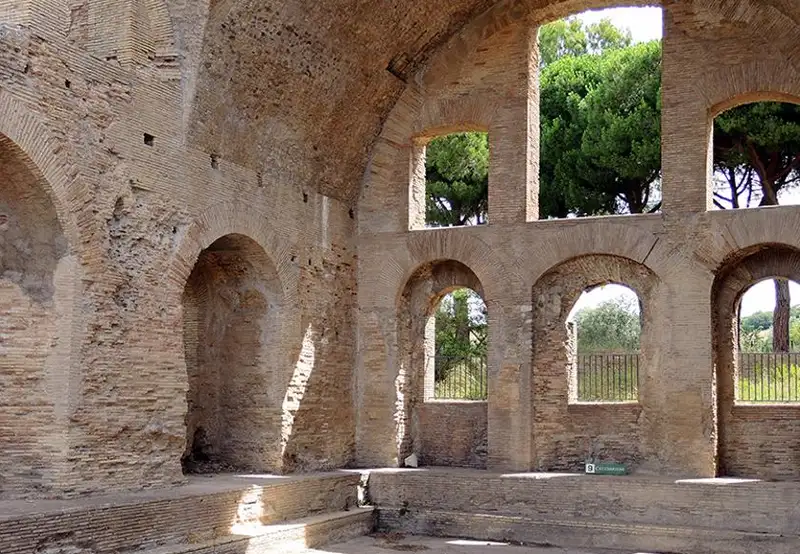
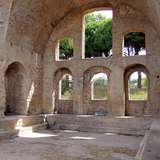
The Taurine Baths - a Roman archaeological site dating back to the 1st century BC - are located around 4km from the urban centre of Civitavecchia. There is a legend that says the baths came to be after a bull scraped at the ground before a fight, and in doing so uncovered a hot water spring.
Aquafelix Waterpark
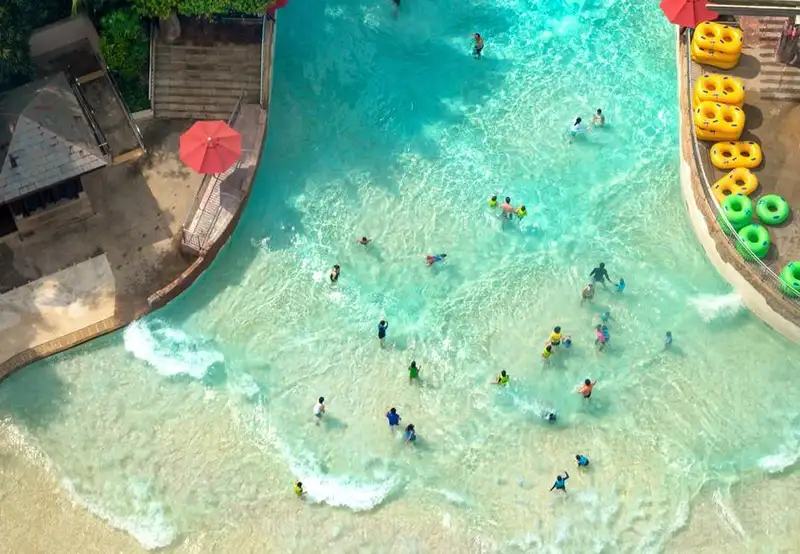
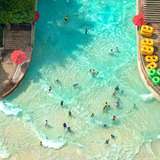
Aquafelix Waterpark is ideal for a day of fun with your family and friends. It is the largest water park in central Italy, and boasts areas dedicated to both adults and children.
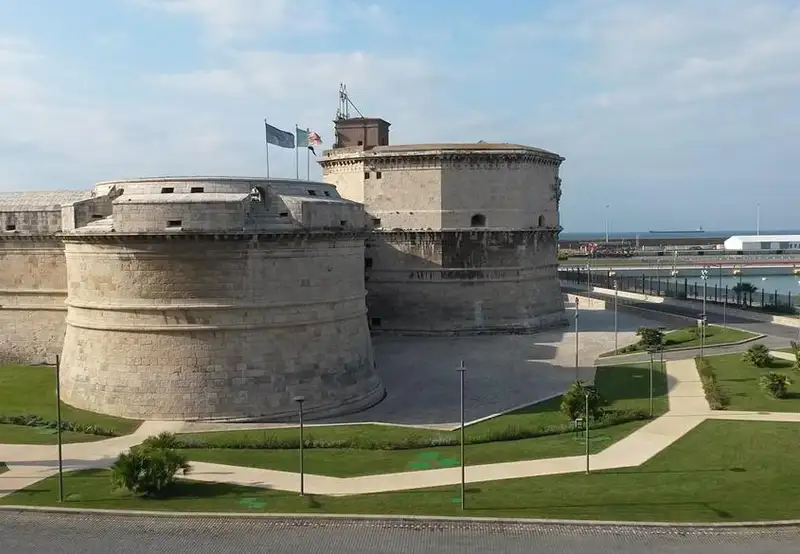
Forte Michelangelo
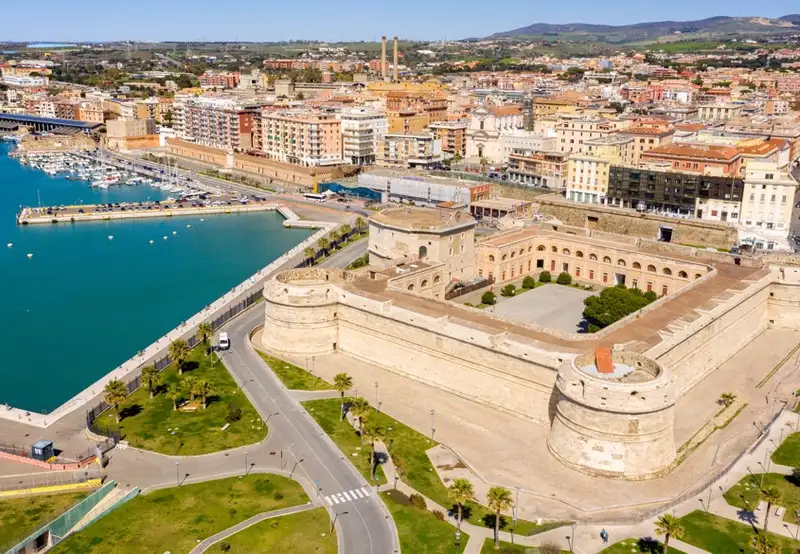
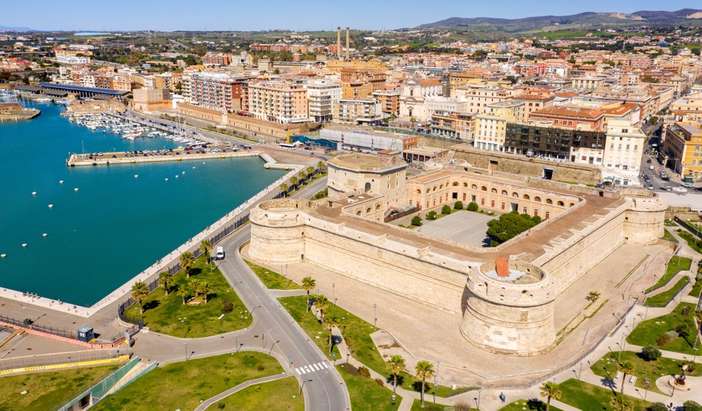
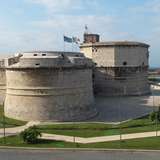
The construction of the Michelangelo Fort began in 1508 and ended in 1537. The structure of the fortress, in true Renaissance style, has the shape of a quadrilateral with a tower in each corner, and the central tower has an octagonal layout. Its creation was ordered by Pope Julius II, to defend the Port of Civitavecchia against pirates and any other hostile encounters.
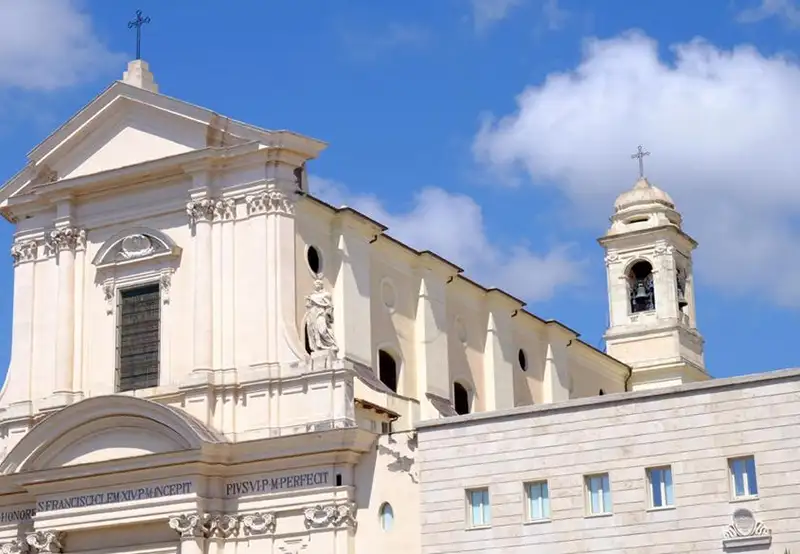
Cathedrale de Civitavecchia
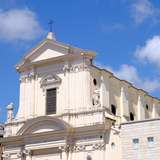
The Cathedral of San Francesco d'Assisi is the most important church of Civitavecchia. Dating back to the 17th century and completely restored in 1950, it has a Baroque style and stands on the remains of a previous Franciscan church.


 12 February 2026 · 8 nights


 Entertainment
 Meals
Meals
 Accommodation
 Port Fees & Taxes