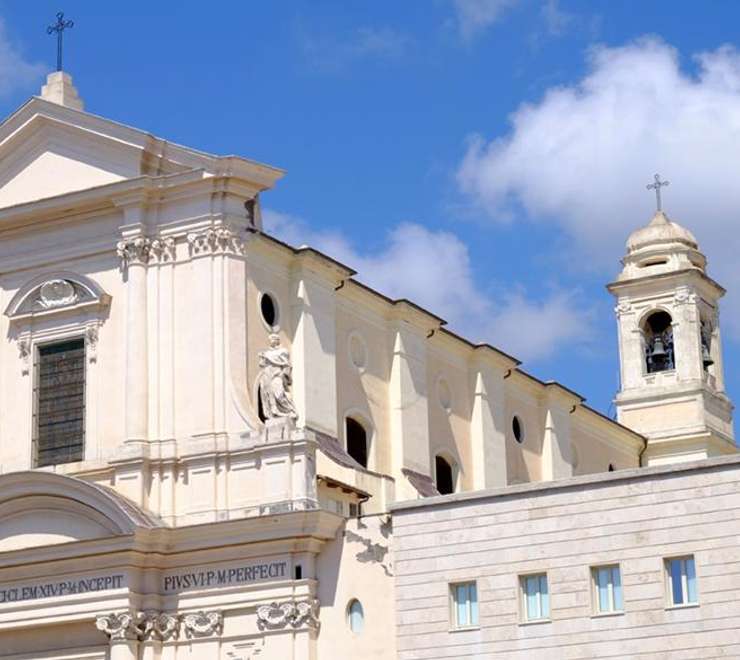
Description
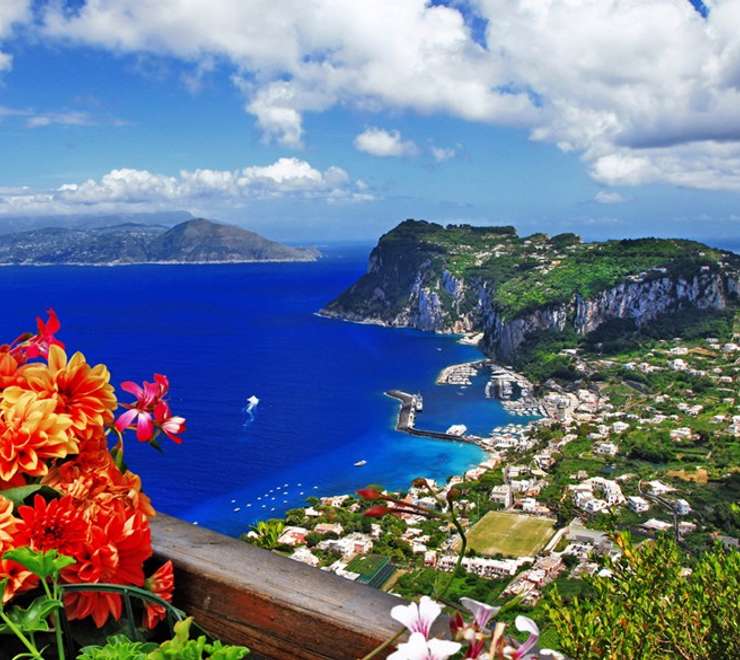
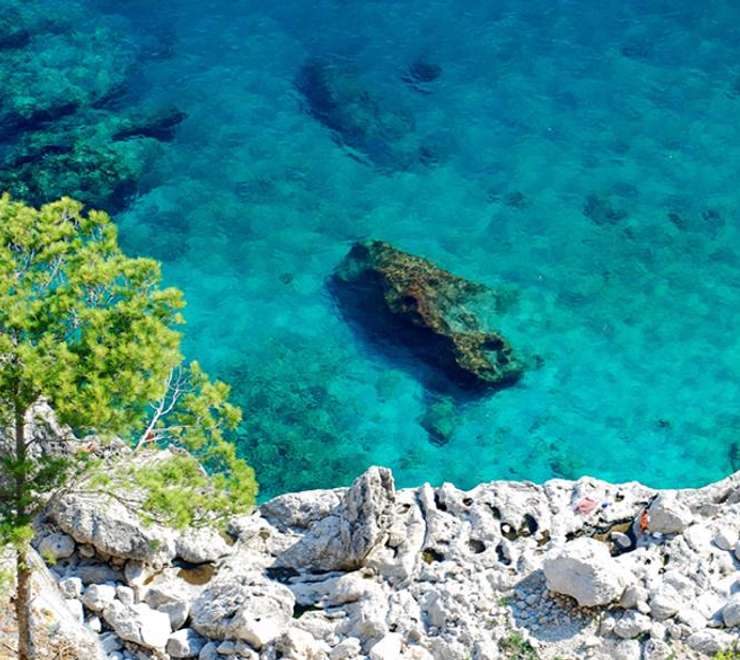
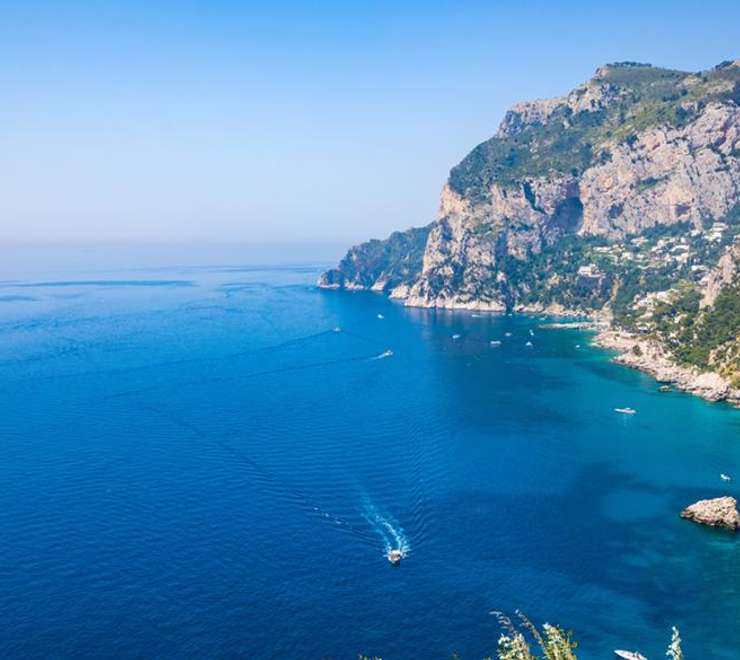
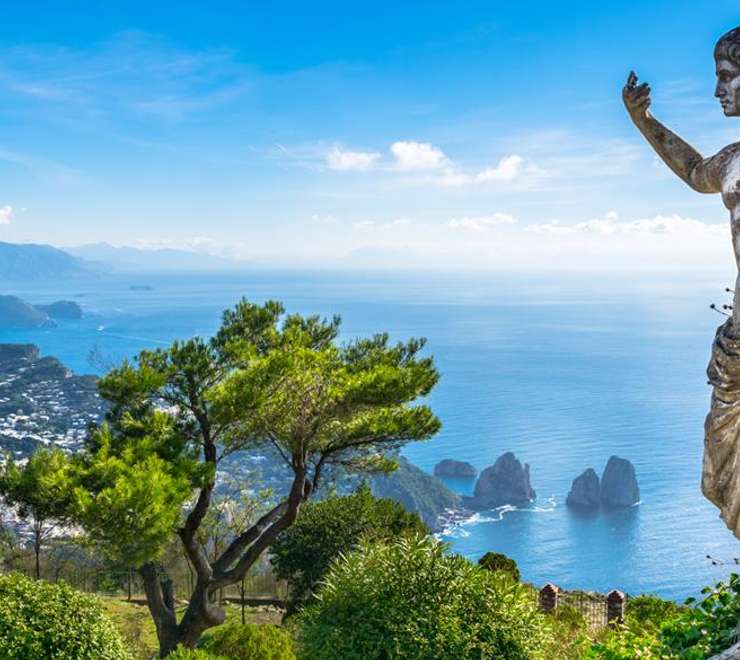
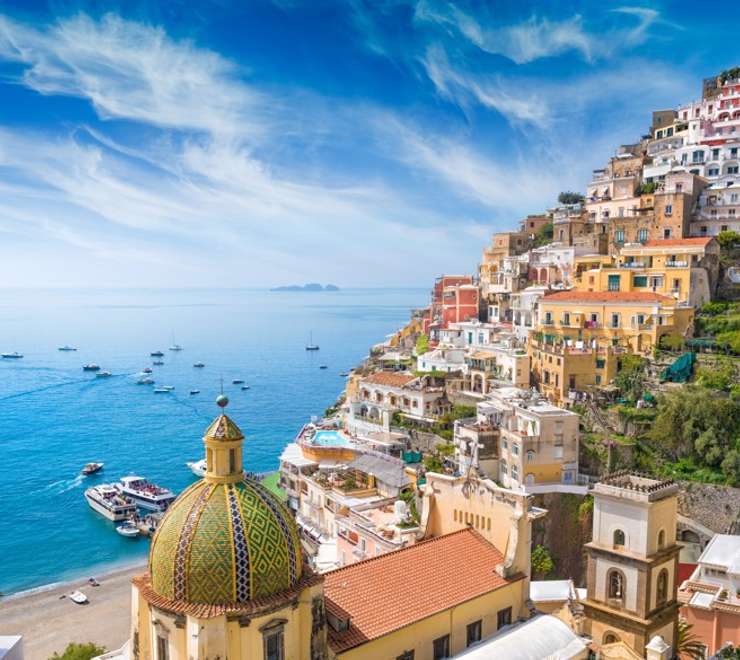
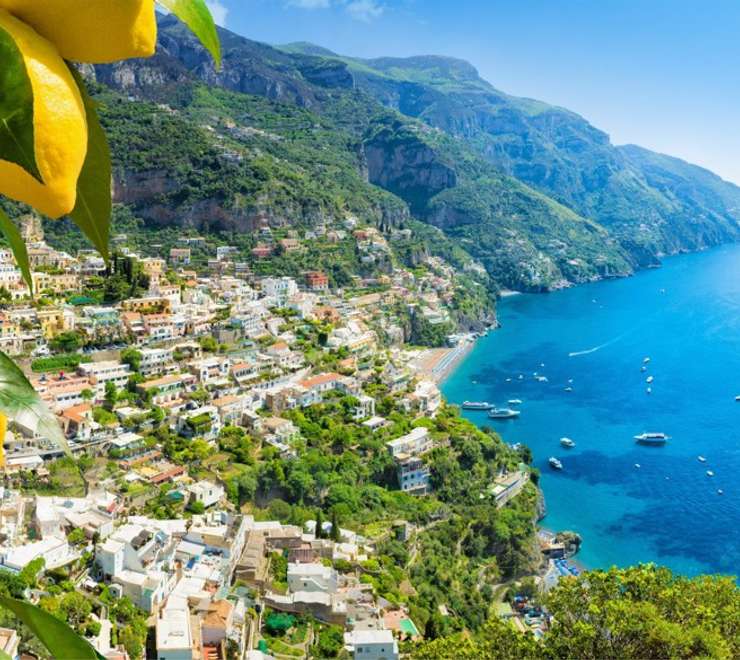
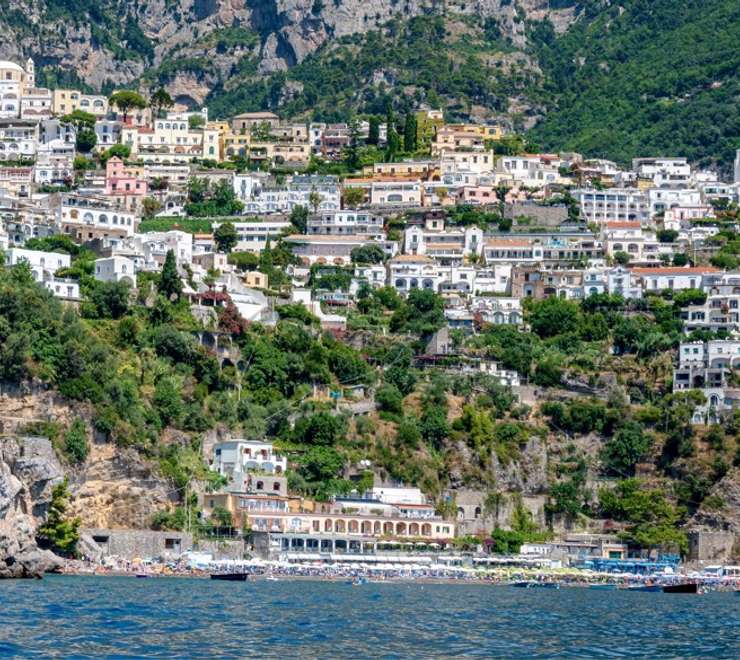
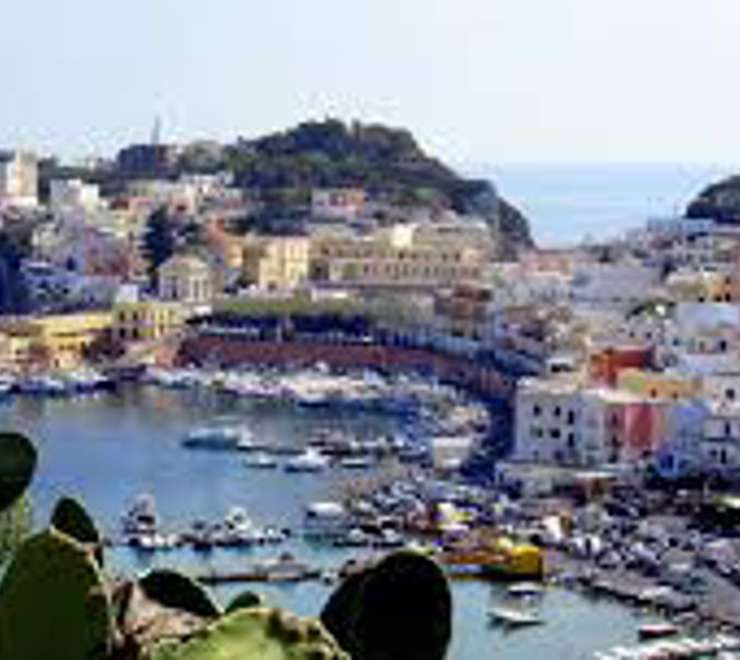
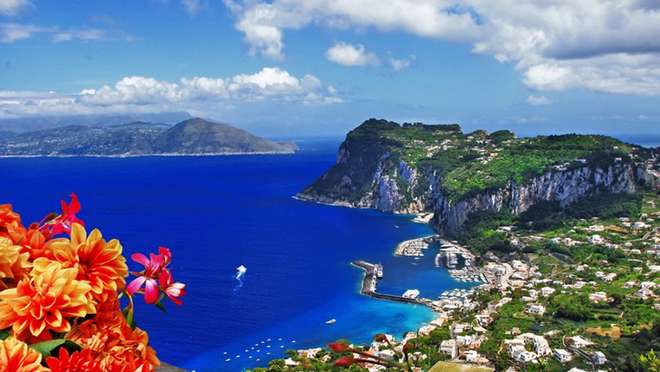
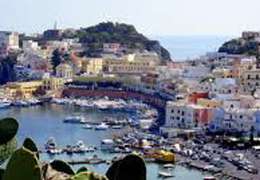
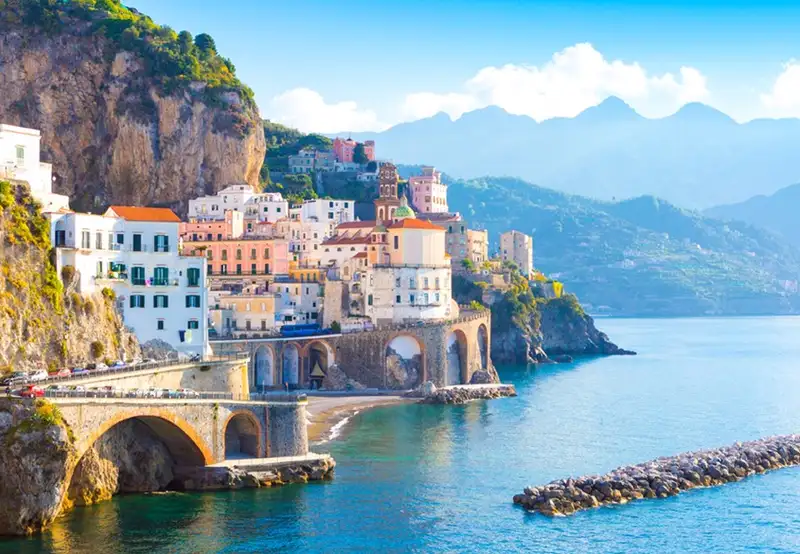
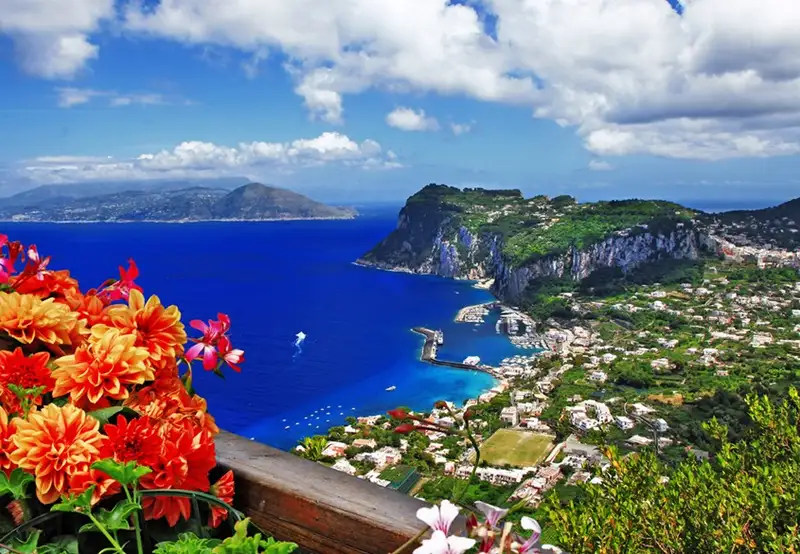
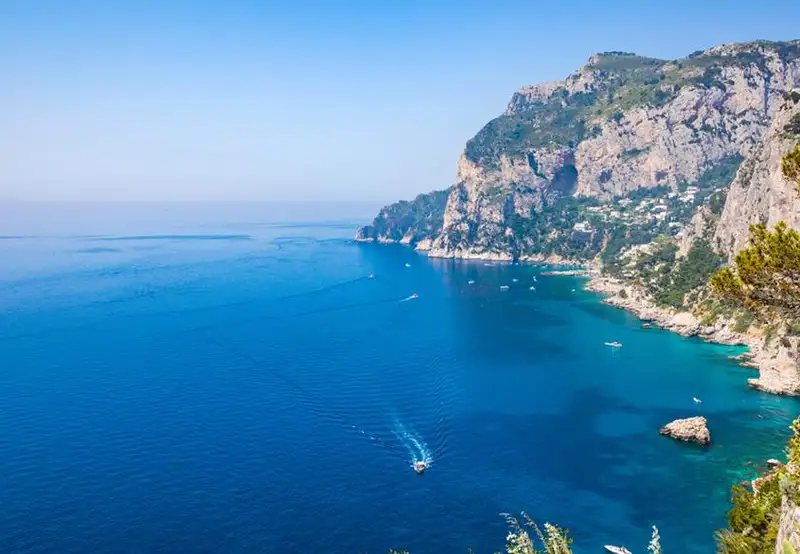
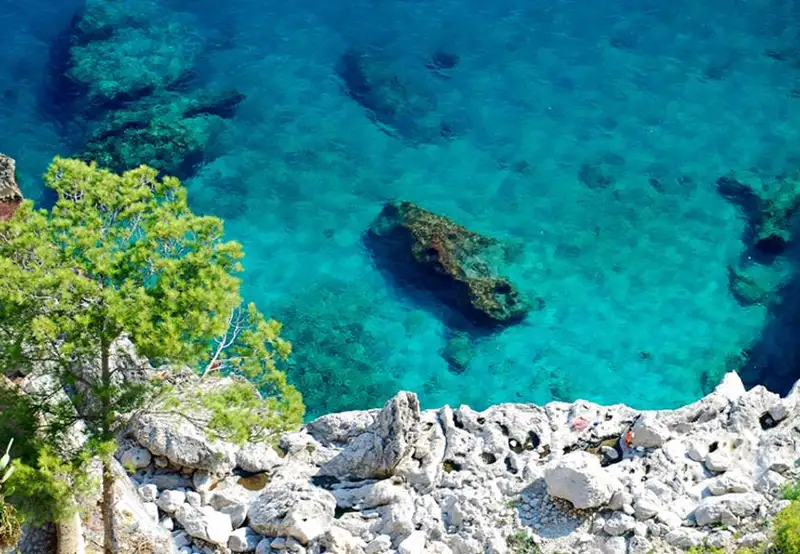
The small and charming island of Capri is located in the Gulf of Naples, south-west of the Sorrento peninsula, to which it was once connected. Its coasts boast numerous caves and quarries alternating with steep cliffs. Capri is divided into the municipalities of Capri and Anacapri, and there is a total of about 14,000 inhabitants. The Blue Grotto, the Gardens of Augustus, the Villa San Michele and the Monte Solaro are some of the places of interest that are worth a visit.
Read more
Read less
Things to do
Anacapri
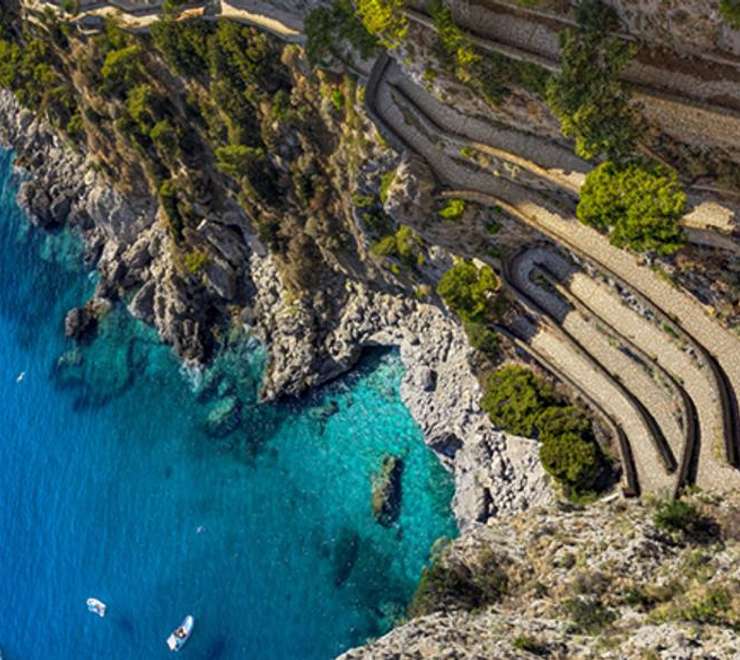
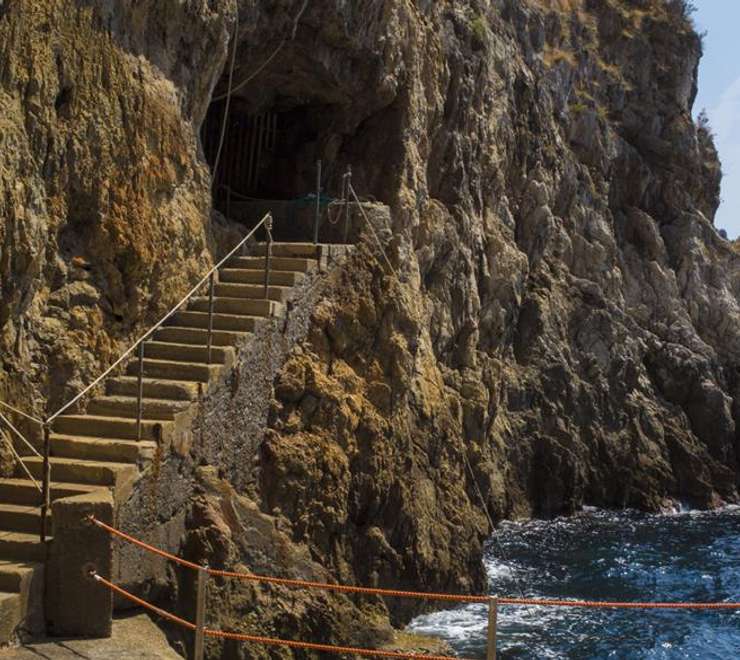
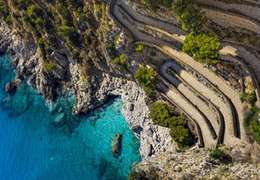
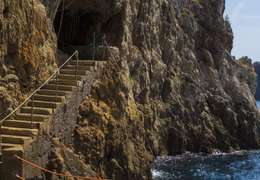
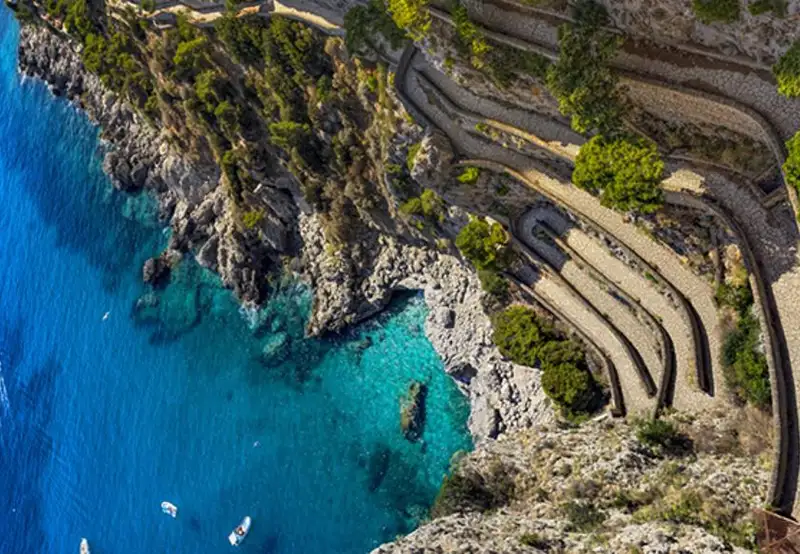
Anacapri is one of the two administrative municipalities of the island of Capri. It rises on the slopes of Monte Solaro, and is where the Blue Grotto and Villa San Michele are located. Visitors shroud take the time to tackle the Phoenician steps in order to then enjoy the stunning views below.
Blue Grotto
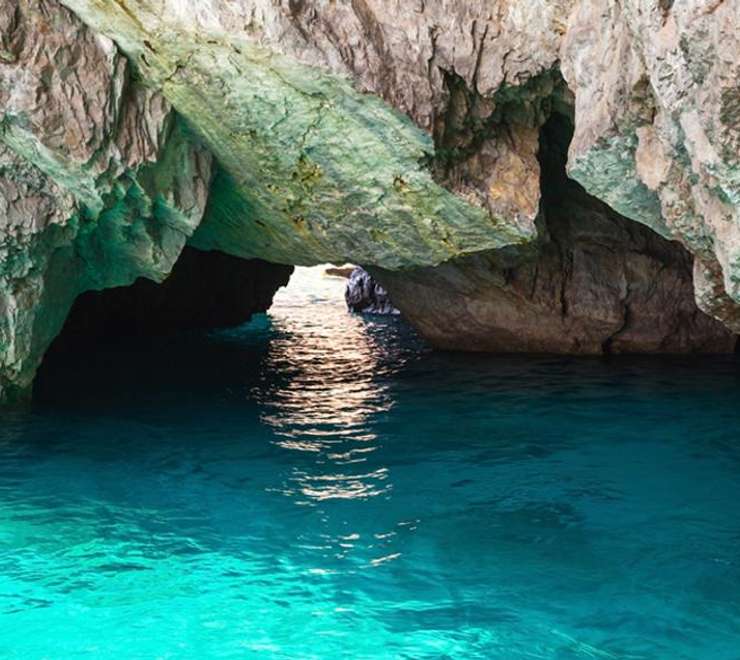
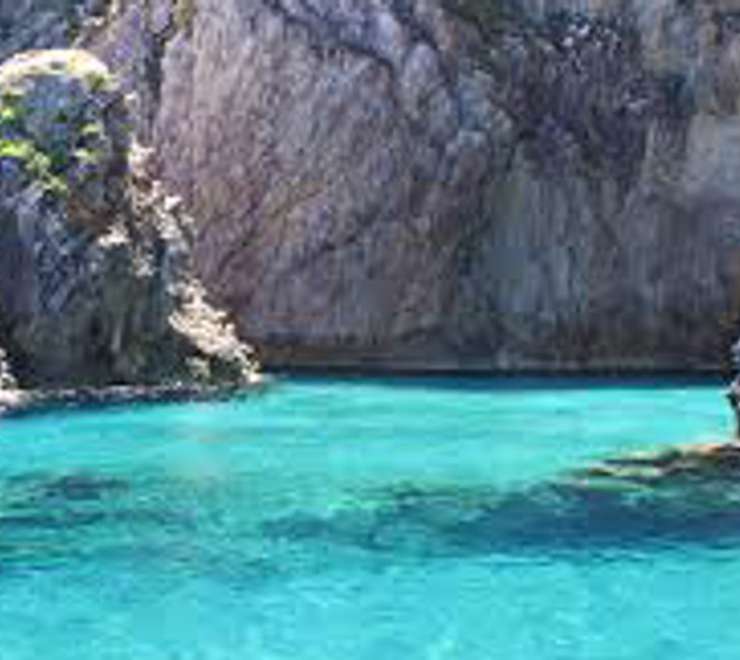
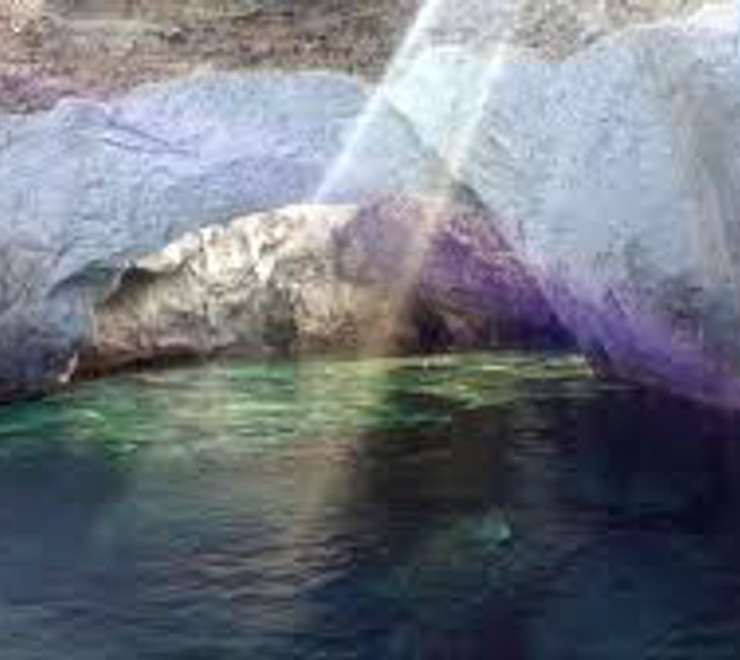
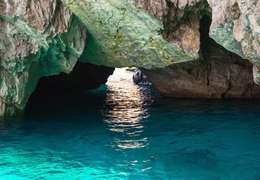
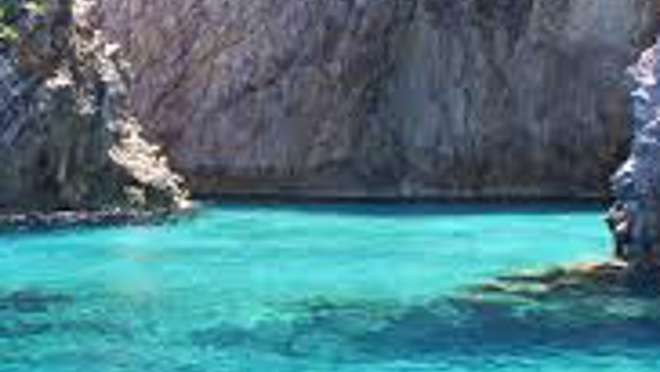
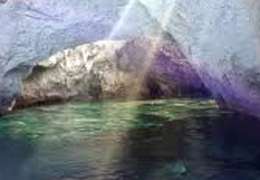
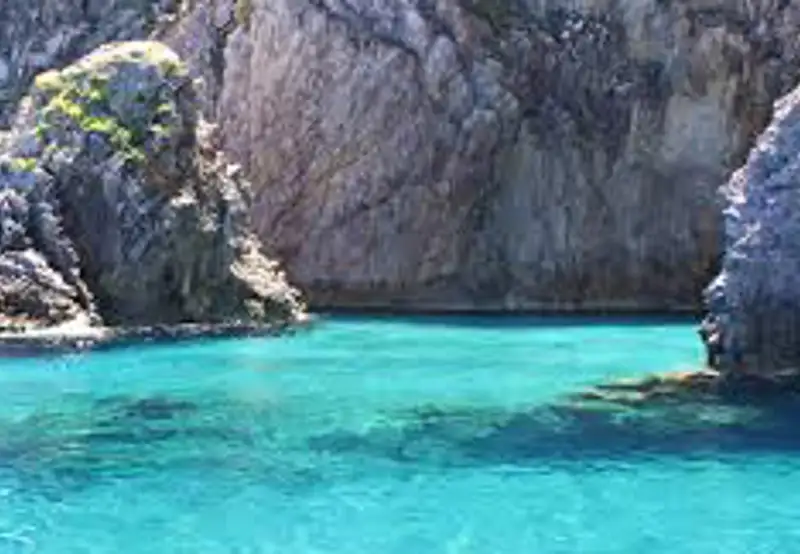
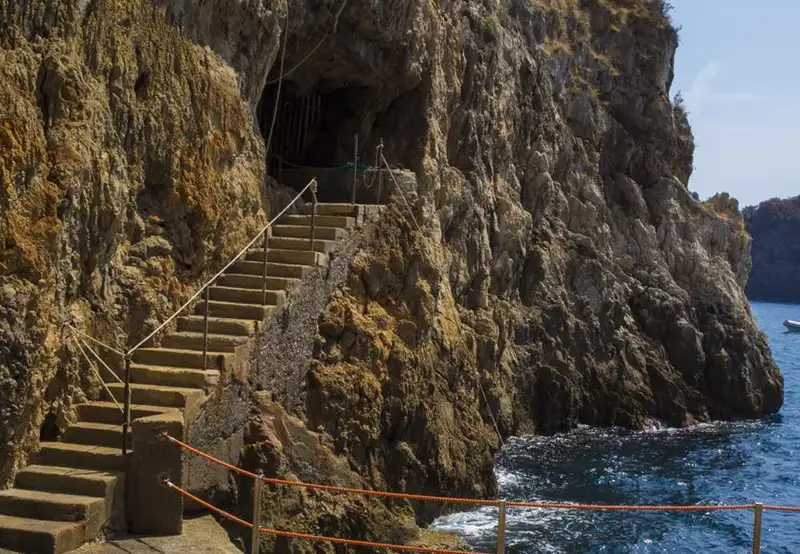
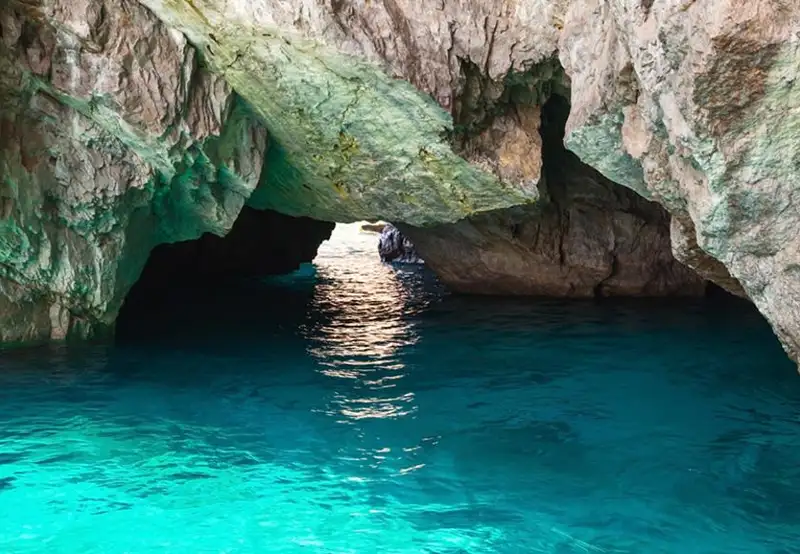
The Blue Grotto, whose beauty has been praised many times by many poets, is undoubtedly the best known spot in the island of Capri. The enclosed cave owes its name to the shade of blue that the pool of water takes on, thanks to the light that filters through a partially submerged opening.
Gardens of Augustus
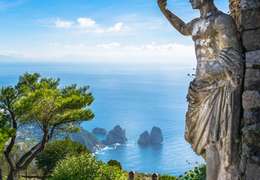
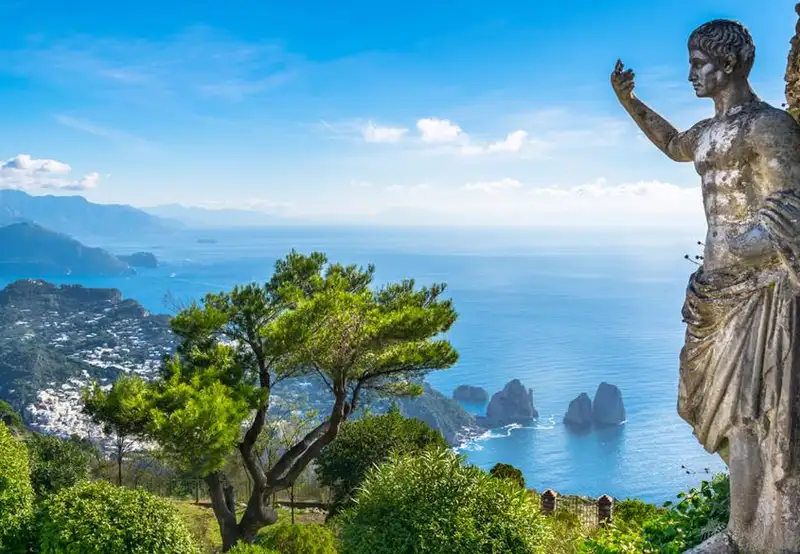
The Gardens of Augustus make up a gorgeous city park on the island of Capri. It is an extensive botanical garden, hosting many different plants typical of the area. It also offers a breathtaking view of the Faraglioni rock formation, and the bay of Marina Piccola.
Marina Piccola
Marina Piccola is one of the tourist hot spots on the island of Capri. Located on the opposite side of the main port and not far from the gardens of Augustus, most visitors love to take a dip in its crystal clear waters and gaze at the view of the Faraglioni rock formation.
Monte Solaro
Mount Solaro, at 589 meters high, is formed by the same limestone of which the entire island of Capri is made. A hike here enables visitors to see around a thousand different species of plants, and the rare blue lizard, the only one of its kind in the world.
Ville San Michele
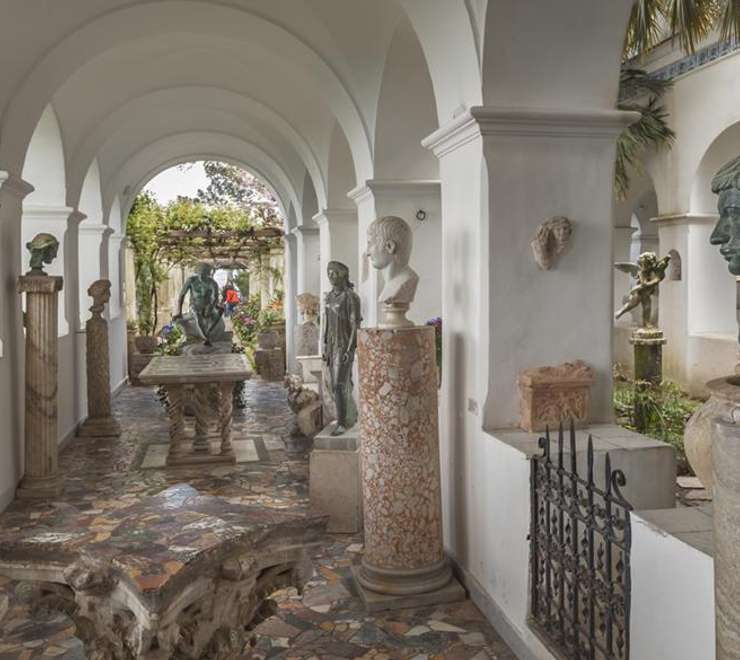
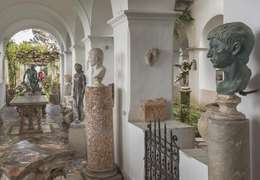
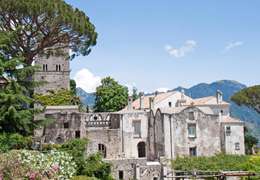
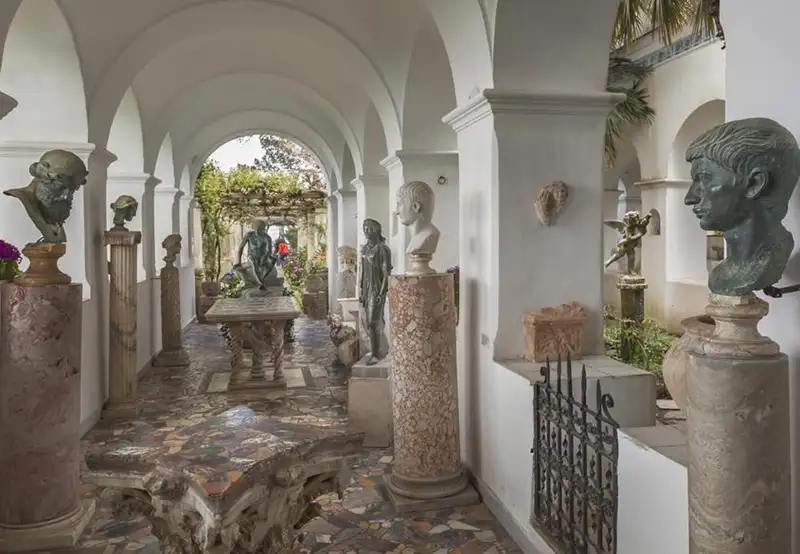
Villa San Michele is located in the municipality of Anacapri, in the north of the island. It owes its name to the ruins of a 10th century chapel dedicated to San Michele. The villa is also home to a majestic statue of a sphinx looking out to sea, which dates back to the reign of Ramses II in the 13th century BC.
Mount Vesuvius
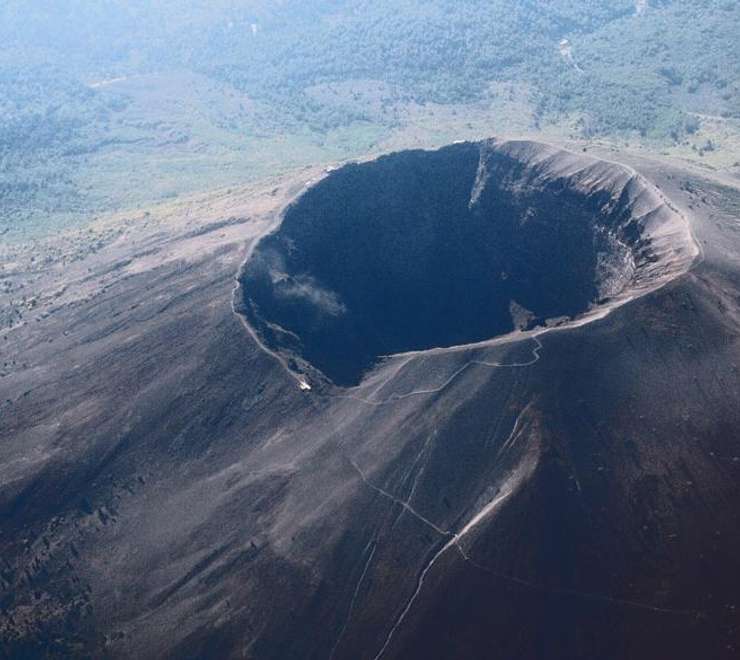
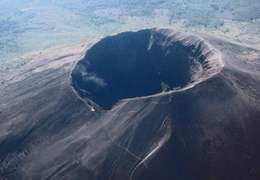
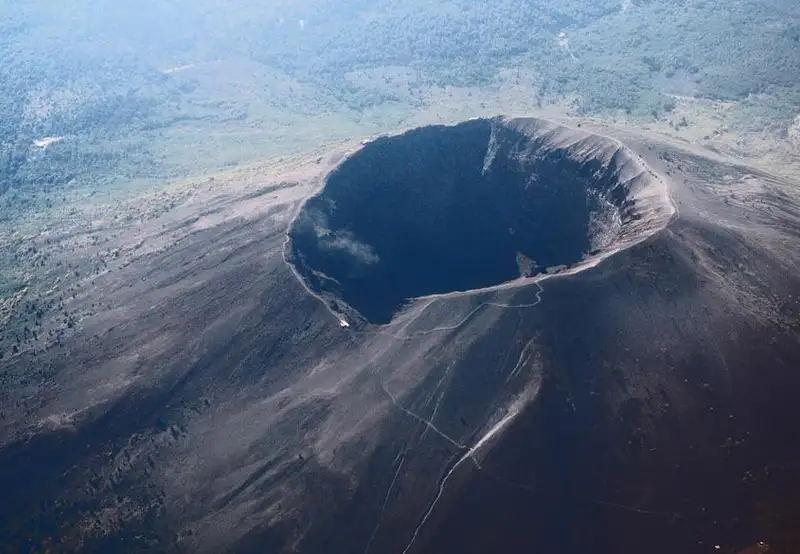
The profile of Naples would not be the same without Mount Vesuvius that dominates the city skyline. Versuvius is known for the violent eruption of AD 79, which became famous for the destruction of Pompeii and Herculaneum, and was witnessed by Pliny the Younger.
Pompeii
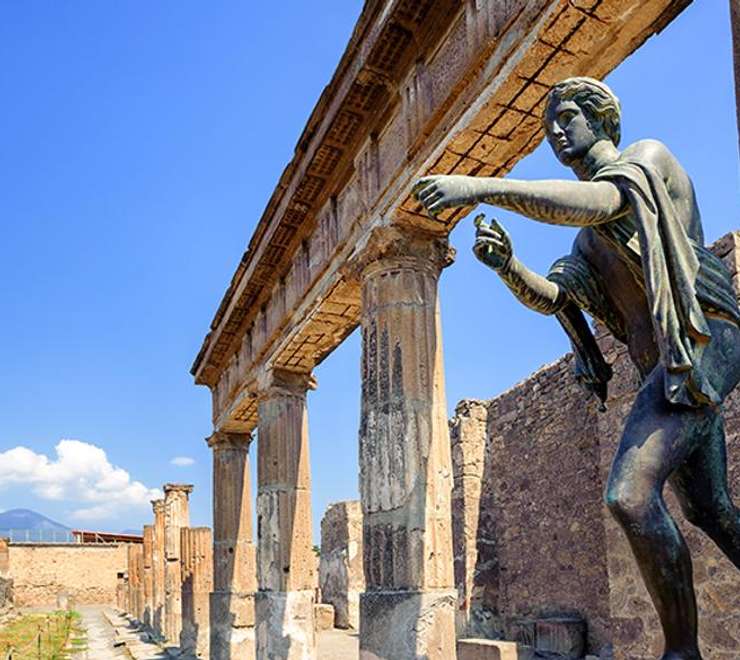
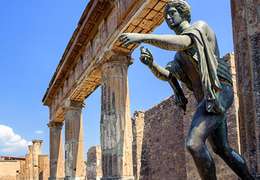
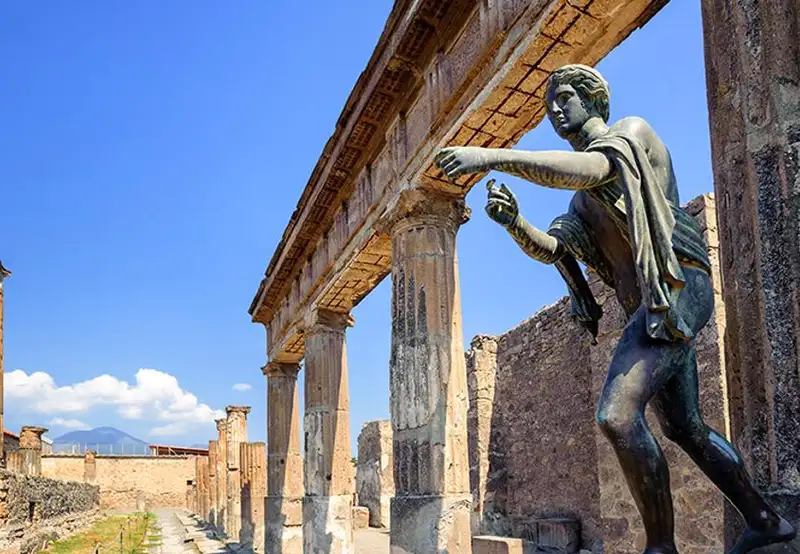
The history of Pompeii begins in the 9th century BC, when the area was inhabited by the Opici people - an ancient Latin population. Today the town is famous because of the eruption of Vesuvius, which occurred in 79 AD, which led to its total destruction.
National Archaeological Museum
The opening of the historic National Archaeological Museum of Naples took place in 1816. Built by Ferdinando I of Borbone, at the time king of the Two Sicilies, it boasts the richest collection of works and archaeological finds with regard to Roman history.
Herculaneum
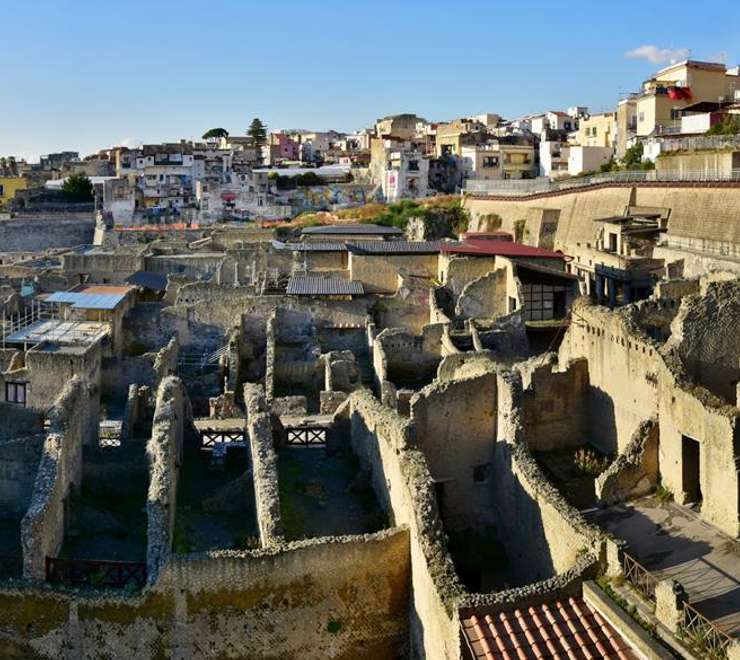
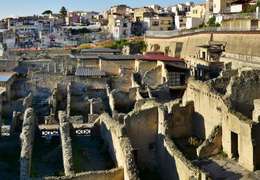
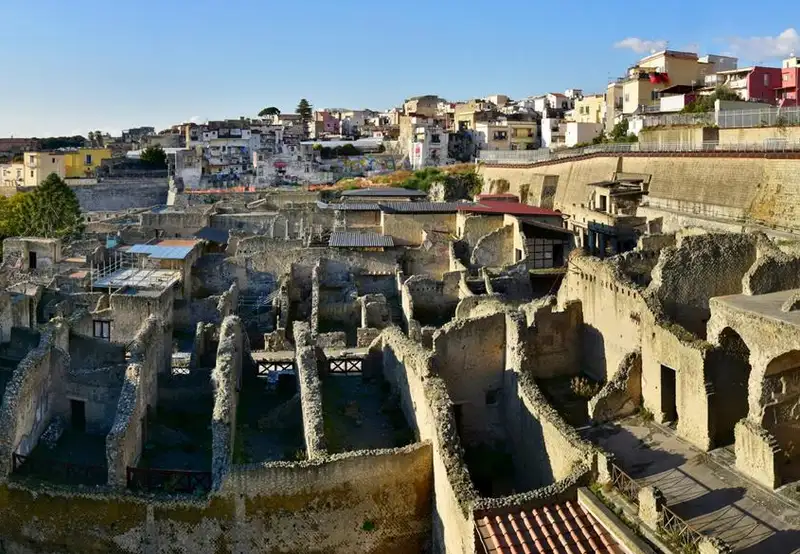
The tremendous eruption of Vesuvius, in 79 AD, not only destroyed Pompeii but also the ancient city of Herculaneum. The archaeological excavations of this city can be visited today and, since 1997, are part of the UNESCO World Heritage List.


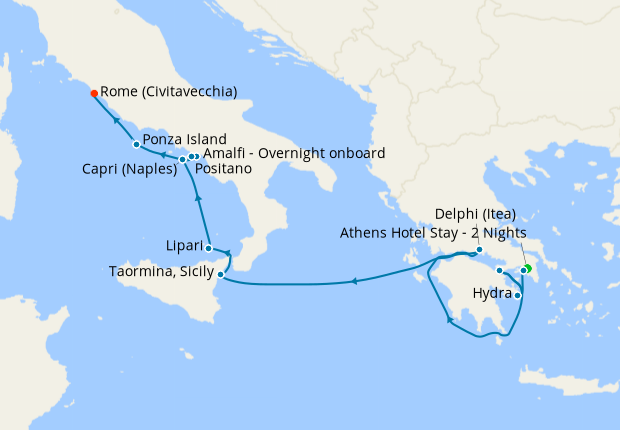


 17 August 2026 · 12 nights
 London Heathrow










 Transfers to Airport

 Flights
 Hotel
Hotel
 Drinks
 Tips
Tips
 Specialty Dining
 Entertainment
 Accommodation
 Port Fees & Taxes






























)