Description
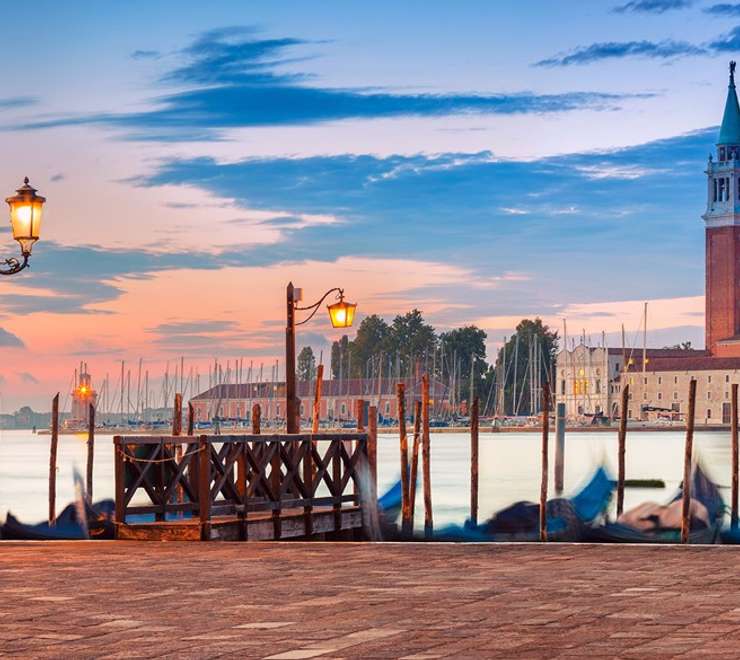
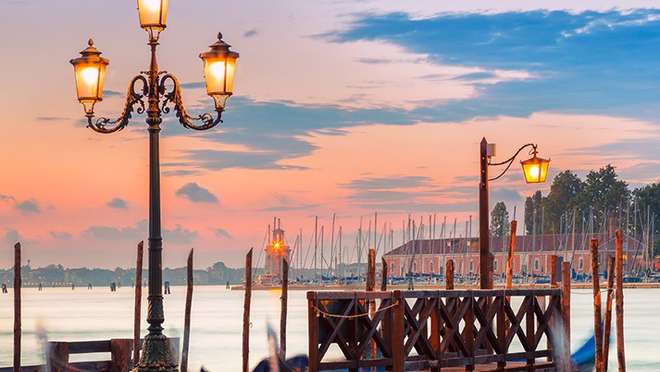
The ‘floating city’ of Venice has romantic connotations all over the world. Known for picturesque canals, colourful buildings, gentle gondola rides, good food, and an ample supply of history, this is one Italian destination that sits on many a bucket list. See magnificent architecture in St Mark’s Square, the fascinating Doge’s Palace, St Mark’s Basilica, and the famous Bridge of Sighs. After soaking in centuries of history, be sure to make time to simply watch the world go by with a world-class cup of coffee and a piece of tiramisu, or indeed an indulgent glass of wine and pasta dish.
Read more
Read less
Things to do
Giudecca Island
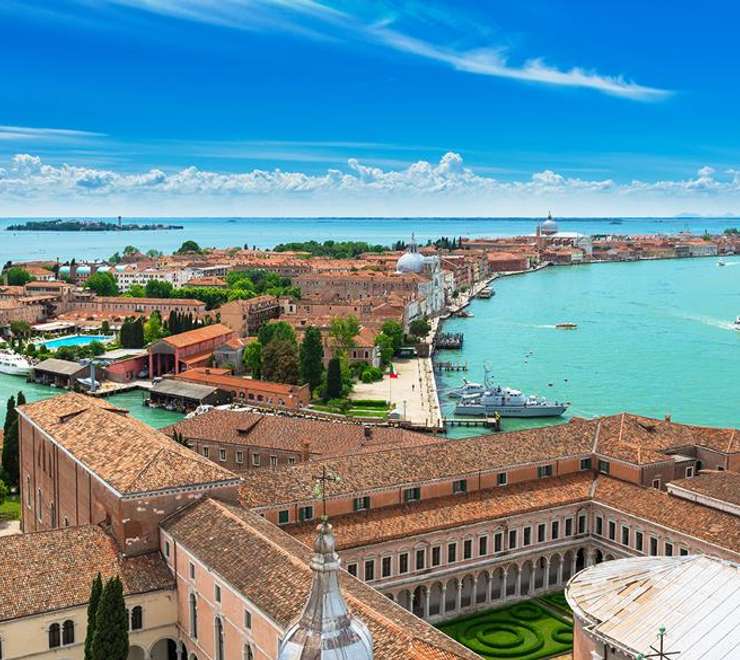
Located in the Venetian lagoon, Giudecca Island is a small, attractive resort offering some lovely cafes, bars, and restaurants as well as pretty architecture. Over the years it has had a varied history, having been the home to some grand palaces and gardens, before becoming a centre of industry in the 20th century, particularly during World War II. One 16th century mansion has been converted into a beautiful luxury villa.
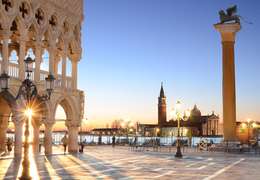
St. Mark's Square
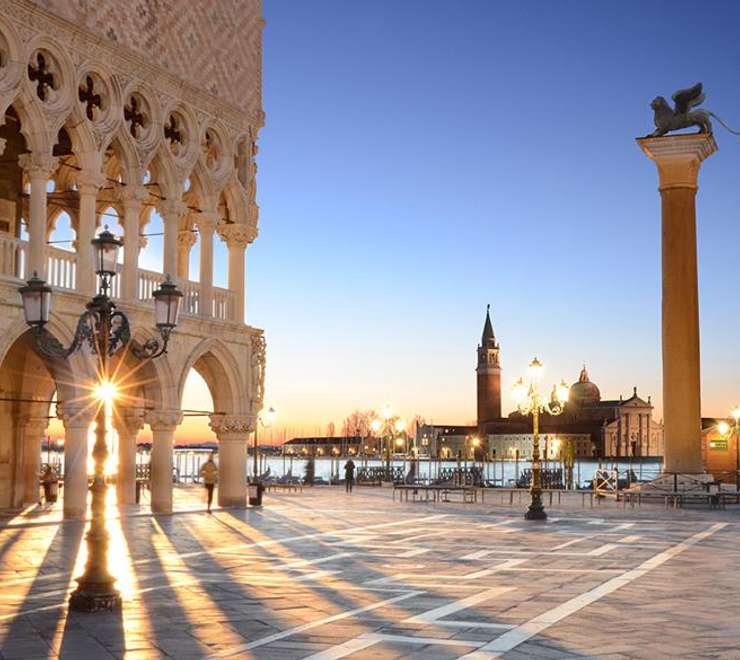
Piazza San Marco – or St Mark’s Square – is the main square in Venice. It is one of the main attractions, and has had a vibrant role in Venetian history, having been a centre of politics, commerce, and religion over the years. Today it is one of Venice’s main attractions, being surrounded by beautiful architecture on all sides – including the magnificent Basilica di San Marco.
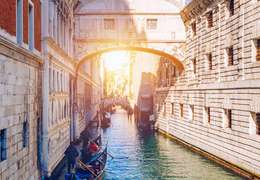
Bridge of Sighs
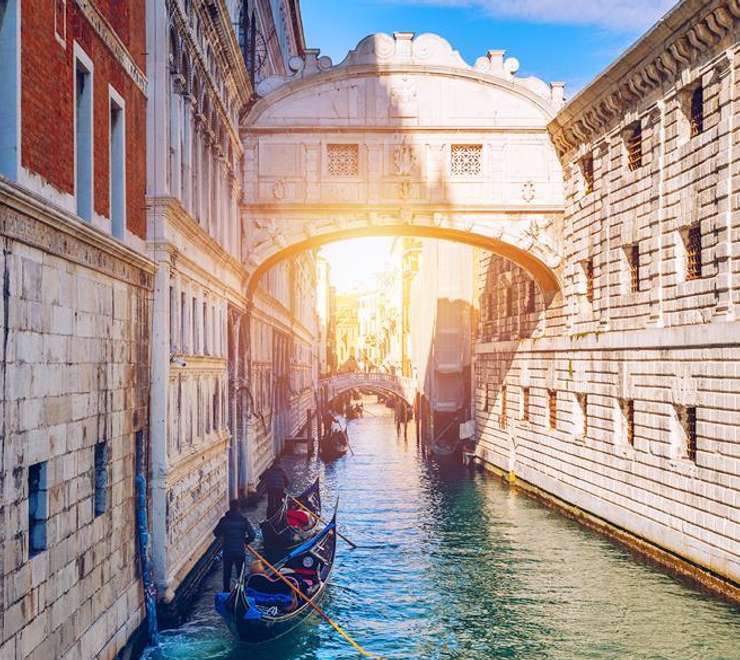
This well-known, historic piece of architecture joins Venice’s prisons to Doge’s Palace – or more accurately, the interrogation rooms in the palace. Legend says that when prisoners of the 17th century crossed the bridge into the prison, they sighed at their last view of Venice – hence the name. Today the bridge also has romantic significance, with local lore saying that lovers who kiss beneath the bridge in a gondola will have a love that lasts forever.
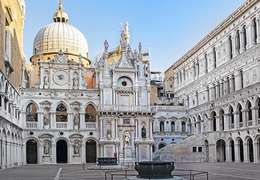
Doge's Palace
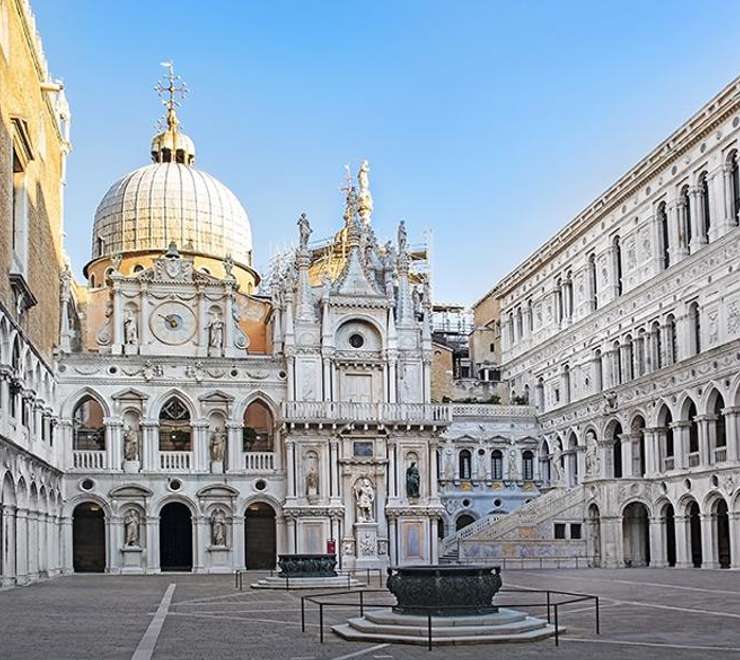
From the late 7th century until the late 18th, Venice had a system of doges, who acted as elected leaders of the region. Doge’s Palace – now known as Palazzo Ducale – was built in the 14th century as a residence for the doge, and for other political bodies. It was a venue used for debates, a court of law, grand events such as balls, and even had prison cells on the ground floor. The beautiful palace is located in Piazza San Marco, and was opened to visitors in 1923.
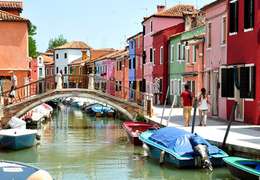
Island of Burano
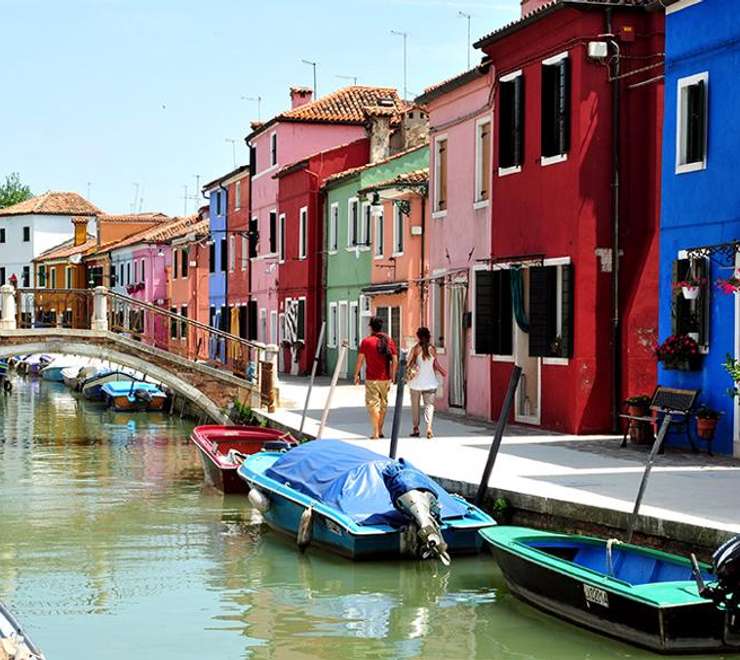
Within Venice’s lagoon is the picturesque island of Burano, well known for its colourful buildings and pretty canals. First inhabited in the 6th century, Burano has long been a small fishing community, which rose in prominence with the production of lace in the 16th century – a tradition it is still known for today. Burano is a gorgeous spot to wander around, enjoy a gelato, and browse the fabulous range of intricate lace work which is available to purchase in varying forms.


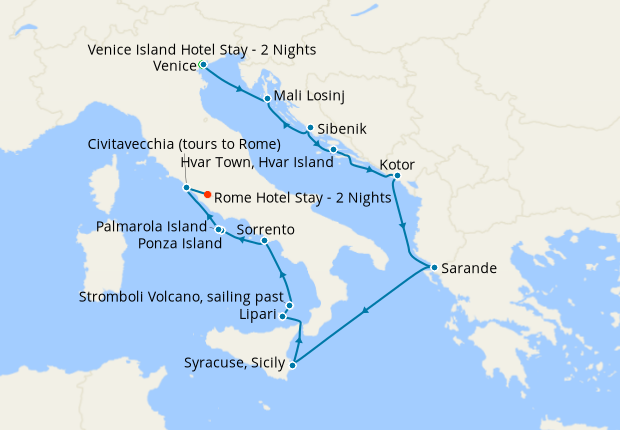


 24 June 2027 (15 nights)
 London Airports
  2 Adults Change

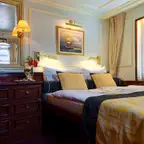



 Transfers from Airport to Hotel











 Flights
 Hotel
Hotel
 Entertainment
 Meals
Meals
 Accommodation
 Port Fees & Taxes