Description
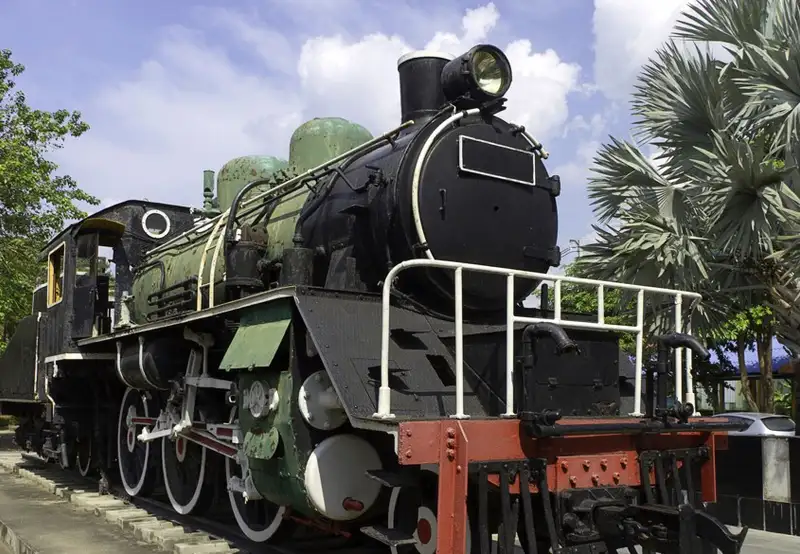
You may know of the award-winning 1957 film starring Alec Guinness and William Holden – or the French novel of the same name by Pierre Boulle – but what’s the real story behind the ‘Bridge Over the River Kwai’ and the construction of the ‘Death Railway’? Well, this informative half-day tour will reveal all, giving you the chance to learn more about this infamous event during the Second World War while soaking up the stunning scenery of the Khwae Yai River. Starting with a walk across the Khwae Yai River Bridge, which is now synonymous with the ‘Bridge Over the River Kwai’ itself, you’ll head further into Kanchanaburi to the Thailand-Burma Railway Centre. A unique museum and research centre run and funded by Australian expert Rod Beattie, which also happens to be housed in a surviving headquarters of the Imperial Japanese Army, your time here will give you the chance to learn more about the construction of the Thai-Burma Railway Line and what life would have been like for those forced to build it throughout the Second World War. Following on from this, you’ll then visit the Kanchanaburi War Cemetery, home to the graves of almost 7,000 Allied prisoners of war. A sombre sight, this is the perfect place to take some time to reflect on what you’ve seen before you’re transferred back to your hotel.
Read more
Read less
Things to do
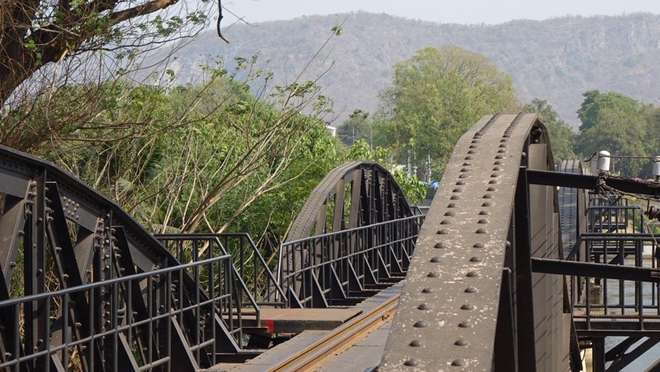
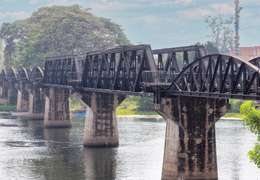
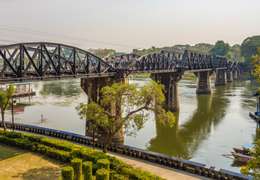
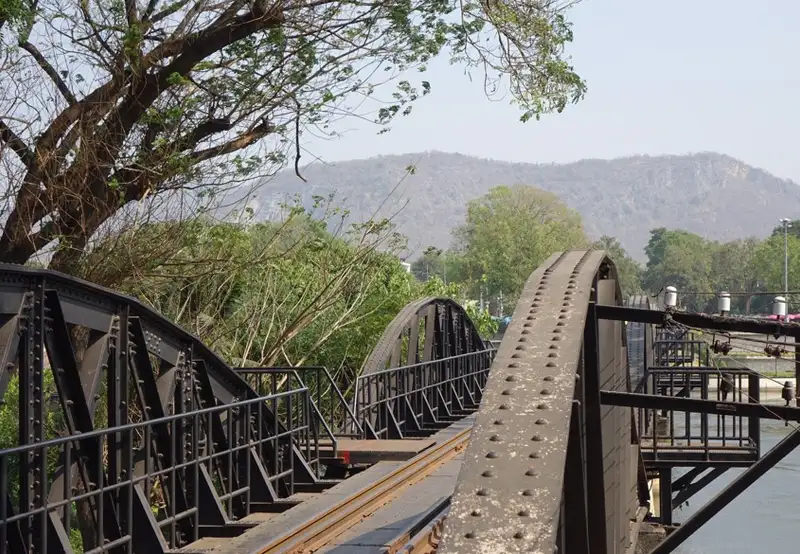
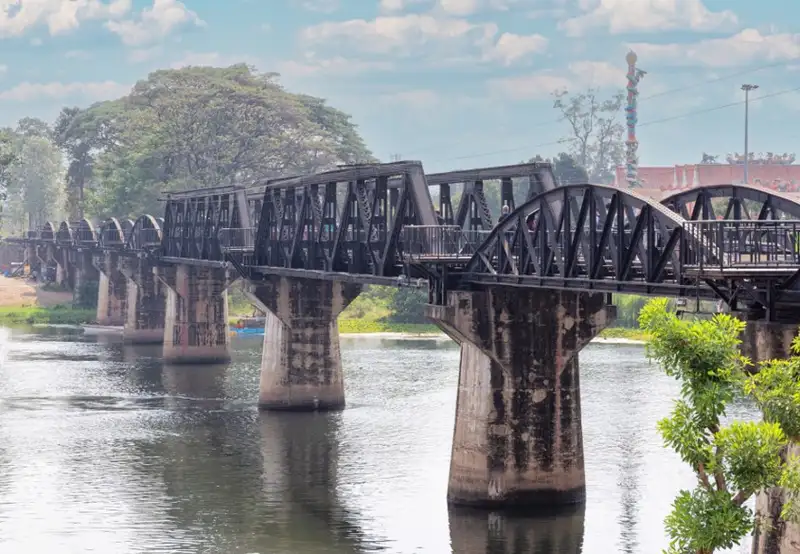
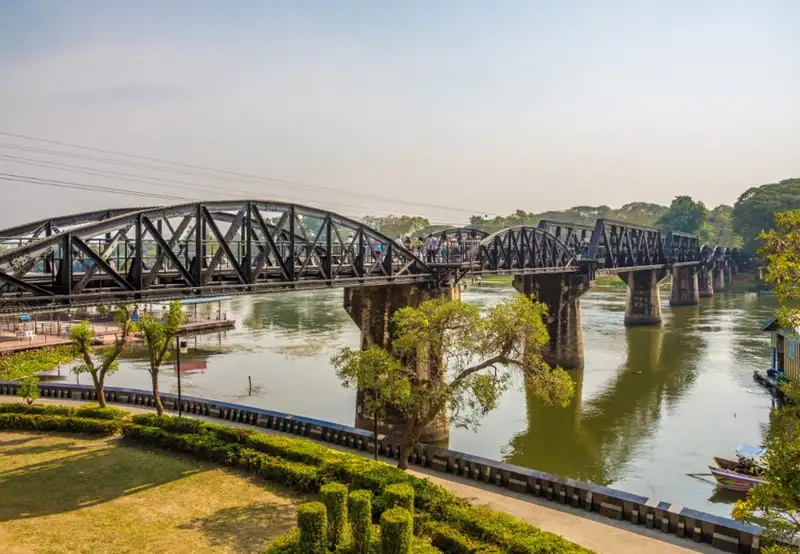
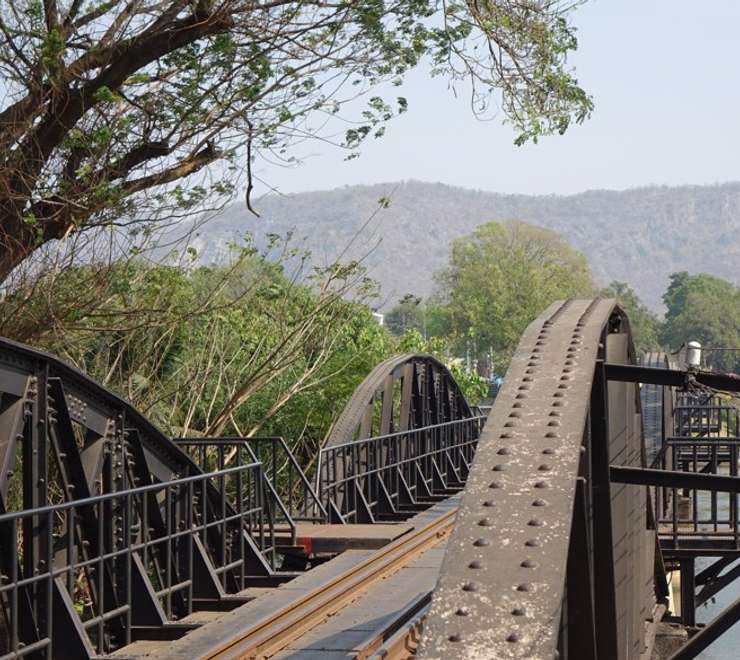
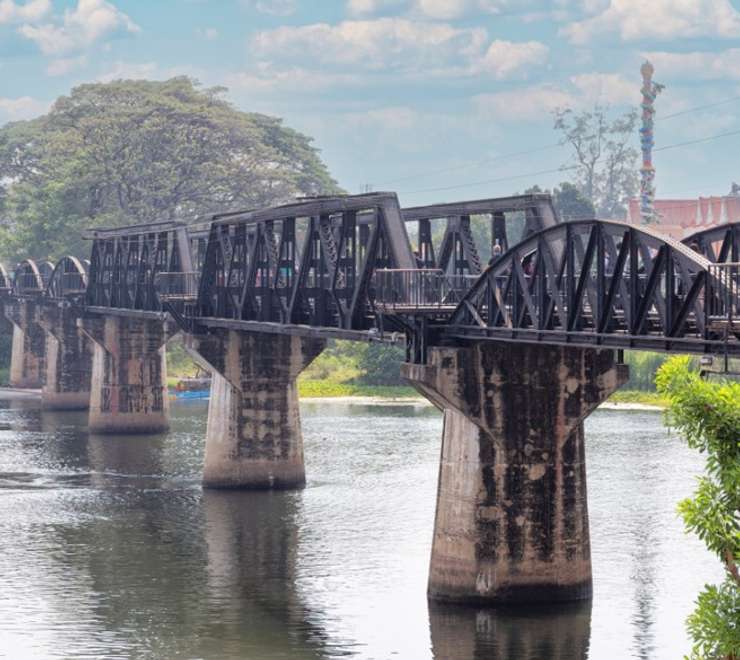
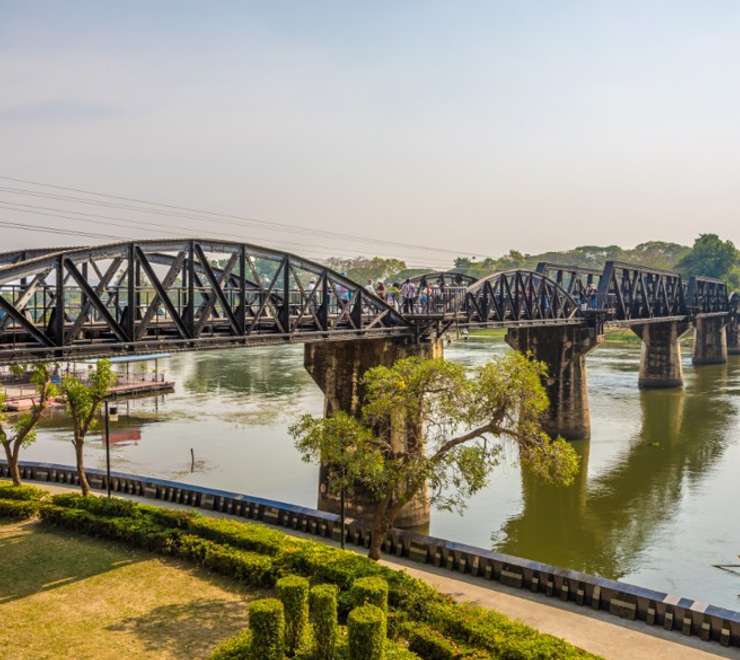
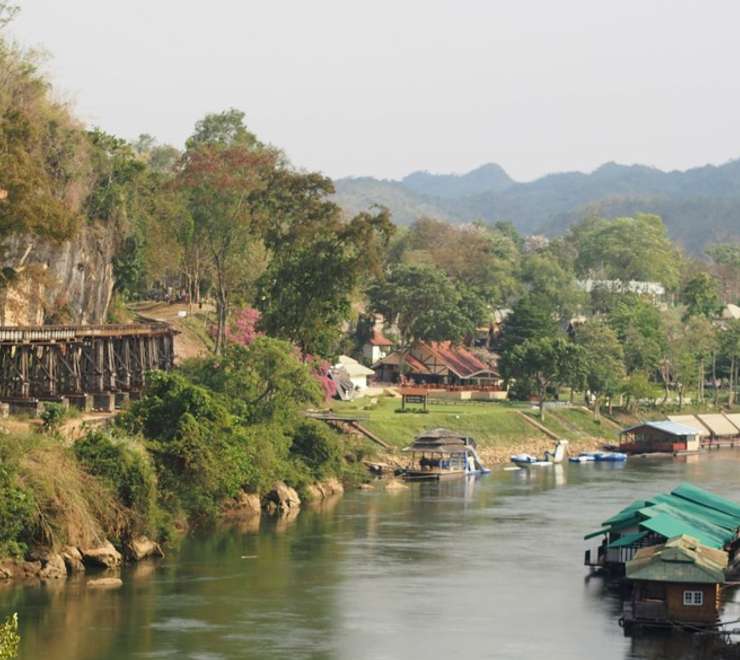
Khwae Yai River Bridge
An important bridge on the Thai-Burma Railway Line, which today connects Ban Pong, Thailand, with Thanbyuzayat, Myanmar, this bridge was built from 1940 to 1943. It and the railway line were constructed by abducted civilians and captured Allied soldiers to supply the Japanese invasion of Burma during the Second World War.
Site of the Original ‘Bridge Over the River Kwai’
Interestingly, the original ‘Bridge Over the River Kwai’ was actually built roughly 100 metres upriver from the Khwae Yai River Bridge, having been rebuilt in 1945 after the original crossing was bombed and destroyed; up until the 1960s, the bridge itself was technically built over the Maeklong River – though, this section of the river was renamed to Khwae Yai to factually reinforce the fictional association with the name ‘River Kwai’.
Thailand-Burma Railway Centre
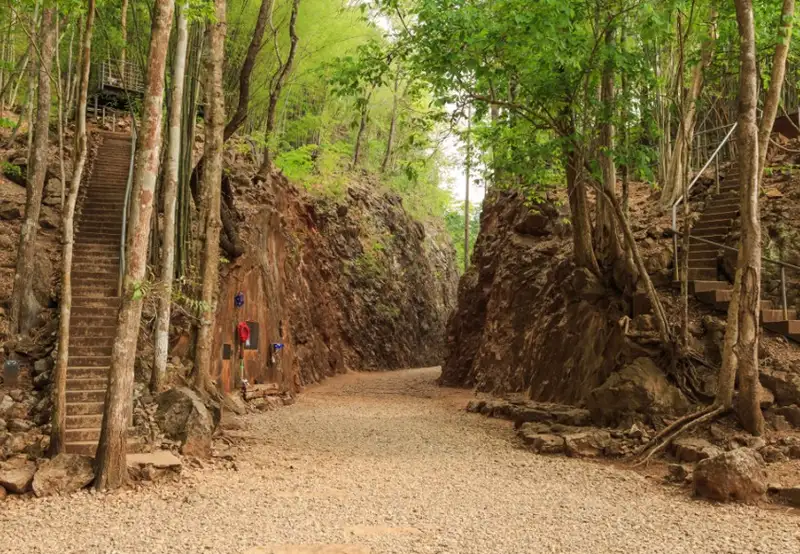
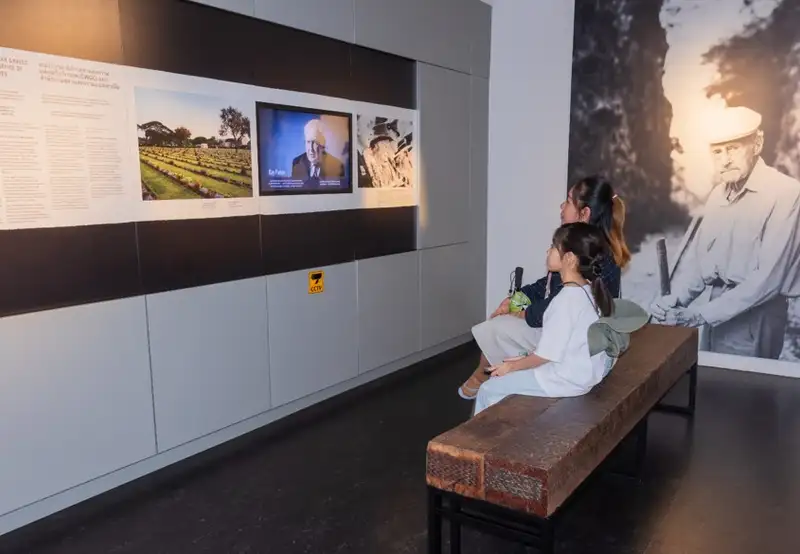
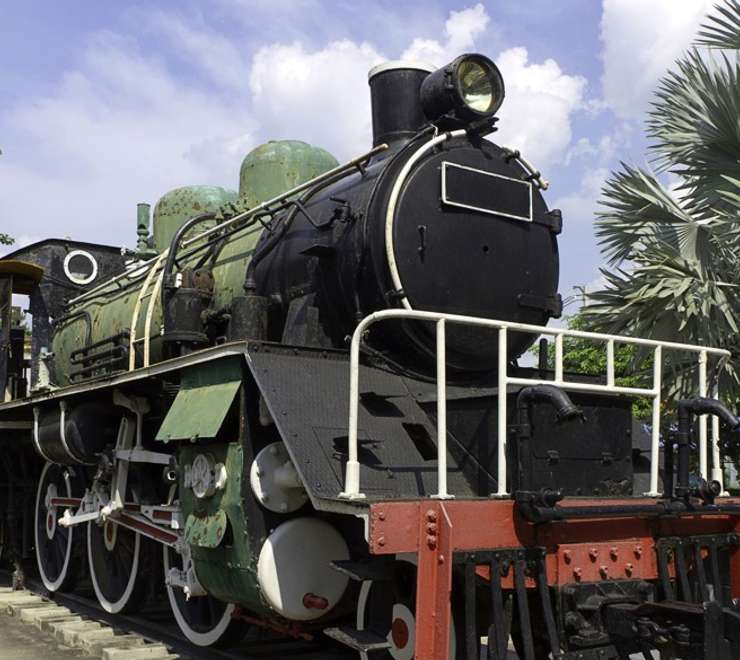
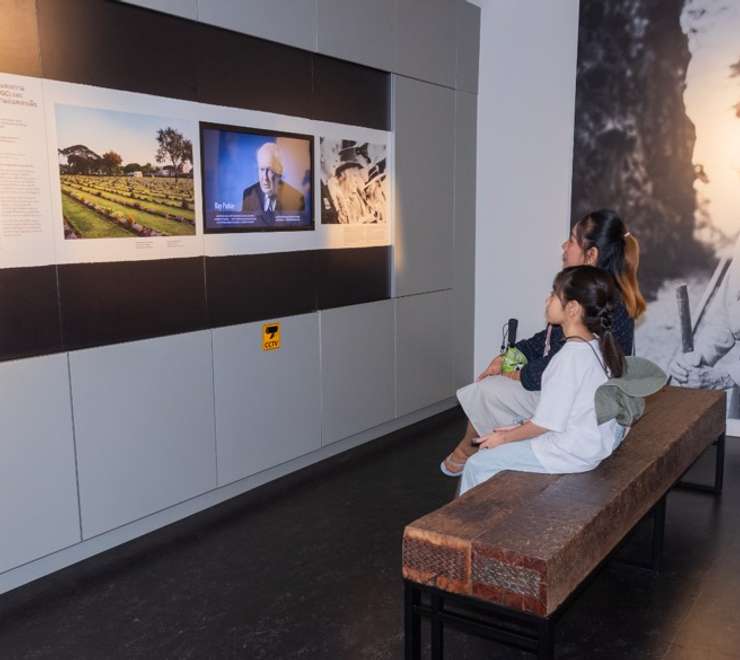
Housed in the former headquarters of the Imperial Japanese Army, this museum and research centre is home to nine intriguing exhibitions – which include a mock-up of a wooden bridge built using the same techniques that would have been by the Allied prisoners of war and abducted civilians, and a mock-up of a boxcar used to transport these forced labourers – which document the history and context surrounding the construction of the Thai-Burma Railway Line, also known as ‘Death Railway’.
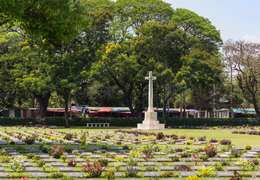
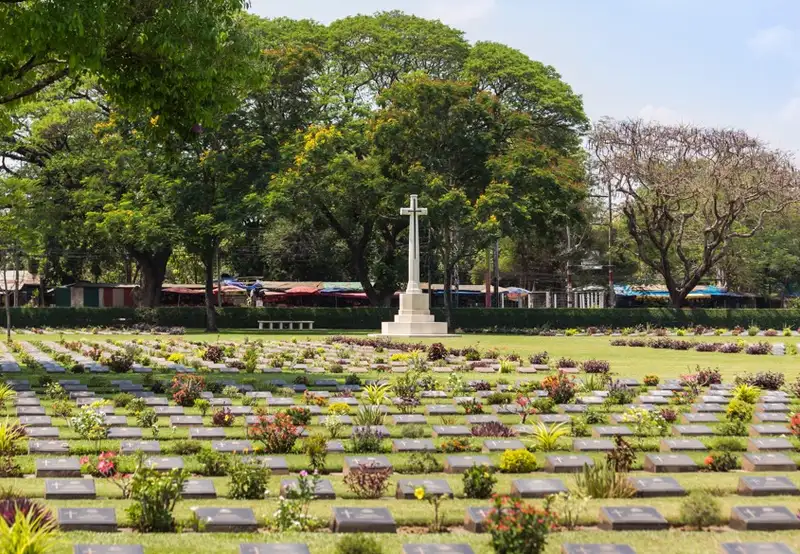
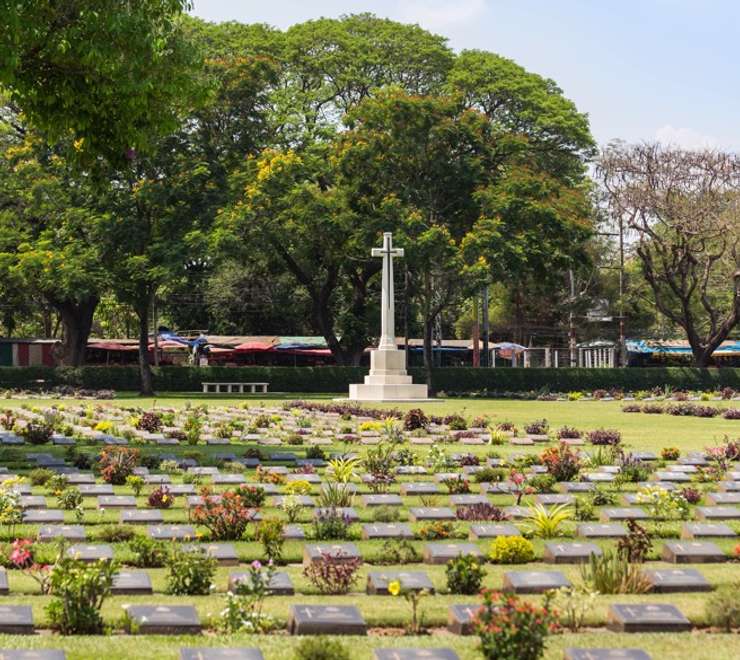
Kanchanaburi War Cemetery
Also known locally as the Don-Rak War Cemetery, this is a cemetery for the Allied prisoners of war who were captured and forced to work on the construction of the Thai-Burma Railway Line throughout the Second World War; the cemetery itself contains almost 7,000 graves of British, Australian, and Dutch prisoners of war – almost all of which have been identified.


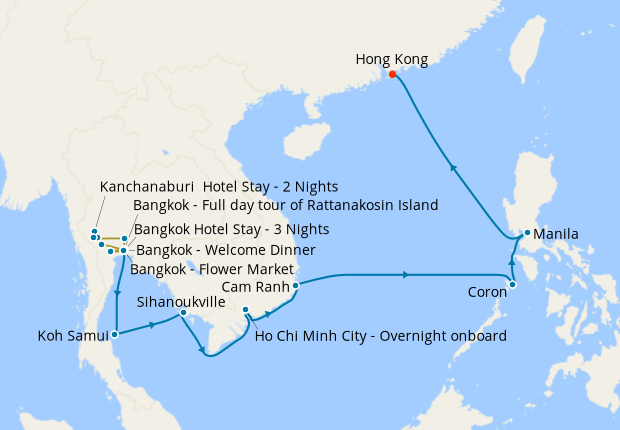


 31 January 2028 · 20 nights
 London Airports
  Based on 2 adults sharing






















 Transfers from Port to Airport





















































 Included
 Not Included
















































 Staff
Staff


