^The FREE F&M Hamper is one per booking (up to the value of £145 per booking) to be send out within 60 days of booking. Applicable to new river cruise bookings only sailings with a minimum spend of £2,499pp
All offers and prices are subject to change and availability at time of enquiry. Prices are based on two passengers sharing unless otherwise stated and are subject to the Tour Operator's terms and conditions. Cabin and Flight supplements may apply. Other supplements may apply in addition to the price shown above. Flight details, timings and routing may be subject to alteration. Other tour operator charges may also apply. Any Onboard Spending money or drinks package value shown will be per cabin, again based on two sharing.
Talk to a Cruise Expert
Our cruise experts will help you pick the perfect cruise line, ship and destination.
We can tailor any package to suit your holiday needs: Add or extend hotel stays, arrange flights and find the best cabin location for you.
Traditionally-Baked Pretzels and Authentic Cuisine
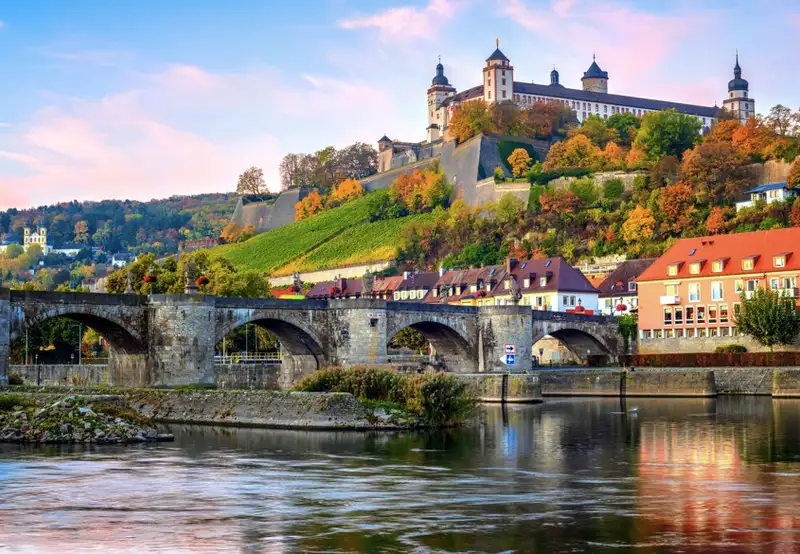
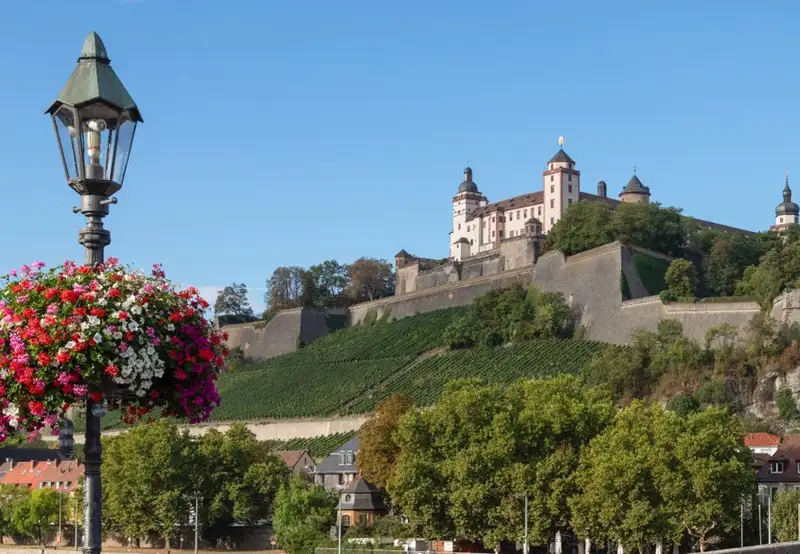
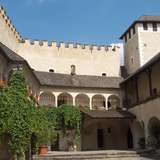
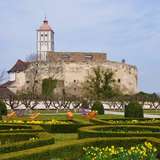
Marienberg Fortress
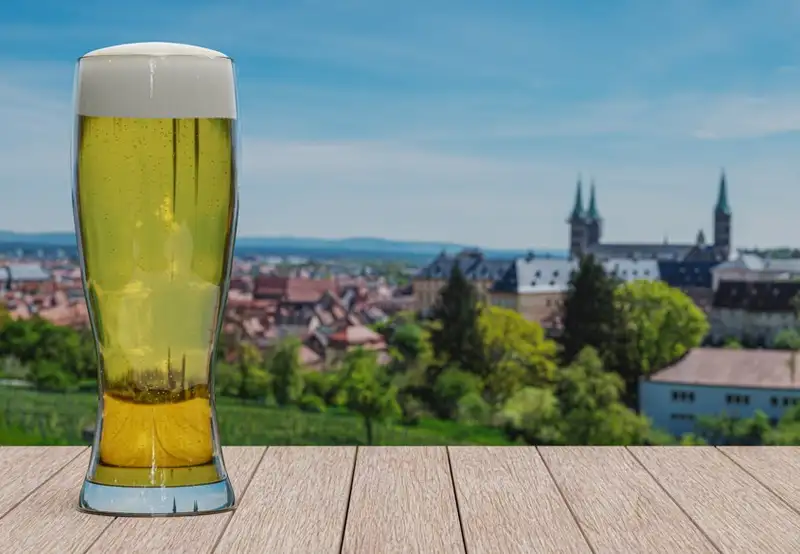
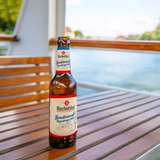
Beer Tasting and Brewery Tours
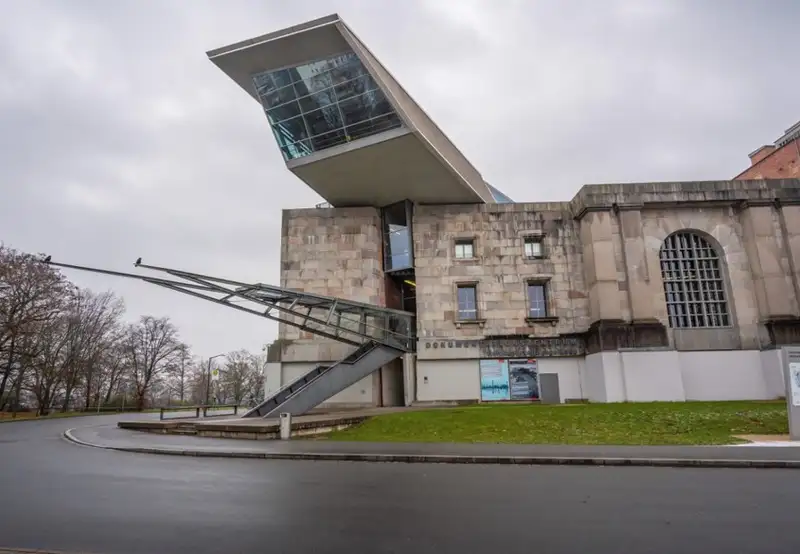
Documentation Center Nazi Party Rally Grounds
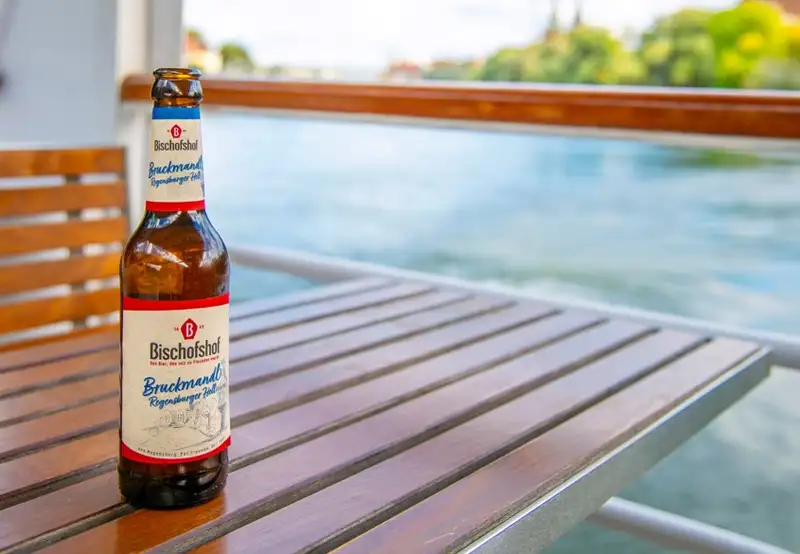
Beer Tasting and Brewery Tours
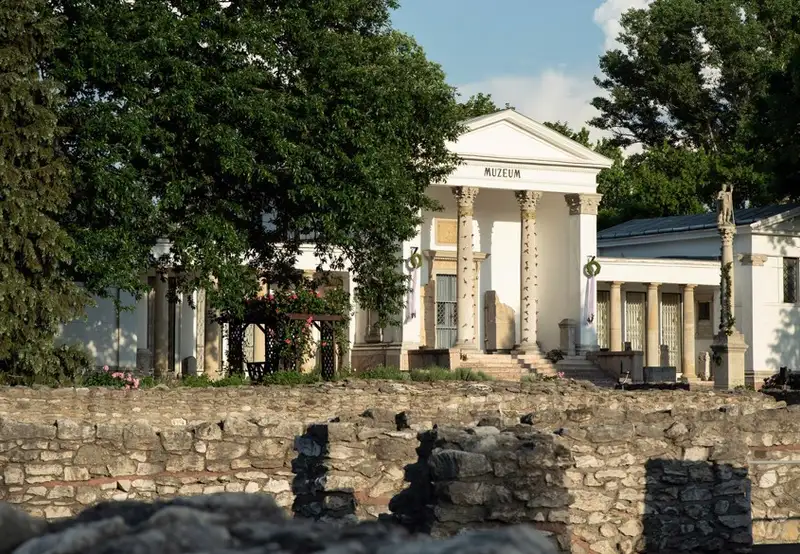
Roman Museum Kastell Boiotro
Teisenhoferhof Wachaumuseum
Walking and Hiking
Schallaburg Castle
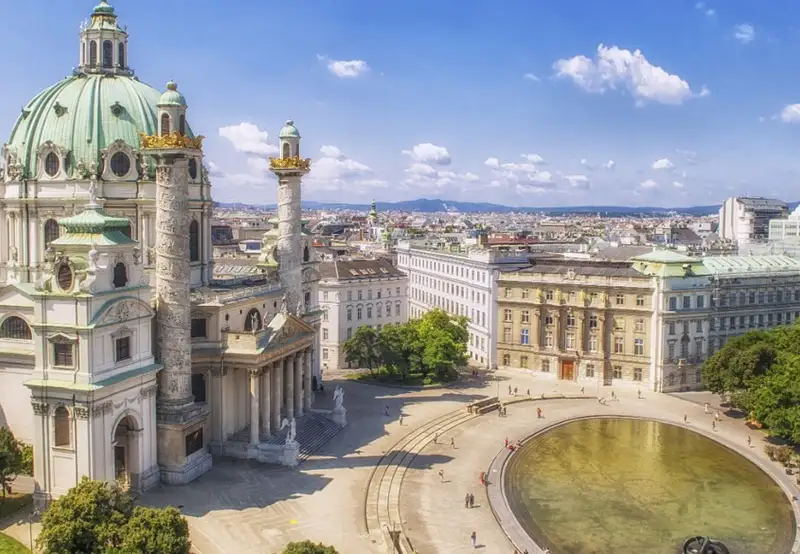
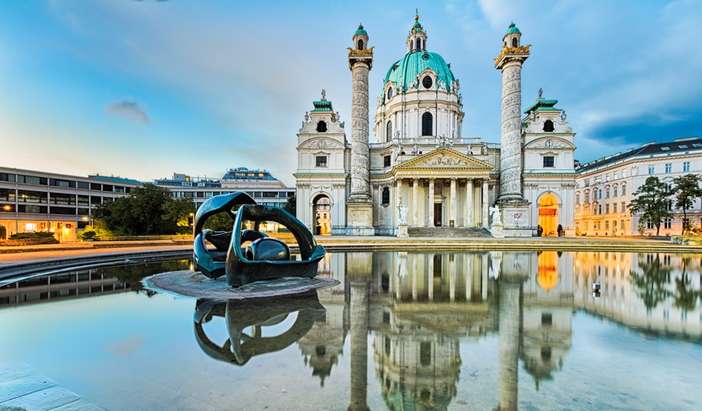
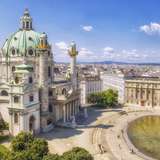
Karlskirche
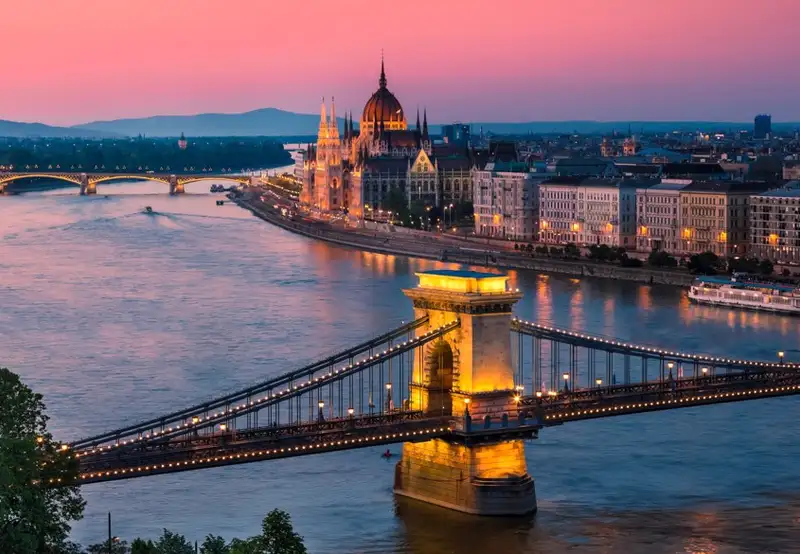
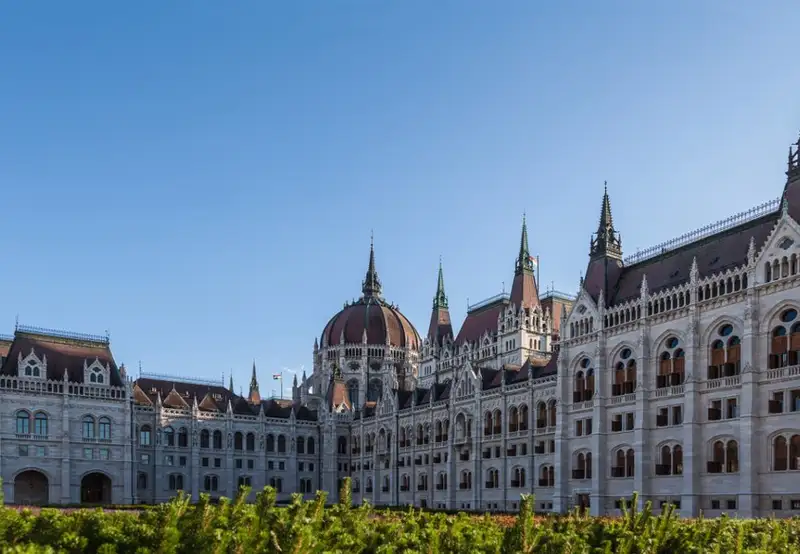
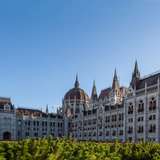
Hungarian Parliament Building
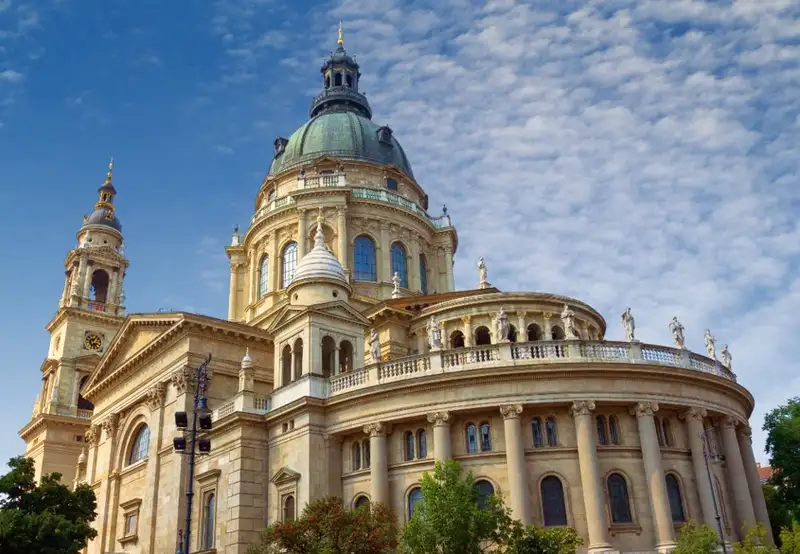
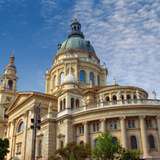
St. Stephen’s Basilica
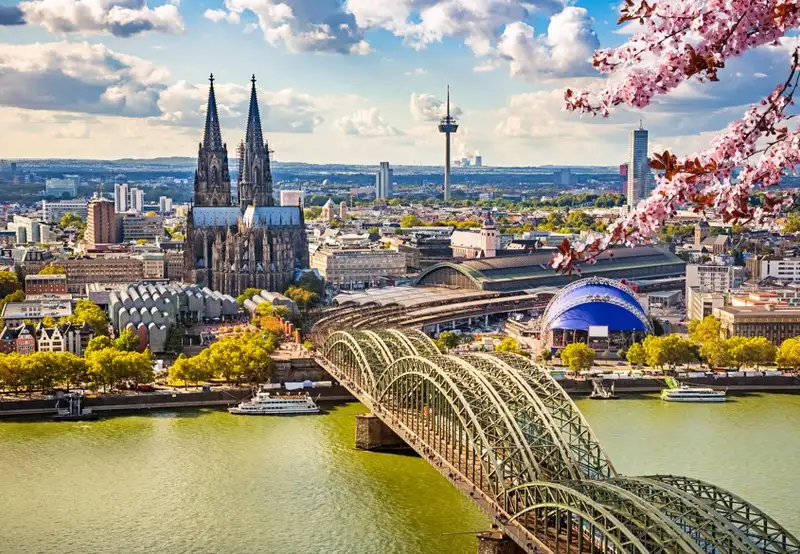
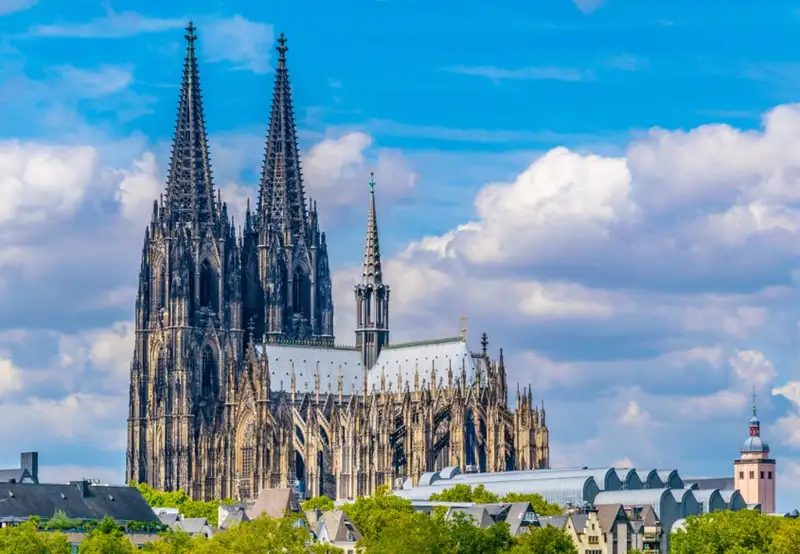
Cologne Cathedral
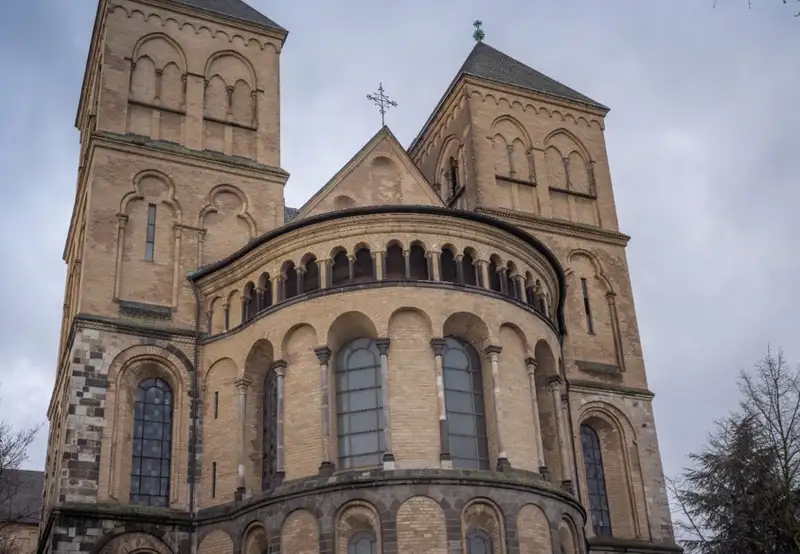
Basilica of St. Cunibert
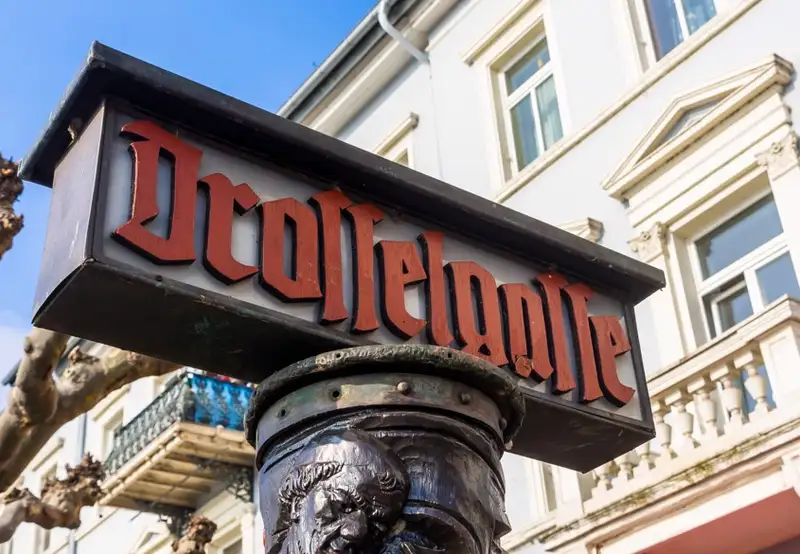
Drosselgasse
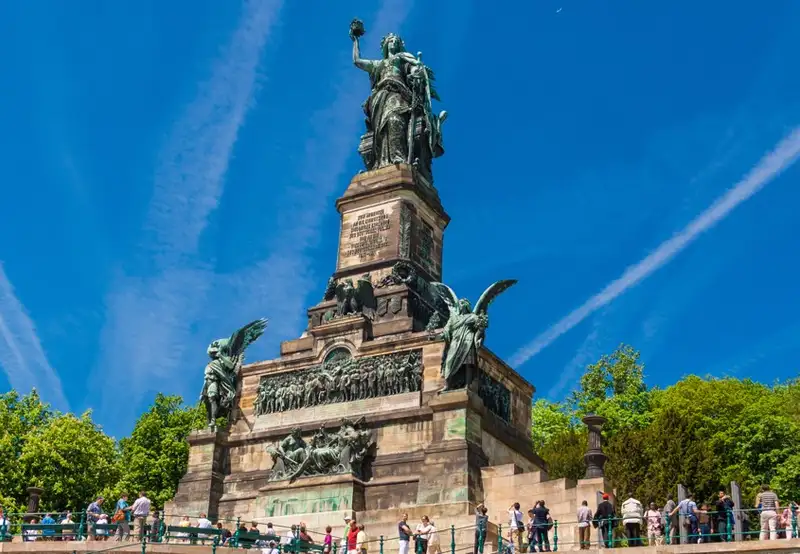
Niederwald Monument
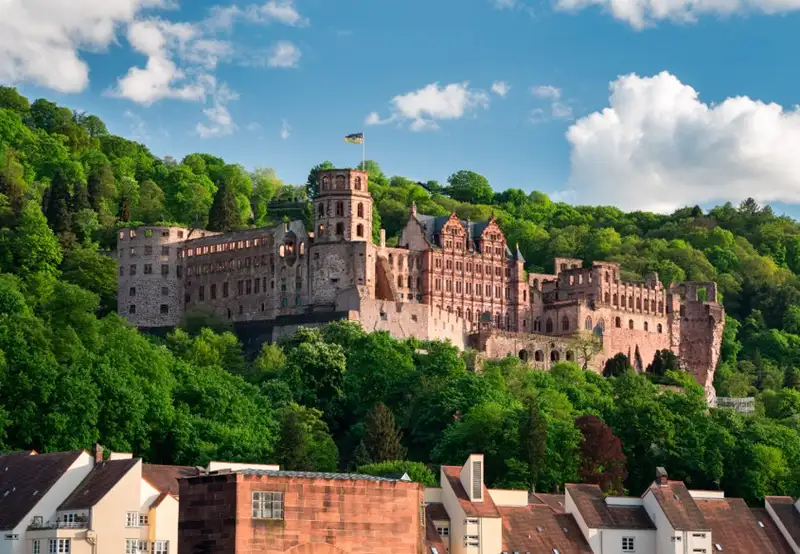
Heidelberg Castle
Studentenkarzer
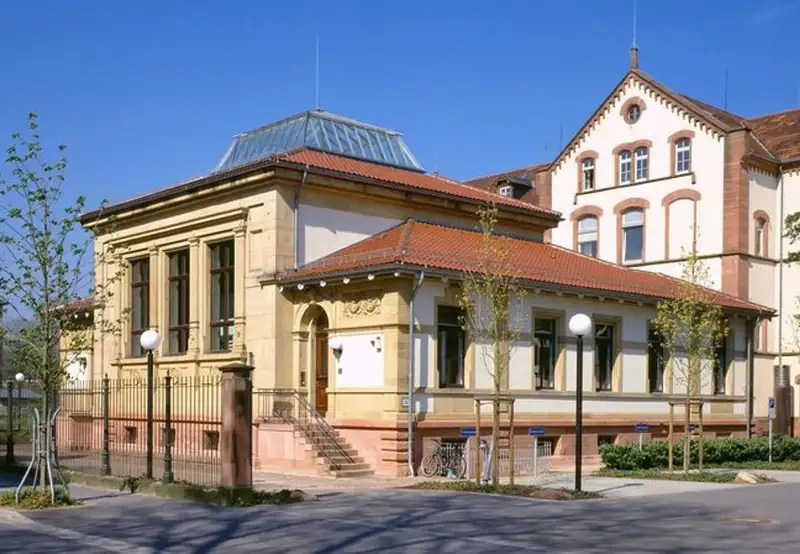
Glasmuseum Wertheim
Wertheim Castle
Würzburg Residence
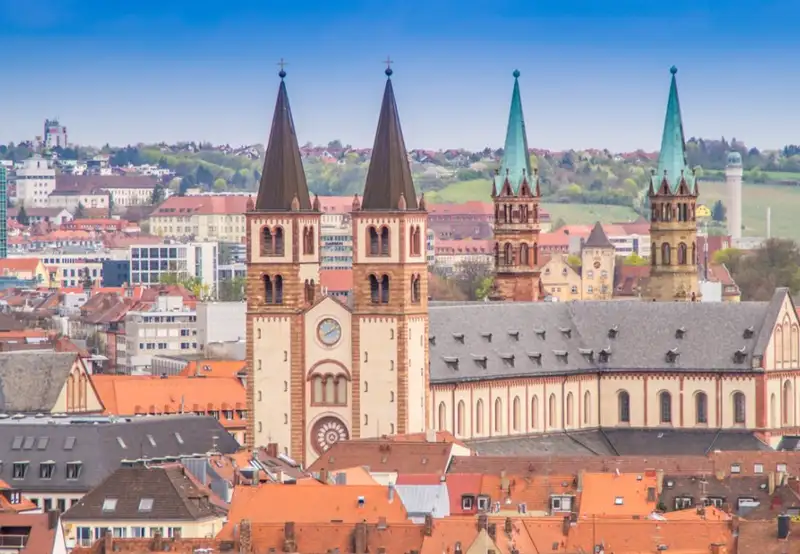
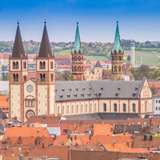
Würzburg Cathedral
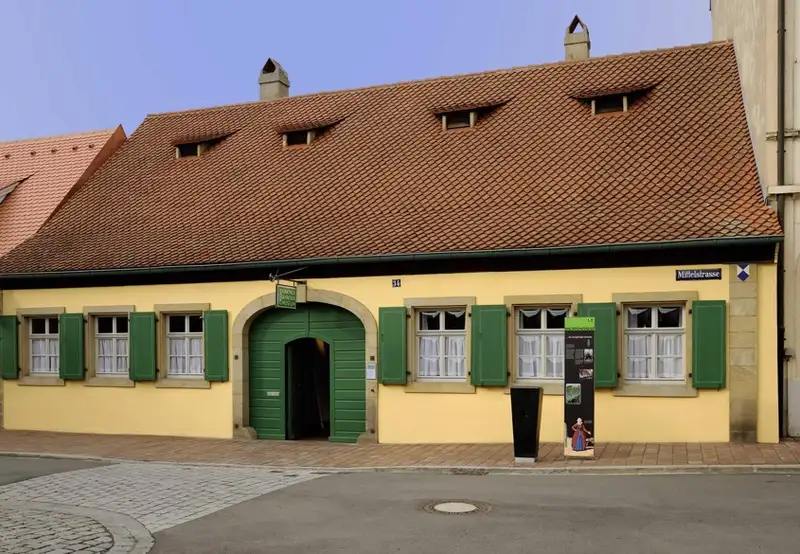
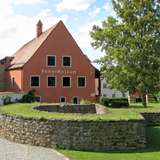
Gärtner und Häckermuseum (The Gardener and Häcker Museum)
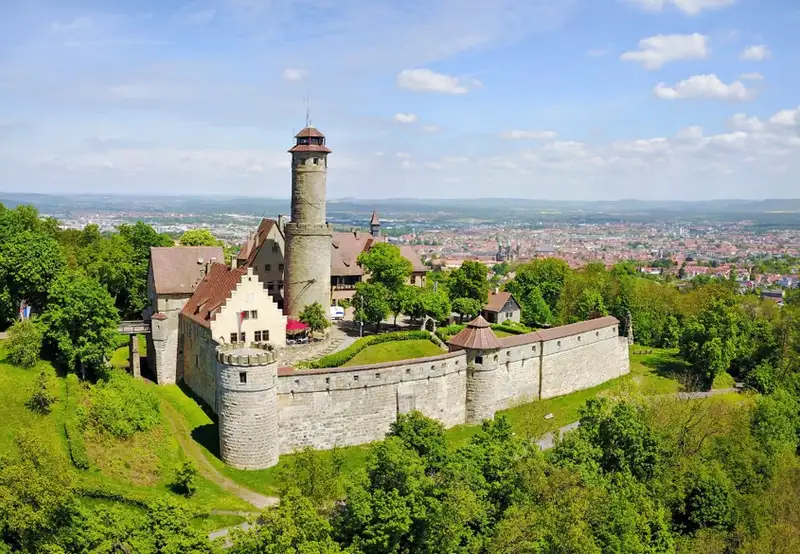
Altenburg (Bamberg Castle)
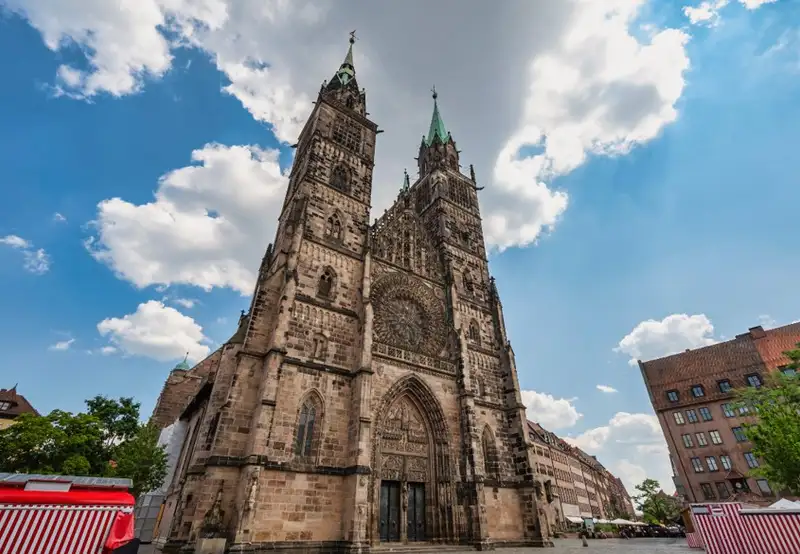
St. Lorenz
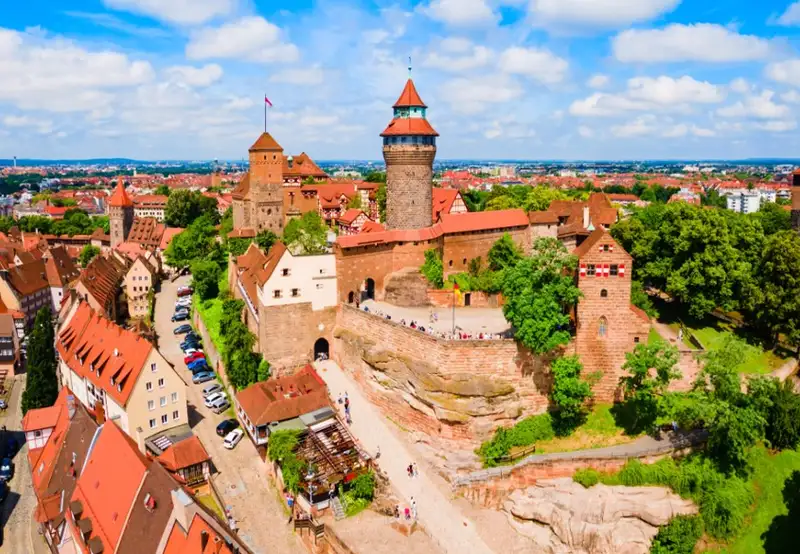
Imperial Castle of Nuremberg
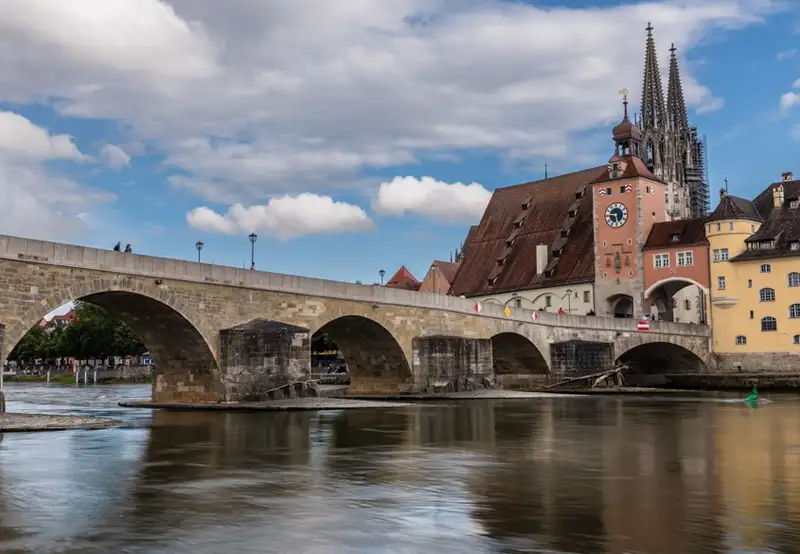
Regensburg Stone Bridge
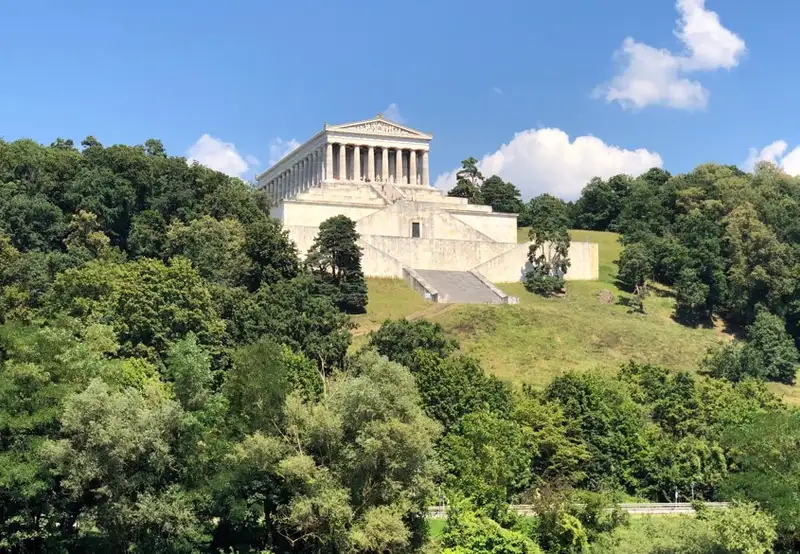
Walhalla
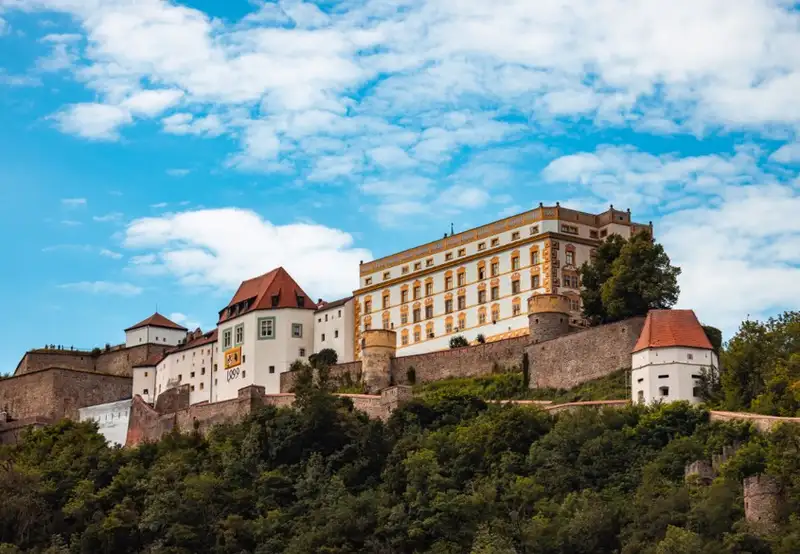
Veste Oberhaus
St. Stephen’s Cathedral
Dürnstein Castle
Domäne Wachau Winery
Melk Abbey
Schloss Albrechtsberg (Albrechtsberg Castle)
Vienna State Opera
Schönbrunn Palace
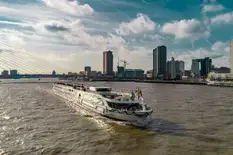
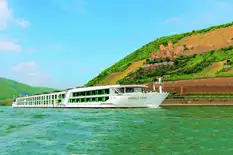
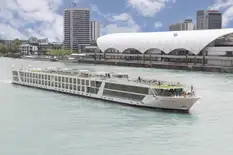
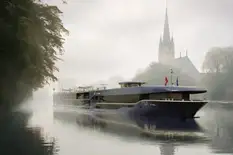
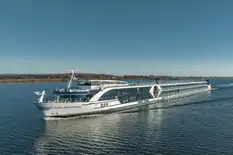
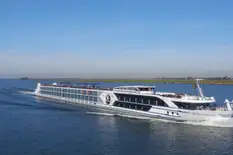
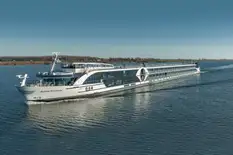
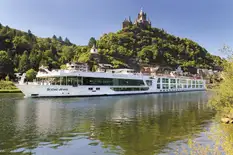
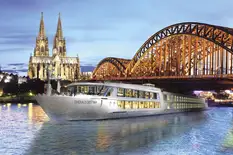
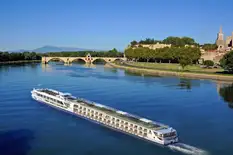
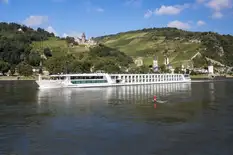
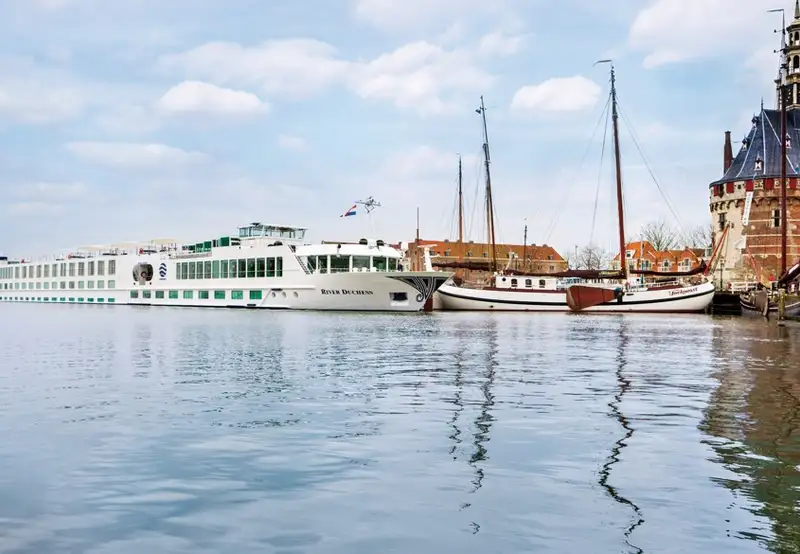
River Duchess
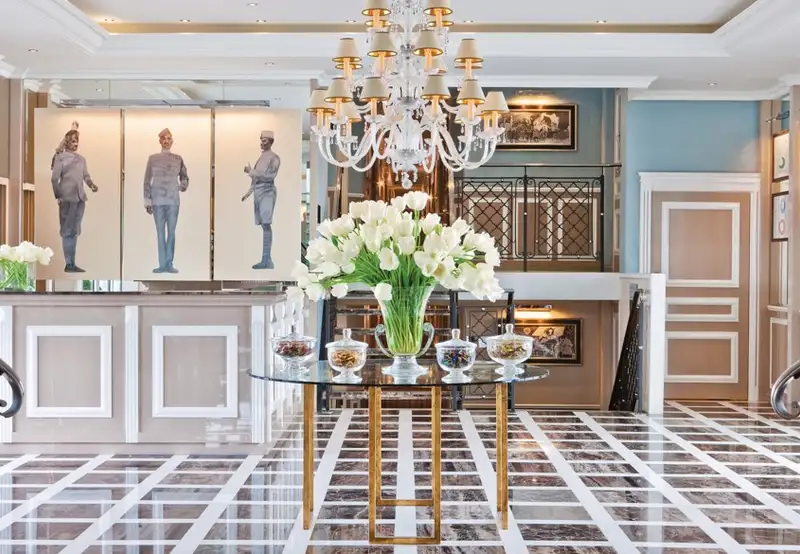
Lobby / Reception
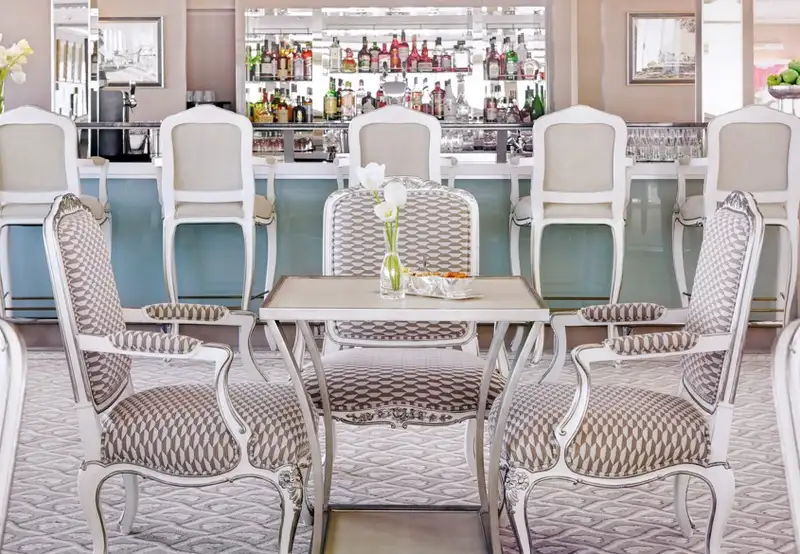
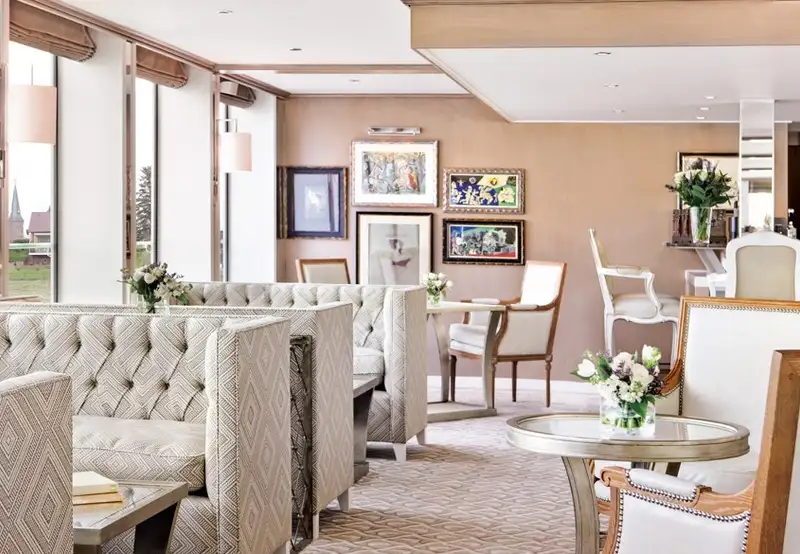
Blue Danube Lounge and Bar
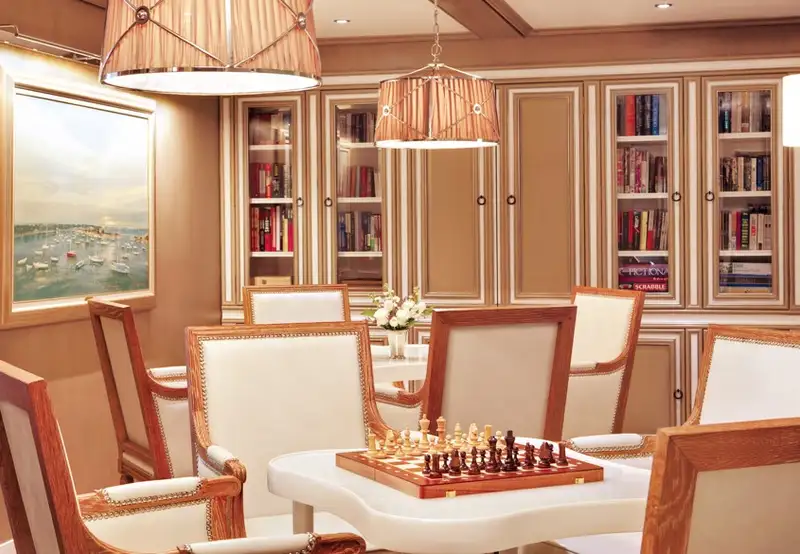
Captain's Lounge and Library
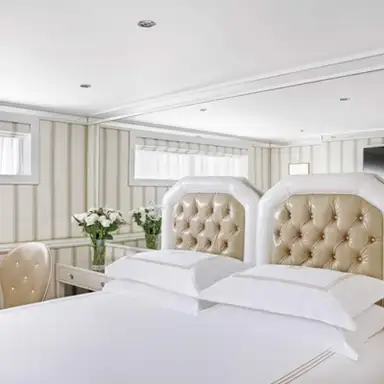
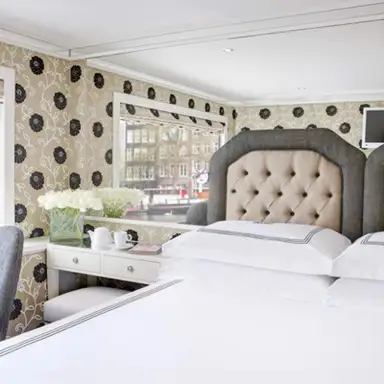
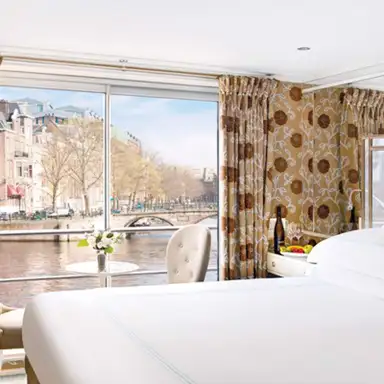
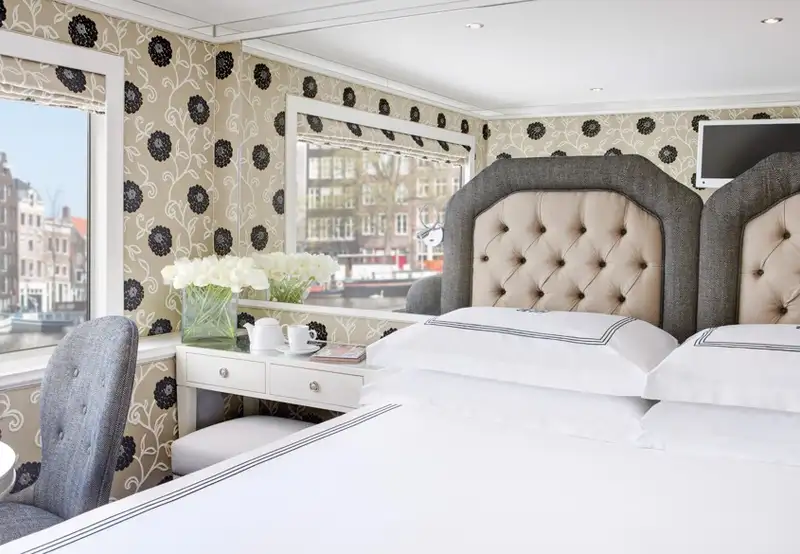
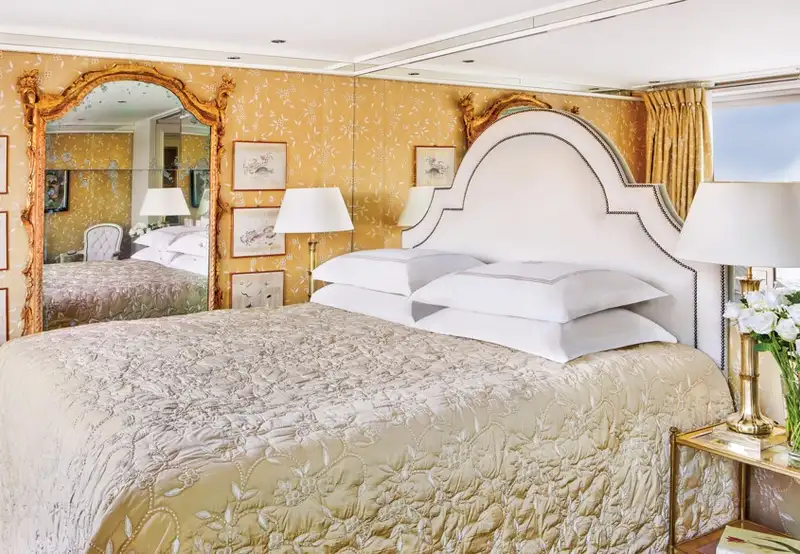
Deluxe Stateroom
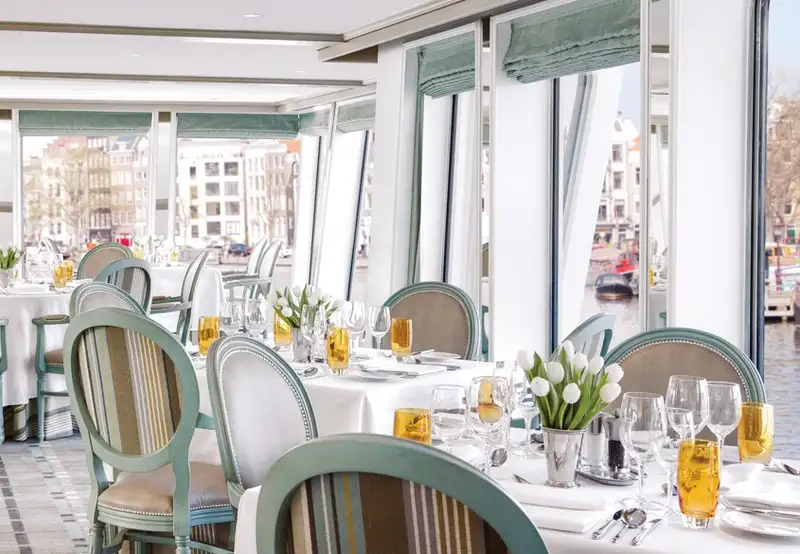
Palace Restaurant
Blue Danube Lounge and Bar
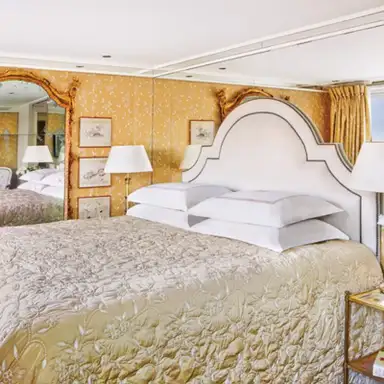
Suite
Suite Bathroom
Flight departs
DAY 1
Time at Port: TBD
Say goodbye to your current destination, for it’s time to head somewhere new! Flight information will be available closer to your embarkation date, but this will be when you’re hopping on a plane to continue your adventure – be that travelling somewhere new, or heading home.
Amsterdam
DAY 1
11 Oct 2026
Time at Port: TBD
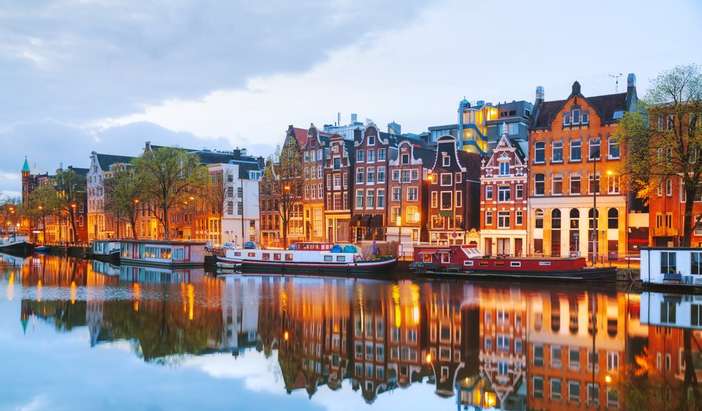
One of the most popular cruise destinations in Europe, Amsterdam is perfect for a picturesque city getaway. Whether you're exploring the city on foot, by bike or by a canal boat, a tour is a great way to discover hidden gems as well as iconic landmarks such as the Anne Frank House, the Rijksmuseum and the Van Gogh Museum. Depending on the time of year, you may also experience the vibrant Keukenhof Gardens which are home to more than 7 million tulips.
Things to do in Amsterdam:
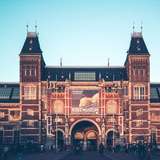
Rijksmuseum
Situated in the centre of Amsterdam, the Rijksmuseum, also known as the museum of Netherlands is home to an array of art, from Rembrandt to Van Gogh. Showcasing over 800 years of history, this beautiful and historic building is an iconic landmark that’s popular with both tourists and locals.
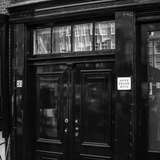
Anne Frank House
Located next to Westerkerk, the Anne Frank House is a museum that honours the Jewish wartime diarist Anne Frank. Situated on the Prinsengracht Canal, this fascinating but sorrowful landmark makes for a harrowing visit.
Vondelpark
This picturesque park spans an incredible 120 acres. Full of picturesque flora and fauna, it features a cafe, bandstand and more. A tranquil way to spend your day in Amsterdam, many people choose to ride bikes around it.
Cologne
DAY 2
12 Oct 2026
Time at Port: TBD
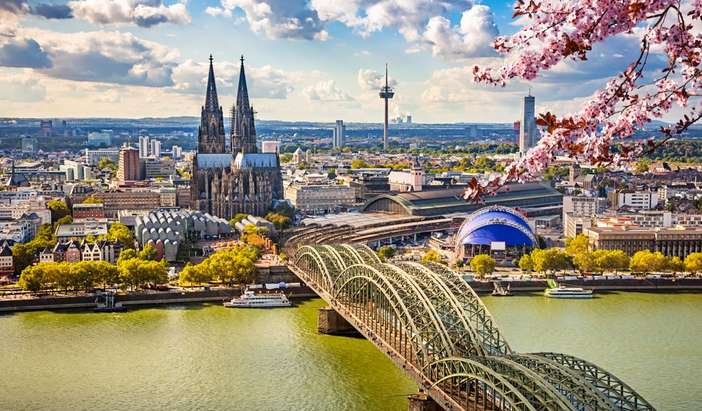
A charming, inspiring German city sitting on the Rhine river, Cologne is a culture-rich cruise destination boasting an inviting, lively atmosphere, a host of modern attractions and activities, impressive historic landmarks, and a culinary experience you’ll want to spend some time savouring. If you’re looking to take a trip ashore with some medieval flair, Cologne’s remarkable Old Town is bound to charm you with its winding cobblestone streets, picturesque squares tucked away from the hustle and bustle, and abundance of authentic cafes, restaurants, bars, and breweries. When here, you’ll find yourself in the shadows of the breathtaking Cologne Cathedral – the tallest cathedral in the world and this city’s most iconic landmark. Don’t worry, though, you’re not going to be limited to an experience inspired by the Middle Ages when you’re in Cologne; the reformed and rebuilt Rheinauhafen district is a highlight of the modern delights throughout the city and a focal point for state-of-the-art architecture. Once an important harbour on the river, you’ll find a variety of interesting historic structures and sites here; however, you’ll also find unique museums, stylish cafes, some of the finest restaurants in the city, and fantastic views along the Rhine. A city of contrasts, with both the historic and modern charms of Cologne equally exciting, there’s one universal truth when it comes to visiting this remarkable city: you’re going to have a fantastic time, whatever you decide to do when you’re ashore.
Things to do in Cologne:
Cologne Cathedral
A renowned monument of German Catholicism and Gothic architecture, Cologne Cathedral is the tallest Cathedral in the world and Germany’s most-visited landmark by a comfortable margin. While construction on the cathedral began in 1248, the impressive structure we see today was not actually fully completed until 1880 – and it remained standing despite multiple aerial attacks during the Second World War, being an easily navigable target for Allied aircraft due to its height. Home to a variety of treasures and unique artworks, this is undoubtedly a must-visit destination in Cologne.
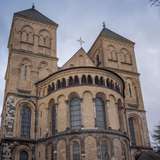
Basilica of St. Cunibert
The last Romanesque church built in Cologne before construction of Cologne Cathedral, the Basilica of St. Cunibert is an impressive example of this secular architecture and among the most impressive sights you can see from the Rhine as you pass through the city. Badly damaged throughout the Second World War, this structure was faithfully reconstructed and restored throughout the second half of the 20th century; however, many of the 13th century stained-glass windows still survive to this day – which is quite the feat.
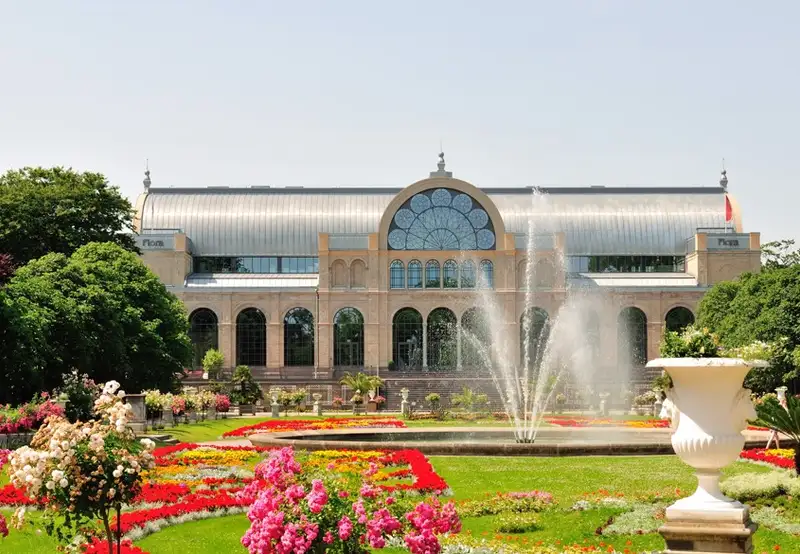
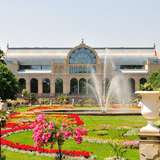
Flora Botanical Garden
A historic greenspace in the heart of Cologne, the Flora Botanical Garden in the heart of Cologne is a relaxing destination to spend some time that dates back to 1863 and features an impressive orangery inspired by the Crystal Palace in London and Paris’ Jardin d’hiver – something which gives this area a unique grandeur unlike anything else in the city. Cultivating nearly 10,000 types of plants, a world of flora awaits in this picturesque part of the city.
Rudesheim
DAY 3
13 Oct 2026
Time at Port: TBD
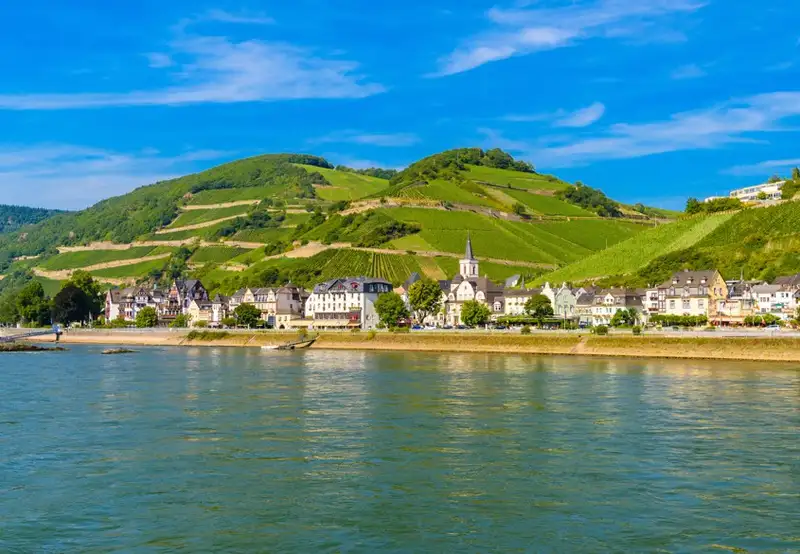
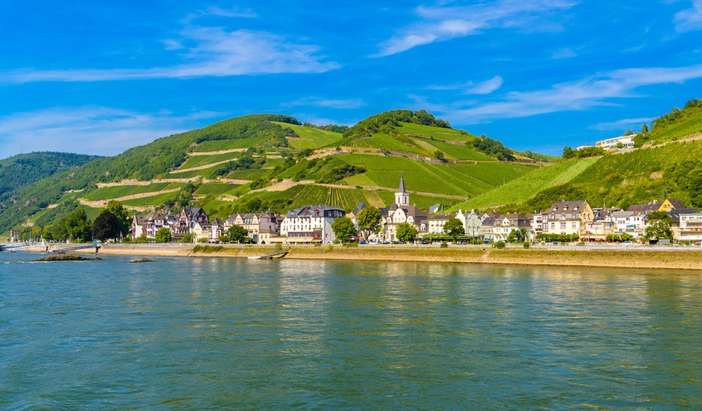
Something of a gateway destination for those looking to explore German wine culture, and the breathtakingly beautiful Rhine Valley region, Rüdesheim is a stunning small town on the banks of the Rhine boasting a rich history of wine-making, surrounded by breathtaking vineyard-covered hillsides, and littered with interesting historic landmarks. Oh, and it has charm in abundance. Everywhere you look, there’s something exciting to enjoy, and every type of traveller will be catered for. If you want to soak up the sunshine and sample the local wines and cuisine, Drosselgasse – this town’s most famous street – is where you’ll want to visit. However, if you want to sightsee, you’ll find several cable cars taking tourists into the elevated hiking areas surrounding the town, where scenic views of the Rhine and surrounding area await. Despite its size, Rüdesheim is a bustling centre for tourism in the region; however, while that does mean it may be a little busier than the other small German towns you visit, it’s still just as charming. Rüdesheim will be one destination from your adventures through Germany and Central Europe you remember.
Things to do in Rudesheim:
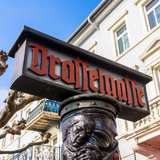
Drosselgasse
A narrow cobblestone street cutting through the heart of Rüdesheim, Drosselgasse is overflowing with charming wine taverns, incredible restaurants, boutique gift shops, and more. Busy with people filtering into and in-between the half-timbered buildings here, this otherwise unassuming street promises a lively atmosphere anytime and is the perfect place to fully immerse yourself in the excitement Rüdesheim has to offer.
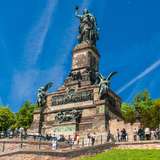
Niederwald Monument
Just a short distance outside of Rüdesheim itself, the Niederwald Monuments stands; built between 1871 and 1883, with the first brick being laid by Kaiser Wilhelm I, this monument is a dramatic celebration of the Unification of Germany – a process which started in 1866 and ended in 1871, just months before construction started. Towering over the Rhine Valley at 125 ft tall, the monument features the iconic Germania – a personification of a united Germany, similar to Great Britain’s Britannia – with the recovered crown and Imperial Sword. Sitting at the edge of a forest, on the crest of an elevated hill, this is one of the most picturesque spots in the area and boasts sensational views of the surrounding scenery. It’s also an important reminder of this nation’s unique history, something easily forgotten when relishing in the indulgent cuisine, wines, and beers that make Germany such a memorable destination.
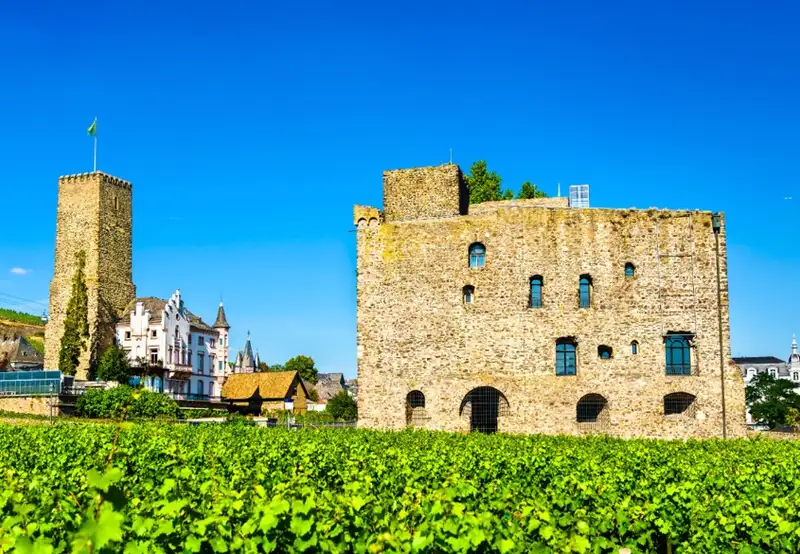
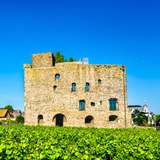
Rheingau Wine Museum and Brömserburg Castle
One of the oldest fortifications along the Rhine, with sections of the castle dating back to the 11th century, Brömserburg Castle is a truly fascinating landmark in Rüdesheim. It was once a fortification for the Prince-Bishops of Mainz, then a residence for the Knights of Rüdesheim and the Brömsers – playing an active role in major regional conflicts like the Thirty Years’ War. Now, though, it’s the perfect place to learn more about the region’s military history and the Rhine Valley’s history of wine – and sampling some of the local blends, of course. From wine-making equipment dating back as far as the 16th century to antique wine glasses and more, this museum is a comprehensive exploration of every aspect of Oenology. And, from Brömserburg Castle, you’ll enjoy breathtaking views of the vineyard-blanketed Rhine Valley. When in Rüdesheim, this really is a must-visit destination.
Frankfurt
DAY 4
14 Oct 2026
Time at Port: TBD
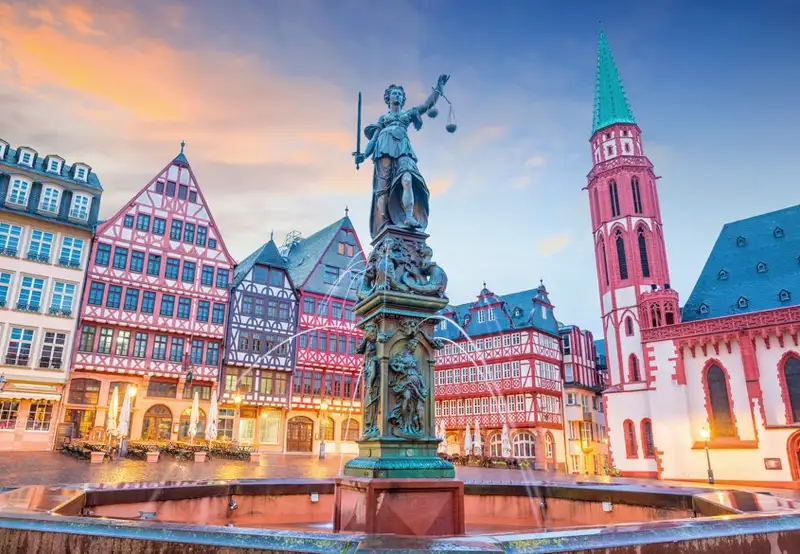
Our experts are preparing detailed information about this location. Please check back shortly to discover more.
Heidelberg
DAY 4
14 Oct 2026
Time at Port: TBD
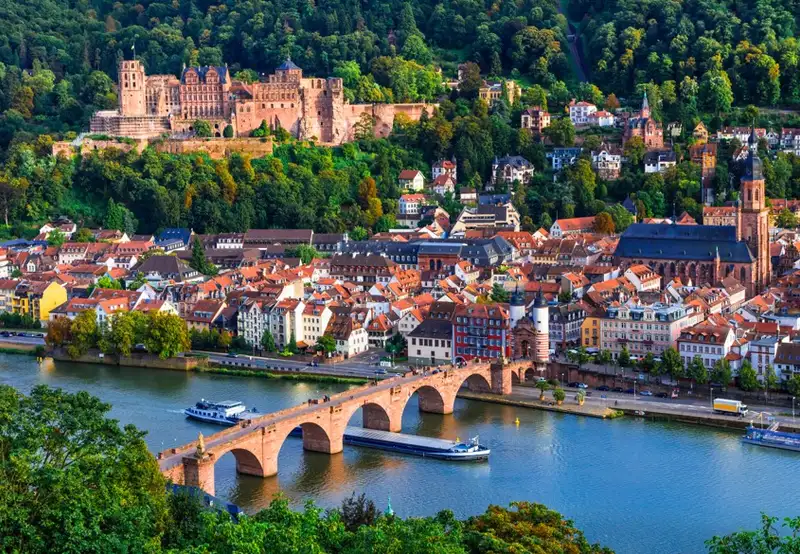
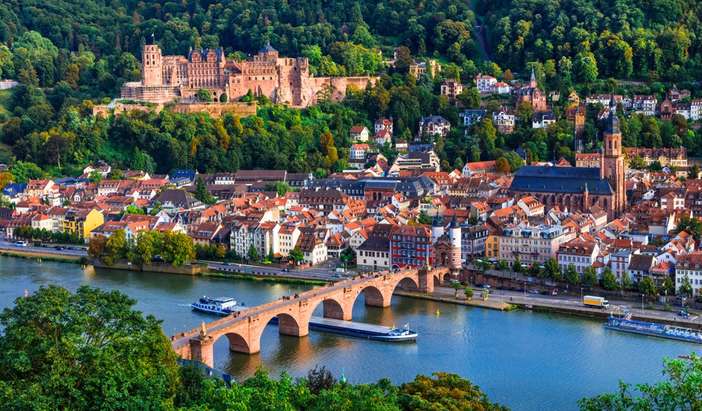
A stunning town on the Neckar River, Heidelberg is a picturesque cruise destination that feels plucked straight from a storybook – despite being part of the densely-populated Rhine-Neckar Metropolitan region sitting just south of Frankfurt. Home to a charming cluster of authentic cafes, boutique shops, unique museums, and an unparalleled choice of cultural and entertaining experiences, the landscape of this town is dominated by Schloss Heidelberg – an impressive 13th-century castle sat among the vibrant foliage found on the edge of the Odenwald Forest. Heidelberg is also home to Germany’s oldest university, an important institution that has influenced the development of this town over hundreds of years – and something that means you’ll find quite a few cosy student bars among the must-visit venues in Heidelberg Old Town. In the nearby village of Handschuhsheim, across the river, you’ll also find Heidelberg Zoo and some of the most picturesque hiking routes in the region – if you’re looking for something a little different. However you spend your time ashore, you can rest assured knowing there will be something interesting to occupy your time and verdant scenery worth savouring.
Things to do in Heidelberg:
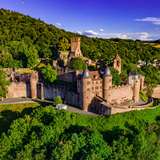
Heidelberg Castle
Among the most important Renaissance structures north of the Alps, Heidelberg Castle is a 13th century fortification on the edge of Heidelberg worth taking the time to explore. An impressive demonstration of the status of this region’s rulers for hundreds of years, the castle complex here is enchanting – and, interestingly, home to the world’s largest barrel. In its heyday, it rivalled the grandeur and splendor of any other Central European castle, and the echoes of that can still be felt and seen today.
Studentenkarzer
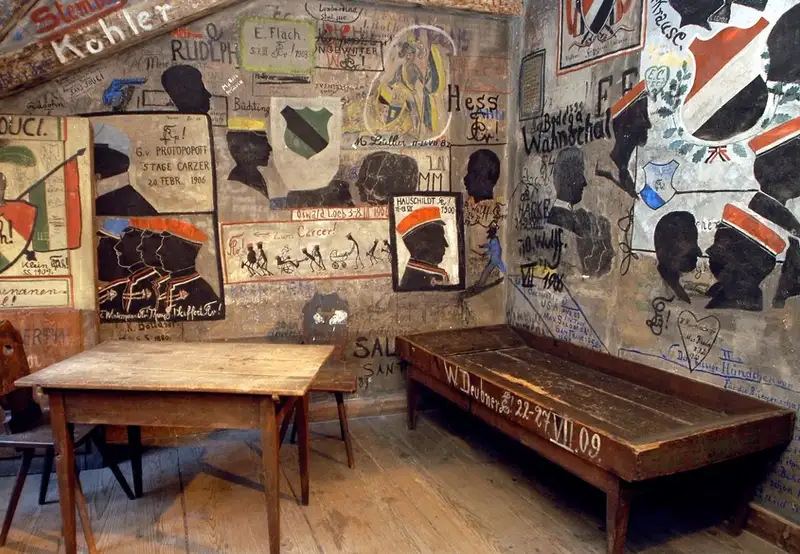
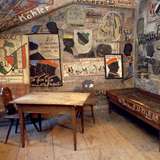
Studentenkarzer is a former student prison attached to the back of Heidelberg’s Old University and an interesting museum exploring the unique student culture that developed in this river-side town, while also being a testament to Heidelberg’s rich academic history and the evolution of its disciplinary practices. Imprisoning students here for a number of ‘gentleman’s offences’ from 1778 to 1914, you’ll find many of the walls ‘decorated’ with the ‘art’ of those punished and an interesting insight into this often unseen aspect of student life throughout the late 18th, 19th, and early 20th centuries.
Sammlung Prinzhorn
If you’re looking for a truly unique museum experience, Sammlung Prinzhorn promises to deliver a memorable moment when in Heidelberg. A stone’s throw from the river, and among an abundance of interesting places to visit, Sammlung Prinzhorn sits as a museum for historical and contemporary artwork from psychiatric institutions in the region. With aesthetic conventions often built upon or ignored, the artwork here is among the most unique out there; a collection of over 20,000 works, there’s a lot of interesting art to see here.
Wertheim
DAY 5
15 Oct 2026
Time at Port: TBD
Renowned for its historic authenticity and interesting castle ruins, Wertheim is an utterly charming German town on the border of Bavaria and Baden-Württemberg – where the rivers Main and Tauber converge. Here, quaint cobblestone streets lead to authentic culinary experiences, fascinating historic landmarks, and immersive cultural experiences alongside breathtaking natural beauty. When it comes to food, pretzels are this town’s specialty, and you’ll find some of the best in the region here. However, there’s also a tradition of glassblowing and glasswork in Wertheim, making both the Glass Museum and historic Wertheimer Glaskunt artisanal store must-visit attractions among the red tile-roofed houses and hilltop castles. A vibrant medieval town with a rich history, surrounded by verdant forests and rolling hills, set upon the stunning rivers winding through Bavaria and Baden-Württemberg, a day out in Wertheim is both relaxing and rewarding.
Things to do in Wertheim:
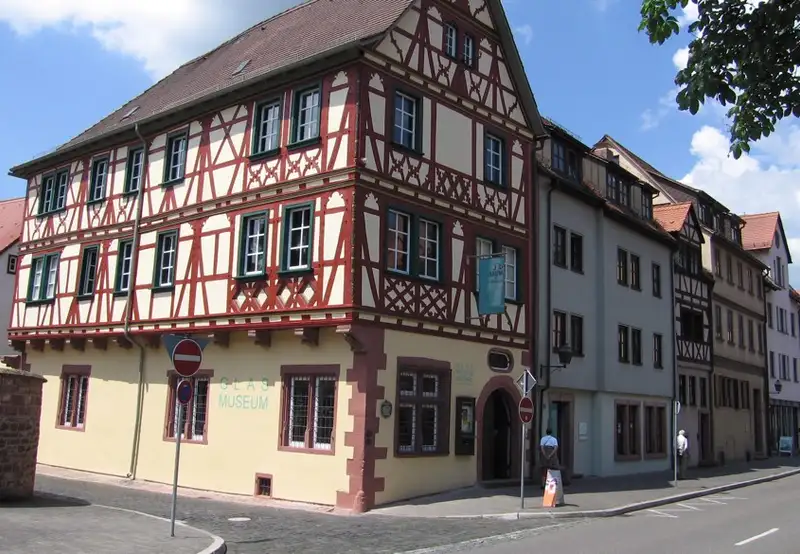
Glasmuseum Wertheim
Exploring a regional and international history of glass and its applications throughout time, from decorative vases and drinking glasses to laboratory equipment and more, the Glass Museum in Werthheim is a fascinating learning experience. Housed in a half-timbered house built in 1577, you’ll have the chance to learn more about ancient glass, how artistic aspirations and technical refinements improved glasswork over the centuries, and the impressive use of glass in contemporary society. With the museum itself attached to a glassblower, you’ll have the chance to see the process first-hand and even blow your own glass while you’re here – if you like.
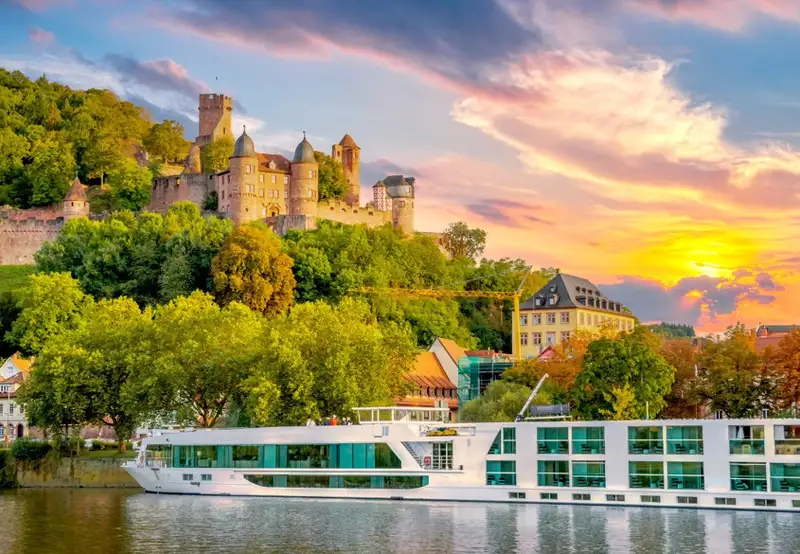
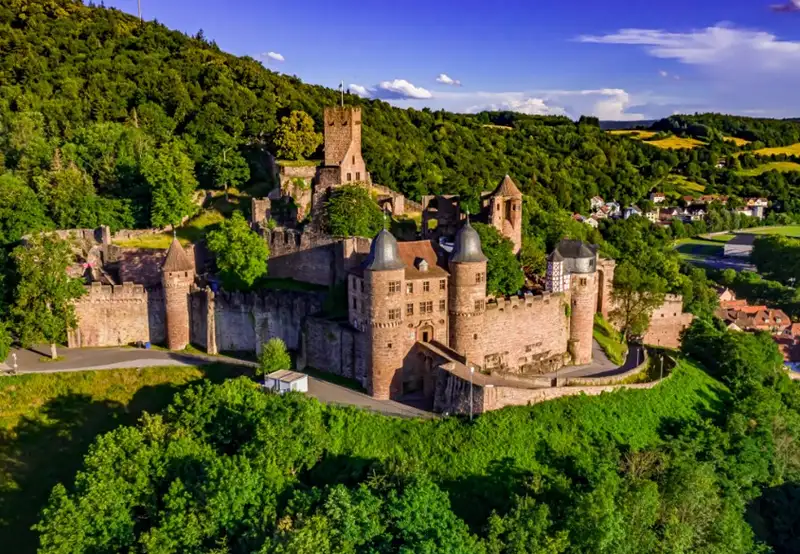
Wertheim Castle
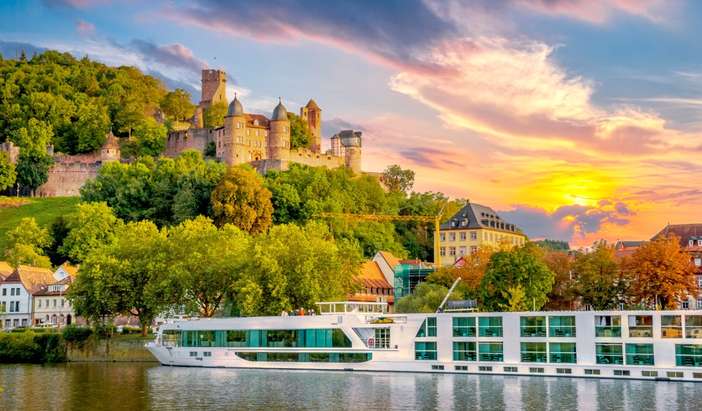
Constructed throughout the 12th century, and then reconstructed following significant damage during the Thirty Years’ War in the mid-17th century, Wertheim Castle is easily the most iconic historic landmark in this quaint German town. With a deep moat and extensive defensive fortifications, it’s one of the largest surviving castle structures in Germany and boasts sensational views of the surrounding scenery – particularly the rivers that cut through Wertheim itself. With tours affording you unique learning experiences and sightseeing opportunities you won’t forget, this is one destination you won’t want to miss when you visit Wertheim.
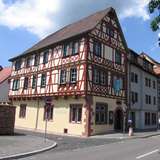
Traditionally-Baked Pretzels and Authentic Cuisine
Wertheim is home to a variety of incredible bakeries, with pretzels something of a specialty for the skilled bakers of the town. Carefully crafted by local artisans, these delicious baked goods aren’t the only authentic culinary experience that awaits in this charming German town. You’ll also find unique lupine coffee in KaffeeRaum Wertheim, wine from local vineyards in bars and restaurants, and more indulgent dishes in the eateries – Restaurant Dinges, which will let you eat in the historic courtyard of Wertheim’s town hall, is a highlight!
Wurzburg
DAY 6
16 Oct 2026
Time at Port: TBD
A German city known for its blend of lavish Baroque and Rococo architecture, interesting history, charming culture, and incredible Franconian wine, Würzburg is one destination in Bavaria with a lot to offer visitors. On both banks of the river Main, amid a host of idyllic vineyards, the sightseeing opportunities here are endless – whether you’re hoping to admire the natural beauty of the region, or the remarkable landmarks littering the city centre. You’ll also find a lively atmosphere here, with almost a third of the population actually students of the three colleges based here. That being said, Würzburg caters to those who prefer to take things at a slower pace too. The hustle and bustle of this vibrant city is there if you want it, but it’s by no means the only way to experience this incredible destination. Everyone will be able to enjoy their time here, however they want to spend it.
Things to do in Wurzburg:
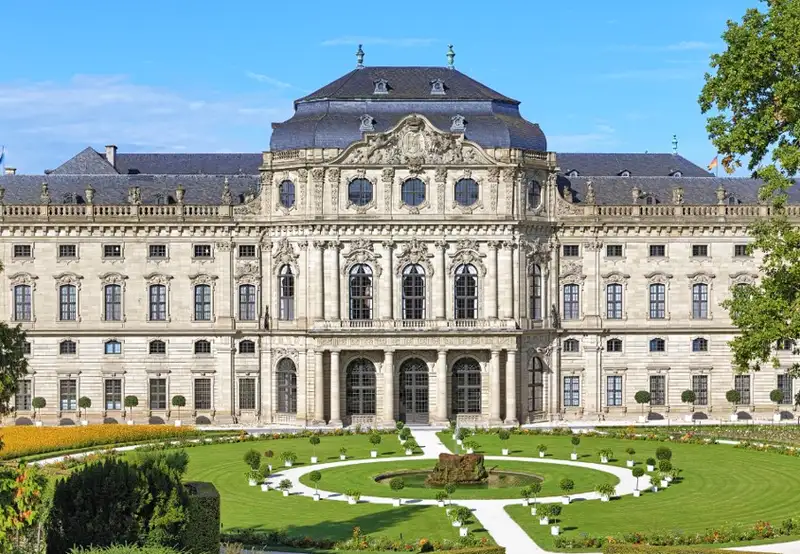
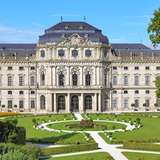
Würzburg Residence
A staggering Baroque palace built in the heart of Würzburg throughout the 18th century, Würzburg Residence was reportedly revered as the ‘largest parsonage in Europe’ by Napoleon and it boasts interiors featuring masterworks of both Baroque and Neoclassical architecture and art – something which has since afforded it inclusion in the UNESCO World Heritage List. Surrounded by vibrant gardens, this is a wonderful place to visit while the sun is shining; and, with guided tours of numerous period rooms available, you’ll have a chance to immerse yourself in the affluent lifestyle some enjoyed throughout the Modern period and learn more about the Prince-Bishops of Würzburg who occupied this palace for decades.
Würzburg Cathedral
The fourth largest Romanesque church in Germany, Würzburg Cathedral is an impressive landmark in the heart of the city. While it was founded in 1040 and construction was completed in 1075, the cathedral was heavily damaged during the bombing of Würzburg and reconstruction wasn’t completed until 1967. That being said, you’ll find countless works of art from throughout the Renaissance and Early Modern period within, making exploring inside just as rewarding as marveling at this impressive church from outside.
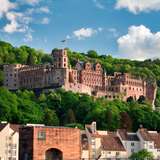
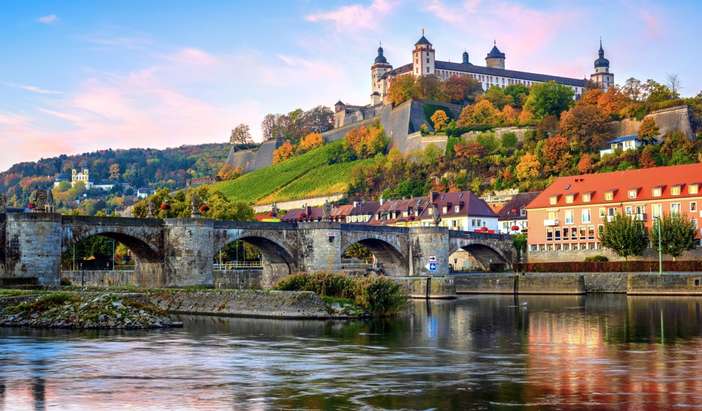
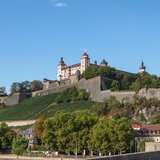
Marienberg Fortress
An iconic symbol of Würzburg, Marienberg Fortress is an impressive Renaissance and Baroque-style fortification overlooking the city from a hill rising over 100 metres above the river Main. Once a residence for the local bishops, this fortress was in active use as a defensive fortification throughout the 18th and 19th centuries. Today, however, with slopes blanketed by vineyards, it houses two museums and boasts impressive views of Würzburg and the surrounding scenery.
Main - Cruising
DAY 7
17 Oct 2026
Time at Port: TBD
Our experts are preparing detailed information about this location. Please check back shortly to discover more.
Kitzingen, Germany
DAY 7
17 Oct 2026
Time at Port: TBD
Our experts are preparing detailed information about this location. Please check back shortly to discover more.
Rothenburg, Germany
DAY 7
17 Oct 2026
Time at Port: TBD
Our experts are preparing detailed information about this location. Please check back shortly to discover more.
Bamberg, Germany
DAY 8
18 Oct 2026
Time at Port: TBD
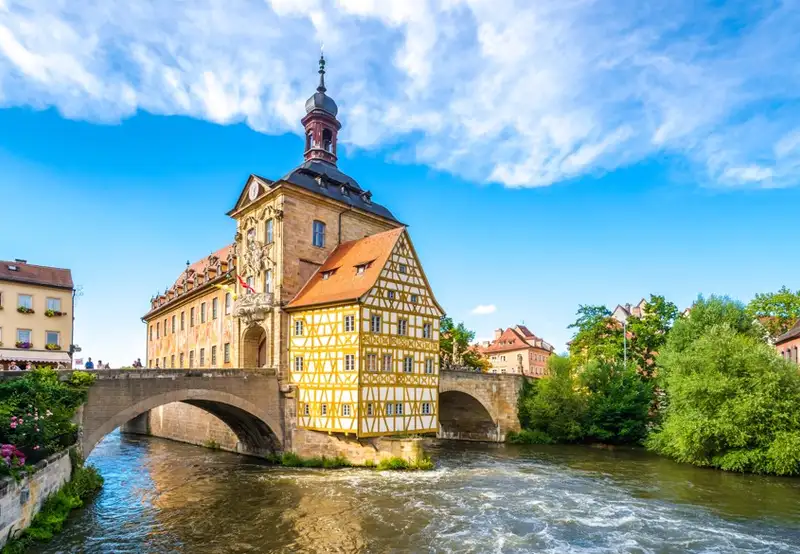
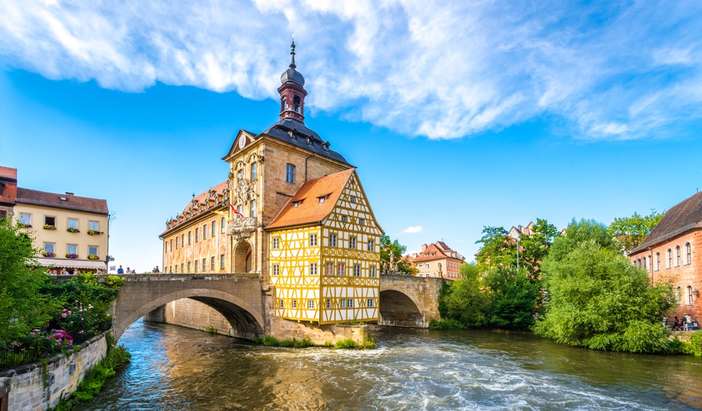
Bamberg is one of the most beautiful towns in Germany, and you’re in for a real treat when you arrive. Sitting on the river Regnitz, you’ll have the chance to admire stunning views of the forest-covered hills surrounding Bamberg as you explore the abundance of traditional medieval architecture within the city itself. That, and Bamberg is home to an authentic cultural experience, where you’re never too far from a brewery. In fact, the city itself is home to over 10 breweries, and the surrounding area boasts over 200. So, if you like beer, it’s safe to say you’ll be spoilt for choice. This city is also favourably known as “Franconian Rome”, because it was built on and around seven hills – much like Rome, Italy – and the rivers flowing through the Klein-Venedig neighbourhood have afforded it the nickname “Little Venice”. An unexpected love affair with Italy in the heart of Bavaria, this gives Bamberg a unique charm you won’t find anywhere else. Whether you want to spend your time here sightseeing and strolling the medieval cobblestone streets, or soaking up the atmosphere while sampling some of the local cuisine, Bamberg is a memorable stop on any cruise adventure in Central Europe.
Things to do in Bamberg, Germany:
Gärtner und Häckermuseum (The Gardener and Häcker Museum)
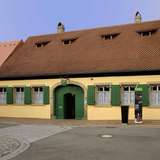
Opened in 1979, this charming museum is dedicated to the history and culture of Bamberg’s famous gardeners and winemakers – two groups who make up an important part of the city’s working class. Housed in a fairly typical gardener’s house, you’ll have the chance to immerse yourself fully in the living and working environments of a gardener’s family circa 1900, while also learning more about the religious customs of these peoples. It’s also a stunning place to stroll when the sun is shining, thanks to the vibrant gardens accompanying the museum itself.
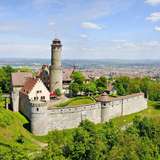
Altenburg (Bamberg Castle)
Sitting atop the tallest of the seven hills surrounding Bamberg, Altenburg is an impressive medieval castle dating back to at least 1109 – though, the structure we see today was restored circa 1801. Boasting fantastic views of Bamberg and the surrounding area, you’ll find a charming restaurant within while parts of the castle are also open to public tours. It’s a fantastic place to learn more about this city’s rich history, while also affording you the opportunity to appreciate its beauty from afar.
Beer Tasting and Brewery Tours
Something of a hub for Bavarian beers and breweries, Bamberg is one of the best places in the region for beer tasting and brewery tours. Schlenkerla is one of the most famous here; a historic brewery and pub dating back to 1405, you’ll find this brewery is particularly renowned for its smoked Aecht Schlenkerla Rauchbier. However, you’ll find a whole host of German beers and authentic German cuisine across the city – from Brauerei Spezial and Brauhaus Zum Sternla to Brauerei Keesmann and so many more.
Nuremberg, Germany
DAY 9
19 Oct 2026
Time at Port: TBD
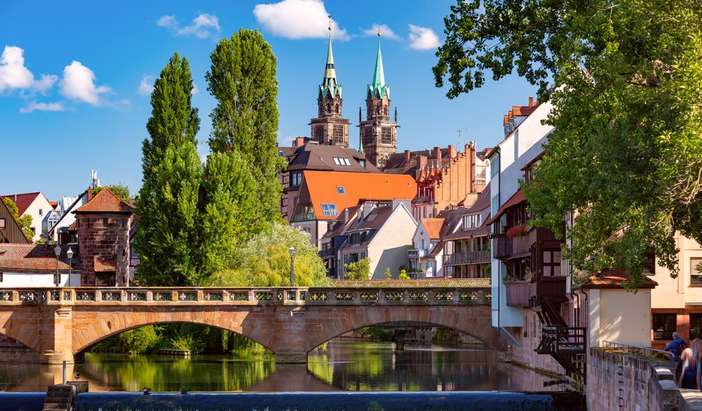
Nuremberg is a quintessential medieval German city, with imposing 12th-century city walls, iconic red-tiled roofing, and narrow cobblestone streets littered with charming spots to soak up the city’s culture. It’s somewhere you can’t help but want to explore, and thankfully there’s a lot worth seeing. While famous for being the site of the Nuremberg Trials in 1945, where numerous surviving Nazi officials were tried for their crimes, this city is far from defined by such a dark moment – although, it’s easily the best place to visit if you want to learn more about the event, with extensive documentation and permanent museum exhibits here. No, throughout the Renaissance and Early Modern period, Nuremberg was a centre for the arts and culture; it proved instrumental in the advancement of astrology, and resident Martin Behaim is even credited with creating the world’s first globe in 1492 – something it’s hard to imagine the world without today. When you couple this with the impressive medieval architecture found throughout the city, the numerous restaurants perfect for indulging in authentic German cuisine, and the variety of excellent breweries and bierkeller, there’s really something for everyone to enjoy here. How you spend your time in Nuremberg is up to you, but you can rest assured knowing it will be a memorable experience.
Things to do in Nuremberg, Germany:
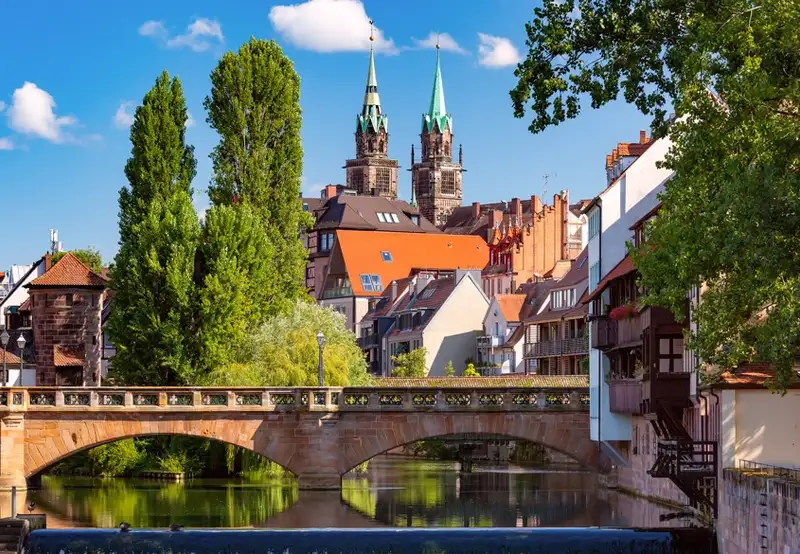
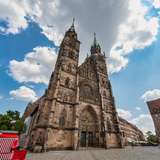
St. Lorenz
Completed in 1477, and faithfully restored following damage during the Second World War, St. Lorenz is a stunning church in Nuremberg; intricately decorated and richly articulated, this church reflects the wealth of Nuremberg’s citizens – when it was constructed, anyway – and within you’ll find the impressive Angelic Salutation by Veit Stoss and sculptures by prominent German stone sculptor Adam Kraft. In the heart of Mitte, you won’t have to go far to find more incredible landmarks and medieval structures.
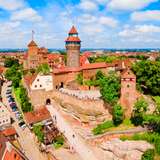
Imperial Castle of Nuremberg
Completed in 1477, and faithfully restored following damage during the Second World War, St. Lorenz is a stunning church in Nuremberg; intricately decorated and richly articulated, this church reflects the wealth of Nuremberg’s citizens – when it was constructed, anyway – and within you’ll find the impressive Angelic Salutation by Veit Stoss and sculptures by prominent German stone sculptor Adam Kraft. In the heart of Mitte, you won’t have to go far to find more incredible landmarks and medieval structures.
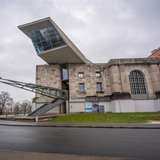
Documentation Center Nazi Party Rally Grounds
A museum in the unfinished remains of the Congress Hall used for Nazi party rallies in Nuremberg, the Documentation Center Nazi Party Rally Grounds explores the causes, connections, and consequences of Nazi Germany with a focus on topics relating to Nuremberg – the infamous Nuremberg Laws among them. If you’re looking for an insightful inspection of this dark period, at a site which played an important role in the rise of Hitler’s totalitarian dictatorship, this is the place to go.
Main-Danube Canal - Cruising
DAY 9
19 Oct 2026
Time at Port: TBD
Our experts are preparing detailed information about this location. Please check back shortly to discover more.
Regensburg, Germany
DAY 10
20 Oct 2026
Time at Port: TBD
A charming city in eastern Bavaria, which sits on the confluence of the Danube, Naab, and Regen rivers, Regensburg is one of the largest medieval cities north of the Alps and known for its well-preserved medieval architecture; however, this is far from the only thing worth looking forward to ahead of your arrival. In Regensburg, you’ll have the chance to indulge in authentic Bavarian cuisine, with one of the world’s oldest restaurants in the heart of the city, and enjoy a unique cultural experience, something influenced by this city’s long and storied history. Boasting charming cafes and quaint gift shops down narrow cobblestone streets, restaurants overflowing with flavour, and dramatic medieval structures interspersed with vibrant greenspace, it’s safe to say that this is somewhere worth wandering – and that’s not even mentioning the riverside routes you can stroll along! With walking tours come sightseeing, beer tasting sessions, and more; although, this is somewhere where exploring beyond the beaten track is equally as rewarding. Regensburg is somewhere full of obvious charm and hidden treasures, making it a memorable port of call on any cruise through Germany and Central Europe.
Things to do in Regensburg, Germany:
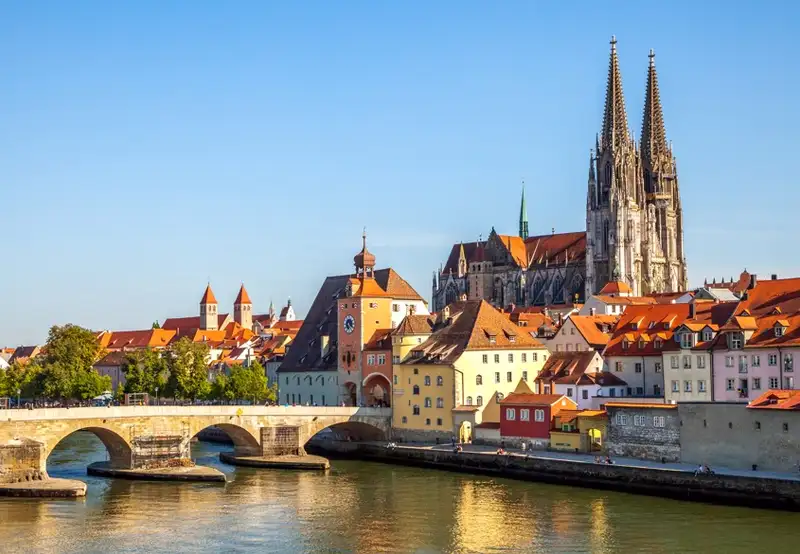
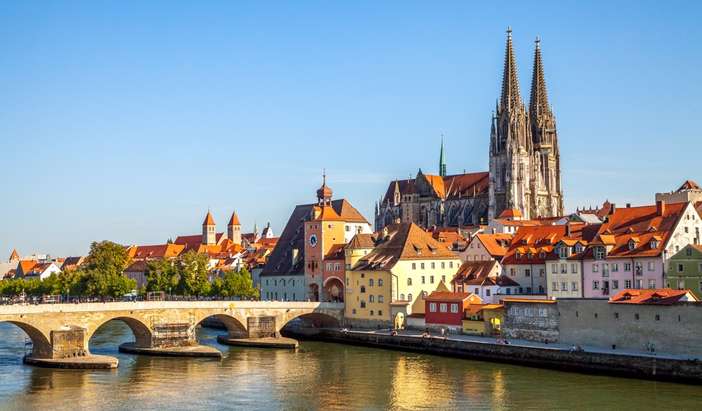
Regensburg Stone Bridge
While unassuming, the Stone Bridge linking Regensburg’s Old Town with Stadtamhof is a fascinating marvel of medieval engineering and easily among the most significant bridges in the region. It’s also a symbol of the city, and measures over 1,000 ft in length. As the only bridge across the Danube at Regensburg and the only crossing between Ulm and Vienna, this bridge – which was built circa 1140 with surprising speed – made the city into an important centre for trade and politics. There’s also a legend that the bridge’s builder made a deal with the devil to hasten construction, then cheated the devil out of the souls required as payment. So, the devil attempted to destroy the bridge, and failed – something used to explain why the bridge itself is bent.
Walhalla
Located a short distance from Regensburg itself, in the neighbouring town of Donaustauf, Walhalla is an impressive hall of fame monument that honours notable and distinguished people from German history. With its exterior modelled on the Parthenon in Athens, this neo-classical structure seems somewhat out of place among the vibrant forests and rolling hills of Bavaria; however, it’s an impressive sight to behold and comes with charming views over the Danube. Within, you’ll find almost 150 marble busts of significant figures – with more recent additions including Albert Einstein, Max Planck, Johannes Brahms, Sophie Scholl, and more.
Beer Tasting and Brewery Tours
When you’re in Regensburg, you’re never too far from a unique brewery or charming bierkeller; the city itself is home to almost half a dozen breweries, while also boasting some of the best beer garden views in the country. A destination overflowing with scenic spots where you can sit and savour something refreshing, Regensburg is one of the best places in Bavaria and Germany to go beer tasting and on brewery tours.
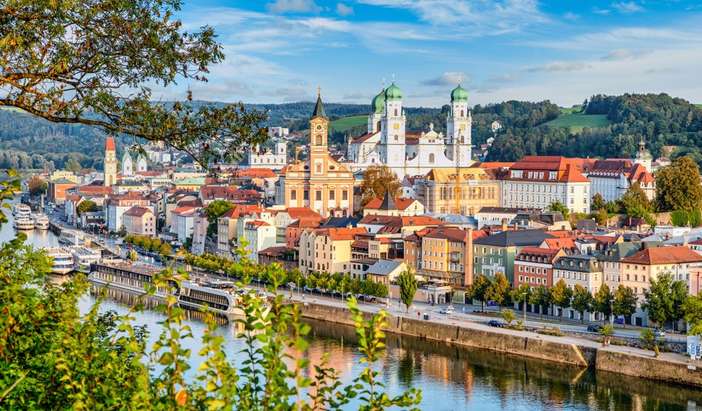
Passau
DAY 11
21 Oct 2026
Time at Port: TBD
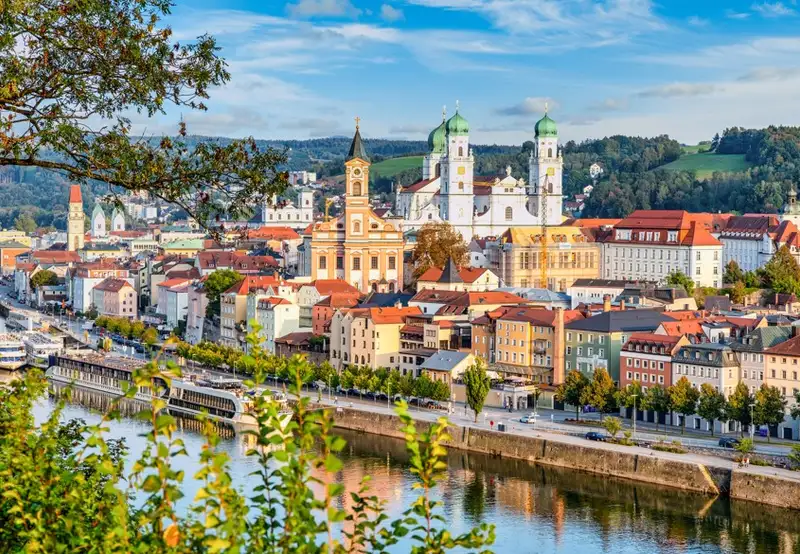
Known uniquely as Dreiflüssestadt ("City of Three Rivers"), Passau is a stunning Central Bavarian city on the Danube River, with the meeting point for both the Ilz River and Inn River found within the city’s limits – something of a natural phenomenon that makes for an excellent sightseeing opportunity. Throughout history, the position of Passau on the nexus of these three rivers allowed the city to grow into an important political and economic hub for the region, something that’s reflected in the impressive array of buildings you’ll have the chance to explore when you arrive. Passau also sits right on the German-Austrian border, meaning it’s still an important city to this day. This also affords Passau a unique culture, an interesting flavour profile with cuisine featuring dishes from both nations, and a lively atmosphere. For the active explorers among you, it’s a fantastic place for a hike into the forest-covered hills, or a bike ride along the Danube, but you won’t have to go far to see something spectacular. Passau’s Old Town is breathtaking, and you won’t have to travel far from the city centre to find some green space. One of the oldest cities in Bavaria, but far from dated, Passau is one place you’ll remember for a long time after you leave.
Things to do in Passau:
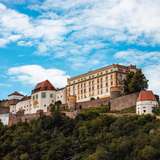
Veste Oberhaus
Founded in 1219, Veste Oberhaus is one of the most iconic landmarks in Passau; an impressive fortress towering over the Old Town, it sits over 100 metres above sea level on a hill between the Danube and Ilz. Veste Oberhaus was built as a symbol of military strength, but also sits in a strategic location allowing it to effectively defend the city and repel attackers. That doesn’t happen so much today, though; so, it now houses the Oberhausmuseum, a youth hostel, a restaurant, and what was once an open-air theatre space – something which was dismantled post-World War Two and now leaves no visible trace. You’ll also enjoy sensational views of Passau and the surrounding scenery from this elevated position, making Veste Oberhaus a must-visit landmark location while you’re in Passau.
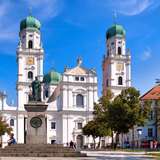
St. Stephen’s Cathedral
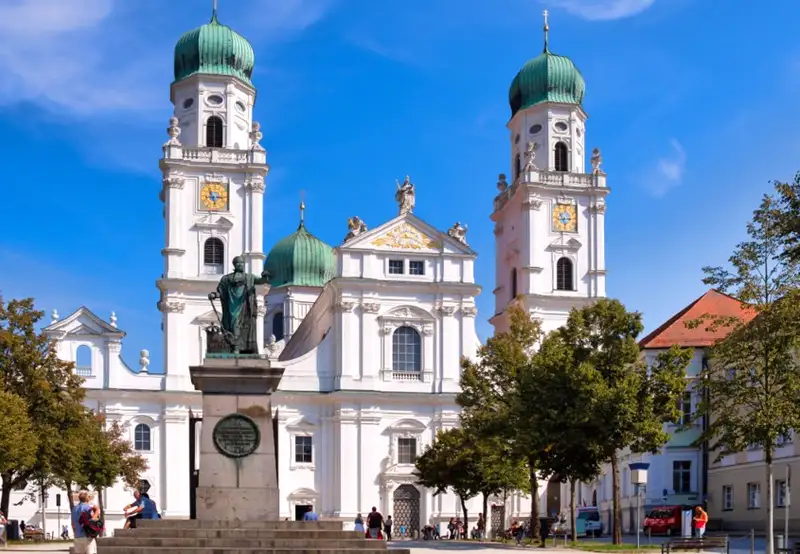
An impressive Baroque-style Catholic church dedicated to Saint Stephen, St. Stephen’s Cathedral is surprisingly unassuming from the outside, but utterly breathtaking from within. Its intricate interior and stunning frescos are worth spending some time appreciating; however, it’s also home to the world’s largest church organ outside the United States – with the organ here featuring 17,774 pipes and 233 registers. Surrounded by other incredible structures and sights to see, St. Stephen’s Cathedral is worth seeing when exploring the city.
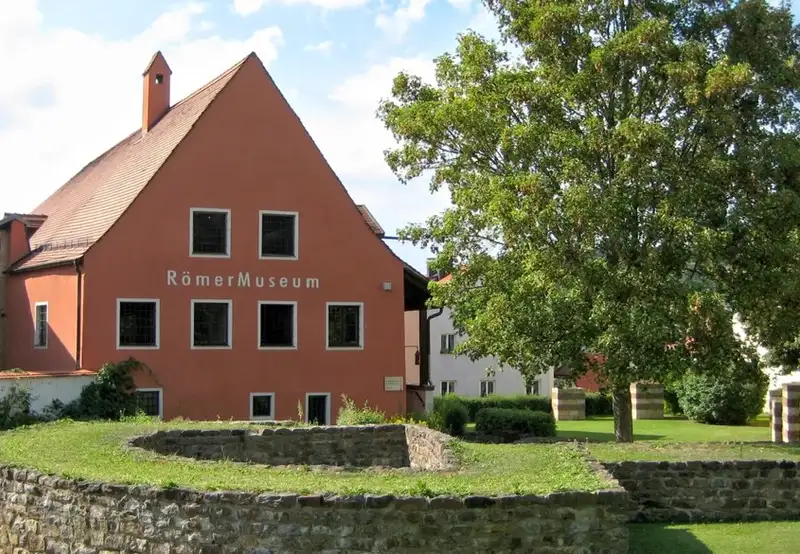
Roman Museum Kastell Boiotro
Located in a medieval house on the edge of Passau, across the Inn river from the city centre, this unique museum incorporates surviving sections of the late Roman Boiotro – a fortification built circa 280 AD – to deliver an immersive learning experience exploring the Roman history of the region. You’ll find hundreds of interesting historical objects here alongside virtual and physical models aiming to immerse you in this city’s remarkable Roman past.
Weissenkirchen
DAY 12
22 Oct 2026
Time at Port: TBD
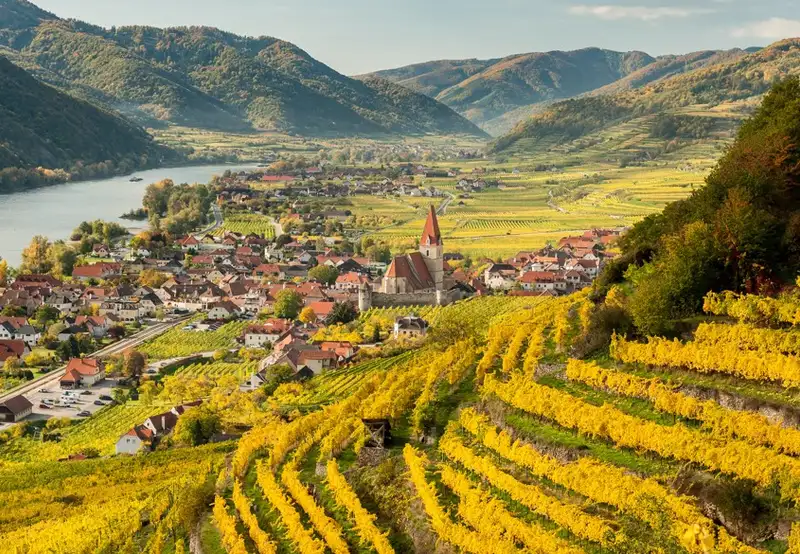
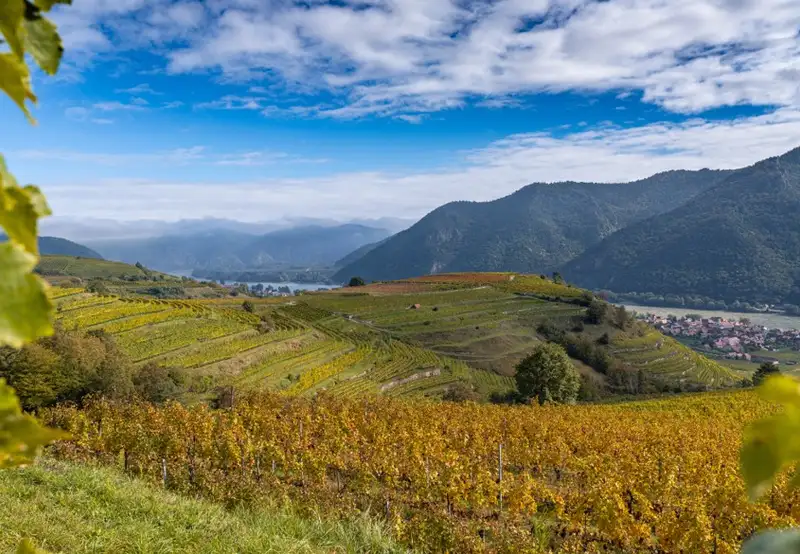
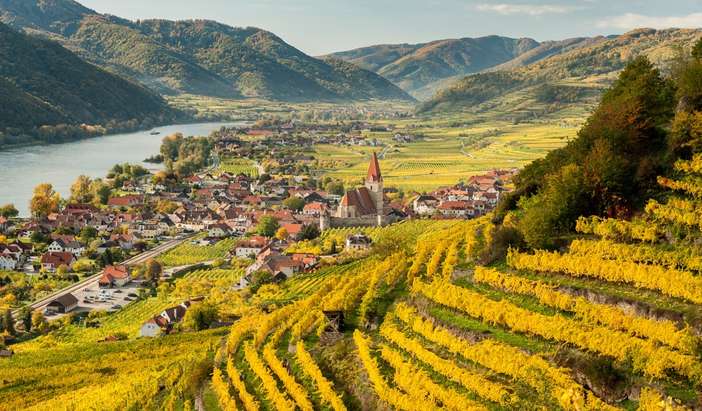
Surrounded by vibrant countryside, sitting on the banks of the gorgeous Danube, Weissenkirchen is a small Austrian town that will leave a big mark on your memory. Part of the largest wine-growing community in the Wachau region, with scores of sunny vineyards just a stone’s throw from the town centre, this is the perfect river cruise destination for wine lovers and oenophiles – the technical term for connoisseurs. However, this is far from the only reason why you should look forward to visiting Weissenkirchen. Scenic riverside strolls aside, because they’re always a good idea in this part of the world, this town is a fantastic place to explore; you’ll be taken on a journey through this region’s rich history when you walk the streets, and a culinary journey when you sit to sample some of the local cuisines. Lively, but laid back, this is one river cruise destination where you’ll have the chance to really unwind and relish in the remarkable atmosphere of the Wachau region; when the sun is shining, it’s easily one of the most breathtaking parts of the world.
Things to do in Weissenkirchen:
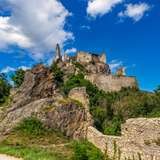
Dürnstein Castle
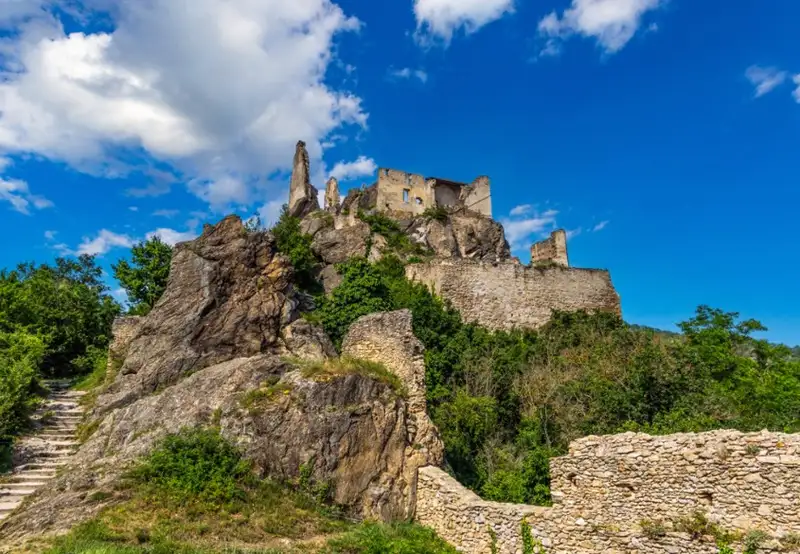
A ruinous rock castle constructed circa 1130 on a hill overlooking the nearby town of Dürnstein, Dürnstein Castle is known for being one of the fortifications used to imprison King Richard I upon his return to Europe following the Third Crusade, and then its use as a garrison during the Thirty Years’ War in the mid-17th century.Standing over 1,000 ft above sea level, however, you’ll also enjoy excellent views of Dürnstein, the Lower Austrian Wachau region, and the Danube while visiting this unique historical site.
Domäne Wachau Winery
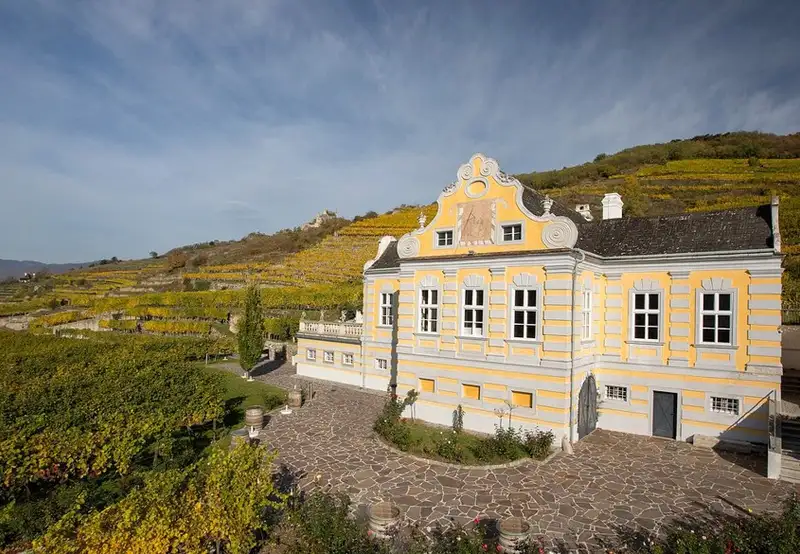
Home to over 160 hectares of organic vineyards, Domäne Wachau is Austria’s leading wine estate and the source of some of the best Central European wines in the world. Just a short distance from the neighbouring town of Dürnstein, you’ll find this winery, which is where you can appreciate these wines first-hand. This region is particularly known for producing excellent Grüner Veltliner and Riesling; however, even if you don’t like wine, the Wachau region’s luscious landscape is worth taking some time to admire.
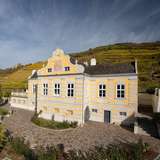
Teisenhoferhof Wachaumuseum
A charming local history museum hidden in the heart of Weissenkirchen, Teisenhoferhof Wachaumuseum is an interesting cultural site dedicated to showcasing the unique traditions and interesting history of the Wachau region. From agricultural practices and local folklore to what everyday life was like and some of the most significant residents of the region, you’ll get a comprehensive understanding of Weissenkirchen and the Wachau region when you visit this inviting museum.
Walking and Hiking
The area in and around Weissenkirchen is fantastic for scenic walking and hiking, with routes for all types of traveller – whether you’re looking for a leisurely stroll somewhere stunning or a more vigorous adventure into the countryside. If you head across the Danube, you’ll find the Steinige Ries nature reserve among the fantastic sites you can visit on the Wahcau World Heritage Trail – a 180km hiking trail through the region. Of course, you don’t need to tackle it all at once, but there are so many picturesque places worth seeing here.
Melk
DAY 12
22 Oct 2026
Time at Port: TBD
Melk is undeniably charming and one destination you’ll want to look forward to on your cruise along the Danube river. A charming Austrian town with a population of roughly 5,500 people, this is an ideal port of call if you’re looking for somewhere a little more laid back with the opportunity to spend some time appreciating the luscious landscape of the Wachau region. Dominated by the imposing but incredible Melk Abbey, you’ll find a surprising variety of architectural styles in this small town alongside an array of fantastic walking and hiking routes, the chance to indulge in Authentic Austrian cuisines, and an abundance of sightseeing opportunities – be those hilltop castles, vibrant vineyard-blanketed valleys, or rolling forest-covered hills.
Things to do in Melk:
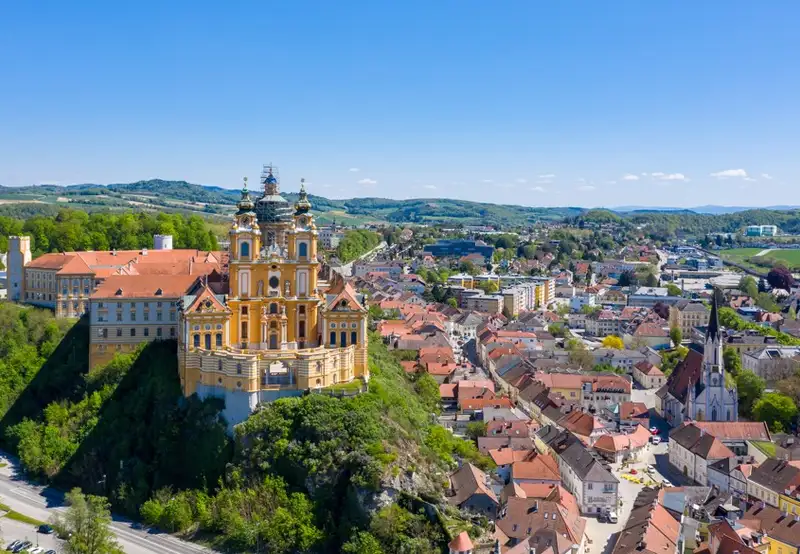
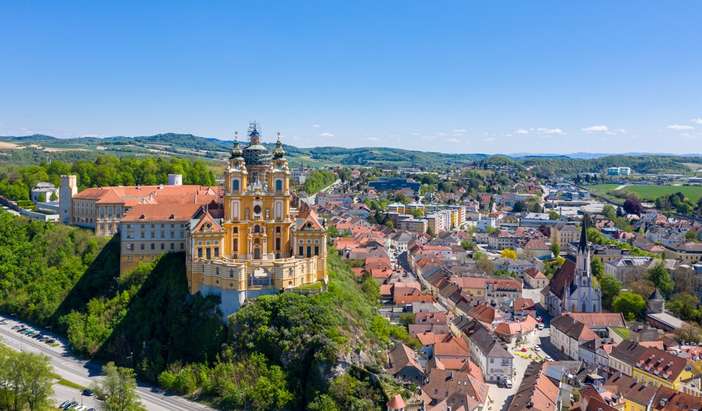
Melk Abbey
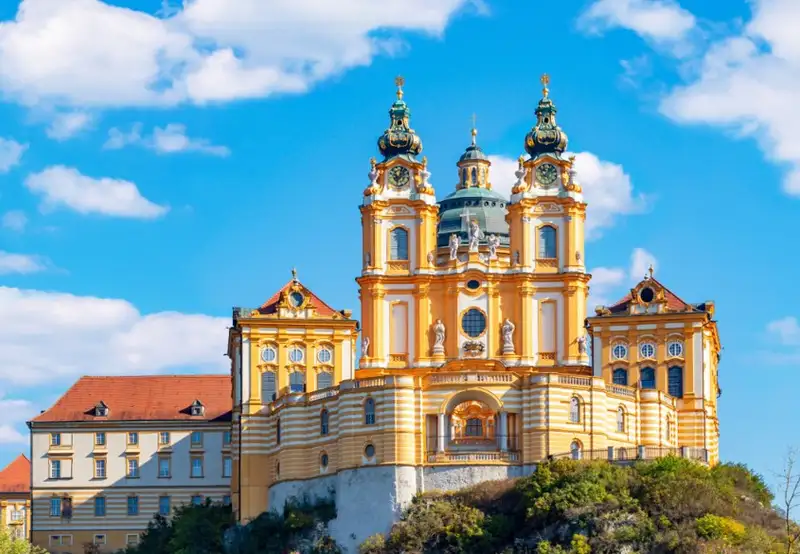
An impressive Benedictine abbey towering above Melk, Melk Abbey is easily one of the most iconic landmarks of this region in Lower Austria and one site you really should consider visiting when in Melk. Founded in 1809, with the current Baroque-style structures being built in the early 18th century, this abbey contains the tomb of Saint Coloman of Stockerau and the remains of several members of the House of Babenburg – making it an important historical and religious site. Following its construction, it quickly became a centre for Enlightenment in the region and this academic importance is part of the reason why it survives today, having been threatened under several regimes and rulerships over the centuries.
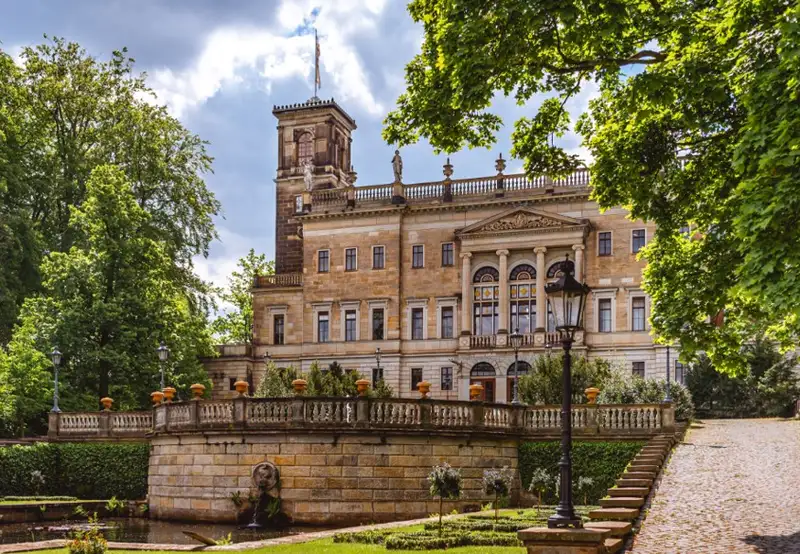
Schloss Albrechtsberg (Albrechtsberg Castle)
Built in 1581, interestingly in a Renaissance style over a traditional medieval castle fortification, Schloss Albrechtsberg is just one of the incredible castle structures littering the vibrant landscape around Melk. A short distance from the town itself, overlooking a stretch of the picturesque Pielach waterway – which is an off-shoot of the Danube – a variety of events take place in and around the castle throughout the year, from art exhibitions to musical performances, and more.
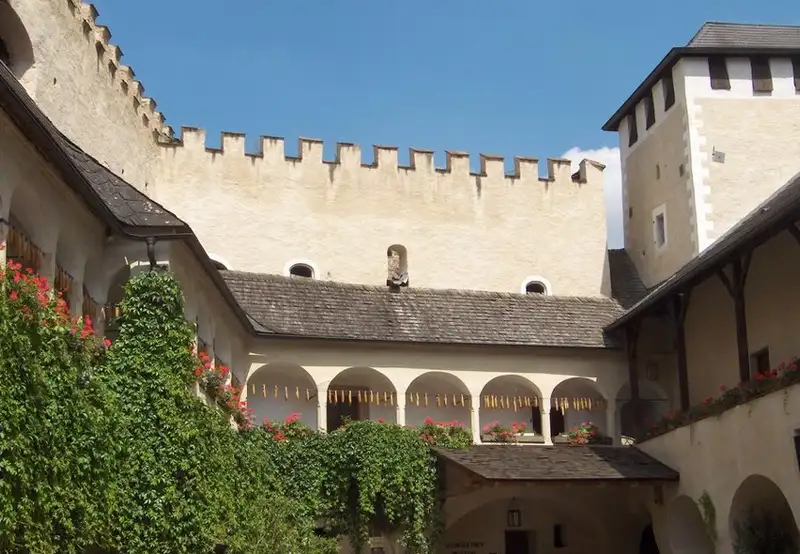
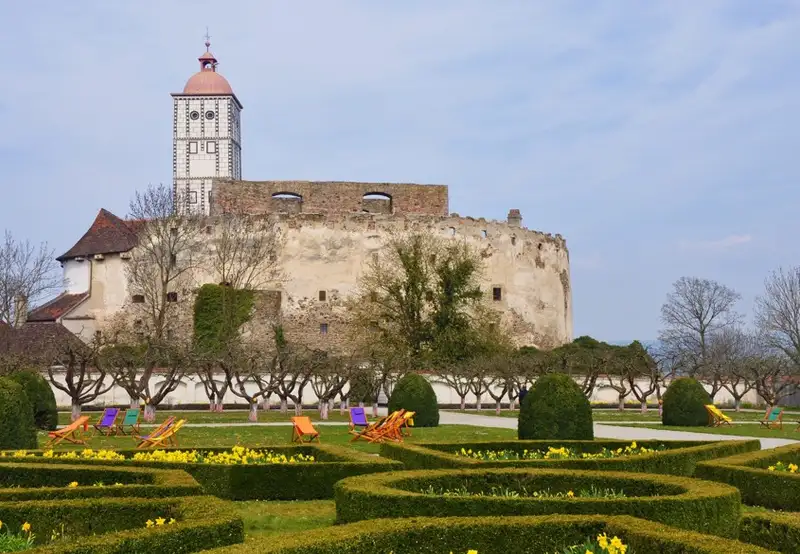
Schallaburg Castle
Schallaburg Castle is one of the best-known Renaissance-style castles in Austria, boasting a unique combination of a Romanesque residential main castle and a Gothic chapel. Fortifications on this site are referenced as early as 1242, but the main structures we see today were built circa 1540 – from which it was a private property until Russian confiscation in 1945. As a historic site, this is a well-preserved castle constructed with aesthetics in mind, meaning it enjoys an incredible array of decorations depicting mythological creatures alongside colourful gardens and even two apple orchards. However, Schallaburg Castle also operates as a museum, with a year-long exhibition for you to explore.
Tulln, Austria
DAY 12
22 Oct 2026
Time at Port: TBD
Our experts are preparing detailed information about this location. Please check back shortly to discover more.
Vienna
DAY 13
23 Oct 2026
Time at Port: TBD
Vienna, the City of Music, is one cruise destination you’re not going to want to miss out on the chance to visit. The capital city of Austria and the most populous urban centre on the Danube River, this is one of the world’s most livable cities – meaning you won’t have any trouble finding modern comforts among the historic landmarks littering the landscape. In fact, you’ll find an abundance of modern attractions and activities among the historic sites, interesting museums, and impressive monuments here. The Museum of Applied Arts, Vienna State Opera, and Otto-Wagner Pavilion are just a handful of examples of this. Vienna, though, is also known for its coffee culture and several culinary delights, from Wiener Schnitzel and Apfelstrudel to Knödel dumplings and Frankfurters. Fear not, though, for it’s also one of Europe’s most vegan-friendly cities, so everyone will find something delicious to enjoy while visiting – be that coffees and cakes, beers and sausages, or something else tasty. For those of you who want to take advantage of the welcoming weather this Central European capital enjoys, Vienna is home to several vibrant parks worth taking a stroll through. And, the Danube-Auen National Park borders the city, so you won’t have to travel very far to immerse yourself even more in this region’s charming nature. A destination with something for everyone to enjoy, Vienna is always a highlight on any cruise adventure in Central Europe.
Things to do in Vienna:
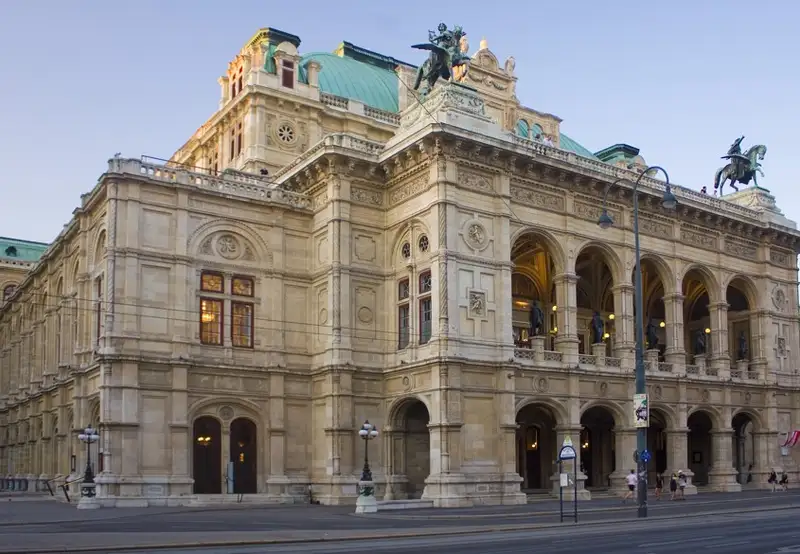
Vienna State Opera
Built from 1861 to 1869, the Vienna State Opera is a historic opera house in the heart of Vienna and one of this city’s most iconic sites. Featuring an impressive Renaissance Revival architectural style, this 1,709-seat opera house is known for famously intense operatic performances – while also being the home of the famed Vienna State Ballet. A stunning sight to see from the circular Ringstrasse, and even more impressive from within, a guided tour of this opera house is a must if you don’t have time to attend an unforgettable show here.
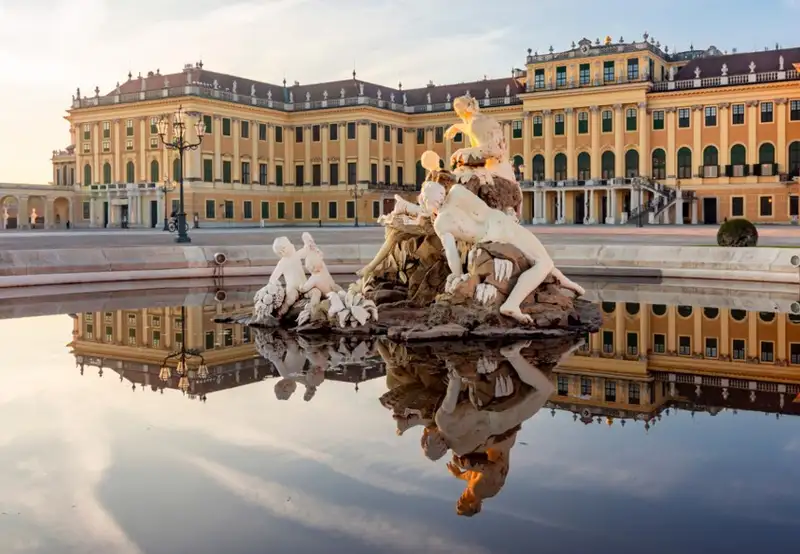
Schönbrunn Palace
Once the primary summer residence for the Habsburg rulers, Schönbrunn Palace is undoubtedly one of the most important cultural, historic, and architectural monuments in Austria. A staggering 1,441-room Baroque palace with vast gardens home to a variety of unique sculptures and the Gloriette, tours of Schönbrunn Palace will afford you the opportunity to explore the south-facing reception rooms and State Apartments within alongside the private residences of former Austrian emperor Franz Joseph I. Opulent and overflowing with history, this is one experience you won’t want to miss.
Karlskirche
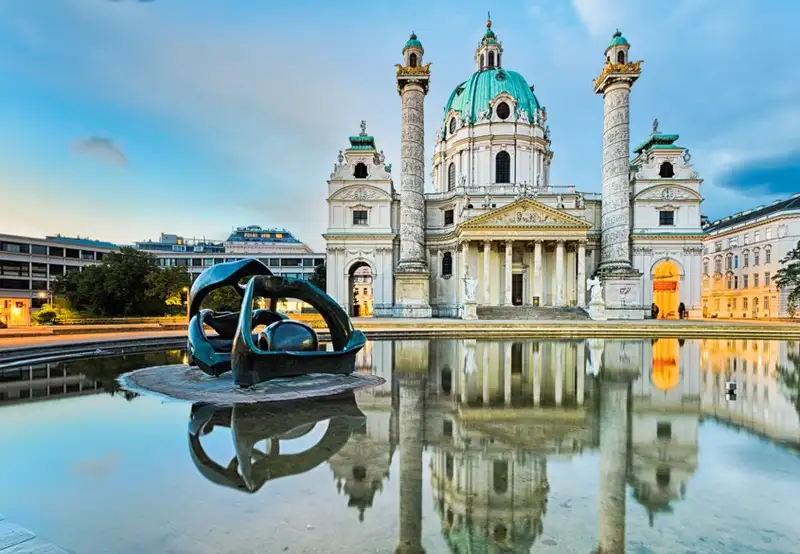
Constructed through the mid-18th century and consecrated in 1737, Karlskirche is an impressive Baroque-style Roman Catholic church in the heart of Vienna. Featuring an opulent interior with intricately-designed frescos depicting Italian archbishop Charlses Borromeo and the Virgin Mary, this church overlooks the Karlsplatz – a well-connected town square where you’ll find the Wien Museum, Statue of Josef Ressel, and Kunsthalle Wien Karlsplatz art museum among the interesting sites here.
Budapest - Overnight onboard
DAY 14-15
24 Oct 2026
Time at Port: TBD
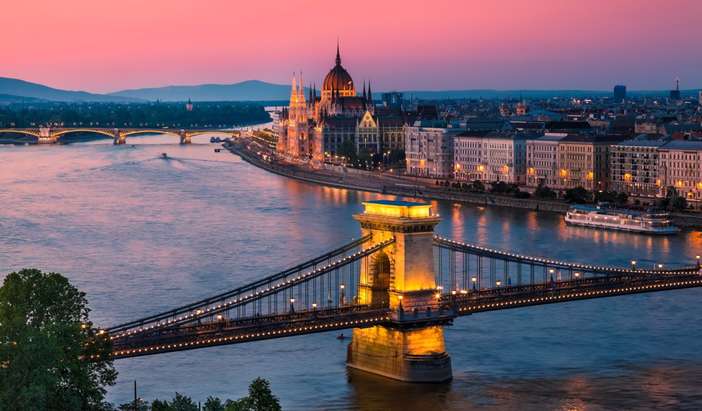
The Pearl of the Danube, Budapest is a remarkable destination for any cruise adventure and one port of call you’re not going to forget. Capital city of Hungary, Budapest boasts a remarkable city centre steeped in history, unforgettable cultural experiences, and a unique cuisine – blending French, Germanic, Italian, and Slavic foods with its own original Magyar foods and flavours. While here, you’ll have the chance to marvel at some sensational classical architecture, with the Hungarian Parliament Building a particular highlight among the impressive landmarks littering this city, and visit a host of unique museums exploring this city’s – and this nation’s – history. Budapest also has a reputation as a city of spas, with thermal waters in the region making the historic public baths here an unmissable attraction; although, you’ll find plenty of places for sumptuous treatments beyond those. A breathtakingly beautiful, exciting city bisected by the Danube, Budapest is an adventure for every type of traveller and one destination you’ll want to return to, over and over again.
Things to do in Budapest - Overnight onboard:
Hungarian Parliament Building
Opened in 1902, and constructed in a dramatic neo-Gothic style somewhat resembling the Palace of Westminster in London, the Hungarian Parliament Building in Budapest is one of this city’s most impressive and iconic landmarks. It’s over 300 ft tall at its highest point, and almost 900 ft long, making it one of the city’s largest buildings. With an incredible façade facing the Danube River, this four-floor building houses 691 rooms and acts as the seat for the National Assembly of Hungary.
St. Stephen’s Basilica
Named in honour of Stephen I, the first King of Hungary, St. Stephen’s Basilica is an impressive 19th century cathedral constructed in a neo-classical architectural style. The nation’s third-largest church, this structure interestingly houses King Saint Stephen’s mummified right hand in a reliquary, signifying its importance as a national relic and symbol of faith. Throughout the Second World War, the site was significantly damaged, but the cellar provided an important shelter for refugees and the Hungarian National Archives.
Aquincum Museum
The Aquincum Museum in Budapest is an archaeological museum housing the findings and remains of Aquincum, an ancient Roman city founded circa 47 AD. Opened in 1894, this site tells the unique story of Budapest’s origins and early history, while also offering visitors an insight into life around 2,000 years ago. While here, you’ll also be able to explore the ruins of Aquincum’s Mithraeum – a former temple to the Roman god Mithras.
Flight departs
DAY 15
Time at Port: TBD
Say goodbye to your current destination, for it’s time to head somewhere new! Flight information will be available closer to your embarkation date, but this will be when you’re hopping on a plane to continue your adventure – be that travelling somewhere new, or heading home.
Select your departure airport
If you are looking for an airport not available in the list below or want to make changes to your flights, please give us a call: 0203 848 3113


 River Duchess -


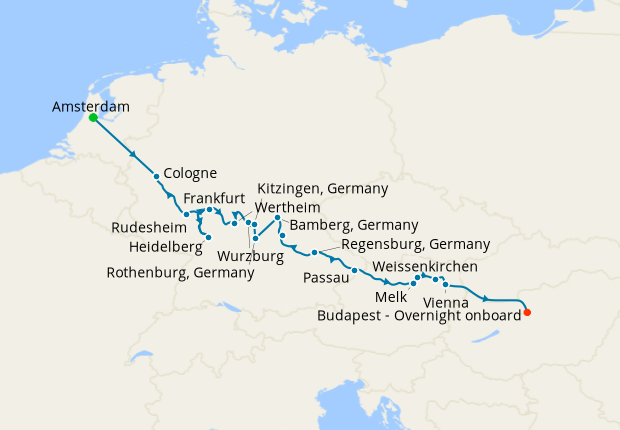


 11 October 2026 (14 nights)
 London Airports
  Based on 2 adults sharing