Description
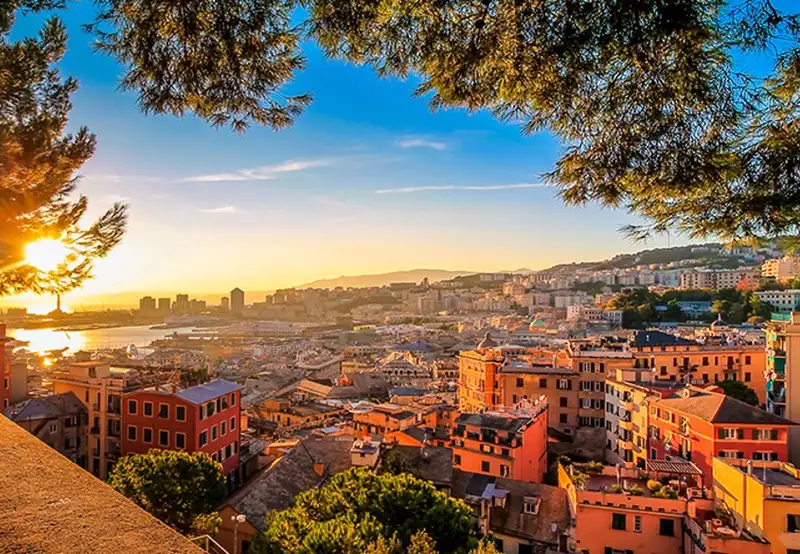
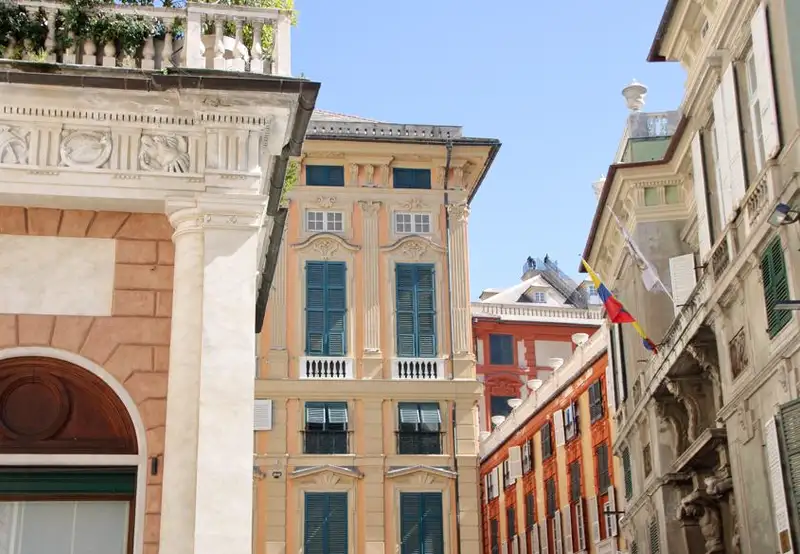
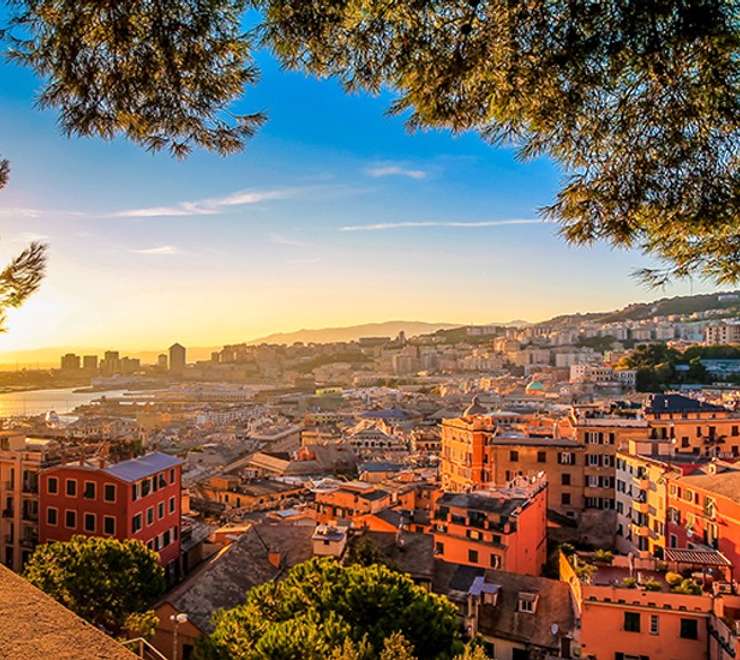
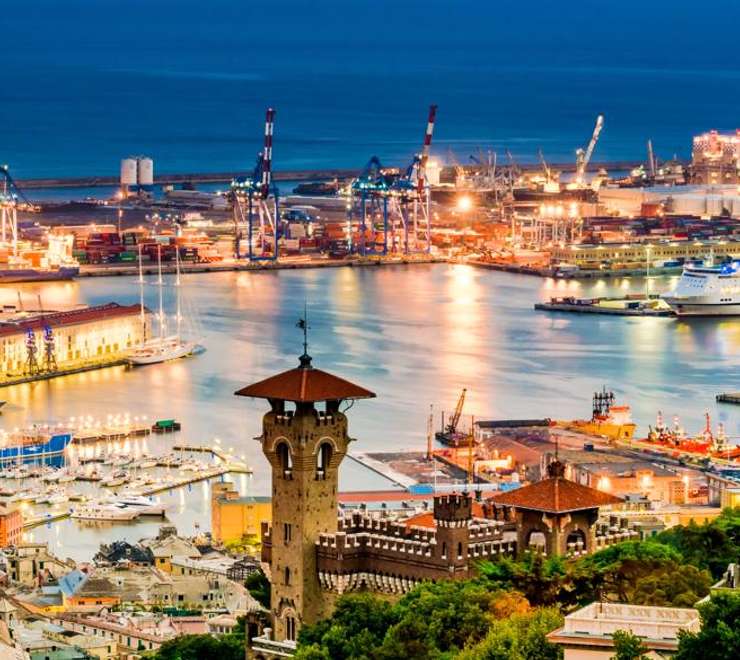
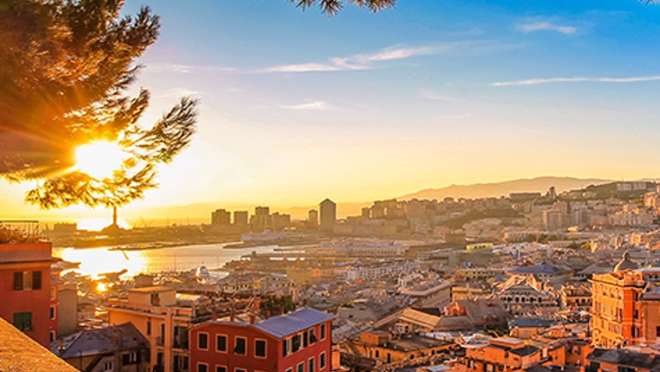
The historic city of Genoa has played a pivotal role in Italy’s past, particularly when it comes to maritime endeavours. One of the world’s biggest shipbuilding yards – Fincantieri – is located here, and Genoa is also hometown to the famous explorer, Christopher Columbus. You can easily imagine the hustling, bustling travellers and traders of years gone by as you wander in the Old Port, and relive history in Piazza de Ferrari, and the mansions of Via Garibaldi. Sip on delicious wine and enjoy the very best seafood dishes in this pretty yet industrial Italian city.
Read more
Read less
Things to do
Aquarium of Genoa
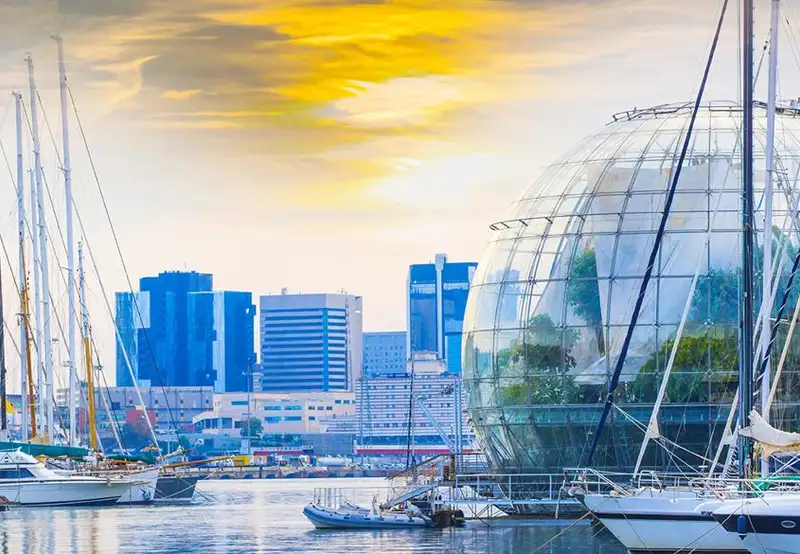
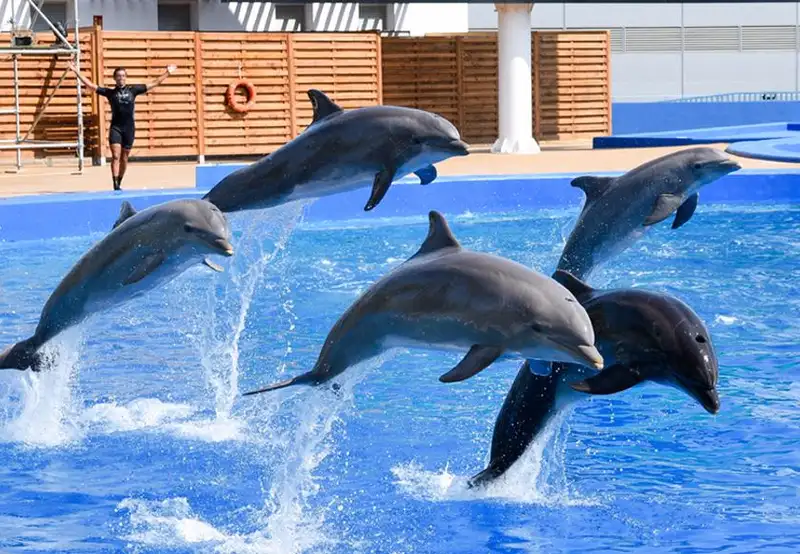
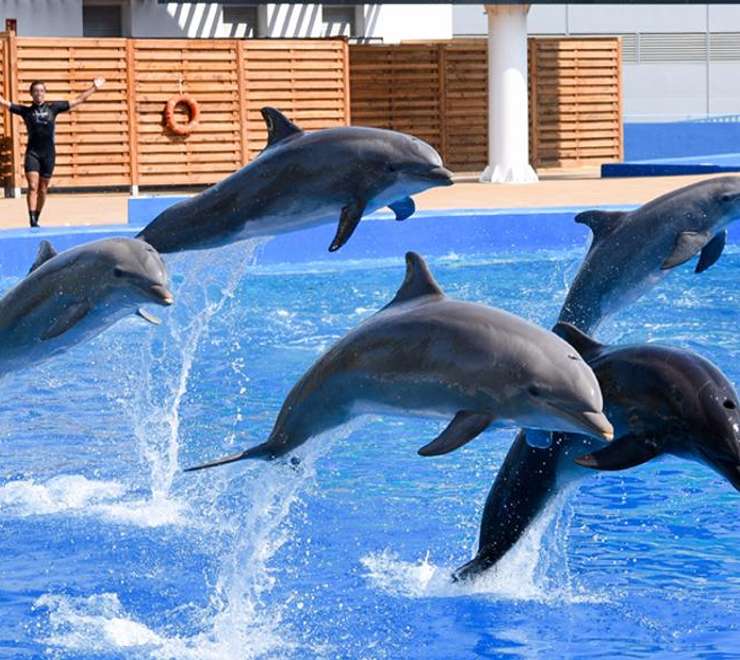
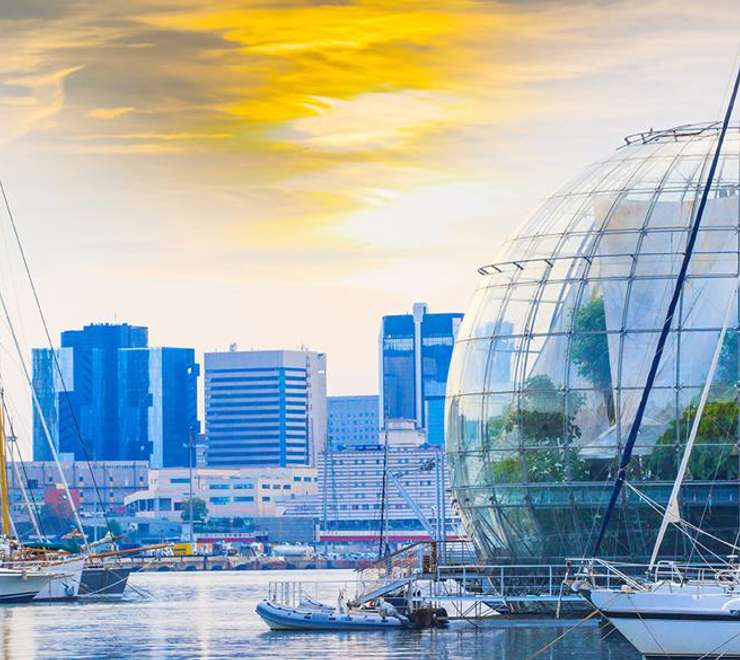
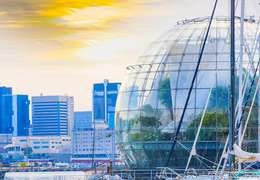
One for all the family to enjoy, the Aquarium of Genoa is the largest in Italy. It was designed by local architect Renzo Piano, and built in 1992 to mark the 500 year anniversary of Christopher Columbus’ arrival to the New World. Within its more than 70 tanks live around 600 different animal species, and 200 species of plants. You’ll find representations of the Mediterranean Sea, the Atlantic, and Caribbean Sea at the aquarium.
Via Garibaldi
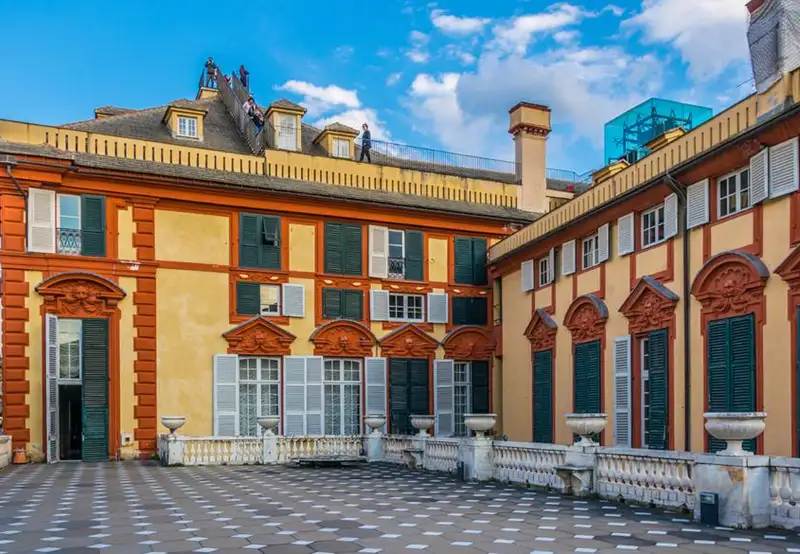
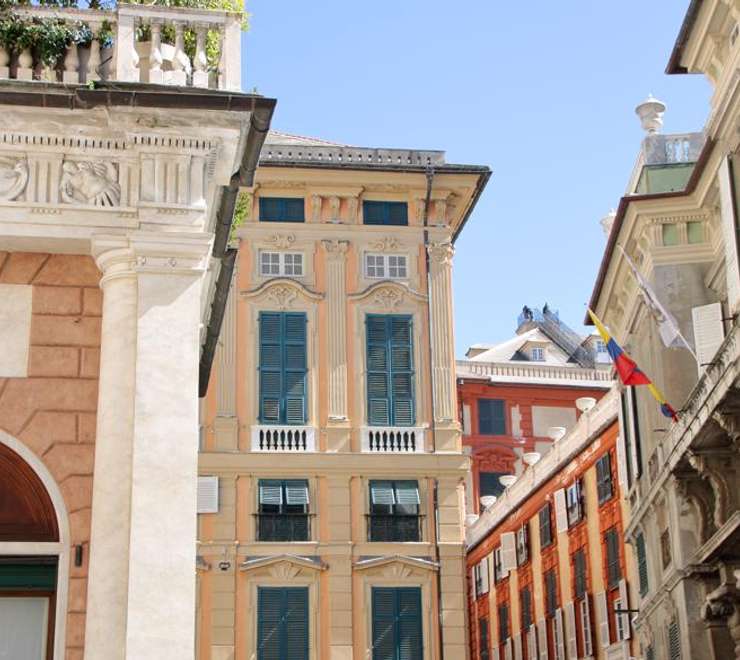
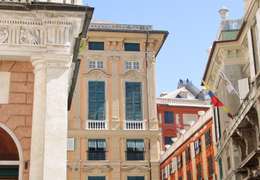
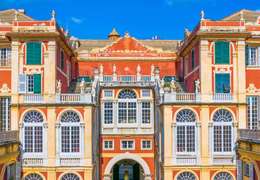
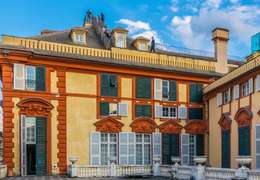
Originally called the Strada Maggiore, or Strada Nuova, this street was named after famous general Giuseppe Garibaldi in 1882. Over the 16th and 17th centuries the wealthy nobility of the area set about restoring and reforming existing dated mansions, which resulted in the creation of more than ten fabulous palazzi (palaces). The street became a UNESCO World Heritage site in 2006, and today the beautiful buildings act as banks, shops, offices, the Town Hall, and clubs.
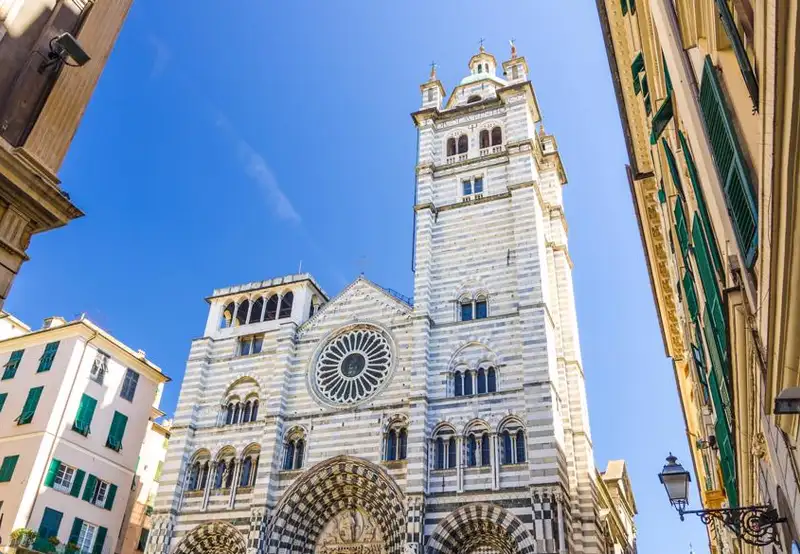
Saint Lawrence Cathedral
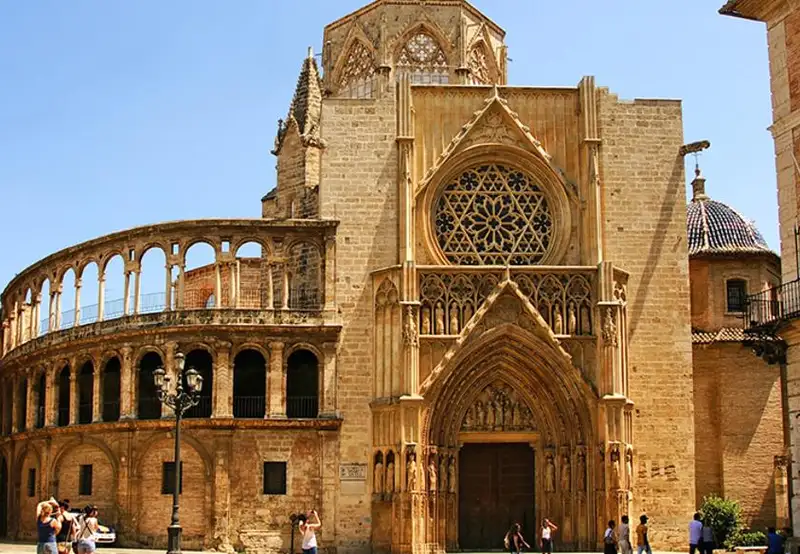
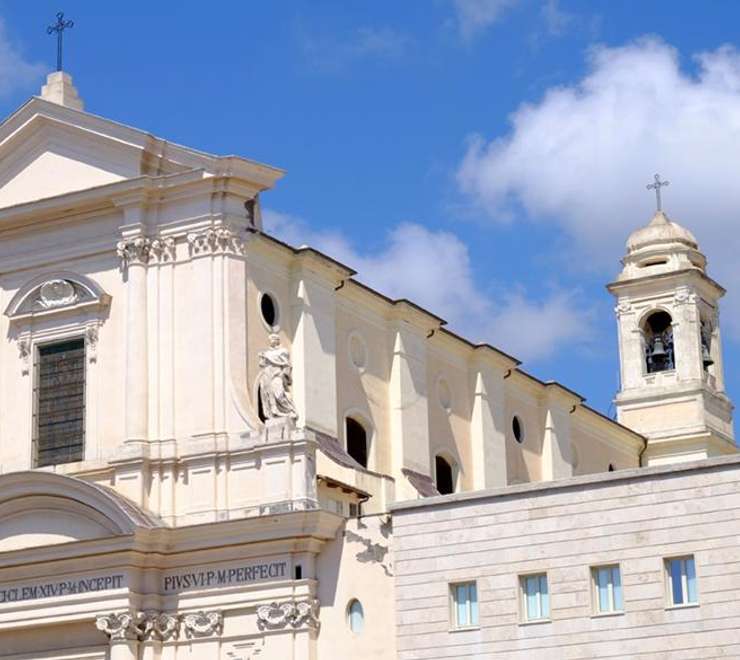
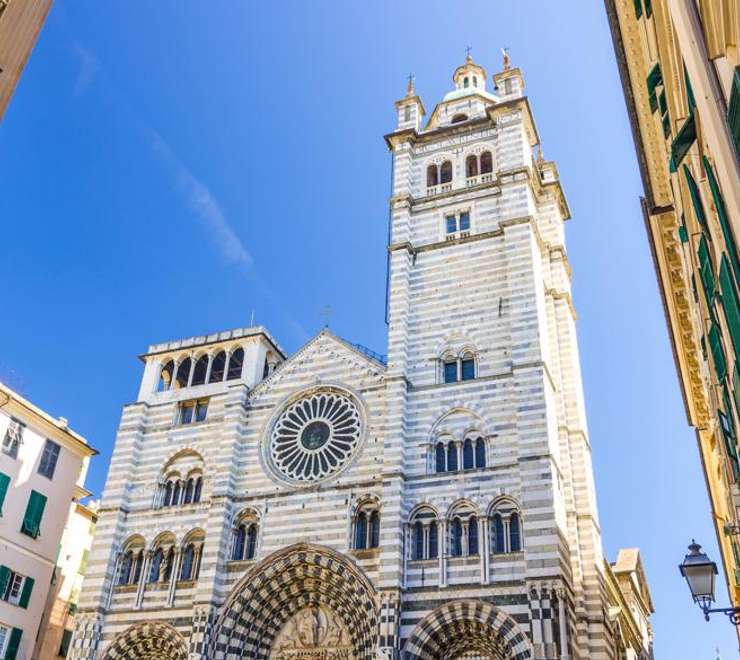
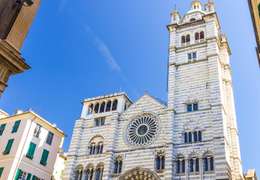
The Cattedrale di San Lorenzo was first built in the late 11th century. It houses the ashes of St John the Baptist, the city’s patron saint, which are said to have arrived in Genoa at the end of the First Crusade. Over the years the building has suffered destruction and consequent repair works, which has led to the juxtaposition of varying architectural styles. There is evidence of Romanesque, Gothic, Mannerist, and Byzantine style which makes for a beautiful and intriguing image.
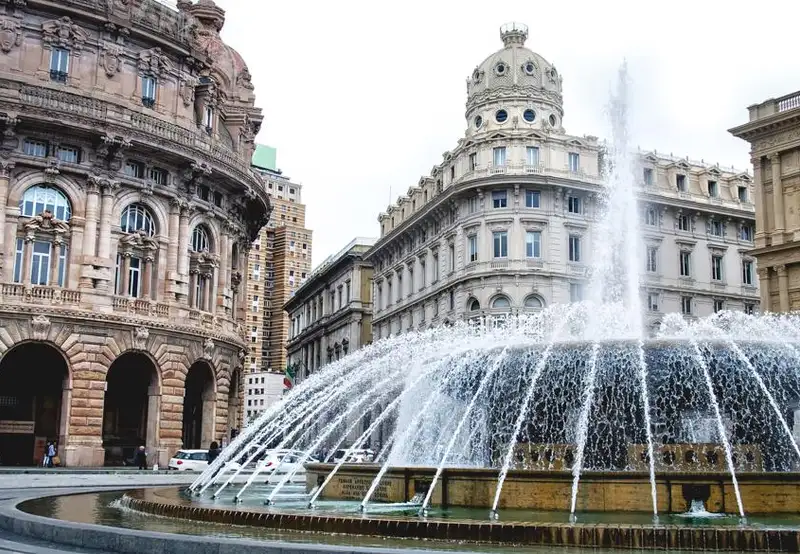
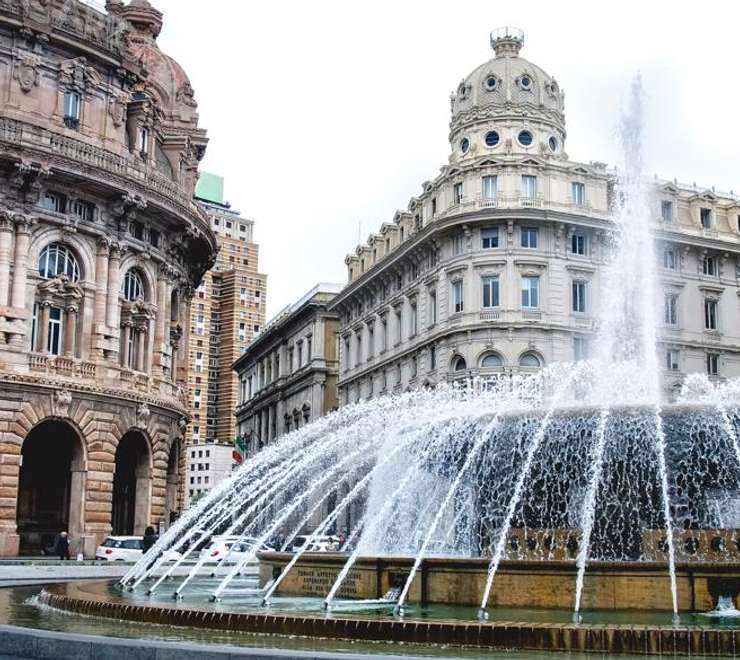
Piazza De Ferrari
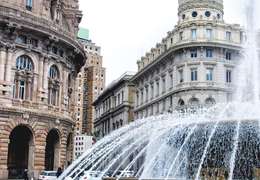
The city’s main square is named after Raffaele de Ferrari, the Duke of Galliera who donated a large sum of money to modernise Genoa in the mid-19th century. There are both modern and historic buildings surrounding the square, and it also boasts a beautiful fountain in the middle which many people enjoy sitting at with a gelato in hand. Piazza de Ferrari is a popular meeting place among tourists and locals alike, and is also frequently used for events.
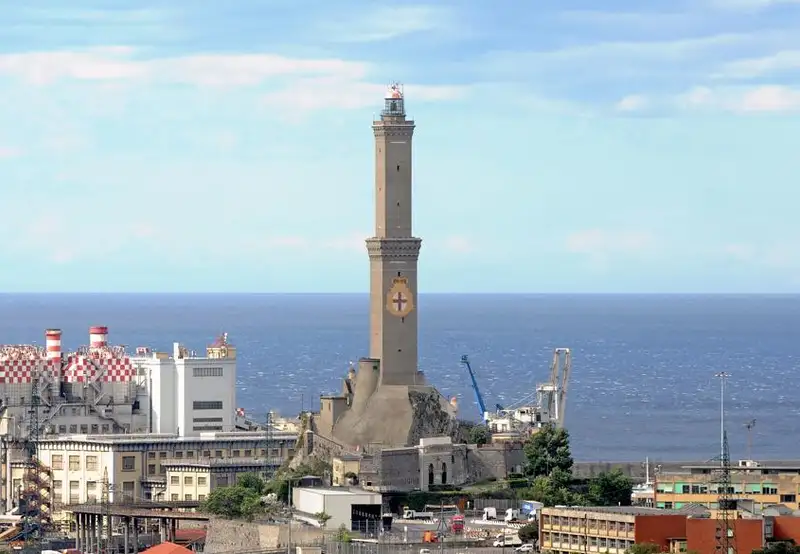
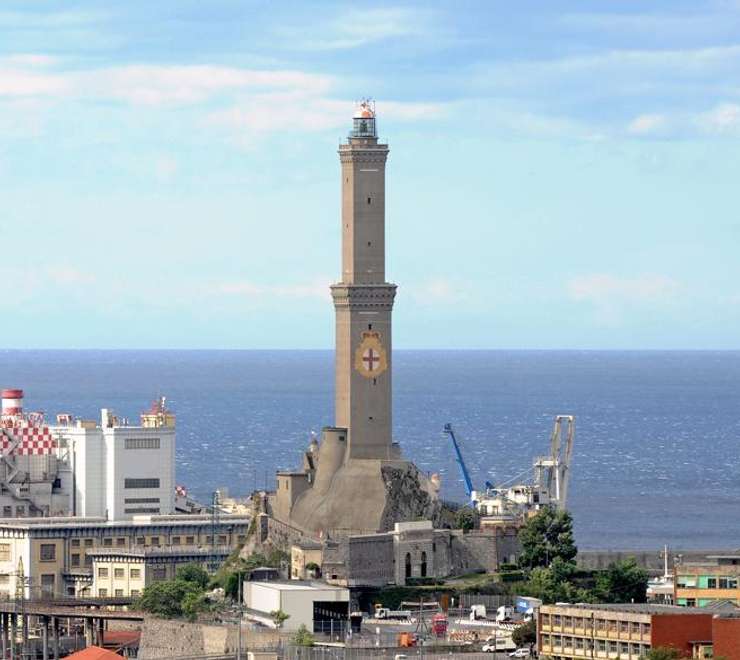
Lighthouse
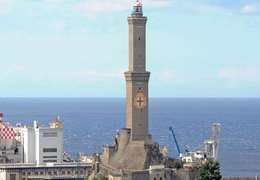
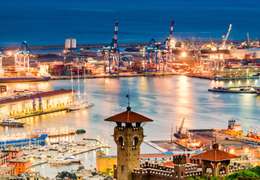
It is believed that Genoa’s lighthouse dates back to the 12th century. It has long represented Genoa, proudly displaying the city’s coat of arms since the mid-14th century – a feature that can be seen on many ancient nautical maps. The signalling light was once fuelled by fragrant plants such as juniper, heather, and briar root, until (olive) oil lamps were introduced in around 1345. The lighthouse has seen many keepers over the centuries, one of whom was Antonio Columbus – Christopher Columbus’ uncle.
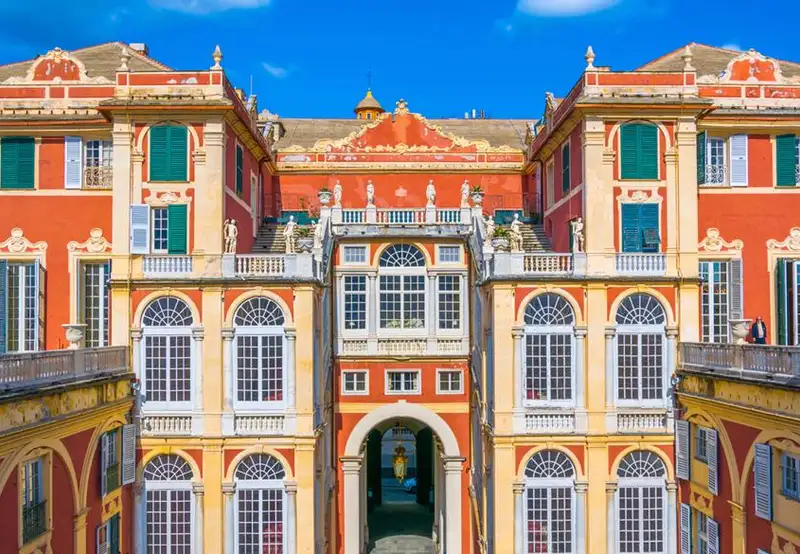
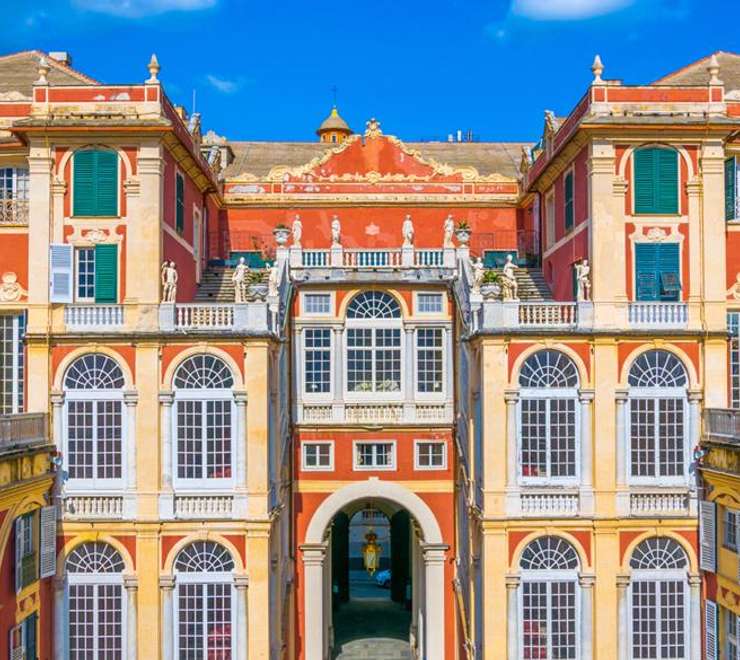
Royal Palace Museum
Today, the Palazzo Reale is a spectacular national museum displaying a range of 17th, 18th and 19th century furniture, art, and other artefacts. It was constructed for the Balbi family in 1618, sold to the Durazzo family in 1677, and then became the royal House of Savoy’s property in 1823. Since 1919 the palace has belonged to the state, and has welcomed visitors. The Gilded Hall of Mirrors and collection of 17th century art are particularly special.
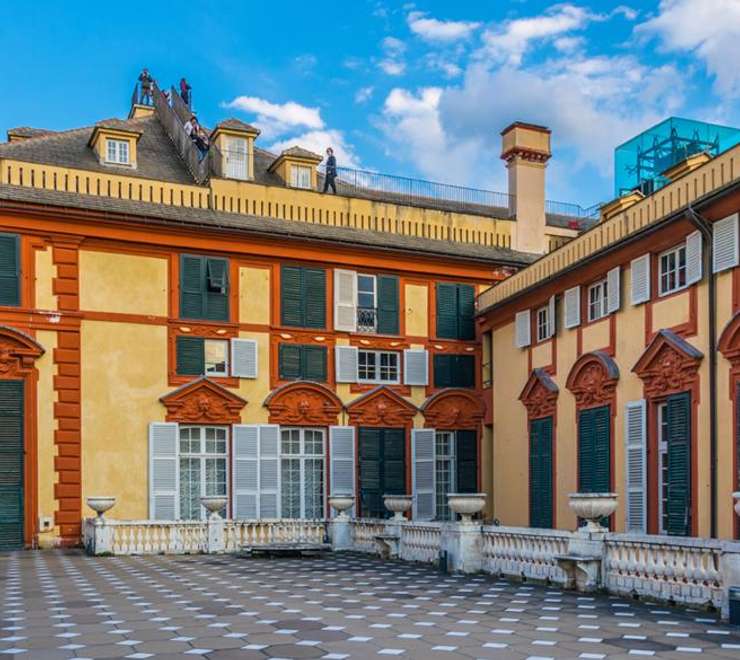
Strade Nuove and Palazzi dei Rolli
Le Strade Nuove is Italian for ‘the new street’, and in Genoa this collectively refers to the magnificent Via Garibaldi, Via Cairoli, and Via Balbi. This area of the city is home to some exquisite mansions, which in 1576 were registered on the Palazzi dei Rolli – a list of palaces. Being on this list meant that when important visitors came to Genoa, the wealthy families who owned the mansions would take turns in hosting them.
Old Port
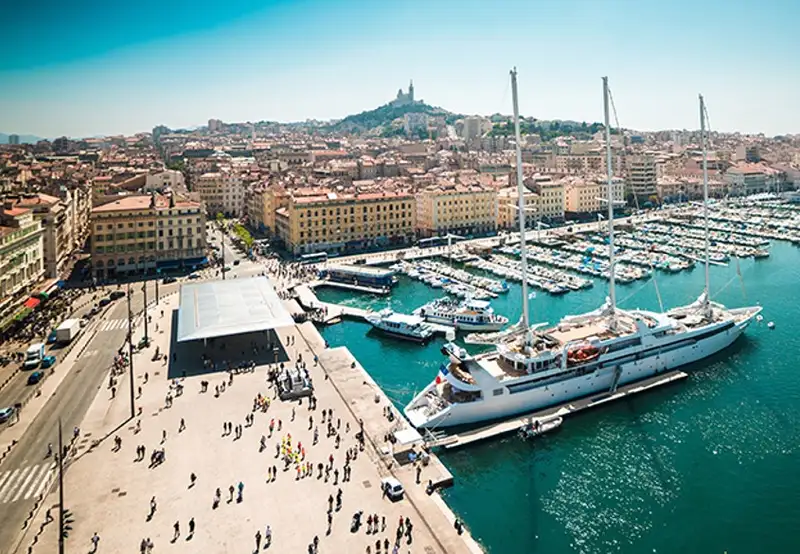
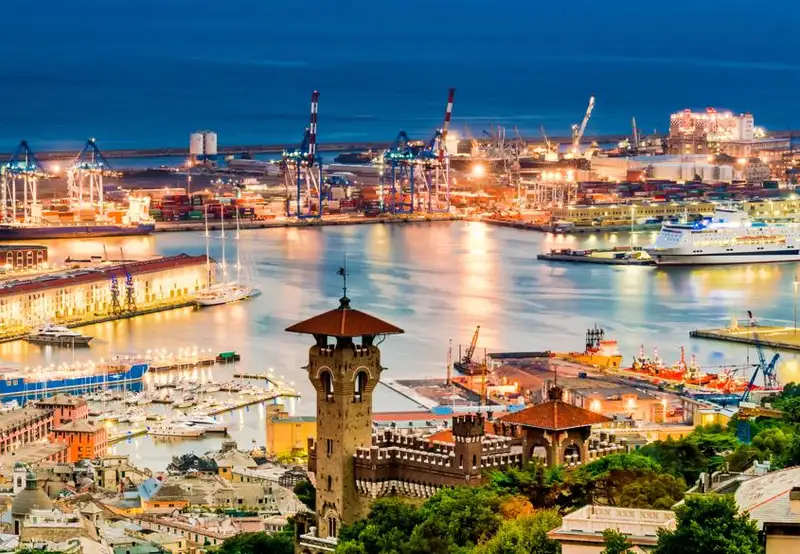
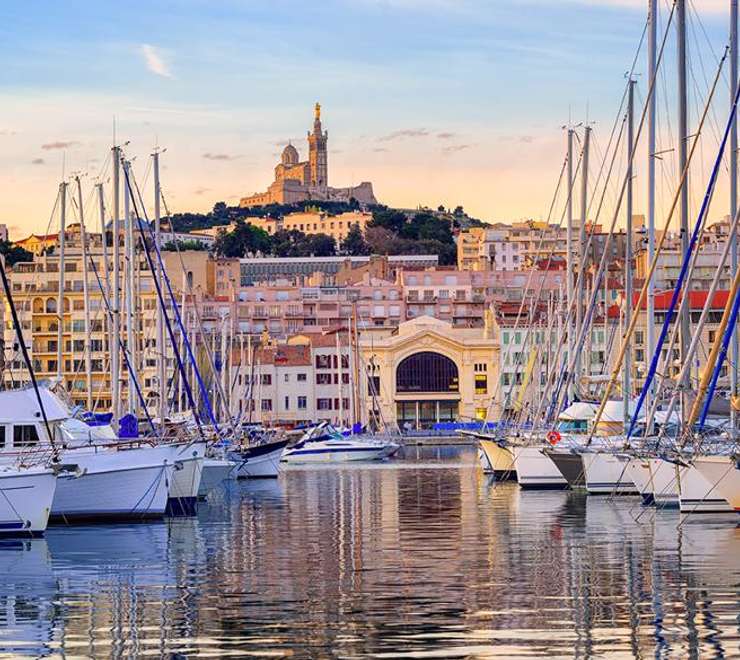
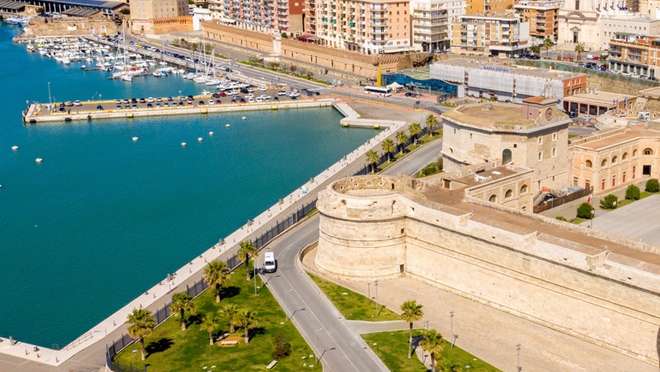
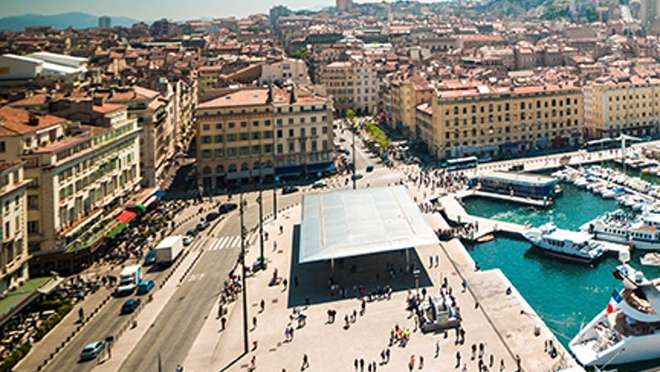
Many say that the activity at the historic port of Genoa is what inspired local boy Christopher Columbus in his childhood to go on to undertake discovery voyages – one of which would lead to European settlement in the Americas. Today, a walk around the bustling port can transport you to years gone by, as you imagine the travellers, trade, and business that went on way back when just as it does now. Gaze at historic buildings and busy streets, many of which were revamped in the 1990s by Italian architect Renzo Piano.









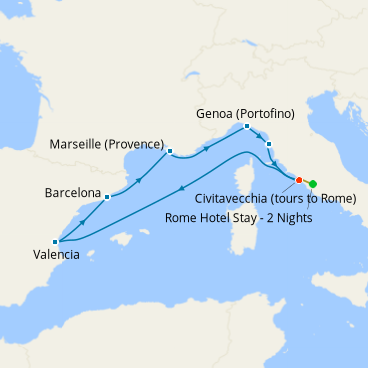


 22 December 2026 · 9 nights
 London Gatwick



 Transfers to Airport

 Flights
 Hotel
Hotel
 Drinks
 Tips
Tips
 Entertainment
 Meals
Meals
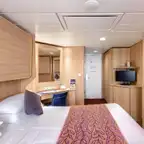
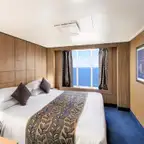
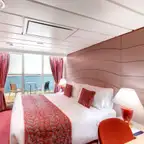
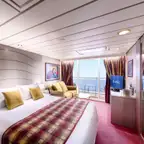
 Cabin
Cabin
 Luggage
 Port Fees & Taxes
 Transfers (Between)