Bespoke Handcrafted Cruise & Stay Holidays -Save up to £50pp & Reduced Deposits on selected departures (T&C's apply~)
Family Friendly
Up to $400 free credit
Handcrafted Holidays
Handcrafted Cruise & Stay Flash Sale
Hotel Included
Transfers included
Alternative Packages
7
nights
Mediterranean & Adriatic from Rome
Cruise + Flight
6 October 2026 · 7 nights
from£972 pp
7
nights
Mediterranean & Adriatic Fly Cruise from Rome
Cruise + Flight
6 October 2026 · 7 nights
from£1,429 pp
8
nights
Mediterranean & Adriatic from Rome with 1nt Stay
Cruise + Flight + Hotel
5 October 2026 · 8 nights
from£1,649 pp
9
nights
Mediterranean & Adriatic from Rome with Stay
Cruise + Flight + Hotel
4 October 2026 · 9 nights
from£1,729 pp
Your itinerary
Day 1-8Pre-cruise
Day 1
Flying to Zurich International Airport from London Heathrow
Departs 28 Sep 2026 09:15 (local time)
London Heathrow Airport - British Airways
Arrives at 28 Sep 2026 12:10 (local time)
Zurich International Airport Airport - British Airways
Zurich Hotel Stay
Transfers to Hotel
Included
4 star hotel
Stay in style at Krone Unterstrass
This charming hotel is centrally situated in Zurich. The hotel is located just a short distance away from the main attractions that this sophisticated city has to offer. The hotel is situated within easy access of a wealth of shopping opportunities, dining options and entertainment venues. This wonderful hotel welcomes guests with warm hospitality and excellent service. The guest rooms are elegantly appointed, bathing visitors in the utmost in comfort and luxury. The hotel features a range of exemplary facilities and services. Guests can enjoy delightful dining in the restaurant, where Mediterranean cuisine is sure to tempt the taste buds.
Day 2
Zurich Hotel Stay
4 star hotel
Stay in style at Krone Unterstrass
This charming hotel is centrally situated in Zurich. The hotel is located just a short distance away from the main attractions that this sophisticated city has to offer. The hotel is situated within easy access of a wealth of shopping opportunities, dining options and entertainment venues. This wonderful hotel welcomes guests with warm hospitality and excellent service. The guest rooms are elegantly appointed, bathing visitors in the utmost in comfort and luxury. The hotel features a range of exemplary facilities and services. Guests can enjoy delightful dining in the restaurant, where Mediterranean cuisine is sure to tempt the taste buds.
Day 3
Zurich - Chur
Transfers to Rail
Not included
Chur Hotel Stay
Transfers to Hotel
Not included
4 star hotel
Stay in style at Mercure Chur City West
Enjoy amenities such as a 24-hour health club and rooftop terrace. This hotel also offers complimentary Wi-Fi, a hair salon, and on-site shopping. Savor regional cuisine at Towers City West Restaurant, featuring a bar/lounge and alfresco dining. Room service is available during limited hours. Buffet breakfast is served weekdays from 6:30 AM to 10:00 AM and weekends from 6:30 AM to 10:30 AM (for a fee). The hotel offers dry cleaning/laundry services, multilingual staff, and luggage storage. For events, the hotel provides 3, 444 square feet (320 square meters) of conference space and meeting rooms. Self-parking is available (subject to charges). Relax in one of the 49 guestrooms featuring heated floors and flat-screen televisions. Your pillowtop bed includes down comforters and premium bedding. Complimentary Wi-Fi and digital programming are provided for your entertainment. Conveniences include a phone, safe, and desk. Distances are displayed to the nearest 0. 1 mile and kilometer. Bowling Rock 'n' Bowl - 0. 4 km / 0. 3 mi; Chur-Brambuesch Gondola - 1. 6 km / 1 mi; and several other attractions are nearby. The preferred airport for Mercure Chur City West is Zurich Airport (ZRH) - 127. 7 km / 79. 3 mi.
Day 4
Bernina Express - Chur to Tirano
Transfers to Rail
Not included
Tirano Hotel Stay
3 star hotel
Stay in style at Hotel Bernina
Enjoy stunning rooftop terrace views at Hotel Bernina, centrally located in Tirano, just steps from the Bernina Railway. Stay connected with complimentary Wi-Fi and enjoy the convenience of express check-in/check-out. Choose from two restaurants and a café, including Restaurant Bernina, or relax with a drink at the bar/lounge. Each of the 54 guestrooms features a minibar, flat-screen TV, and private bathroom with complimentary toiletries. A continental breakfast is available daily (fee applies). Self-parking is also available (subject to charges). Nearby attractions include Conti Sertoli Salis Winery (13-minute walk) and the Sanctuary of Our Lady of Tirano (0. 7 mi).
Day 5
Tirano - Lake Como
Transfers to Rail
Not included
Lake Como Hotel Stay
4 star hotel
Stay in style at Hotel Griso Collection
The hotel enjoys an advantageous location being a 15-minute walk from Lecco city centre and a 5-minute walk from the shores of Lake Como. The A4 motorway is 40 km away. The 43 guestrooms are furnished in a modern style and feature large windows and balconies overlooking the lake. In each room guests will find free WiFi access, flat-screen satellite TV and a minibar which provides drinks. Further refreshments can be purchased at the hotel's panoramic lounge bar. The on-site restaurant serves traditional Italian cuisine in an elegant atmosphere. Free parking is available to guests arriving by car.
Day 6-7
Lake Como Hotel Stay
4 star hotel
Stay in style at Hotel Griso Collection
The hotel enjoys an advantageous location being a 15-minute walk from Lecco city centre and a 5-minute walk from the shores of Lake Como. The A4 motorway is 40 km away. The 43 guestrooms are furnished in a modern style and feature large windows and balconies overlooking the lake. In each room guests will find free WiFi access, flat-screen satellite TV and a minibar which provides drinks. Further refreshments can be purchased at the hotel's panoramic lounge bar. The on-site restaurant serves traditional Italian cuisine in an elegant atmosphere. Free parking is available to guests arriving by car.
Day 8
Train - Lake Como to Rome
Transfers to Rail
Not included
Rome Hotel Stay
4 star hotel
Stay in style at The Guardian
This stylishly decorated hotel boasts a fantastic location in Rome, Italy. A 25-minute drive from Rome Ciampino Airport and a short walk from Rome Termini Train Station, it offers guests convenient access to the city's attractions. Several nearby restaurants, cafes, and bars provide ample opportunity to relax and socialize. Must-see destinations such as the Trevi Fountain, Colosseum, and Vatican Museum are easily accessible. The modern, sophisticated rooms feature vibrant colors and essential amenities, providing a comfortable retreat after a day of exploring.
Day 9-16Cruise from Rome (Civitavecchia) and back
Day 9
Cruise departs from Rome (Civitavecchia)
Departs at: 6 pm
Transfers to Port
Included
Terme Taurine
Aquafelix Waterpark
Forte Michelangelo
Cathedrale de Civitavecchia
Today's Civitavecchia was born as an Etruscan village along the Tyrrhenian coast, but it is believed that the territory has been inhabited since the Neolithic era. The first documents mentioning the city date back to the year 107 AD; the same as the construction of the port which ended three years later. During a stop in Civitavecchia you can visit the Taurine Baths, the Michelangelo Fort, and the Cathedral.
Day 10
At Sea
Day 11
Corfu
Agni Bay
Loggas Beach
Saint George Church
Vlacherna Monastery
Discover lush landscapes, hidden coves, and Venetian charm in this Greek island paradise.
Day 12
Dubrovnik
Bellevue Beach
Sunj Beach
Lokrum Island
Lovrijenac Fortress
Muralles de Dubrovnik
St John Fortress
Walk the iconic city walls, soak up the Adriatic views, and step into a storybook of medieval charm.
Day 13
Kotor
Jaz Beach
St Tryphon’s Cathedral
Lovćen National Park
Old Town
San Giovanni Castle
Aquapark Buvda
Wander medieval streets, admire dramatic fjords, and soak up Montenegro’s timeless beauty.
Day 14
At Sea
Day 15
Naples
Museo Nationale
Museo d'arte contemporanea
Palazzo Reale
Pompeii
Mount Vesuvius
Herculaneum
San Gennaro Catacombs
Castel Nuovo
Piazza del Plebiscito
Naples is one of the most important cities in Italy. Its foundation dates back to the 8th century BC, and it once had an important relationship with Athens, due to its commercial power and position on the sea. The city is rich in history and there are numerous places of interest to visit, in particular the archaeological excavations of the nearby Pompeii and Herculaneum, which were destroyed by the eruption of Vesuvius in 79 AD.
Day 16
Rome (Civitavecchia)
Arrives at: 6 am
Terme Taurine
Aquafelix Waterpark
Forte Michelangelo
Cathedrale de Civitavecchia
Today's Civitavecchia was born as an Etruscan village along the Tyrrhenian coast, but it is believed that the territory has been inhabited since the Neolithic era. The first documents mentioning the city date back to the year 107 AD; the same as the construction of the port which ended three years later. During a stop in Civitavecchia you can visit the Taurine Baths, the Michelangelo Fort, and the Cathedral.
DAY 16
Flying to London Heathrow from Aeroporto Fiumicino
Departs 13 Oct 2026 19:10 (local time)
Aeroporto Fiumicino Airport - British Airways
Arrives at 13 Oct 2026 20:50 (local time)
London Heathrow Airport - British Airways
British Airways
London Heathrow Zurich International Airport
Day 1
28 Sep 2026
This flight is included in the cost of your cruise with 1 piece of baggage per person
London Heathrow Zurich International Airport
28 Sep 2026 09:15
London Heathrow
Departs
28 Sep 2026 09:15 (local time)
British Airways
Zurich International Airport
Departs
28 Sep 2026 12:10 (local time)
British Airways
Krone Unterstrass
Day 1
Time at Port: TBD
Krone Unterstrass
Schaffhauserstr., 1
This charming hotel is centrally situated in Zurich. The hotel is located just a short distance away from the main attractions that this sophisticated city has to offer. The hotel is situated within easy access of a wealth of shopping opportunities, dining options and entertainment venues. This wonderful hotel welcomes guests with warm hospitality and excellent service. The guest rooms are elegantly appointed, bathing visitors in the utmost in comfort and luxury. The hotel features a range of exemplary facilities and services. Guests can enjoy delightful dining in the restaurant, where Mediterranean cuisine is sure to tempt the taste buds.
Hotel Photo Gallery
Hotel Features
Wired Internet
Concierge
Towels and bed linen
Clothes dryer
Valet parking
Luggage room
Wi-Fi
Small pets allowed (under 5 kg)
Newspapers
Multilingual staff
Car park
Bicycle storage
Wheelchair-accessible
Laundry service
Room service
Terrace
Shop
Newspaper stand
Lift access
Currency exchange facilities
Hotel safe
Smoke detector
Air conditioning in public areas
24 Hour Reception
With a hotel stay in this stunning destination, you’ll have the chance to immerse yourself even more in the unique culture of the region you’re visiting during your cruise getaway. It’s also a fantastic opportunity to explore the nightlife of the holiday hotspot you’re in, something you don’t always get when you’re sailing from one incredible destination to the next during your cruise.
Transfers
Transfers to Hotel
Included
Krone Unterstrass
Day 2
Time at Port: TBD
Krone Unterstrass
Schaffhauserstr., 1
This charming hotel is centrally situated in Zurich. The hotel is located just a short distance away from the main attractions that this sophisticated city has to offer. The hotel is situated within easy access of a wealth of shopping opportunities, dining options and entertainment venues. This wonderful hotel welcomes guests with warm hospitality and excellent service. The guest rooms are elegantly appointed, bathing visitors in the utmost in comfort and luxury. The hotel features a range of exemplary facilities and services. Guests can enjoy delightful dining in the restaurant, where Mediterranean cuisine is sure to tempt the taste buds.
Hotel Photo Gallery
Hotel Features
Wired Internet
Concierge
Towels and bed linen
Clothes dryer
Valet parking
Luggage room
Wi-Fi
Small pets allowed (under 5 kg)
Newspapers
Multilingual staff
Car park
Bicycle storage
Wheelchair-accessible
Laundry service
Room service
Terrace
Shop
Newspaper stand
Lift access
Currency exchange facilities
Hotel safe
Smoke detector
Air conditioning in public areas
24 Hour Reception
With a hotel stay in this stunning destination, you’ll have the chance to immerse yourself even more in the unique culture of the region you’re visiting during your cruise getaway. It’s also a fantastic opportunity to explore the nightlife of the holiday hotspot you’re in, something you don’t always get when you’re sailing from one incredible destination to the next during your cruise.
Zurich - Chur
Day 3
Time at Port: TBD
Our experts are preparing detailed information about this location. Please check back shortly to discover more.
Transfers
Transfers to Rail
Not Included
Mercure Chur City West
Day 3
Time at Port: TBD
Mercure Chur City West
Comercialstrasse, 32
Enjoy amenities such as a 24-hour health club and rooftop terrace. This hotel also offers complimentary Wi-Fi, a hair salon, and on-site shopping. Savor regional cuisine at Towers City West Restaurant, featuring a bar/lounge and alfresco dining. Room service is available during limited hours. Buffet breakfast is served weekdays from 6:30 AM to 10:00 AM and weekends from 6:30 AM to 10:30 AM (for a fee). The hotel offers dry cleaning/laundry services, multilingual staff, and luggage storage. For events, the hotel provides 3, 444 square feet (320 square meters) of conference space and meeting rooms. Self-parking is available (subject to charges). Relax in one of the 49 guestrooms featuring heated floors and flat-screen televisions. Your pillowtop bed includes down comforters and premium bedding. Complimentary Wi-Fi and digital programming are provided for your entertainment. Conveniences include a phone, safe, and desk. Distances are displayed to the nearest 0. 1 mile and kilometer. Bowling Rock 'n' Bowl - 0. 4 km / 0. 3 mi; Chur-Brambuesch Gondola - 1. 6 km / 1 mi; and several other attractions are nearby. The preferred airport for Mercure Chur City West is Zurich Airport (ZRH) - 127. 7 km / 79. 3 mi.
Hotel Photo Gallery
Hotel Features
Total number of rooms there are 49 of
hotel
Small pets allowed (under 5 kg)
Wheelchair-accessible
Car park
Electric vehicle charging station
24-hour reception
Wired Internet
Wi-fi
Car hire
Airport Shuttle
Room service
Laundry service
Multilingual staff
24-hour security
Bellboy service
Air conditioning in public areas
Smoke detector
Hotel safe
Currency exchange facilities
Lift access
Shop
Terrace
Concierge
Newspapers
Luggage room
Clothes dryer
Towels and bed linen
Café
Bar
Restaurant
Smoking area
Banquet hall
Breakfast room
Conference room
Meeting room
Business centre
Audio-visual equipment rental
Sauna
Massage
Hairdressing salon
Spa centre
Breakfast
Breakfast buffet
Continental breakfast
Non-smoking establishment
Single-Use Plastic Free
Fitness
Billiards
Bowling alley
Golf practice facility
With a hotel stay in this stunning destination, you’ll have the chance to immerse yourself even more in the unique culture of the region you’re visiting during your cruise getaway. It’s also a fantastic opportunity to explore the nightlife of the holiday hotspot you’re in, something you don’t always get when you’re sailing from one incredible destination to the next during your cruise.
Transfers
Transfers to Hotel
Not Included
Bernina Express - Chur to Tirano
Day 4
Time at Port: TBD
Our experts are preparing detailed information about this location. Please check back shortly to discover more.
Transfers
Transfers to Rail
Not Included
Hotel Bernina
Day 4
Time at Port: TBD
Hotel Bernina
Via Roma 24
Enjoy stunning rooftop terrace views at Hotel Bernina, centrally located in Tirano, just steps from the Bernina Railway. Stay connected with complimentary Wi-Fi and enjoy the convenience of express check-in/check-out. Choose from two restaurants and a café, including Restaurant Bernina, or relax with a drink at the bar/lounge. Each of the 54 guestrooms features a minibar, flat-screen TV, and private bathroom with complimentary toiletries. A continental breakfast is available daily (fee applies). Self-parking is also available (subject to charges). Nearby attractions include Conti Sertoli Salis Winery (13-minute walk) and the Sanctuary of Our Lady of Tirano (0. 7 mi).
Hotel Photo Gallery
Hotel Features
Luggage room
Wi-Fi
Newspapers
Multilingual staff
Car park
Wheelchair-accessible
Room service
Lift access
Hotel safe
24 Hour Reception
With a hotel stay in this stunning destination, you’ll have the chance to immerse yourself even more in the unique culture of the region you’re visiting during your cruise getaway. It’s also a fantastic opportunity to explore the nightlife of the holiday hotspot you’re in, something you don’t always get when you’re sailing from one incredible destination to the next during your cruise.
Tirano - Lake Como
Day 5
Time at Port: TBD
Our experts are preparing detailed information about this location. Please check back shortly to discover more.
Transfers
Transfers to Rail
Not Included
Hotel Griso Collection
Day 5
Time at Port: TBD
Hotel Griso Collection
Viale Italia, 24
The hotel enjoys an advantageous location being a 15-minute walk from Lecco city centre and a 5-minute walk from the shores of Lake Como. The A4 motorway is 40 km away. The 43 guestrooms are furnished in a modern style and feature large windows and balconies overlooking the lake. In each room guests will find free WiFi access, flat-screen satellite TV and a minibar which provides drinks. Further refreshments can be purchased at the hotel's panoramic lounge bar. The on-site restaurant serves traditional Italian cuisine in an elegant atmosphere. Free parking is available to guests arriving by car.
Hotel Photo Gallery
Hotel Features
Clothes dryer
Luggage room
Wi-Fi
Small pets allowed (under 5 kg)
Bellboy service
Newspapers
Multilingual staff
Car park
Wheelchair-accessible
Room service
Terrace
Garden
Lift access
Hotel safe
24 Hour Reception
With a hotel stay in this stunning destination, you’ll have the chance to immerse yourself even more in the unique culture of the region you’re visiting during your cruise getaway. It’s also a fantastic opportunity to explore the nightlife of the holiday hotspot you’re in, something you don’t always get when you’re sailing from one incredible destination to the next during your cruise.
Hotel Griso Collection
Day 6-7
Time at Port: TBD
Hotel Griso Collection
Viale Italia, 24
The hotel enjoys an advantageous location being a 15-minute walk from Lecco city centre and a 5-minute walk from the shores of Lake Como. The A4 motorway is 40 km away. The 43 guestrooms are furnished in a modern style and feature large windows and balconies overlooking the lake. In each room guests will find free WiFi access, flat-screen satellite TV and a minibar which provides drinks. Further refreshments can be purchased at the hotel's panoramic lounge bar. The on-site restaurant serves traditional Italian cuisine in an elegant atmosphere. Free parking is available to guests arriving by car.
Hotel Photo Gallery
Hotel Features
Clothes dryer
Luggage room
Wi-Fi
Small pets allowed (under 5 kg)
Bellboy service
Newspapers
Multilingual staff
Car park
Wheelchair-accessible
Room service
Terrace
Garden
Lift access
Hotel safe
24 Hour Reception
With a hotel stay in this stunning destination, you’ll have the chance to immerse yourself even more in the unique culture of the region you’re visiting during your cruise getaway. It’s also a fantastic opportunity to explore the nightlife of the holiday hotspot you’re in, something you don’t always get when you’re sailing from one incredible destination to the next during your cruise.
Train - Lake Como to Rome
Day 8
Time at Port: TBD
Our experts are preparing detailed information about this location. Please check back shortly to discover more.
Transfers
Transfers to Rail
Not Included
The Guardian
Day 8
Time at Port: TBD
The Guardian
Via Palestro 13, 13
This stylishly decorated hotel boasts a fantastic location in Rome, Italy. A 25-minute drive from Rome Ciampino Airport and a short walk from Rome Termini Train Station, it offers guests convenient access to the city's attractions. Several nearby restaurants, cafes, and bars provide ample opportunity to relax and socialize. Must-see destinations such as the Trevi Fountain, Colosseum, and Vatican Museum are easily accessible. The modern, sophisticated rooms feature vibrant colors and essential amenities, providing a comfortable retreat after a day of exploring.
Hotel Photo Gallery
Hotel Features
Electric kettle
Airport Shuttle
Luggage room
Wi-Fi
Multilingual staff
Babysitting service
Car park
Wheelchair-accessible
Launderette
Laundry service
Mobile phone coverage
Lift access
Cloakroom
Currency exchange facilities
Hotel safe
Smoke detector
Air conditioning in public areas
24 Hour Reception
With a hotel stay in this stunning destination, you’ll have the chance to immerse yourself even more in the unique culture of the region you’re visiting during your cruise getaway. It’s also a fantastic opportunity to explore the nightlife of the holiday hotspot you’re in, something you don’t always get when you’re sailing from one incredible destination to the next during your cruise.
Rome (Civitavecchia)
Day 9
06 Oct 2026
Time at Port: from 6 AM to 6 PM
Today's Civitavecchia was born as an Etruscan village along the Tyrrhenian coast, but it is believed that the territory has been inhabited since the Neolithic era. The first documents mentioning the city date back to the year 107 AD; the same as the construction of the port which ended three years later. During a stop in Civitavecchia you can visit the Taurine Baths, the Michelangelo Fort, and the Cathedral.
Transfers
Transfers to Port
Included
Things to do in Rome (Civitavecchia):
Terme Taurine
The Taurine Baths - a Roman archaeological site dating back to the 1st century BC - are located around 4km from the urban centre of Civitavecchia. There is a legend that says the baths came to be after a bull scraped at the ground before a fight, and in doing so uncovered a hot water spring.
Aquafelix Waterpark
Aquafelix Waterpark is ideal for a day of fun with your family and friends. It is the largest water park in central Italy, and boasts areas dedicated to both adults and children.
Forte Michelangelo
The construction of the Michelangelo Fort began in 1508 and ended in 1537. The structure of the fortress, in true Renaissance style, has the shape of a quadrilateral with a tower in each corner, and the central tower has an octagonal layout. Its creation was ordered by Pope Julius II, to defend the Port of Civitavecchia against pirates and any other hostile encounters.
Cathedrale de Civitavecchia
The Cathedral of San Francesco d'Assisi is the most important church of Civitavecchia. Dating back to the 17th century and completely restored in 1950, it has a Baroque style and stands on the remains of a previous Franciscan church.
At Sea
Day 10
07 Oct 2026
Time at Port: TBD
While sailing between destinations, you’ll have time to take a moment and enjoy everything your cruise ship has to offer; with stunning food prepared with the freshest ingredients, fantastic entertainment opportunities, and plenty of places to lounge around, an enjoyable day at sea awaits!
Corfu
Day 11
08 Oct 2026
Time at Port: TBD
One of Greece’s most verdant islands and perfect for a family holiday with charming architecture, an impressive fort and a 16th century church, Agios Spyridhon. Mount Pantokrantor rears up in the north of the island and all around the edges are sandy beaches and small villages. Whether you’re here to top up a tan on the stunning Loggas Beach or eager to discover the gorgeous monuments, Corfu has something for everyone.
Things to do in Corfu:
Agni Bay
This hidden gem will provide the perfect getaway from bustling crowds. If you’re looking to relax in a quaint fishing village, enjoy traditional Corfiot cuisine on the waterfront and take a dip in the vibrant waters, Agni Bay is the place for you.
Loggas Beach
Surrounded by imposing cliffs, Loggas Beach – otherwise known as Sunset Beach – is one of the most beautiful spots in Corfu. You won’t find wild water sports here, instead you’ll witness breath-taking sunsets and take a dip in the warm, gentle water.
Saint George Church
Built in 1840 for British troops serving in Corfu, the Church of St George now hosts only two services each year, as well as occasional exhibitions. With views out over Garitsa Bay, this church resembles an ancient Greek temple and provides great photo opportunities.
Vlacherna Monastery
Found on a tiny islet close by to the airport of Corfu, Vlacherna Monastery dates back to around the 17th and 18th centuries. The beautifully preserved building is a great photo opportunity particularly at sunset, and the perfect place to take a romantic stroll.
Dubrovnik
Day 12
09 Oct 2026
Time at Port: TBD
It’s easy to see why Dubrovnik is one of the best highlights on a Mediterranean cruise. In 1979, the city was declared a UNESCO World Heritage Site for its beautifully preserved ancient architecture that you’ll love to spend hours exploring. Fans of the hit series Game of Thrones will particularly love to recreate their favourite scenes filmed here, while history and art enthusiasts will adore the fortresses and museums.
Things to do in Dubrovnik:
Bellevue Beach
This small and intimate beach provides a quiet getaway from the crowds. Relax in the sun watching the locals play water polo, before taking a dip in the crystal clear waters and exploring the nearby cliffs and caves.
Sunj Beach
If you are looking for something relaxing but also to spend some time exploring, head along the sandy beaches and rocky paths where you’ll find Sunj beach. Here the waters range from beautiful crystal blue to alluring green where you can swim and relax under the sun with a wide range of bars to pick from.
Lokrum Island
A short ferry ride from Dubrovnik Old Town, Lokrum Island is a fantastic place for a day trip. With a beautiful botanical garden planted in the 19th century, the ruins of a Benedictine monastery and spots for swimming in the sea, you’ll love exploring this tiny island.
Lovrijenac Fortress
At 37 meters above the sea, Fortress Lovrijenac offers impressive views across the landscape. Used as a filming location for Game of Thrones, the fortress played an important role in protecting the Old City, which visitors will learn about as they explore the grounds.
Muralles de Dubrovnik
Covering 1,940 metres with 6 fortresses, the Walls of Dubrovnik are a must visit for Game of Thrones fans and lovers of architecture. Visitors can join walking tours of the walls which take approximately two hours and offer unrivalled views over the city from the forts.
St John Fortress
One of the most important forts in the Walls of Dubrovnik, it now houses the Maritime Museum and Aquarium, containing artefacts, paintings and documents telling the history of city. The aquarium, meanwhile, is where you’ll find marine life that thrives in the waters off Croatia.
Kotor
Day 13
10 Oct 2026
Time at Port: TBD
Nestled among the mountains, Kotor provides the setting for a picturesque cruise holiday. A walk around Old Town Budva will take you past timeless architecture, while San Giovanni Castle has the best photo opportunities. Kotor is not just for relaxing and scenic strolls though, with Aquapark Budva providing a fun-filled day for all the family. Don’t forget to stop by the many charming eateries in between for an authentic taste of Kotor cuisine too.
Things to do in Kotor:
Jaz Beach
If you are looking for a secluded beach tucked away in serenity by beautiful rock coves, head to Jaz Beach where you’ll be able to sunbathe and relax.
St Tryphon’s Cathedral
After being restored numerous times following earthquakes, St Tryphon’s Cathedral continues to represent the expertise of Roman architecture. With many stunning artefacts and decorations, this cathedral is well worth exploring.
Lovćen National Park
A short drive from Kotor, Lovćen National Park is home to imposing mountains including the spectacular Mount Lovćen standing 1,749 metres high. With no shortage of outdoor adventures to discover, visitors will love quad biking and zip lining in particular.
Old Town
With countless boutiques, authentic eateries, and bars as well as a quaint museum teeming with ancient artefacts, Old Town Budva is a delightful place to explore. Enjoy dessert from a charming bakery, admire the view from the citadel and bask in the peace and quiet.
San Giovanni Castle
After climbing 1,350 stairs to a height of 1,200 metres you’ll find this impressive fortress built between the 9th and 19th centuries. With Byzantine and Venetian roots, this structure is beautifully preserved and teeming with fascinating history to discover.
Aquapark Buvda
Nestled in lush surroundings with views over the town nearby, Aquapark Budva is perfect for spending a hot afternoon cooling off. The park features multiple pools and waterslides to suit a range of ages, as well as a restaurant, bars, shops and lockers.
At Sea
Day 14
11 Oct 2026
Time at Port: TBD
While sailing between destinations, you’ll have time to take a moment and enjoy everything your cruise ship has to offer; with stunning food prepared with the freshest ingredients, fantastic entertainment opportunities, and plenty of places to lounge around, an enjoyable day at sea awaits!
Naples
Day 15
12 Oct 2026
Time at Port: TBD
Naples is one of the most important cities in Italy. Its foundation dates back to the 8th century BC, and it once had an important relationship with Athens, due to its commercial power and position on the sea. The city is rich in history and there are numerous places of interest to visit, in particular the archaeological excavations of the nearby Pompeii and Herculaneum, which were destroyed by the eruption of Vesuvius in 79 AD.
Things to do in Naples:
Museo Nationale
The opening of the historic National Archaeological Museum of Naples took place in 1816. Built by Ferdinando I of Borbone, at the time king of the Two Sicilies, it boasts the richest collection of works and archaeological finds with regard to Roman history.
Museo d'arte contemporanea
The Museum of Contemporary Art, also known as the Madre Museum, is located inside Palazzo Donnaregina, in the center of Naples. It was established in 2005 with the aim of promoting cultural and artistic development in the territory of Campania.
Palazzo Reale
The construction of the Royal Palace began in 1600 and for a long time was the residence of the Spanish viceroys, before passing to the House of Bourbon and finally to the House of Savoy. The architectural style is a mixture of Baroque and Neoclassical. Today, the palace houses a museum and a library.
Pompeii
The history of Pompeii begins in the 9th century BC, when the area was inhabited by the Opici people - an ancient Latin population. Today the town is famous because of the eruption of Vesuvius, which occurred in 79 AD, which led to its total destruction.
Mount Vesuvius
The profile of Naples would not be the same without Mount Vesuvius that dominates the city skyline. Versuvius is known for the violent eruption of AD 79, which became famous for the destruction of Pompeii and Herculaneum, and was witnessed by Pliny the Younger.
Herculaneum
The tremendous eruption of Vesuvius, in 79 AD, not only destroyed Pompeii but also the ancient city of Herculaneum. The archaeological excavations of this city can be visited today and, since 1997, are part of the UNESCO World Heritage List.
San Gennaro Catacombs
The Catacombs of San Gennaro are the most important Christian monument in Naples. The remains of San Gennaro, the main patron saint of the city, have been held here since the 5th century. The labyrinth of corridors also house Christian frescos from the 2nd century AD, and mosaics from the 5th century AD.
Castel Nuovo
Castel Nuovo is a medieval and Renaissance-era castle. Most commonly known as Maschio Angioino, its construction began in the 13th century at the behest of Charles I of Anjou, after he moved the Italian capital from Palermo to Naples in around 1268.
Piazza del Plebiscito
The Piazza del Plebiscito is located in the historic center of Naples and was of considerable importance after the construction of the Royal Palace. Today Palazzo Salerno, Palazzo della Prefettura, and the Basilica of San Francesco di Paola are also located here.
Rome (Civitavecchia)
Day 16
13 Oct 2026
Time at Port: from 6 AM to 6 PM
Today's Civitavecchia was born as an Etruscan village along the Tyrrhenian coast, but it is believed that the territory has been inhabited since the Neolithic era. The first documents mentioning the city date back to the year 107 AD; the same as the construction of the port which ended three years later. During a stop in Civitavecchia you can visit the Taurine Baths, the Michelangelo Fort, and the Cathedral.
Things to do in Rome (Civitavecchia):
Terme Taurine
The Taurine Baths - a Roman archaeological site dating back to the 1st century BC - are located around 4km from the urban centre of Civitavecchia. There is a legend that says the baths came to be after a bull scraped at the ground before a fight, and in doing so uncovered a hot water spring.
Aquafelix Waterpark
Aquafelix Waterpark is ideal for a day of fun with your family and friends. It is the largest water park in central Italy, and boasts areas dedicated to both adults and children.
Forte Michelangelo
The construction of the Michelangelo Fort began in 1508 and ended in 1537. The structure of the fortress, in true Renaissance style, has the shape of a quadrilateral with a tower in each corner, and the central tower has an octagonal layout. Its creation was ordered by Pope Julius II, to defend the Port of Civitavecchia against pirates and any other hostile encounters.
Cathedrale de Civitavecchia
The Cathedral of San Francesco d'Assisi is the most important church of Civitavecchia. Dating back to the 17th century and completely restored in 1950, it has a Baroque style and stands on the remains of a previous Franciscan church.
British Airways
Aeroporto Fiumicino London Heathrow
Day 16
13 Oct 2026
This flight is included in the cost of your cruise with 1 piece of baggage per person
Aeroporto Fiumicino London Heathrow
13 Oct 2026 19:10
Aeroporto Fiumicino
Departs
13 Oct 2026 19:10 (local time)
British Airways
London Heathrow
Departs
13 Oct 2026 20:50 (local time)
British Airways
Breakfast, lunch, dinner and snacks from the buffet and main dining restaurants are all included. Meals from the specialty dining restaurants are additional.
Accommodation
Your cabin is included in the price of the cruise.
Port Fees & Taxes
No surprises. All port fees and taxes are included in the price.
Extras
Wi-Fi
To browse the internet on board you have three options. You can pay-as-go, buy a Wi-Fi package (see below) or upgrade to the Princess Plus or Premier fares where a Wi-Fi package is included.
Drinks
Included with meals are some soft drinks, teas and coffees but the majority of drinks are extra. If you want alcoholic drinks you have three options. You can buy drinks at the bar. You can buy a drinks package (see below). Or upgrade to the Princess Plus or Premier fares. They include a drinks package plus other packages for less than the cost of the drinks package on its own.
Premier drinks package$84.99 Per passenger, per day
Plus drinks package$64.99 Per passenger, per day
Zero Alcohol Package $29.99 Per passenger, per day
Classic Soda Package$14.99 Per passenger, per day
Tips
If you choose the Princess Standard fare, a daily service charge of $16 - $18 per person, depending on your cabin, is added to your account at the end of the cruise. If you choose the Princess Plus or Premium fare this already covered in the cost of your cruise.
Specialty Dining
Eating at the specialty dining restaurants is extra. You can pay for meals in those restaurants onboard. Or you get unlimited specialty dining meals included with the Princess Premier fare.
Excursions
If you would like to do any excursions/tours while docked these will be an additional charge. Excursions/tours can’t currently be booked with us online but please contact us after you have made the booking if you would like to add these to your package. Alternatively these can be bought while on the ship but may be more expensive than pre-booking.
Parking
Car parking at the port or airport for the duration of your trip is not included within the price of the cruise. Port/airport parking can’t currently be booked with us online but please contact us after you have made the booking if you would like to add this to your package. An approximate cost for parking is between £12 - £20 per car per day. Alternatively we can arrange transfers from your home to the departure airport/port.
Insurance
Insurance is not included in your package. We've partnered with Holiday Extras. They have 40 years of experience and offer excellent insurance cover for your holiday. Their flexible policies offer cruise-specific cover, so you can rest assured that you are completely covered when you go away. Get a Holiday Extras insurance quote
Transfers (home to port)
Transfers from your home to the port or airport aren't included but we can help organise coach transfers, taxis etc to make your life easier. Please contact us after you have made the booking if you would like to add these to your package.
Visa
Visas are not provided by us or the cruise operator. Visas and other travel documents have to be obtained by the individual passengers prior to sailing.
We've partnered with The Travel Visa Company for all your visa needs. They will be able to provide tailored advice and for a fee, assist with arranging your documents.
Ship Facilities
Enchanted Princess - By Princess Cruises
Family friendlyGood for couplesOver 50sFormalInformalLarge Ship
Year: 06/08/2019
·
Refurbished: 0
·
15 Decks
·
Max capacity: 3660 people
To book an accessible cabin, please give us a call
020 3991 1166
Iglu Cruise customer reviews for Enchanted Princess
4.4
Based on 122 reviews
Cabin
5
Service
5
Excursions
4
Dining
5
Activities
4
Value for money
4
Entertainment
4
A beautiful ship with friendly and efficient service. Great selection of dining and entertainment options.
couple
2-5 cruises
31 Jan 2026
Fantastic cruise with excellent food and entertainment an all round winner for people of all ages.
Ship is well maintained and clean and is furnished to a high standard.
Ship Excursions are very well planned and organised.
We will be taking another holiday with Princess Cruises soon.
couple
10+ cruises
30 Nov 2025
We love Princess but the entertainment doesn’t live up to the rest the cruise line has to offer
couple
10+ cruises
18 Nov 2025
A great cruise, which was only let down by some slow service in the main restaurants.
*Bespoke Handcrafted Cruise & Stay Sale up to £50pp reduction is valid for new bookings made between 3rd March 2026 to 31st March 2026 - Save up to £50pp with a minimum spend of £1999pp. Reduced deposits available on selected cruise & stay holidays departing from August 2026 onwards
All offers and prices are subject to change and availability at time of enquiry. Prices are based on two passengers sharing unless otherwise stated and are subject to the Tour Operator's terms and conditions. Cabin and Flight supplements may apply. Other supplements may apply in addition to the price shown above. Flight details, timings and routing may be subject to alteration. Other tour operator charges may also apply. Any Onboard Spending money or drinks package value shown will be per cabin, again based on two sharing.
Supplier Reference:
N634
Talk to a Cruise Expert
Our cruise experts will help you pick the perfect cruise line, ship and destination.
We can tailor any package to suit your holiday needs: Add or extend hotel stays, arrange flights and find the best cabin location for you.
If your party size isn’t listed, you can still call us: 0203 848 3620
2 Adultsfrom £2,679 pp
1 Adultfrom £4,749 pp
2 Adults and 1 child
Enquire for price
2 Adults and 2 children
Enquire for price
Other party size
Enquire for price
For an accurate price please select 'Build Quote'
Back
Corfu
Agni Bay
Loggas Beach
Dubrovnik
Bellevue Beach
Sunj Beach
Kotor
Jaz Beach
St Tryphon’s Cathedral
Naples
Museo Nationale
Museo d'arte contemporanea
Saint George Church
Vlacherna Monastery
Lokrum Island
Lovrijenac Fortress
Muralles de Dubrovnik
St John Fortress
Lovćen National Park
Old Town
San Giovanni Castle
Aquapark Buvda
Palazzo Reale
Pompeii
Mount Vesuvius
Herculaneum
San Gennaro Catacombs
Castel Nuovo
Piazza del Plebiscito
Enchanted Princess
Enchanted Princess
Enchanted Princess
Enchanted Princess
Enchanted Princess
Enchanted Princess
Enchanted Princess
Enchanted Princess
Enchanted Princess
Enchanted Princess
Stewart S.
28 Oct 2025
Darrell M.
25 Sep 2025
Darrell M.
25 Sep 2025
Darrell M.
25 Sep 2025
Darrell M.
25 Sep 2025
Darrell M.
25 Sep 2025
Darrell M.
25 Sep 2025
John O.
8 Jul 2025
Kirsty C.
5 Jun 2025
Kirsty C.
5 Jun 2025
British Airways
London Heathrow Zurich International Airport
DAY 1
28 Sep 2026
This flight is included in the cost of your cruise with 1 piece of baggage per person
London Heathrow Zurich International Airport
28 Sep 2026 09:15
London Heathrow
Departs
28 Sep 2026 09:15 (local time)
British Airways
Zurich International Airport
Departs
28 Sep 2026 12:10 (local time)
British Airways
Transfers
Transfers from Airport to Hotel
Included
Krone Unterstrass
DAY 1-3
Time at Port: TBD
Krone Unterstrass
Schaffhauserstr., 1
This charming hotel is centrally situated in Zurich. The hotel is located just a short distance away from the main attractions that this sophisticated city has to offer. The hotel is situated within easy access of a wealth of shopping opportunities, dining options and entertainment venues. This wonderful hotel welcomes guests with warm hospitality and excellent service. The guest rooms are elegantly appointed, bathing visitors in the utmost in comfort and luxury. The hotel features a range of exemplary facilities and services. Guests can enjoy delightful dining in the restaurant, where Mediterranean cuisine is sure to tempt the taste buds.
Hotel Photo Gallery
Hotel Features
Wired Internet
Concierge
Towels and bed linen
Clothes dryer
Valet parking
Luggage room
Wi-Fi
Small pets allowed (under 5 kg)
Newspapers
Multilingual staff
Car park
Bicycle storage
Wheelchair-accessible
Laundry service
Room service
Terrace
Shop
Newspaper stand
Lift access
Currency exchange facilities
Hotel safe
Smoke detector
Air conditioning in public areas
24 Hour Reception
With a hotel stay in this stunning destination, you’ll have the chance to immerse yourself even more in the unique culture of the region you’re visiting during your cruise getaway. It’s also a fantastic opportunity to explore the nightlife of the holiday hotspot you’re in, something you don’t always get when you’re sailing from one incredible destination to the next during your cruise.
Transfers
Transfers from Airport to Hotel
Included
Transfers from Hotel to Rail
Not Included
Zurich - Chur
DAY 3
Time at Port: TBD
Our experts are preparing detailed information about this location. Please check back shortly to discover more.
Transfers
Transfers from Hotel to Rail
Not Included
Transfers from Rail to Hotel
Not Included
Mercure Chur City West
DAY 3-4
Time at Port: TBD
Mercure Chur City West
Comercialstrasse, 32
Enjoy amenities such as a 24-hour health club and rooftop terrace. This hotel also offers complimentary Wi-Fi, a hair salon, and on-site shopping. Savor regional cuisine at Towers City West Restaurant, featuring a bar/lounge and alfresco dining. Room service is available during limited hours. Buffet breakfast is served weekdays from 6:30 AM to 10:00 AM and weekends from 6:30 AM to 10:30 AM (for a fee). The hotel offers dry cleaning/laundry services, multilingual staff, and luggage storage. For events, the hotel provides 3, 444 square feet (320 square meters) of conference space and meeting rooms. Self-parking is available (subject to charges). Relax in one of the 49 guestrooms featuring heated floors and flat-screen televisions. Your pillowtop bed includes down comforters and premium bedding. Complimentary Wi-Fi and digital programming are provided for your entertainment. Conveniences include a phone, safe, and desk. Distances are displayed to the nearest 0. 1 mile and kilometer. Bowling Rock 'n' Bowl - 0. 4 km / 0. 3 mi; Chur-Brambuesch Gondola - 1. 6 km / 1 mi; and several other attractions are nearby. The preferred airport for Mercure Chur City West is Zurich Airport (ZRH) - 127. 7 km / 79. 3 mi.
Hotel Photo Gallery
Hotel Features
Total number of rooms
hotel
Small pets allowed (under 5 kg)
Wheelchair-accessible
Car park
Electric vehicle charging station
24-hour reception
Wired Internet
Wi-fi
Car hire
Airport Shuttle
Room service
Laundry service
Multilingual staff
24-hour security
Bellboy service
Air conditioning in public areas
Smoke detector
Hotel safe
Currency exchange facilities
Lift access
Shop
Terrace
Concierge
Newspapers
Luggage room
Clothes dryer
Towels and bed linen
Café
Bar
Restaurant
Smoking area
Banquet hall
Breakfast room
Conference room
Meeting room
Business centre
Audio-visual equipment rental
Sauna
Massage
Hairdressing salon
Spa centre
Breakfast
Breakfast buffet
Continental breakfast
Non-smoking establishment
Single-Use Plastic Free
Fitness
Billiards
Bowling alley
Golf practice facility
With a hotel stay in this stunning destination, you’ll have the chance to immerse yourself even more in the unique culture of the region you’re visiting during your cruise getaway. It’s also a fantastic opportunity to explore the nightlife of the holiday hotspot you’re in, something you don’t always get when you’re sailing from one incredible destination to the next during your cruise.
Transfers
Transfers from Rail to Hotel
Not Included
Transfers from Hotel to Rail
Not Included
Bernina Express - Chur to Tirano
DAY 4
Time at Port: TBD
Our experts are preparing detailed information about this location. Please check back shortly to discover more.
Transfers
Transfers from Hotel to Rail
Not Included
Transfers from Rail to Hotel
Not Included
Hotel Bernina
DAY 4-5
Time at Port: TBD
Hotel Bernina
Via Roma 24
Enjoy stunning rooftop terrace views at Hotel Bernina, centrally located in Tirano, just steps from the Bernina Railway. Stay connected with complimentary Wi-Fi and enjoy the convenience of express check-in/check-out. Choose from two restaurants and a café, including Restaurant Bernina, or relax with a drink at the bar/lounge. Each of the 54 guestrooms features a minibar, flat-screen TV, and private bathroom with complimentary toiletries. A continental breakfast is available daily (fee applies). Self-parking is also available (subject to charges). Nearby attractions include Conti Sertoli Salis Winery (13-minute walk) and the Sanctuary of Our Lady of Tirano (0. 7 mi).
Hotel Photo Gallery
Hotel Features
Luggage room
Wi-Fi
Newspapers
Multilingual staff
Car park
Wheelchair-accessible
Room service
Lift access
Hotel safe
24 Hour Reception
With a hotel stay in this stunning destination, you’ll have the chance to immerse yourself even more in the unique culture of the region you’re visiting during your cruise getaway. It’s also a fantastic opportunity to explore the nightlife of the holiday hotspot you’re in, something you don’t always get when you’re sailing from one incredible destination to the next during your cruise.
Transfers
Transfers from Rail to Hotel
Not Included
Transfers from Hotel to Rail
Not Included
Tirano - Lake Como
DAY 5
Time at Port: TBD
Our experts are preparing detailed information about this location. Please check back shortly to discover more.
Transfers
Transfers from Hotel to Rail
Not Included
Transfers from Rail to Hotel
Not Included
Hotel Griso Collection
DAY 5-8
Time at Port: TBD
Hotel Griso Collection
Viale Italia, 24
The hotel enjoys an advantageous location being a 15-minute walk from Lecco city centre and a 5-minute walk from the shores of Lake Como. The A4 motorway is 40 km away. The 43 guestrooms are furnished in a modern style and feature large windows and balconies overlooking the lake. In each room guests will find free WiFi access, flat-screen satellite TV and a minibar which provides drinks. Further refreshments can be purchased at the hotel's panoramic lounge bar. The on-site restaurant serves traditional Italian cuisine in an elegant atmosphere. Free parking is available to guests arriving by car.
Hotel Photo Gallery
Hotel Features
Clothes dryer
Luggage room
Wi-Fi
Small pets allowed (under 5 kg)
Bellboy service
Newspapers
Multilingual staff
Car park
Wheelchair-accessible
Room service
Terrace
Garden
Lift access
Hotel safe
24 Hour Reception
With a hotel stay in this stunning destination, you’ll have the chance to immerse yourself even more in the unique culture of the region you’re visiting during your cruise getaway. It’s also a fantastic opportunity to explore the nightlife of the holiday hotspot you’re in, something you don’t always get when you’re sailing from one incredible destination to the next during your cruise.
Transfers
Transfers from Rail to Hotel
Not Included
Transfers from Hotel to Rail
Not Included
Train - Lake Como to Rome
DAY 8
Time at Port: TBD
Our experts are preparing detailed information about this location. Please check back shortly to discover more.
Transfers
Transfers from Hotel to Rail
Not Included
Transfers from Rail to Hotel
Not Included
The Guardian
DAY 8-9
Time at Port: TBD
The Guardian
Via Palestro 13, 13
This stylishly decorated hotel boasts a fantastic location in Rome, Italy. A 25-minute drive from Rome Ciampino Airport and a short walk from Rome Termini Train Station, it offers guests convenient access to the city's attractions. Several nearby restaurants, cafes, and bars provide ample opportunity to relax and socialize. Must-see destinations such as the Trevi Fountain, Colosseum, and Vatican Museum are easily accessible. The modern, sophisticated rooms feature vibrant colors and essential amenities, providing a comfortable retreat after a day of exploring.
Hotel Photo Gallery
Hotel Features
Electric kettle
Airport Shuttle
Luggage room
Wi-Fi
Multilingual staff
Babysitting service
Car park
Wheelchair-accessible
Launderette
Laundry service
Mobile phone coverage
Lift access
Cloakroom
Currency exchange facilities
Hotel safe
Smoke detector
Air conditioning in public areas
24 Hour Reception
With a hotel stay in this stunning destination, you’ll have the chance to immerse yourself even more in the unique culture of the region you’re visiting during your cruise getaway. It’s also a fantastic opportunity to explore the nightlife of the holiday hotspot you’re in, something you don’t always get when you’re sailing from one incredible destination to the next during your cruise.
Transfers
Transfers from Rail to Hotel
Not Included
Transfers from Hotel to Port
Included
Rome (Civitavecchia)
DAY 9
06 Oct 2026
Time at Port: from 6 AM to 6 PM
Today's Civitavecchia was born as an Etruscan village along the Tyrrhenian coast, but it is believed that the territory has been inhabited since the Neolithic era. The first documents mentioning the city date back to the year 107 AD; the same as the construction of the port which ended three years later. During a stop in Civitavecchia you can visit the Taurine Baths, the Michelangelo Fort, and the Cathedral.
Transfers
Transfers from Hotel to Port
Included
Things to do in Rome (Civitavecchia):
Terme Taurine
The Taurine Baths - a Roman archaeological site dating back to the 1st century BC - are located around 4km from the urban centre of Civitavecchia. There is a legend that says the baths came to be after a bull scraped at the ground before a fight, and in doing so uncovered a hot water spring.
Aquafelix Waterpark
Aquafelix Waterpark is ideal for a day of fun with your family and friends. It is the largest water park in central Italy, and boasts areas dedicated to both adults and children.
Forte Michelangelo
The construction of the Michelangelo Fort began in 1508 and ended in 1537. The structure of the fortress, in true Renaissance style, has the shape of a quadrilateral with a tower in each corner, and the central tower has an octagonal layout. Its creation was ordered by Pope Julius II, to defend the Port of Civitavecchia against pirates and any other hostile encounters.
Cathedrale de Civitavecchia
The Cathedral of San Francesco d'Assisi is the most important church of Civitavecchia. Dating back to the 17th century and completely restored in 1950, it has a Baroque style and stands on the remains of a previous Franciscan church.
At Sea
DAY 10
07 Oct 2026
Time at Port: TBD
While sailing between destinations, you’ll have time to take a moment and enjoy everything your cruise ship has to offer; with stunning food prepared with the freshest ingredients, fantastic entertainment opportunities, and plenty of places to lounge around, an enjoyable day at sea awaits!
Corfu
DAY 11
08 Oct 2026
Time at Port: TBD
One of Greece’s most verdant islands and perfect for a family holiday with charming architecture, an impressive fort and a 16th century church, Agios Spyridhon. Mount Pantokrantor rears up in the north of the island and all around the edges are sandy beaches and small villages. Whether you’re here to top up a tan on the stunning Loggas Beach or eager to discover the gorgeous monuments, Corfu has something for everyone.
Things to do in Corfu:
Agni Bay
This hidden gem will provide the perfect getaway from bustling crowds. If you’re looking to relax in a quaint fishing village, enjoy traditional Corfiot cuisine on the waterfront and take a dip in the vibrant waters, Agni Bay is the place for you.
Loggas Beach
Surrounded by imposing cliffs, Loggas Beach – otherwise known as Sunset Beach – is one of the most beautiful spots in Corfu. You won’t find wild water sports here, instead you’ll witness breath-taking sunsets and take a dip in the warm, gentle water.
Saint George Church
Built in 1840 for British troops serving in Corfu, the Church of St George now hosts only two services each year, as well as occasional exhibitions. With views out over Garitsa Bay, this church resembles an ancient Greek temple and provides great photo opportunities.
Vlacherna Monastery
Found on a tiny islet close by to the airport of Corfu, Vlacherna Monastery dates back to around the 17th and 18th centuries. The beautifully preserved building is a great photo opportunity particularly at sunset, and the perfect place to take a romantic stroll.
Dubrovnik
DAY 12
09 Oct 2026
Time at Port: TBD
It’s easy to see why Dubrovnik is one of the best highlights on a Mediterranean cruise. In 1979, the city was declared a UNESCO World Heritage Site for its beautifully preserved ancient architecture that you’ll love to spend hours exploring. Fans of the hit series Game of Thrones will particularly love to recreate their favourite scenes filmed here, while history and art enthusiasts will adore the fortresses and museums.
Things to do in Dubrovnik:
Bellevue Beach
This small and intimate beach provides a quiet getaway from the crowds. Relax in the sun watching the locals play water polo, before taking a dip in the crystal clear waters and exploring the nearby cliffs and caves.
Sunj Beach
If you are looking for something relaxing but also to spend some time exploring, head along the sandy beaches and rocky paths where you’ll find Sunj beach. Here the waters range from beautiful crystal blue to alluring green where you can swim and relax under the sun with a wide range of bars to pick from.
Lokrum Island
A short ferry ride from Dubrovnik Old Town, Lokrum Island is a fantastic place for a day trip. With a beautiful botanical garden planted in the 19th century, the ruins of a Benedictine monastery and spots for swimming in the sea, you’ll love exploring this tiny island.
Lovrijenac Fortress
At 37 meters above the sea, Fortress Lovrijenac offers impressive views across the landscape. Used as a filming location for Game of Thrones, the fortress played an important role in protecting the Old City, which visitors will learn about as they explore the grounds.
Muralles de Dubrovnik
Covering 1,940 metres with 6 fortresses, the Walls of Dubrovnik are a must visit for Game of Thrones fans and lovers of architecture. Visitors can join walking tours of the walls which take approximately two hours and offer unrivalled views over the city from the forts.
St John Fortress
One of the most important forts in the Walls of Dubrovnik, it now houses the Maritime Museum and Aquarium, containing artefacts, paintings and documents telling the history of city. The aquarium, meanwhile, is where you’ll find marine life that thrives in the waters off Croatia.
Kotor
DAY 13
10 Oct 2026
Time at Port: TBD
Nestled among the mountains, Kotor provides the setting for a picturesque cruise holiday. A walk around Old Town Budva will take you past timeless architecture, while San Giovanni Castle has the best photo opportunities. Kotor is not just for relaxing and scenic strolls though, with Aquapark Budva providing a fun-filled day for all the family. Don’t forget to stop by the many charming eateries in between for an authentic taste of Kotor cuisine too.
Things to do in Kotor:
Jaz Beach
If you are looking for a secluded beach tucked away in serenity by beautiful rock coves, head to Jaz Beach where you’ll be able to sunbathe and relax.
St Tryphon’s Cathedral
After being restored numerous times following earthquakes, St Tryphon’s Cathedral continues to represent the expertise of Roman architecture. With many stunning artefacts and decorations, this cathedral is well worth exploring.
Lovćen National Park
A short drive from Kotor, Lovćen National Park is home to imposing mountains including the spectacular Mount Lovćen standing 1,749 metres high. With no shortage of outdoor adventures to discover, visitors will love quad biking and zip lining in particular.
Old Town
With countless boutiques, authentic eateries, and bars as well as a quaint museum teeming with ancient artefacts, Old Town Budva is a delightful place to explore. Enjoy dessert from a charming bakery, admire the view from the citadel and bask in the peace and quiet.
San Giovanni Castle
After climbing 1,350 stairs to a height of 1,200 metres you’ll find this impressive fortress built between the 9th and 19th centuries. With Byzantine and Venetian roots, this structure is beautifully preserved and teeming with fascinating history to discover.
Aquapark Buvda
Nestled in lush surroundings with views over the town nearby, Aquapark Budva is perfect for spending a hot afternoon cooling off. The park features multiple pools and waterslides to suit a range of ages, as well as a restaurant, bars, shops and lockers.
At Sea
DAY 14
11 Oct 2026
Time at Port: TBD
While sailing between destinations, you’ll have time to take a moment and enjoy everything your cruise ship has to offer; with stunning food prepared with the freshest ingredients, fantastic entertainment opportunities, and plenty of places to lounge around, an enjoyable day at sea awaits!
Naples
DAY 15
12 Oct 2026
Time at Port: TBD
Naples is one of the most important cities in Italy. Its foundation dates back to the 8th century BC, and it once had an important relationship with Athens, due to its commercial power and position on the sea. The city is rich in history and there are numerous places of interest to visit, in particular the archaeological excavations of the nearby Pompeii and Herculaneum, which were destroyed by the eruption of Vesuvius in 79 AD.
Things to do in Naples:
Museo Nationale
The opening of the historic National Archaeological Museum of Naples took place in 1816. Built by Ferdinando I of Borbone, at the time king of the Two Sicilies, it boasts the richest collection of works and archaeological finds with regard to Roman history.
Museo d'arte contemporanea
The Museum of Contemporary Art, also known as the Madre Museum, is located inside Palazzo Donnaregina, in the center of Naples. It was established in 2005 with the aim of promoting cultural and artistic development in the territory of Campania.
Palazzo Reale
The construction of the Royal Palace began in 1600 and for a long time was the residence of the Spanish viceroys, before passing to the House of Bourbon and finally to the House of Savoy. The architectural style is a mixture of Baroque and Neoclassical. Today, the palace houses a museum and a library.
Pompeii
The history of Pompeii begins in the 9th century BC, when the area was inhabited by the Opici people - an ancient Latin population. Today the town is famous because of the eruption of Vesuvius, which occurred in 79 AD, which led to its total destruction.
Mount Vesuvius
The profile of Naples would not be the same without Mount Vesuvius that dominates the city skyline. Versuvius is known for the violent eruption of AD 79, which became famous for the destruction of Pompeii and Herculaneum, and was witnessed by Pliny the Younger.
Herculaneum
The tremendous eruption of Vesuvius, in 79 AD, not only destroyed Pompeii but also the ancient city of Herculaneum. The archaeological excavations of this city can be visited today and, since 1997, are part of the UNESCO World Heritage List.
San Gennaro Catacombs
The Catacombs of San Gennaro are the most important Christian monument in Naples. The remains of San Gennaro, the main patron saint of the city, have been held here since the 5th century. The labyrinth of corridors also house Christian frescos from the 2nd century AD, and mosaics from the 5th century AD.
Castel Nuovo
Castel Nuovo is a medieval and Renaissance-era castle. Most commonly known as Maschio Angioino, its construction began in the 13th century at the behest of Charles I of Anjou, after he moved the Italian capital from Palermo to Naples in around 1268.
Piazza del Plebiscito
The Piazza del Plebiscito is located in the historic center of Naples and was of considerable importance after the construction of the Royal Palace. Today Palazzo Salerno, Palazzo della Prefettura, and the Basilica of San Francesco di Paola are also located here.
Rome (Civitavecchia)
DAY 16
13 Oct 2026
Time at Port: from 6 AM to 6 PM
Today's Civitavecchia was born as an Etruscan village along the Tyrrhenian coast, but it is believed that the territory has been inhabited since the Neolithic era. The first documents mentioning the city date back to the year 107 AD; the same as the construction of the port which ended three years later. During a stop in Civitavecchia you can visit the Taurine Baths, the Michelangelo Fort, and the Cathedral.
Transfers
Transfers from Port to Airport
Included
Things to do in Rome (Civitavecchia):
Terme Taurine
The Taurine Baths - a Roman archaeological site dating back to the 1st century BC - are located around 4km from the urban centre of Civitavecchia. There is a legend that says the baths came to be after a bull scraped at the ground before a fight, and in doing so uncovered a hot water spring.
Aquafelix Waterpark
Aquafelix Waterpark is ideal for a day of fun with your family and friends. It is the largest water park in central Italy, and boasts areas dedicated to both adults and children.
Forte Michelangelo
The construction of the Michelangelo Fort began in 1508 and ended in 1537. The structure of the fortress, in true Renaissance style, has the shape of a quadrilateral with a tower in each corner, and the central tower has an octagonal layout. Its creation was ordered by Pope Julius II, to defend the Port of Civitavecchia against pirates and any other hostile encounters.
Cathedrale de Civitavecchia
The Cathedral of San Francesco d'Assisi is the most important church of Civitavecchia. Dating back to the 17th century and completely restored in 1950, it has a Baroque style and stands on the remains of a previous Franciscan church.
British Airways
Aeroporto Fiumicino London Heathrow
DAY 16
13 Oct 2026
This flight is included in the cost of your cruise with 1 piece of baggage per person
Aeroporto Fiumicino London Heathrow
13 Oct 2026 19:10
Aeroporto Fiumicino
Departs
13 Oct 2026 19:10 (local time)
British Airways
London Heathrow
Departs
13 Oct 2026 20:50 (local time)
British Airways
Transfers
Transfers from Port to Airport
Included
Premier drinks package
$84.99 Per passenger, per day
The Princess Premier drinks package provides guests with an elevated level of indulgence, granting access to a premium selection of beverages, including top-shelf spirits, fine wines, specialty cocktails, and a variety of non-alcoholic options, ensuring a truly luxurious and unforgettable cruise experience.
How to book
You may purchase a beverage package up to 72 hours before you sail, online at Royal Caribbean's Cruise Planner. Or you may purchase it onboard, on the first day of your cruise. Ask at any bar for more information, or look out for a table setup promoting the packages once you board.
Included
Premium Beer
Premium Spirits
Premium Wine By The Glass
Premium Cocktails and Mixed Drinks
Sparkling Or Still Bottled Water
Fountain Sodas
Fresh Fruit Juices
Healthy Smoothies
Specialty or Premium Coffee and Teas
Frappés At Coffee & Cones
Red Bull Energy Drinks
Bottle Of Still Or Sparkling Water With Speciality Dining
Excluded
Bottled Wine
Bottled Spirits
Souvenir Glassware is excluded but is available for an additional charge
Mini Bar Items
Other Programs, Promotions, Onboard Specials, Or Buy One Get One Type Offers, Or Food Items For Sale
Drinks Sold In The Onboard Shops
Terms and Conditions
Alcoholic drinks are limited to 15 beverages per 24-hour period (6 a.m. to 6 a.m.). Alcoholic drinks requested above the daily limits are at the discretion of the shipboard management and crew and charged at regular menu prices.
Non-alcoholic drinks do NOT have this limitation, nor do they count toward this maximum.
Items selected that exceed the $20.00 USD or $30.00 AUD price are charged according to the difference in price.
Packages may NOT be shared, are NON-transferable and NON-refundable.
Shipboard management reserves the right to add additional restrictions and revoke or cancel the Premier Beverage Package at any point during a guest’s voyage for any reason with or without a prorated refund. Additional actions may be taken if guests:
Become intoxicated
Provide beverages to other guests or do NOT comply with the terms, conditions and limitations of the package
Exhibit behaviour that is inappropriate, a safety risk to themselves or others, or become offensive or disruptive to other cruise guests or staff
Exceed, or attempt to circumvent, the daily limits and service limitations outlined
Package Details and Qualifications:
Age restrictions apply for purchases of the Premier Beverage Package.
The Premier Beverage Package is US $84.99 per day plus 18% service charge (totaling $100.30 per day) for all itineraries except Australia. For all Australian-based vessels, the package is AUD $140.00 per day which includes a service charge. You will be charged the full amount for the complete voyage at the time of purchase.
The Premier Beverage Package must be purchased for every day a passenger is sailing. Partial / pro-rated packages or purchase for segments of a guest’s voyage are NOT accepted.
The package may be pre-purchased at least five days prior to boarding the vessel.
The package is offered on board on embarkation day, and is NOT sold after embarkation day.
The package is NOT available for pre-purchase within five days of sailing.
The package is NOT refundable or transferable once purchased on board, and for advance purchased packages, NOT refundable or transferable within five days of sailing.
Princess Cruises may modify, amend or update the terms and conditions of their beverage packages at any time with or without notice to guests. The terms and conditions as published on princess.com on the date of sailing will apply.
Plus drinks package
$64.99 Per passenger, per day
Enhance your cruise experience with a variety of refreshing drinks including premium cocktails, fine wines, beers, and non-alcoholic options.
How to book
Included
Wine by the Glass
Beers
Fountain Sodas
Bottled Water
Fresh Fruit Juices
Healthy Smoothies
Mocktails
Cocktails
Spirits
Excluded
Bottled Spirits
Bottled Wine
Drinks Sold In The Onboard Shops
Mini Bar Items
Other Programs, Promotions, Onboard Specials, Or Buy One Get One Type Offers, Or Food Items For Sale
Souvenir Glassware is excluded but is available for an additional charge
Terms and Conditions
Alcoholic drinks are limited to 15 beverages per 24-hour period (6 a.m. to 6 a.m.). Alcoholic drinks requested above the daily limits are at the discretion of the shipboard management and crew and charged at regular menu prices.
Non-alcoholic drinks do NOT have this limitation, nor do they count toward this maximum.
In the Princess Plus Drinks Package, it includes drinks up to a value of $15 each. Items selected that exceed the $15.00 USD or $22.00 AUD price are charged according to the difference in price.
Packages may NOT be shared, are NON-transferable and NON-refundable.
Shipboard management reserves the right to add additional restrictions and revoke or cancel the Plus Beverage Package at any point during a guest’s voyage for any reason with or without a prorated refund. Additional actions may be taken if guests:
Become intoxicated
Provide beverages to other guests or do NOT comply with the terms, conditions and limitations of the package
Exhibit behavior that is inappropriate, a safety risk to themselves or others, or become offensive or disruptive to other cruise guests or staff
Exceed, or attempt to circumvent, the daily limits and service limitations outlined
Princess Cruises may modify, amend or update the terms and conditions of their beverage packages at any time with or without notice to guests. The terms and conditions as published on princess.com on the date of sailing will apply.
Package Details and Qualifications:
Age restrictions apply for purchases of the Plus Beverage Package.
The Plus Beverage Package is US $64.99 per day plus 18% service charge (totaling $76.70 per day) for all itineraries except Australia. For all Australian-based vessels, the package is AUD $110.00 per day which includes a service charge. You will be charged the full amount for the complete voyage at the time of purchase.
The Plus Beverage Package must be purchased for every day a passenger is sailing. Partial / pro-rated packages or purchase for segments of a guest’s voyage are NOT accepted.
The package may be pre-purchased at least five days prior to boarding the vessel.
The package is offered on board on embarkation day, and is NOT sold after embarkation day.
The package is NOT available for pre-purchase within five days of sailing.
The package is NOT refundable or transferable once purchased on board, and for advance purchased packages, NOT refundable or transferable within five days of sailing.
The package may be used on Princess private islands, all food and beverage venues, and other areas such as the theater or public spaces that offer beverage service.
Zero Alcohol Package
$29.99 Per passenger, per day
Enjoy premium and specialty coffees and teas along with sodas, fresh juices and healthy smoothies (juice bar), hot chocolate, "zero-proof" mocktails, bottled water, San Pellegrino, Evian and Red Bull Energy Drinks throughout your entire cruise with this zero-alcohol beverage package.
How to book
The package is offered onboard on day one and day two only.
The package is NOT available for pre-purchase within 3 days of sailing.
Included
Specialty or Premium Coffee and Teas
Hot Chocolate
Fountain Sodas
Cans of Soda
Fresh Fruit Juices
Healthy Smoothies
Bottled Water
Sparkling Bottles Of Water
Mocktails
Frappés At Coffee & Cones
Red Bull Energy Drinks
Energy Drinks
Milk Shakes
Excluded
Bottled Items
Drinks Sold In The Onboard Shops
Mini Bar Items
Alcoholic Drinks
Other Programs, Promotions, Onboard Specials, Or Buy One Get One Type Offers, Or Food Items For Sale
Souvenir Glassware is excluded but is available for an additional charge
Terms and Conditions
Package Details and Qualifications:
There is no age restriction for purchase of the Zero-Alcohol Package.
The Zero-Alcohol Package is USD $29.99 per day plus 18% service charge (totaling $35.39 per day) for all itineraries except Australia. The package is AUD $45 per day which includes a service charge for all Australian based vessels. A tax may be added at the time of purchase for certain itineraries or ports of embarkation. You will be charged the full amount for the complete voyage at the time of purchase.
The Zero-Alcohol Package must be purchased for every day a passenger is sailing. Partial / Pro-Rated Packages or segments of a guest’s voyage are NOT accepted, although some exceptions may apply, such as the World Cruise. These exceptions, IF applicable, will be displayed in the Cruise Personalizer at the time of purchase.
The package is offered onboard on day one and day two only.
The package is NOT available for pre-purchase within 3 days of sailing.
The package is NOT refundable or transferable once purchased onboard, and for advance purchased packages, NOT refundable or transferable within 3 days of sailing.
Terms and Conditions:
Packages may NOT be shared, are NON-transferable and NON-refundable.
Only one beverage is allowed per guest per order, a time interval between orders may by applied by the point of sale system (POS) or in some instances, manually, at the discretion of the vessel.
Orders are only accepted from and fulfilled for guests whose name and folio number are assigned the package as reflected in the system.
Shipboard management reserves the right to add additional restrictions or limitations, revoke or cancel the Zero-Alcohol Package at any point during a Guest’s voyage for any reason with or without a prorated refund, including but not limited to guests who:
Provide beverages to other guests or do NOT comply with the terms, conditions and limitations of the package.
Have an account that reflects a pattern of consumption that is wasteful, excessive, or appears to violate the non-sharing policy.
Exhibit behaviour that is inappropriate, a safety risk to themselves or others, or become offensive or disruptive to other cruise guests or staff.
Princess Cruises may modify, amend or update the terms and conditions of their beverage packages at any time with or without notice to guests. The terms and conditions as published on princess.com on the date of sailing will apply.
Pricing is subject to change without notice, and for vessels designated in a foreign currency, packages purchased in advance may vary from onboard pricing due to timing and currency fluctuations. Guests will NOT incur additional charges, nor be issued any credits or refunds for such currency variances.
Classic Soda Package
$14.99 Per passenger, per day
This package includes all sodas, fruit juices, mocktails and smoothies.
How to book
The package is offered onboard on day one and day two only.
The package is NOT available for pre-purchase within 3 days of sailing.
Included
Fountain Sodas
Fruit Juice
Mocktails
Healthy Smoothies
Excluded
Bottled, Specialty Or Premium Coffees And Teas
Hot Chocolate
Ice-Cream Based Drinks
Drinks Sold In The Onboard Shops
Mini Bar Items
Alcoholic Drinks
Specialty or Premium Coffee and Teas
Other Programs, Promotions, Onboard Specials, Or Buy One Get One Type Offers, Or Food Items For Sale
Souvenir Glassware is excluded but is available for an additional charge
Terms and Conditions
Package Details and Qualifications:
There is no age restriction for purchases of the Classic Soda Package.
The Classic Soda Package is USD $14.99 per day plus 18% service charge (totaling $17.69 per day) for all itineraries except Australia. The package is AUD $23 per day which includes a service charge for all Australian based vessels. A tax may be added at the time of purchase for certain itineraries or ports of embarkation. You will be charged the full amount for the complete voyage at the time of purchase.
The Classic Soda Package must be purchased for every day a passenger is sailing. Partial / Pro-Rated Packages or segments of a guest’s voyage are NOT accepted, although some exceptions may apply, such as the World Cruise. These exceptions, IF applicable, will be displayed in the Cruise Personalizer at the time of purchase.
The package is offered onboard on day one and day two only.
The package is NOT available for pre-purchase within five days of sailing.
The package is NOT refundable or transferable once purchased onboard, and for advance purchased packages, NOT refundable or transferable within five days of sailing.
Terms and Conditions:
Packages may NOT be shared, are NON-transferable and NON-refundable.
Only one beverage is allowed per guest per order, a time interval between orders may be applied by the point of sale system (POS) or in some instances, manually, at the discretion of the vessel.
Orders are only accepted from and fulfilled for guests whose name and folio number are assigned the package as reflected in the system.
Shipboard management reserves the right to add additional restrictions or limitations, revoke or cancel the Classic Soda Package at any point during a Guests voyage for any reason with or without a prorated refund, including but not limited to guests who:
Provide beverages to other guests or do NOT comply with the terms, conditions and limitations of the package.
Have an account that reflects a pattern of consumption that is wasteful, excessive, or appears to violate the non-sharing policy.
Princess Cruises may modify, amend or update the terms and conditions of their beverage packages at any time with or without notice to guests. The terms and conditions as published on princess.com on the date of sailing will apply.
Pricing is subject to change without notice, and for vessels designated in a foreign currency, packages purchased in advance may vary from onboard pricing due to timing and currency fluctuations. Guests will NOT incur additional charges, nor be issued any credits or refunds for such currency variances.
Please note that there are a variety of items offered at no charge in various venues and or for various day parts, such as complimentary juice(s) during breakfast, non-bottled water, iced tea, brewed coffee, etc. For more detailed information please visit princess.com
Select your departure airport
If you are looking for an airport not available in the list below or want to make changes to your flights, please give us a call: 0203 848 3620
London:
North England:
AI review summary
Holiday
Customers raved about the holiday, describing it as great, lovely, excellent, and unforgettable.
Cruise
A substantial number of customers brought up that the cruise was great and highly recommended, making it a common opinion.
Crew
Customers appreciated the incredibly friendly and efficient crew, which was mentioned multiple times in the reviews.
Cabin
A significant number of customers brought up that the cabin was spacious, comfortable, and well-serviced.
Ship
Many customers pointed out that the ship was beautiful and they were very happy with the service and staff.


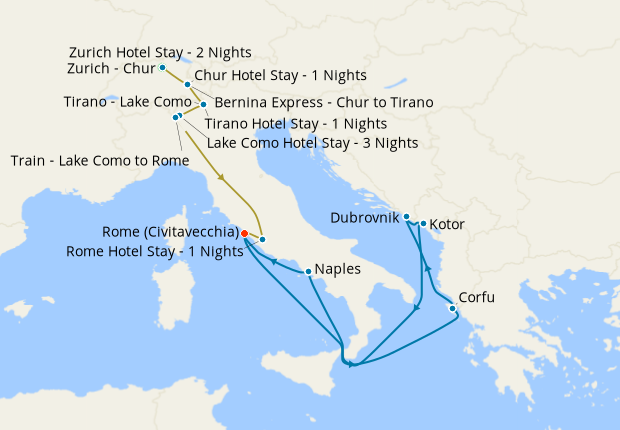


 28 September 2026 · 15 nights
 London Heathrow





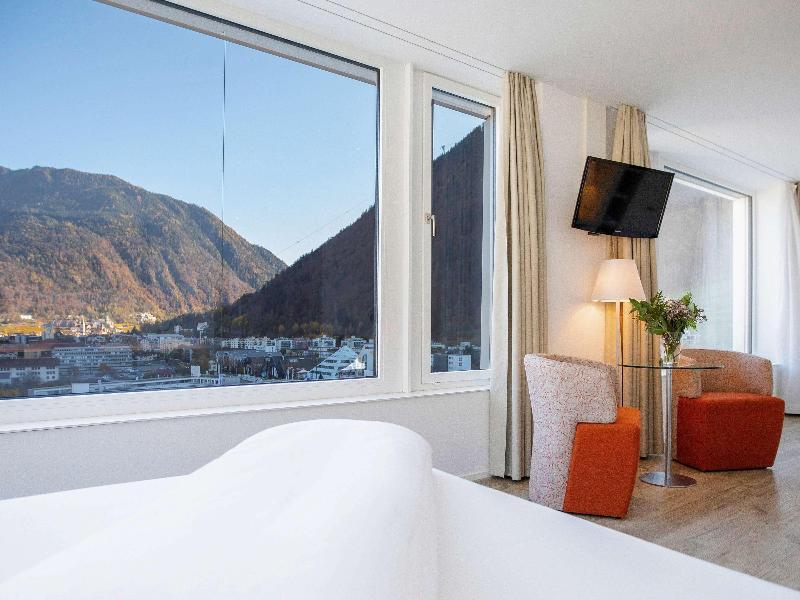


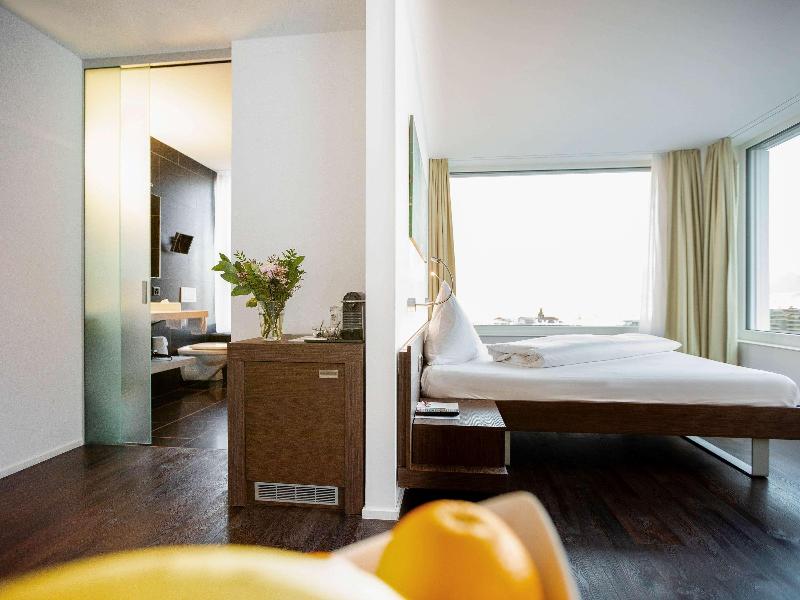
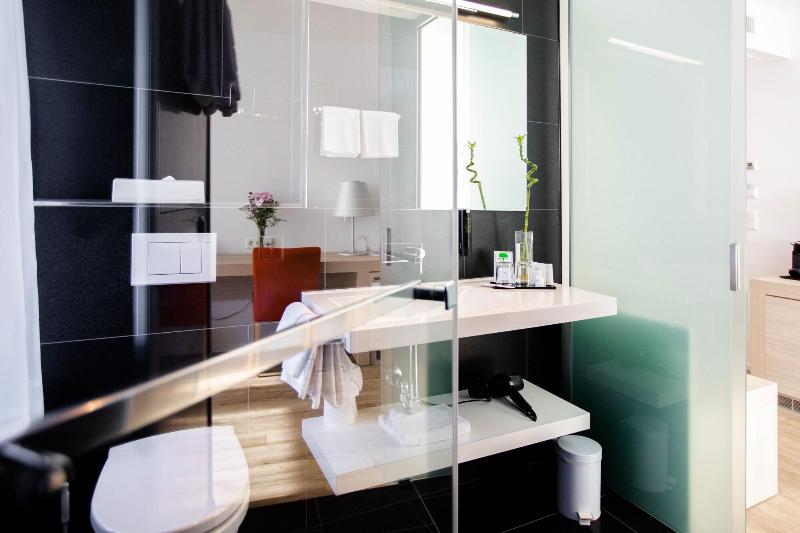

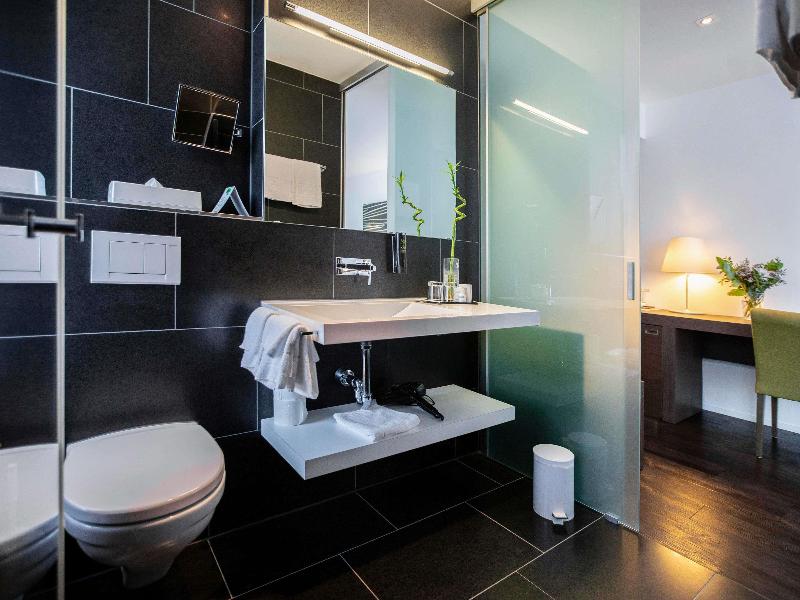


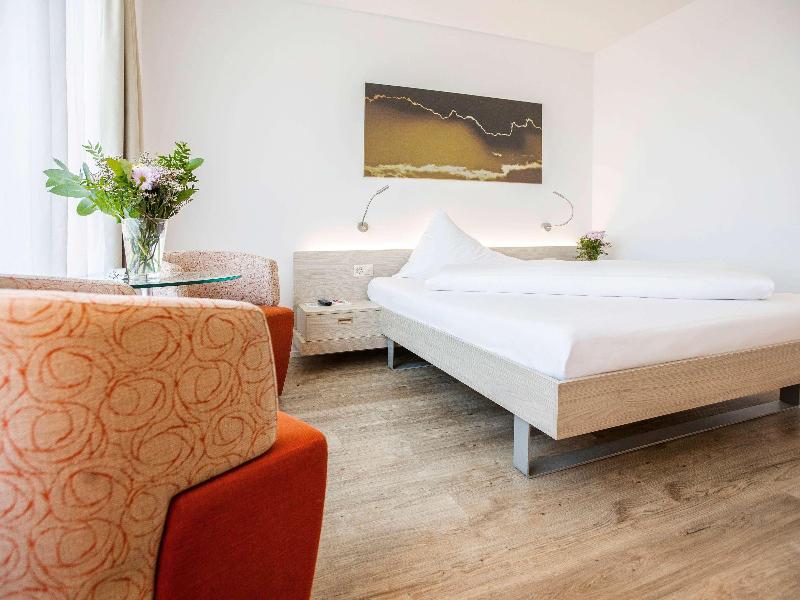


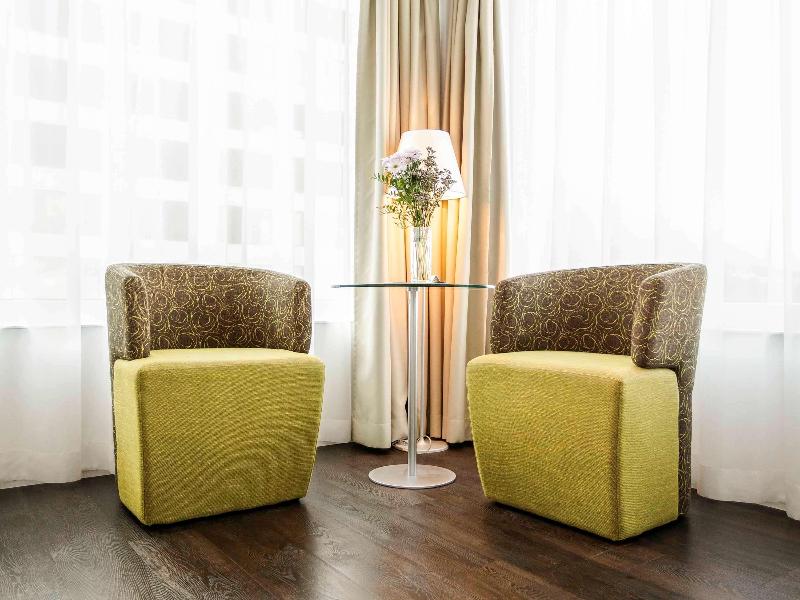


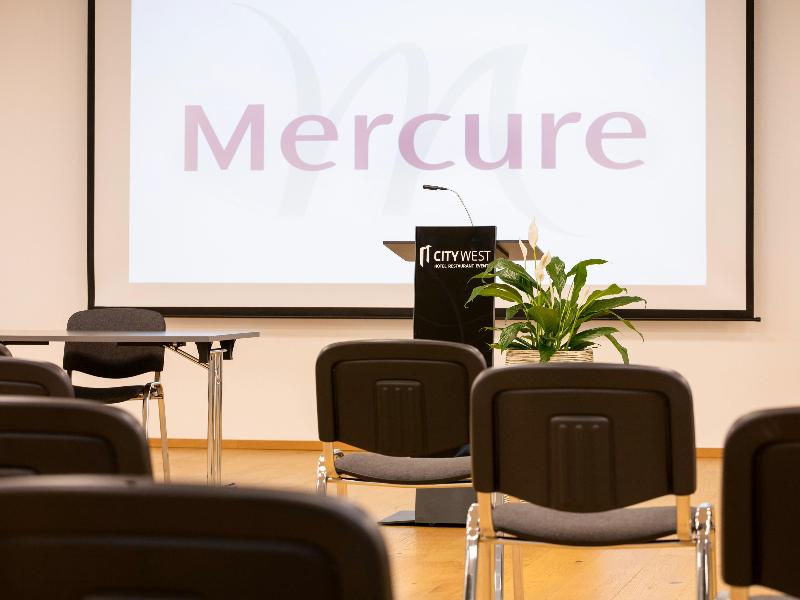


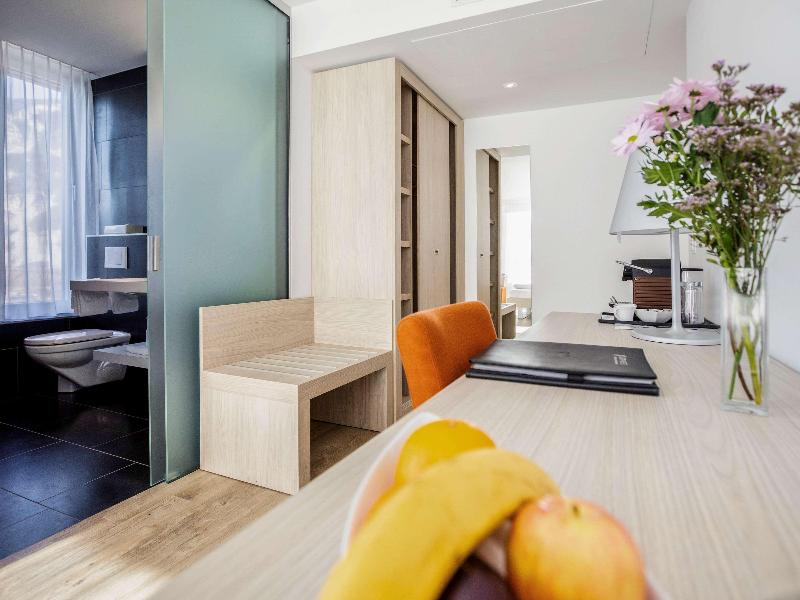
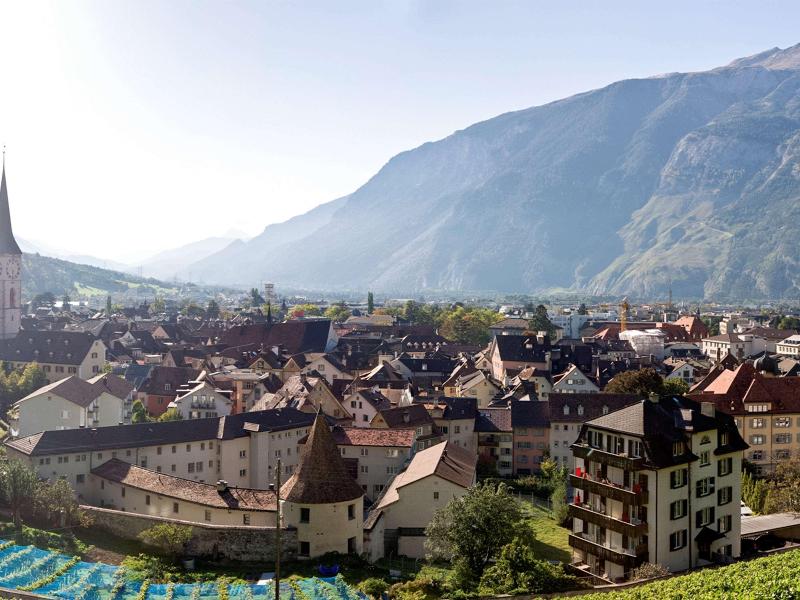


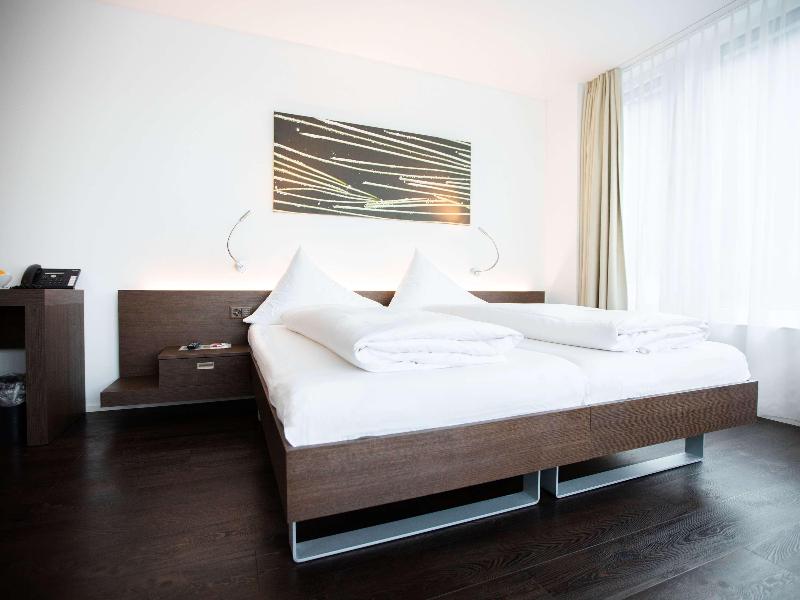


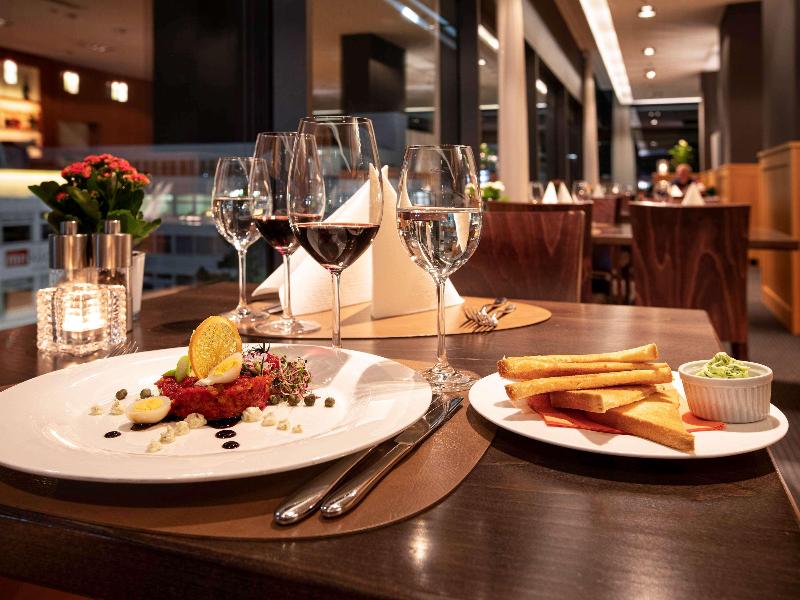


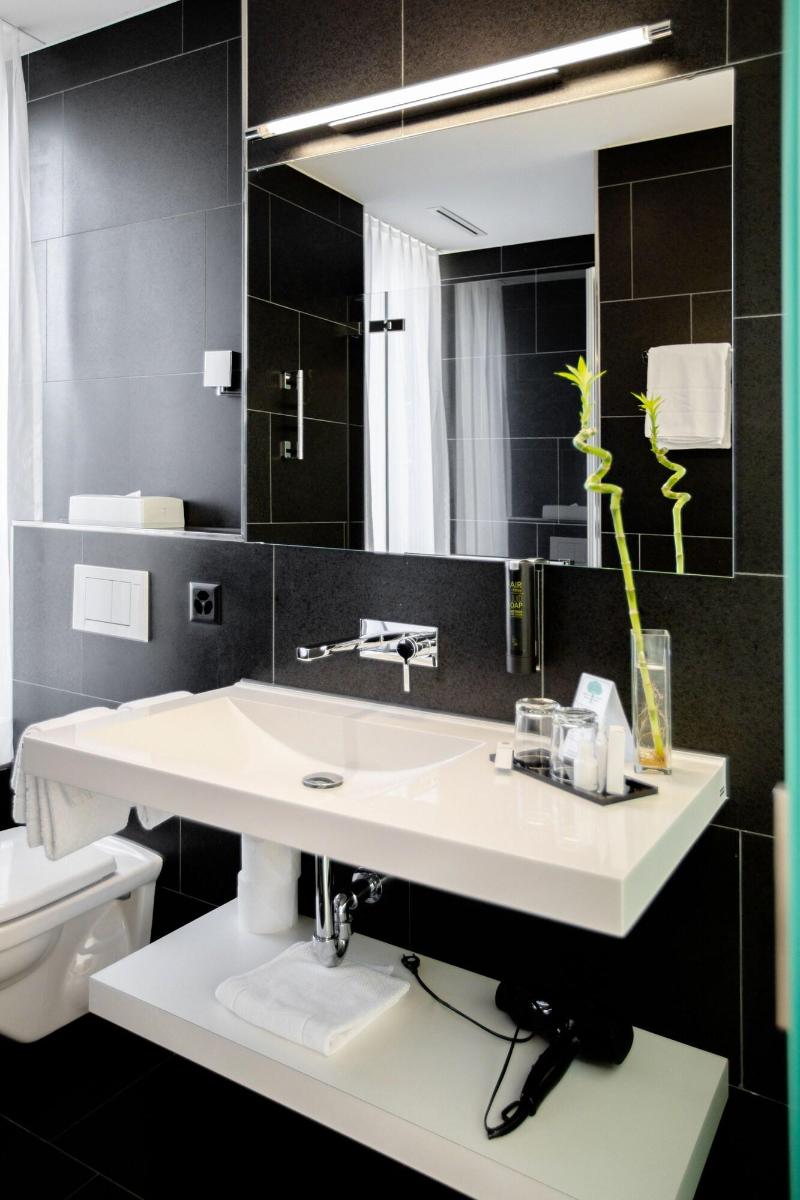
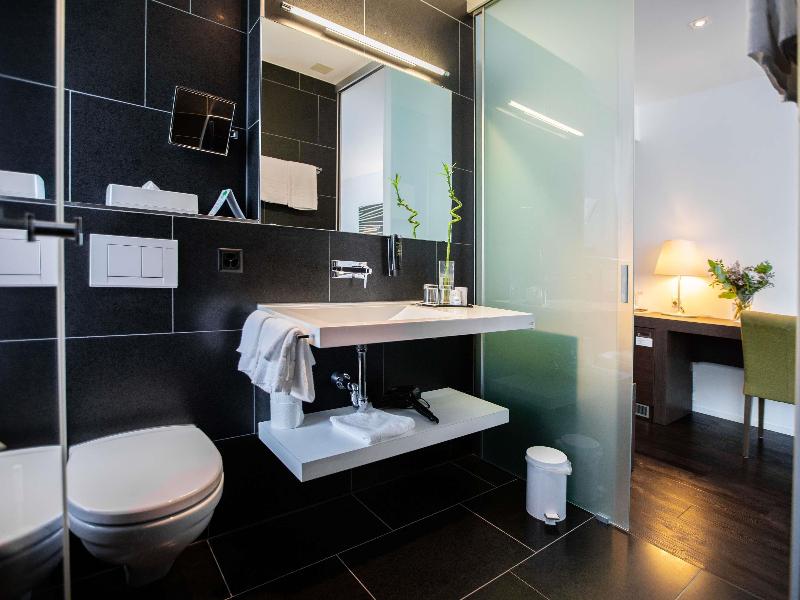


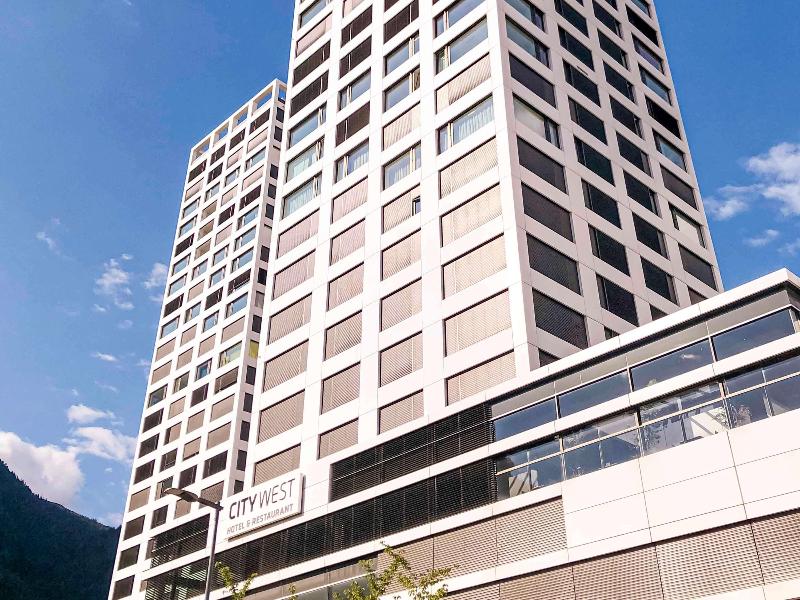


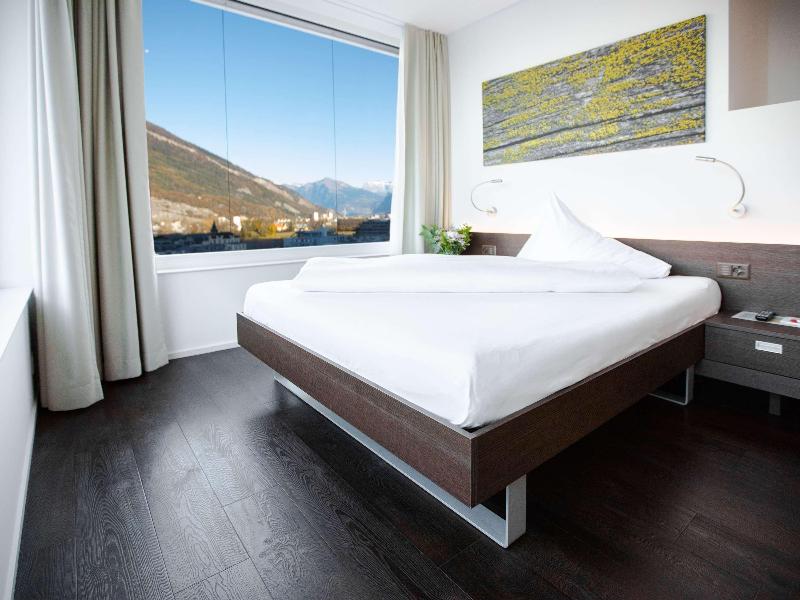


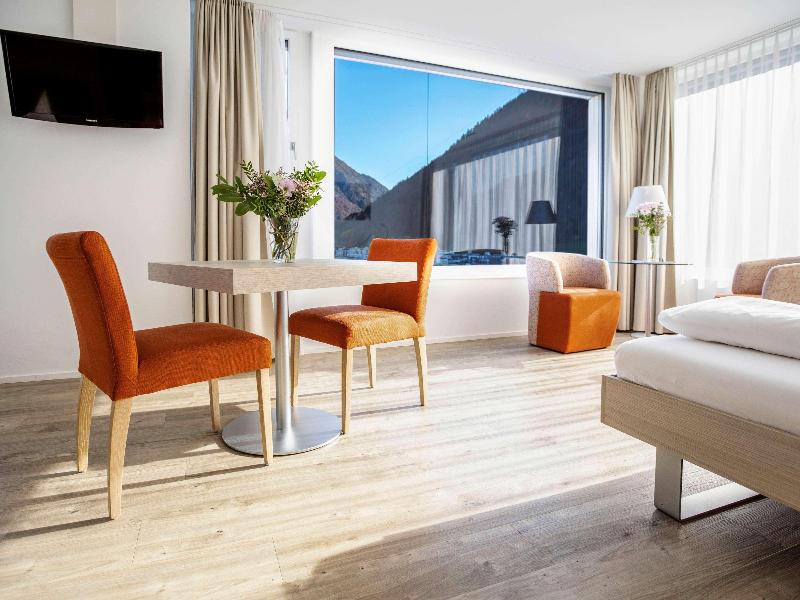





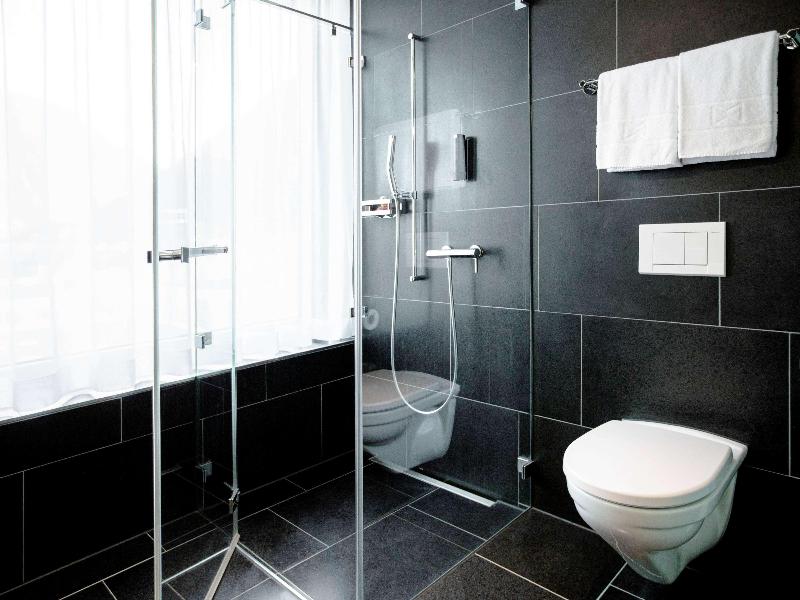


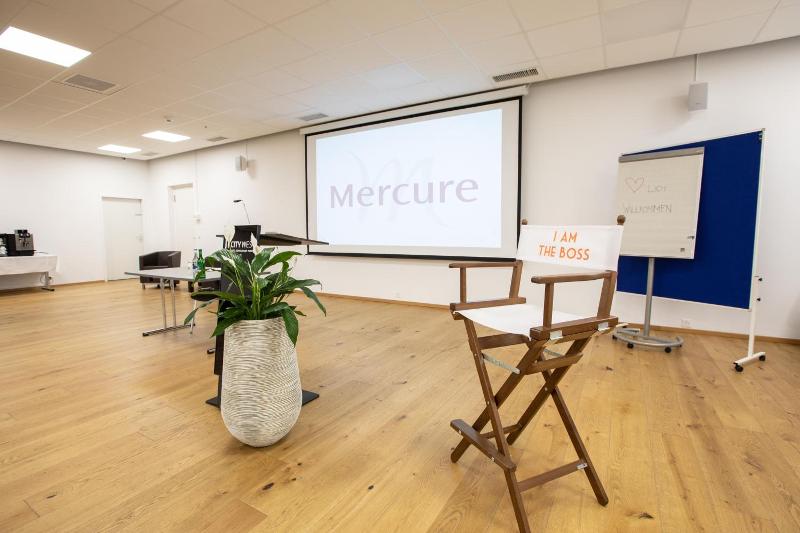




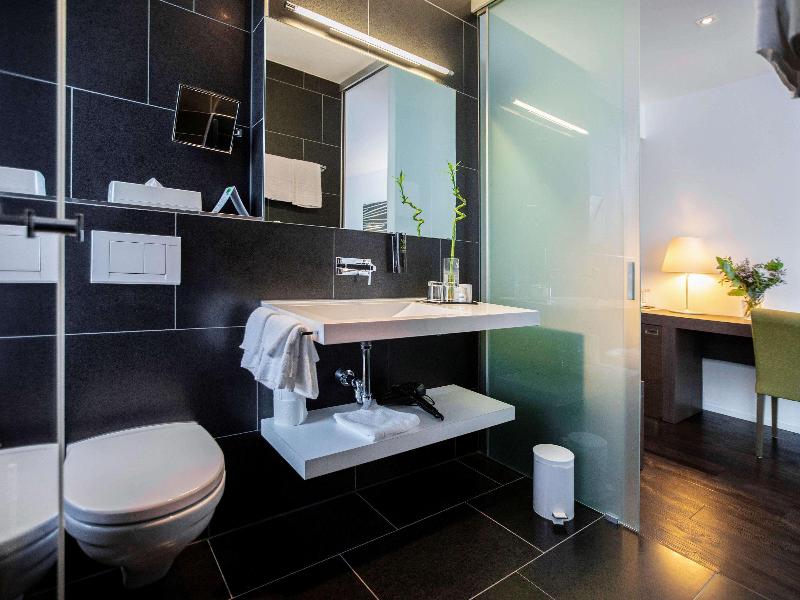
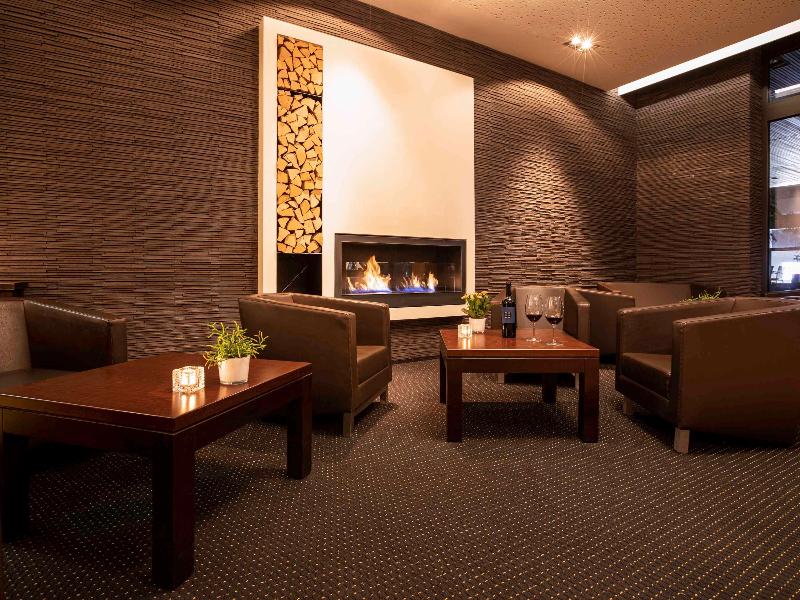


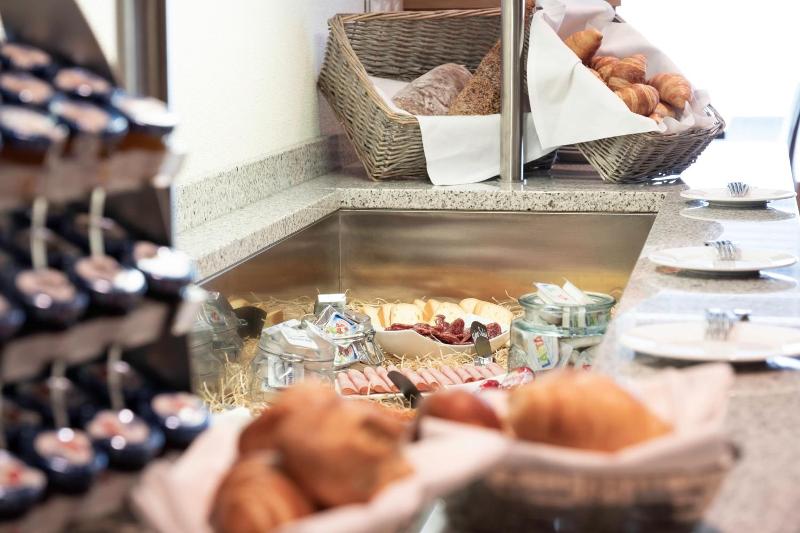


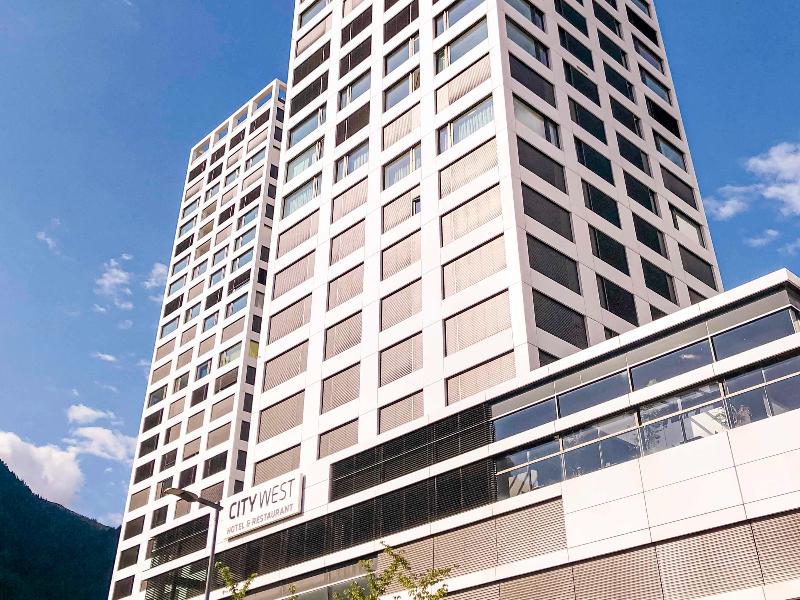


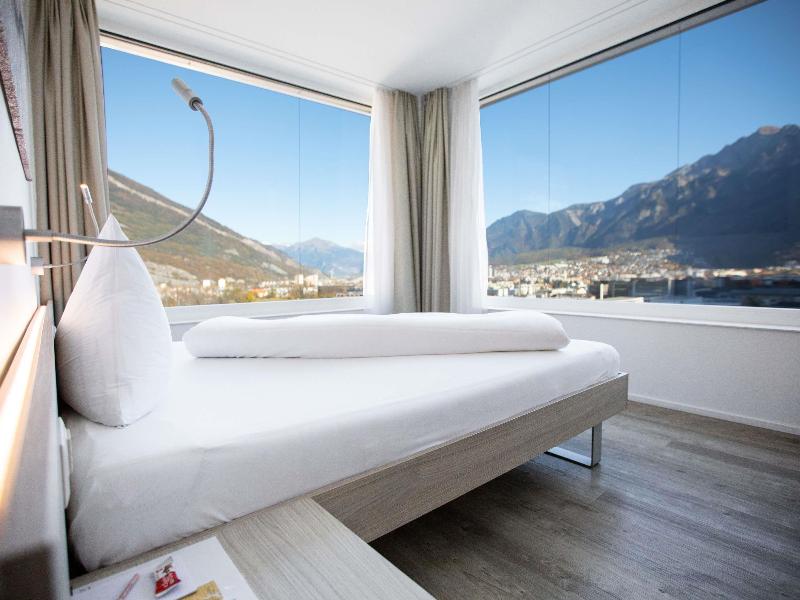


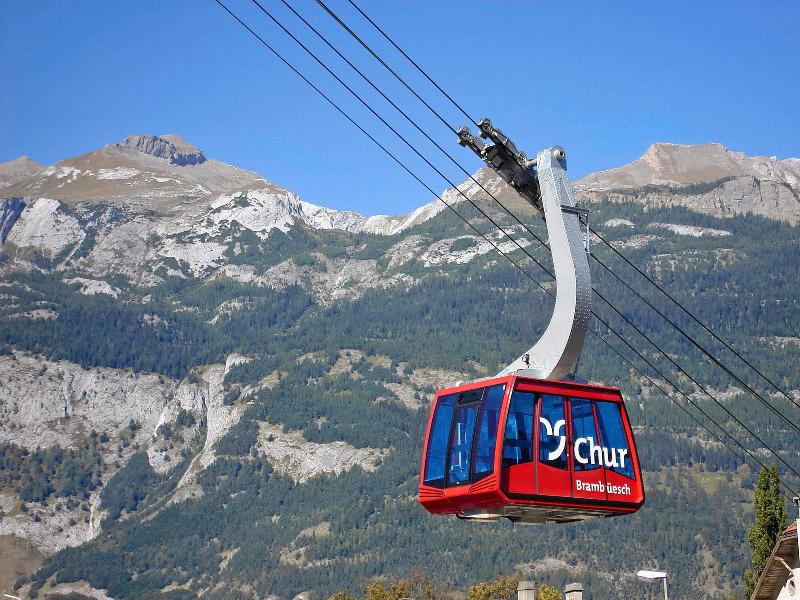
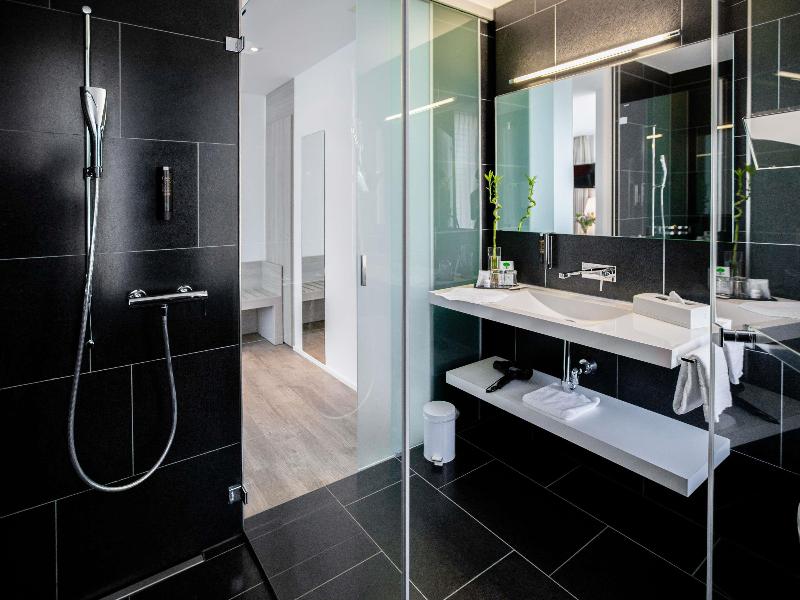


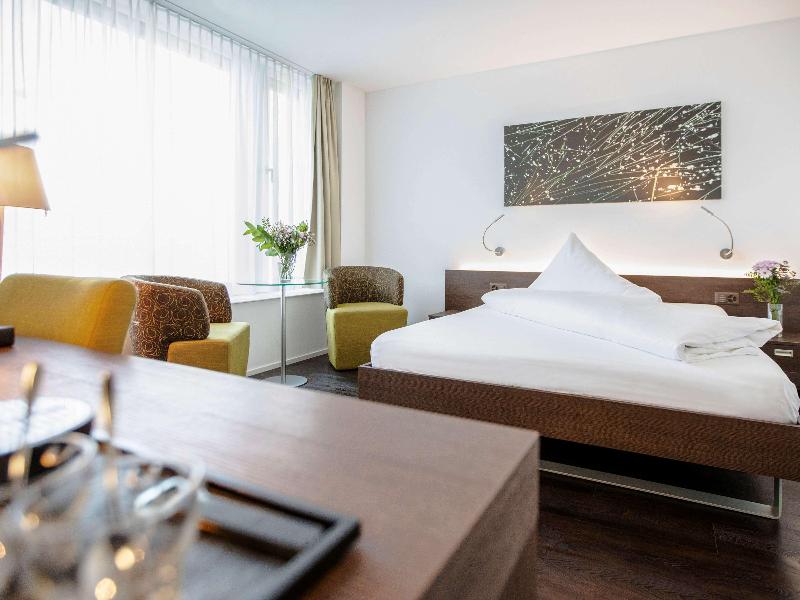

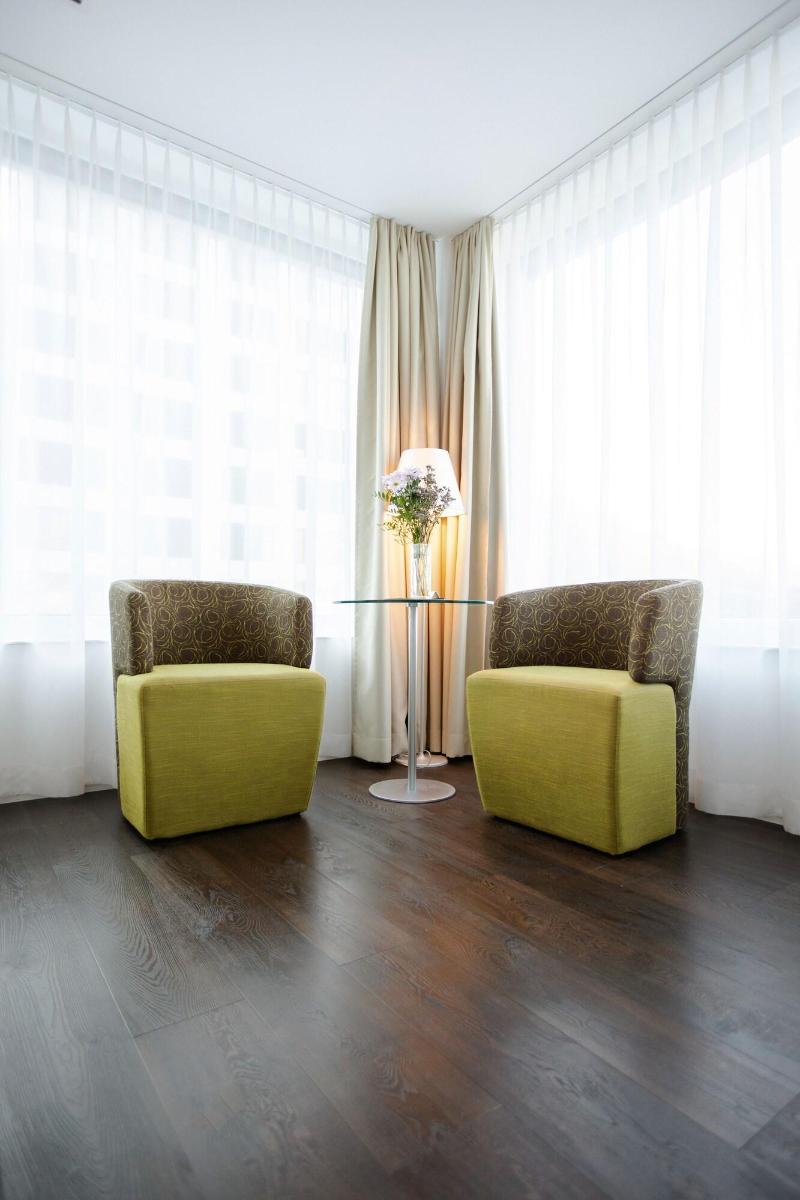

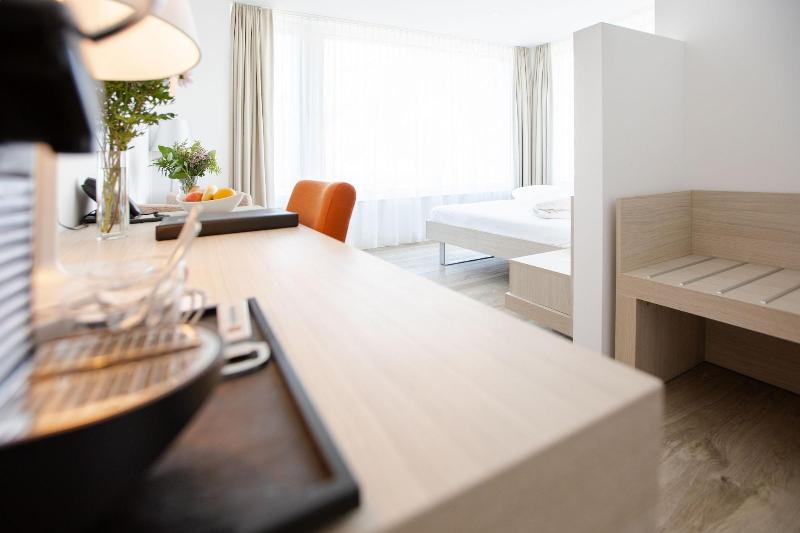
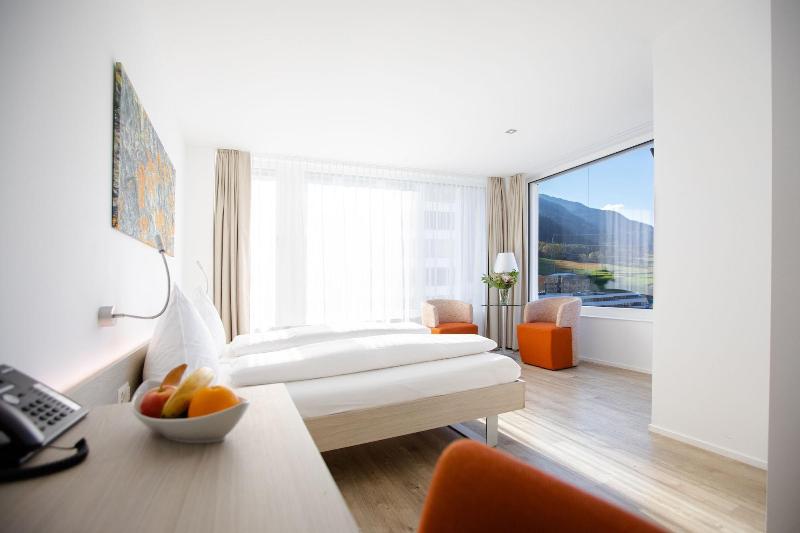
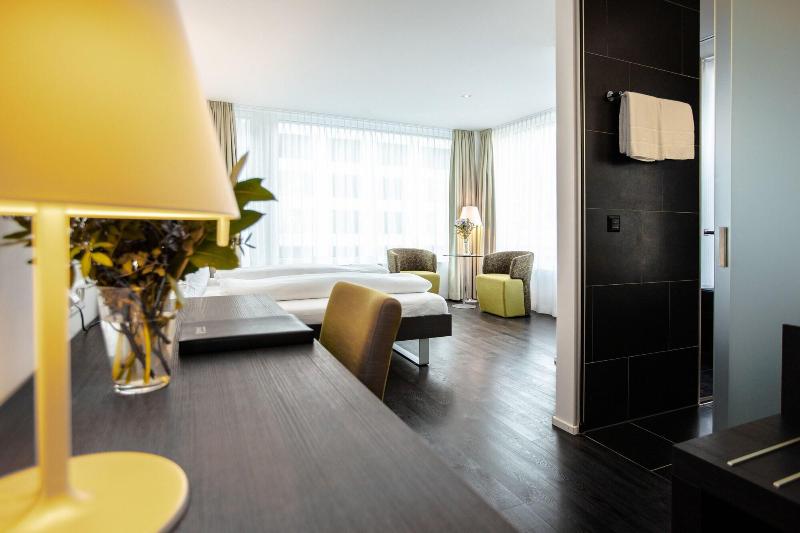


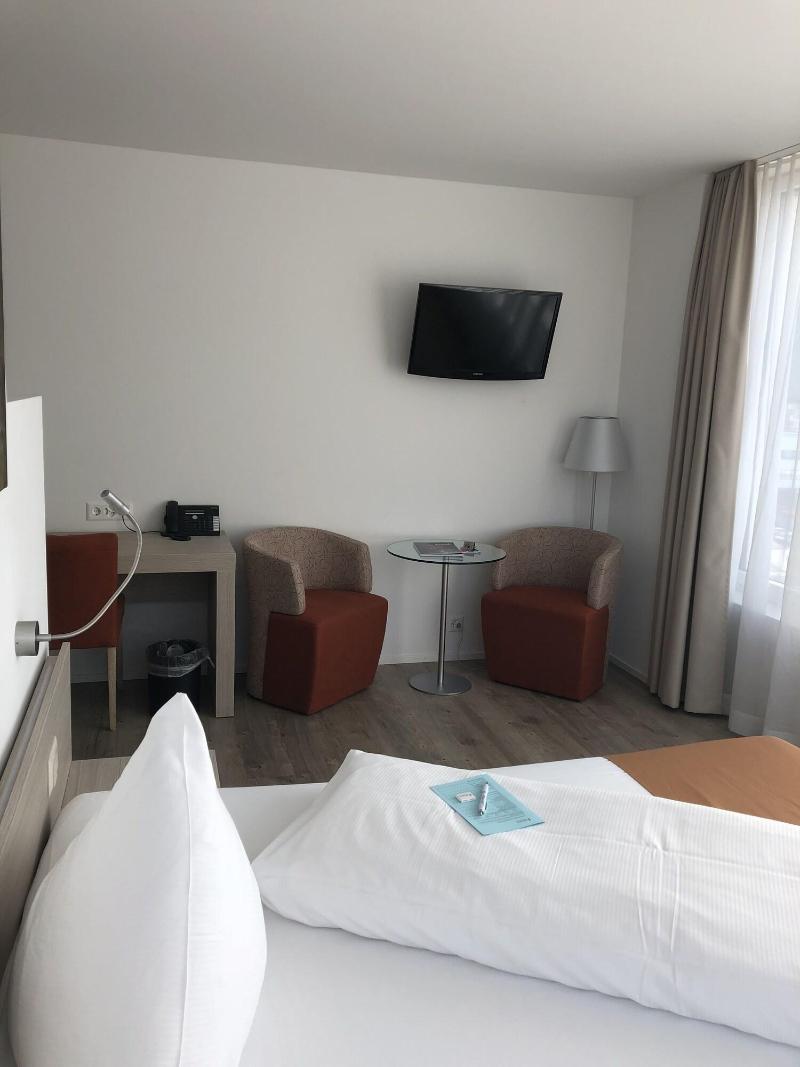


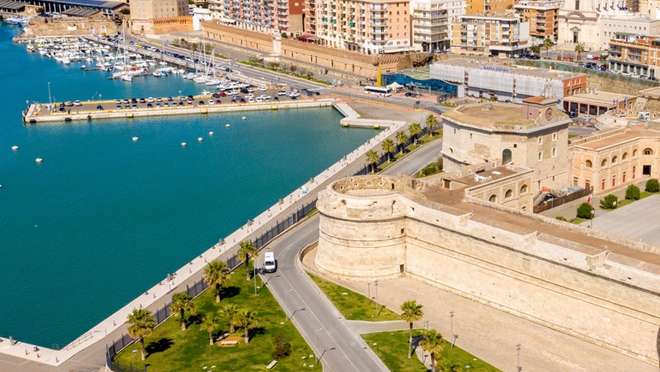
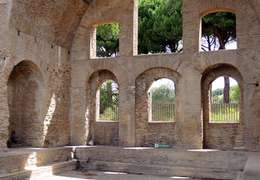
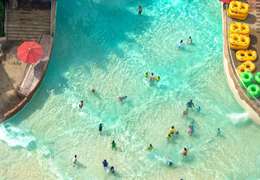
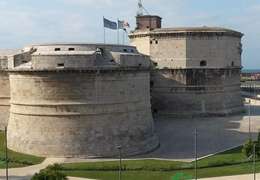
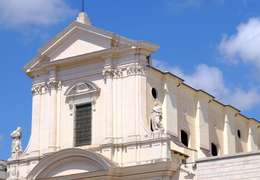

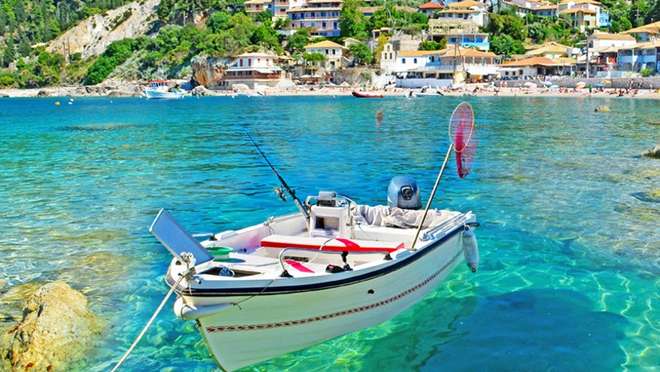
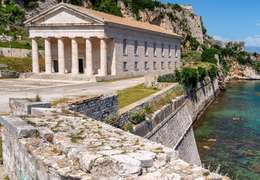
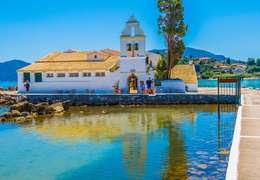
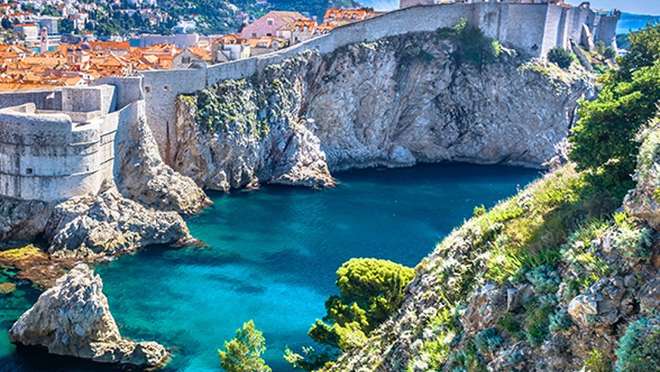
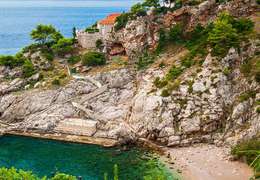
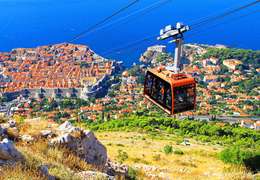
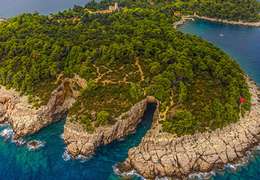
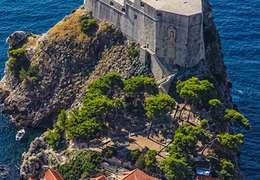
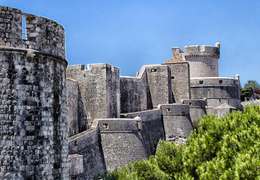
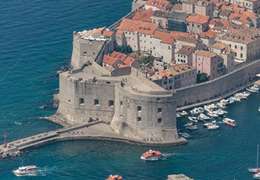
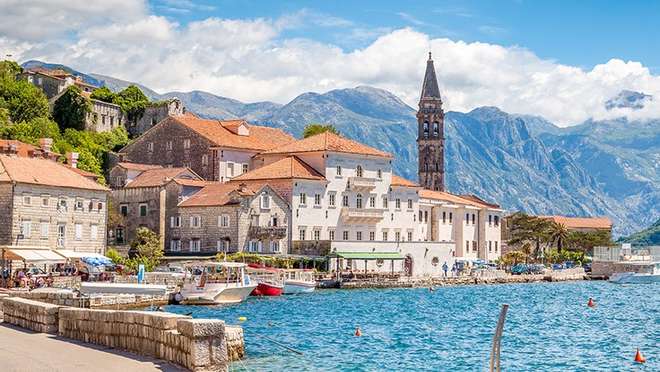
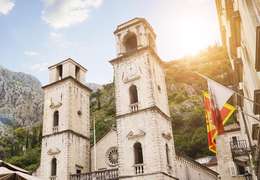

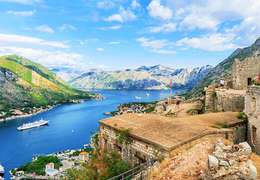
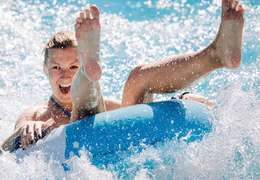
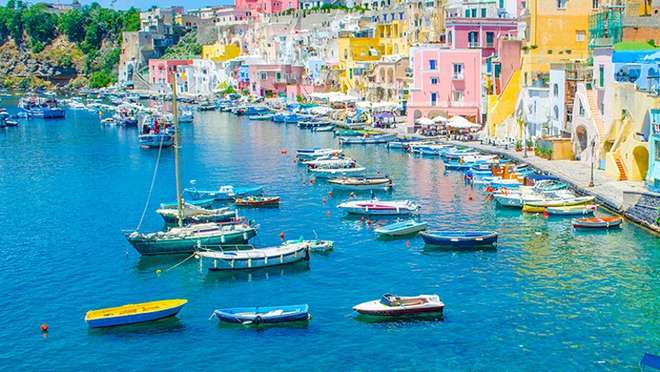
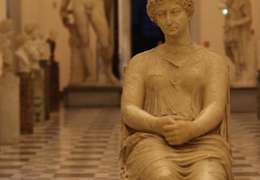

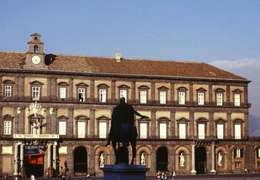
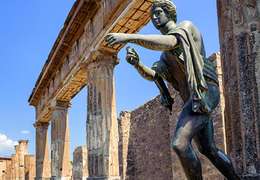
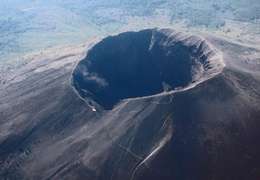
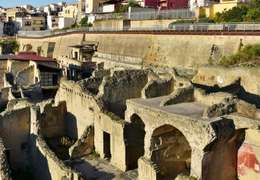
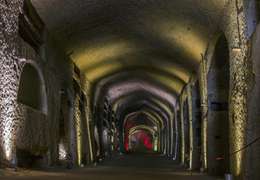
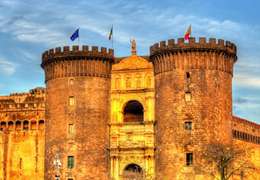
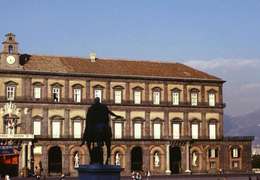
 Transfers to Airport


 Zurich International Airport


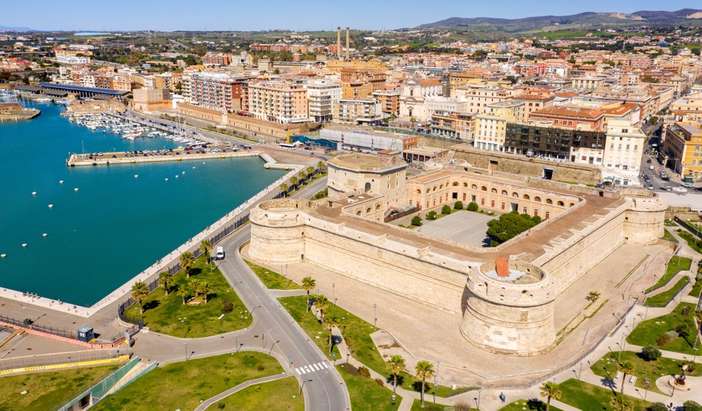
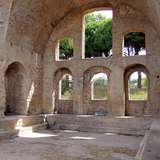
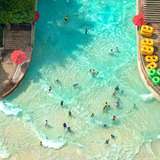
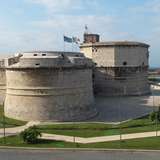
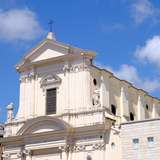
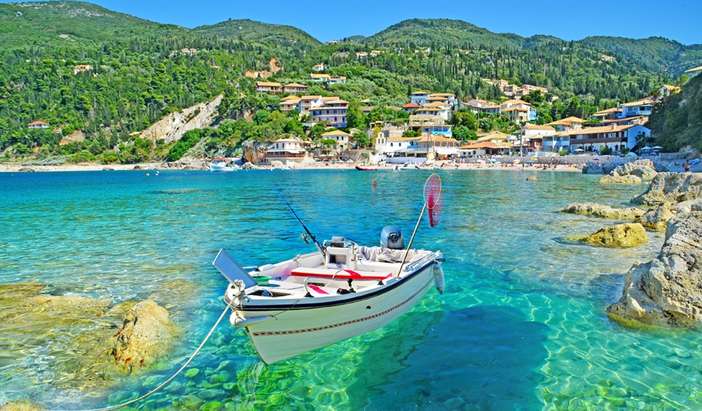

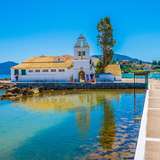
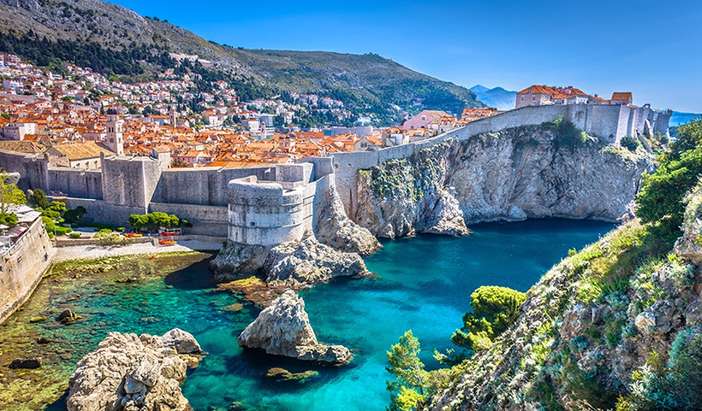
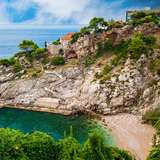
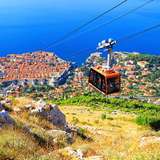
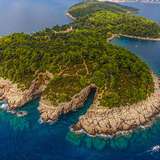
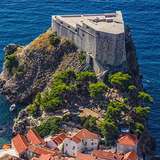
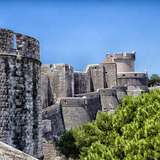
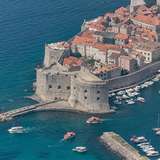
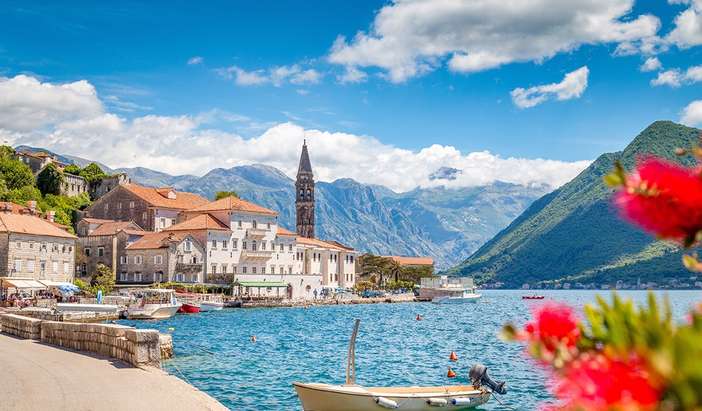

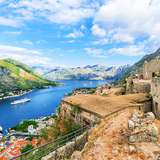
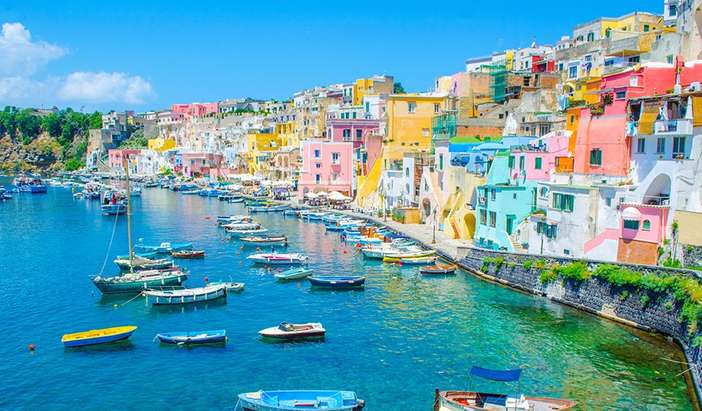

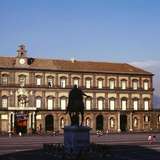
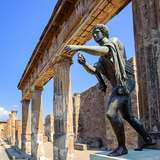
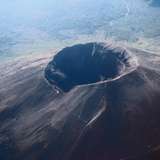
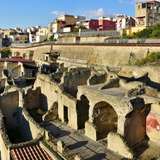
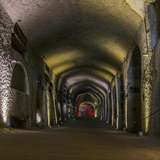
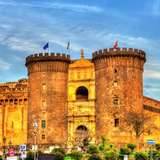
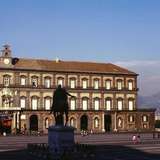

 Flights
 Hotel
Hotel
 Entertainment
 Meals
Meals
 Accommodation
 Port Fees & Taxes


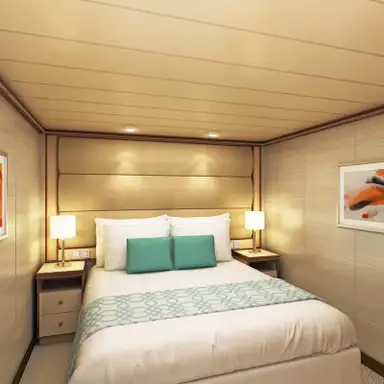









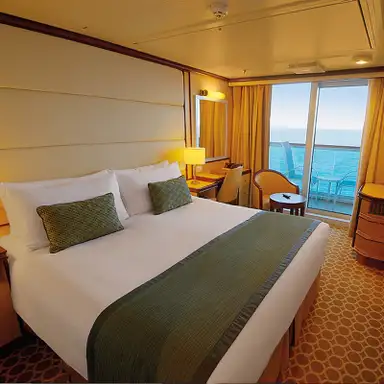

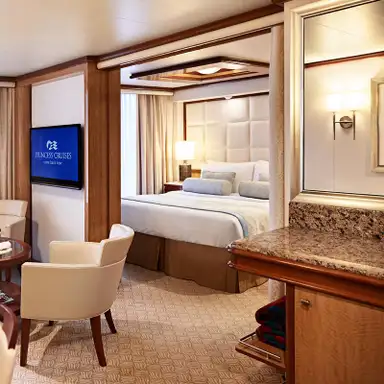
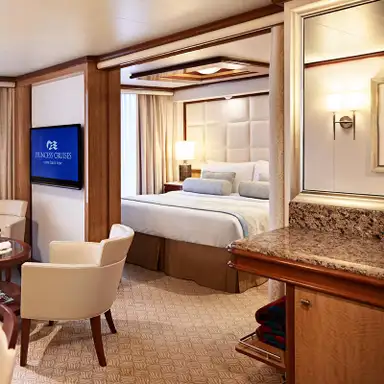
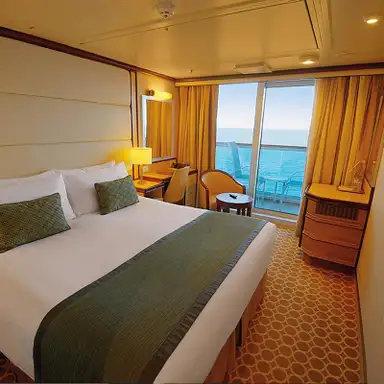
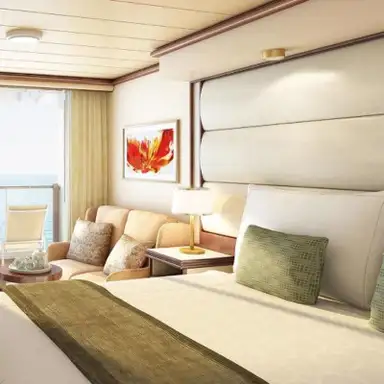
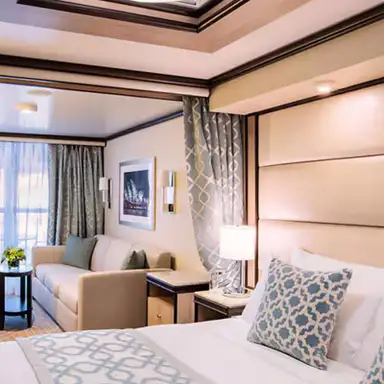
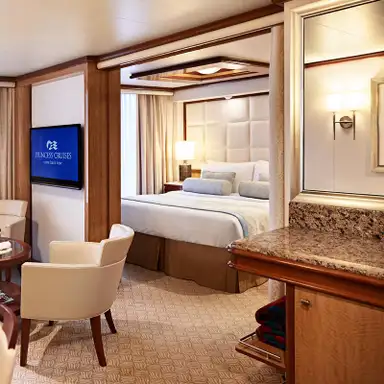
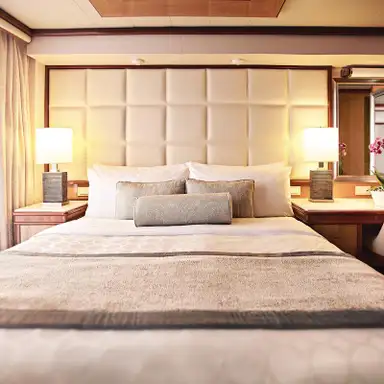
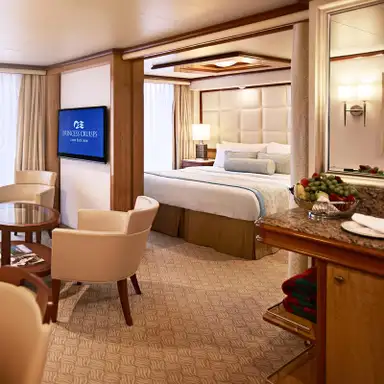
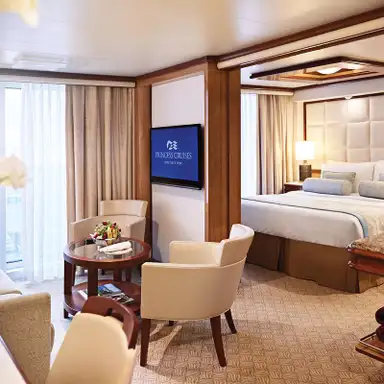
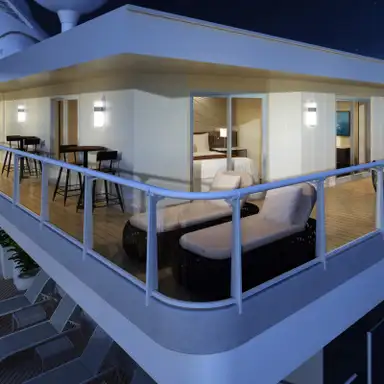



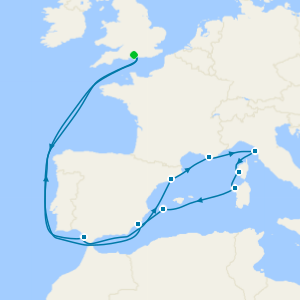


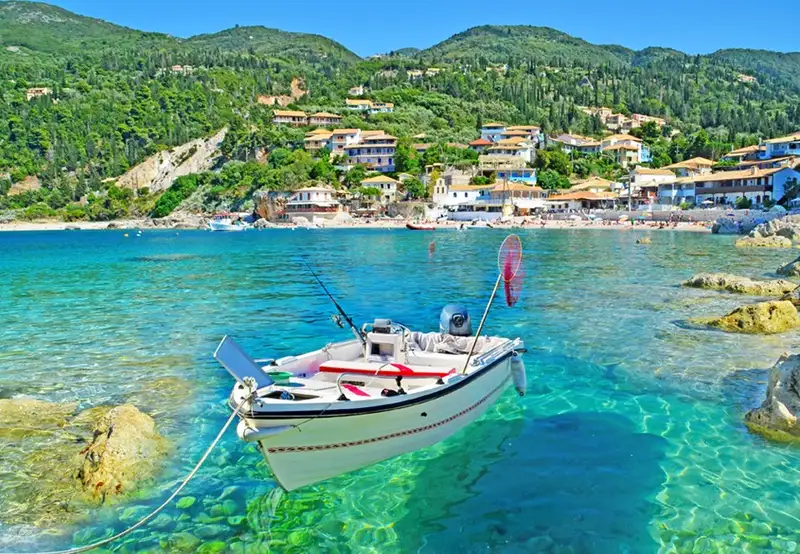
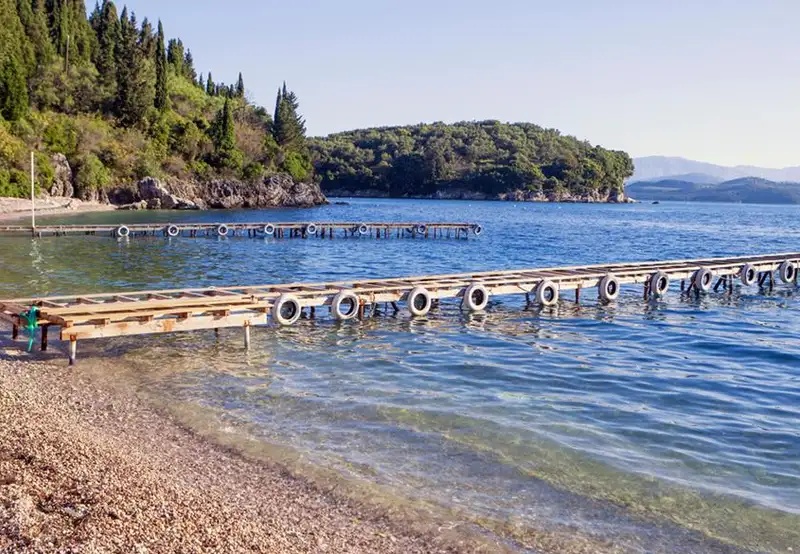
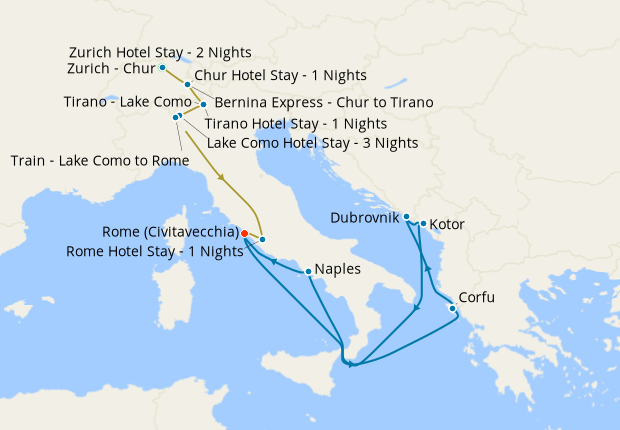
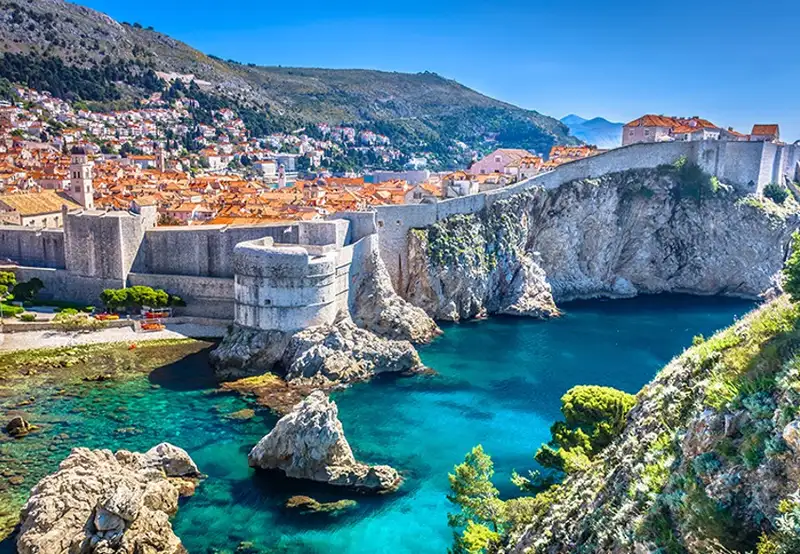
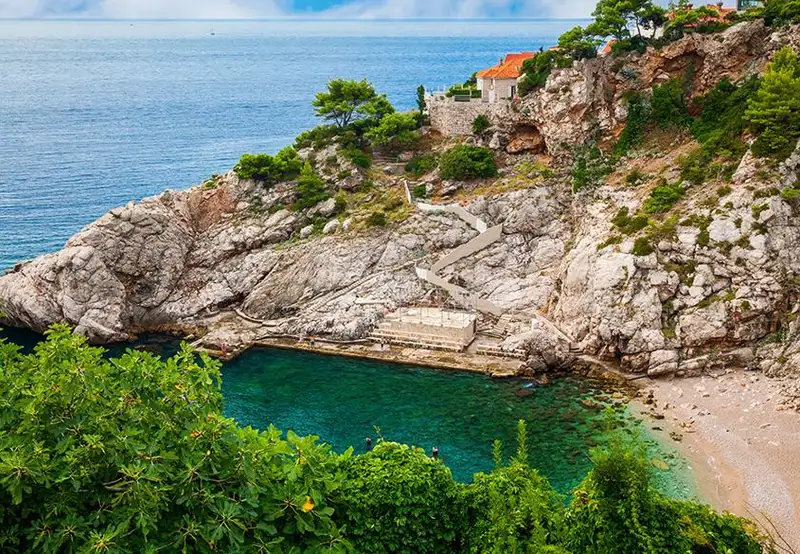
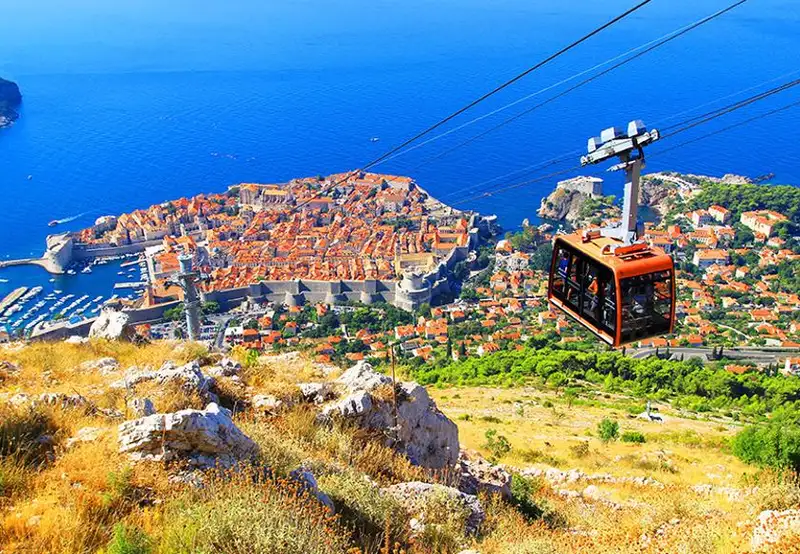
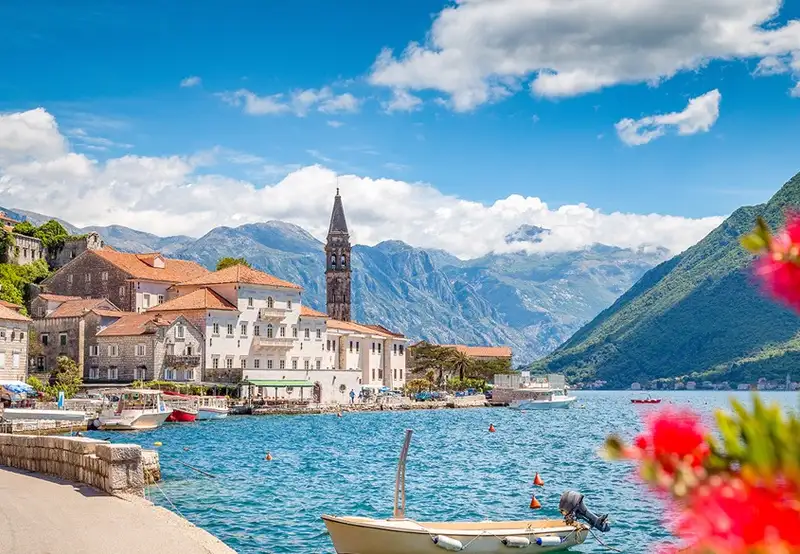
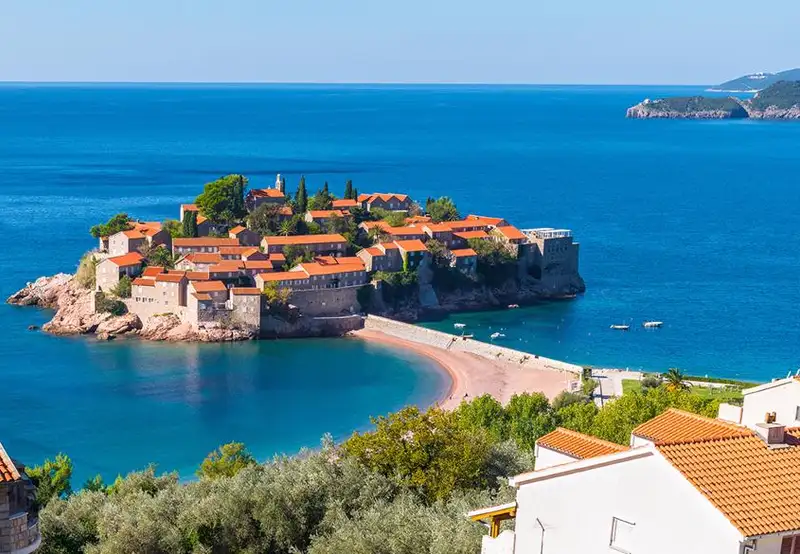

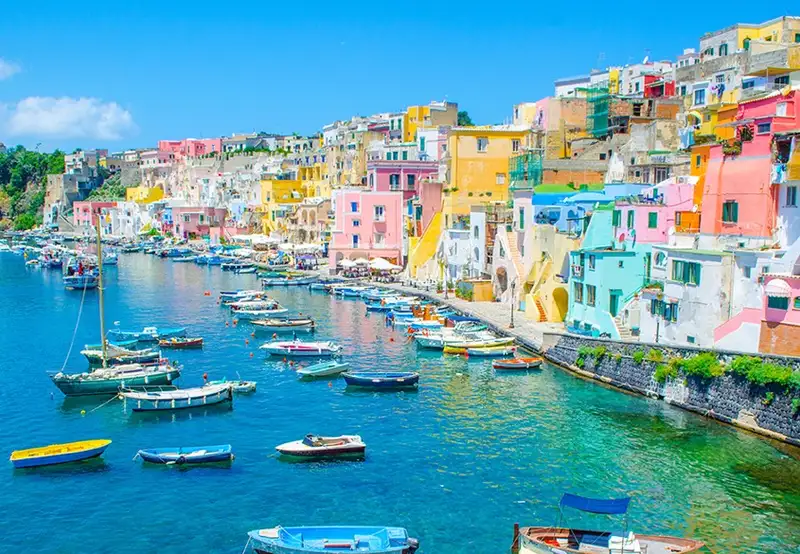
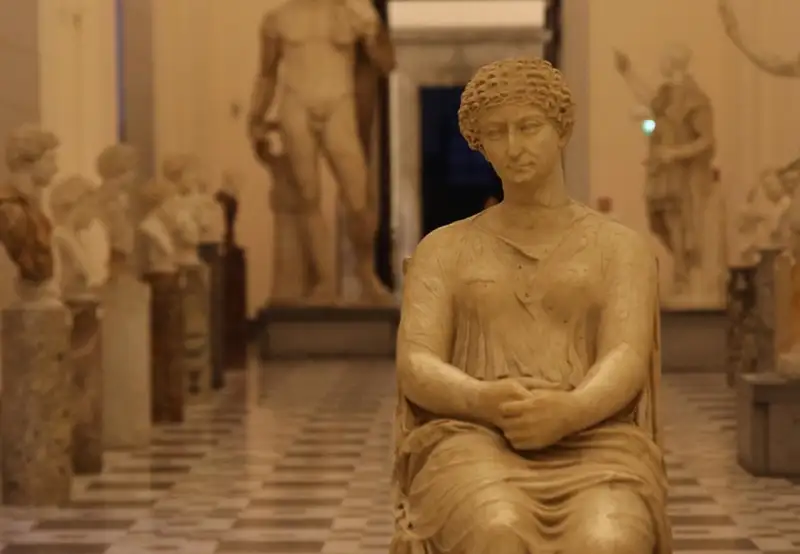

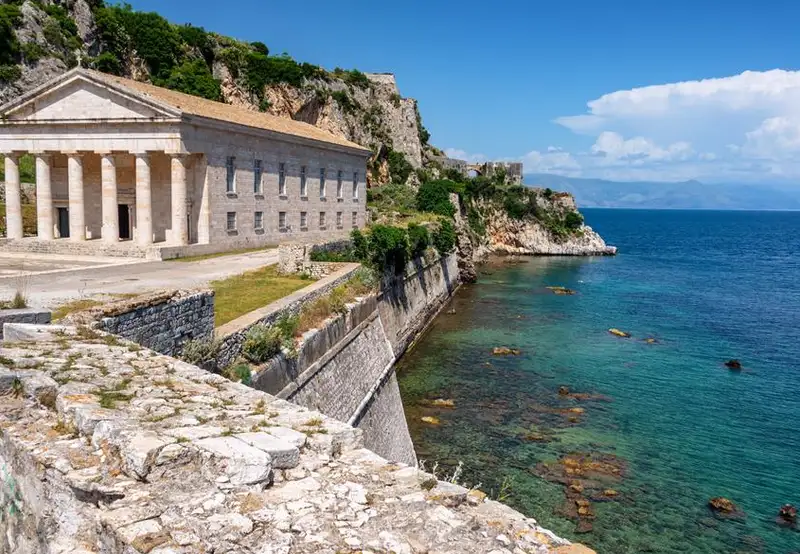
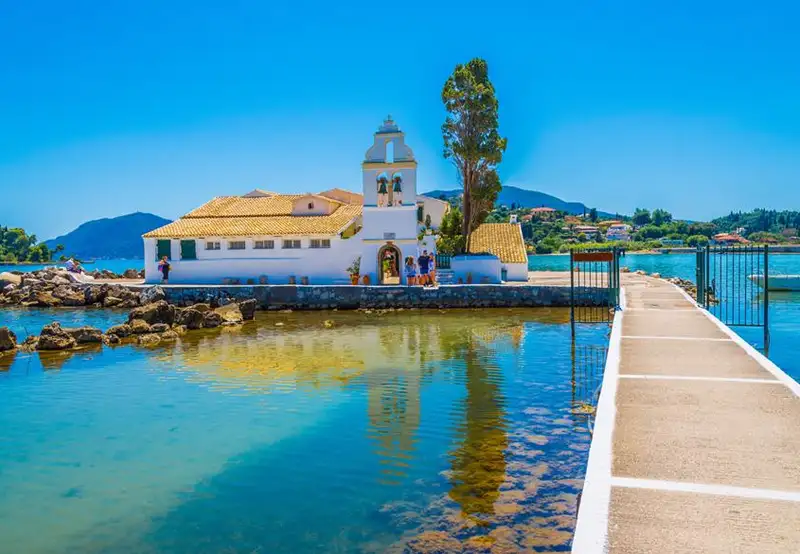
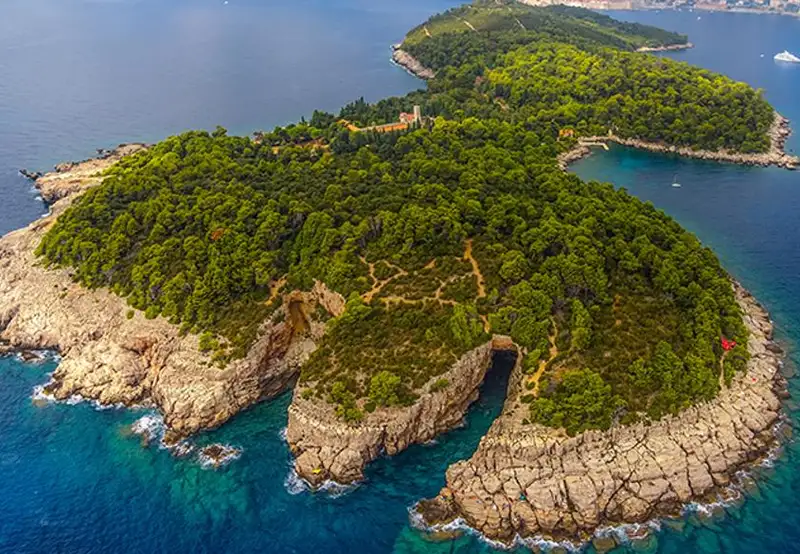
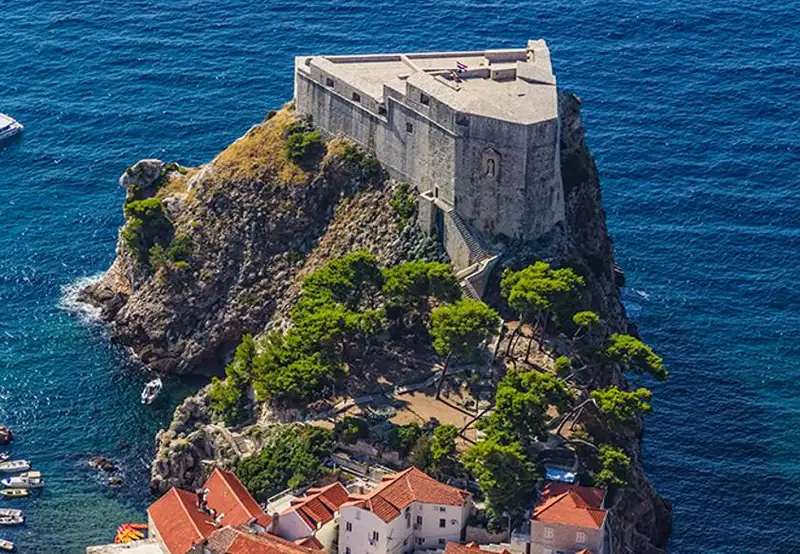
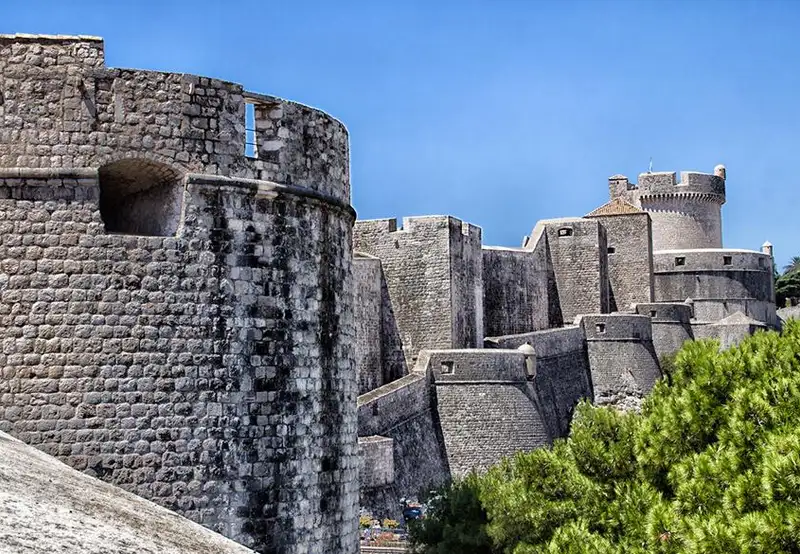
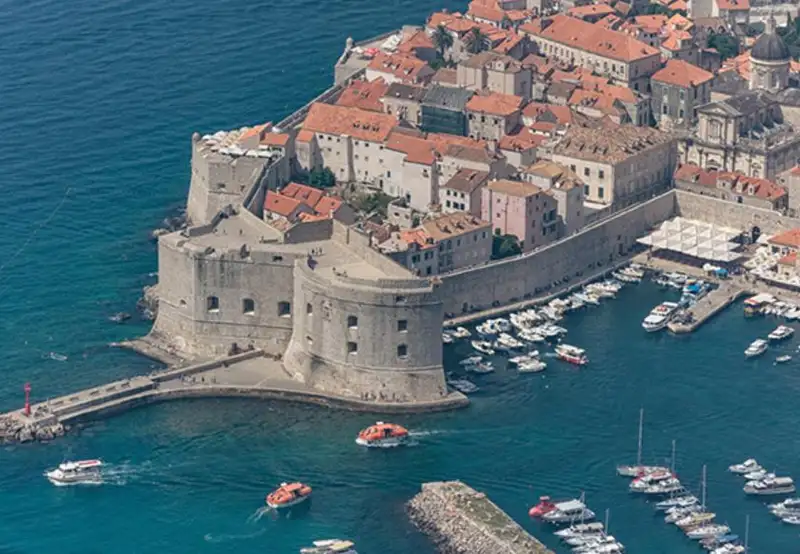

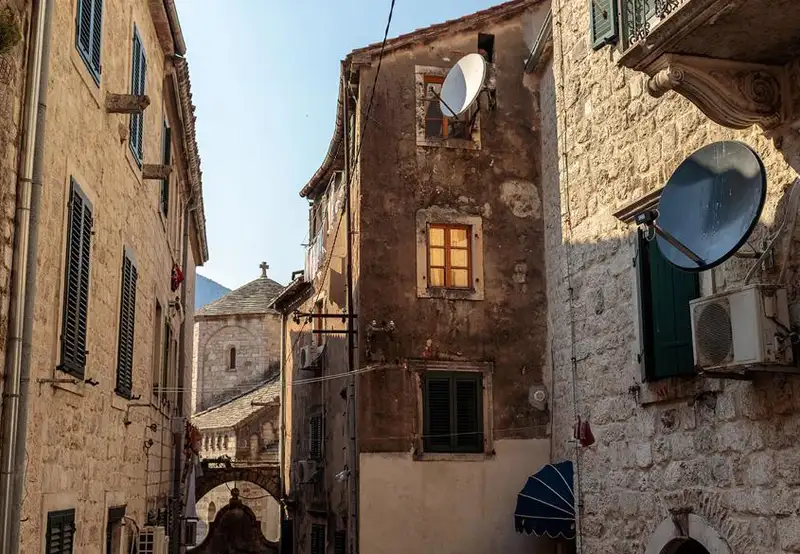
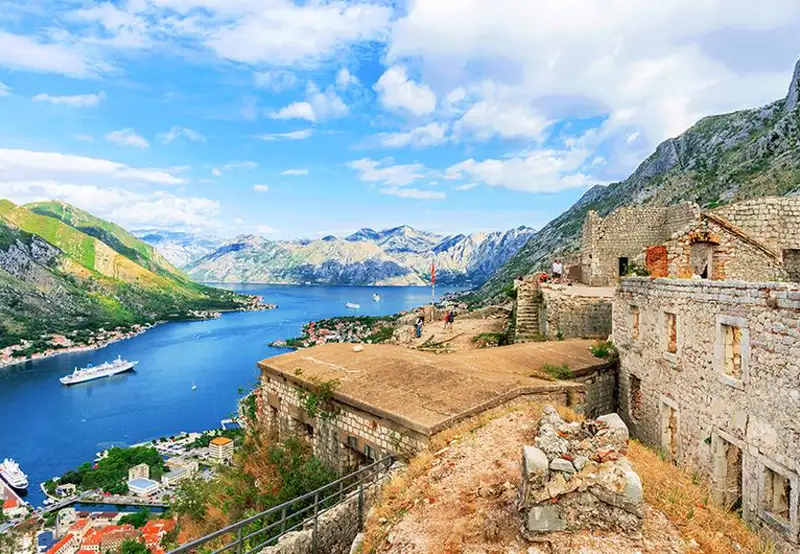

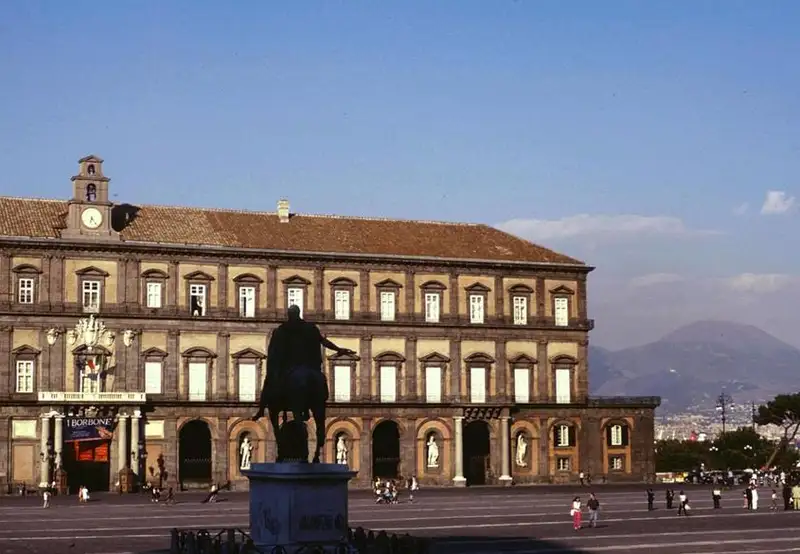
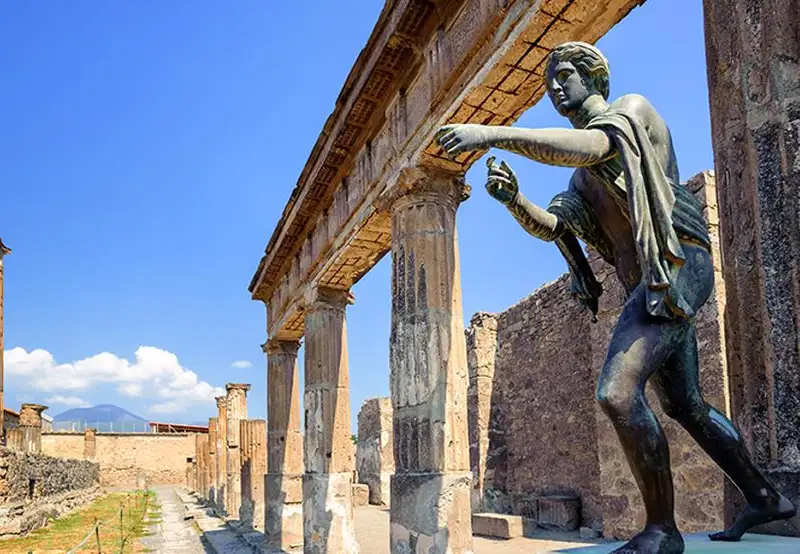
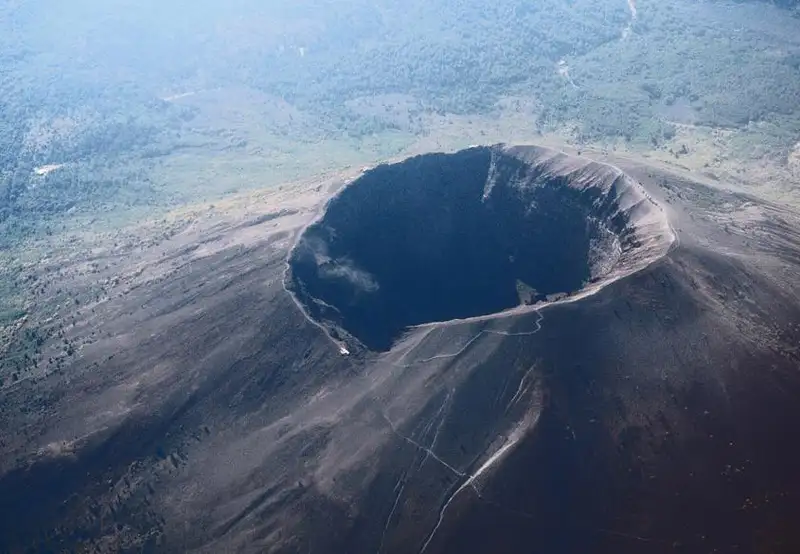
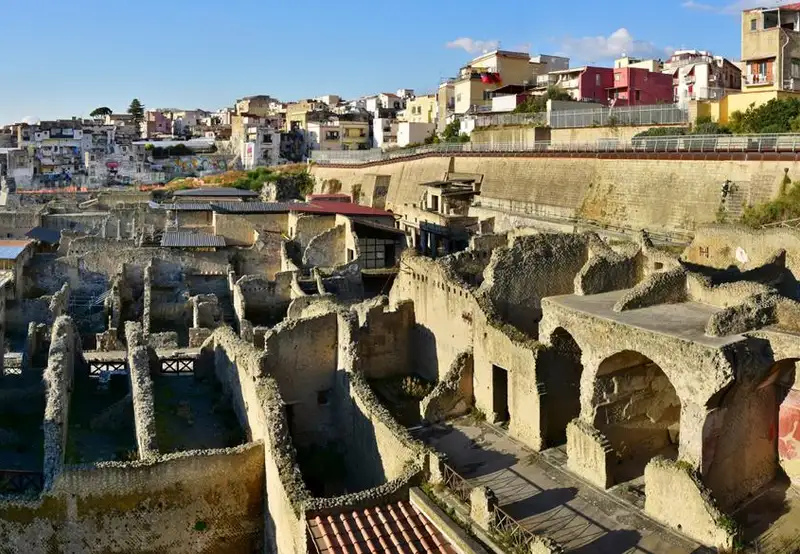
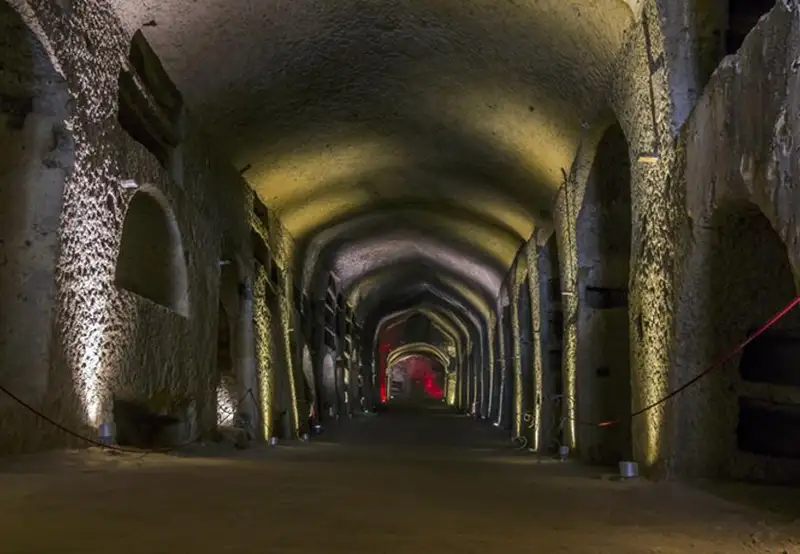
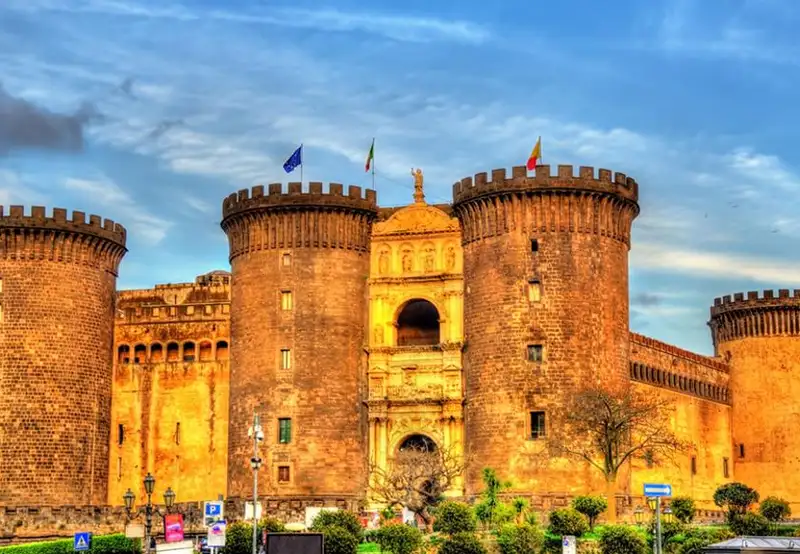
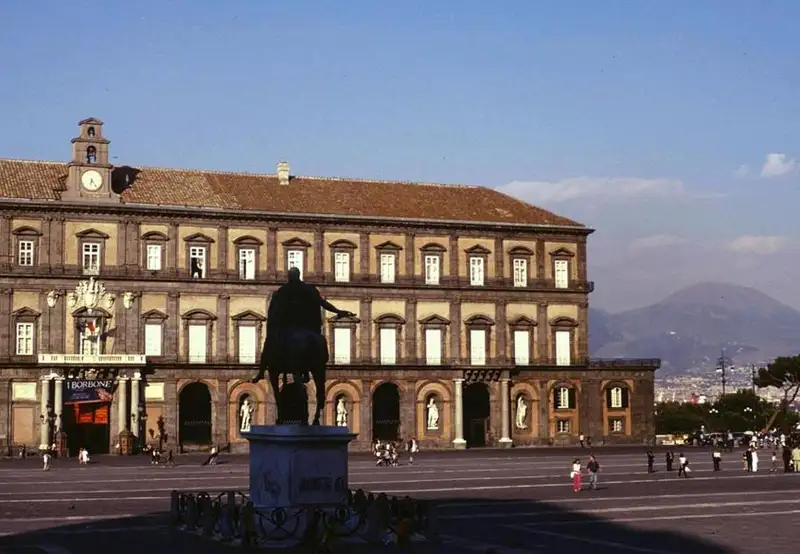
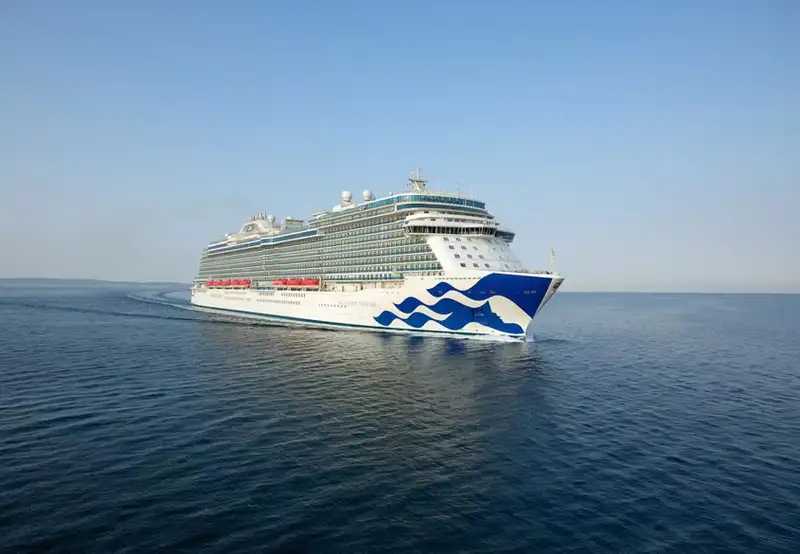
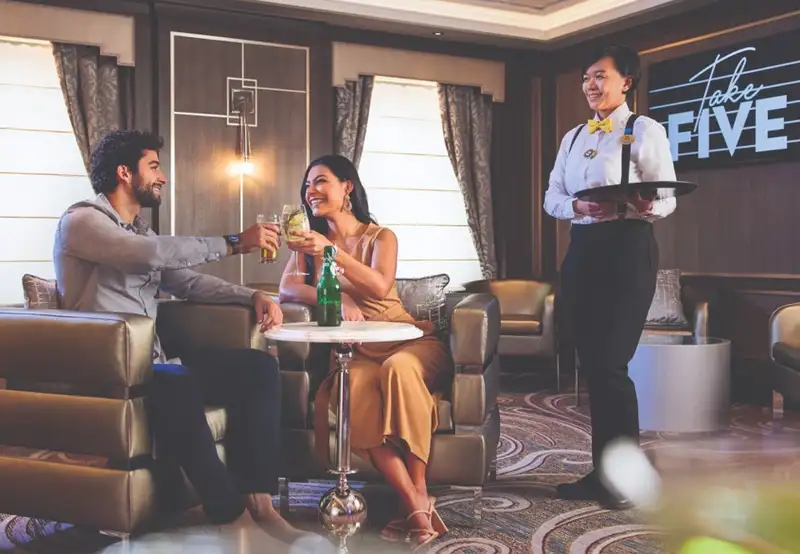





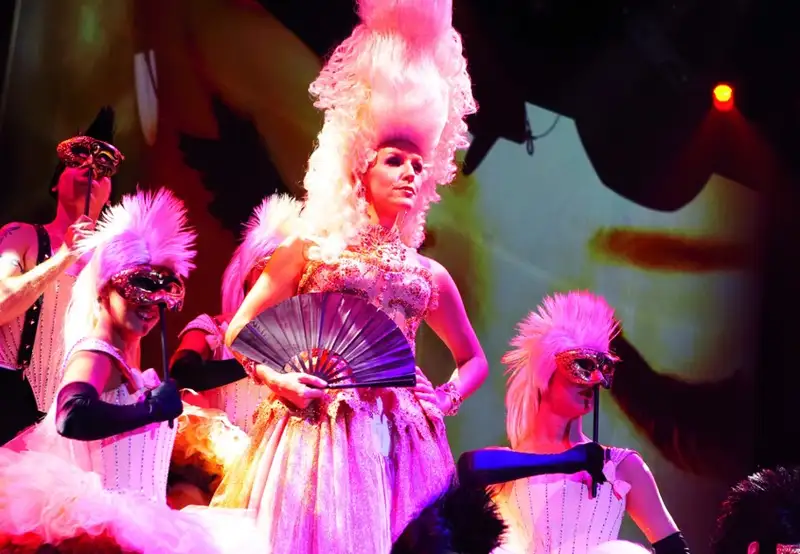
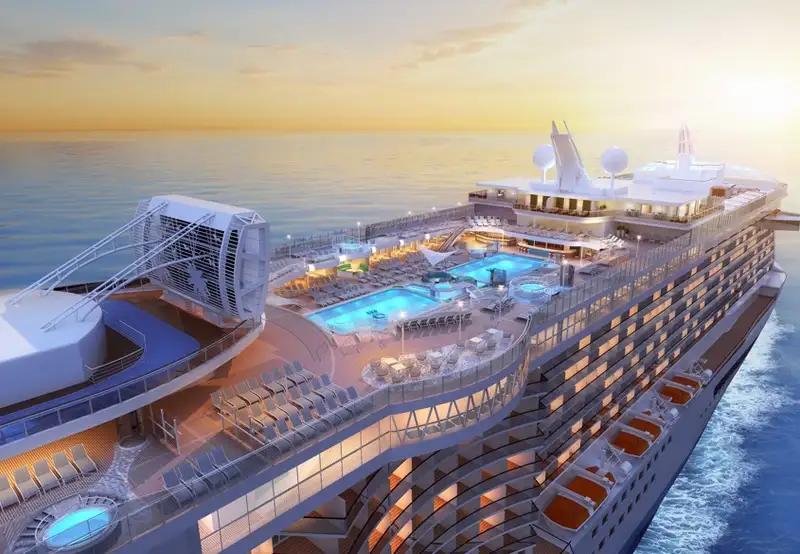


 Holiday


