Description
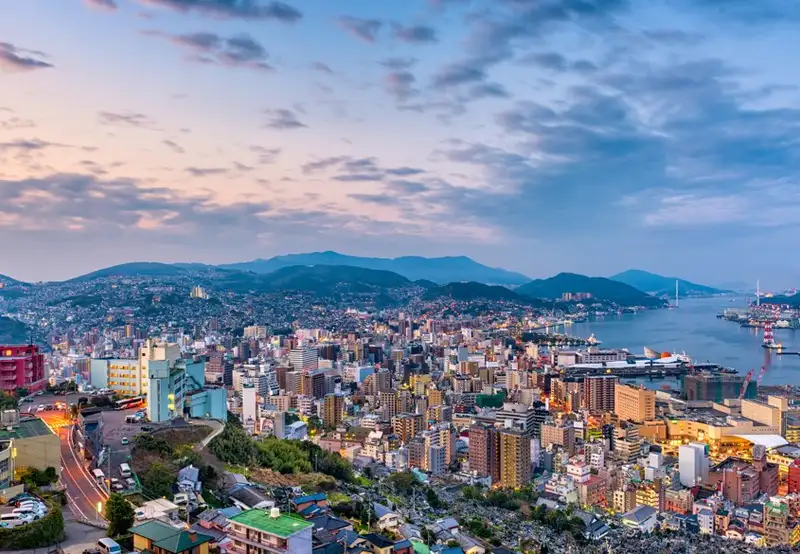
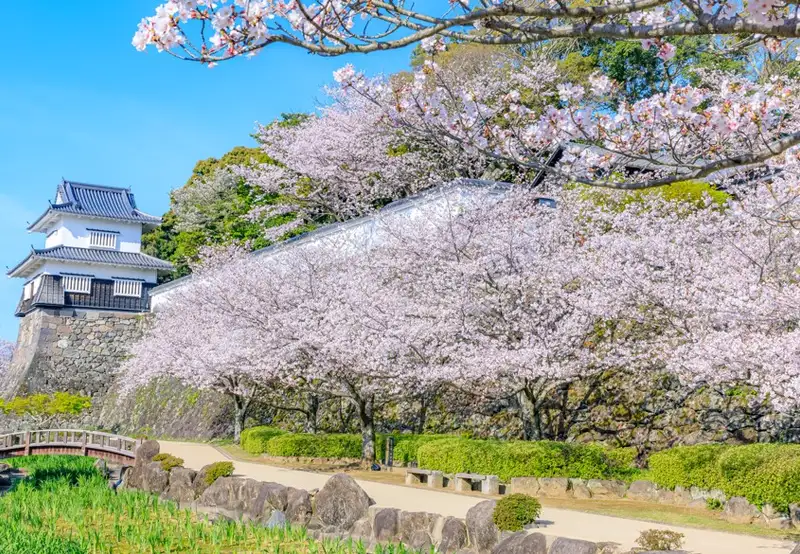
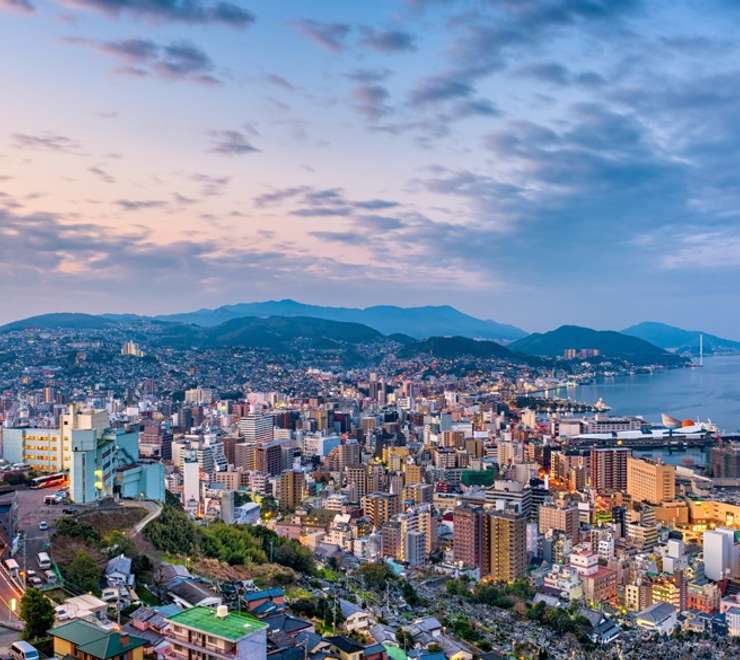
It’s time to explore Nagasaki and embark on a unique day tour that combines this city’s natural beauty with its devastating history – an enriching experience that promises to be memorable. First, you’ll have the chance to explore the stunning Omura Park: a garden in the grounds around Kushima Castle, famed for being one of the best places to admire cherry blossoms and home to rare Omura Zakura, a variety of late-blooming cherry trees. Following this, you’ll visit the Nagasaki Atomic Bomb Museum. With the atomic bombing of Nagasaki by the United States during the Second World War easily one of the most important – and devastating – events of the 20th century, and the only use of nuclear weaponry in armed conflict to date, you’ll have the chance to learn more about both the history and the legacy of this significant event during your time here. This tour concludes with a visit to Nagasaki Peace Park, a memorial park built just north of the atomic bomb blast’s hypocenter. Representing a wish for world peace, and that such a tragic war will never be repeated, this is the perfect place to reflect on what you’ve seen before you continue onto the next part of your adventure.
Read more
Read less
Things to do
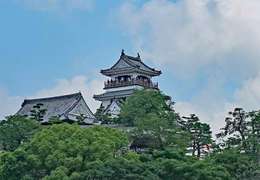
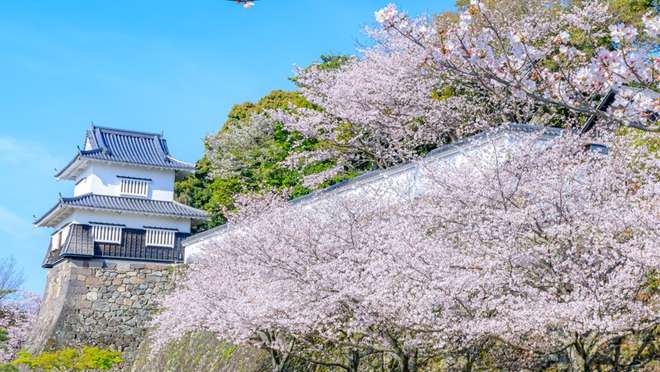
Omura Koen Park
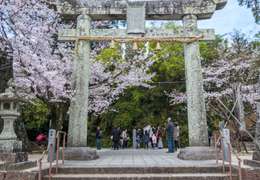
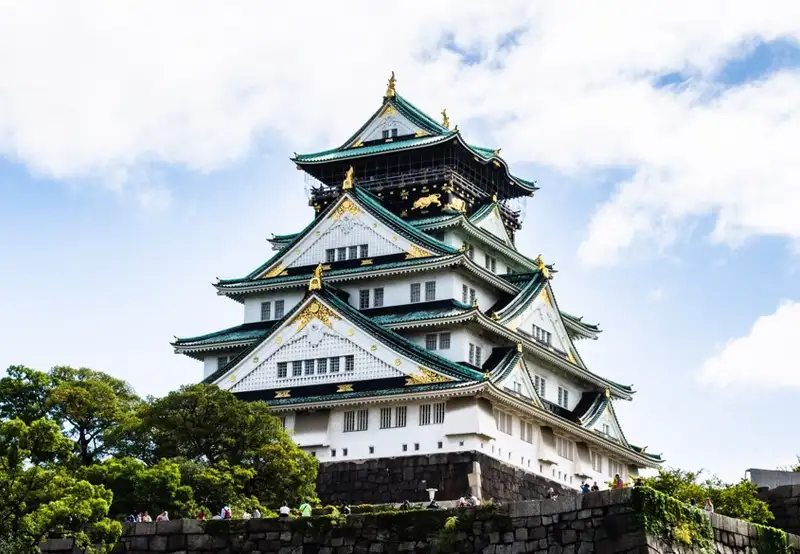
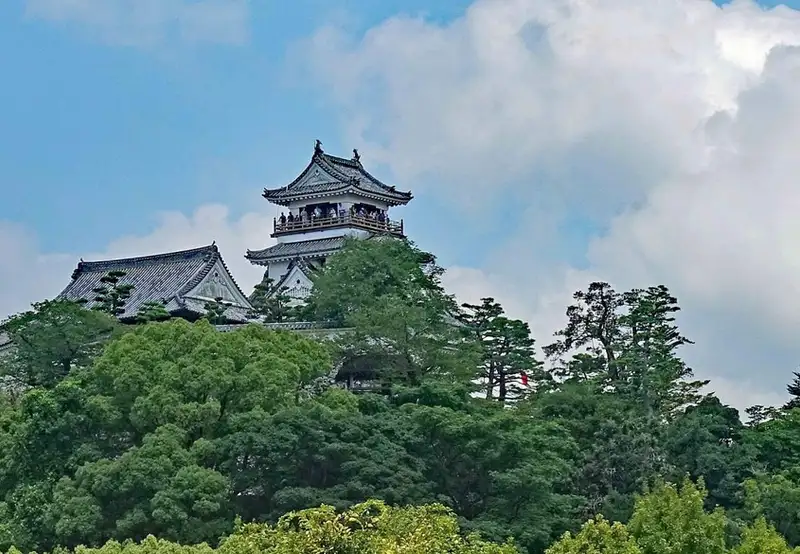
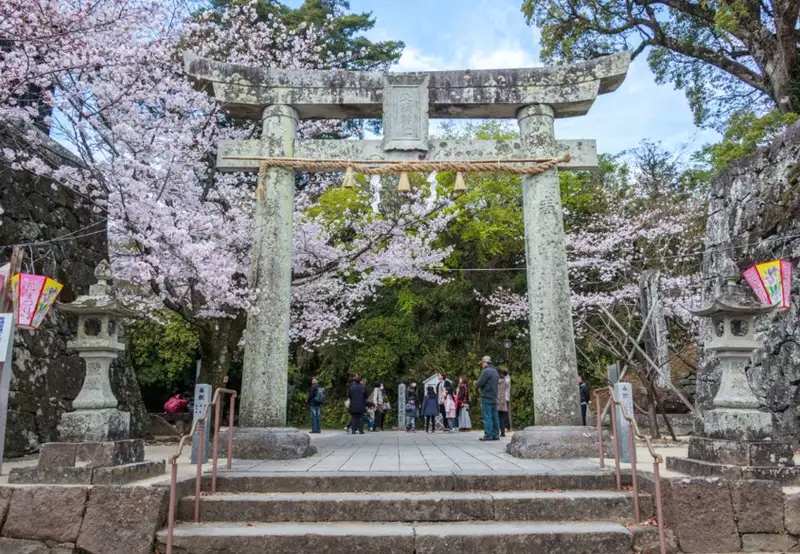
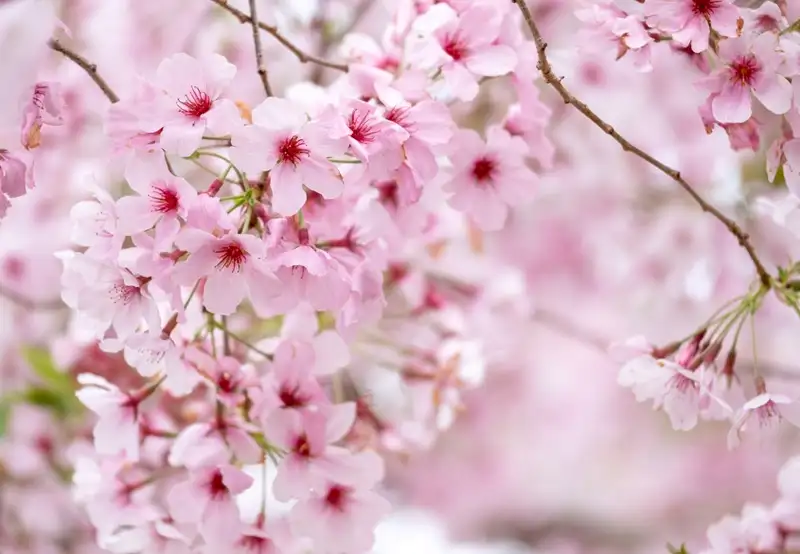
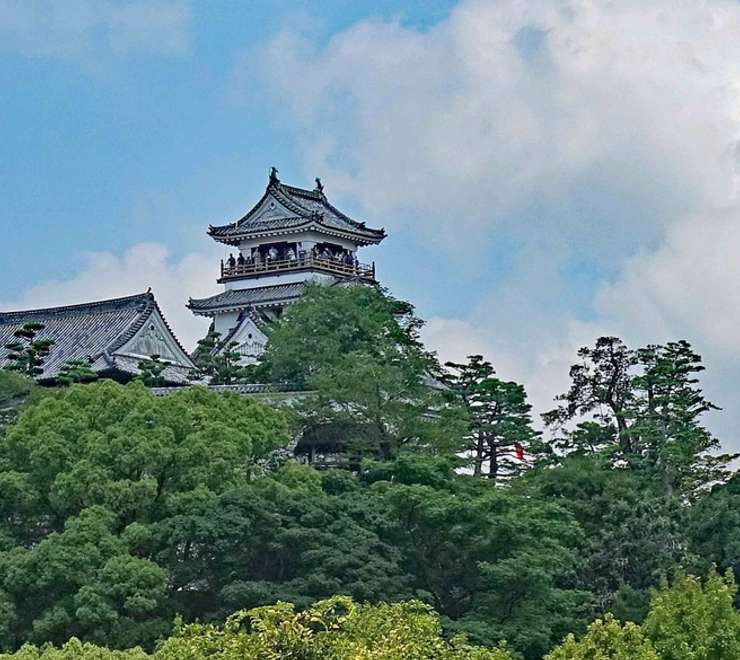
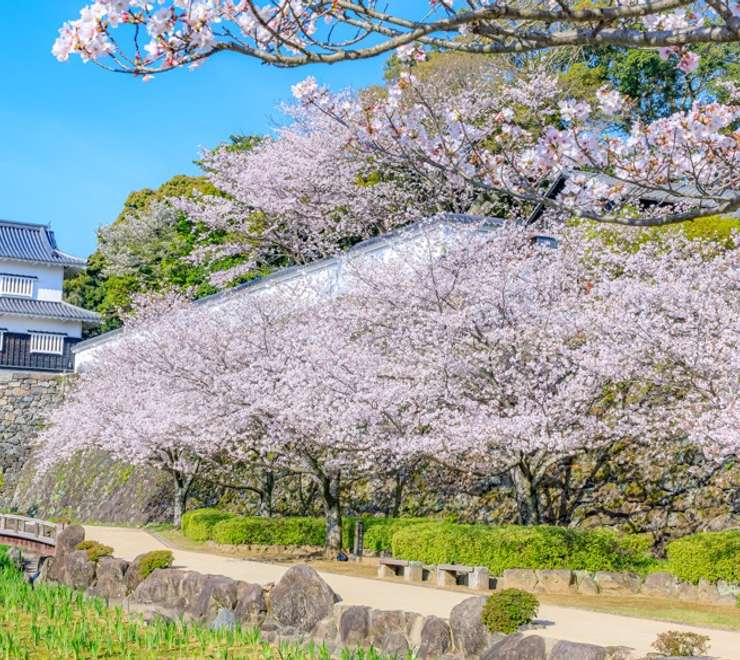
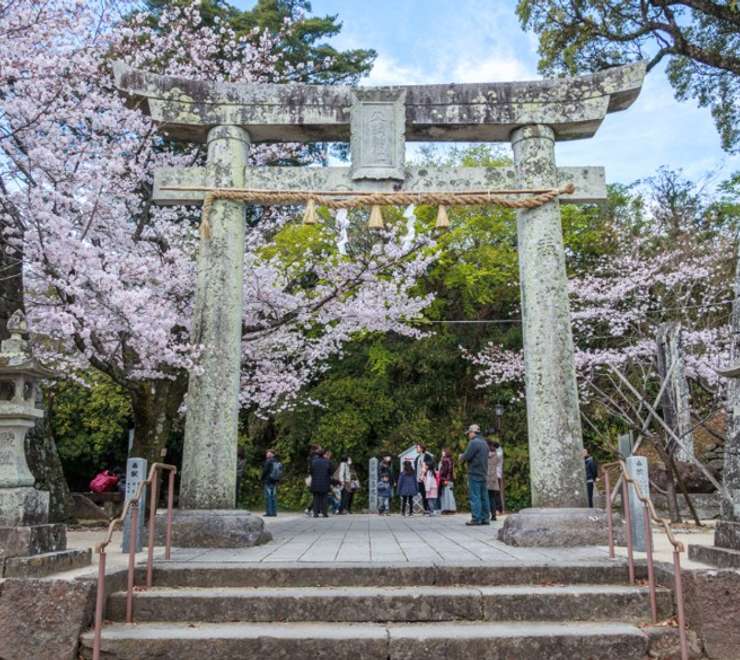
In the grounds around the impressive Kushima Castle, which was once the residence of the lords of the Omura Clan, Omura Park is a stunning greenspace home to approximately 2,000 cherry trees; with a population of around 300 Omura Zakura within that, a rare late-blooming variety of cherry tree, this is one of the best places in the world to admire the unique pink petals of cherry blossoms.
Cherry Blossoms
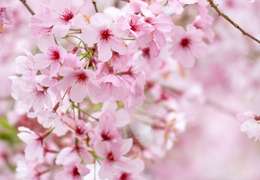
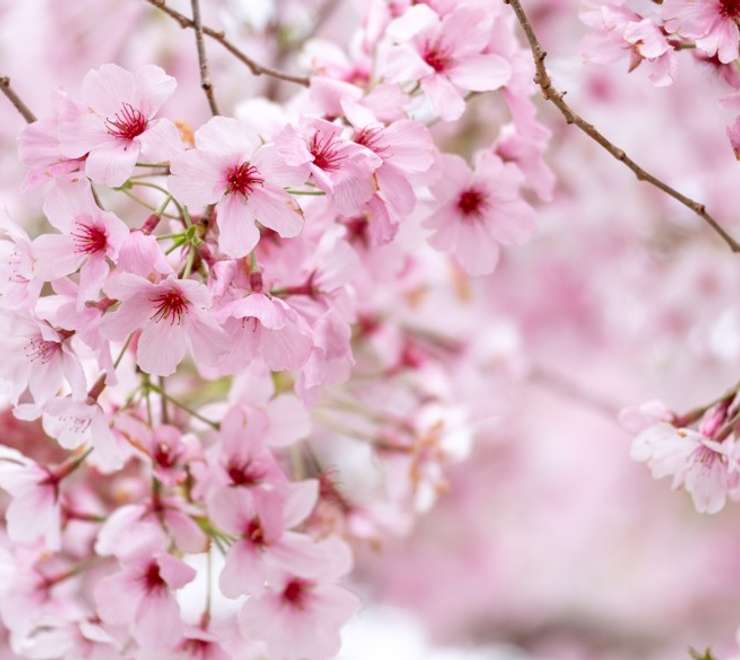
Also known as sakura, cherry blossom are the flowers of ornamental cherry trees – ones that are not grown for their fruit, but for the spectacular blooming flowers; described as having a vanilla-like smell, cherry blossoms can commonly be seen from late March to early April, but the season can stretch into May depending on the region and weather.
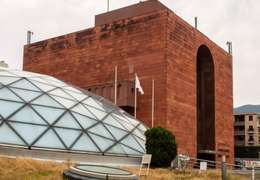
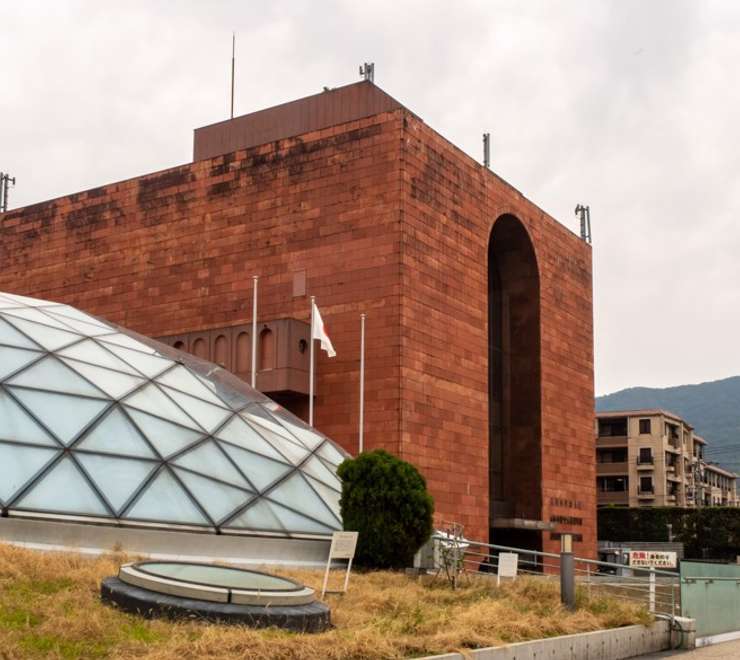
Nagasaki Atomic Bomb Museum
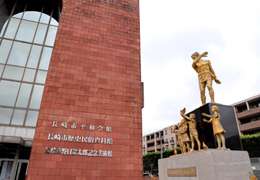
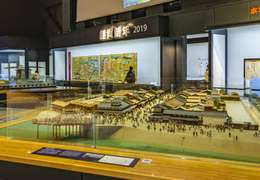
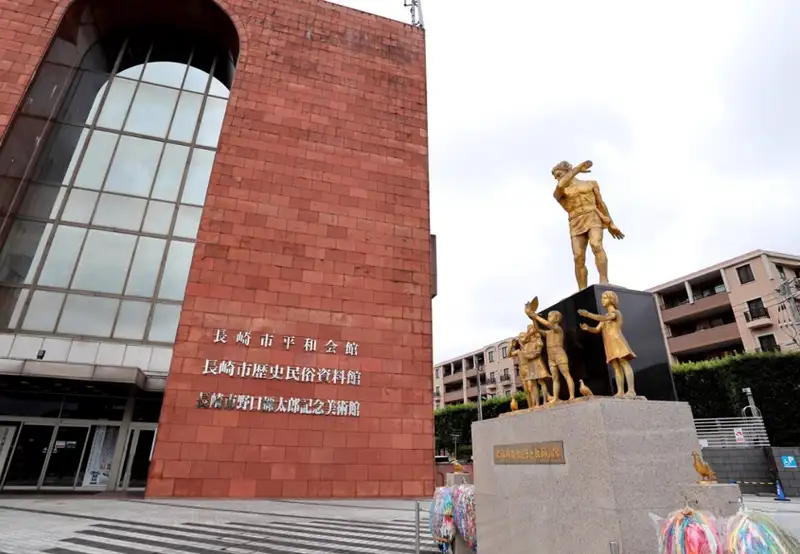
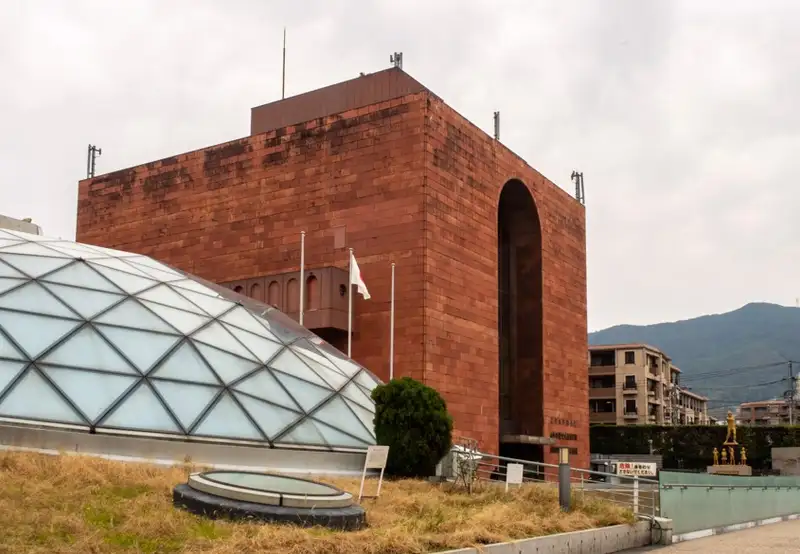
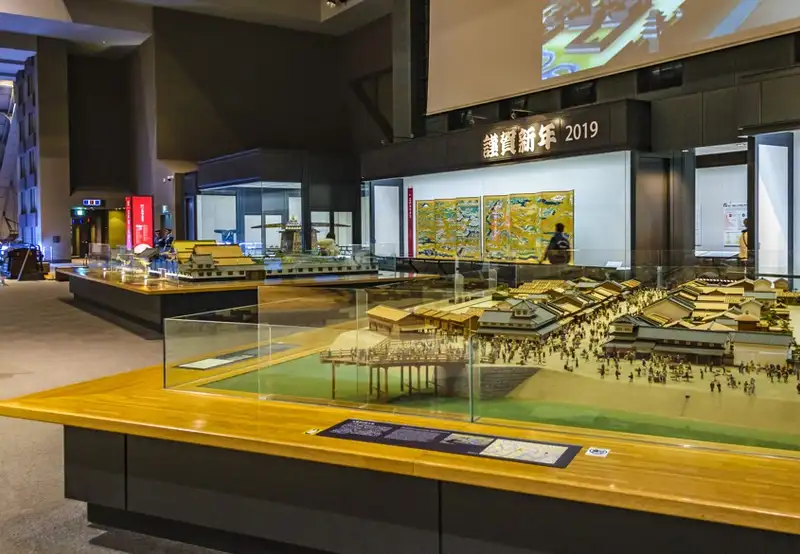
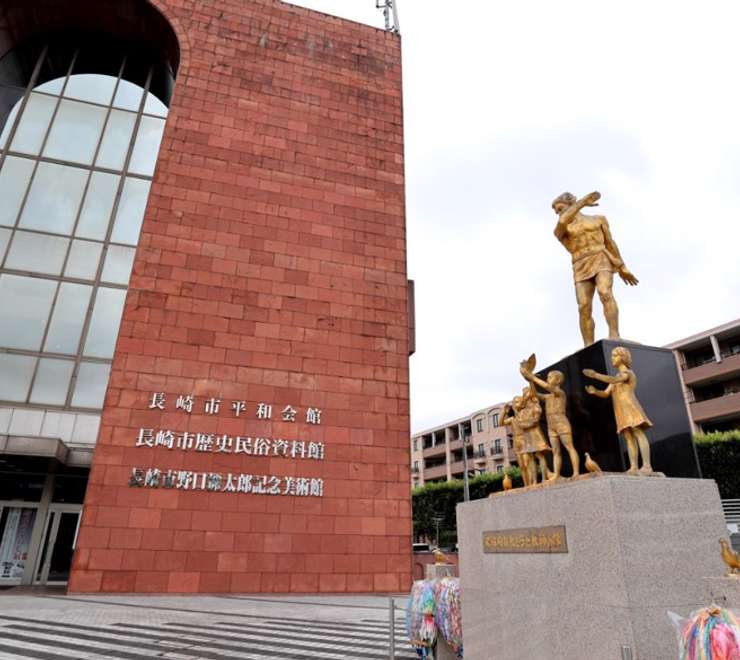
A unique museum in remembrance to the atomic bombing of Nagasaki by the United States during the Second World War, this site explores the event as though it was a story – focusing on the attack itself alongside the history leading up to it and the history of nuclear weapons development; you’ll also find photos, artefacts, and documents relating to the bombing, making it a sobering and informative experience.
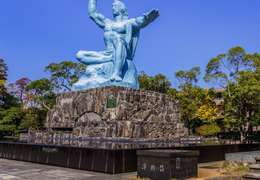
Nagasaki Peace Park
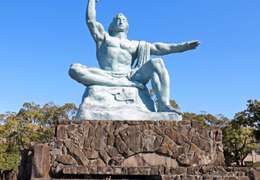
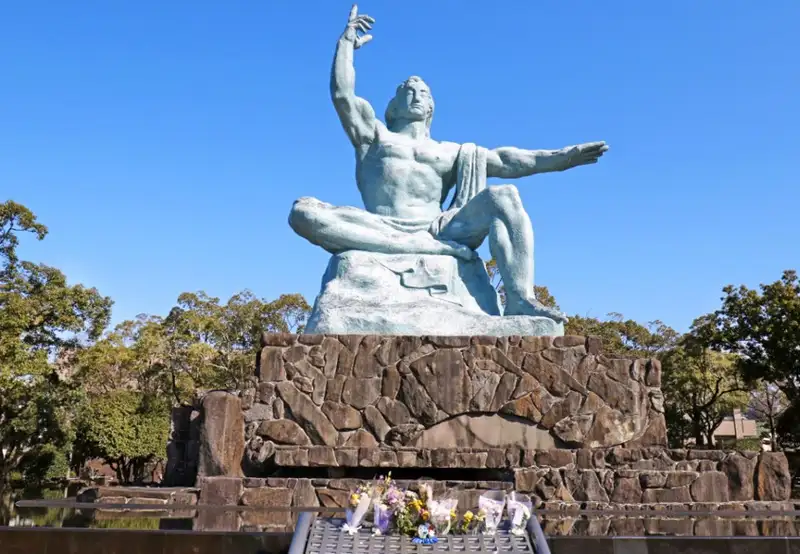
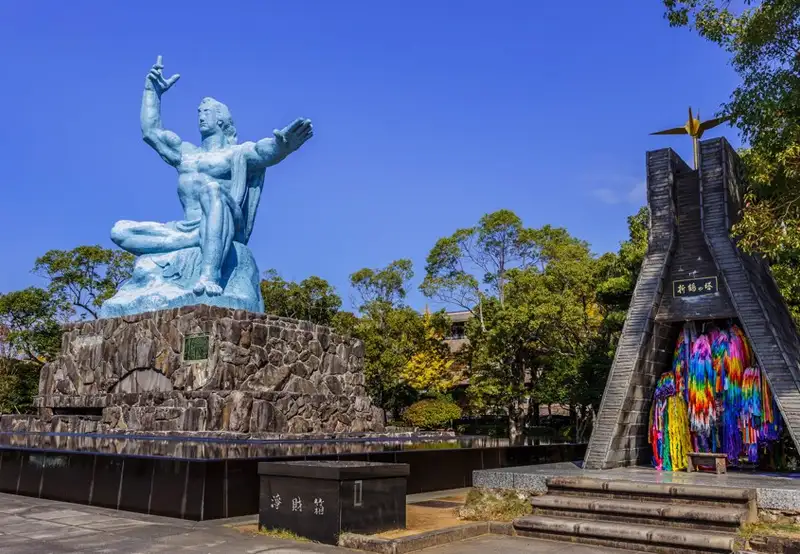
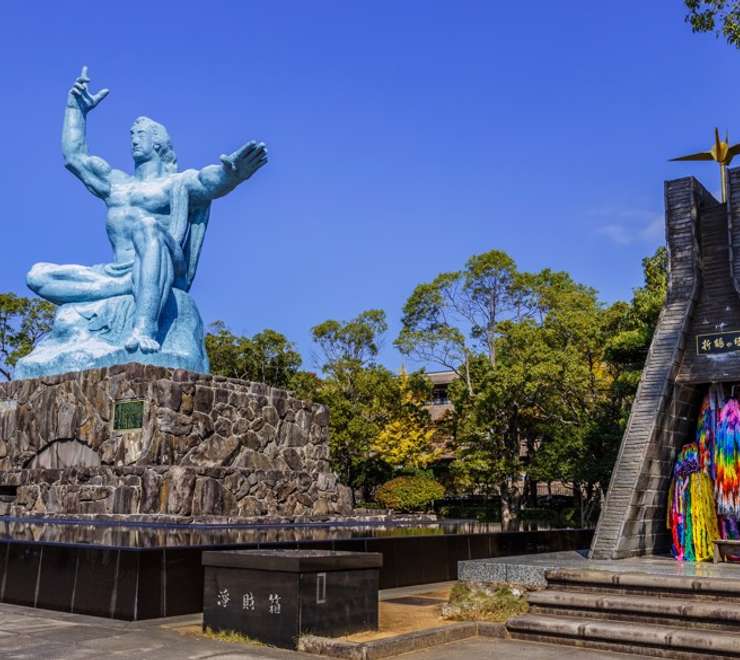
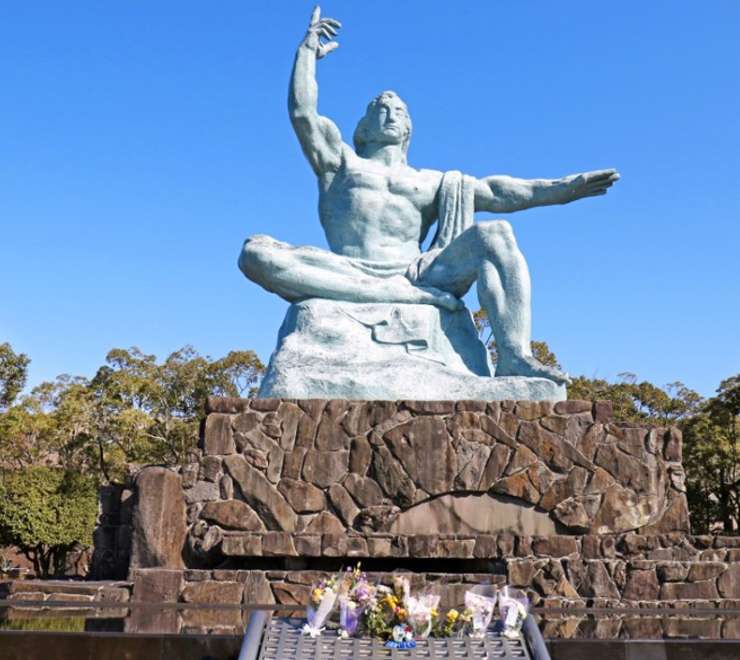
Just north of the hypocentre of the atomic blast from the atomic bombing of Nagasaki by the United States during the Second World War, this serene park represents a wish for world peace and a vow that such a tragic war – and the use of nuclear weaponry – will never be repeated; home to a powerful ten-metre-high statue symbolising this, a peace memorial and declaration is held here each year on the anniversary of the attack.
Things to know
Dietary Restrictions
Where meals are provided, you will be served traditional regional cuisine – which is likely to include dashi (a soup stock) and shellfish alongside either a fish or meat dish. This will mean that the only alternative meal option available (where meals are provided) will be a vegetarian option and other dietary restrictions will be difficult for Japanese restaurants to meet.
If this does not agree with your dietary restrictions, your tour guide will be able to suggest alternatives (where available), but any additional food purchased will be at your own expense.
Money
Credit cards are widely accepted in Japan, particularly in larger cities and metropolitan areas. However, there are some areas where credit cards are not as widely accepted – for example, in some smaller shops, in rural areas, and at some tourist attractions. Therefore, it’s advisable to be prepared beforehand with some cash. Post Offices, convenience stores (i.e. 7-Eleven stores), and JP Post Banks are the main places where you’ll find cash machines that accept some foreign credit cards during business hours.
Medicine
It’s illegal to possess or use some common prescription and over-the-counter medicines under Japan’s anti-stimulant laws. With ignorance of the law not a viable defence, you should check the medication bans prior to booking if you’re on medication.


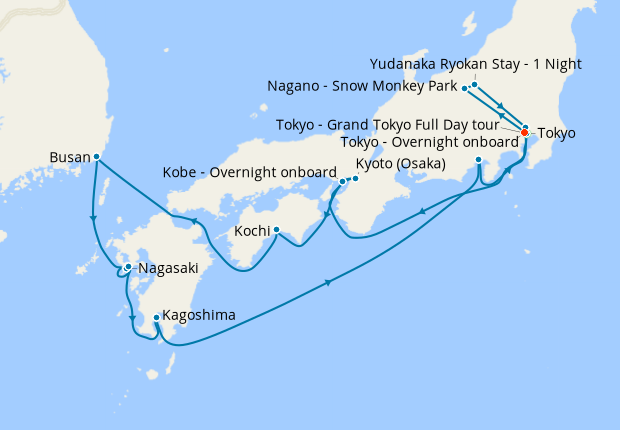


 9 March 2027 · 18 nights
 London Gatwick




















 Transfers to Airport

 Flights
 Hotel
Hotel
 Land Tours
 Entertainment
 Meals
Meals
 Accommodation
 Port Fees & Taxes











































)







 Included
 Not Included

































 Experience


