








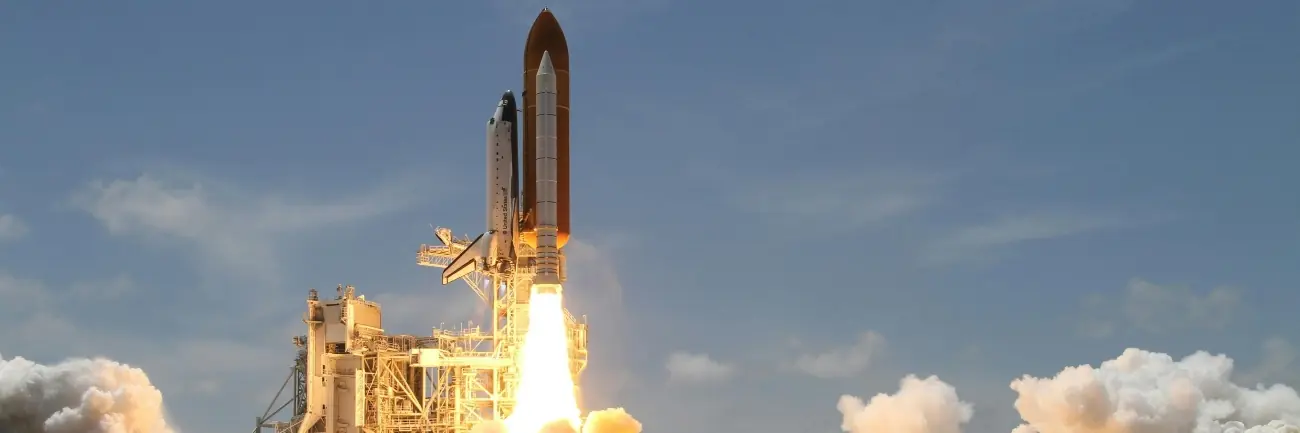
With the Artemis II mission successfully returning the first crew from lunar orbit on 10 April 2026, setting a human distance record of 252,756 miles from Earth, the world is entering a new era of space exploration.
.jpg)
As a result, space-inspired travel is becoming more popular than ever, with Google search interest for "space tourism" surging by 4,900% in 2026 compared with 2025.
Ready to blast off? We’ve crunched the numbers on the world’s top-rated cosmic hotspots to bring you the ultimate list of ‘out of this world’ experiences, with no astronaut training required.
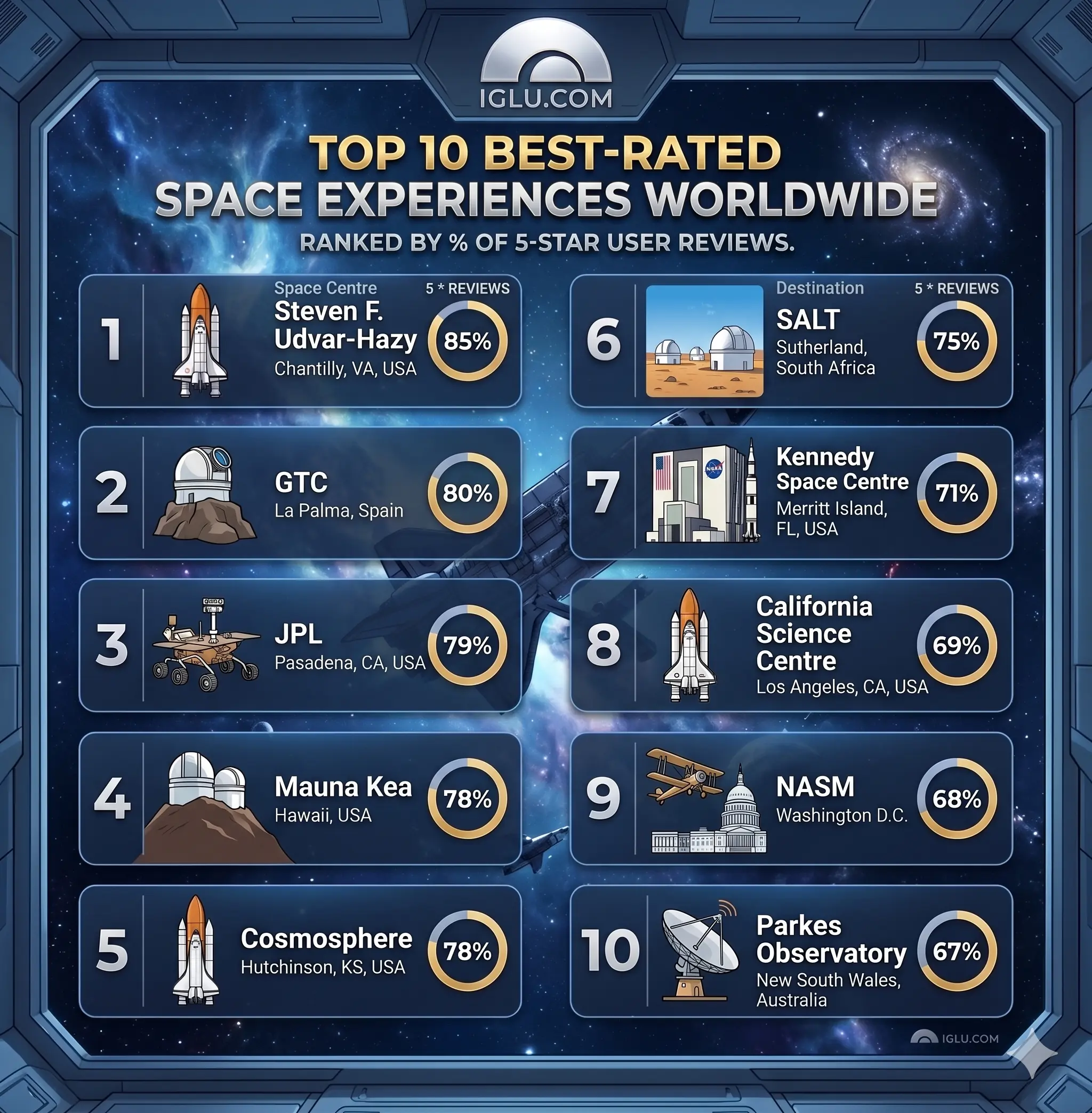
AI-generated image for illustrative purposes only.
Contents:
- Steven F. Udvar-Hazy Center - Virginia, USA
- Gran Telescopio Canarias (GTC) - Canary Islands, Spain
- Jet Propulsion Laboratory (JPL) - California, USA
- Mauna Kea Observatories - Hawaii, USA
- The Cosmosphere - Kansas, USA
- South African Large Telescope (SALT) - Sutherland, South Africa
- Kennedy Space Center (KSC) - Florida, USA
- California Science Center - Los Angeles, USA
- National Air and Space Museum - Washington, USA
- Parkes Observatory - New South Wales, Australia
1. Steven F. Udvar-Hazy Center - Virginia, USA
5* Reviews: 85%
The Udvar-Hazy Center is a large museum hangar near Dulles Airport that displays aircraft and spacecraft too large for a typical city gallery. Highlights include the Space Shuttle Discovery, the record-breaking SR-71 Blackbird jet and new 2026 exhibits featuring the James Webb Telescope and Parker Solar Probe.
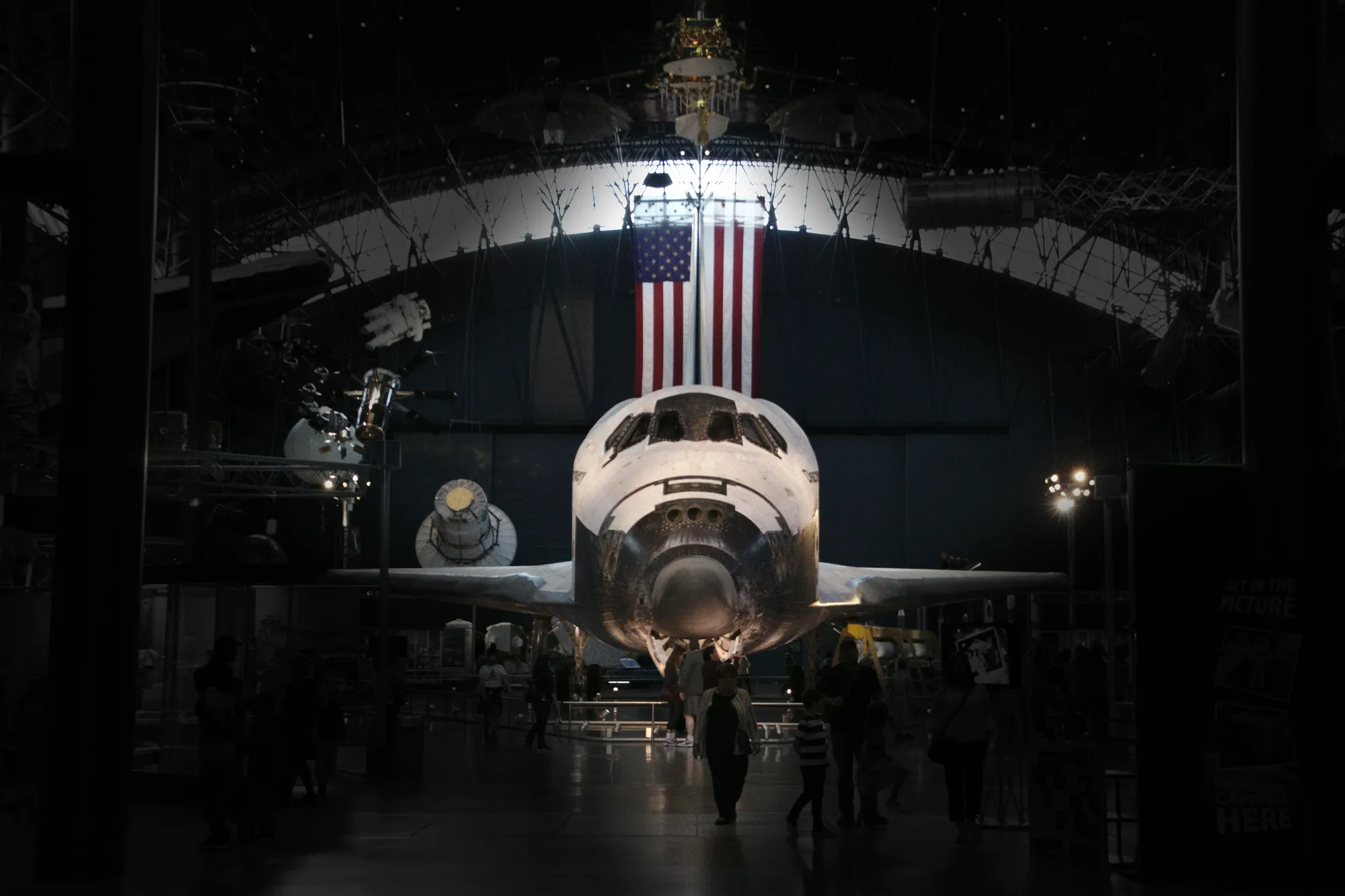
Located right next to Dulles airport in Virginia, it is a perfect first stop before you head into Washington D.C. to see the monuments or visit the historic waterfront in Alexandria. While it is free entry, parking costs £11 ($15).
2. Gran Telescopio Canarias (GTC) - Canary Islands, Spain
5* Reviews: 80%
The Gran Telescopio Canarias (GTC) is one of the world’s largest and most powerful telescopes, located above the clouds on a volcanic peak in the Canary Islands. Its massive 10.4-metre mirror allows it to peer deep into the universe, capturing light from distant galaxies.
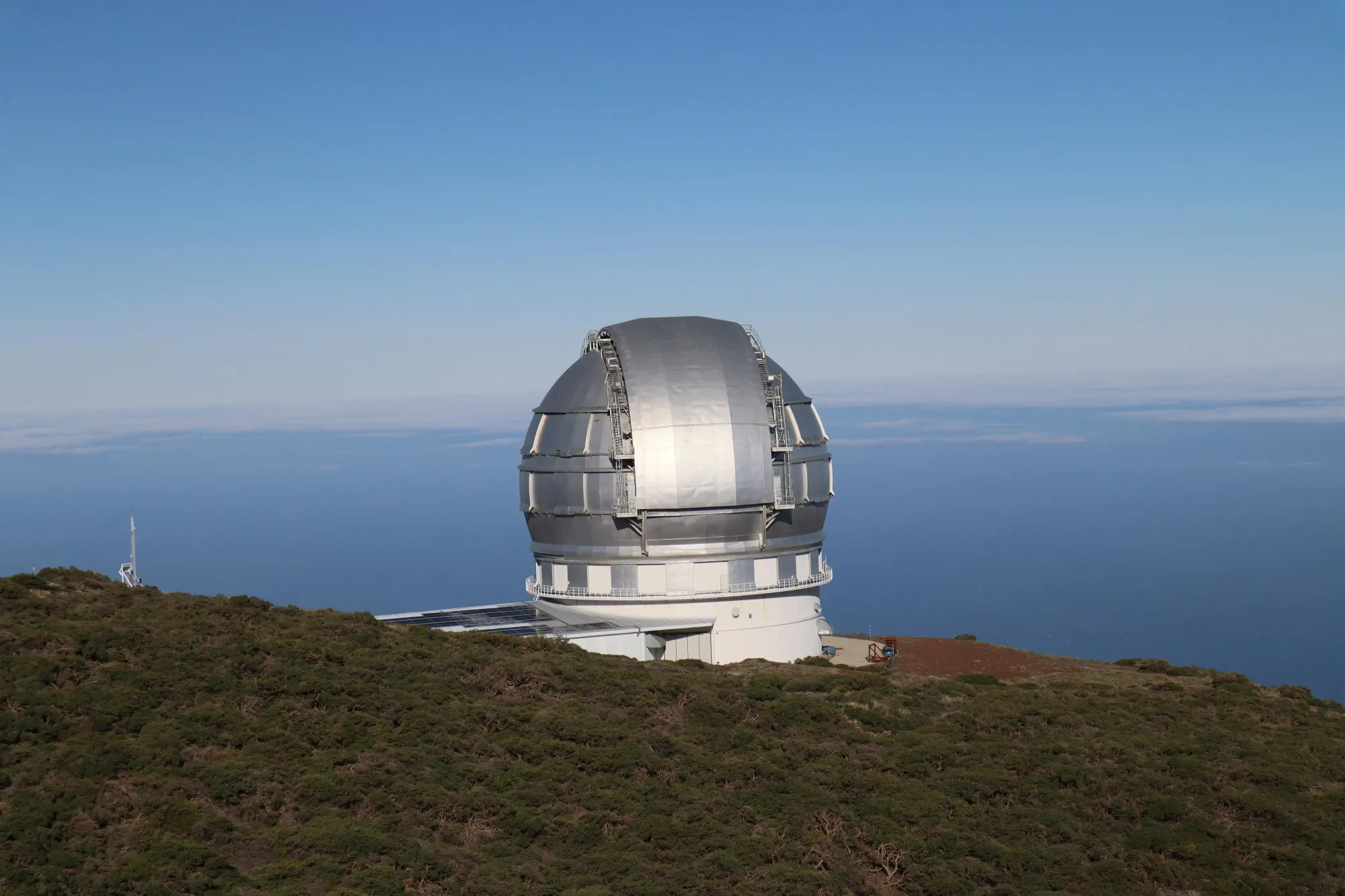
Located on the island of La Palma, it is a spectacular high-altitude stop before heading down to explore the lush "Los Tilos" rainforest or the island's famous black sand beaches. As it is an active research facility, guided daytime tours (that cost approximately £18 or €21) are limited and must be booked well in advance.
3. Jet Propulsion Laboratory (JPL) - California, USA
5* Reviews: 79%
The Jet Propulsion Laboratory (JPL) is the "brain" of NASA’s robot missions. This is where experts build the rovers, explorers and satellites that travel to other planets. Visitors can see the famous Mission Control, where teams watch every Mars landing live, and the ultra-sterile labs where the next generation of spacecraft is being built.
Located in Pasadena, California, JPL is a perfect "science stop" before heading into the heart of Los Angeles to see the Huntington Library or the iconic Hollywood Sign. Public tours are free, but must be booked several months in advance due to increasing popularity.
4. Mauna Kea Observatories - Hawaii, USA
5* Reviews: 78%
The Mauna Kea Observatories are a group of massive telescopes located at the summit of a dormant volcano in Hawaii. Sitting nearly 14,000 feet above sea level, this site offers some of the clearest views of the universe, allowing scientists to study distant galaxies and the birth of stars.
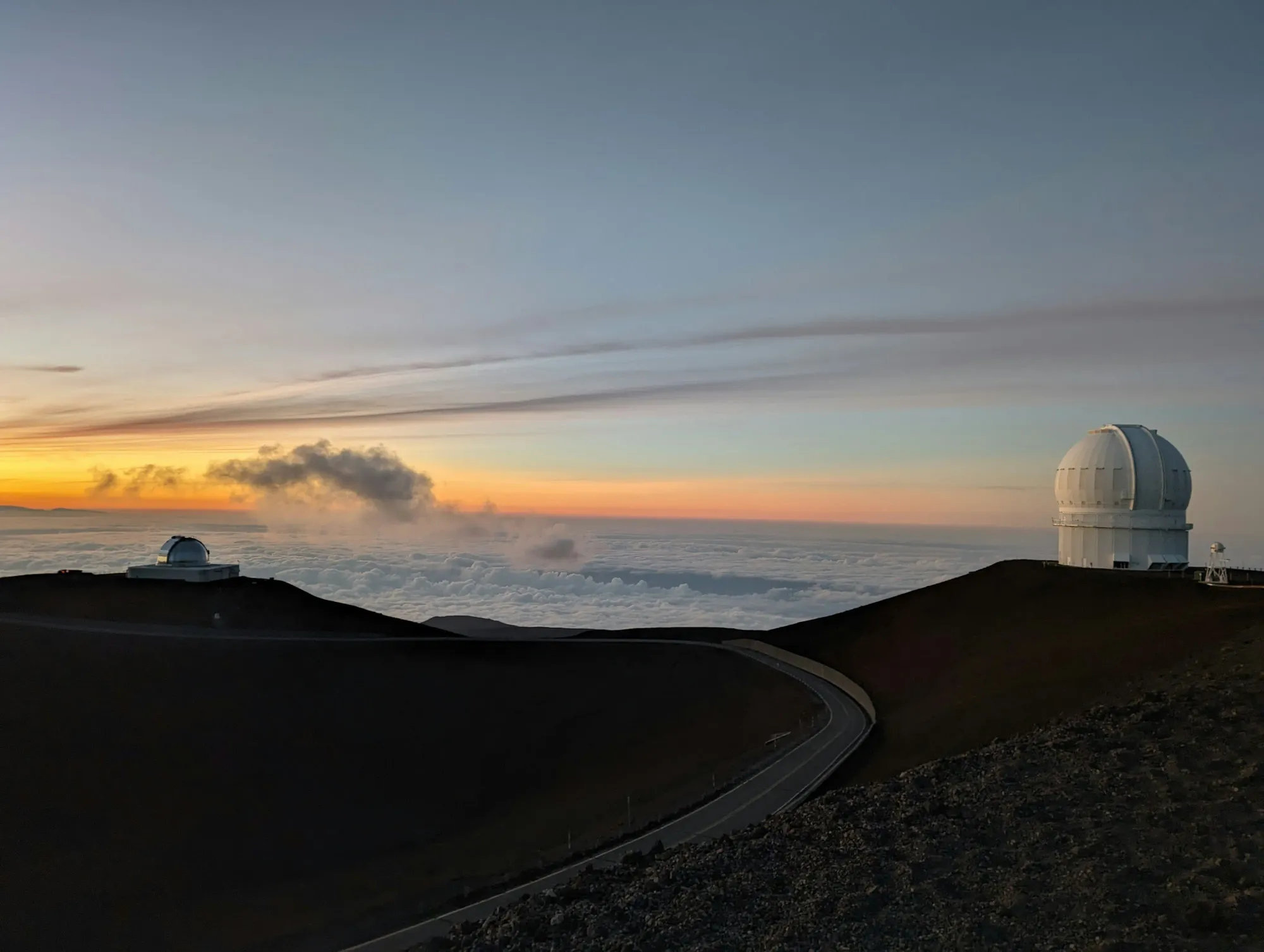
Located on the Big Island, it is a unique spot where you can watch the sunset from above the clouds before exploring the island’s famous black sand beaches or the Volcanoes National Park. While the Visitor Information Centre is free, guided tours to the very top typically cost around £240 or $320.
5. The Cosmosphere - Kansas, USA
5* Reviews: 78%
The Cosmosphere is a world-renowned space museum in Kansas that houses the largest collection of Soviet space artefacts outside of Russia. It is most famous for displaying the Apollo 13 command module and the Liberty Bell 7, a spacecraft that was recovered from the bottom of the Atlantic Ocean after 38 years.
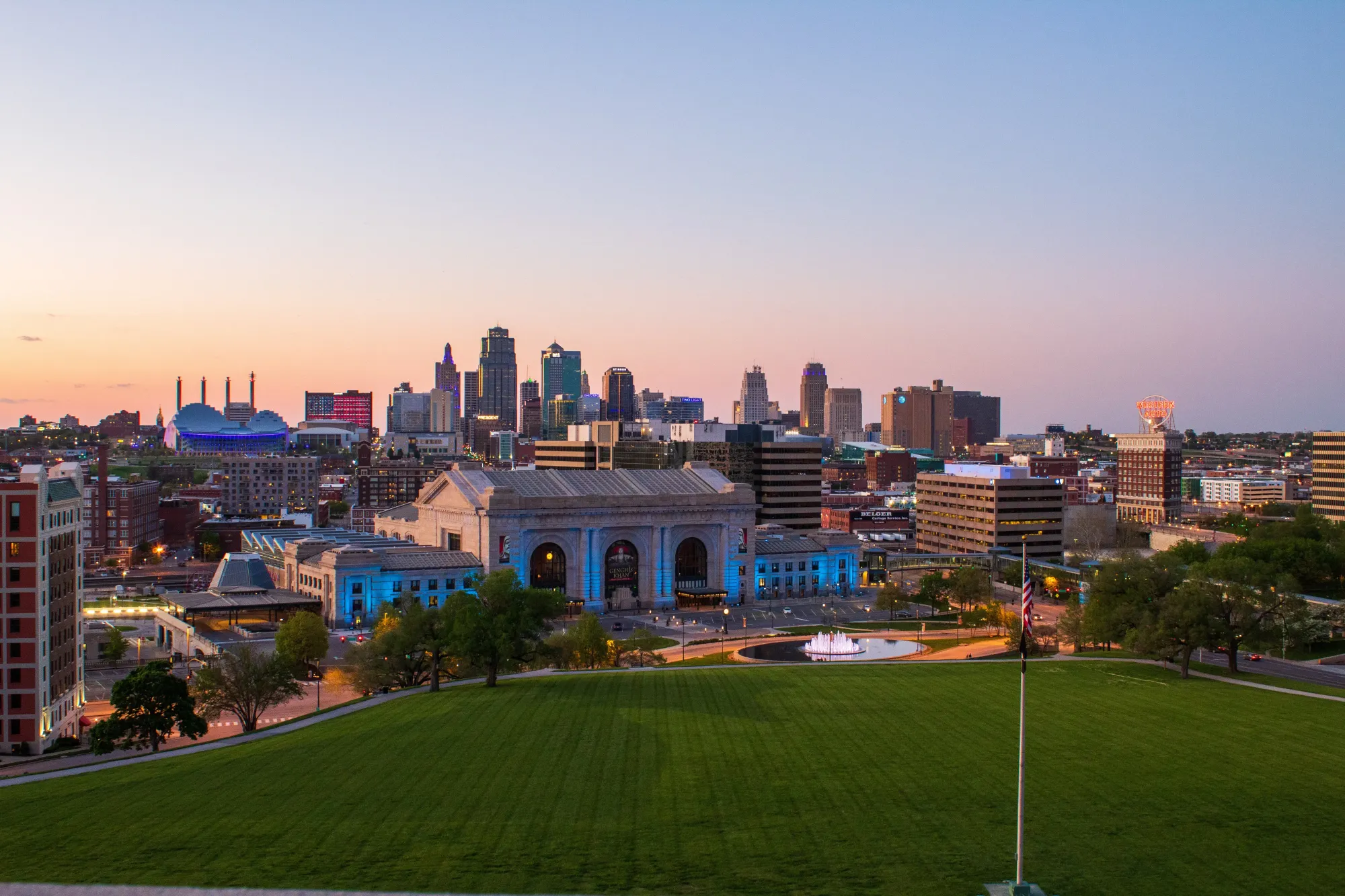
Located in Hutchinson, Kansas, it’s a perfect stop during a trip through the Midwest. After exploring Soviet space history, you can head 650 feet underground to visit Strataca, a massive salt mine museum. An all-access pass is about £24 or $32, though prices vary depending on which exhibits you choose.
6. South African Large Telescope (SALT) - Sutherland, South Africa
5* Reviews: 75%
The Southern African Large Telescope (SALT) is the largest optical telescope in the Southern Hemisphere, located on a high plateau in the Karoo Desert. Its huge 10 metre mirror is made of 91 hexagonal segments, allowing it to capture light from galaxies and stars billions of light-years away.
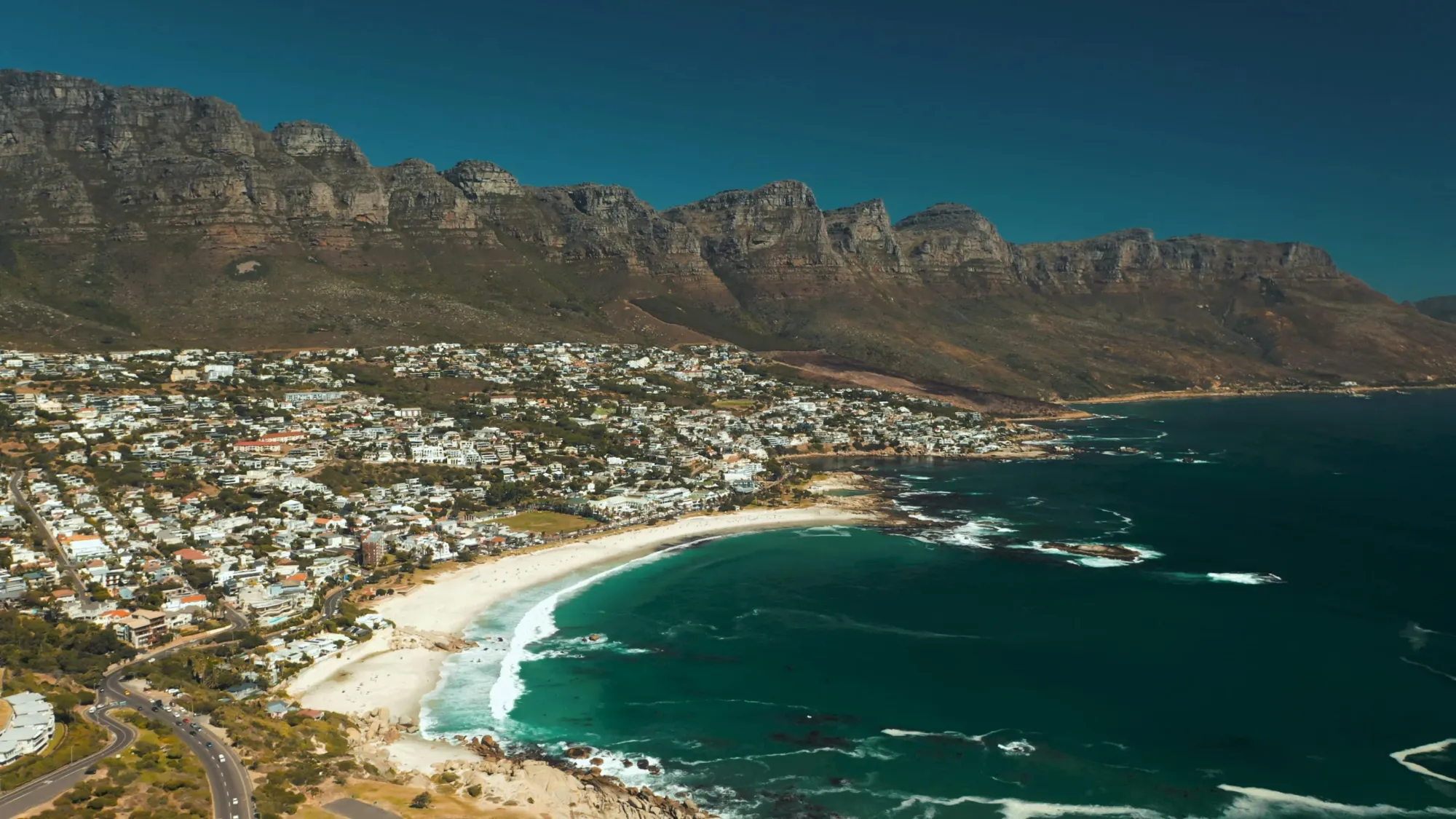
Located near the quiet town of Sutherland, it is a four-hour drive from Cape Town and is world-famous for having some of the darkest, clearest stargazing skies on Earth. Guided tours of the facility cost approximately £5.35 (R120).
7. Kennedy Space Center (KSC) - Florida, USA
5* Reviews: 71%
The Kennedy Space Center (KSC) is NASA's primary launch site and the historic heart of America’s human spaceflight missions. It features incredible displays like the Space Shuttle Atlantis and the massive Saturn V, the tallest and most powerful rocket ever flown to the moon.
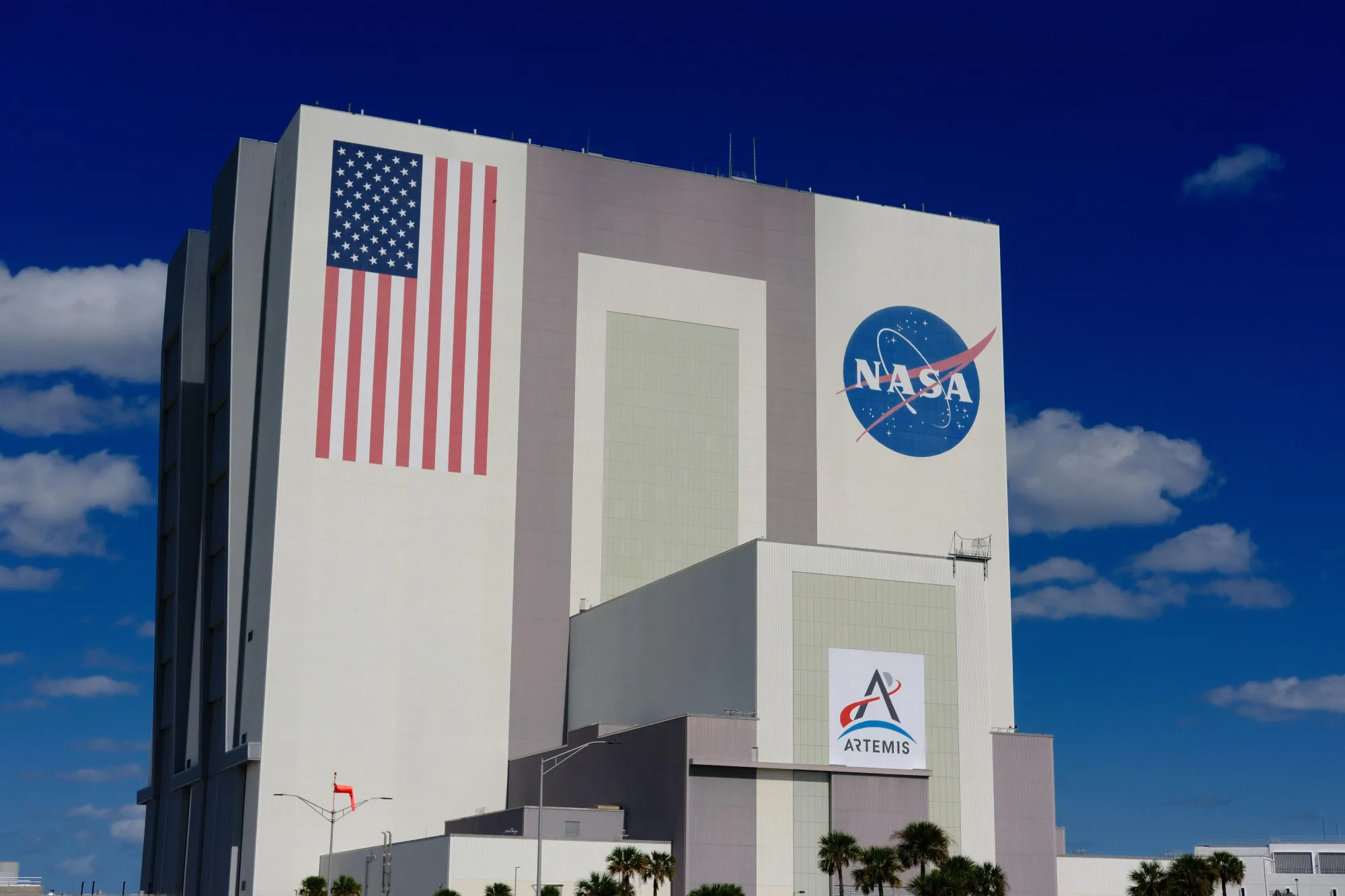
Located on Merritt Island, Florida, it is a perfect day trip from Orlando or Cocoa Beach, and an absolute must-see for anyone docking at Port Canaveral on a cruise. Daily admission is approximately £58 or $77, with optional add-on tours that take you behind the gates to see active launch pads.
8. California Science Center - Los Angeles, USA
5* Reviews: 69%
The California Science Center is L.A.’s major science museum and the final home of the Space Shuttle Endeavour. 2026 marks its biggest milestone yet, the debut of the Samuel Oschin Air and Space Center. This massive expansion features Endeavour in a world-exclusive, vertical "ready-for-launch" stack, standing 20 stories tall with its original external tank and rocket boosters.

Located in central LA, there are plenty of other attractions for visitors to the area. The natural history museum and the historic Rose Garden are next door, or hop on the Metro for a quick ride into the heart of Downtown L.A. Admission to the main exhibits is free, while parking at Exposition Park is approximately £15 or $20.
9. National Air and Space Museum - Washington, USA
5* Reviews: 68%
The National Air and Space Museum on the National Mall is a world-class icon, currently celebrating its 50th anniversary in 2026. Following a massive multi-year renovation, the museum’s modernised exhibits showcase milestones such as the 1903 Wright Flyer, the Spirit of St. Louis and Columbia, and the Apollo 11 Command Module that carried the first humans to the Moon.

Ideally situated in the heart of Washington, D.C., the museum is just steps from the U.S. Capitol, making it a great addition to a day spent exploring the landmarks and monuments along the National Mall. Admission to the main exhibits is free, though you must book a timed-entry pass online in advance to gain access.
10. Parkes Observatory - New South Wales, Australia
5* Reviews: 67%
The Parkes Observatory, also known as "The Dish" is a 64-metre radio telescope located in rural New South Wales, Australia. It gained worldwide fame for its role in receiving and broadcasting the live television images of the Apollo 11 moonwalk in 1969, and it remains a vital scientific tool today for tracking deep-space missions and studying distant galaxies.
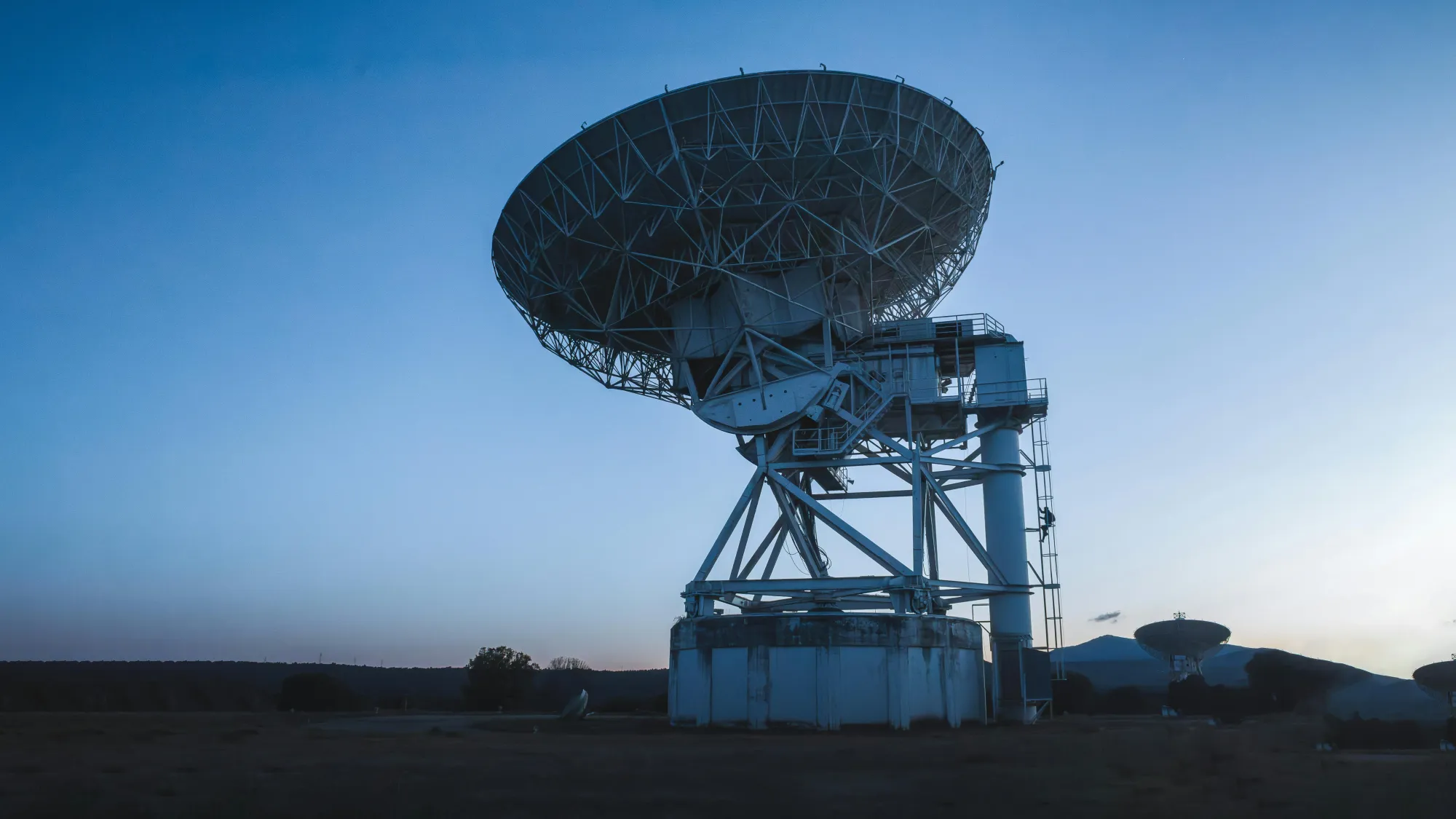
Located just north of Parkes, it’s a spectacular outback landmark. While you're in town, don't miss the quirky Elvis Museum or the Henry Parkes Centre. Entry to the visitor centre and viewing area is free, while tickets for the high-definition 3D theatre cost approximately £4.15 (8 AUD).
Your front row seat to the Universe
Inspired to see the stars for yourself? While land-based observatories are great, the real magic happens at sea. If you want the best "star shows" on the planet, look into a transatlantic crossing or a trip through the South Pacific; the deep ocean offers the darkest skies you'll ever experience. And of course, there's the iconic Norwegian fjords to experience the incredible Northern Lights.