








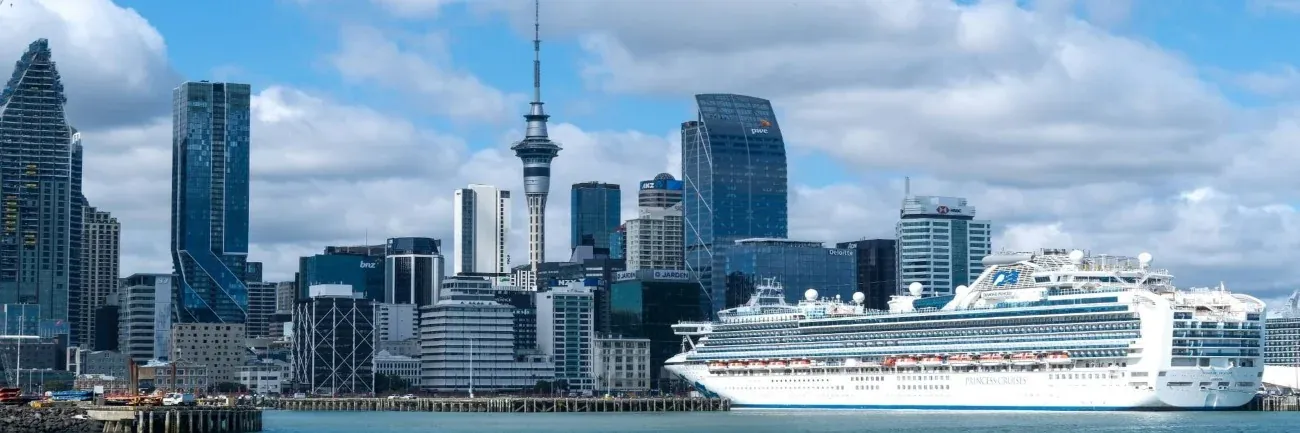
Cruise port fees (sometimes called port charges or port expenses) are mandatory charges imposed by ports, local authorities and governments whenever a cruise ship visits a destination. Cruise lines pay these fees and then pass the cost on to passengers.
In addition to port charges, passengers may also pay government taxes, tourism levies and destination-specific fees, which are usually grouped together under a single "taxes, fees and port expenses" heading.

In this blog, we’ll discuss what these feeds help cover, how much cruise port fees are in 2026, whether you can opt out of paying them and other useful information.
Contents:
- What do cruise port fees cover?
- How much are cruise port fees in 2026?
- Are port fees included in the cruise price?
- Can you avoid cruise port fees?
- What happens if a cruise misses a port?
- Four ways to save money on cruise port fees
1. What do cruise port fees cover
These fees help cover services and infrastructure used by cruise ships, including:
- Docking and berthing facilities
- Harbour pilot services
- Security and customs operations
- Immigration processing
- Baggage handling
- Port maintenance and infrastructure
- Environmental and sustainability programmes in some destinations
2. How much are cruise port fees in 2026?
Fees vary by destination, itinerary and cruise line. As a general rule, taxes and port charges typically account for 10% to 20% of the base cruise fare, though some itineraries can be significantly higher.
Several factors influence the total, including;
Destination - Some regions charge more than others. Alaska, for example, is known for relatively high taxes and port expenses, while many European ports tend to be less expensive.
Number of ports visited - Every port call generates additional charges. A cruise visiting six destinations will usually attract higher fees than one visiting only two or three.
New local taxes - In recent years, several destinations have introduced new visitor taxes to manage tourism and fund local infrastructure. For example, Mexico introduced a non-resident tax for cruise passengers, while Greece implemented seasonal cruise taxes at certain ports. These additional charges may increase overall port fees in 2026 itineraries.
Ship size - Larger ships generally incur higher port costs because they require more infrastructure, services and operational support.

3. Are port fees included in the cruise price?
In most cases, yes. Many cruise lines now display fares that already include taxes, fees, and port expenses, making pricing more transparent than in the past. However, some booking sites may still show a low headline fare before adding mandatory charges later in the booking process.
Before booking, always check:
- Whether taxes and port charges are included
- The final price per person
- Any additional gratuities
- Optional extras such as drinks packages, Wi-Fi and excursions
The advertised fare is rarely the total holiday cost.
4. Can you avoid cruise port fees?
Unfortunately, no. Port fees are mandatory for all passengers and cannot be removed from your booking. Whether you're staying in an inside cabin or a luxury suite, every guest pays the same port charges for that sailing. Even if you choose not to leave the ship while in port, the charges still apply because they are associated with the vessel's visit rather than individual passenger activities.
5. What happens if a cruise misses a port?
If bad weather, operational issues or other circumstances force a cruise line to skip a scheduled port, passengers may receive a refund for the associated port fees and taxes. Policies vary by cruise line, but refunds are commonly issued as onboard credit or returned after the voyage.

6. Four ways to save money on cruise port fees
While you can't avoid port charges entirely, you can reduce their impact on your overall holiday budget.
1. Compare total cruise prices
Always compare the final price before making a decision. The advertised price may not include mandatory fees.
2. Consider fewer-port itineraries
Cruises with more sea days and fewer port calls often have lower port charges than destination-intensive itineraries.
3. Keep an eye out for special offers
Many cruise promotions focus on onboard credit, free drinks packages or discounted fares. While port fees usually remain mandatory, these added benefits can offset other holiday costs. Looking for a last-minute deal? Head over to our Last Minute Cruise Deals page.
4. Budget beyond port charges
Gratuities, shore excursions, speciality dining and drinks packages can have a greater impact on the final cost of a cruise than port fees themselves. Planning for these expenses in advance can prevent unpleasant surprises.

Cruise port fees in 2026 remain an unavoidable part of cruise pricing, but they're easier to understand once you know what they cover. These charges fund the ports, infrastructure and services that make cruise travel possible, and they vary depending on the destinations you visit.
When comparing cruises, focus on the total holiday cost rather than the advertised per-person fare. A little extra research can help you find the best value sailing, avoid any surprise charges and keep more money available for on-board experiences!
Book your next getaway with Iglu Cruise
If you’re thinking of booking a cruise, we’ve got a wide selection of cruise holidays to choose from. Whether you’re looking to set sail in 2026 or beyond, our cruise deals have something for all tastes and budgets.