*Up to £300 off all river cruises offer is applicable to new river cruise bookings made by 31st March 2026. Discount is as follows and has been included in prices shown: 5% off for cruises of 6 nights or less, £150pp off for cruises of 7-13 nights and £300pp off for cruises of 14 nights or longer. *Iglu £49pp Deposit offer applies to selected cruises from January 1st 2027 onwards and will run from 03 March 2025 until 31st Mar 2026 . The remainder of the cruise line deposit will be taken 10 weeks after initial purchase. £1 deposit offer is limited to one cruise booking per household.
All offers and prices are subject to change and availability at time of enquiry. Prices are based on two passengers sharing unless otherwise stated and are subject to the Tour Operator's terms and conditions. Cabin and Flight supplements may apply. Other supplements may apply in addition to the price shown above. Flight details, timings and routing may be subject to alteration. Other tour operator charges may also apply. Any Onboard Spending money or drinks package value shown will be per cabin, again based on two sharing.
Supplier Reference:
AA260727AKR
Talk to a Cruise Expert
Our cruise experts will help you pick the perfect cruise line, ship and destination.
We can tailor any package to suit your holiday needs: Add or extend hotel stays, arrange flights and find the best cabin location for you.
Say goodbye to your current destination, for it’s time to head somewhere new! Flight information will be available closer to your embarkation date, but this will be when you’re hopping on a plane to continue your adventure – be that travelling somewhere new, or heading home.
Giurgiu, Romania
DAY 1
27 Jul 2026
Time at Port: TBD
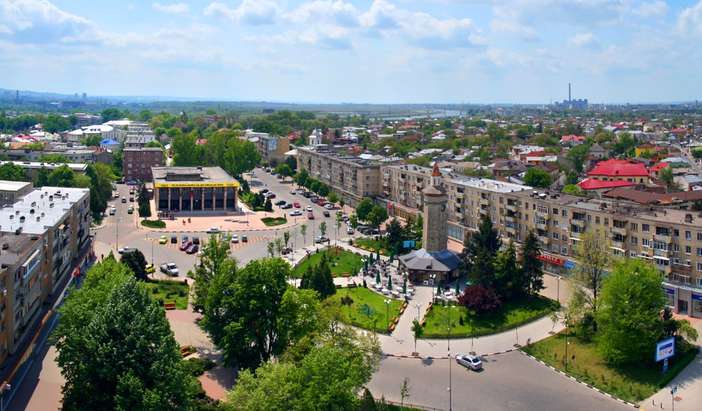
Sitting just across the Danube from the Bulgarian city of Ruse, Giurgiu is a lively city in southern Romania boasting an abundance of enjoyable activities and cultural experiences for travellers of all types. Marking an important crossing point on the Romania-Bulgaria border, you’ll be met with an interesting atmosphere here and a cuisine that draws on traditional Romanian dishes and – occasionally – Bulgarian foods and flavours to deliver something special. Much like any river cruise destination on the Danube, this is a fantastic spot for a riverside stroll in the sunshine; however, you’ll also have the chance to venture further afield and take advantage of some scenic walking routes through the local countryside. The Comana Natural Park, in particular – which sits north of Giurgiu, between it and Bucharest – is a fantastic place to walk and sightsee in nature, should you want to travel that far from Giurgiu city centre upon your arrival. If not, you’ll still find plenty of charming spots in and around Giurgiu worth exploring. Beyond that, the historic town centre in Giurgiu boasts several unique landmarks, interesting museums, and more to make your visit worth every moment. A little more laid back than larger cities on the Danube, but far from lackluster, Giurgiu is going to be one destination you’ll remember on your river cruise.
Things to do in Giurgiu, Romania:
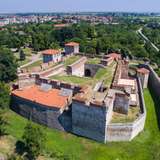
Giurgiu Fortress
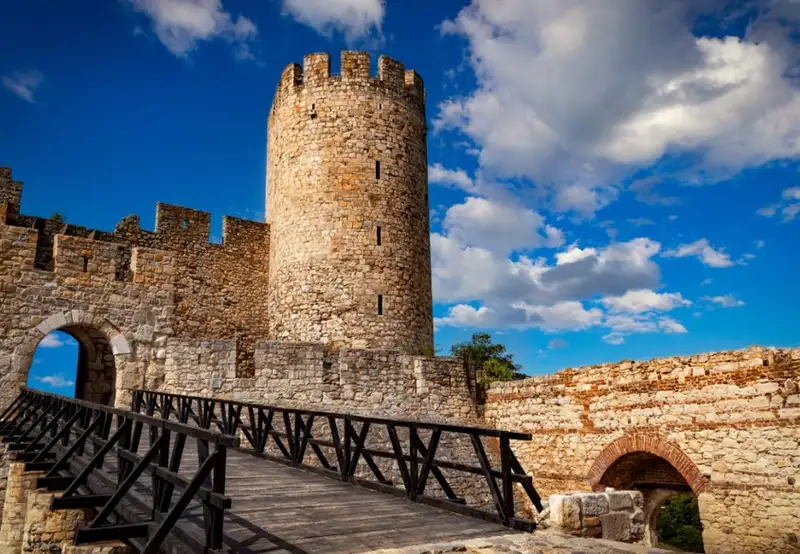
Also known as the Citadel of Mircea the Elder, Giurgiu Fortress is an archaeological site and ruined fortification on the banks of the river Danube. With first mention of the fortress itself dating back to 1403, the structures at this site were reportedly well-preserved until the mid-19th century – when parts of it were dismantled for building materials. Prior to that, though, it played an important role in several conflicts and was widely regarded as an imposing defensive fortification. So, there’s a lot of interesting history to learn about this unique site; though, you will need your imagination to picture this particular castle in all its glory.
Turnul Ceasornicului (Giurgiu Clocktower)
A symbol of the city, the Clock Tower in Giurgiu was built throughout the 18th century as an important observation point and fire pit; playing host to a warehouse of firefighting equipment, this is regarded as one of the first steps towards an established fire service in the city. It was also occupied by local police by the mid-19th century and a bell was added to announce the time audibly to the citizens in 1839. The only structure of its kind in Romania for quite some time, this landmark has been restored numerous times over the years; however, it still remains slightly tilted, a construction defect from its first iteration that has been preserved.
Comana Natural Park
An impressive area of protected wilderness located north of Giurgiu and south of Bucharest, Comana Natural Park is one of the best places in the region for walking and hiking alongside outdoor activities like cycling and kayaking. If you’re looking to immerse yourself in nature when in Giurgiu and Romania, this is the perfect destination.
Ruse, Bulgaria
DAY 2
28 Jul 2026
Time at Port: TBD
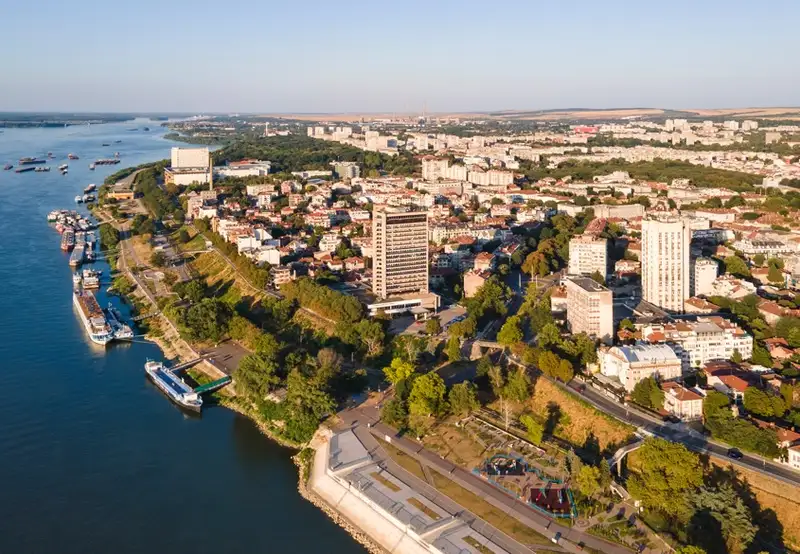
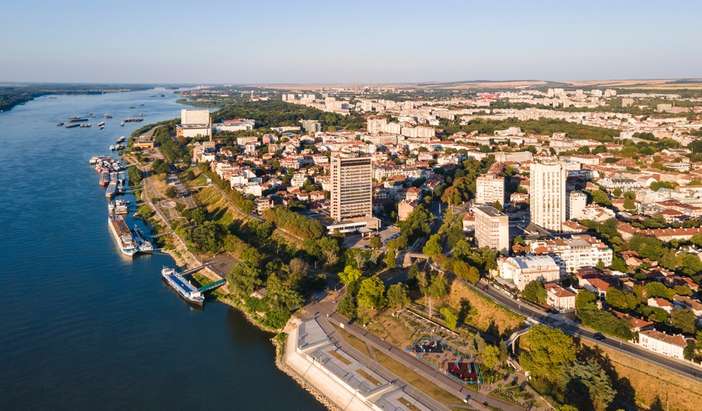
One of the largest cities on the Bulgarian side of the Danube river, and just across this major European waterway from Romania’s Giurgiu, Ruse is a fascinating river cruise destination and somewhere where everyone will find something they enjoy; here, you’ll find everything from ancient Roman ruins and intriguing regional museums set in grand castles to vibrant greenspaces and charming restaurants giving you the chance to dive into flavourful local foods. Known colloquially as ‘Little Vienna’, this city sports a skyline boasting a rich blend of architectural styles – including Baroque, Rococo, Secession, and Neoclassicism. This variety affords Ruse a unique atmosphere that encourages exploration, and it makes the sightseeing tours here even more rewarding than you might think. Ruse is also home to several Bulgarian ‘firsts’ – the nation’s first printing office, first weather station, first movie projection, and even Bulgaria's first steel ship was constructed here. To say it’s a forward-thinking city would be an understatement. It’s also home to the only crossing across the Bulgarian-Romanian section of the Danube river: the Ruse-Giurgiu Friendship Bridge. This gives the city a wonderful buzz, but it’s also somewhere where you can embrace the slower side of life. Scenic riverside strolls or a visit to Mladezhki Park are never a bad idea when the weather’s nice; you’ll find a rather relaxed atmosphere throughout, so you won’t need to worry about feeling rushed off your feet here. Whether you’re looking for authentic cultural experiences, a lesson or two in local history, the chance to try some traditional cuisines, or just somewhere nice to stretch your legs, Ruse is well-equipped to cater to the needs of every traveller.
Things to do in Ruse, Bulgaria:
Pantheon of National Revival Heroes
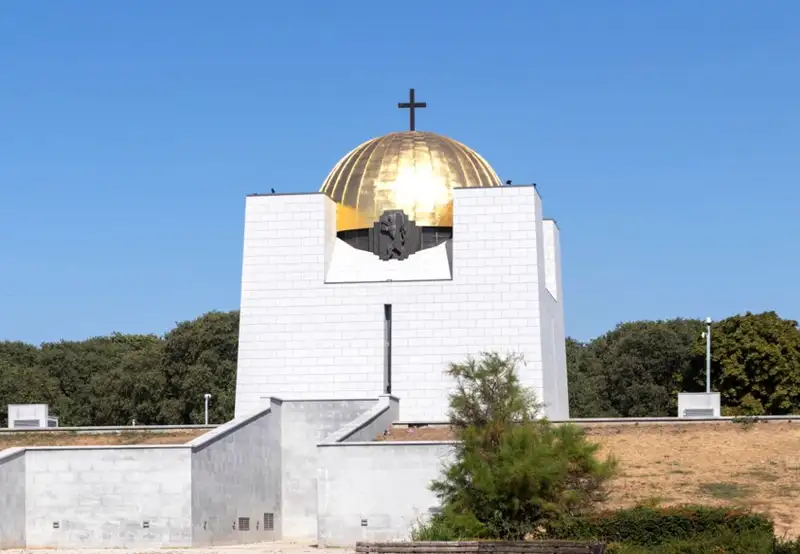
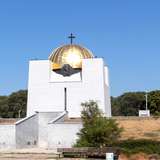
An important national monument and ossuary, the Pantheon of National Revival Heroes is home to the remains of 39 famous Bulgarian revolutionaries, honouring over 400 others with inscriptions. Under the Pantheon’s impressive gold-plated dome, an eternal flame burns – honouring them further. This is an incredible landmark in its own right, but the history of those within makes this a fantastic spot to visit when in Ruse.
Regional Historical Museum
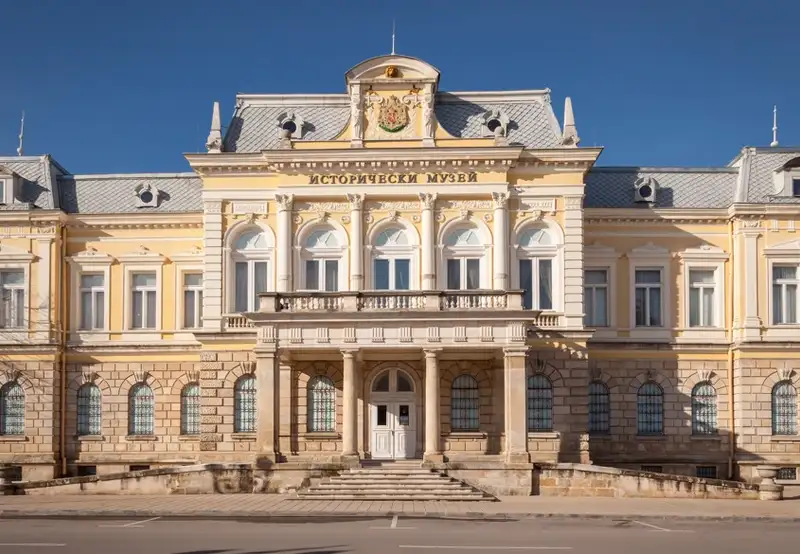
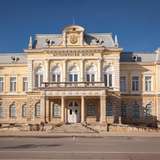
Housed within Battenberg Palace, the Regional Historical Museum in Ruse is an impressive archeological museum with over 140,000 items in its collection. Here, you’ll learn all about the region’s ancient history with items from the 4th and 3rd century BC, all the way to the modern era with the personal belongings of revolutionaries and interesting items from the 19th century. Offering a comprehensive learning experience in a stunning setting, you won’t want to miss a chance to visit here.
Freedom Square, and the Monument of Liberty
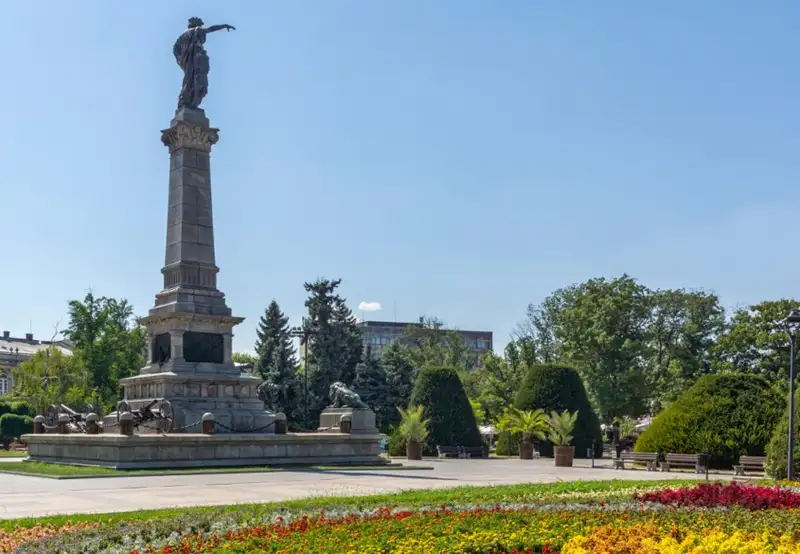
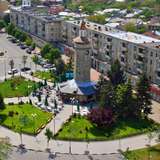
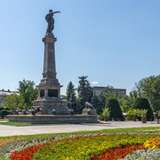
Freedom Square, a picturesque city square in the heart of Ruse, is home to several impressive administrative buildings, well-manicured gardens, and a variety of interesting sculptures and statues. In its centre, anchoring the area and Ruse as a whole, is the Monument of Liberty. Built in the early 20th century, this landmark is a symbol of Ruse’s resistance to occupation and the strife it went through to earn its freedom from Ottoman rule.
Lipnik Forest Park
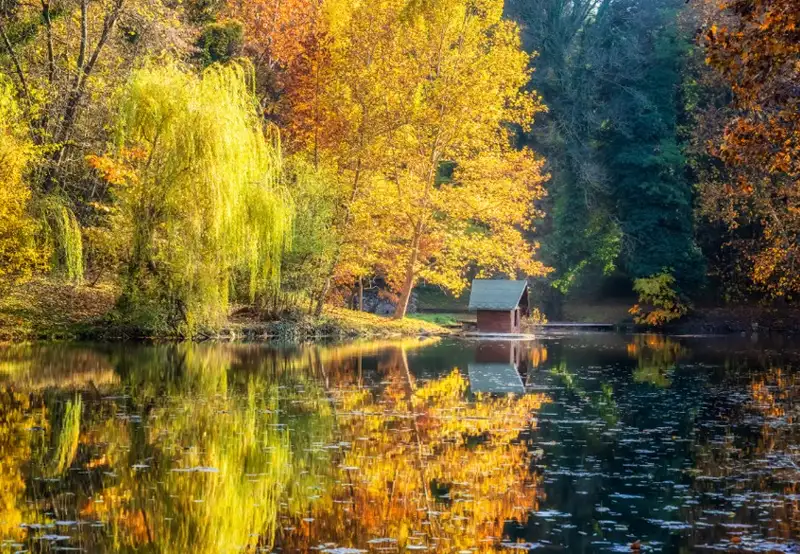
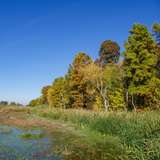
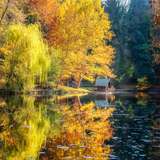
A short drive east of Ruse city centre, Lipnik Forest Park is an enchanting place to visit if you’re looking for somewhere to soak up the sunshine and stretch your legs while visiting this unique Bulgarian city. Considered one of the largest lime forests in the nation, there’s a romantic beauty about the place and you’ll find lakeside strolling, small restaurants, and a small mineral spring among the vibrant woodland here.
Vidin
DAY 3
29 Jul 2026
Time at Port: TBD
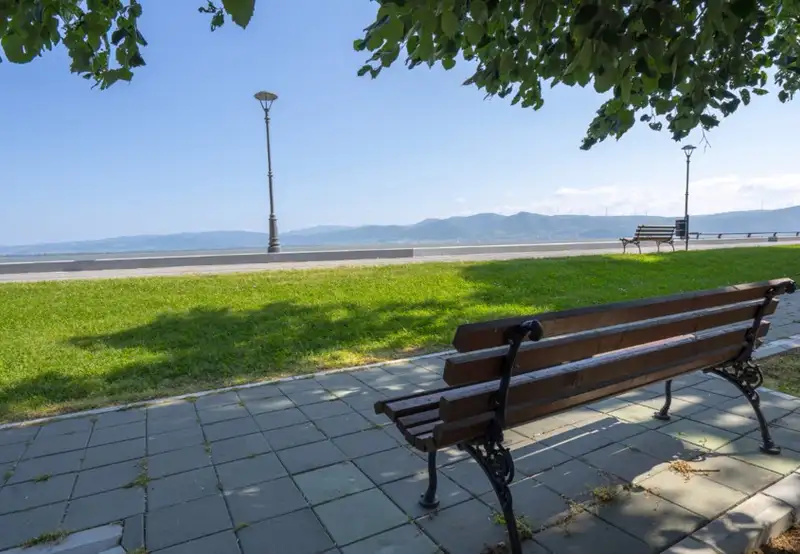
A quaint Bulgarian port town on the Danube, known for the vibrancy of the surrounding wine region and its unique historical landmarks, Vidin is something of a hidden gem among the destinations you’ll visit on a river cruise through Eastern Europe – somewhere you should definitely take some time to explore when you get the chance. Bordering Romania and close to Bulgaria’s border with Serbia, the influence of these other cultures is evident, but Vidin still boasts a distinctly Bulgarian experience for visitors. The cuisine you’ll have the chance to enjoy here is authentic and flavourful, and there’s a lot to learn about the region from the cultural landmarks found throughout the local area. Although, if you’re looking for something a little more scenic, Vidin boasts a charming waterfront area worth walking along and more than enough opportunities to head further afield and into the wilderness areas surrounding the town. With warm weather in the summer months and easy access to other incredible destinations in the region, such as the history-rich Belogradchik and the Magura Cave in Rabisha, you’re in for a fantastic time when you visit Vidin.
Things to do in Vidin:
Baba Vida
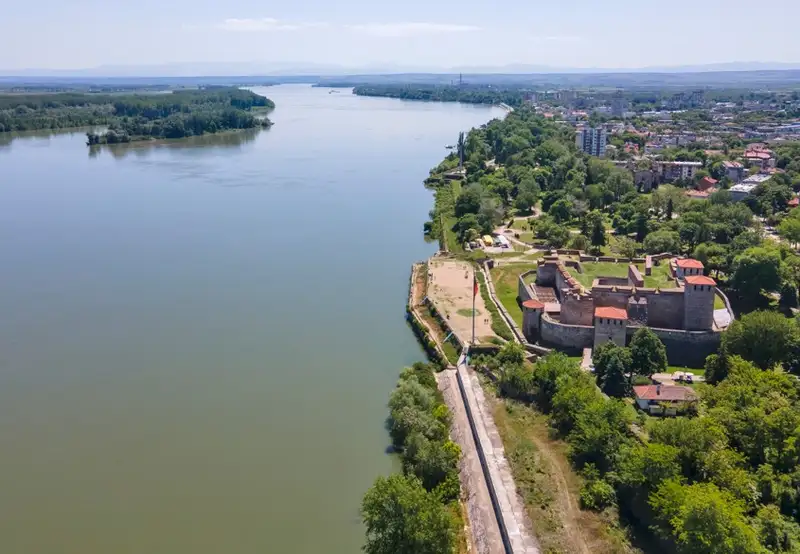
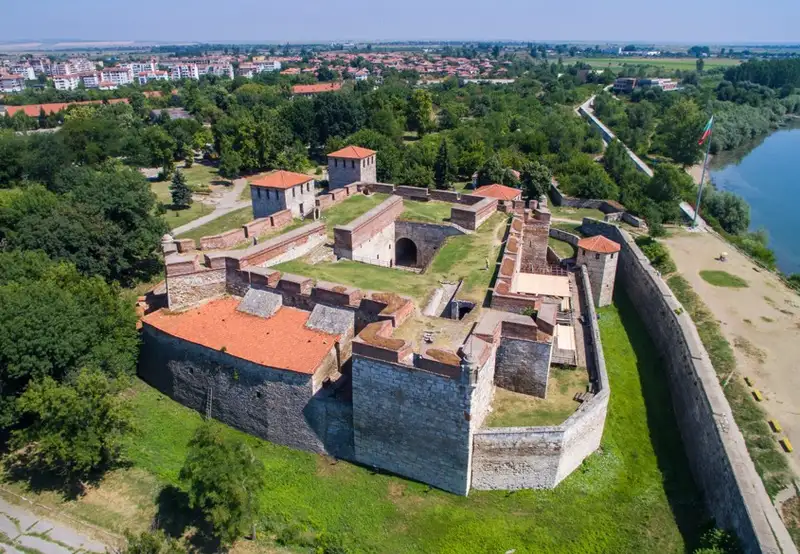
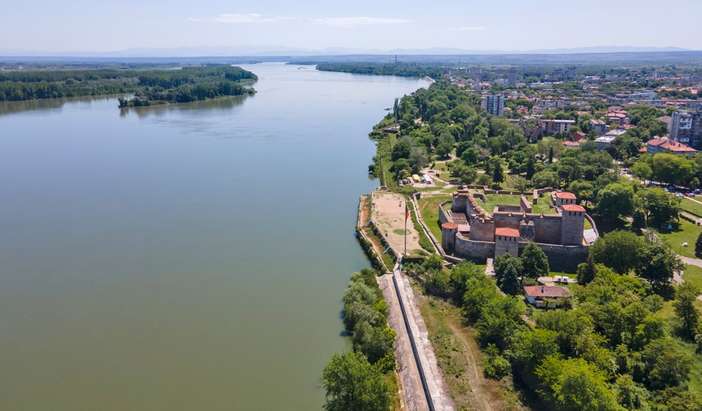
The main landmark in Vidin, Baba Vida is a well-preserved medieval castle with a rich history following its construction throughout the 10th century. It was the citadel of the region’s major fortress, withstood an eight-month-long siege by the Byzantine Empire not long after it was built, and then doubled as a prison during the region’s period of Ottoman rule. Today, it’s a museum where you can learn more about this fascinating history – and far from a bad spot to marvel at the surrounding scenery, being over 100-foot above sea level.
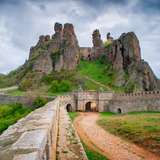
Belogradchik Fortress (Kaleto)
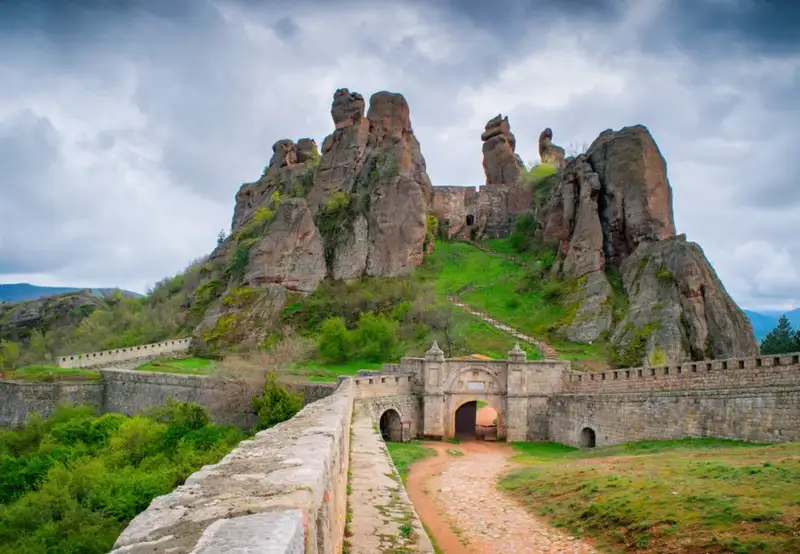
On the northern slopes of the Balkan Mountains, and just south of Vidin in Belogradchik, Belogradchik Fortress stands alongside the unique Belogradchik Rocks as one of the region’s most impressive landmark destinations. Built during the rule of the Roman Empire, then captured by the Ottoman Empire in the late 14th century, this fortification has evolved over the centuries and reflects the influence of Ottoman architectural styles alongside European designs. A remarkable museum, an excursion to Belogradchik Fortress is always worthwhile.
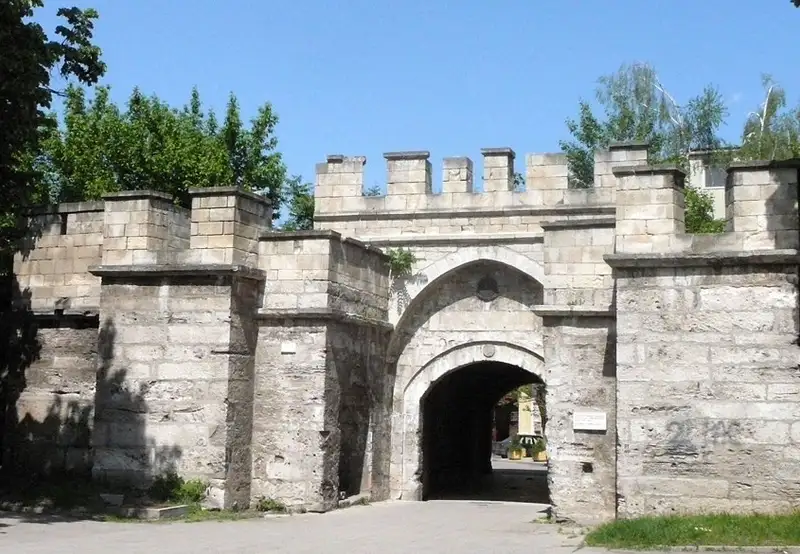
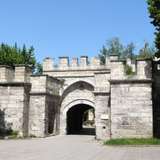
Stambol Kapia
In central Vidin, Stambol Kapia is a fortress gate on the historic road to Constantinople and an important – and famous – military fortification in this Bulgarian town. Well-preserved, this site offers a unique insight into just how fortified this town was once upon a time and further highlights its importance to the cultural and political history of the region.
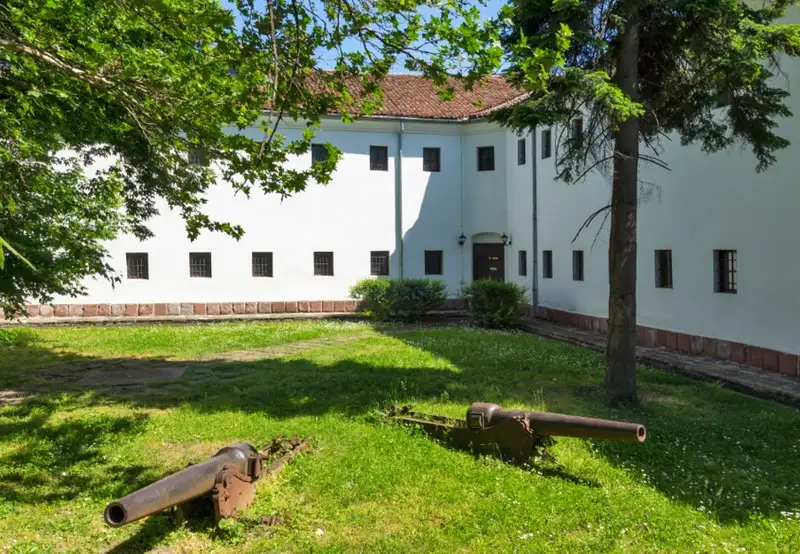
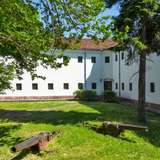
The Cross Barracks Museum
Found within Krastata Kazarma, a cross-shaped former Ottoman military building, The Cross Barracks Museum is a fascinating place to visit when in Vidin; offering an interesting insight into the complex history of the region, with preserved military memorabilia and archaeological findings shown here alongside historical documents and decorative artefacts, this museum explores so much more than just the military past of this part of Bulgaria. So, even if you’re not fussed about that, there’s a lot to look forward to here.
Golubac
DAY 4
30 Jul 2026
Time at Port: TBD
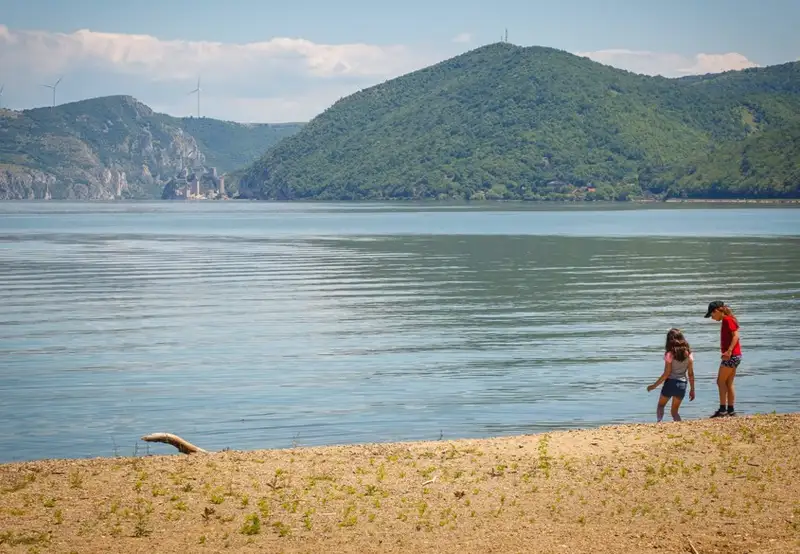
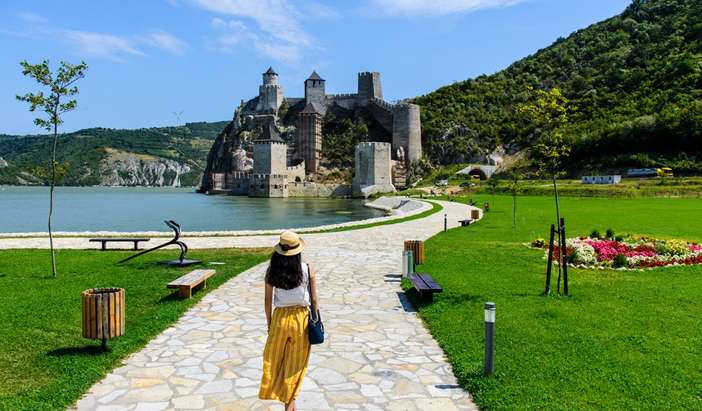
An utterly charming Serbian town on the banks of the Danube river, Golubac boasts an impressive medieval fortress just a short distance from the town centre, a surrounding area littered with significant archeological sites, and the dramatic natural beauty of the Djerdap National Park. You’ll also find plenty of incredible eateries in Golubac, with many offering sensational views of the Danube as you sample the local cuisine. This being a cuisine influenced by Romania, too; the river itself is actually the border between Serbia and Romania here. With a population of just over 1,400 people, this is about as ‘small town’ as a small town gets, though, something which gives everything a unique authenticity and atmosphere. If you like hiking and walking, this is the Danube destination for you; Golubac is home to several walks outside the famous Djerdap National Park, though this is the most popular place to explore on foot for a reason. However, those of you who would much rather relax riverside will find Golubac just as enjoyable.
Things to do in Golubac:
Golubac Fortress
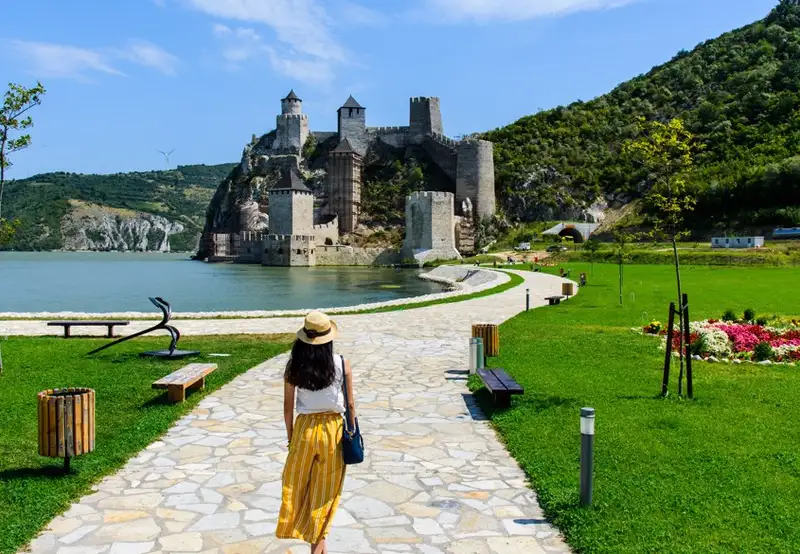
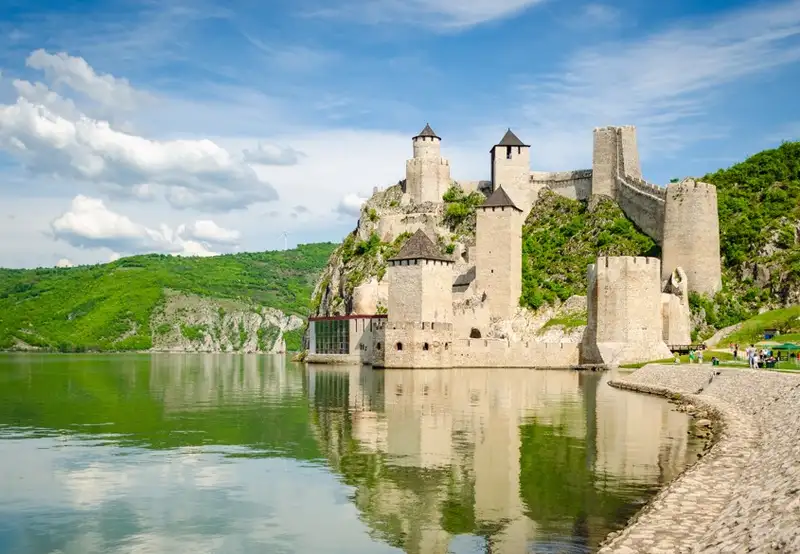
Golubac Fortress is an impressive 14th-century fortified town just downriver from the modern town of Golubac, comprising three compounds and ten towers – several of which are disconnected from other fortifications to allow for a more effective defence. Throughout its interesting history, this fortification has been the object of many battles and changed hands repeatedly; although, interestingly, it has reportedly repelled over 120 attacks during its time as an active fortification. Steeped in history and a fantastic spot to admire the surrounding scenery, this is a must-visit attraction when in Golubac.
Golubac Plaza
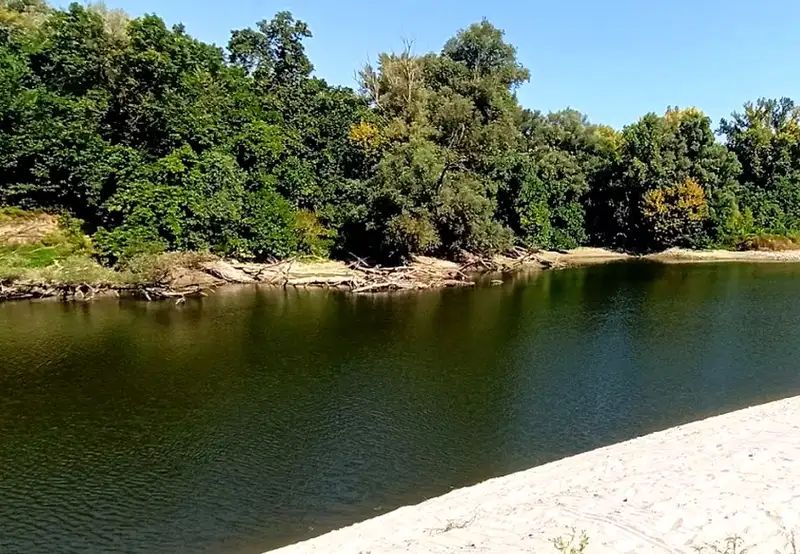
Something of a hidden gem along the banks of the Danube river, Golubac Plaza is a beautiful beach where you can relax and soak up the sunshine on soft sand, or engage in some watersports if you’re looking for something a little more active. A stone’s throw from Golubac town centre, with local eateries a short walk away, spending the day here is always a good idea.
Golubac Park
Golubac Park is a scenic stretch of greenspace along the Danube river; the perfect place for a walk when the sun is shining, you’re never too far away from Golubac town centre, yet this promenade will afford you with spectacular views of the surrounding scenery, the river Danube, and Romania on the other side of this major European waterway. You’ll find several restaurants and cafes along the edge of this park, making it a picturesque way to search for your next dining destination.
Belgrade, Serbia
DAY 5
31 Jul 2026
Time at Port: TBD
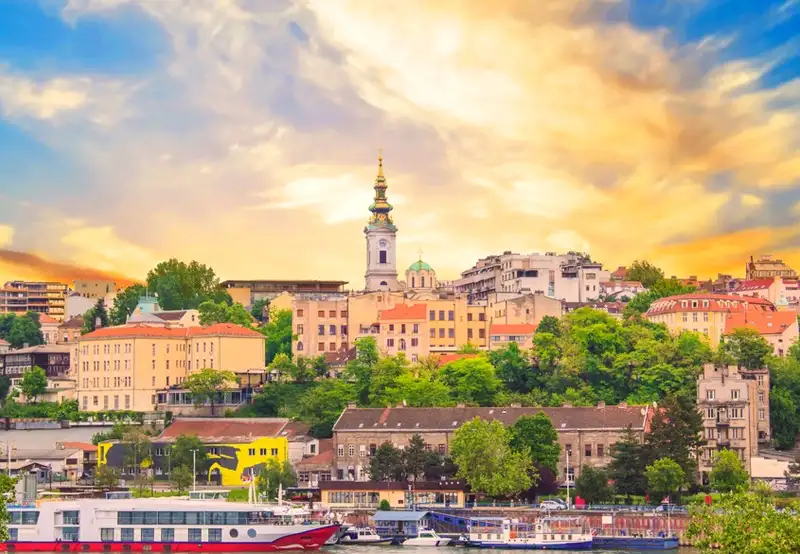
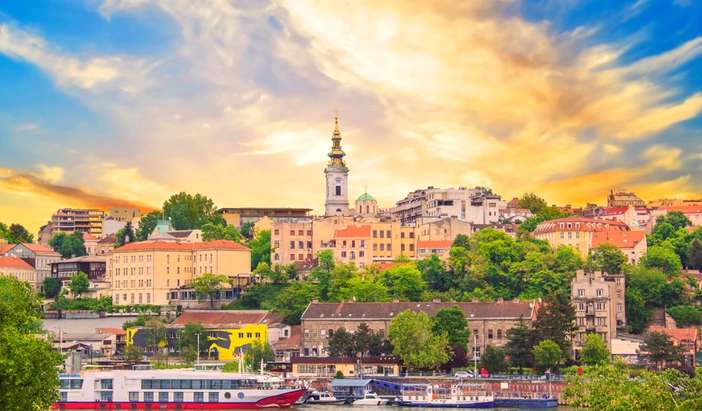
Once-capital of the now-dissolved Yugoslavia and current capital of Serbia, Belgrade is an intriguing city boasting a travel experience unlike anything else out there. Spread across the confluence of the Danube and Sava rivers, the natural landscapes of this city are worth savouring. However, the stark contrasts of the cityscape really make this a captivating river cruise destination. Impressive Art Nouveau architecture stands side-by-side with monumental Socialist architecture to create a juxtaposing skyline highlighting this destination’s complicated history; the grandeur of Habsburg rule and the influence of the Ottoman Empire is clear, but so is this city’s role in establishing the Soviet Bloc throughout the Cold War. This, while making Belgrade a little odd to look at compared to major cities further west and away from the influence of the now-dissolved Soviet Union, makes this city utterly fascinating. You’ll find a host of interesting sites and sights to visit and see while here, something which compliments the lively atmosphere you’d expect from a European primate city – meaning it's the largest, most populous, and most economically important urban centre in Serbia. For history buffs, Belgrade is a gold mine, but there’s so much on offer here that every type of traveller will find something they enjoy when visiting.
Things to do in Belgrade, Serbia:
Church of Saint Sava
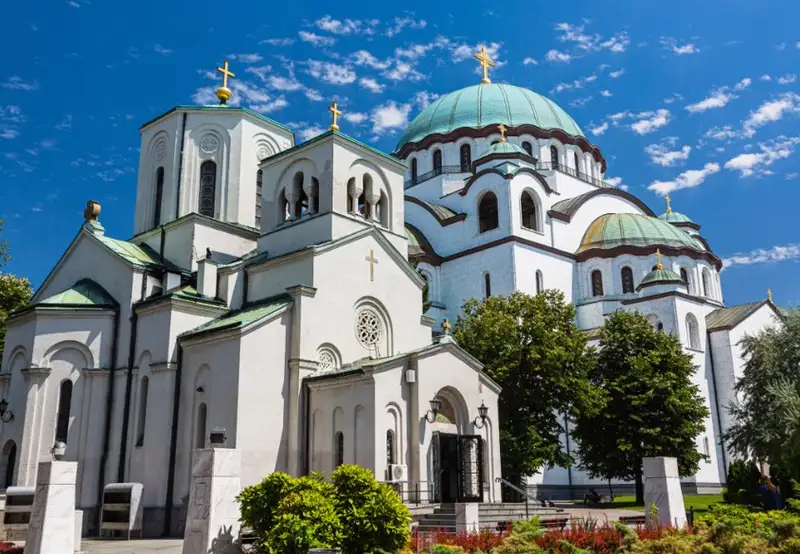
An impressive Serbian Orthodox church dedicated to the founder of the Serbian Orthodox Church and initially planned to be the main cathedral in the Church, the Church of Saint Sava is built on the presumed location of Saint Sava’s grave and designed to replicate the Hagia Sophia in Istanbul. However, construction was started in 1935 and interrupted until permission to complete the building was given in 1984 – which explains its differences to the aforementioned mosque in Turkey. Standing well over 200 ft tall, with the main dome weighing a staggering 4,000 tonnes, this structure is breathtaking both inside and out – with interiors featuring impressive golden mosaics, with the central one of these depicting the Ascension of Jesus and Christ’s resurrection.
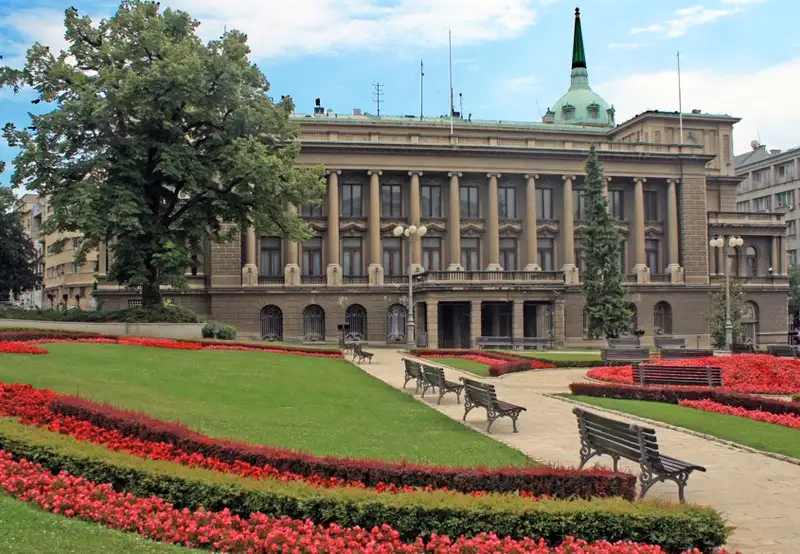
House of the National Assembly
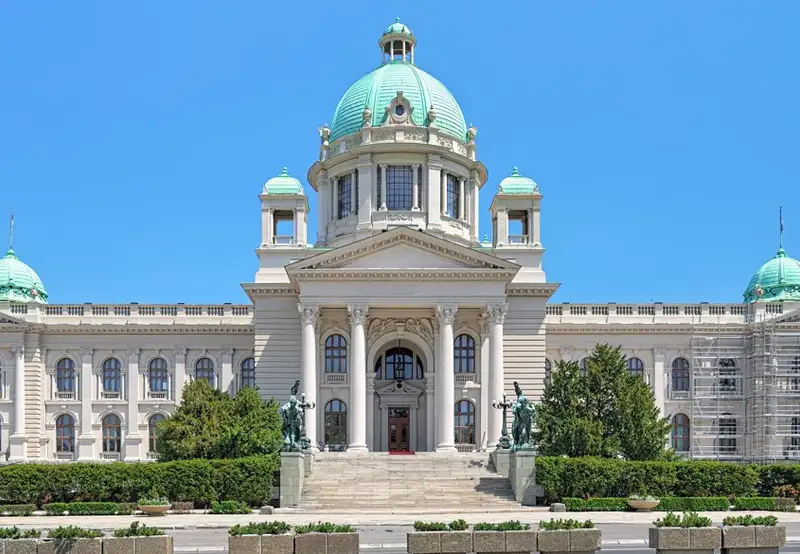
Serbia’s House of the National Assembly is an imposing Neo-Baroque building with four floors, over 100 offices, a library containing over 60,000 books, and interiors featuring interesting frescoes among an impressive collection of fine artwork. Completed in 1937, this was used as the seat of the Parliament of Yugoslavia during its existence and remains a structure of historical, cultural, and artistic value to the Serbian people. In central Belgrade, and a stone’s throw from several parks, it’s a fantastic place to stop off while strolling through this unique city.
Novi Dvor
The seat of the President of Serbia and the former royal residence of the Karađorđević dynasty of Kingdom of Yugoslavia, Novi Dvor is an impressive palace opposite the (Stari Dvor (Belgrade City Hall) in central Belgrade. Designed to architecturally match the style of the pre-existing Stari Dvor, this building borrows Renaissance and Baroque architectural features to do this. With an interior completed by a French firm, who brought a stylish elegance to the palace which was uncommon at the time, Novi Dvor stands out as an interesting cultural site in Belgrade and beyond.
Belgrade Fortress
Located right at the point of confluence between the Danube and the Sava rivers, Belgrade Fortress is a defining feature of central Belgrade and an important defensive fortification for the city. With initial fortifications dating back to 279 BC, this landmark is also home to an abundance of history – not to mention the fact that it featured prominently in several significant battles from 1440 to 1806, throughout which the castle was reconstructed twice. While here, you’ll also find Veliki Kalemegdanski Park, and several museums, making this a real highlight of any sightseeing tour in Belgrade.
Vukovar
DAY 6
01 Aug 2026
Time at Port: TBD
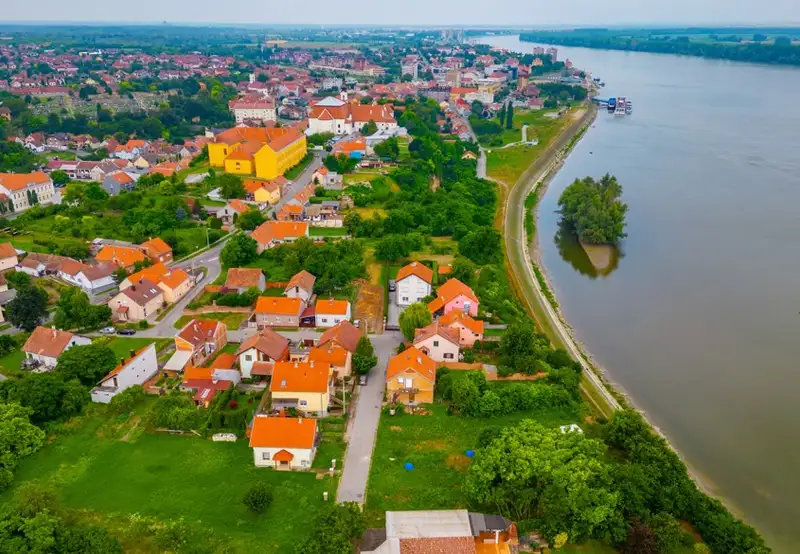
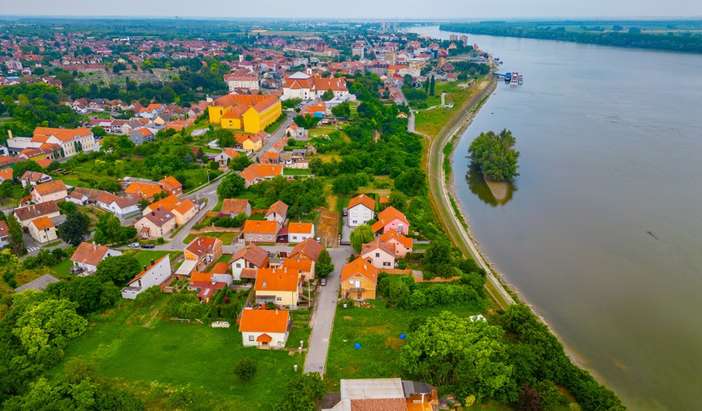
Known as The Hero City after the Battle of Vukovar in 1991, a turning point in the bloody Croatian War of Independence against the Yugoslav People’s Army, and a city home to Croatia’s largest river port, Vukovar is an impressive city with an abundance of interesting history and a unique culture fostered by the fact that the city itself has had a long history of having a highly mixed population. The atmosphere of this city, though, is a unique one; the war damage from the Battle of Vukovar remains clear and obvious throughout the city, and the animosity between the ethnic Croats and Serbs remains – groups who largely fought on opposing sides during the Croatian War of Independence. This makes Vukovar something of a living war museum and an incredibly rewarding river cruise destination, albeit one that offers a different onshore experience to other river cruise destinations in the region. You’ll find an impressive selection of interesting landmarks to visit when you arrive, and some fantastic local cuisine, but just walking the battle-damaged streets of this city tells a story. With a history stretching all the way back to around 2500 BC, though, there’s so much more to this city than just this recent conflict. Vukovar, however you spend your time here, is one destination you won’t forget in a hurry.
Things to do in Vukovar:
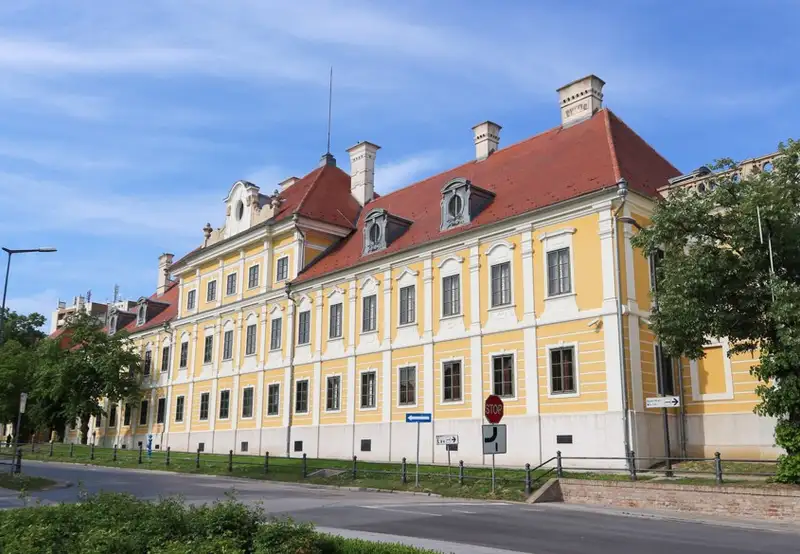
Eltz Manor
An impressive Baroque-style manor house built in 1751, Eltz Manor is home to the Vukovar City Museum and one of the city’s most iconic landmarks. Substantially damaged during the Battle of Vukovar in 1991, renovations and repairs to Eltz Manor were completed in 2011 – something that brings the landmark back to its former glory, once-again making it a sight to behold. Surrounded by gardens, it makes for a wonderful place to stroll and soak up the sunshine during the summer months.
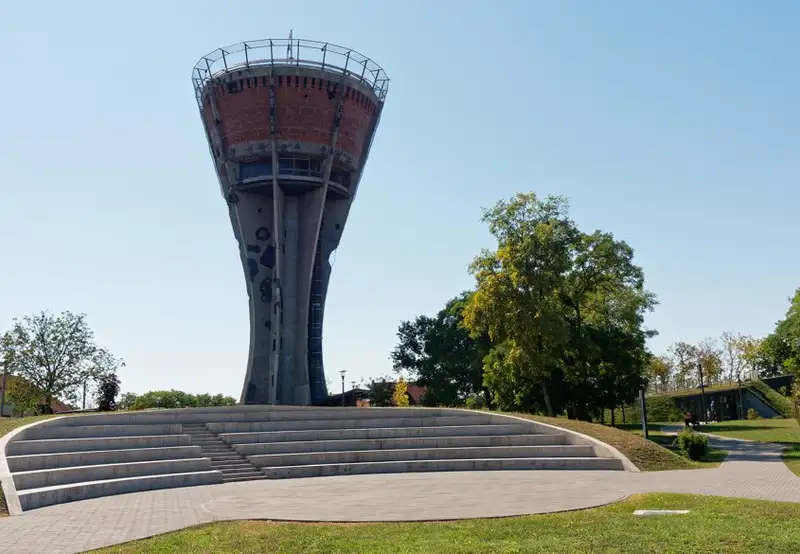
Vukovar Water Tower
Constructed in 1968 and standing 165 ft tall, Vukovar Water Tower is an impressive structure and a symbol of the city itself; however, the context of its current battle-damaged appearance make it even more interesting than it already is. An important symbol of this city’s suffering during the Battle of Vukovar, and the Croatian War of Independence as a whole, this monument now houses a museum with a restaurant. Reportedly hit by artillery more than 600 times during the Battle of Vukovar, this is a testament to the city’s strength in the face of adversity.
Dudik Memorial Park
The centrally-located Dudik Memorial Park isn’t just a scenic place to stroll while exploring Vukovar, but an important site dedicated to the 455 people who were executed by the Independent State of Croatia – a puppet state of Nazi Germany and Fascist Italy – during the Second World War in then-Yugoslavia. Featuring a unique monument, designed by Bogdan Bogdanovic circa 1978, this area was devastated during the Battle of Vukovar, but has since been restored to its former glory.
Mohacs, Hungary
DAY 7
02 Aug 2026
Time at Port: TBD
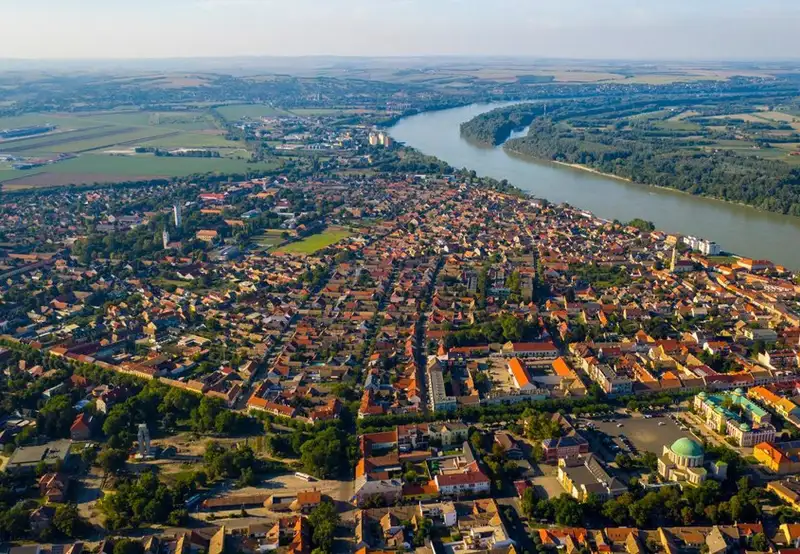
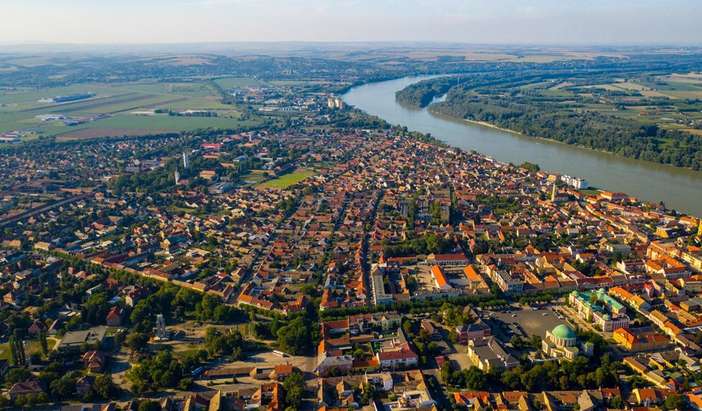
A rather quaint town on the banks of the Danube river, Mohács is a charming river cruise destination steeped in history – being one of the nation’s oldest settlements, and the site of two famous battles in 1526 and 1687. With these famous battles at the forefront of Mohács’ history, the cultural experiences here are unique in their focus on the events of the first Battle of Mohács and the Second Battle of Mohács. In the Busóudvar cultural centre, and through the annual Busojaras Festival (if you’re fortunate enough to be visiting during celebrations in February), you’ll be able to learn more about the vibrant traditions of the Busójárás – who proved pivotal in the first Mohács battle. Beyond this, though, if history isn’t your cup of tea, you’ll find plenty of places to enjoy authentic local cuisine and scenic spots to sit and soak up the laid-back atmosphere here; there’s also plenty of picturesque riverside walking routes and hiking trails further afield to take advantage of. In lieu of an abundance of modern attractions, Mohács is a fantastic place to spend some time enjoying the scenic countryside of Eastern Europe. If you don’t mind travelling for a little while, the city of Pécs is around 45 km to the east of Mohács; here, you’ll find even more incredible cultural experiences, authentic cuisines, and interesting landmarks to explore.
Things to do in Mohacs, Hungary:
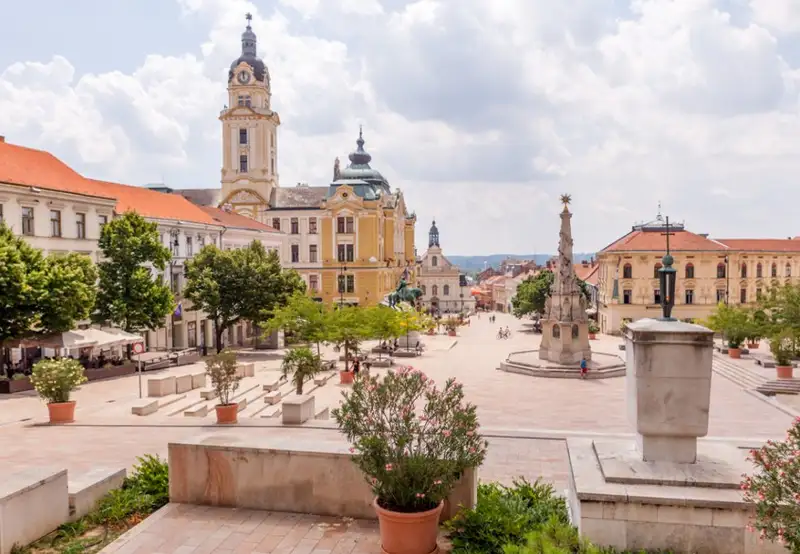
Pécs
Sitting on the slopes of the Mecsek mountains, Pécs is one of the largest cities in Hungary and somewhere where you’ll find an abundance of activities and attractions to enjoy. A short distance from Mohács, Pécs is home to a variety of interesting historical sites worth spending time to explore, fantastic restaurants and cafes where authentic local cuisine is served, and unique cultural experiences you won’t want to miss.
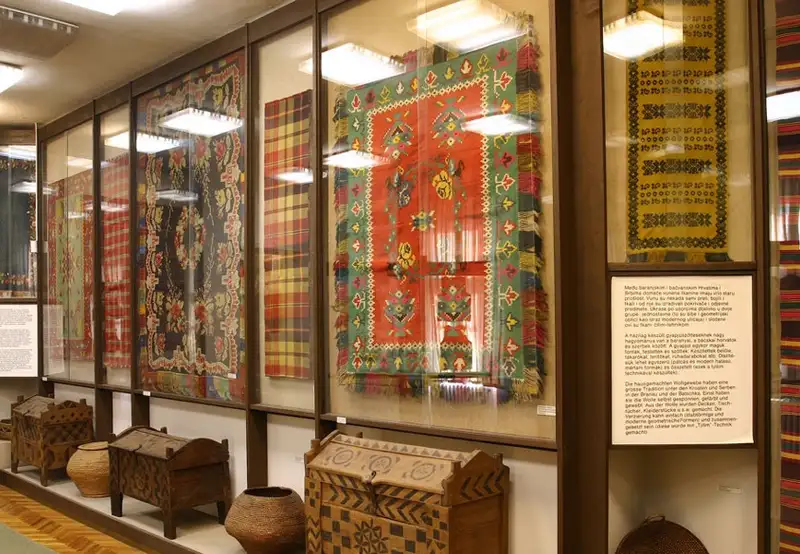
Kanizsai Dorottya Múzeum
If you’re looking to learn more about the region’s history and culture, this is the place to be; named after Dorottya Kanizsai, an influential figure in the first Battle of Mohács, Kanizsai Dorottya Múzeum explores the people of Mohács’ history through a permanent exhibition alongside other interesting topics – both historical and cultural – through ever-changing temporary exhibitions.
Busóudvar
A cultural centre dedicated to the remarkable Busójárás festival, you’ll find a range of traditional masks and attires here alongside interesting insights into the history of this tradition, all of which offer a comprehensive look at the unique cultural heritage that is the Hungarian Busójárás.
Horthy-zàtony
A scenic hiking area with beaches, just across the Danube from Mohács, Horthy-zàtony is a fantastic place to visit if you’re looking for somewhere where you can embrace the great outdoors and stretch your legs without being too far from your river cruise ship. With a ferry running across the Danube from Mohács, you’ll have no trouble getting to this scenic stretch of countryside – which is beside Mohácsi Strand, another great place to wander while the sun is shining.
Baja
DAY 7
02 Aug 2026
Time at Port: TBD
Our experts are preparing detailed information about this location. Please check back shortly to discover more.
Budapest - Overnight onboard
DAY 8-9
03 Aug 2026
Time at Port: TBD
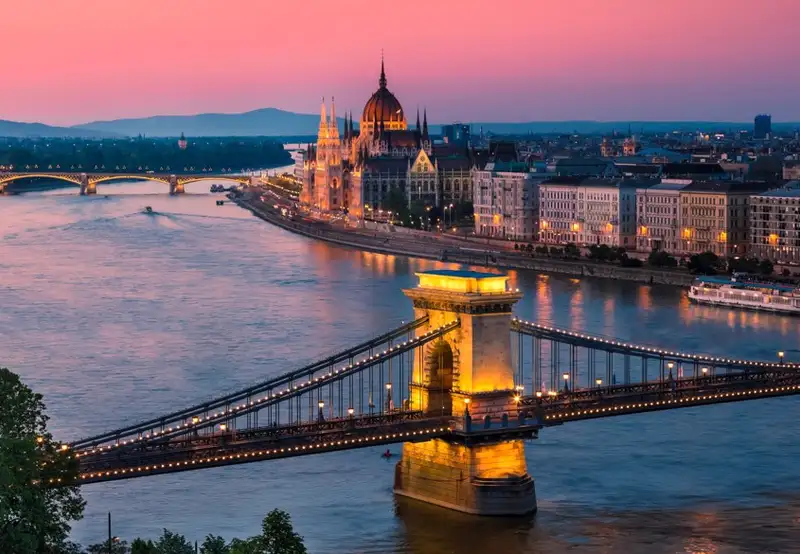
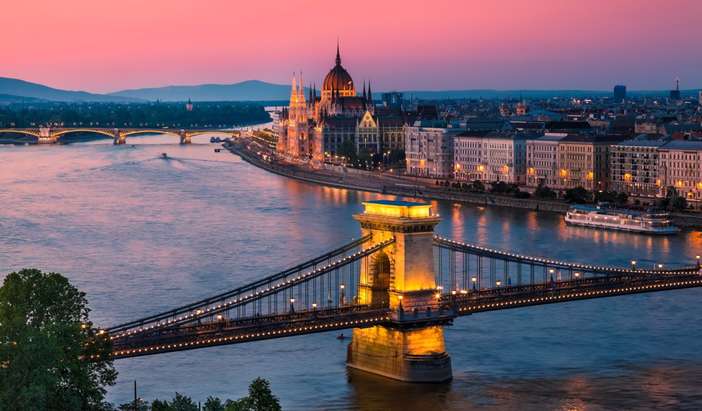
The Pearl of the Danube, Budapest is a remarkable destination for any cruise adventure and one port of call you’re not going to forget. Capital city of Hungary, Budapest boasts a remarkable city centre steeped in history, unforgettable cultural experiences, and a unique cuisine – blending French, Germanic, Italian, and Slavic foods with its own original Magyar foods and flavours. While here, you’ll have the chance to marvel at some sensational classical architecture, with the Hungarian Parliament Building a particular highlight among the impressive landmarks littering this city, and visit a host of unique museums exploring this city’s – and this nation’s – history. Budapest also has a reputation as a city of spas, with thermal waters in the region making the historic public baths here an unmissable attraction; although, you’ll find plenty of places for sumptuous treatments beyond those. A breathtakingly beautiful, exciting city bisected by the Danube, Budapest is an adventure for every type of traveller and one destination you’ll want to return to, over and over again.
Things to do in Budapest - Overnight onboard:
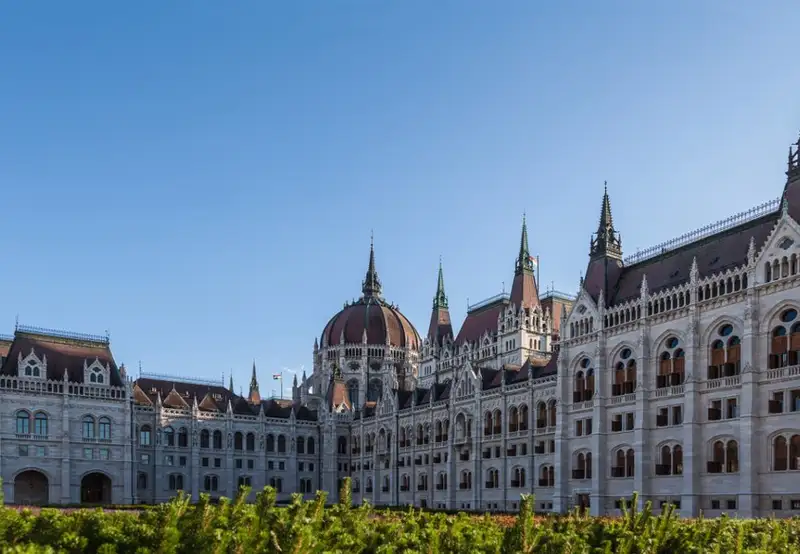
Hungarian Parliament Building
Opened in 1902, and constructed in a dramatic neo-Gothic style somewhat resembling the Palace of Westminster in London, the Hungarian Parliament Building in Budapest is one of this city’s most impressive and iconic landmarks. It’s over 300 ft tall at its highest point, and almost 900 ft long, making it one of the city’s largest buildings. With an incredible façade facing the Danube River, this four-floor building houses 691 rooms and acts as the seat for the National Assembly of Hungary.
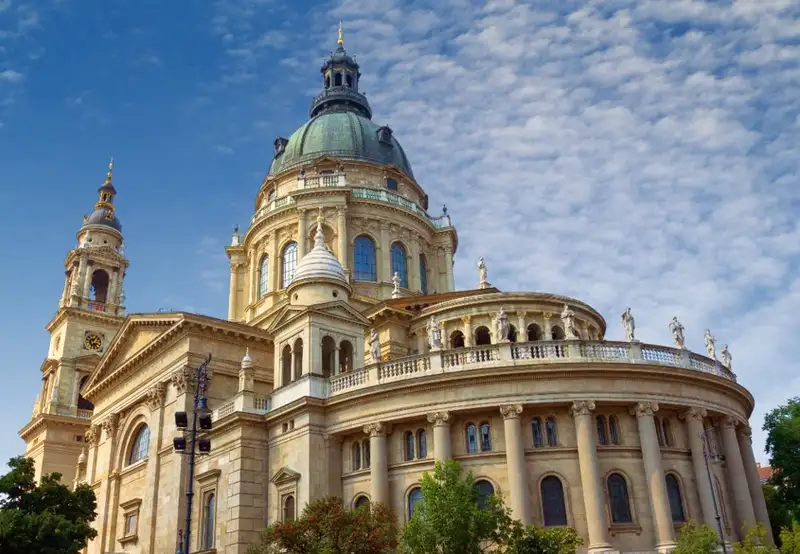
St. Stephen’s Basilica
Named in honour of Stephen I, the first King of Hungary, St. Stephen’s Basilica is an impressive 19th century cathedral constructed in a neo-classical architectural style. The nation’s third-largest church, this structure interestingly houses King Saint Stephen’s mummified right hand in a reliquary, signifying its importance as a national relic and symbol of faith. Throughout the Second World War, the site was significantly damaged, but the cellar provided an important shelter for refugees and the Hungarian National Archives.
Aquincum Museum
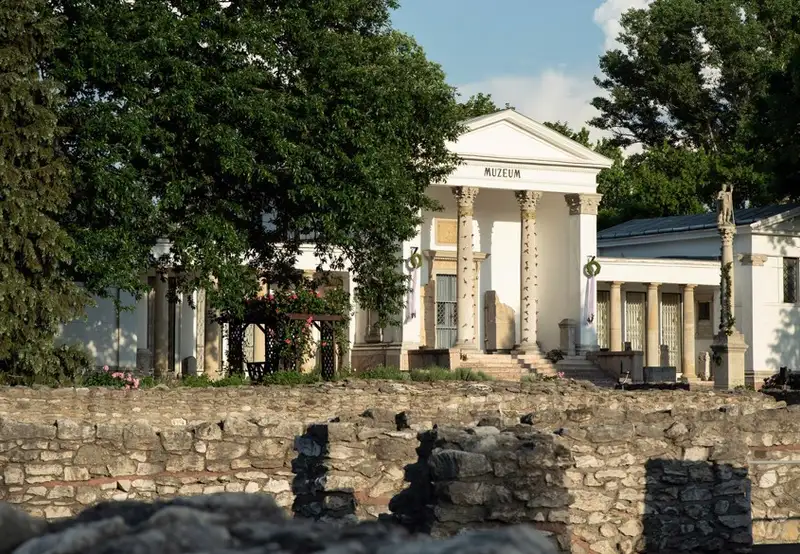
The Aquincum Museum in Budapest is an archaeological museum housing the findings and remains of Aquincum, an ancient Roman city founded circa 47 AD. Opened in 1894, this site tells the unique story of Budapest’s origins and early history, while also offering visitors an insight into life around 2,000 years ago. While here, you’ll also be able to explore the ruins of Aquincum’s Mithraeum – a former temple to the Roman god Mithras.
Bratislava
DAY 10
05 Aug 2026
Time at Port: TBD
Slovakia’s stunning capital city, which sits on the banks of both the River Danube and River Morava, Bratislava is a beautiful cruise destination boasting a unique history and culture. The political, cultural, and economic heart of this incredible Central European nation, you’ll find all the modern comforts of home in Bratislava, and an abundance of interesting activities to enjoy alongside flavourful cuisine, rich cultural experiences, and enriching sightseeing opportunities. At the foot of the Little Carpathians, a low mountain range stretching several-hundred feet above sea level, Bratislava’s charming blend of architectural styles are set against a stunning backdrop. So, even if you’re not impressed by the elegant mansion houses and art nouveau structures spread across this city, the natural beauty surrounding it is truly breathtaking. However you decide to spend your time in Bratislava, you’re in for a treat.
Things to do in Bratislava:
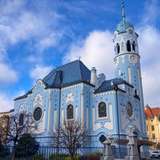
Church of St. Elizabeth (Blue Church)
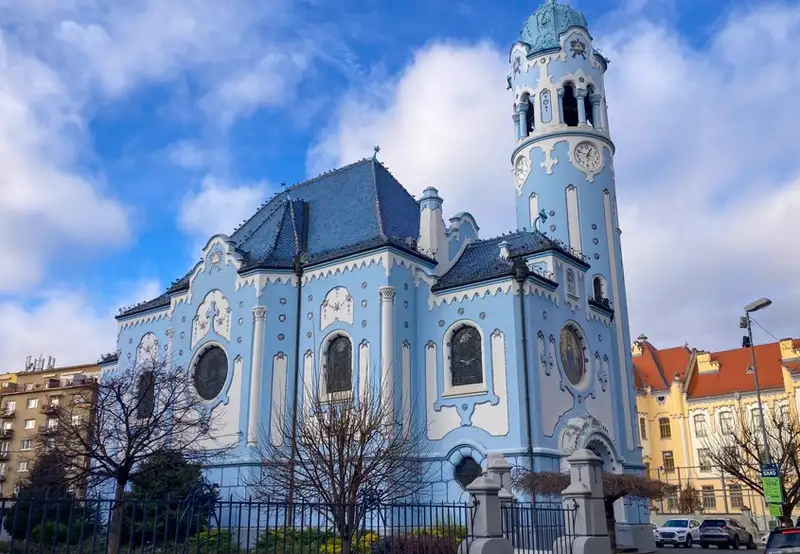
The Church of St. Elizabeth is an impressive art nouveau-style Catholic church constructed circa 1908; part of the Old Town in Bratislava, this church is an icon of the city and famous for featuring a bright blue façade and blue glazed roof. Its richly-decorated interior also features light blue, with illustrations of St. Elizabeth giving alms to the poor.
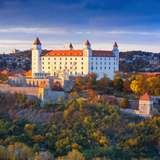
Bratislava Castle
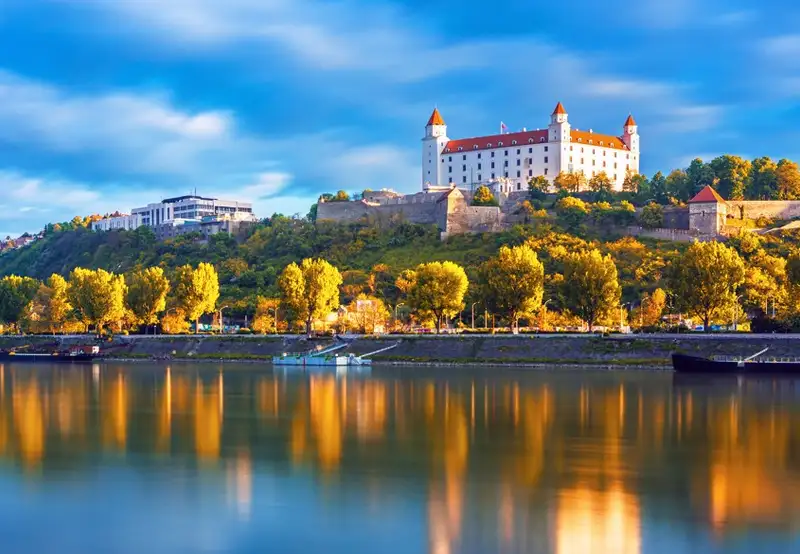
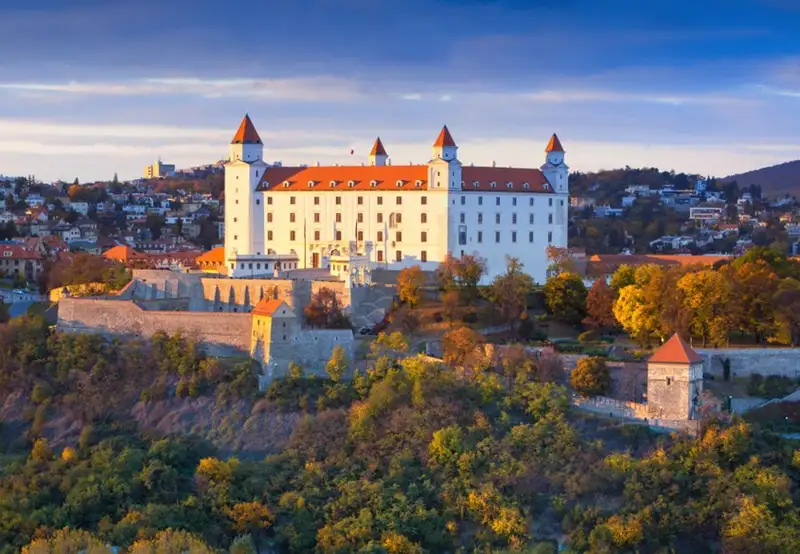
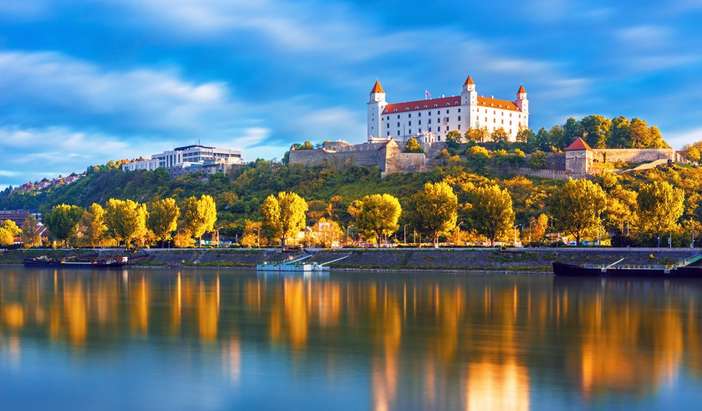
A dominant feature of Bratislava and an iconic landmark, Bratislava Castle is an impressive rectangular castle sitting atop an isolated rocky hill in the centre of the capital city; it’s roughly 85 metres above the Danube, and you’ll be able to get a glimpse of its bright whitewashed walls from almost anywhere in the city. While a staggering sight in its own right, Bratislava Castle is also home to an impressive archeological collection and museum exhibits showcasing 16th century furnishings alongside the Slovak National Museum itself.
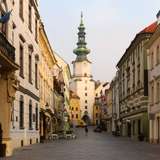
Michael’s Gate
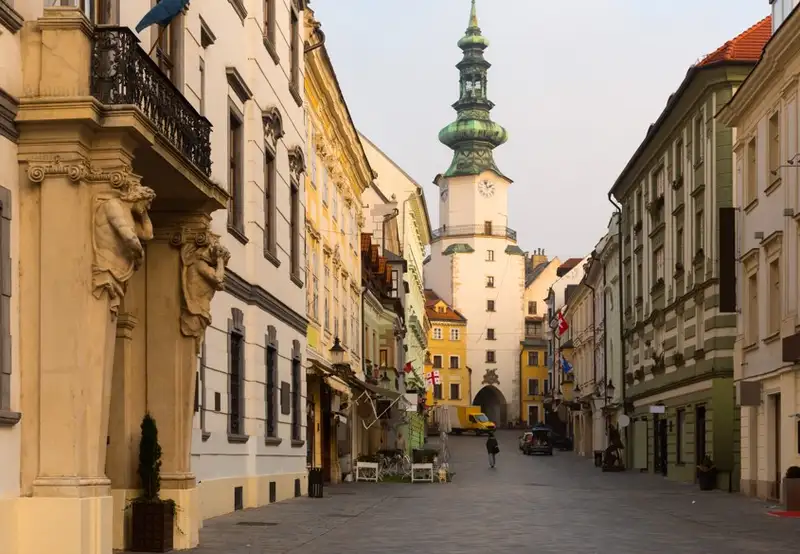
Located on the edge of Bratislava’s Old Town, Michael’s Gate is the only city gate that has been preserved of the city’s medieval fortifications, making it one of the oldest structures in the Slovakian capital. Constructed circa 1300, and then reconstructed in 1758, the tower above this gate houses the Exhibition of Weapons of Bratislava City Museum – adding another reason to check this site out when you visit.
Vienna
DAY 11
06 Aug 2026
Time at Port: TBD
Vienna, the City of Music, is one cruise destination you’re not going to want to miss out on the chance to visit. The capital city of Austria and the most populous urban centre on the Danube River, this is one of the world’s most livable cities – meaning you won’t have any trouble finding modern comforts among the historic landmarks littering the landscape. In fact, you’ll find an abundance of modern attractions and activities among the historic sites, interesting museums, and impressive monuments here. The Museum of Applied Arts, Vienna State Opera, and Otto-Wagner Pavilion are just a handful of examples of this. Vienna, though, is also known for its coffee culture and several culinary delights, from Wiener Schnitzel and Apfelstrudel to Knödel dumplings and Frankfurters. Fear not, though, for it’s also one of Europe’s most vegan-friendly cities, so everyone will find something delicious to enjoy while visiting – be that coffees and cakes, beers and sausages, or something else tasty. For those of you who want to take advantage of the welcoming weather this Central European capital enjoys, Vienna is home to several vibrant parks worth taking a stroll through. And, the Danube-Auen National Park borders the city, so you won’t have to travel very far to immerse yourself even more in this region’s charming nature. A destination with something for everyone to enjoy, Vienna is always a highlight on any cruise adventure in Central Europe.
Things to do in Vienna:
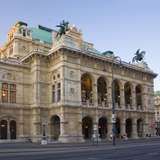
Vienna State Opera
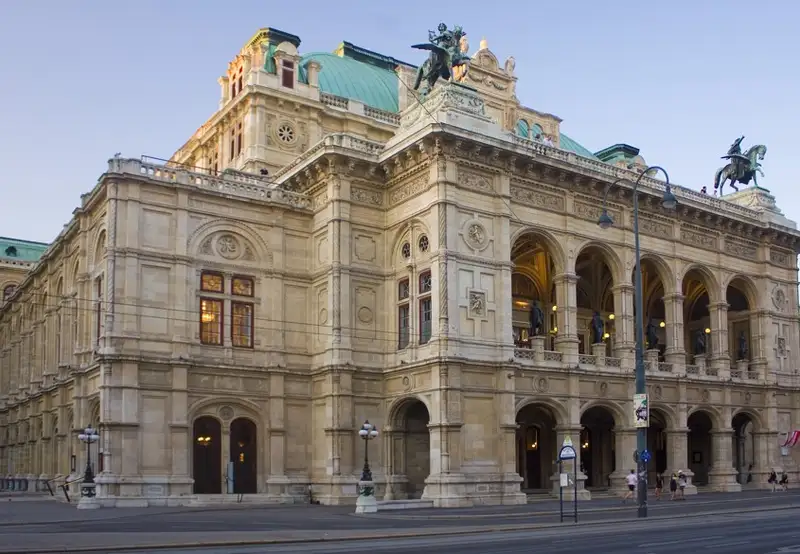
Built from 1861 to 1869, the Vienna State Opera is a historic opera house in the heart of Vienna and one of this city’s most iconic sites. Featuring an impressive Renaissance Revival architectural style, this 1,709-seat opera house is known for famously intense operatic performances – while also being the home of the famed Vienna State Ballet. A stunning sight to see from the circular Ringstrasse, and even more impressive from within, a guided tour of this opera house is a must if you don’t have time to attend an unforgettable show here.
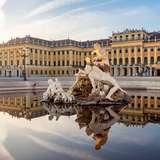
Schönbrunn Palace
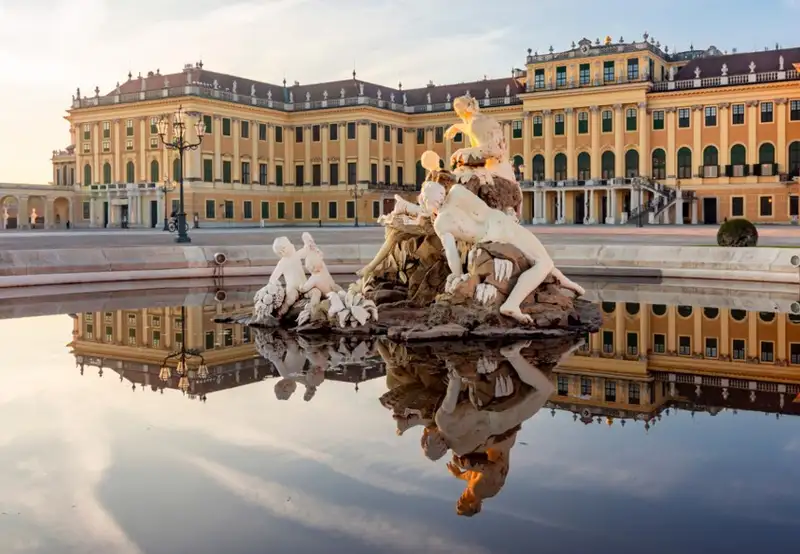
Once the primary summer residence for the Habsburg rulers, Schönbrunn Palace is undoubtedly one of the most important cultural, historic, and architectural monuments in Austria. A staggering 1,441-room Baroque palace with vast gardens home to a variety of unique sculptures and the Gloriette, tours of Schönbrunn Palace will afford you the opportunity to explore the south-facing reception rooms and State Apartments within alongside the private residences of former Austrian emperor Franz Joseph I. Opulent and overflowing with history, this is one experience you won’t want to miss.
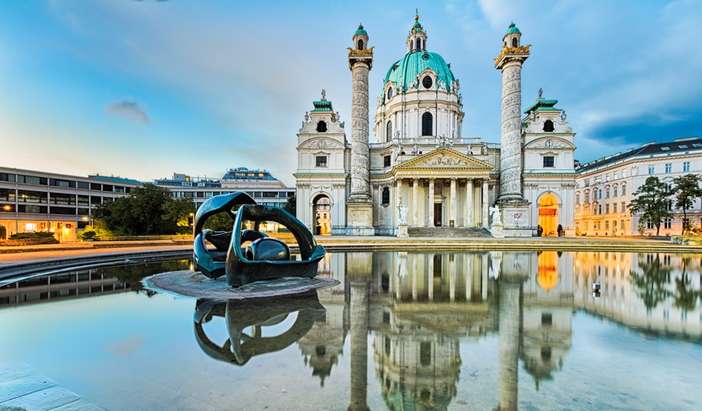
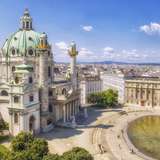
Karlskirche
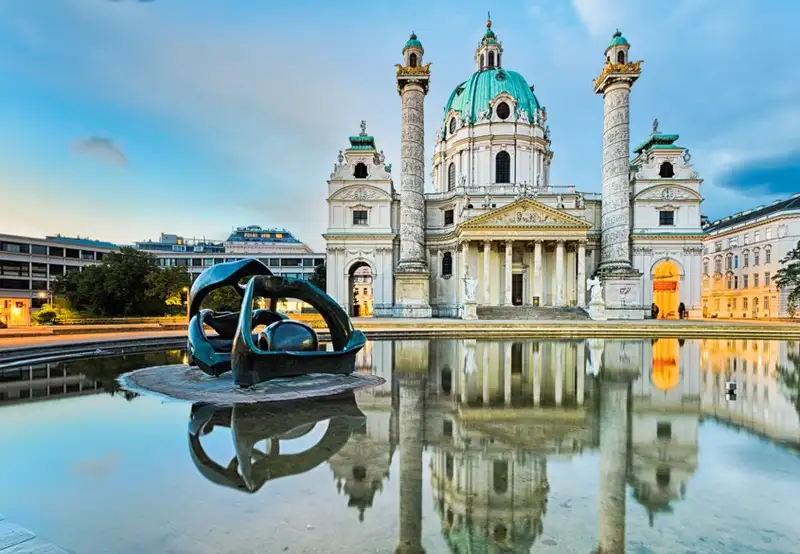
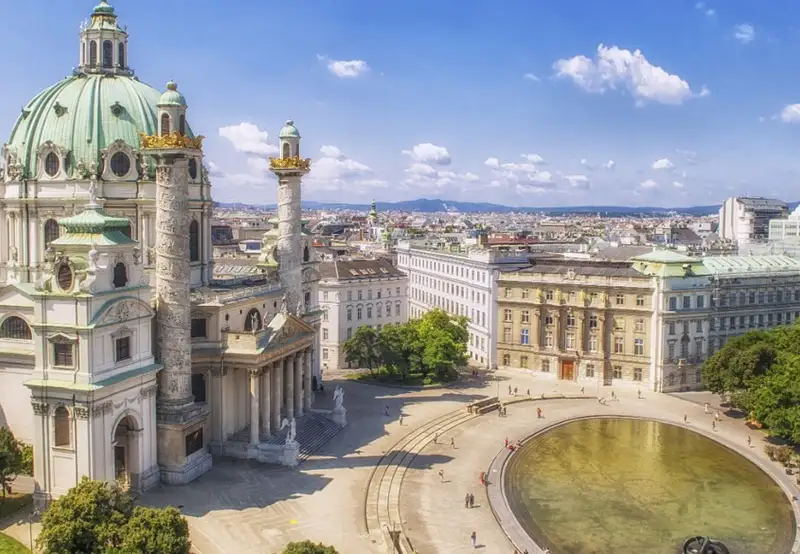
Constructed through the mid-18th century and consecrated in 1737, Karlskirche is an impressive Baroque-style Roman Catholic church in the heart of Vienna. Featuring an opulent interior with intricately-designed frescos depicting Italian archbishop Charlses Borromeo and the Virgin Mary, this church overlooks the Karlsplatz – a well-connected town square where you’ll find the Wien Museum, Statue of Josef Ressel, and Kunsthalle Wien Karlsplatz art museum among the interesting sites here.
Weissenkirchen
DAY 12
07 Aug 2026
Time at Port: TBD
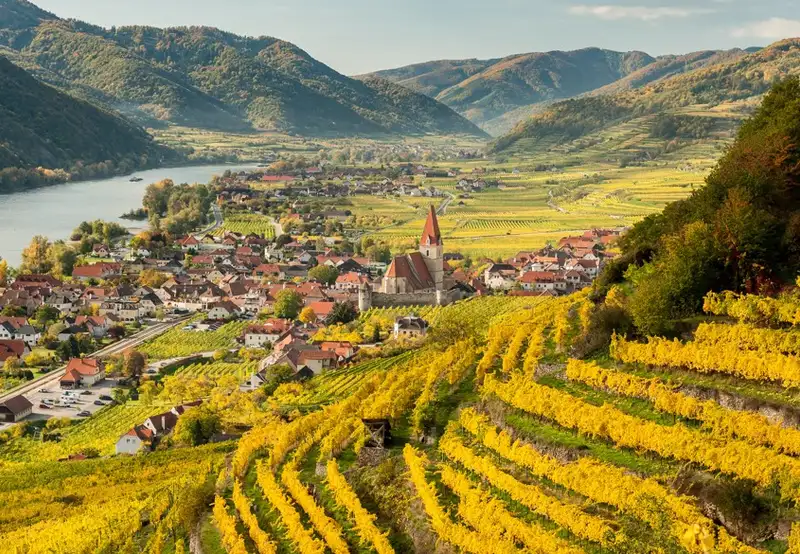
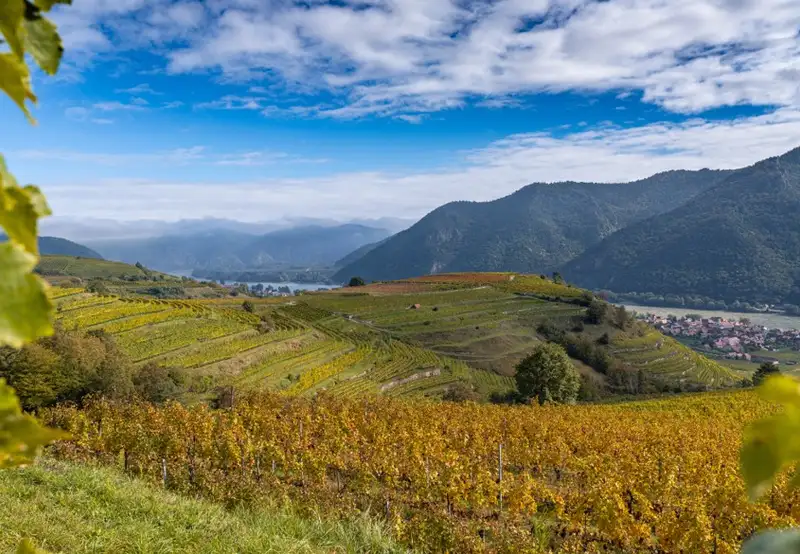
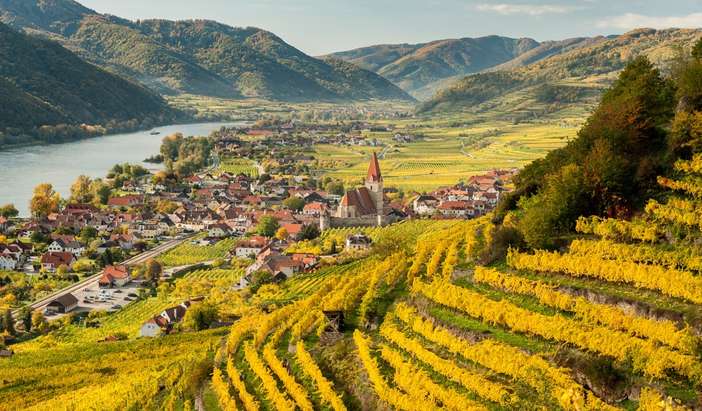
Surrounded by vibrant countryside, sitting on the banks of the gorgeous Danube, Weissenkirchen is a small Austrian town that will leave a big mark on your memory. Part of the largest wine-growing community in the Wachau region, with scores of sunny vineyards just a stone’s throw from the town centre, this is the perfect river cruise destination for wine lovers and oenophiles – the technical term for connoisseurs. However, this is far from the only reason why you should look forward to visiting Weissenkirchen. Scenic riverside strolls aside, because they’re always a good idea in this part of the world, this town is a fantastic place to explore; you’ll be taken on a journey through this region’s rich history when you walk the streets, and a culinary journey when you sit to sample some of the local cuisines. Lively, but laid back, this is one river cruise destination where you’ll have the chance to really unwind and relish in the remarkable atmosphere of the Wachau region; when the sun is shining, it’s easily one of the most breathtaking parts of the world.
Things to do in Weissenkirchen:
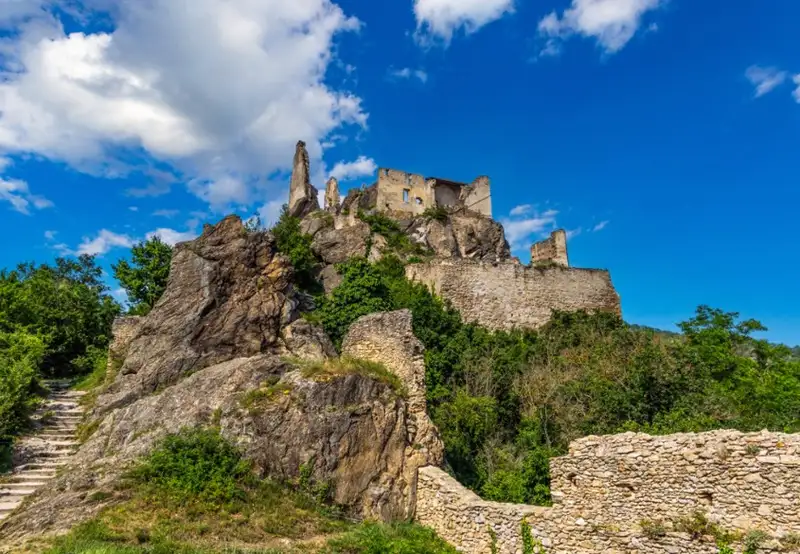
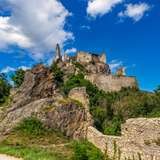
Dürnstein Castle
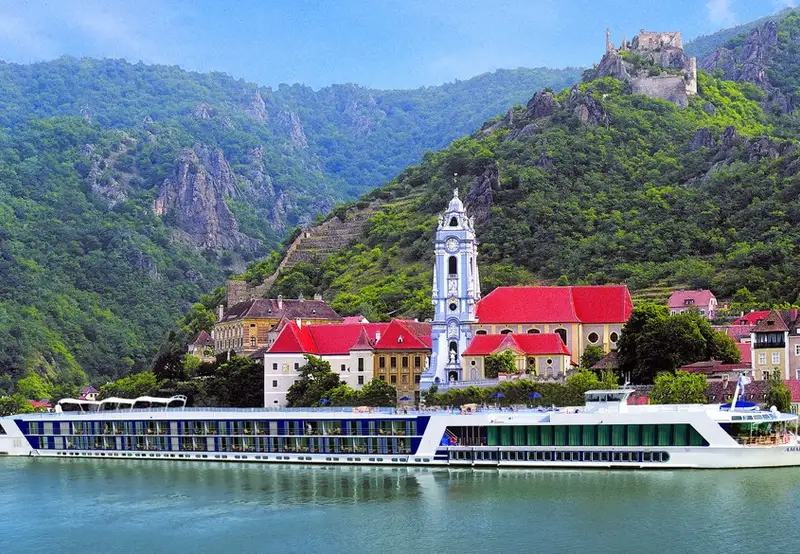
A ruinous rock castle constructed circa 1130 on a hill overlooking the nearby town of Dürnstein, Dürnstein Castle is known for being one of the fortifications used to imprison King Richard I upon his return to Europe following the Third Crusade, and then its use as a garrison during the Thirty Years’ War in the mid-17th century.Standing over 1,000 ft above sea level, however, you’ll also enjoy excellent views of Dürnstein, the Lower Austrian Wachau region, and the Danube while visiting this unique historical site.
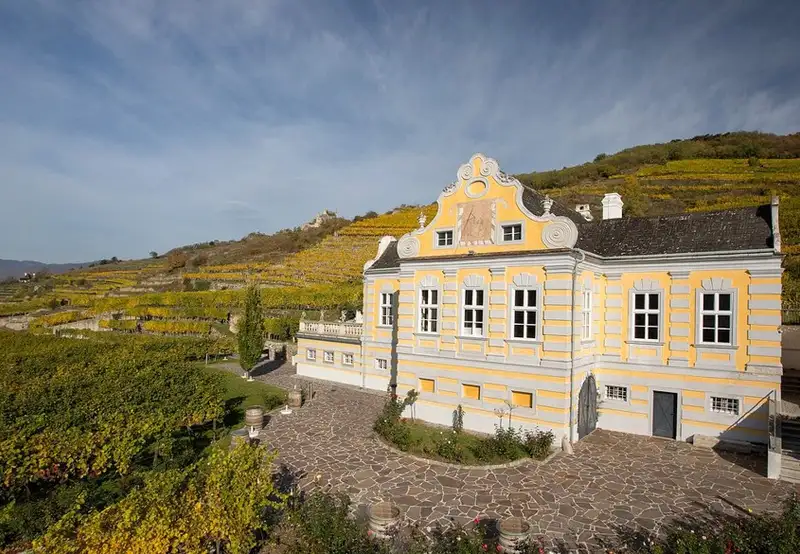
Domäne Wachau Winery
Home to over 160 hectares of organic vineyards, Domäne Wachau is Austria’s leading wine estate and the source of some of the best Central European wines in the world. Just a short distance from the neighbouring town of Dürnstein, you’ll find this winery, which is where you can appreciate these wines first-hand. This region is particularly known for producing excellent Grüner Veltliner and Riesling; however, even if you don’t like wine, the Wachau region’s luscious landscape is worth taking some time to admire.
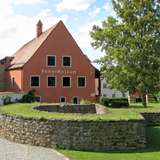
Teisenhoferhof Wachaumuseum
A charming local history museum hidden in the heart of Weissenkirchen, Teisenhoferhof Wachaumuseum is an interesting cultural site dedicated to showcasing the unique traditions and interesting history of the Wachau region. From agricultural practices and local folklore to what everyday life was like and some of the most significant residents of the region, you’ll get a comprehensive understanding of Weissenkirchen and the Wachau region when you visit this inviting museum.
Walking and Hiking
The area in and around Weissenkirchen is fantastic for scenic walking and hiking, with routes for all types of traveller – whether you’re looking for a leisurely stroll somewhere stunning or a more vigorous adventure into the countryside. If you head across the Danube, you’ll find the Steinige Ries nature reserve among the fantastic sites you can visit on the Wahcau World Heritage Trail – a 180km hiking trail through the region. Of course, you don’t need to tackle it all at once, but there are so many picturesque places worth seeing here.
Ybbs
DAY 12
07 Aug 2026
Time at Port: TBD
Ybbs, officially known as Ybbs an der Donau, is a charming Austrian town with historic buildings, a relaxed atmosphere, and stunning countryside scenery worth taking the time to admire. Established in 1317 at the confluence of the Ybbs River and the Danube, Ybbs was at an intersection of important trade routes in the region. However, it still retains a thoroughly small-town feel, inviting you to immerse yourself in the laid-back lifestyle while indulging in authentic Austrian cuisine and local beers. If you’re looking to stretch your legs when you arrive, you won’t have to travel very far to find somewhere scenic to stroll. For something a little different, it’s also worth considering visiting Besucherkraftwerk Ybbs-Persenbeug, the only Danube power plant in Austria.
Grein, Austria
DAY 12
07 Aug 2026
Time at Port: TBD
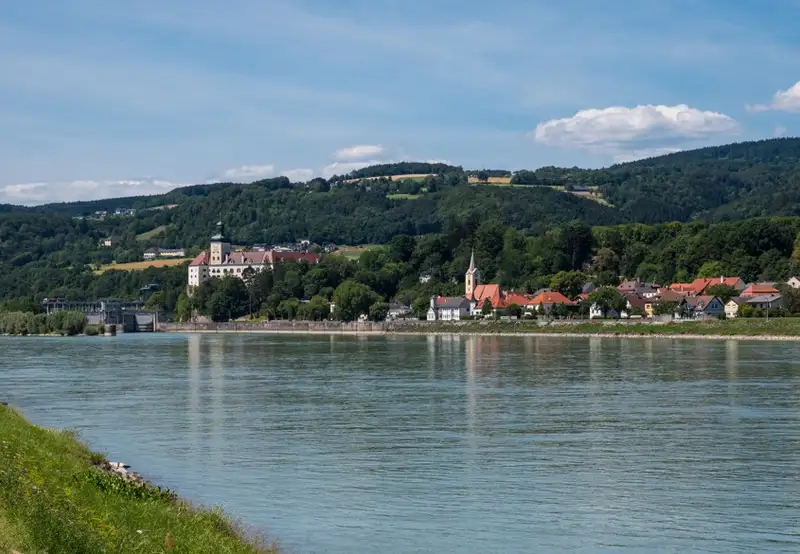
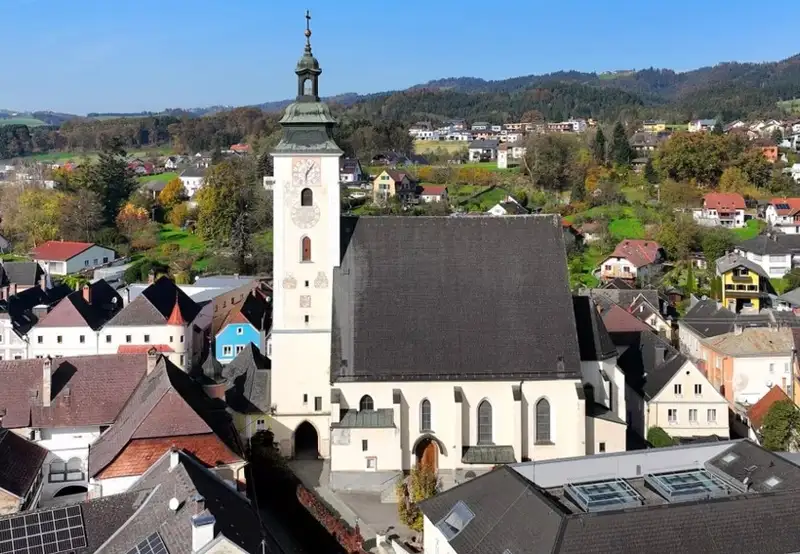
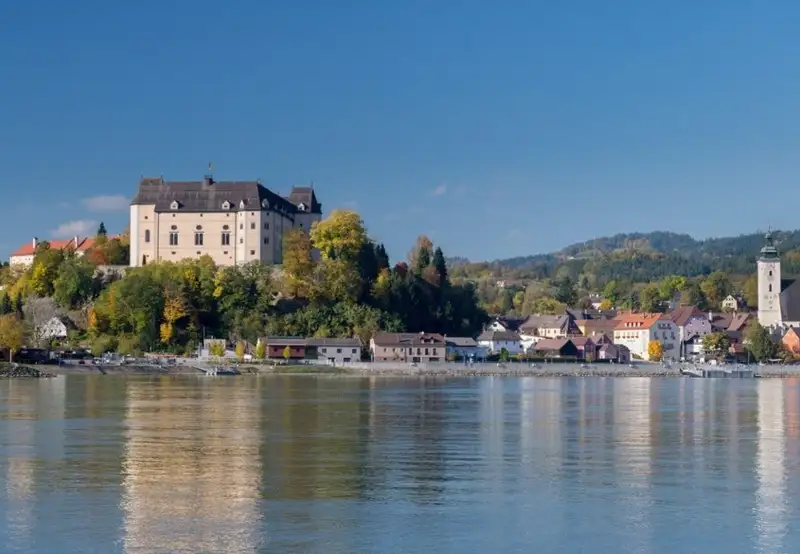
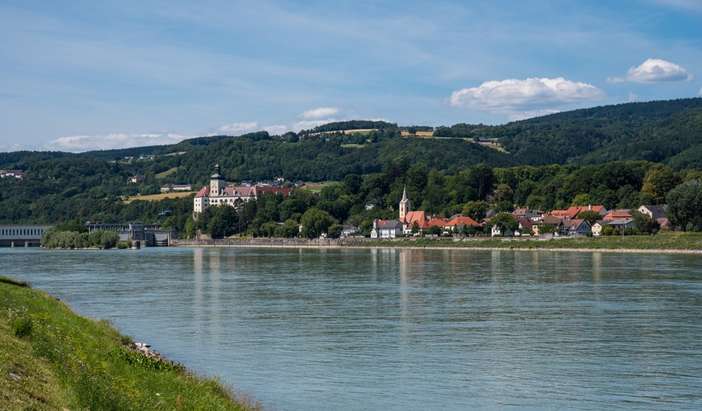
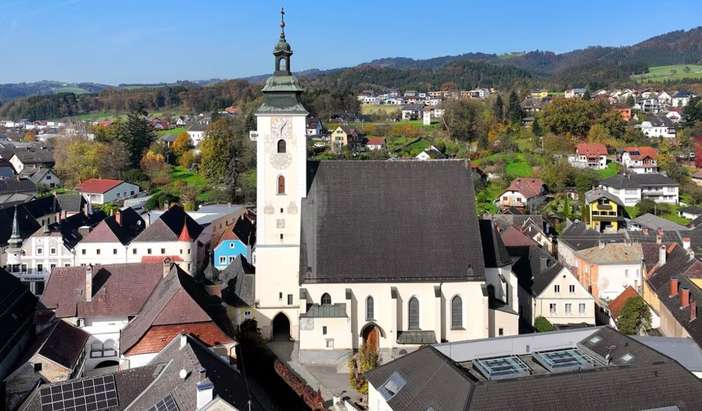
A hidden gem on the banks of the Danube, Grein is a charming Austrian town where you can indulge in authentic regional cuisine, admire vibrant landscapes, and explore intriguing historical sites. Overlooked by the 15th-century fortification Schloss Greinburg, it is a stunning destination any time of year – whether blanketed with white snow in the winter or surrounded by luscious green woodland in the summertime. You’ll also find Austria’s oldest theatre here, which opened in 1791, highlighting just how well-preserved the historic buildings are. With easy access to numerous popular hiking routes, Grein is also an excellent destination for exploring the Austrian countryside, though you’ll also have just as much fun strolling more casually along the riverfront. Among the more quaint destinations on cruises along the Danube River, Grein is the perfect place to immerse yourself in small-town life and take a moment to appreciate everything you’ve experienced on your travels so far.
Things to do in Grein, Austria:
Schloss Greinburg
Schloss Greinburg is a defining feature of the region and one historic landmark you’ll have trouble missing. Overlooking Grein and the Danube as it winds through Upper Austria, this is an impressive late-medieval castle complex dating back to at least the 15th century. Privately owned by the family foundation of the House of Saxe-Coburg and Gotha, this is the oldest residential castle in Austria today and is somewhere absolutely worth taking the time to visit when you arrive in Grein.
Stadttheater Grein
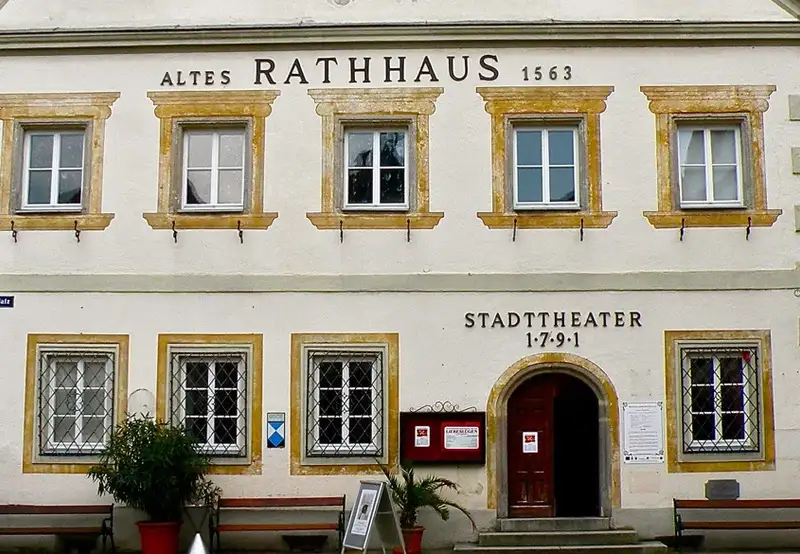
Stadttheater Grein, established in 1791, is the oldest town theatre in Austria and a highlight among Grein's attractions. Open almost every day, and still largely in its original condition, this venue offers visitors a fascinating insight into the town’s medieval past. You’ll find Stadttheater Grein is home to guided tours, the Stadtmuseum Grein, and regular theatrical performances.
Austrian Cuisine
Boasting a vibrant blend of Central European foods and flavours, Austrian cuisine is primarily known for numerous iconic breads and pastries, such as sweetened Kaiserschmarrn and Apfelstrudel, as well as Wienerschnitzel and Tafelspitz – a boiled meat dish served with a mix of minced apples and horseradish. It’s hearty food that packs a lot of flavour with sweet treats you won’t want to miss.
Linz, Austria
DAY 13
08 Aug 2026
Time at Port: TBD
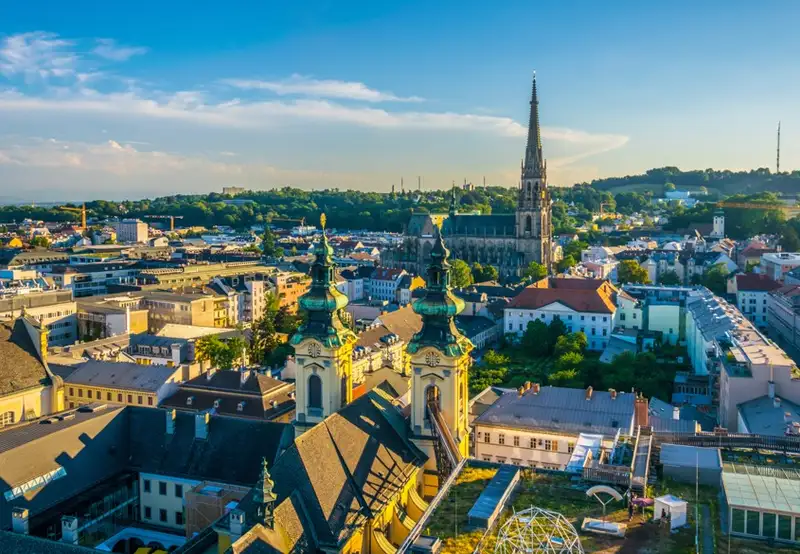
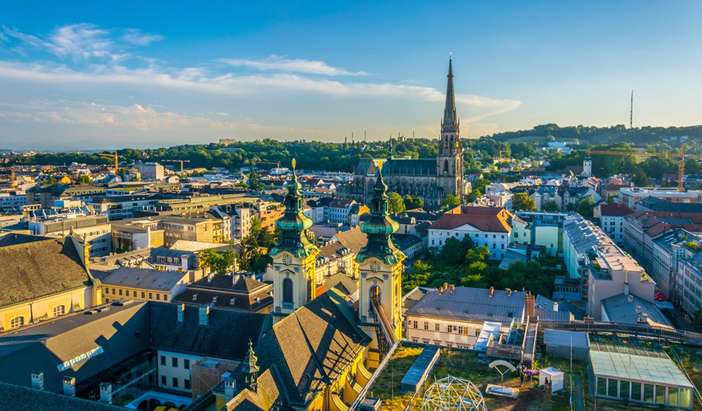
Austria’s third-largest city and one of the most interesting places to visit when cruising the Danube, Linz is a fascinating destination where you’ll find exciting architecture – both modern and historic – alongside experimental artwork, cutting-edge technology, and unique historic sites. An UNESCO City of Media Arts, it prides itself on innovation, and this affords the city a lively atmosphere; couple this with the culinary scene and it’s safe to say Linz is unlike anywhere else in the world. If you want to soak up the city’s culture, you’ll find a charming old town with boutique shopping opportunities and authentic culinary experiences in the heart of Linz. However, you’ll also find incredible destinations like the Ars Electronica Center here – a museum of the future which touches on topics from self-driving cars and robotics to 3D printing and so much more. That doesn’t mean that you can’t spend some time soaking up the sunshine and appreciating the great outdoors here, though; Linz is right on the river, meaning there are some incredible riverside routes to take advantage of here. Or, if you drive just over an hour south of the city, you’ll come across the stunning Kalkalpen National Park, one of the best places in the region for hiking. So, ultimately, however you want to spend your time in Linz, there’s something to look forward to.
Things to do in Linz, Austria:
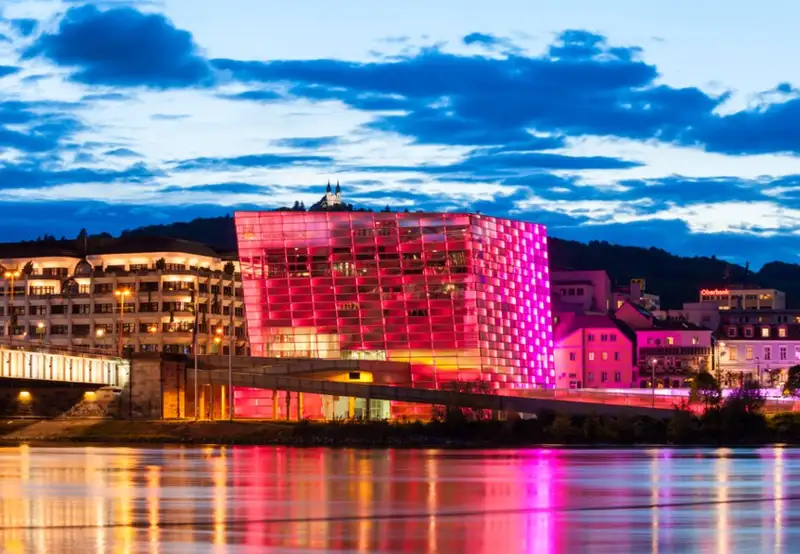
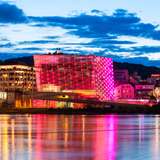
Ars Electronica Center
Dubbed a museum of the future, the Ars Electronica Center is home to a variety of unique technology-focused exhibitions and displays – and there are some fantastic interactive experiences for children available in the Kids’ Research Lab here, too. From an incredible 8K visual experience and investigations into the natural systems of Earth to AI and neuro-bionics, you never know what incredible things you’ll see when you visit here.
Lentos Kunstmuseum Linz
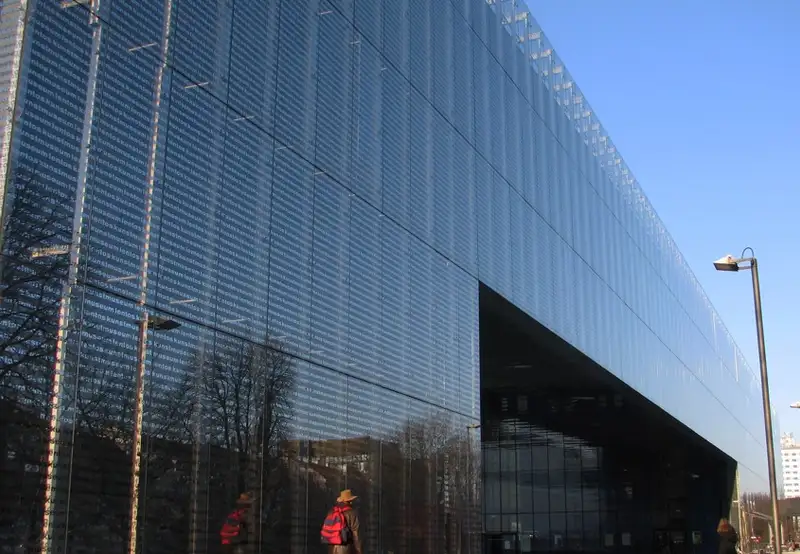
An avant-garde art museum on the banks of the Danube, the Lentos Kunstmuseum Linz is one of the most important museums of modern and contemporary art in Austria; set in an impressive 130-metre long glass structure that is illuminated at night, the collection here includes around 1,500 works of art, more than 10,000 written works, and approximately 850 photographs. Offering a comprehensive insight into the themes and positions of contemporary and modern art, this is a fantastic place to spend some time.
Linzer Mariendom
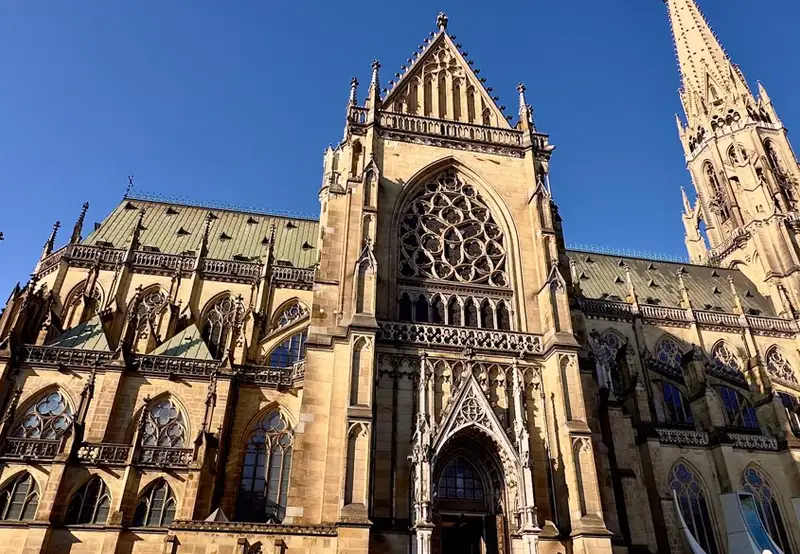
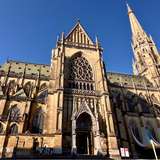
The largest church building in Austria, the Linzer Mariendom is a stunning neo-Gothic Roman Catholic cathedral in the heart of Linz; constructed from 1862 to 1924, this landmark is a lot newer than some of the other cathedrals you’ll see in cities along the Danube. But, that doesn’t make it any less impressive. The stained-glass windows here are truly something to behold.
Passau
DAY 14
09 Aug 2026
Time at Port: TBD
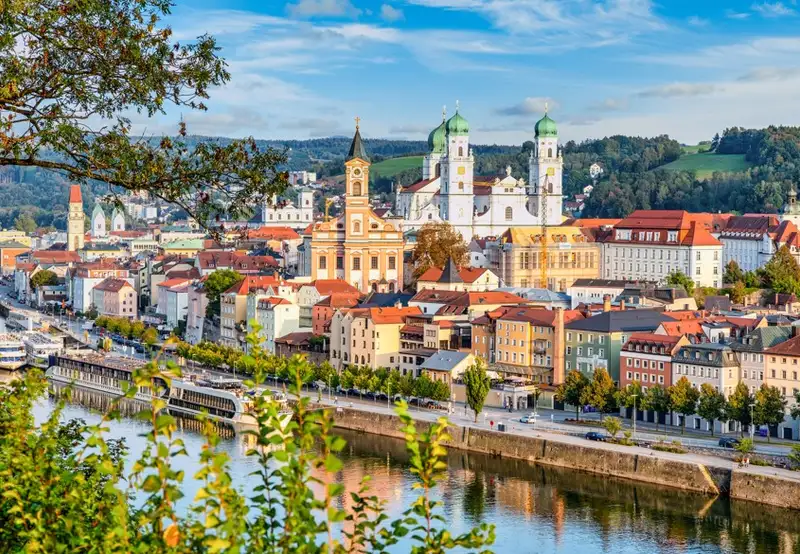
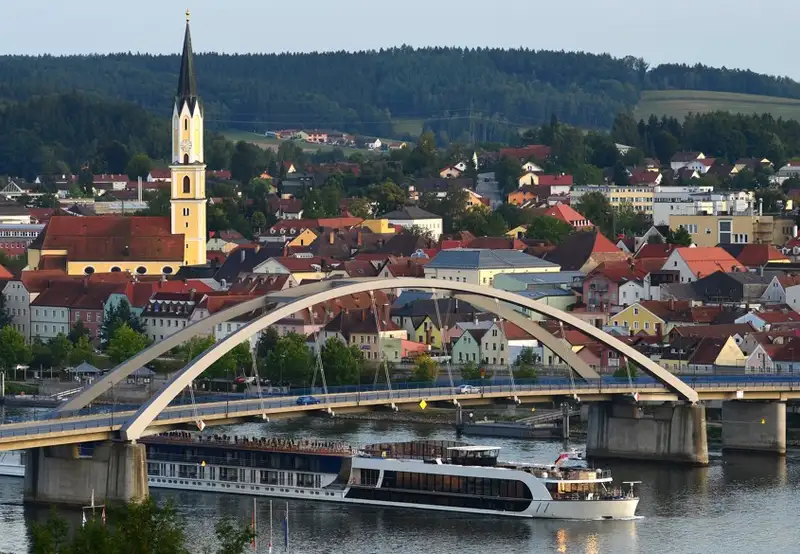
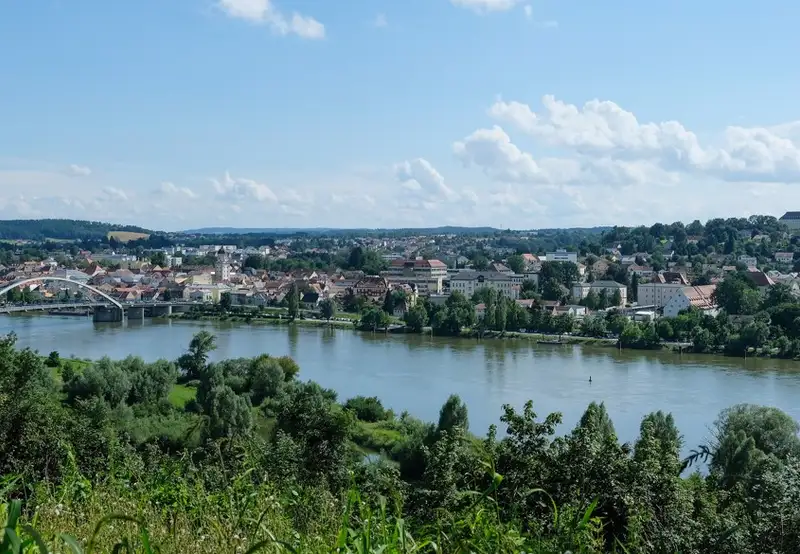
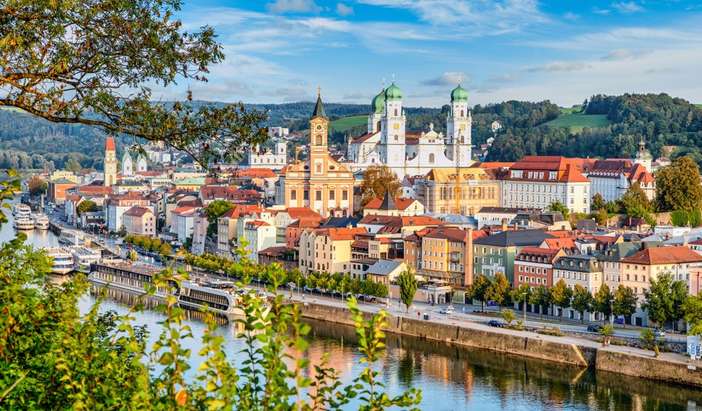
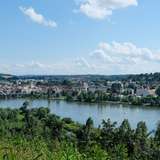
Known uniquely as Dreiflüssestadt ("City of Three Rivers"), Passau is a stunning Central Bavarian city on the Danube River, with the meeting point for both the Ilz River and Inn River found within the city’s limits – something of a natural phenomenon that makes for an excellent sightseeing opportunity. Throughout history, the position of Passau on the nexus of these three rivers allowed the city to grow into an important political and economic hub for the region, something that’s reflected in the impressive array of buildings you’ll have the chance to explore when you arrive. Passau also sits right on the German-Austrian border, meaning it’s still an important city to this day. This also affords Passau a unique culture, an interesting flavour profile with cuisine featuring dishes from both nations, and a lively atmosphere. For the active explorers among you, it’s a fantastic place for a hike into the forest-covered hills, or a bike ride along the Danube, but you won’t have to go far to see something spectacular. Passau’s Old Town is breathtaking, and you won’t have to travel far from the city centre to find some green space. One of the oldest cities in Bavaria, but far from dated, Passau is one place you’ll remember for a long time after you leave.
Things to do in Passau:
Veste Oberhaus
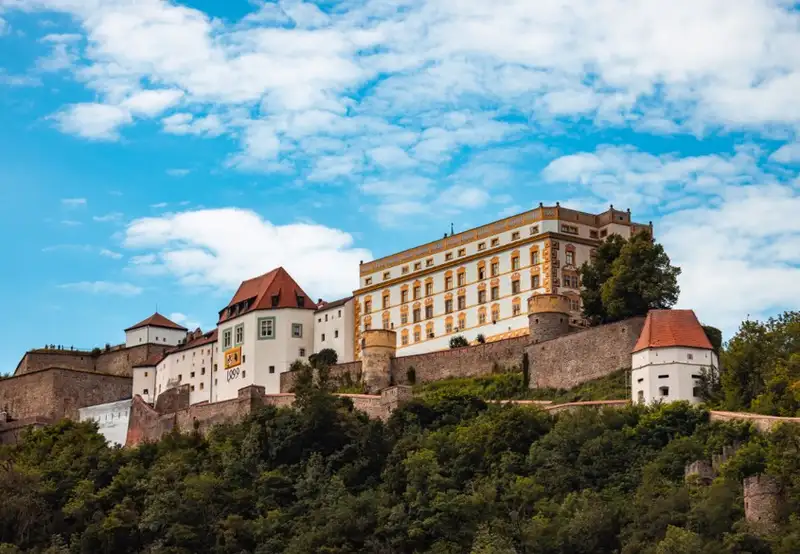
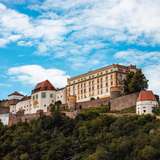
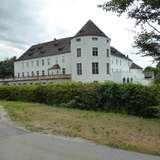
Founded in 1219, Veste Oberhaus is one of the most iconic landmarks in Passau; an impressive fortress towering over the Old Town, it sits over 100 metres above sea level on a hill between the Danube and Ilz. Veste Oberhaus was built as a symbol of military strength, but also sits in a strategic location allowing it to effectively defend the city and repel attackers. That doesn’t happen so much today, though; so, it now houses the Oberhausmuseum, a youth hostel, a restaurant, and what was once an open-air theatre space – something which was dismantled post-World War Two and now leaves no visible trace. You’ll also enjoy sensational views of Passau and the surrounding scenery from this elevated position, making Veste Oberhaus a must-visit landmark location while you’re in Passau.
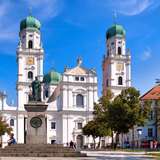
St. Stephen’s Cathedral
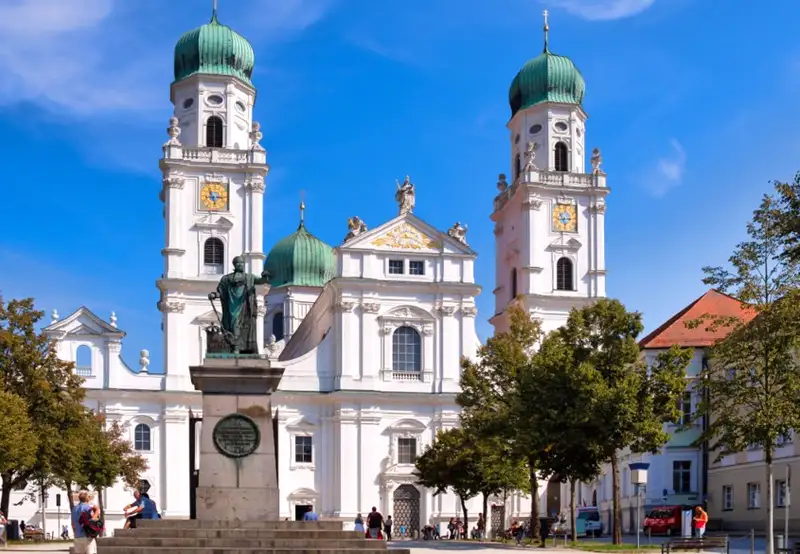
An impressive Baroque-style Catholic church dedicated to Saint Stephen, St. Stephen’s Cathedral is surprisingly unassuming from the outside, but utterly breathtaking from within. Its intricate interior and stunning frescos are worth spending some time appreciating; however, it’s also home to the world’s largest church organ outside the United States – with the organ here featuring 17,774 pipes and 233 registers. Surrounded by other incredible structures and sights to see, St. Stephen’s Cathedral is worth seeing when exploring the city.
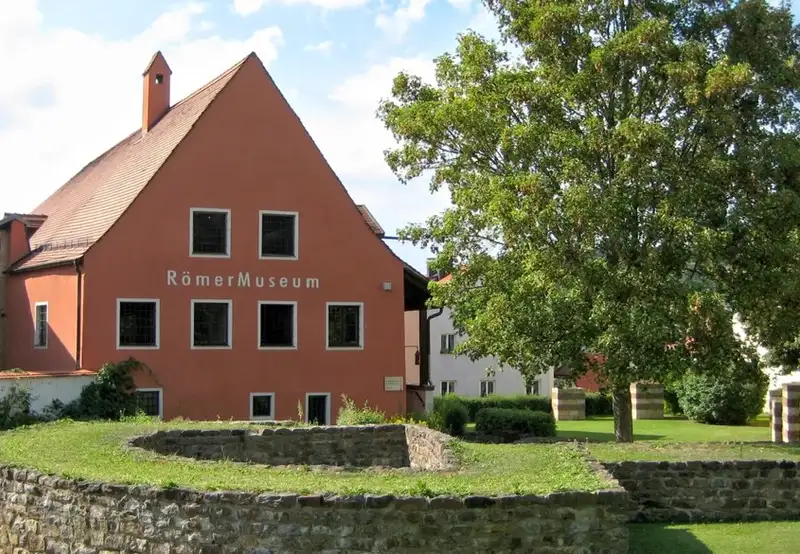
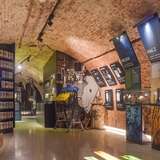
Roman Museum Kastell Boiotro
Located in a medieval house on the edge of Passau, across the Inn river from the city centre, this unique museum incorporates surviving sections of the late Roman Boiotro – a fortification built circa 280 AD – to deliver an immersive learning experience exploring the Roman history of the region. You’ll find hundreds of interesting historical objects here alongside virtual and physical models aiming to immerse you in this city’s remarkable Roman past.
Vilshofen - Overnight onboard
DAY 14-15
09 Aug 2026
Time at Port: TBD
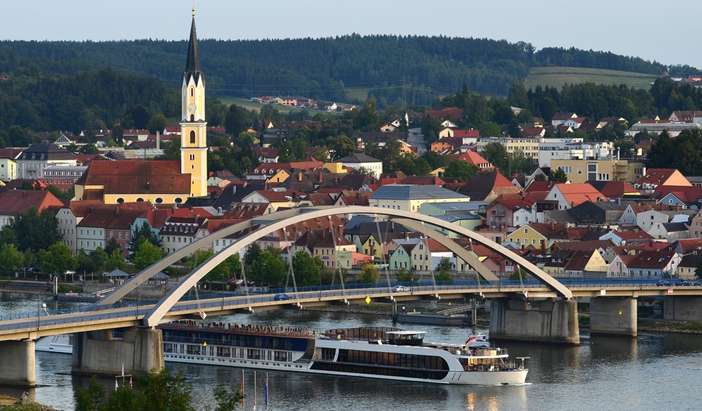
Vilshofen is a charming German town on the edge of the breathtaking Bavarian Forest and the banks of the Danube, boasting sensational scenery worth taking the time to admire, a captivating old town you’ll want to explore, and a laid-back atmosphere worth enjoying between visits to bigger (and often busier) towns and cities. Known for being the birthplace of Josef Groll, a famous German brewer commonly believed to have created the first Pilsner lager, you can certainly expect to find somewhere to sample the local brews in Vilshofen. You’ll also find several places to sample the local cuisine, and some charming boutique shopping experiences you won’t want to miss out on. Beyond this, though, Vilshofen is all about embracing the great outdoors and soaking in the relaxing ambiance of such a quaint riverside town. Whether you’re looking to spend some time strolling Vilshofen old town, a hike up to a hilltop viewpoint, or a scenic stroll along the Danube, there are plenty of places to enjoy the great outdoors in and around Vilshofen. The definition of a hidden gem, your time here will be memorable, however you choose to spend it.
Things to do in Vilshofen - Overnight onboard:
Vilshofen Castle and Brewery Museum
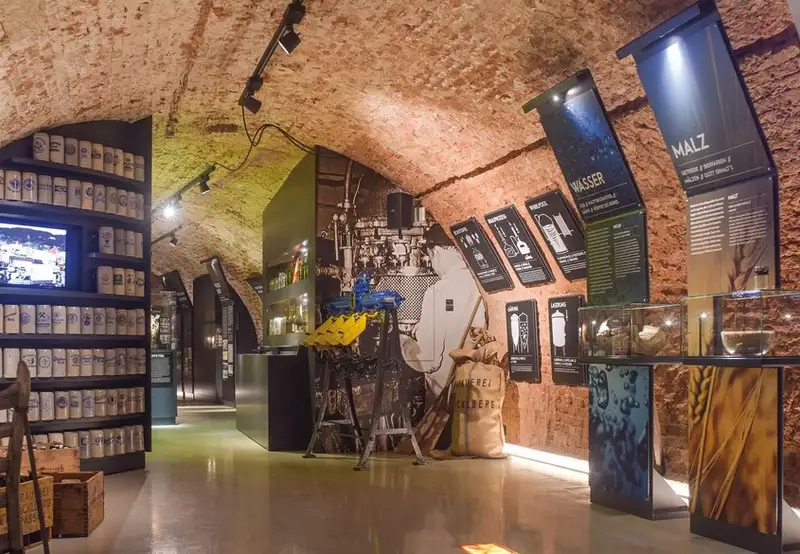
Blend history and hops with a visit to the town’s heritage brewing museum, which is housed in the iconic Vilshofen Castle. Not only will you enjoy the opportunity to learn more about the brewing process, while sampling some local Bavarian beers, but you’ll also get to see what’s left of this impressive medieval fortification – which is far from a bad combination!
Schloss Söldenau
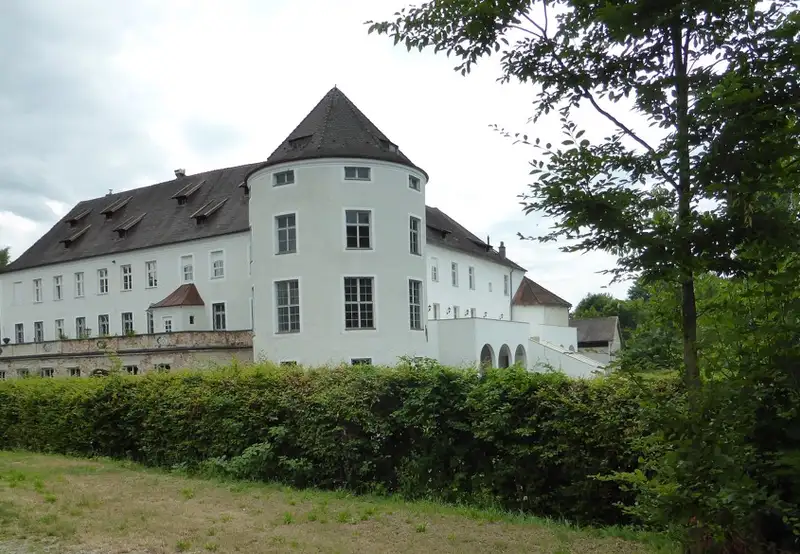
Found in the nearby town of Ortenburg, Schloss Söldenau is a 14th-century Hofmark castle that initially belonged to the Counts of Ortenburg – where it acted as their seat for several decades. Since then, Schloss Söldenau has been sold and inherited by various figures of wealth, being largely inhabited well into the late 20th century. While currently not open to the public, this castle complex is still an impressive sight to behold from the outside – and just one reason why it’s worth venturing further afield to Ortenburg when in Vilshofen.
Walking and Hiking
The area in and around Vilshofen is fantastic for walking and hiking, with suitable options for all activity levels ensuring everyone has the chance to spend some time soaking up the sunshine and the stunning scenery. There are relaxing riverside routes along the Danube, with vibrant greenery and idyllic views to enjoy, alongside more active hiking routes into the countryside; with so many hills in the area, you won’t have to travel too far to find somewhere where you can admire a fantastic view of Vilshofen and Bavaria.
Flight departs
DAY 15
Time at Port: TBD
Say goodbye to your current destination, for it’s time to head somewhere new! Flight information will be available closer to your embarkation date, but this will be when you’re hopping on a plane to continue your adventure – be that travelling somewhere new, or heading home.
Select your departure airport
If you are looking for an airport not available in the list below or want to make changes to your flights, please give us a call: 0203 848 3113


 AmaBella -


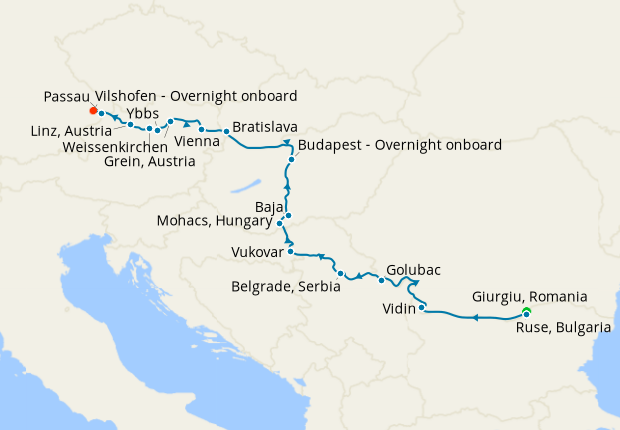


 27 July 2026 · 14 nights
 London Heathrow
  2 Adults
Change
2 Adults
Change